
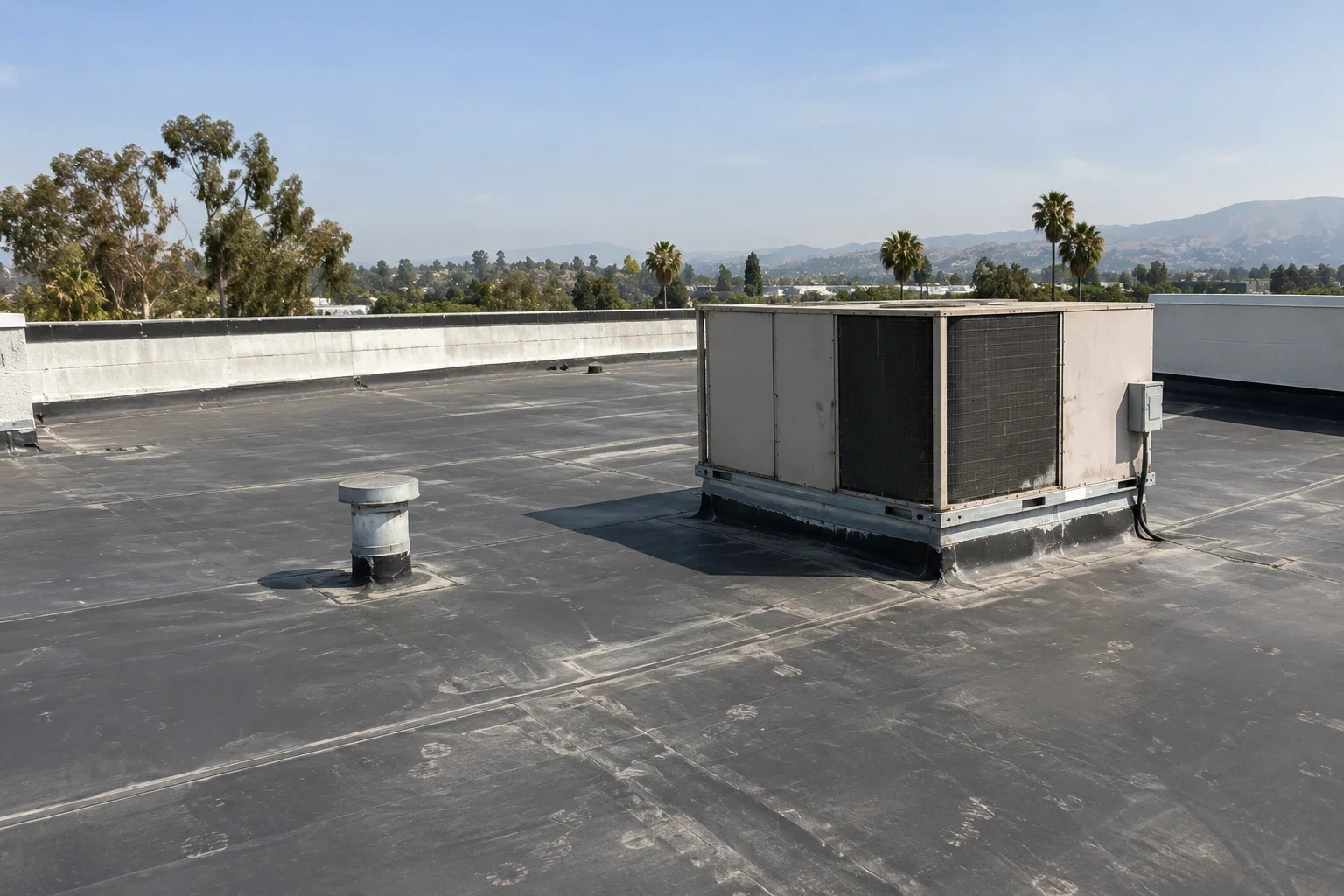
EPDM Roof Repair in Clovis at Adhesive and Flashing Joints
Roof Systems
A tenant reporting a fresh ceiling mark after the first rain could be looking at water from an EPDM transition, but the membrane and adjoining construction need examination before a repair is assigned. We inspect and repair EPDM commercial roofs in Clovis, CA, with the interior report linked to accessible seams, terminations and penetrations above it. The rubber covering uses repair methods different from heat-welded thermoplastic roofing, so identifying the existing material is an early step rather than a detail left until the crew arrives.
Fresno's exceptional July 2024 temperatures supply regional context for roof review, not proof of adhesive failure at the owner's property. Central Valley winter fog adds a preparation question about actual surface dryness. The Herndon Avenue medical district includes occupied care buildings where access and indoor protection must be coordinated with each facility team. The subject building establishes the assembly, the occupants below and the examination needed to define the correction. Those findings decide whether a seam treatment, transition reconstruction or broader intervention belongs in the permanent work.
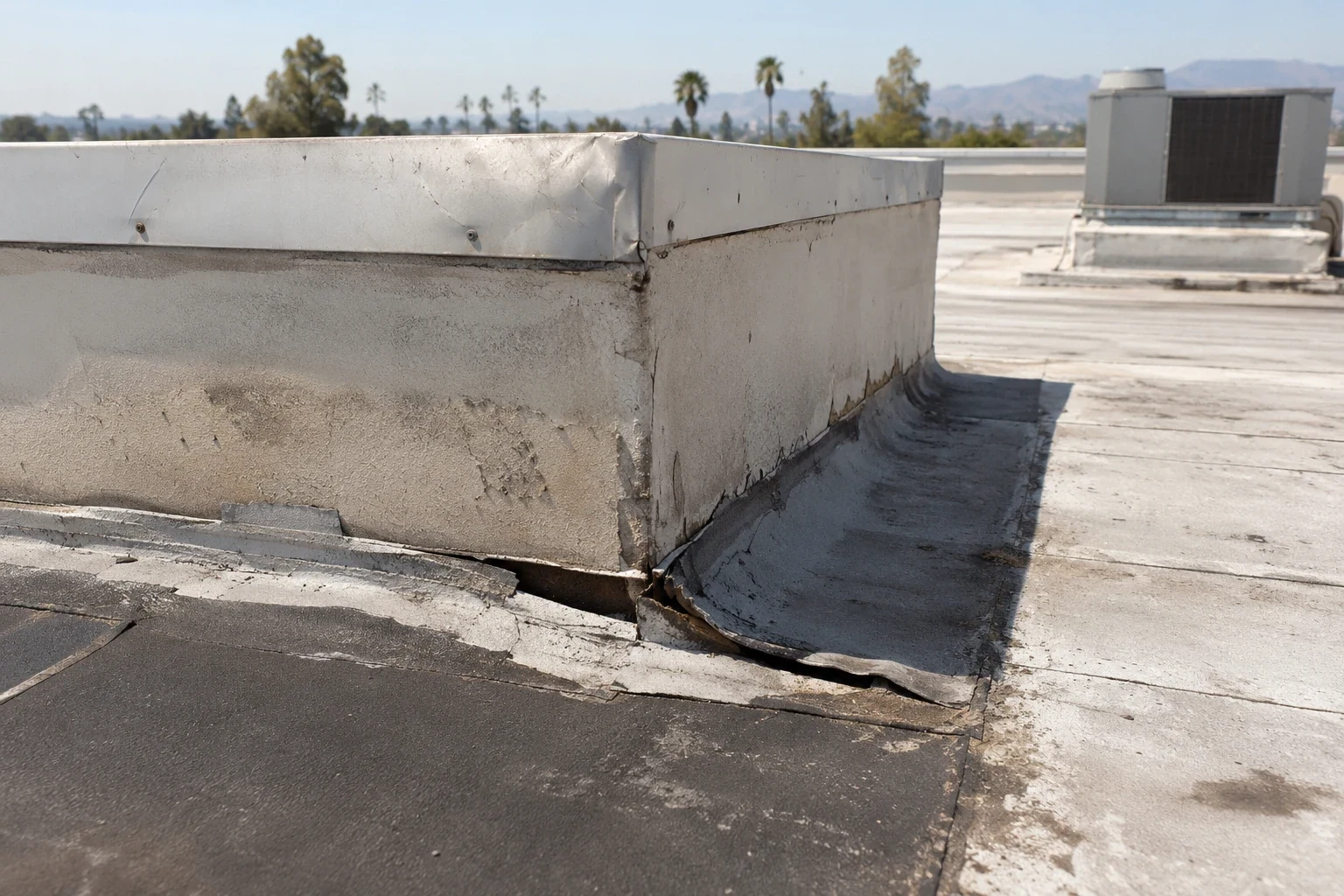
The prepared surface beneath the repair material
EPDM joints and repair details can involve tapes, primers, adhesives and flashing materials selected for the system. Their performance depends on the preparation and assembly method, not merely on placing another strip over a visible opening. We examine accessible seam edges and nearby sheet condition, then identify the existing covering and any prior patch material. Dirt, residue or damaged rubber can change the preparation or require a different repair boundary.
A proposed seam repair needs suitable surrounding material and a method compatible with the assembly. The product's preparation requirements determine cleaning, priming and joining conditions. A generic sealant cannot replace an unspecified seam method. At corners and irregular openings, the flashing material must form the required detail without creating an unsupported transition. We describe each component so the owner can distinguish a correction along a membrane joint from reconstruction around a penetration. The visible line of an opening may be shorter than the area needed for preparation and a durable connection, which is why the measured repair scope should show the full working boundary.
The temporary disposition of active water entry
An urgent EPDM call begins with the occupied-space concern and the safe-entry assessment. The owner should report water near electrical equipment, sensitive contents and any access restriction that affects the roof visit. Qualified facility personnel handle interior protection and electrical hazards while we determine the roofing action available. Our emergency response operates after hours, on weekends and during holidays, with the actual timing and method governed by safe access and conditions.
Temporary material must be compatible with the existing covering and placed so it does not obstruct drainage or prevent the later preparation. A damp or contaminated surface can limit the permanent adhesive method even where the visible opening is easy to reach. We record what the temporary task is intended to accomplish and what still needs examination. At the Herndon medical district, confirm access and indoor protection with the facility team before selecting a roof work window. The follow-up visit should use the first report and marked location, preserving the investigation rather than restarting with a ceiling photograph disconnected from the roof construction.
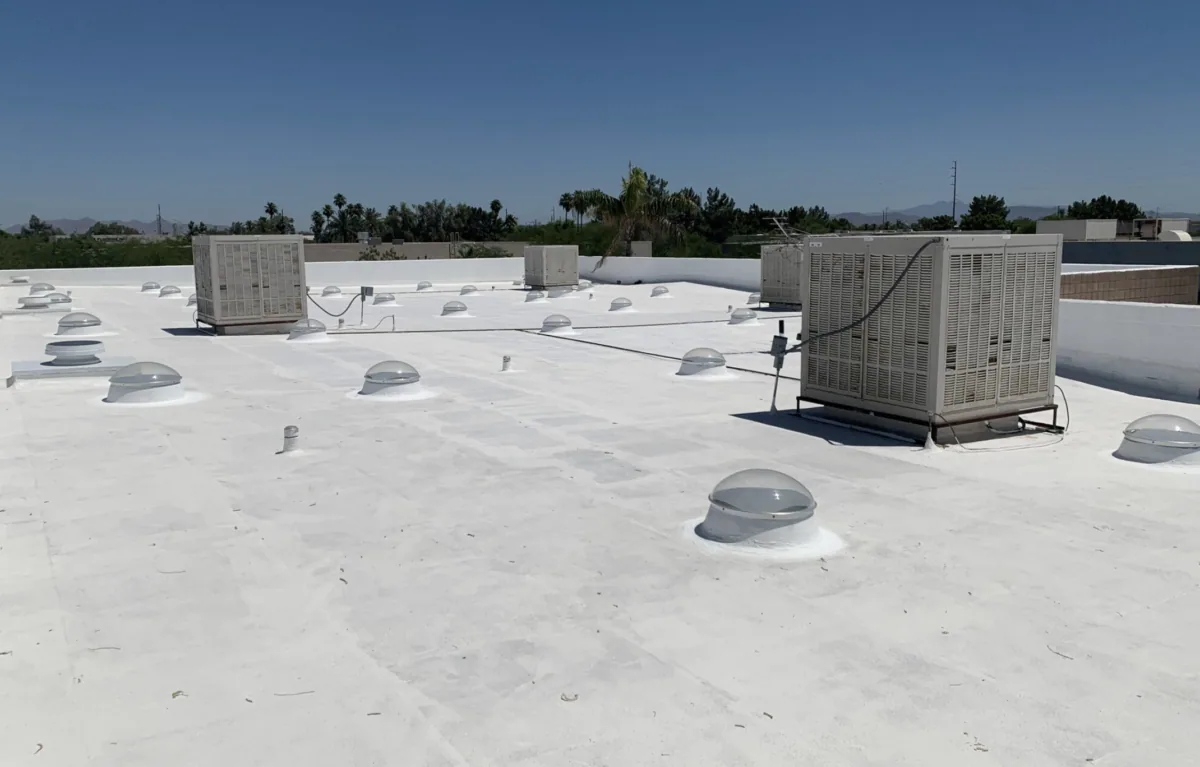
Transitions and concealed assembly findings
A wall or curb transition includes its upper termination as well as the field connection. We examine both where accessible because water can enter above an apparently serviceable lower joint. A loose attachment or damaged adjoining construction needs its own correction; a strip applied along the exposed edge may not address the full path. The permanent estimate should identify removal, preparation, new flashing and the point where the repair meets sound construction.
Suspect concealed moisture may justify testing beyond the surface examination. Authorized investigation openings need appropriate restoration, and the results should remain mapped to their actual locations. For moisture evaluation under suitable conditions, indicated patterns require confirmation before becoming reconstruction quantities. Wet insulation or damaged deck material changes the sequence because the permanent covering depends on what supports it. A local finding should not be stretched across the building without evidence. Keep known removal, additional investigation and the approval procedure for concealed changes distinct so an owner can authorize the correction without accepting unlimited expansion during construction.
The choice of repair method and working area
Adhesive and primer work needs the appropriate handling and operating controls for the actual products selected. The building's ventilation arrangement and occupied use inform the questions to resolve with the operator. We establish the working area, protection and permissible hours rather than promising that a repair will have no effect on occupants. Storage and disposal need their own method, with incompatible materials kept out of the proposed detail.
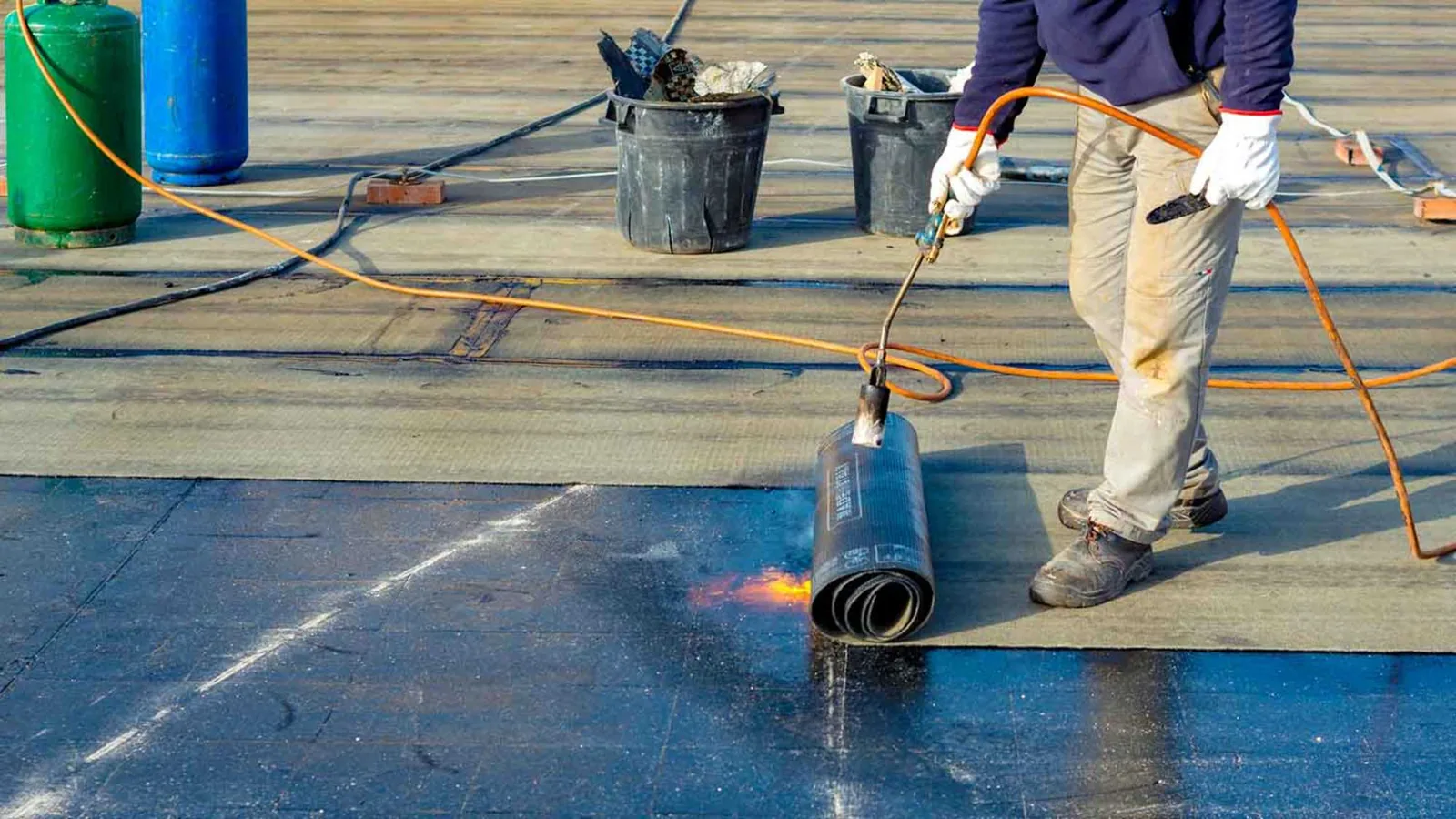
Where broader renewal is supported, compare the complete construction with alternatives such as a welded TPO assembly or a modified-bitumen system. Their different joining and detail methods change the scope; they are not simply interchangeable rolls assigned by price. Review the existing layers, drainage and attachment requirements before selecting an overlay or removal option. The owner should see why the proposed assembly fits the findings and which operational tasks it needs. A limited repair remains an option only where sound surrounding construction and a compatible method can support the correction being offered.
The application conditions and maintenance record
Fog season makes actual surface preparation important even on a day without rainfall. Measure and assess the work area under the selected material requirements, allowing preparation and drying before the permanent adhesive connection. Summer heat affects safe working conditions and product handling as well, without establishing that the existing seam failed because of temperature. A change in conditions may require postponement or a revised sequence; communicate the temporary disposition and follow-up rather than letting the appointment dictate an unsuitable installation.
At handoff, record the repaired seam or flashing location, materials and preparation with photographs of the completed detail. Review applicable warranty requirements and retain them with the maintenance file. Future equipment work can disturb a repaired transition, so identify the route and approval requirements for new openings. A later complaint should be investigated against the documented correction and other possible water paths. The owner needs unresolved interior or equipment tasks assigned separately from the roofing completion, leaving a usable record of what changed and what still requires attention before another rain period.
Cold or humid conditions can affect EPDM cleaning, primer use and adhesive work, so the permanent repair needs a suitable surface and the installation requirements for the selected system. We record the preparation and tie-in before covering it, including any area that could not be dried or inspected. If an urgent measure is needed first, note its limits and return for the permanent seam or flashing correction under suitable conditions.
Commercial Roofing Questions
Can EPDM be repaired with a thermoplastic welding method?
Material identification controls the method. EPDM repairs need the compatible adhesive, tape or flashing system specified for the construction.
Does a lifted edge establish widespread adhesive failure?
The examined condition defines the finding. Broader repair quantities require evidence beyond a single visible edge.
Is primer an optional cost reduction?
The selected system's preparation requirements establish its use. Removing a required step changes the installation rather than merely reducing cost.
Can a temporary patch remain under the new repair?
Compatibility and substrate condition control acceptance. Material that interferes with permanent preparation may need removal.
What makes an EPDM repair complete?
The agreed boundary, preparation and detail must be finished and checked. Separate outstanding interior or equipment tasks from roof acceptance.
Describe the EPDM seam and the interior concern
Provide the reported water location, prior patches and access contact. We will assess the available immediate action and define the compatible permanent repair sequence.
Related Pages
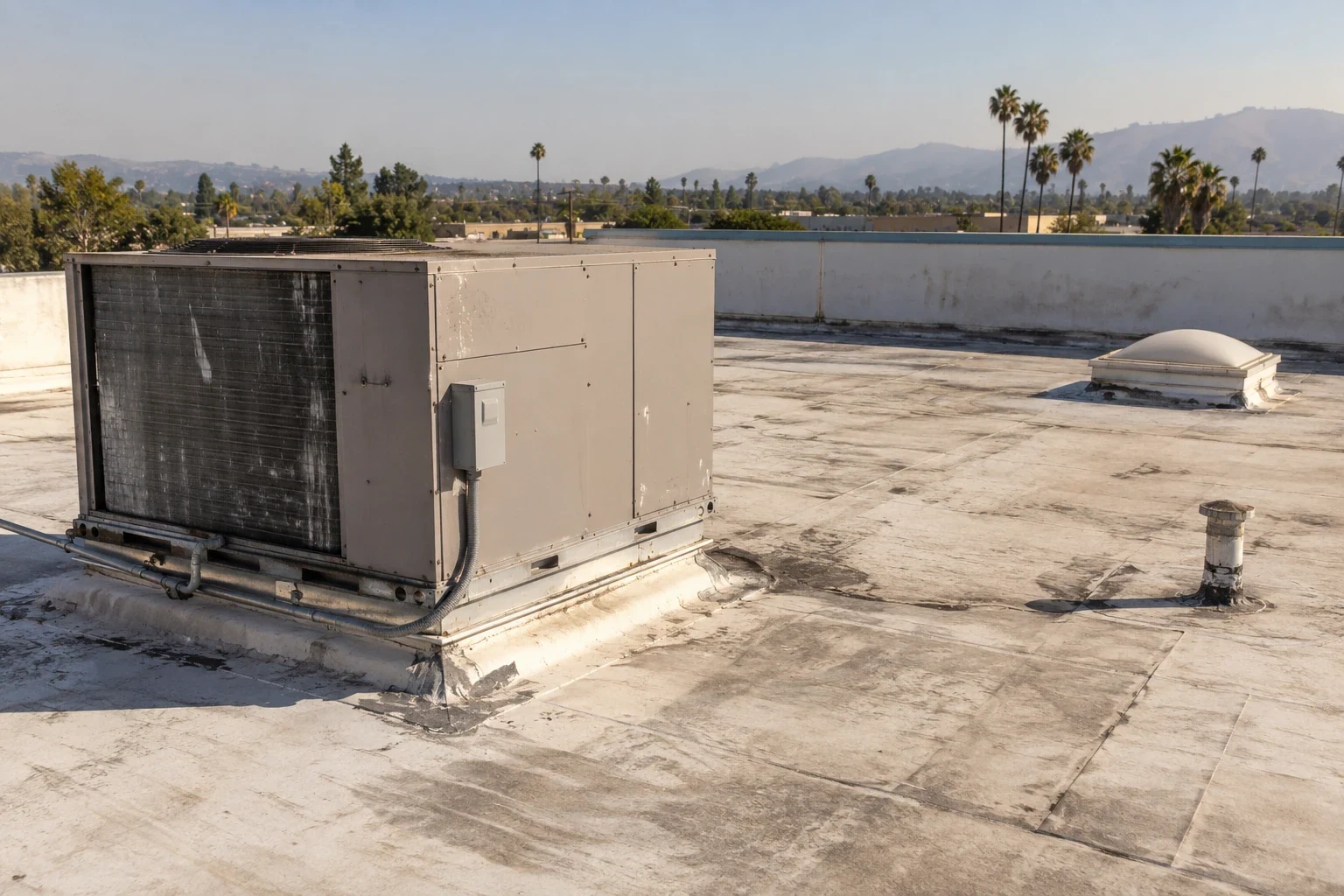
Commercial Roof Inspection
Read the full page
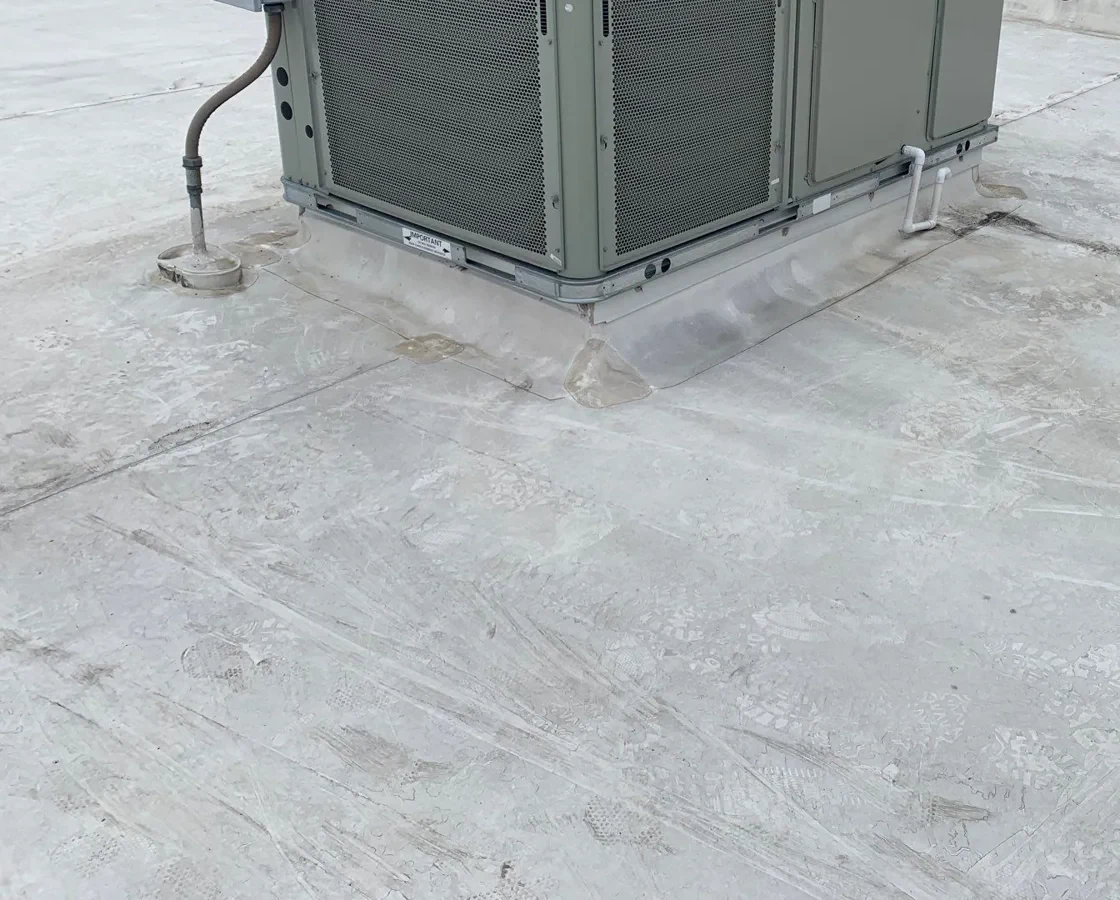
Commercial Roof Seam Corrections in Clovis After Entry
See how we handle it
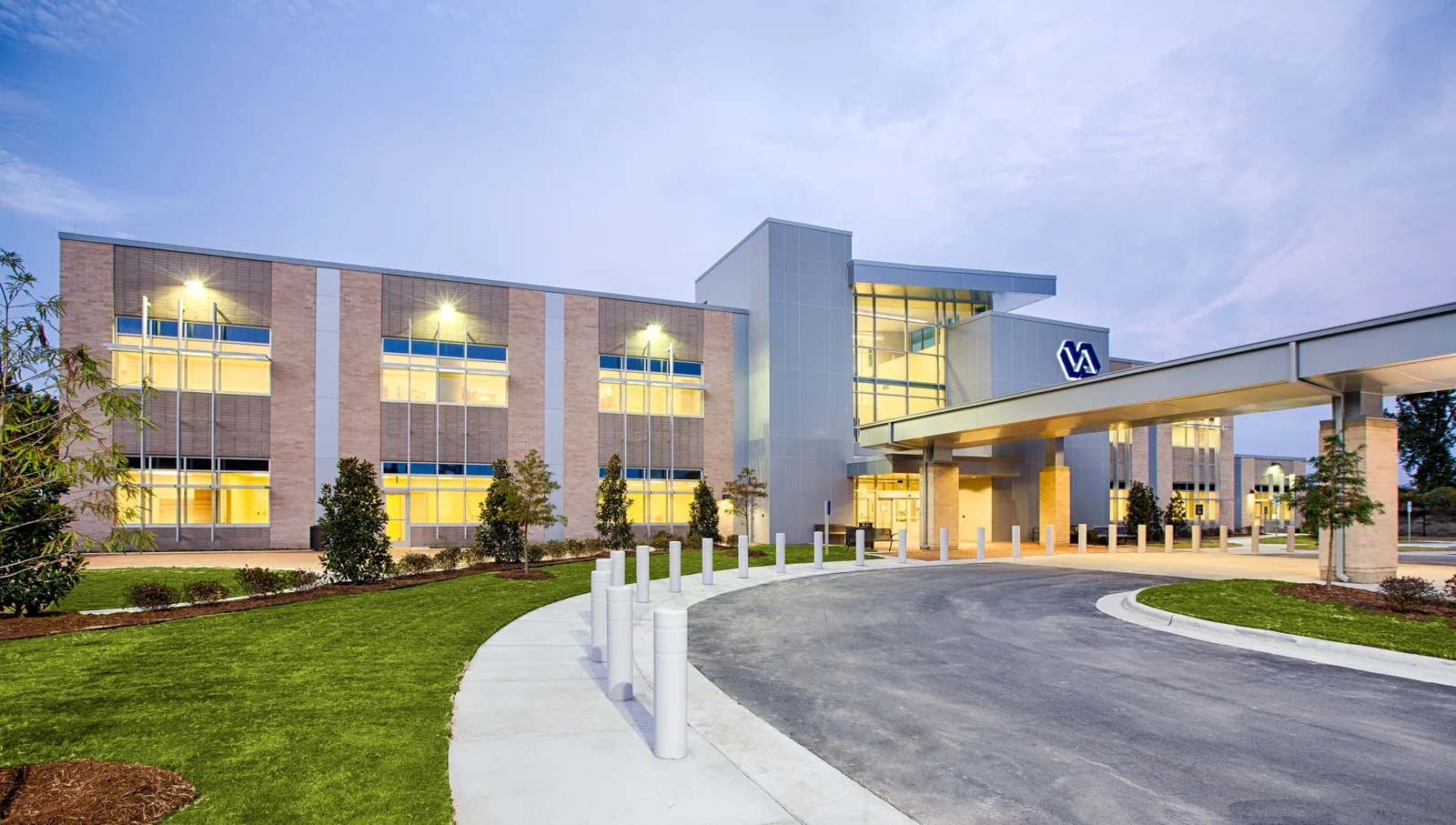
Herndon Medical District
Scope, sequence and repair notes
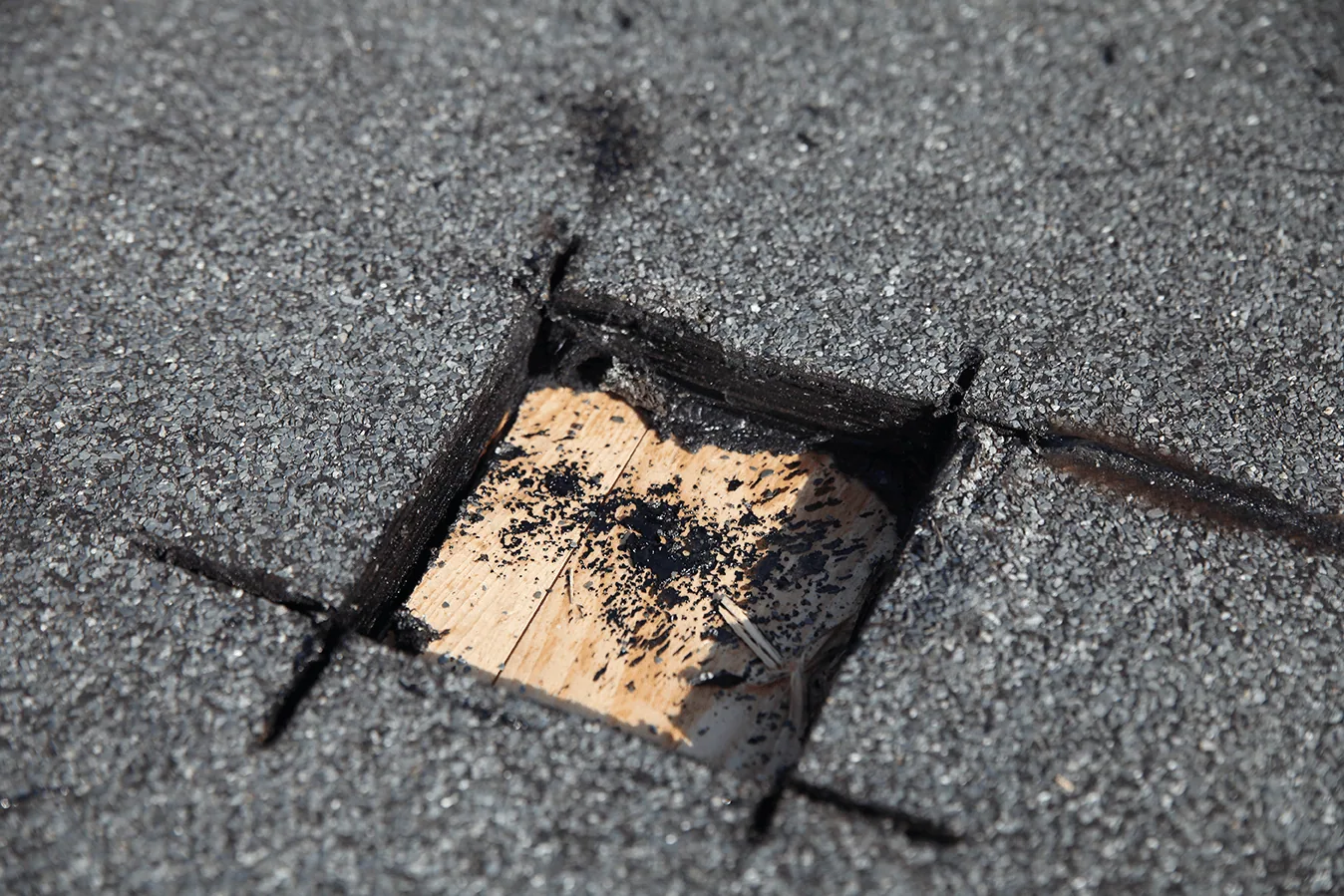
Infrared Roof Moisture Survey
Read the full page
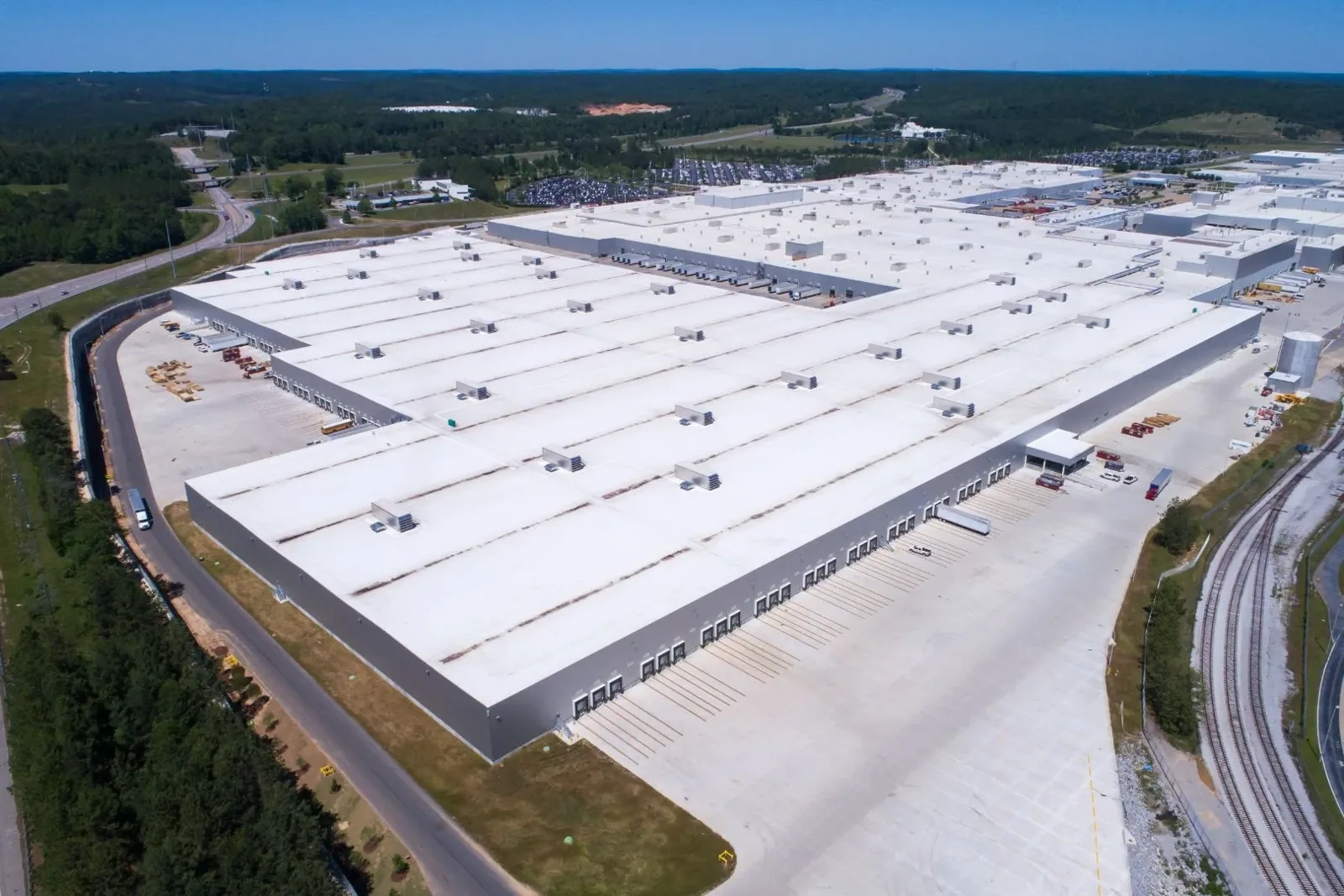
TPO Roof Repair in Clovis After a New Drip
See how we handle it
Modified-Bitumen Roof Repairs in Clovis at Laps and Blisters
Scope, sequence and repair notes