Logistics and 3PL Roofing in Clovis, CA
Industries We Serve
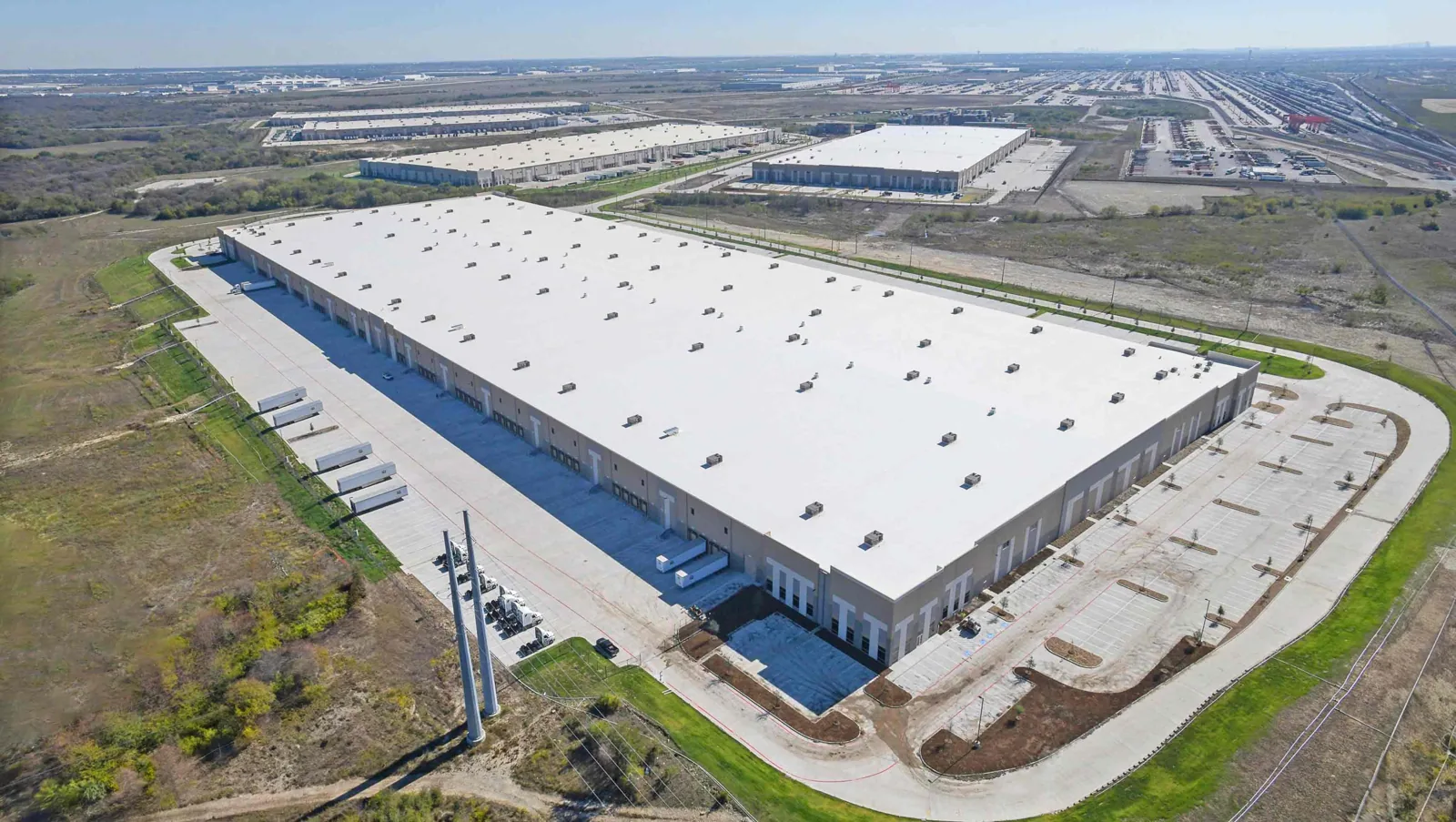
Water starts landing on wrapped freight beside a dock door during a winter delivery shift, and moving that freight only solves part of the problem. A logistics operator in Clovis, CA, needs the roof entry point controlled while inventory, scanners and vehicle routes remain protected. We confirm the affected bay and the roof access that will not obstruct loading, then examine the drain area, field membrane and nearby penetrations. Temporary protection is selected after that inspection and kept distinct from the permanent removal of wet roof material. The repair plan identifies which dock positions or storage aisles need isolation, so the operator can adjust shipments against an actual work area rather than close a whole building before the roof condition is known.
Drainage above storage positions
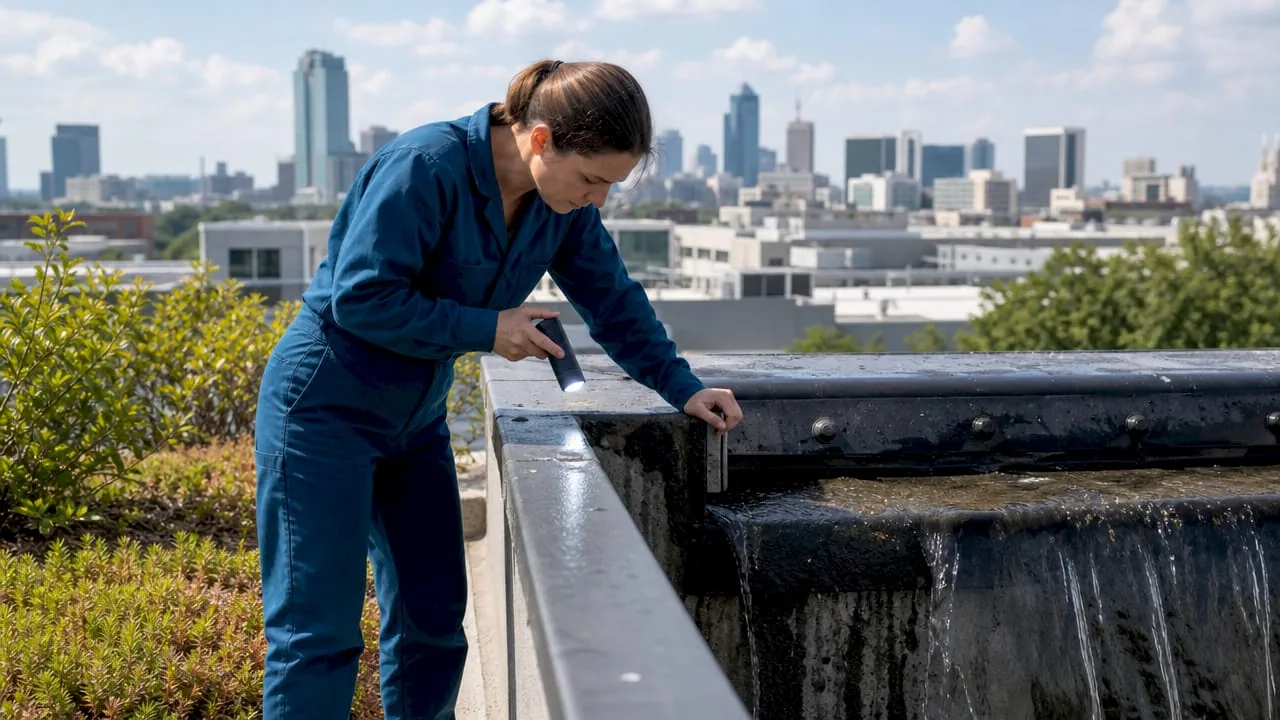
A blocked drain can leave water standing over one bay while the rest of the roof drains normally. We inspect the strainer, drain connection and membrane attachment at the bowl, then consider the surrounding slope and any secondary drainage. Roof drain and scupper repairs address the water outlet as well as the seal around it. Clearing debris may relieve standing water without correcting a failed connection, and a new drain cannot create slope that is missing elsewhere. We identify whether the defect is blockage, flashing, piping or the roof geometry, with plumbing assistance arranged where the outlet system requires work. The operator needs that distinction because recurring ponding can continue above stored goods after a superficial leak patch appears to have solved the immediate entry.
Inventory protection and warehouse access
Pallets positioned below a proposed opening need more than a small catch container if insulation and deck work are expected above them. We agree the protected storage boundary with the operator and discuss whether products can be moved, enclosed or isolated during removal. Distribution roof construction also requires a safe route for materials that does not cross active truck movements without control. Roof access, unloading and debris handling are planned separately from shipment receiving. A third-party operator may need permission from both the building owner and the customer whose inventory is exposed. We identify those approval contacts early, including who can release an affected bay and who can approve additional roof removal if moisture extends beyond the first opening.
Local assignments and regional temperatures
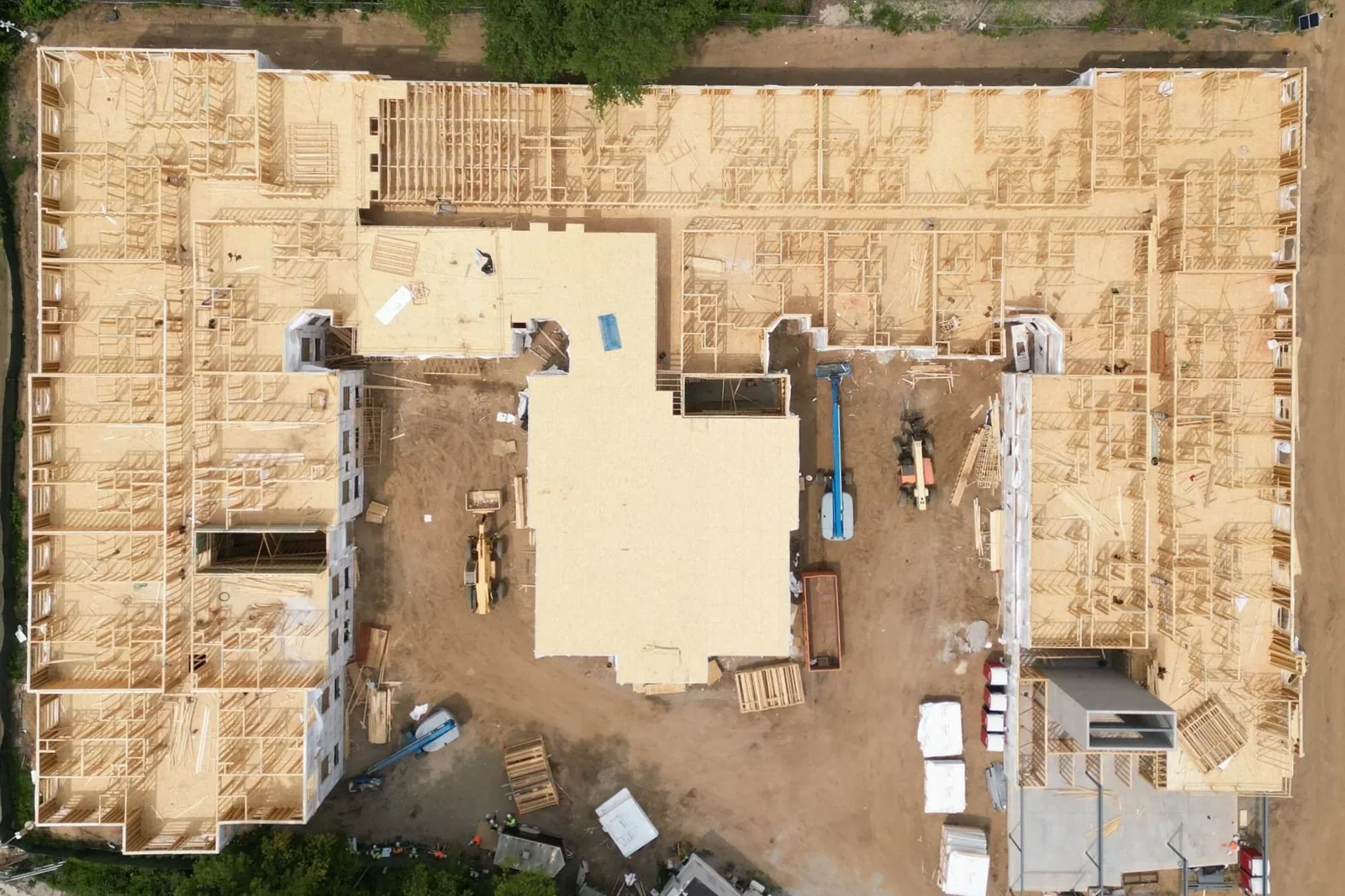
Fresno and Clovis logistics properties rely on access routes, loading areas and shift schedules that vary by site. A nearby airport or retail center can orient travel, but warehouse attendance still depends on the correct gate, tenant contact and approved staging area. Coordinate roof work around active docks and inventory movement, and identify which party can protect stored goods or authorize a bay closure. Keep the roofing quantities tied to the inspected assembly rather than shipment or interruption estimates.
Equipment water and roof water
Condensate spilling from a cooling unit can wet a roof area even in dry weather, while a membrane defect may admit that water below. We examine the discharge route with the equipment trade before attributing every damp ceiling to rain. A roof leak repair may be needed together with a corrected condensate line, particularly where repeated wetting has degraded flashing or left debris against a seam. Temperature-controlled inventory adds another coordination task: the operator determines the permitted room exposure and equipment interruption. The roof crew documents the weather barrier work, while the responsible refrigeration or mechanical technician restores the equipment function. Work with manufacturing operators involves a similar trade interface, although process requirements must be established separately for each facility.
Staged removal and dispatch commitments
A replacement area that extends above several outbound lanes can affect dispatch even before water reaches inventory. We discuss the daily removal limit, interior protection and the point at which the roof will be closed for the next shift. Staged roofing over an occupied building should allow the operator to plan bay availability against the expected work, with contingency arrangements for hidden deck deterioration. Delivery vehicles need a defined unloading position, and waste containers must not consume the emergency access route. The owner approval path also needs to be reachable during opening, since additional wet material may require a changed boundary. We report what was exposed and protected that day so shipment managers can make decisions using the current conditions, not the original estimate alone.
Owner responsibilities and recurring access
A leased warehouse may give the logistics operator responsibility for equipment while the owner maintains the roof, creating a split approval process when a leak surrounds a curb. We coordinate with property management representatives to identify those responsibilities without letting the contract debate obscure the physical defect. New service routes and protective pads can reduce damage from later equipment visits, provided they preserve drainage and do not trap water against flashing. A roof condition report records unresolved defects outside the immediate repair and identifies areas worth monitoring. Our emergency service can be reached overnight, during weekends and on holidays; response arrangements depend on access and site conditions. Permanent work is then planned with the parties who control the roof, inventory and equipment.
Third-party logistics operators may work in leased buildings where the tenant, landlord and property manager hold different approvals. Identify who can authorize roof access, protect inventory, move dock activity or approve a change to the repair scope before setting a mobilization date. Preserve a record of the affected bay, the reported shipment or storage impact and the roof condition observed, without blending business interruption estimates into roofing quantities. That division helps each party coordinate its responsibilities while the contractor stays accountable for the assembly work described.
An operator in the Yosemite Business Park and airport industrial area still needs a site-specific gate, tenant contact and work release. Include loading conflicts, truck circulation and inventory protection in the access plan, then show what can be completed within each approved window. A roof repair record should describe the affected bay and closure status, not promise a warehouse throughput result.
Commercial Roofing Questions
Do all dock bays need to close for a leak repair?
Dock isolation should correspond to the roof opening and its interior exposure. A local flashing repair can require less separation than insulation and deck removal. We establish the affected bay positions and material route with the operator, then revise that boundary if concealed moisture changes the work.
Who approves work when the freight belongs to a customer?
Inventory control and building authorization may belong to different parties. The operator should identify who can move or isolate customer freight and who can authorize roof work. We coordinate the repair information with those contacts so product protection is agreed before removal begins.
Can a blocked drain be treated as the entire cause?
Cleaning alone is sufficient only where the drain assembly remains sound. We also examine the membrane connection, nearby ponding and the discharge system. Water may stop standing after cleaning while a damaged drain flashing still leaks during the next rain.
What changes for refrigerated storage?
Refrigerated work must respect the allowed temperature exposure and equipment shutdown arrangements. We discuss those limits with the operator and refrigeration trade before opening the roof. Insulation continuity and the vapor-control arrangement also need attention during permanent repair, with the actual assembly established through investigation.
How can night dispatch continue during replacement?
Night dispatch needs daily roof closure and protected vehicle routes. We agree the areas that can be isolated and how the completed roof will be checked before the next shift. Some construction tasks still require a restricted bay or planned pause, which should be identified before trucks are committed to that position.
A roof leak affecting freight movement
Describe the affected storage or dock position, the freight protection needs and the parties who authorize roof access. We will discuss containment and the work sequence required to keep shipments clear of the repair.
Related Pages
Roof Drains and Scuppers
Read the full page
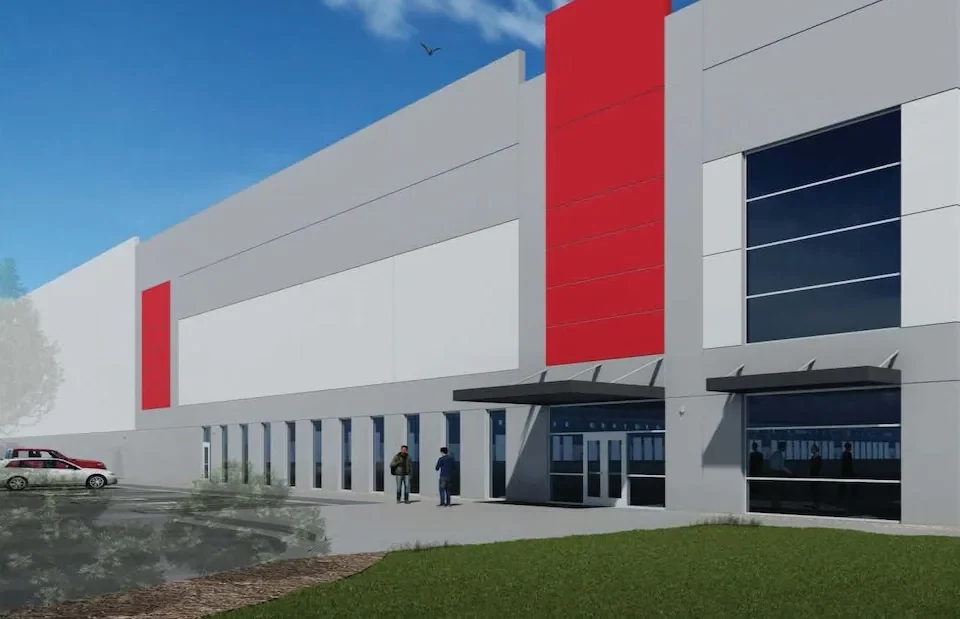
Distribution Roof Repairs Around Receiving Operations
See how we handle it
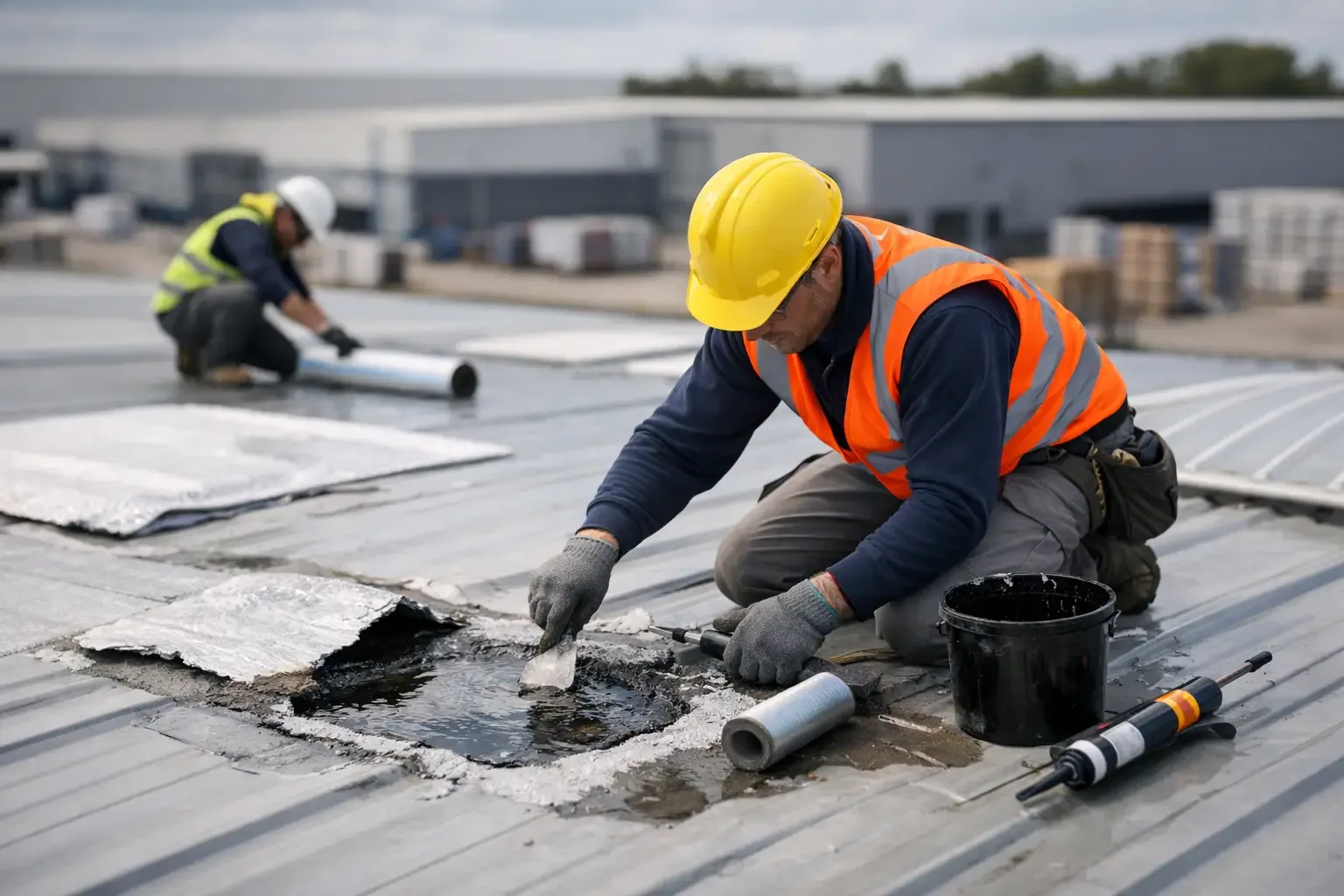
Commercial Roof Leak Repair
Scope, sequence and repair notes
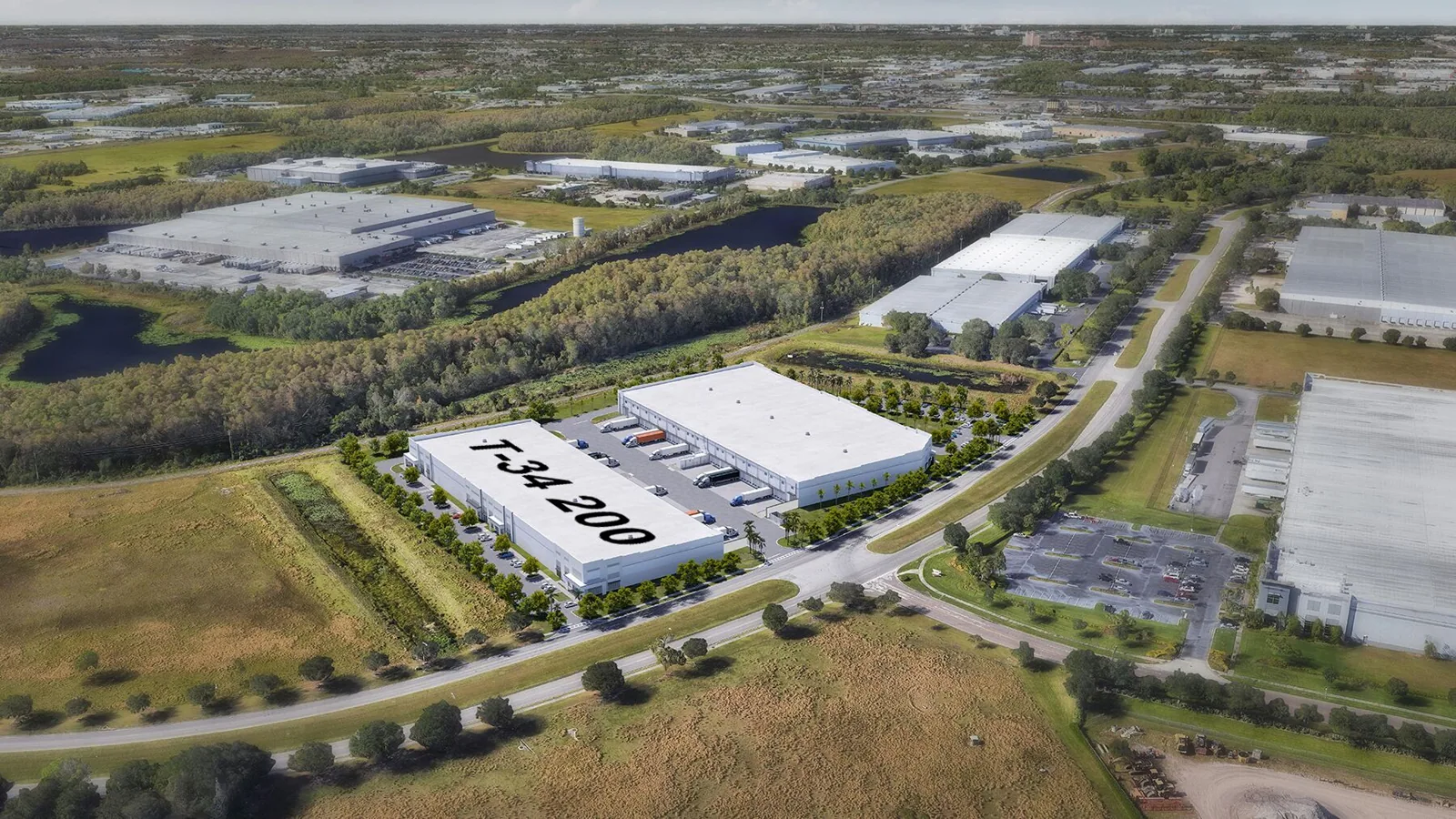
Manufacturers
Read the full page
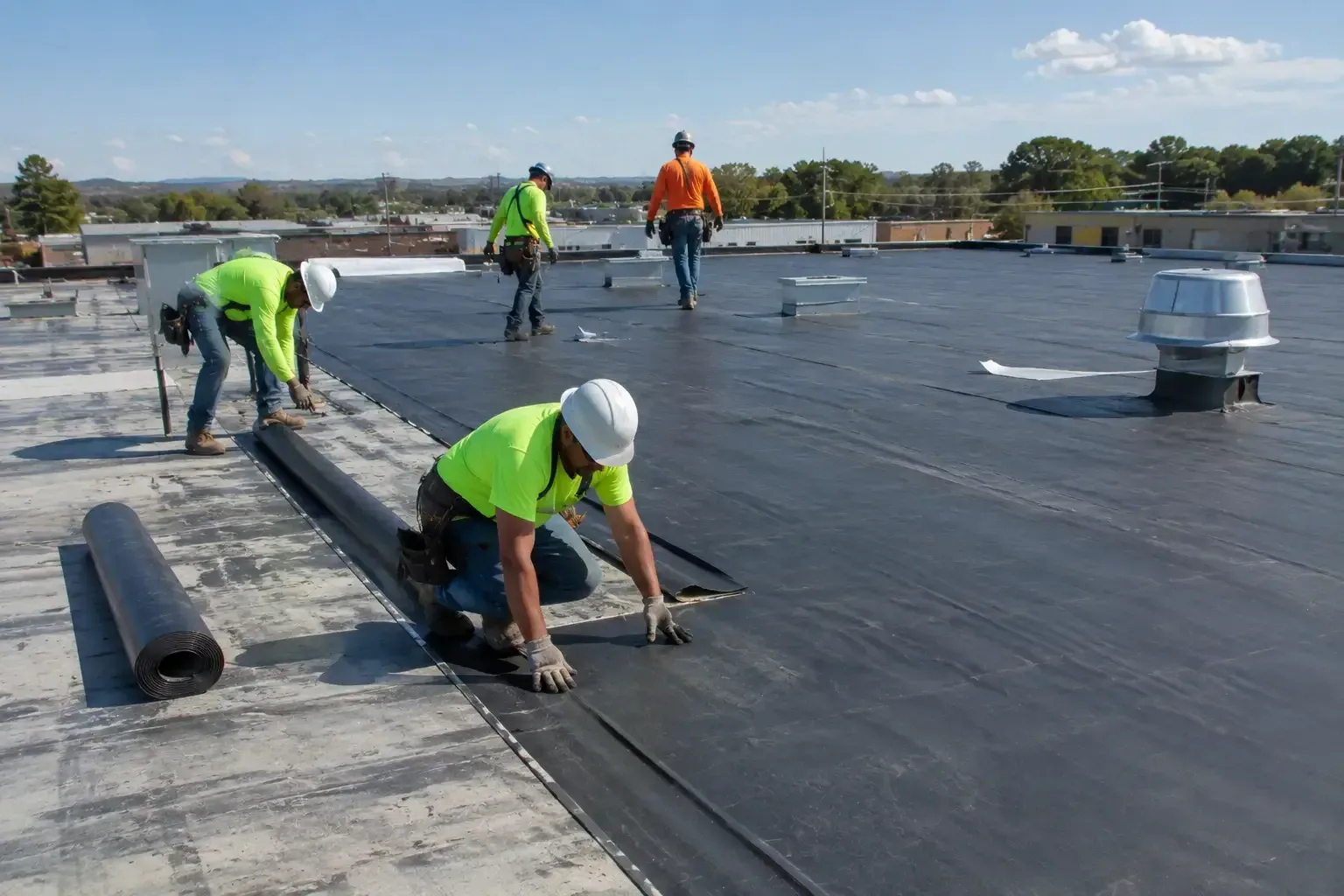
Occupied Building Reroofing
See how we handle it
Property Managers
Scope, sequence and repair notes