
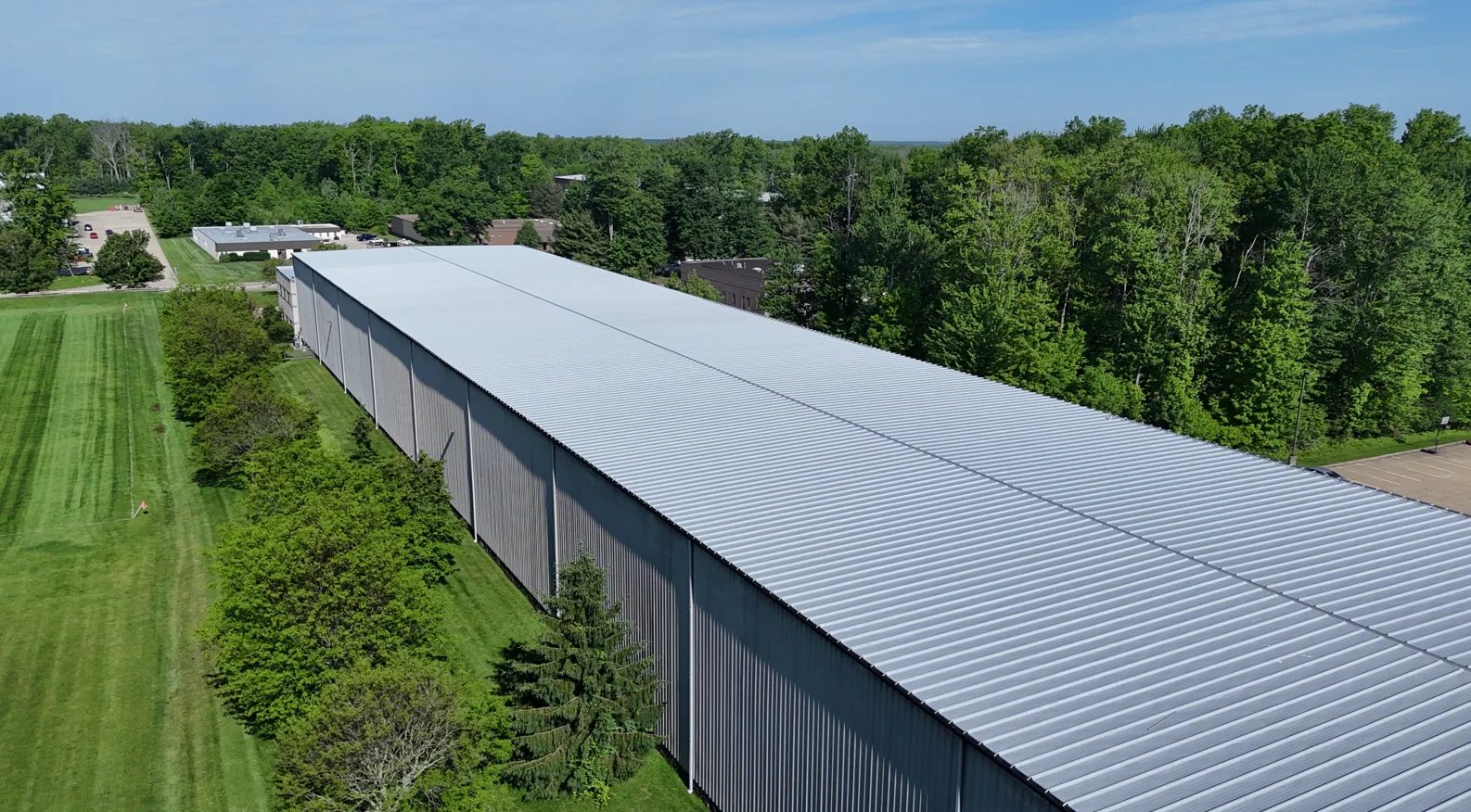
Silicone Roof Restoration in Clovis After a Surface Concern
Roof Systems
A damaged surface or recurring first-rain drip can lead an owner to consider silicone restoration, but the coating decision must begin with the assembly it would cover. We evaluate and apply silicone commercial roof coatings in Clovis, CA, identifying the existing material, its preparation needs and the condition beneath the exposed surface. A new finish can be part of a suitable restoration; it does not establish that a leaking detail, wet insulation or loose attachment has been corrected.
The July 2024 heat record in Fresno supplies regional context for examining exposed roofing without proving a heat-caused defect on the owner's building. Central Valley tule fog can create preparation questions even on a rain-free day, so actual surface suitability must be assessed. Clovis Community Medical Center on Herndon Avenue identifies a local healthcare facility, while the subject property's operator determines access and occupied-space requirements. Our review of restoration suitability connects the coating scope to those actual findings, distinguishing surface work from the corrective tasks that must precede it.
The substrate beneath the proposed coating
A coating bonds to the prepared substrate, so contamination, prior treatments and damaged existing material can change the method available. We identify the roof covering and examine accessible areas before selecting cleaning, primer or reinforcement requirements. Suitable test work may help establish adhesion for the actual preparation and product sequence. A sample applied to a clean unrelated board cannot settle the owner's substrate question.
Visible cracks, open joints and damaged penetrations need their own repair disposition. Some details require reconstruction rather than simply coating over the exposed defect. The permanent estimate should identify those tasks and the boundary at sound construction, with the coating quantities kept distinct. Flashing connection repairs involve attachment and transition requirements that a surface film cannot replace. The owner should see which preparation steps are required by the selected system and which assembly deficiencies need correction first. A lower restoration price that omits those tasks describes a different job, even if the product name and proposed finished color match another estimate.
The active leak before a restoration decision
Urgent water entry needs an immediate assessment rather than an assumption that broad coating is the emergency method. We ask the owner to describe the interior location, sensitive contents and any electrical concern, then establish safe roof access and the authorized contact. Qualified facility personnel handle interior protection and specialist hazards. Our urgent roofing service is available through nights, weekends and holidays, with the action dependent on conditions and a suitable correction method.
Temporary protection, where appropriate, should address the identified concern and remain documented with its permanent follow-up. It must not introduce an incompatible material or obstruct the preparation needed later. Owners coordinating a property near central Clovis provide the building's actual operating restrictions. A planned restoration requires investigation and preparation that may differ from the immediate leak task. The initial visit should preserve the affected detail and mark its location, allowing the owner to evaluate the larger coating proposal against actual assembly findings rather than approve it under the mistaken impression that stopping one drip proves the whole roof is a suitable coating substrate.
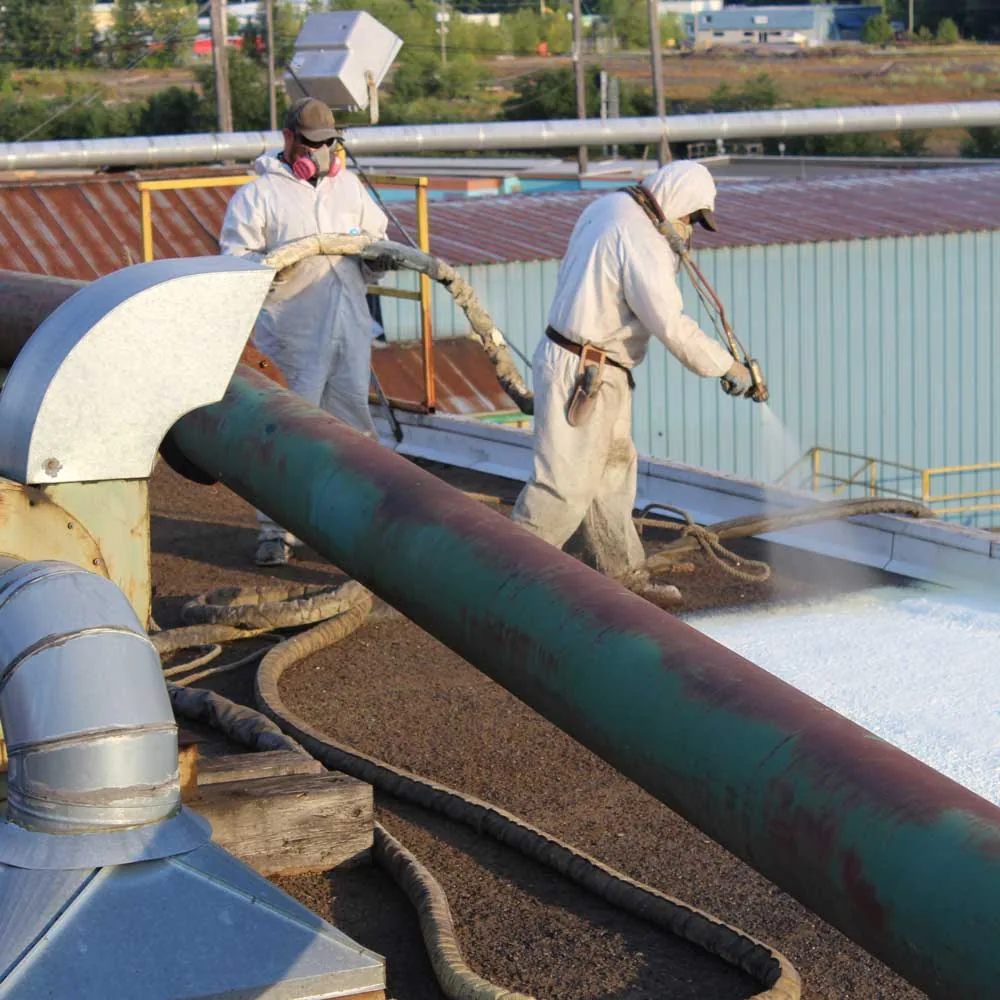
Moisture findings and corrected drainage
Confirmed concealed moisture can rule out simply applying a new finish over the affected construction. We review leak history and accessible assembly conditions, then determine which verification is needed to define the repair extent. Investigation openings require permission and appropriate restoration. Keep their findings located on the roof plan so one result is not treated as a roof-wide condition.
An infrared investigation with suitable confirmation can help direct testing, but a temperature pattern does not establish the final removal quantity. Wet insulation or damaged support needs its own reconstruction scope before coating proceeds where that condition affects suitability. Drainage also needs a defined disposition; silicone material does not redesign outlet capacity or correct supporting geometry. Inspect accessible drains and overflow paths, assigning downstream piping or design concerns to the responsible parties. The owner's proposal should connect those prerequisites to the coating release so a new surface does not conceal an unresolved water route or substitute for repair of the assembly underneath it.
The application scope and acceptance method
The chosen silicone system establishes preparation, application and acceptance requirements. Define the working area, repairs, primers where required and reinforcement at relevant details. Thickness or coverage needs the appropriate measurement and verification method for that system rather than a vague instruction to apply generously. Existing material and product requirements determine whether the substrate can receive the planned work.
Compare alternatives such as an acrylic coating system or reconstruction of a spray foam roof where the actual assembly supports those choices. They require different compatibility and application review, so they should not be presented as interchangeable finishes selected only by total price. The occupied-space plan needs suitable controls for cleaning, application and material handling. Protect nearby finishes and equipment under the approved method, with waste collection and disposal included. The owner can then compare the full restoration scope and its operating dependencies rather than accept a coating price that leaves necessary preparation and protection outside the work order.
The curing conditions and the restored roof record
Application and curing requirements belong to the actual product and conditions, not a general promise about silicone. Assess temperature, moisture and weather exposure as required before releasing each stage. Winter fog can leave a surface question, while summer heat affects safe handling and work planning. Regional weather context does not establish a suitable installation day. Communicate a postponement or changed sequence with the temporary protection and remaining tasks clearly recorded.
At completion, retain preparation and application records, material information and photographs of repaired details with the measured coating work. Keep actual warranty obligations and alteration requirements in the maintenance file. Future service work should use appropriate routes and receive compatible details for any new opening, since a restored finish still needs protection from physical injury. Continued water entry should be investigated against the corrected locations and other potential paths rather than automatically assigning another coating layer. Roofing acceptance and interior restoration are separate tasks. The owner should receive a documented restored area with known prerequisites completed and unresolved limitations assigned to their next appropriate action.
A silicone restoration decision should account for standing-water conditions, existing coatings and the surface preparation the selected product requires. Confirm adhesion on representative areas and determine whether seams or penetrations need reinforcement before field application. A coating cannot stabilize a loose base or correct a drainage defect by itself. Record the areas that will receive full preparation, localized detailing or no coating because their condition is unsuitable. During application, protect drains and nearby equipment from overspray, then verify continuity at edges and transitions rather than relying on a uniform color as proof of a complete system.
Commercial Roofing Questions
Does silicone remove the need for drainage repair?
The actual water route governs that task. A coating does not correct outlet capacity, downstream restrictions or deficient roof geometry.
Can a wet assembly be restored by coating it?
Confirmed concealed condition establishes the required correction. Address compromised components before treating the exposed finish as a restoration substrate.
What makes two silicone estimates comparable?
Preparation, repair quantities and acceptance requirements define the comparison. Product name alone does not establish equivalent work.
Is an adhesion sample enough to release the job?
The test scope and remaining prerequisites govern release. Drainage, moisture and detail repairs still need their own disposition.
Should later leakage receive another coating layer?
The examined water path controls the response. Use the completed record to investigate before assigning more surface material.
Describe the surface and the leak history
Provide prior coating records, reported entry locations and access requirements. We will assess immediate protection and the preparation needed for a supported silicone restoration.
Related Pages
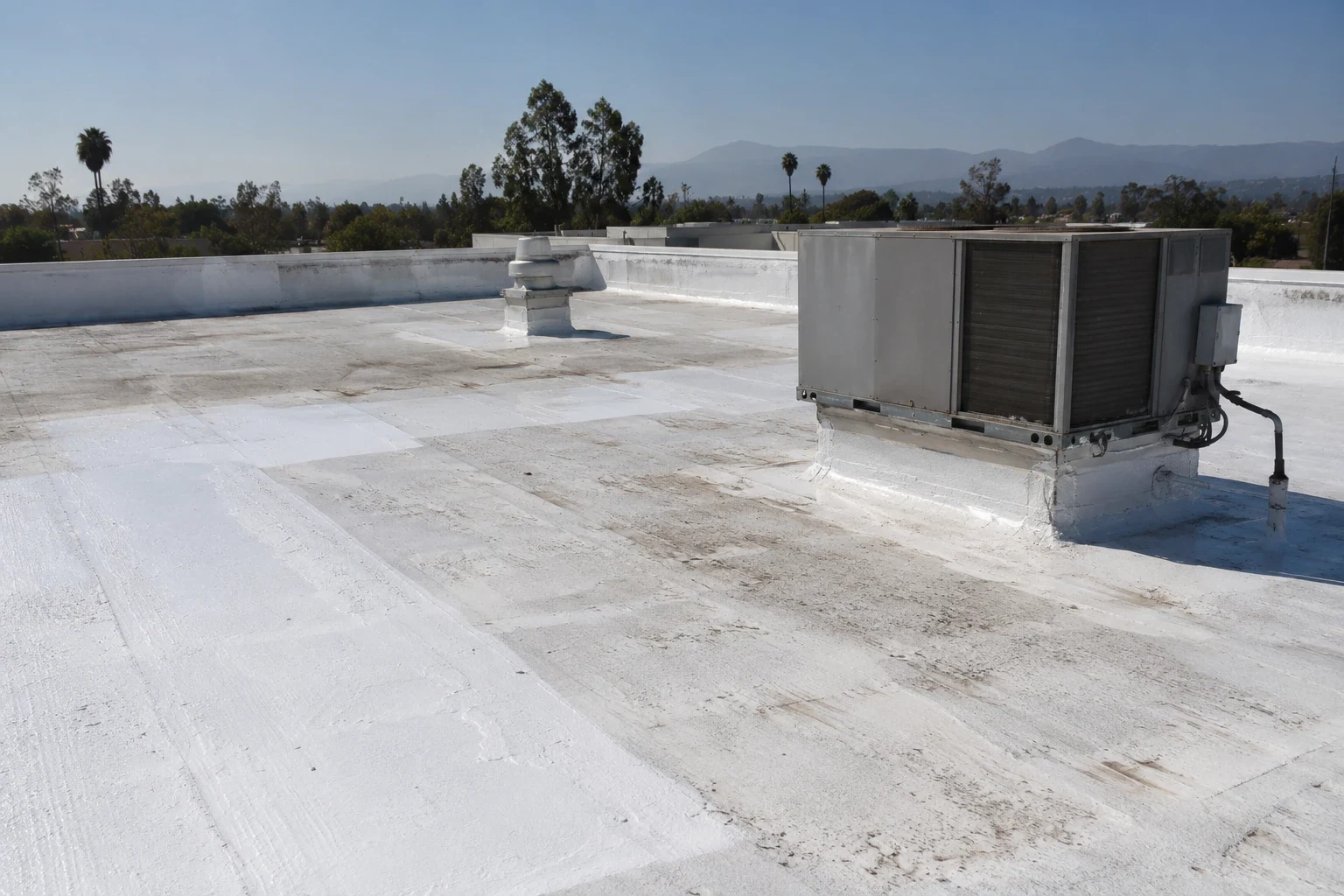
Roof Coating Restoration
Read the full page
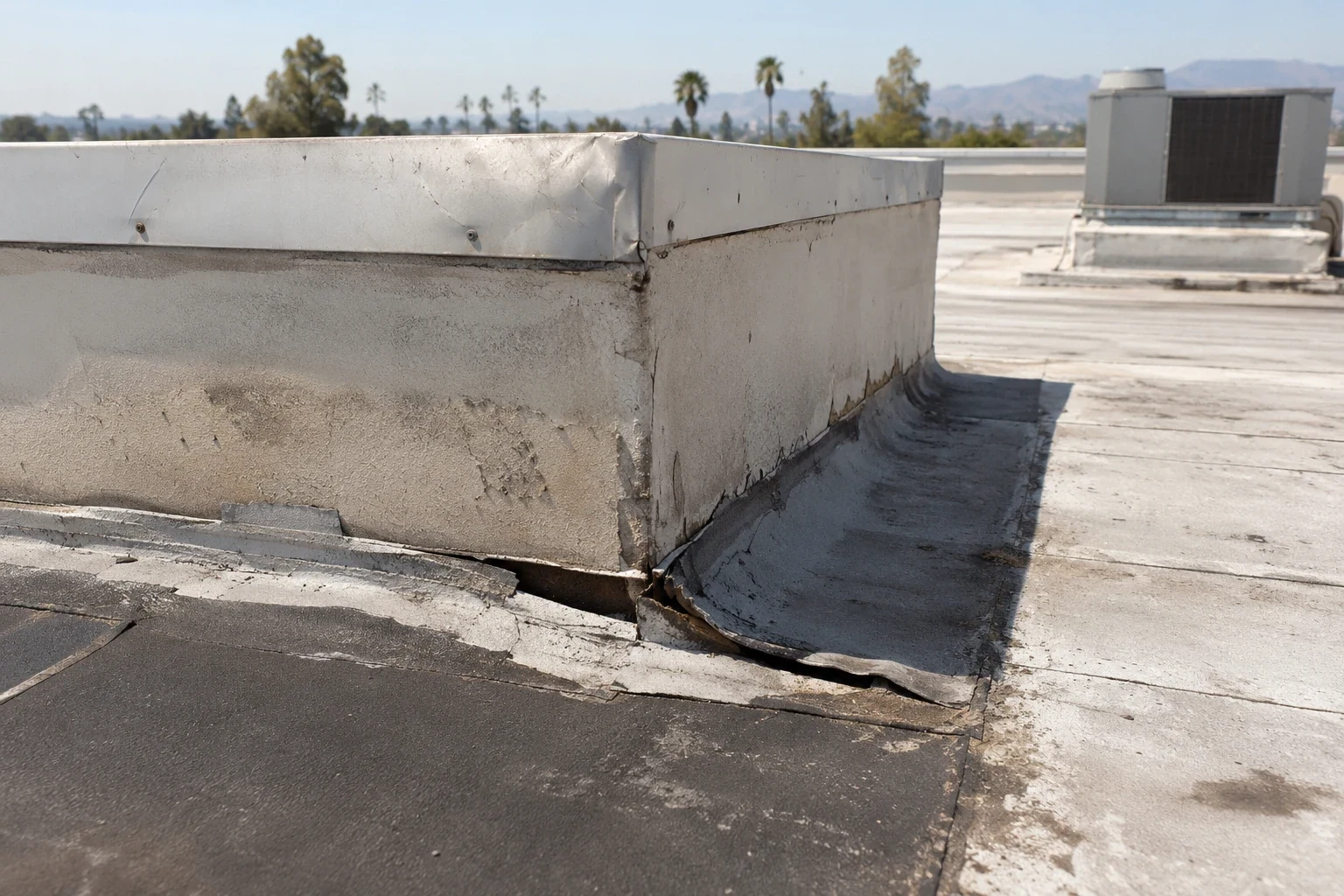
Flashing Failure Investigation in Clovis at Roof Transitions
See how we handle it
Clovis
Scope, sequence and repair notes
Infrared Roof Moisture Survey
Read the full page
Acrylic Roof Coating Decisions in Clovis Before Application
See how we handle it
Spray Foam Roof Corrections in Clovis at the Protective Finish
Scope, sequence and repair notes