
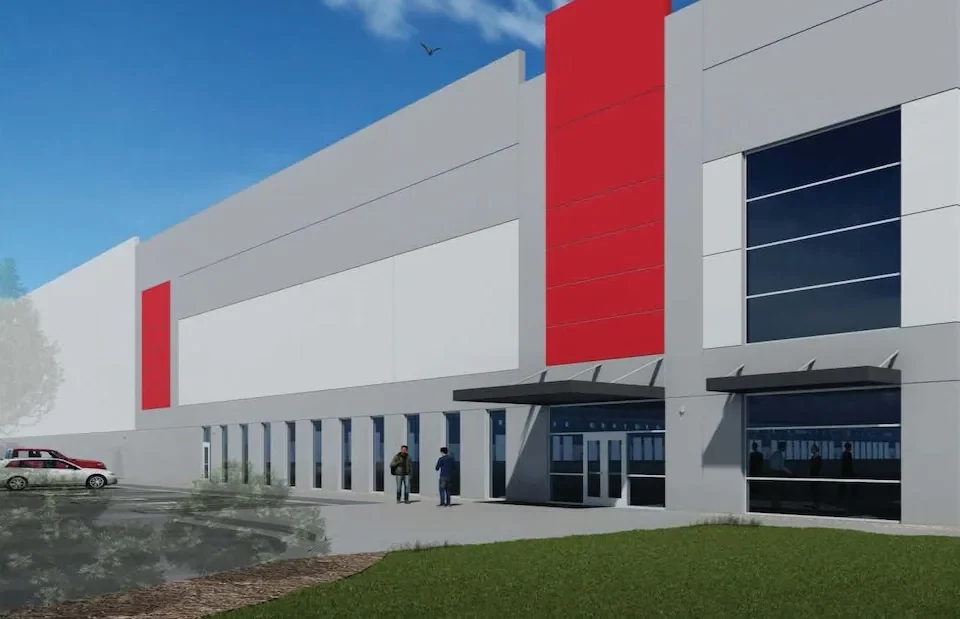
Distribution Roof Repairs Around Receiving Operations
Property Types We Roof
A ceiling drip over a dispatch route during winter rain can force an owner to change receiving arrangements before the roof problem has been understood. The order of work should begin with the affected route and what can be protected, then move to the actual roof entry path. For a distribution property in Clovis, CA, we establish authorized access, inspect the relevant assembly and choose immediate roofing measures that fit the conditions rather than promise that every call can be resolved before the next delivery.
The region has also seen prolonged heat, including Fresno's July 2024 conditions, so a pre-rain examination of movement-sensitive details is useful. Heat alone is not a diagnosis of a seam split or equipment trouble. A distribution roof may need a localized connection repair, an outlet correction or a wider assembly intervention. The owner should receive the evidence for that choice while operations staff decide how to keep the affected receiving and dispatch areas usable.
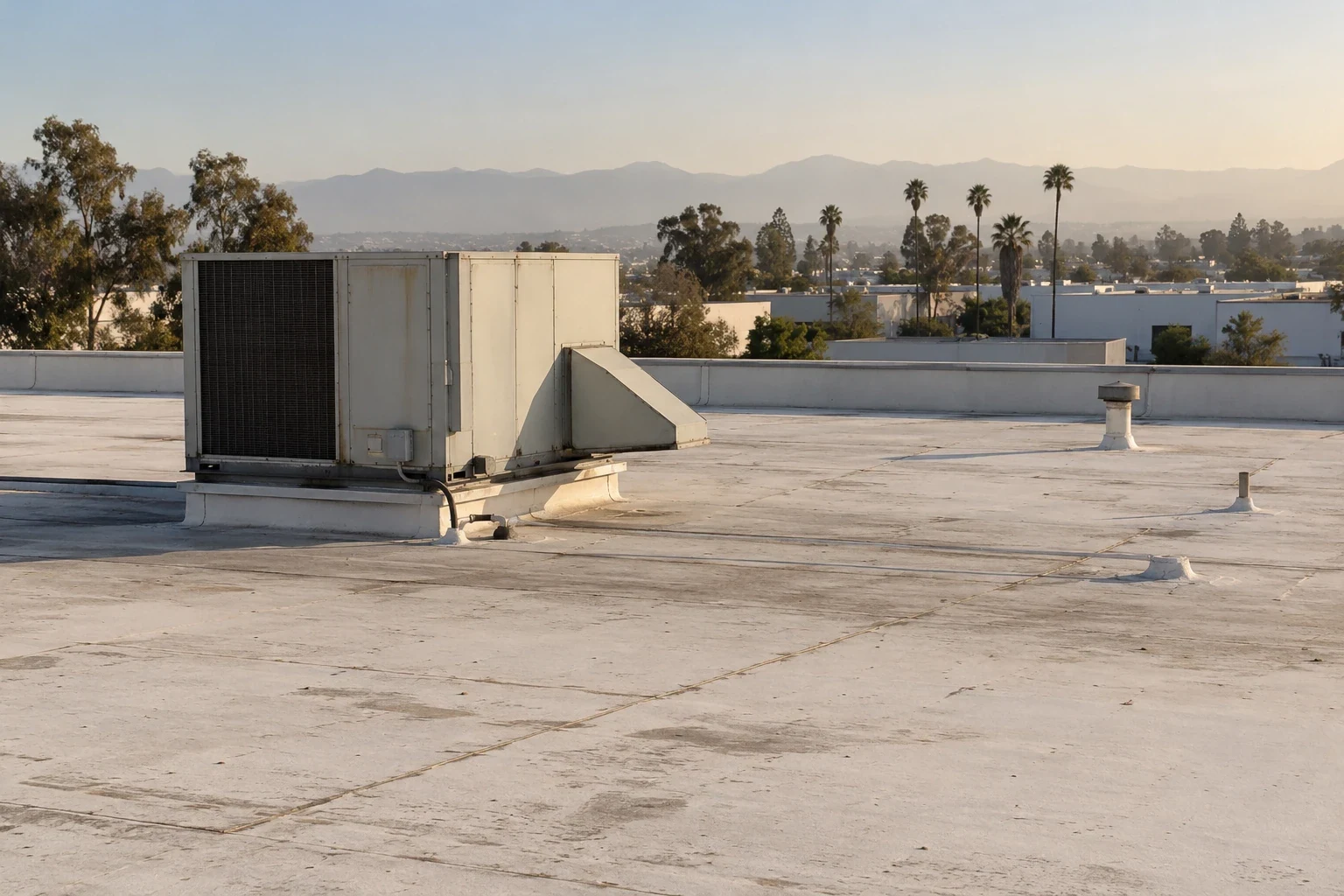
The receiving route during the initial response
A distribution operation can have a narrow time allowance for staging roofing material if the proposed location is also needed for vehicle or pedestrian travel. We ask the operator to identify the allowed access and the area below the reported water. Interior protection and relocation decisions remain with the operator. If a roof examination cannot proceed safely during active weather, the response needs an agreed interior-protection responsibility and a clear next step rather than an unsupported assurance that roof work is already complete.
Our urgent roof response is available throughout nights, weekends and holidays, with access and actual conditions deciding the initial intervention. We inspect for a located opening and establish whether a compatible temporary correction can be installed. That work should state its boundary and purpose. When a permanent repair requires dry preparation, an authorized opening or another trade's release, we record that dependency so the owner can distinguish the immediate measure from the remaining construction obligation.
The roof detail above the travel aisle
A penetration, lap or wall transition may lie above a reported leak, but proximity does not establish which detail admits the water. We examine the accessible construction and compare it with the interior report before proposing a repair. If condensate or concealed piping is implicated, coordinate a separate investigation with qualified personnel. A roofing patch should not close a work order for an unresolved mechanical cause. Any introduced-water test needs a method appropriate to the assembly and protection for the occupied receiving space.
For penetration and skylight flashing, the proposal identifies the existing material, connection and receiving surface. Damage beneath an old patch can change the preparation needed, which should be included in the quantity. A sound detail may need retention rather than replacement, while an unsuitable transition may require a more complete correction. We explain the distinction through located findings so the owner does not have to choose between a small patch allowance and an unexplained whole-roof recommendation.
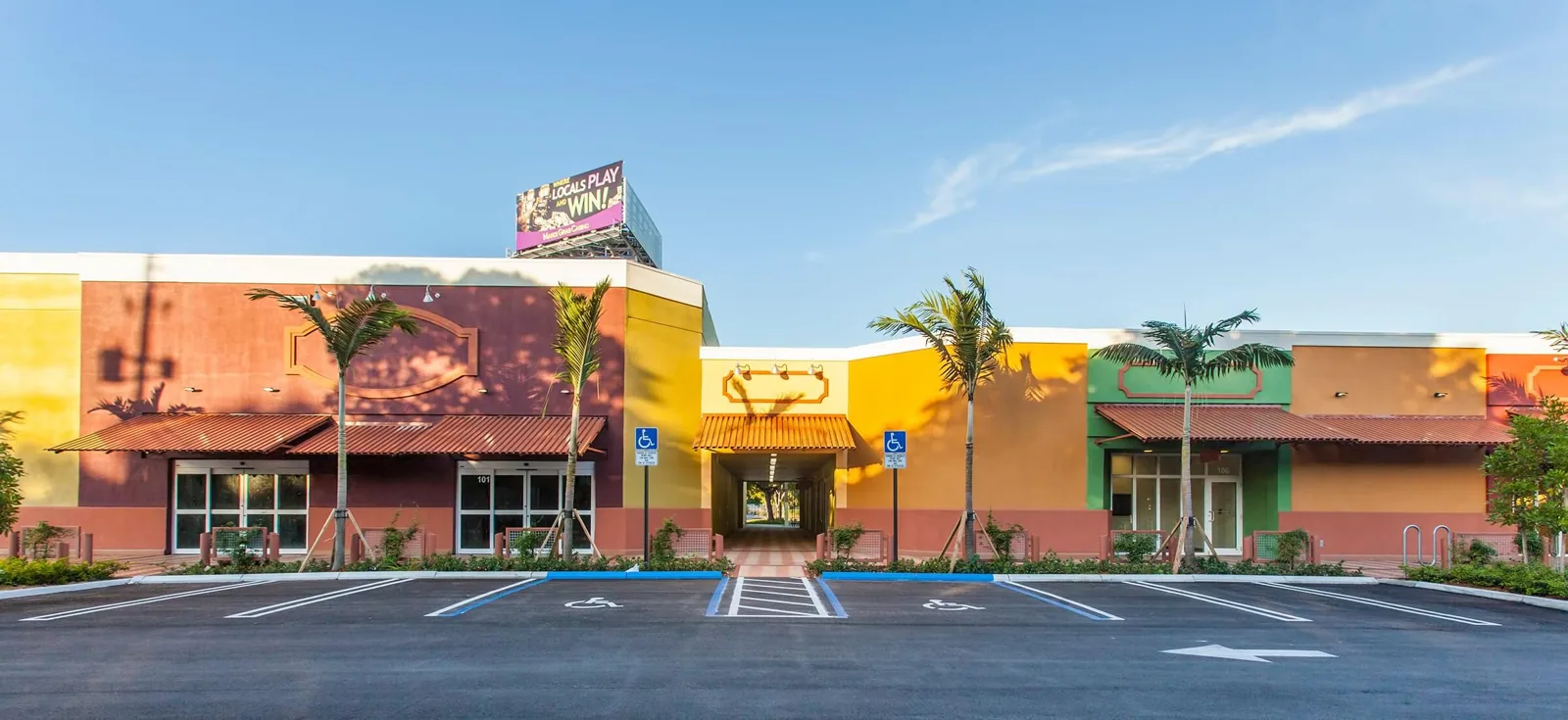
The distribution use and the neighboring building
A property described as a distribution center may include storage, offices or another use, but only the operator's actual building layout establishes what sits below each roof zone. We mark the work boundary and identify the affected occupancy before planning removal. A manager comparing warehouse repairs with plant roofing work needs those use-specific differences preserved, including equipment releases and daily access limitations. Building labels do not decide the permitted sequence.
Temperance Avenue, Nees Avenue and State Route 168 locate the historic proposed Research and Technology Park expansion. Its proposed uses provide planning context rather than current distribution inventory. Roofing work in that part of Clovis needs the actual property and authorized operator, just as work in Fresno needs its own building evidence. We establish the jurisdiction and construction scope before selecting a permit or design-review path. A nearby proposal or completed repair does not release this roof for alteration.
The drainage task before the field repair
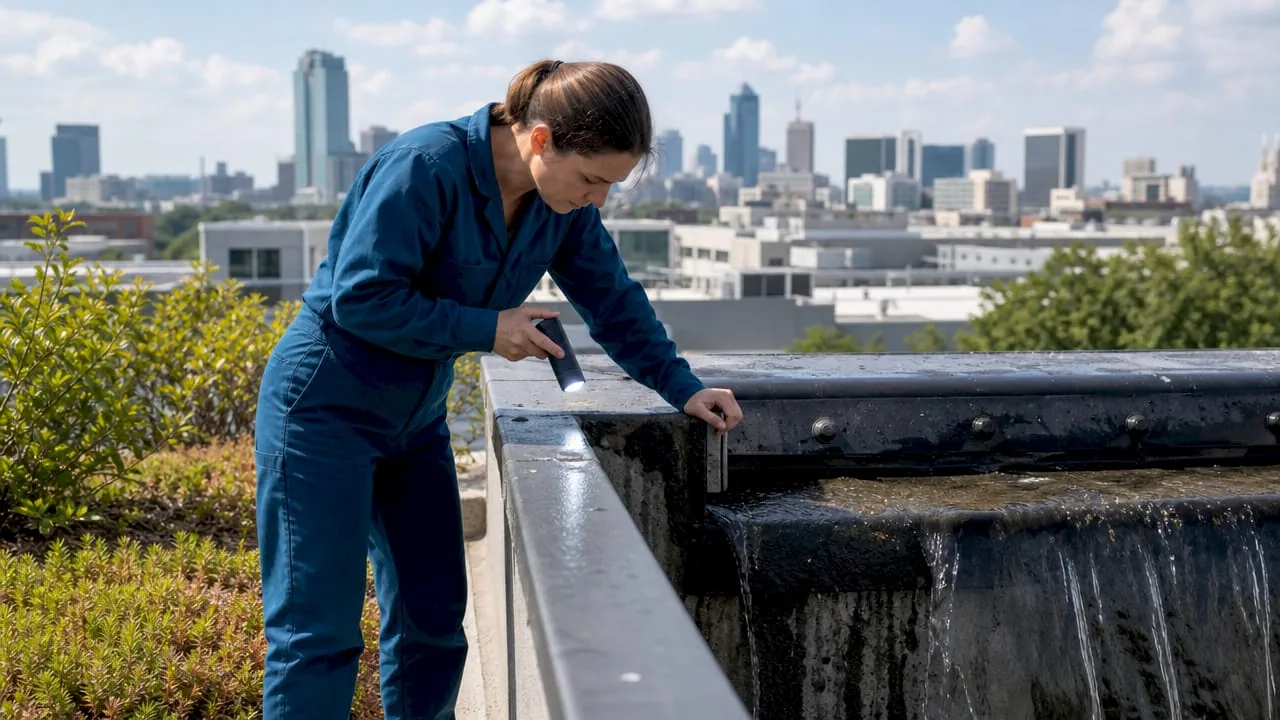
Water collecting near an outlet requires examination of the surface route, outlet connection and accessible discharge. A cleaning task may remove visible obstruction, but slope changes and damaged flashing involve other work. We distinguish those findings so an owner does not approve a broad membrane repair while the relevant drainage question remains unanswered. If piping is inaccessible or suspected of damage, the next investigation should name that limitation and the qualified trade needed to address it.
For outlet repairs, show the preparation and tie-in required at each opening. The retained layers must support the finished connection. A proposed insulation change needs assessment of the existing assembly and suitable drainage design, not an improvised wedge placed under a patch. Record how completion will be checked within the authorized task. That may involve examination of the repaired connection and an appropriate controlled test, but it should not become a finding about every concealed discharge component.
The removal limit and the closing detail
The area opened each day must fit the access, protection and closing method that the operator has released. We determine the construction to be exposed and how the crew will stop removal without leaving an unsuitable edge. Material handling, disposal and temporary tie-ins can change the total even when two proposals name the same finished membrane. An owner comparing bids needs to see those obligations, especially if repeated mobilization is required to preserve receiving access during restricted periods.
A reroofing sequence for an operating building should identify the retained surface, removal boundary and qualified personnel responsible for equipment tasks. When concealed material changes the repair extent, document the finding and obtain the stated approval before extending work. Closeout then returns to the original marked locations and distinguishes completed roofing from pending operator acceptance or additional investigation. This gives the follow-up visit a defined purpose and keeps an urgent dispatch interruption from becoming an unmeasured construction commitment.
During the follow-up review, match the completed quantity to the original roof marks and any approved extension. A material change requires confirmation that the new tie-in is compatible with what remains, while a change in access needs the operator’s release. Retain those decisions with the repair record so the owner can account for both the finished work and the receiving arrangements it required.
A distribution center can have narrow work windows between inbound trailers, sorting shifts and outbound dispatch. Map the roof access route and staging space with the site manager before materials arrive, and confirm which dock doors or interior zones must remain clear. If a repair crosses multiple roof sections, identify a secure end-of-shift closure for each phase rather than opening more area than the crew can complete. The final scope should also clarify which party moves rooftop communications or mechanical equipment. These details help protect throughput without presenting a roofing schedule as an operations commitment.
Commercial Roofing Questions
Can receiving continue beneath the affected roof zone?
Receiving can continue only within the actual exposure and operator-approved protection. We define the area before proposing removal or a temporary roofing measure.
Does a skylight above the drip prove the leak origin?
The inspected water path is the deciding factor. Nearby details can be unrelated, and mechanical or wall entry may need investigation.
What changes the cost of a restricted delivery schedule?
Restricted staging can require repeated mobilization and additional daily closure. Give those obligations equivalent treatment in competing prices.
Should an outlet alteration be included as cleaning?
Describe the condition requiring correction. Changes to slope, connection or piping need their own defined work rather than a cleaning allowance.
The dispatch-area roof call
Give us the affected travel route, current water entry and operator contact. We review the immediate exposure that day and arrange roof access, protection and the next repair step according to conditions.
Related Pages
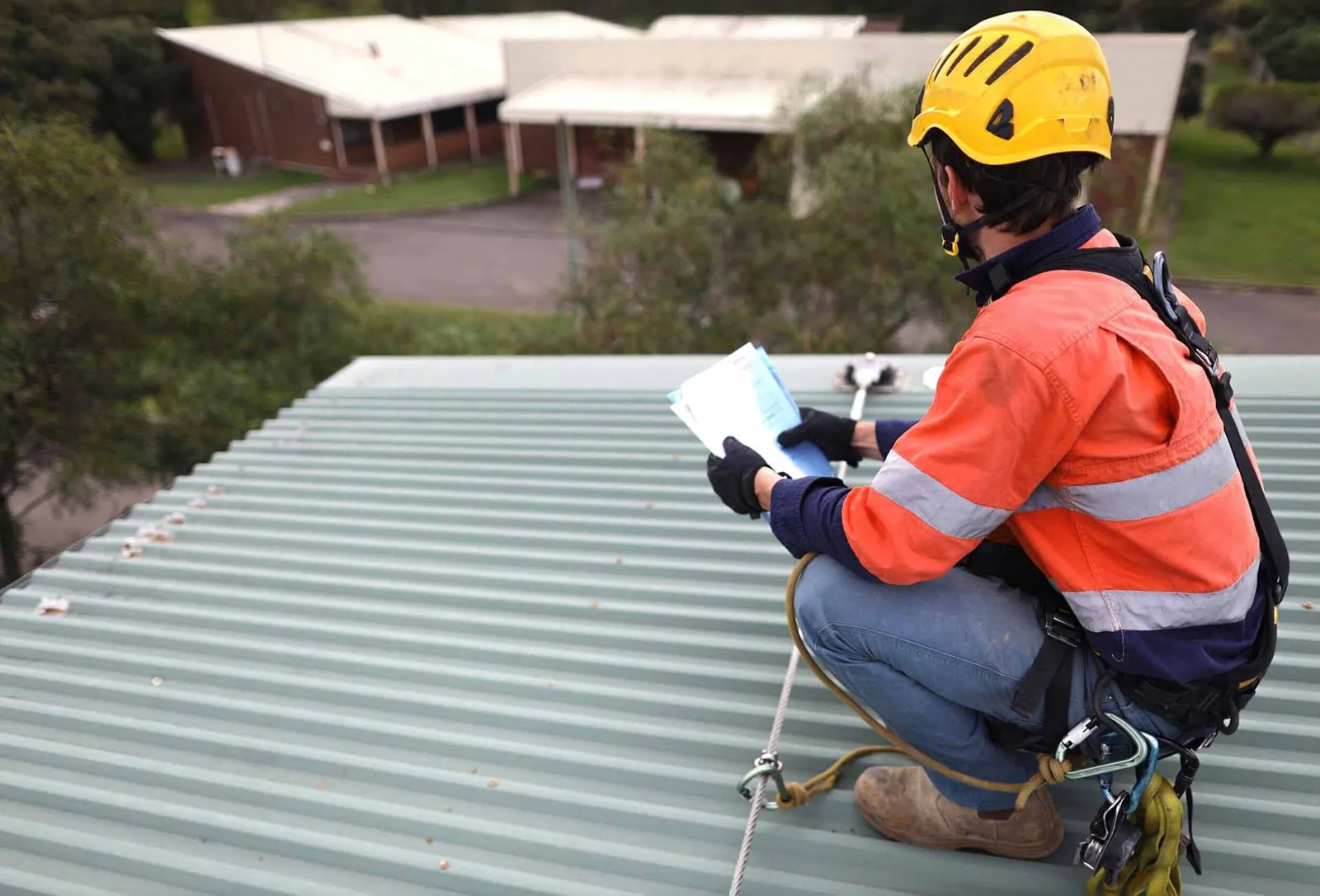
Emergency Commercial Roof Repair
Read the full page
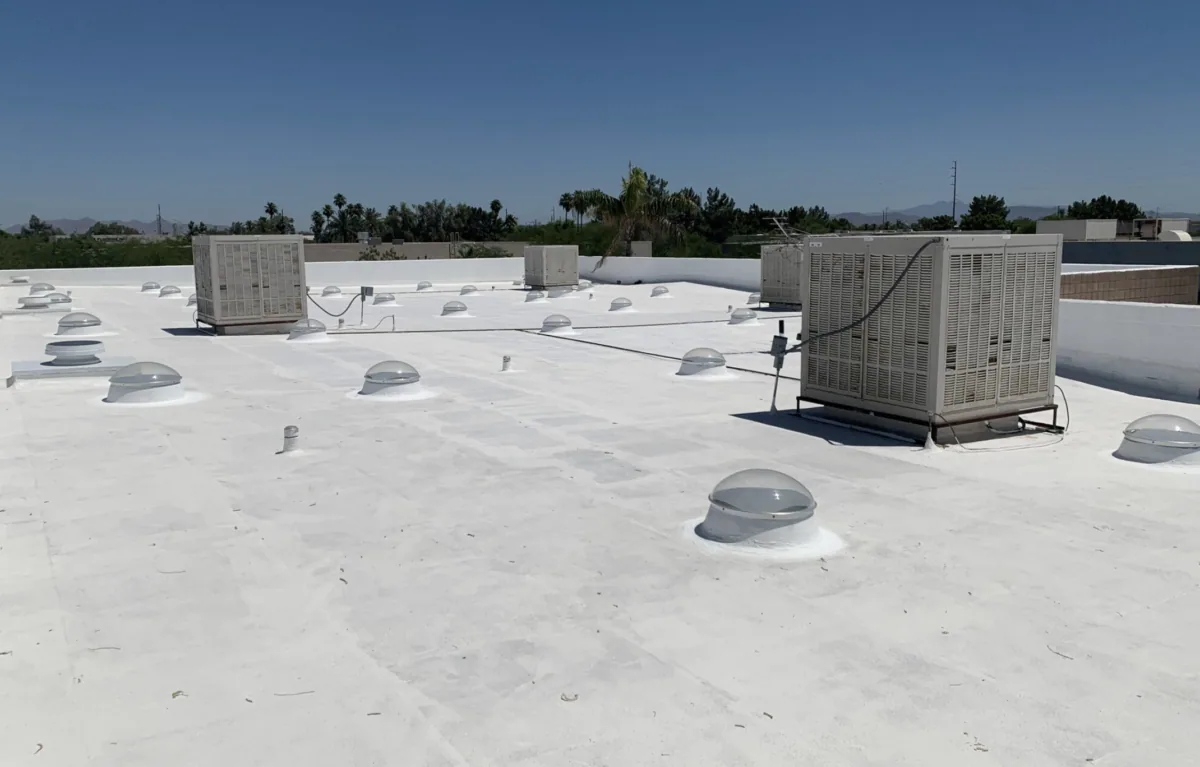
Skylight and Penetration Flashing
See how we handle it
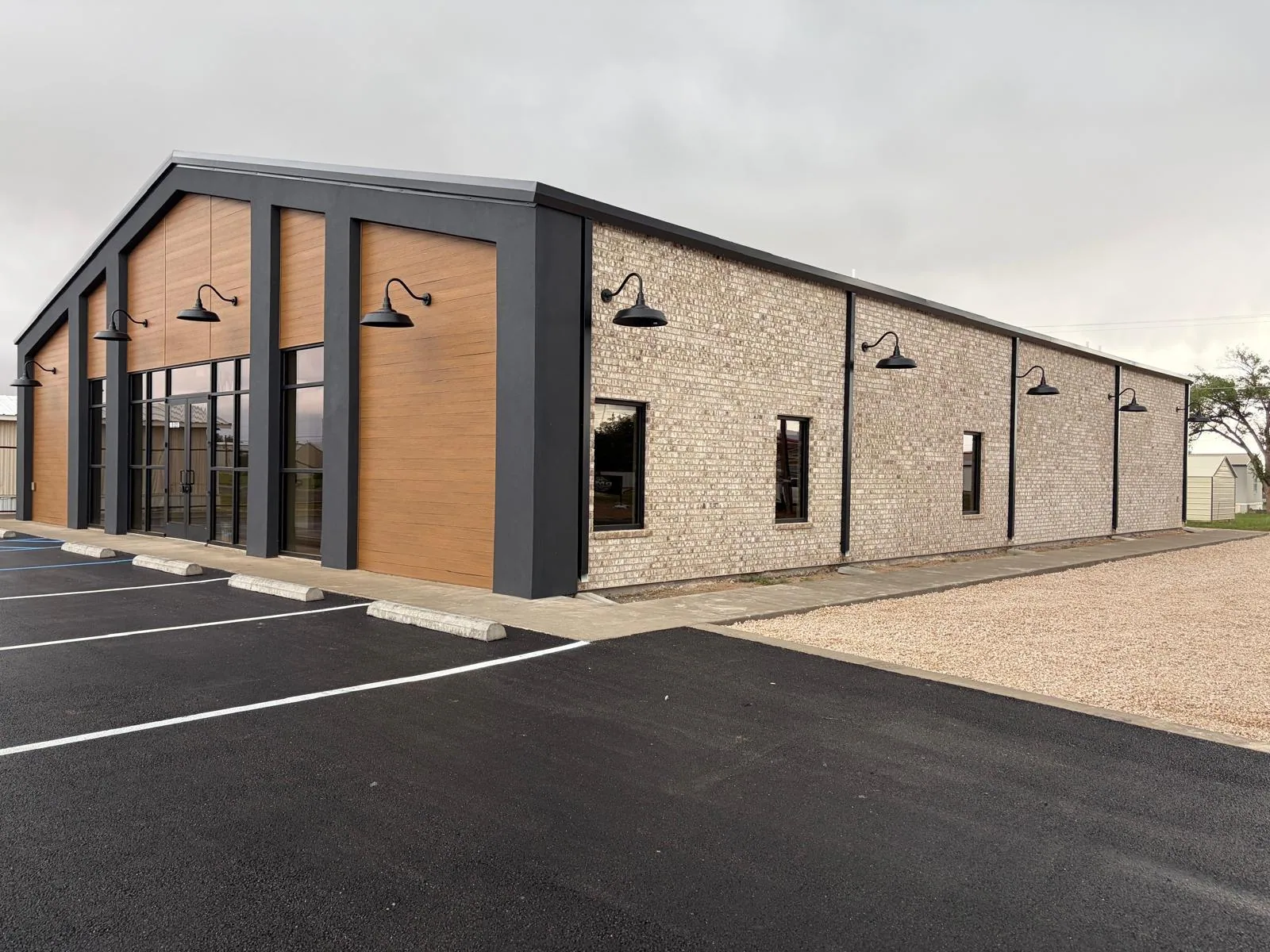
Warehouse Roof Leaks and Repair Sequencing
Scope, sequence and repair notes
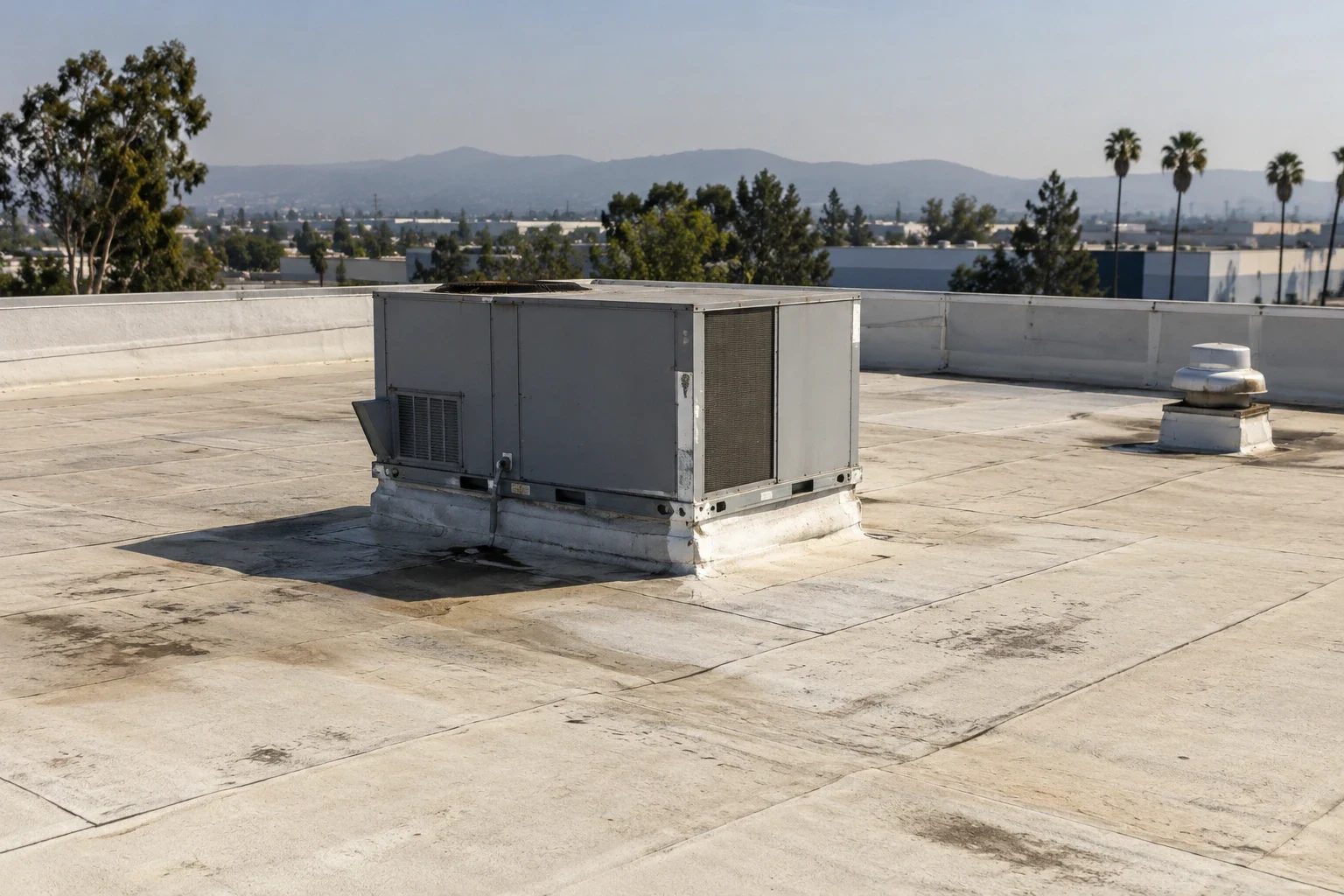
Manufacturing Roof Repairs With a Defined Work Release
Read the full page
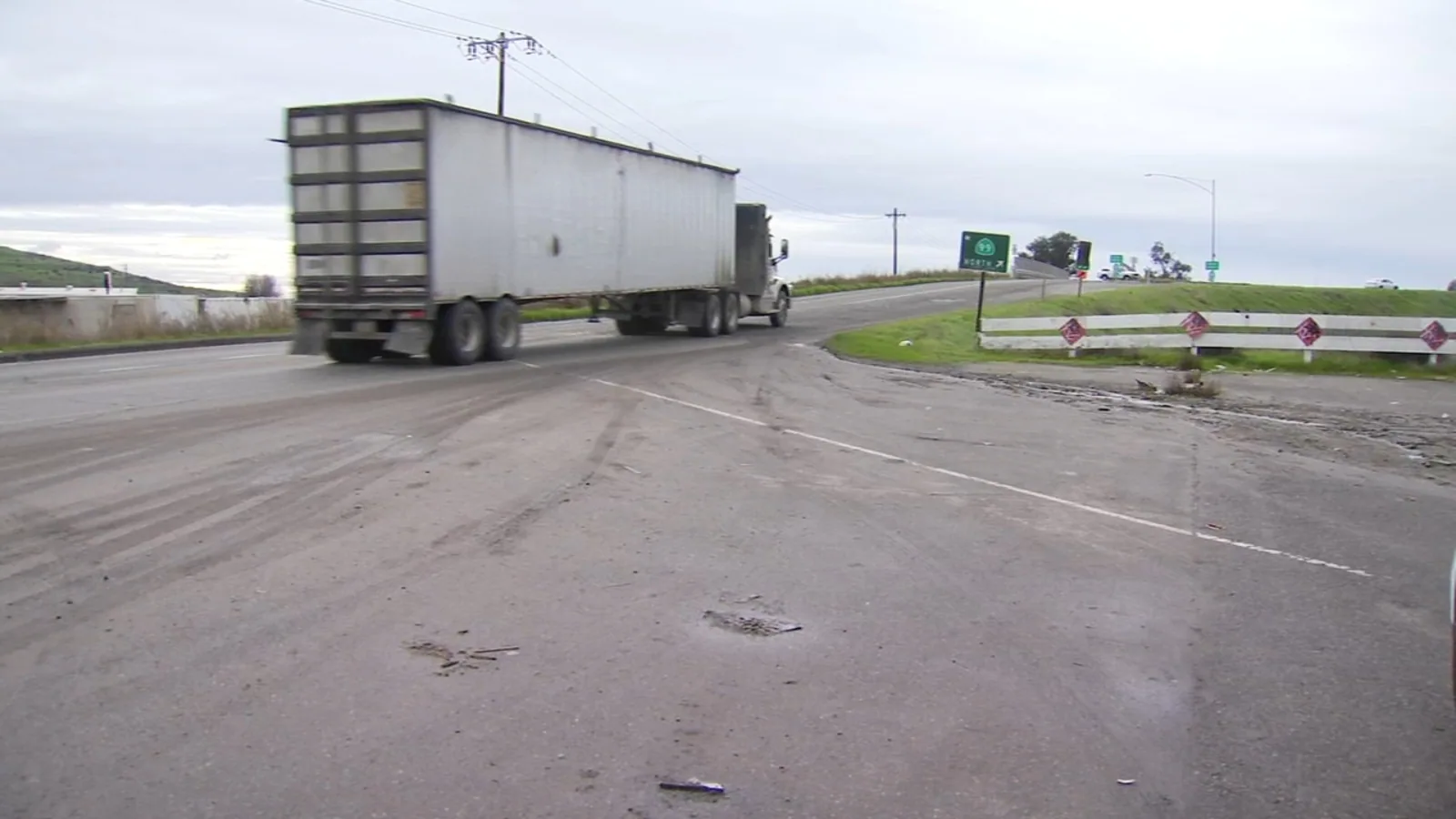
Fresno
See how we handle it
Roof Drains and Scuppers
Scope, sequence and repair notes