
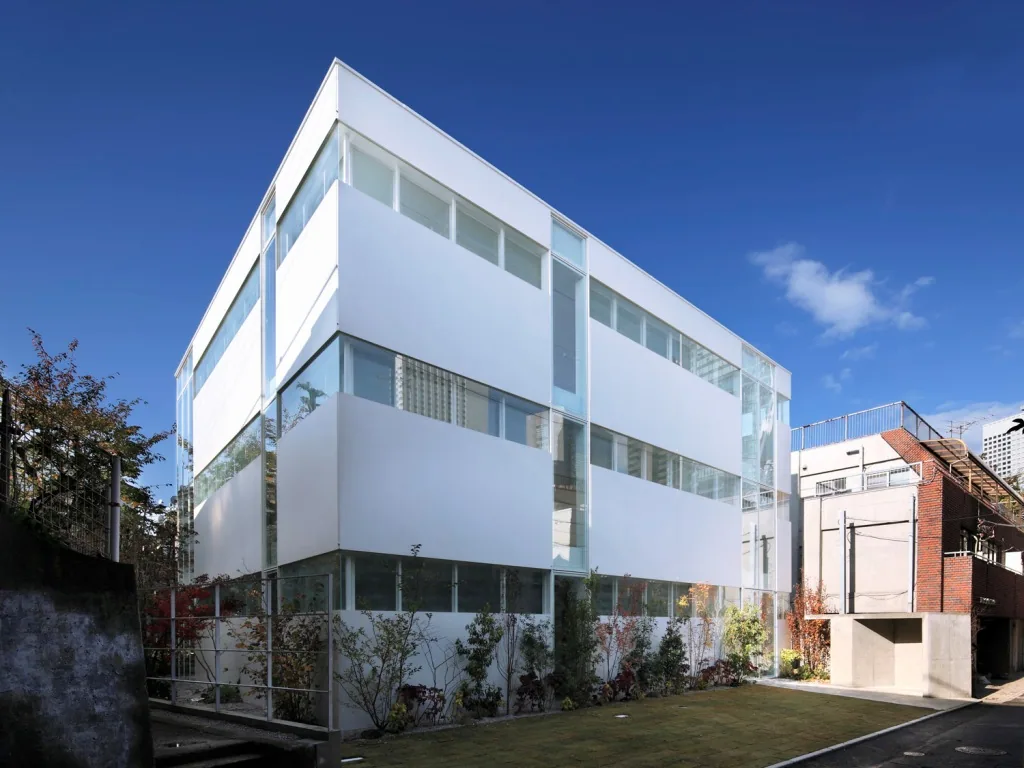
Office Roof Leaks and Tenant Protection in Clovis
Property Types We Roof
A tenant reporting a new ceiling drip during the first winter rain gives an office owner a room to protect, but it does not yet identify the roofing detail to repair. We connect the interior report to accessible roof construction, separate possible condensate or wall entry and establish which areas the operator can release. In Clovis, CA, the initial response should limit the exposure while preserving the examination needed for a permanent correction.
July 2024 brought pronounced heat to the Fresno region, which supports planning for work around roof materials and equipment during hot conditions. It does not prove that the tenant's building developed a seam split or that cooling equipment ran continuously. The actual roof may need a flashing correction, drainage work or another investigation. We explain the order of work calmly so the owner can respond to the complaint without accepting a repair quantity based only on the weather and ceiling location.
The tenant room and the accessible roof
A ceiling grid can conceal water movement from a wall, pipe or roof detail, so we ask for the affected room and timing before assigning a repair location. Interior access belongs to the operator and occupants, while any electrical concern requires the appropriate qualified personnel. We inspect the relevant roof surfaces and transitions within the allowed boundary. Where the water route remains unresolved, describe the next examination rather than apply material indiscriminately above the room.
Our office leak investigation relates the reported symptom to a located opening when the evidence supports it. A compatible temporary correction can be useful if safe access and suitable preparation are available. Its purpose and follow-up requirements should remain clear. We take urgent calls through nights, weekends and holidays, but the task performed depends on current conditions. The owner should know which protection was completed and which roof or mechanical question still needs investigation.
The equipment water and membrane junction
Condensate near an air-handling unit may come from the mechanical system rather than the exterior membrane, even if both lie above the same tenant space. We examine the accessible roof connection and ask the operator to assign any required equipment investigation. A curb flashing can need correction while the equipment remains serviceable, or a condensate issue can remain unresolved after roofing work. The scope must distinguish those possibilities instead of treating one patch as completion of both responsibilities.
For skylight and penetration repairs, material compatibility, fastening and receiving-surface condition control the method. A deteriorated previous patch may need removal before a new tie-in can be installed. Where an opening is required to answer the layer question, obtain permission and define its protection and closure. That gives the owner a clear preparation quantity and allows the permanent task to address the actual connection rather than the most visible surface above the tenant complaint.

Office roofs near the research and technology area
The Clovis Research and Technology Park is planned for business services, research and manufacturing near Temperance and Nees Avenues. An office building in that area may share a property with laboratories or industrial uses, which can change access, loading and room-protection needs. Confirm the actual operator and roof assembly before setting the work scope. A nearby medical office or data-center building has its own operating requirements, so coordinate each property on its own terms.
The roof outlet and the occupied receiving area
An outlet repair can affect an occupied room if the connection or discharge remains uncertain, so its examination and testing need an appropriate plan. We inspect the accessible drain or scupper, surrounding flashing and roof approach. Debris removal may be suitable for a visible obstruction. A damaged connection, slope concern or concealed piping issue requires a different task and possibly another qualified trade. Cleaning should not be described as correction of an unexamined water route.
Our office roof drainage work identifies the affected opening and compatible tie-in. If retained insulation cannot support the proposed geometry, explain the additional preparation needed. A slope alteration also requires assessment of the supporting assembly and drainage design. We state the inspection limit and completion checks appropriate to the allowed task. The owner can then authorize a specific correction while knowing which discharge or layer question remains unresolved, rather than assuming a clean roof surface settles the entire complaint.
The seasonal surface conditions
Central Valley winter tule fog can be thickest before dawn and thin with daytime warmth, which makes the condition of the actual receiving surface important during repair planning. A regional fog pattern does not establish moisture on every office roof. We check the work area and follow the selected material's preparation and application requirements. If the permanent detail cannot be installed under current conditions, identify the suitable protective measure and the task that must return for completion.
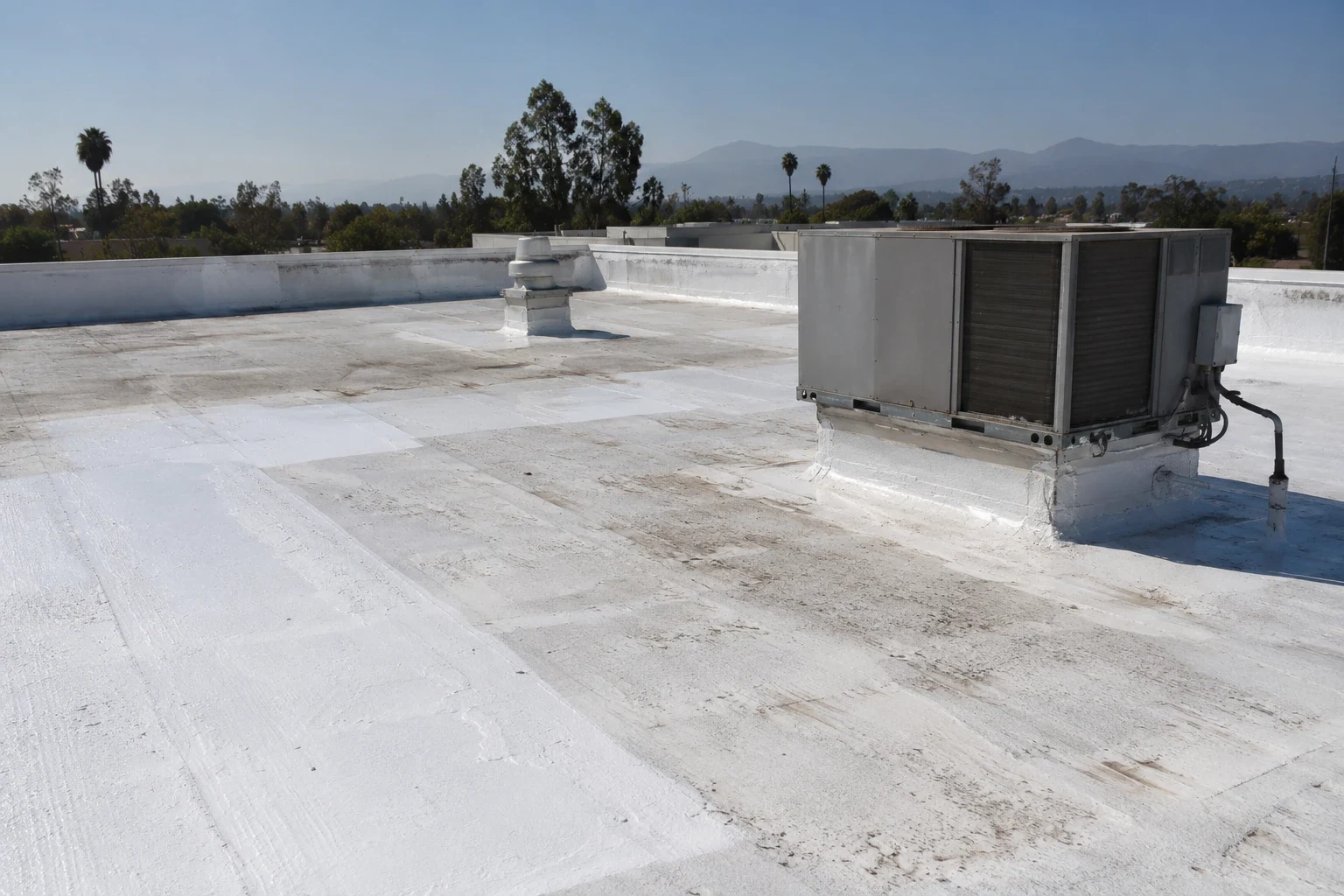
A proposal for roof restoration needs examination of retained layers, adhesion suitability and repair of open details. Surface appearance alone cannot establish that the assembly can be coated, and a uniform finish does not correct every concealed problem. We compare suitable repair, restoration and replacement options with the condition evidence supporting each. Preparation, access and required detail changes should stay visible in the comparison, so an apparently smaller total does not leave the necessary receiving-layer work outside the chosen scope.
The working period and tenant return
An owner may want work outside tenant hours, but setup, delivery, removal and closing all need permission for the actual building. We identify routes and daily stops before scheduling a roof opening. Equipment release or a protected room may remain restricted even after offices close. The allowed period should be long enough for the proposed quantity and its compatible closing detail; otherwise the work zone and mobilization allowance need adjustment.
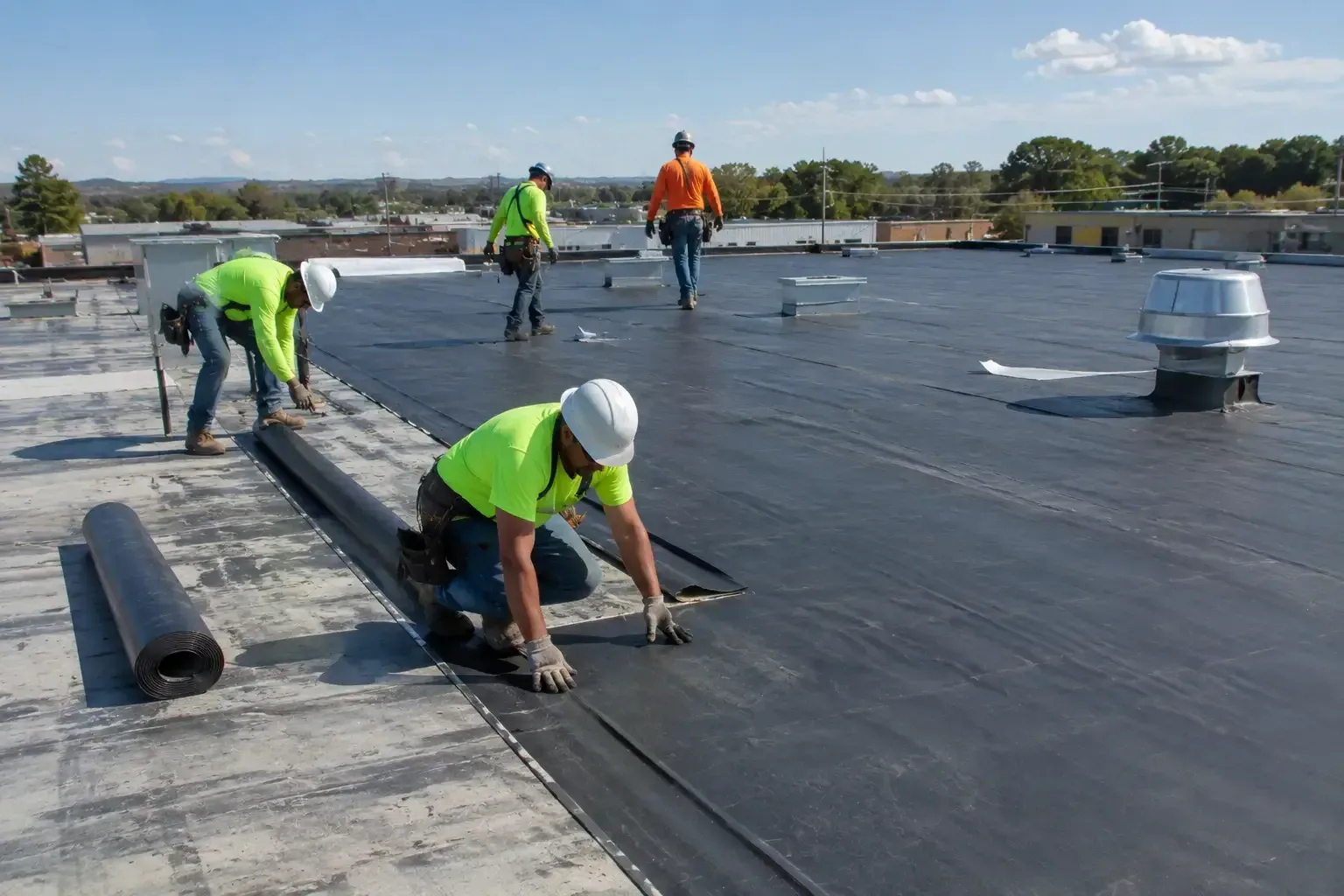
For office reroofing during occupancy, the operator establishes room protection and acceptance, while we examine completed roofing connections and affected outlets. Record remaining investigation and temporary material needing follow-up separately from finished work. Permit and warranty dependencies follow the actual property and selected alteration. A useful closeout record connects the tenant complaint to the repaired location and retains any unresolved questions, allowing the next visit to concentrate on the remaining decision rather than repeat an unmeasured repair request.
Office roof repairs benefit from a floor-by-floor coordination plan when water or debris could affect tenants. Confirm the reported room, shared corridors, access hours and any sensitive interior finishes before setting the roof opening. If occupants remain in place, identify who can authorize a temporary relocation or protective barrier and who will communicate that decision. Keep those building operations separate from the roofing crew’s work description. At completion, relate the repaired detail to the original report and note any areas that were inaccessible, so a later tenant complaint can be investigated against the actual scope.
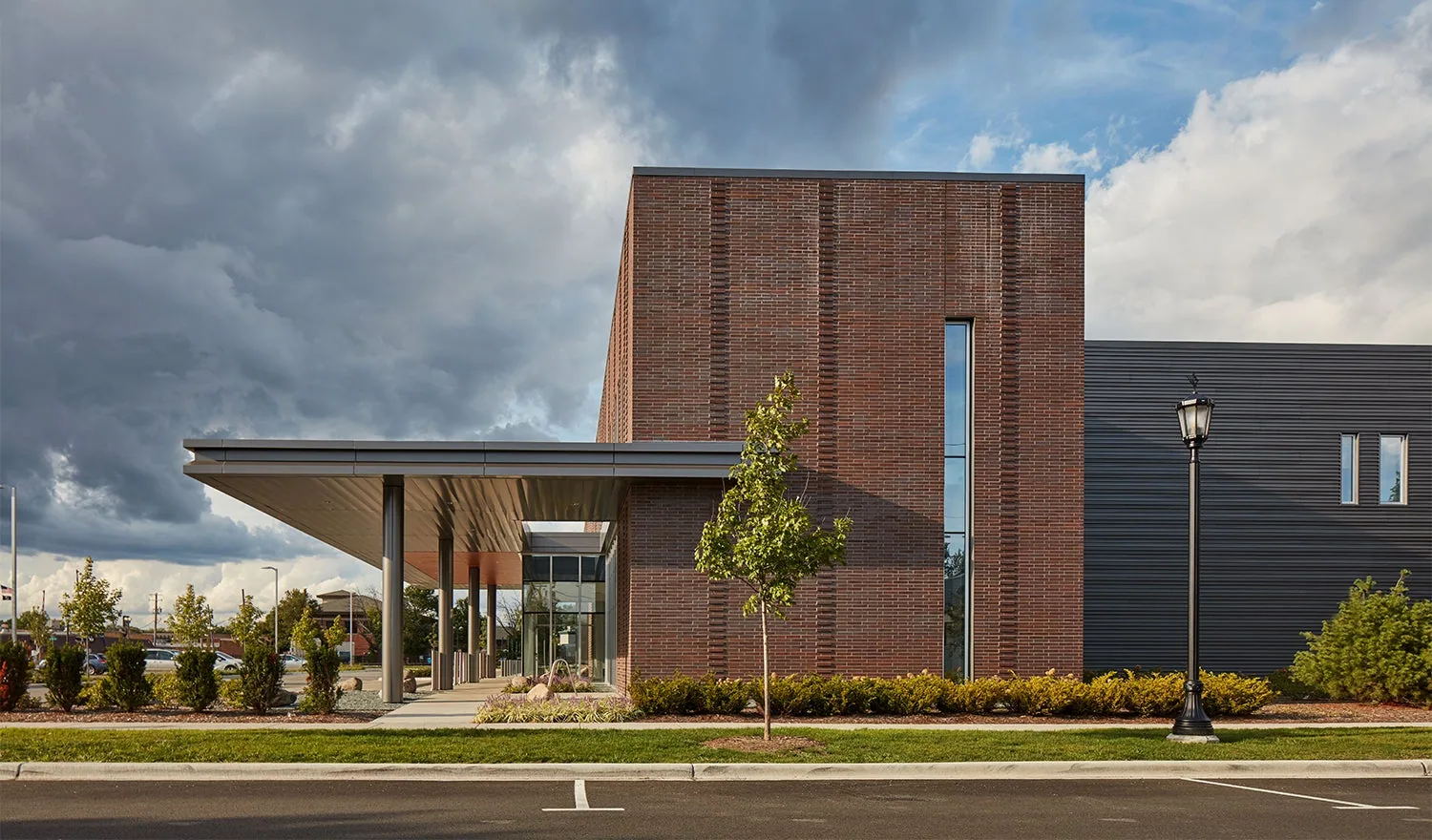
Related work may involve a medical office roof or a data-center roof, each with its own operations. Buildings near the Clovis Research and Technology Park should confirm access routes, roof layers and room protection before removal. Review drains, curbs and tenant entrances as separate work details.
Commercial Roofing Questions
Does the room with the stain set the roof repair location?
The examined water route is the deciding factor. Ceiling movement can place the symptom away from the exterior opening.
Can a membrane patch close a condensate complaint?
The mechanical water source needs its own assessment. A roofing tie-in does not establish equipment drainage condition.
Are after-hours office repairs unrestricted?
The operator still releases equipment, rooms and delivery routes. The complete setup and closing sequence needs permission.
Which office roof findings support restoration rather than removal?
Sound retained layers, compatible preparation and corrected details support that choice. A clean appearance alone is insufficient.
The office water-entry call
Tell us the affected room, when the drip appears and who can authorize roof and interior access. We review the exposure that day and arrange examination or temporary correction when conditions permit.
Related Pages
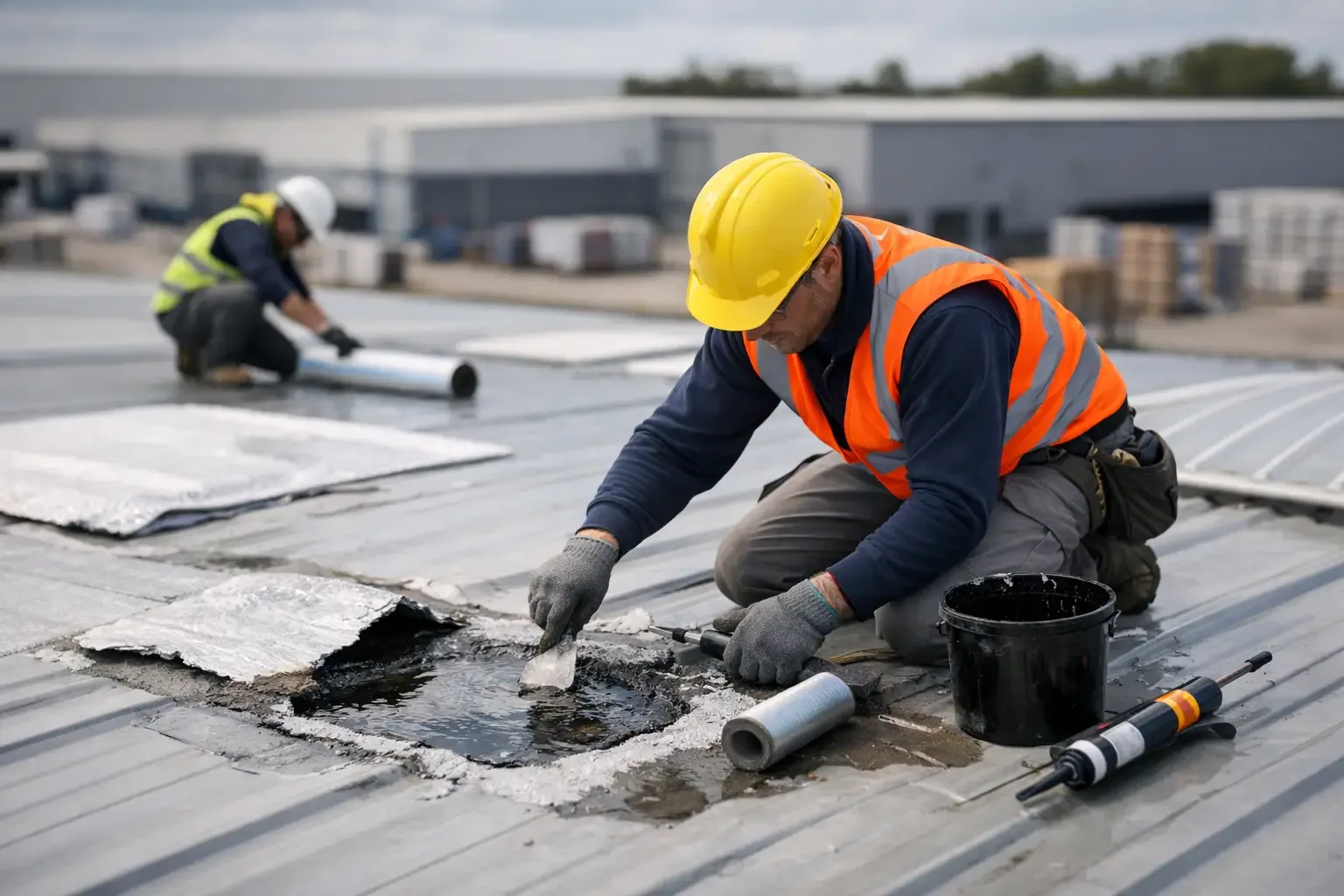
Commercial Roof Leak Repair
Read the full page
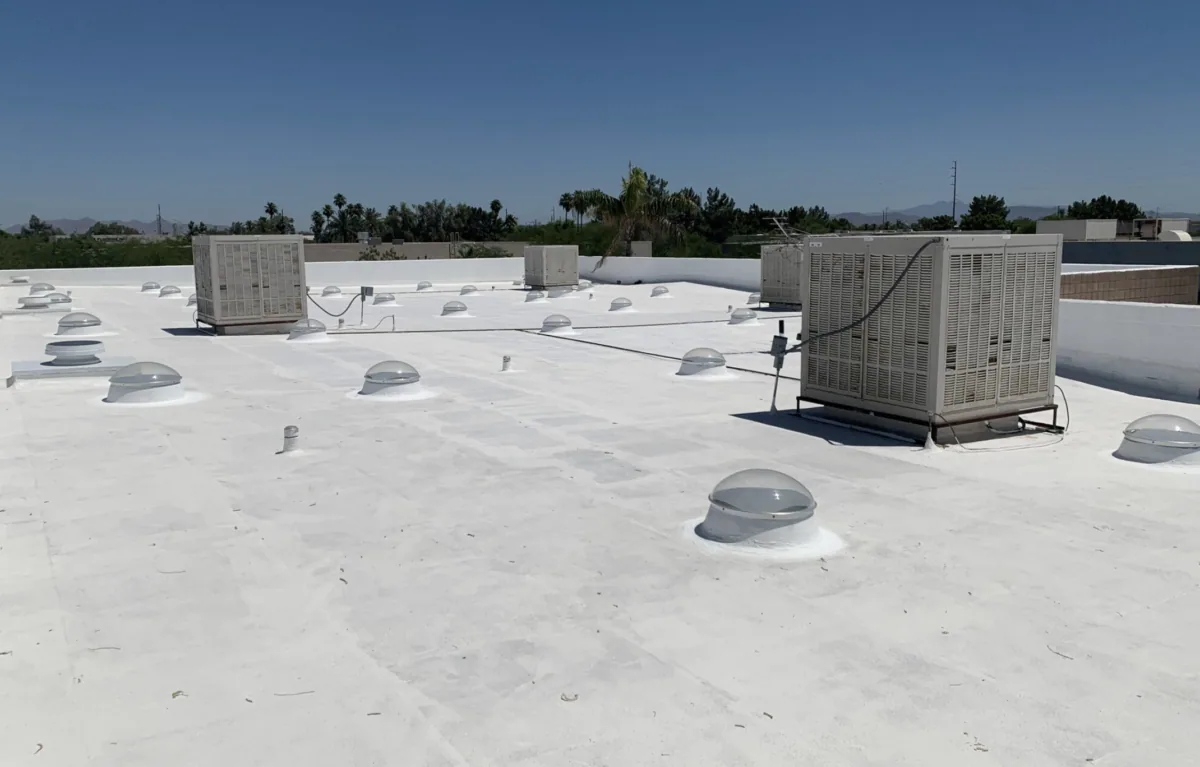
Skylight and Penetration Flashing
See how we handle it
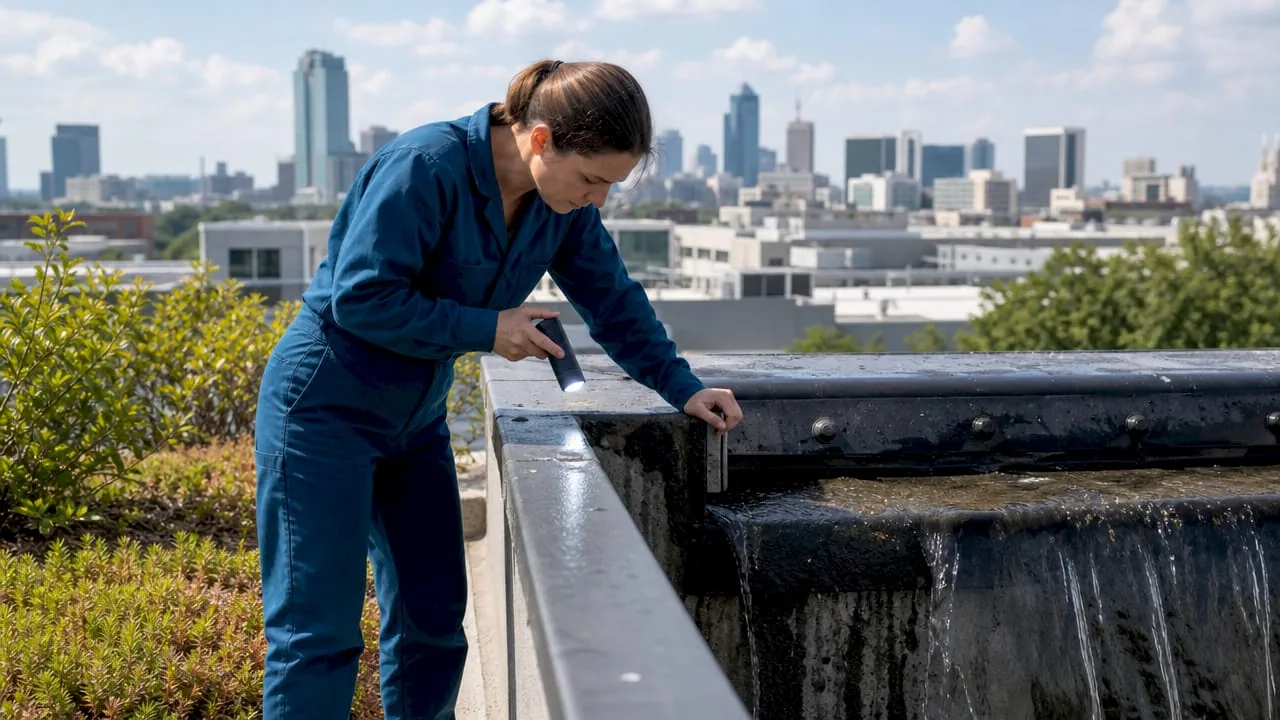
Roof Drains and Scuppers
Scope, sequence and repair notes
Roof Coating Restoration
Read the full page
Occupied Building Reroofing
See how we handle it
Medical Office Roof Repairs With Room Protection
Scope, sequence and repair notes