
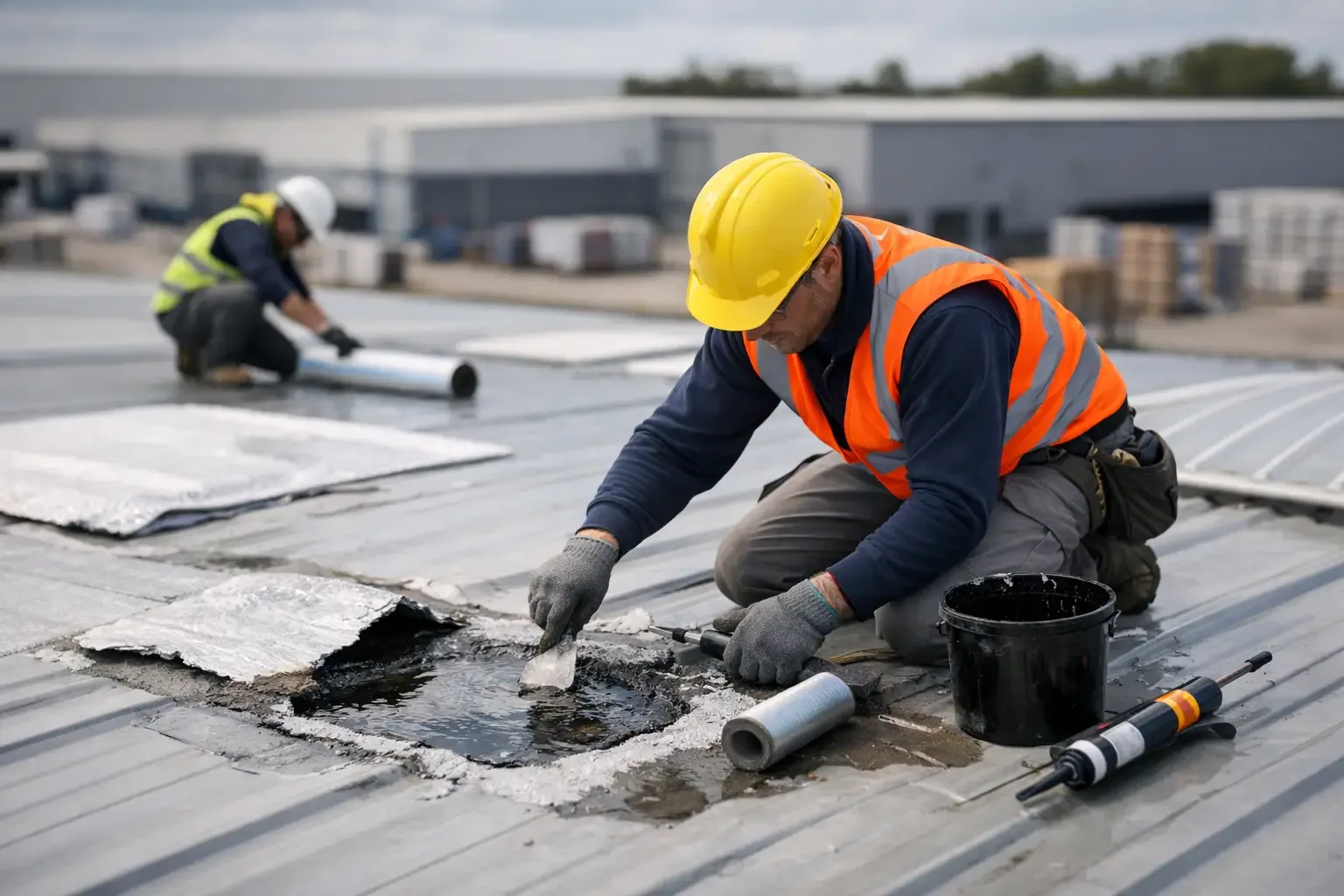
Commercial Roof Leak Repair in Clovis, CA
Commercial Roofing Services
A drip appearing beside a light fixture during the first winter rain should change the immediate use of that room before it changes the roof budget. For a Clovis, CA owner, the first task is to keep people away from the affected electrical area and involve the building's qualified maintenance personnel, then arrange a safe roof investigation. We ask when the drip began, how it changed with the rain and what equipment sits above it. Those details help establish an investigation route, while temporary leak control is considered only where access and the roof conditions allow a suitable measure.
The water pattern inside the building
A stained ceiling grid provides a location to investigate, not a complete entry diagnosis. Water can travel along a deck rib, framing member or insulation interface before dropping into the room, and interior finishes can hold moisture after the rain has passed. We connect the reported timing with accessible observations, including more than one affected room if the pattern extends. Opening finishes or investigating concealed building components requires appropriate permission and coordination, especially where occupied space or utilities limit access.
Equipment condensate, plumbing and wall entry can resemble a roof leak. A drip during dry weather or only while a unit operates needs that distinction examined rather than dismissed. We compare the roof details with the operating pattern and coordinate other trades where the evidence points beyond the roofing assembly. The roof transitions at equipment curbs still need attention, but repairing them without evaluating a separate drain or mechanical issue could leave the interior symptom unchanged.
The entry point and the surrounding details
An opening at a lap may be visible, yet nearby flashings or drainage conditions can be contributing to the same water path. We trace details above and around the affected space, looking at membrane continuity, wall terminations, penetrations and outlet behavior. The investigation can include a controlled water test where appropriate, with the interior monitored and the building protected. Testing needs limits and a stop point; adding water indiscriminately to a roof over sensitive contents can worsen the problem it is meant to explain.
A failed flashing connection may allow water behind the vertical membrane before it reaches the deck. A low drain area can expose a marginal seam to water for longer than surrounding roof areas. We examine these mechanisms before assigning a repair, then explain which finding supports the proposed entry point and which remains uncertain. The objective is a repair location backed by the roof and interior evidence, rather than a patch placed directly over the stain.
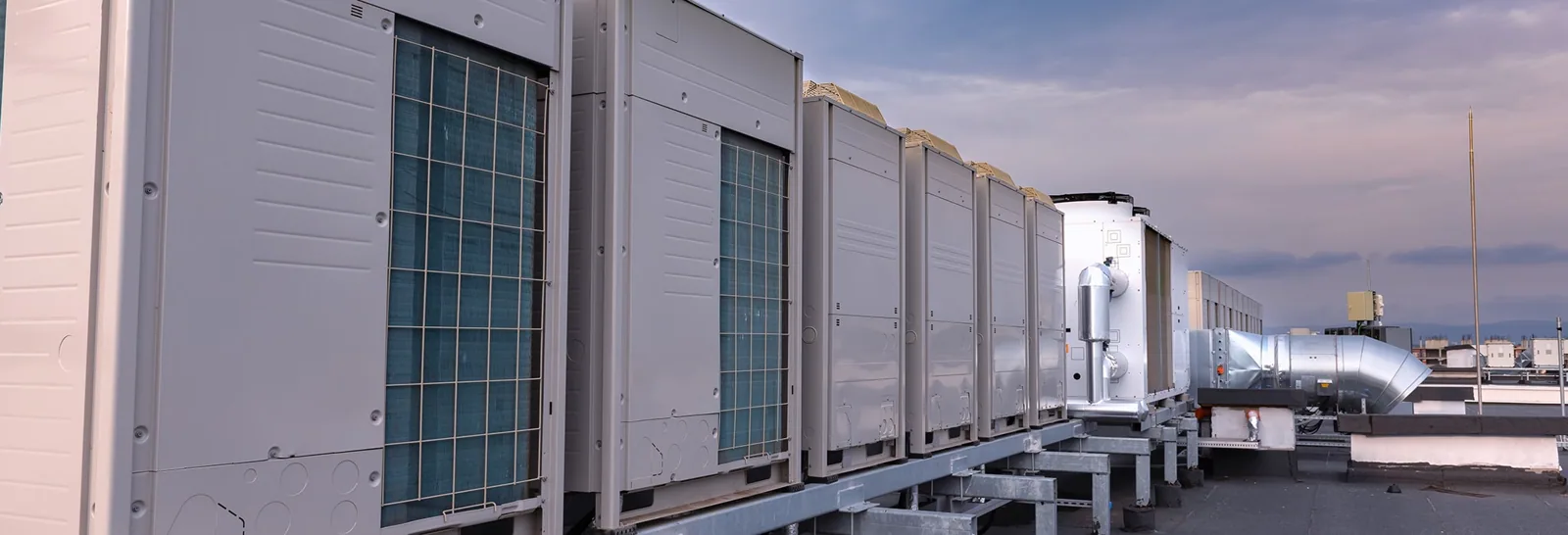
The temporary closure during active water entry
Wet surfaces and rain can prevent the preparation needed for a permanent bond. Where a compatible temporary repair is feasible, we use it to reduce further entry while preserving the ability to complete the final work. The immediate scope may be limited by access, lightning, surface condition or the need for further investigation. We receive urgent leak requests through the night and on holiday or weekend shifts, with the response arranged against the conditions and the building's reported exposure.
Interior protection remains a separate task from roof closure. The building contact can arrange movement or covering of vulnerable contents where safe, while qualified personnel address electrical or ceiling hazards. A successful temporary measure does not establish that retained insulation is dry or that the final entry mechanism has been fully corrected. When the situation requires a wider response, urgent roof damage control provides the immediate sequence before the permanent leak repair is finalized.
The materials that remain wet
A roof may stop dripping while still holding water within the assembly. We assess the likelihood and extent of retained moisture when the history, surface findings or interior evidence warrants it. Authorized sampling can establish layer conditions, and thermal investigation can help target that sampling under suitable conditions. Moisture investigation with thermal imaging contributes to the decision, but an unusual temperature pattern needs confirmation before it becomes a removal quantity.
Wet insulation, deteriorated cover board or damaged decking may require opening an area beyond the original leak. The permanent correction then includes removal of unsuitable material and restoration of the supporting layers before the membrane is closed. A patch over a softened base can leave poor support beneath an otherwise sound-looking connection. We state whether the proposed work is limited to the detail or includes affected underlying material, so the owner understands what the finished repair actually resolves.
The heat history and winter surface
Fresno recorded 26 triple-digit days in July 2024 with a mean temperature of 90.0 F. For the Clovis area, that regional record makes hot-weather stress a reasonable investigation consideration, while the observed roof details still establish the leak cause. Repeated movement can strain a restrained flashing or existing repair; sunlight exposure can contribute to material aging. We examine the condition at the actual opening rather than state that a particular hot period caused an individual building's failure.
Central Valley tule fog can form after sunset and be thickest before dawn, which can affect drying and inspection conditions during the wet season. The roof needs a surface check before permanent repair products are applied. Near Clovis Community Medical Center on Herndon Avenue, roofing above medical office rooms calls for coordination with the operating staff just as the repair itself calls for compatible materials. The hospital's local identity does not establish the use or roof assembly of a nearby property.
The completed repair and follow-up evidence
The final repair should reconnect the waterproofing assembly through the affected detail, including any necessary substrate work. For a modified bitumen roof assembly, material preparation and lap treatment differ from the procedure used on a thermoplastic sheet. We identify the existing system before selecting the repair and document the connection after work. Any appropriate testing must match the roof and the location, with care for the occupied space below.
A follow-up after subsequent rain can help assess performance, while interior moisture and finishes may take longer to return to a dry condition. We keep those observations separate and explain any unresolved concern that requires further investigation. Commercial leak response in Clovis begins with the symptoms the owner can describe and ends with a record of the entry findings, the repair and any remaining work. A room that appears dry at departure is useful information, but it is not a substitute for documenting the roof correction.
Commercial Roofing Questions
Why does water appear only after rain has been falling for a while?
Accumulation and the water path can delay the interior symptom. A restricted outlet, saturated material or an entry that is exposed only after water rises may produce that pattern. We compare the delay with roof observations before selecting a repair.
Can a leak near a rooftop unit come from condensate?
The unit operating pattern helps distinguish that possibility. Condensate drainage or mechanical leakage can produce water without rainfall, while curb flashing may admit rain. We investigate the roof connection and coordinate mechanical assessment where needed.
Should the ceiling stain be used to mark the patch location?
Its position is a starting reference for tracing the path. Deck geometry and concealed layers can move water before it falls indoors. We relate the interior mark to the roof layout and findings instead of treating the vertical line as proof of entry.
Does the roof need to dry before the lasting repair?
Product preparation requirements control that step. Some temporary methods can address active entry under restricted conditions, but the permanent bond or weld needs a suitable work area. We explain what can happen immediately and what requires drying or removal.
What information helps with a leak that stops before the visit?
Timing, photographs and the affected room locations preserve useful evidence. Note the rainfall, unit operation and any earlier repairs without entering hazardous areas. We use that history alongside the inspection even when active dripping has ended.
Describe when the drip begins and where it lands
Tell us the property address, affected room, rainfall timing and any electrical or ceiling concern. We will establish the immediate loss-control needs and arrange investigation of the entry path and lasting repair.
Related Pages
Rooftop Equipment Curbs and Supports
Read the full page
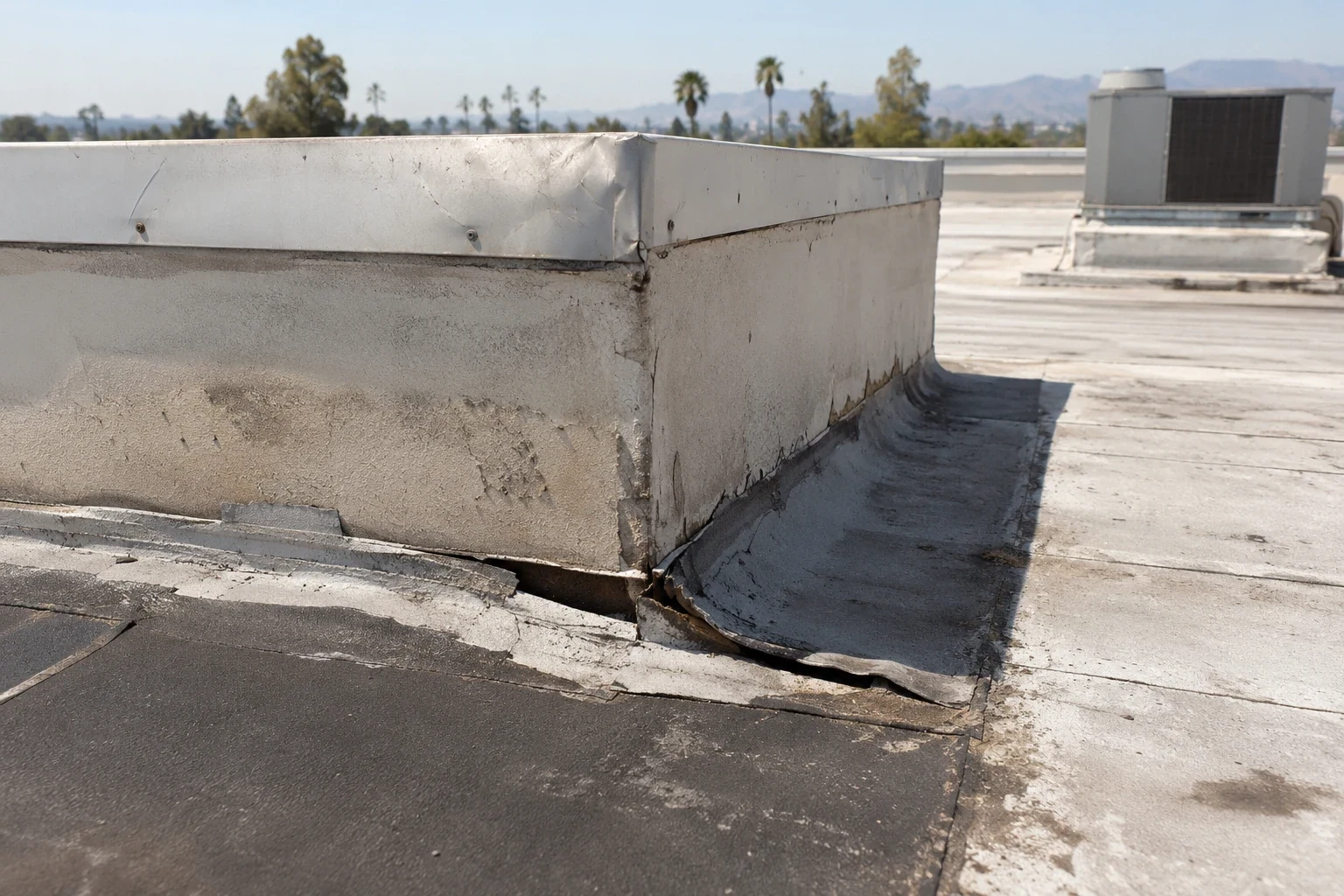
Flashing Failure Investigation in Clovis at Roof Transitions
See how we handle it
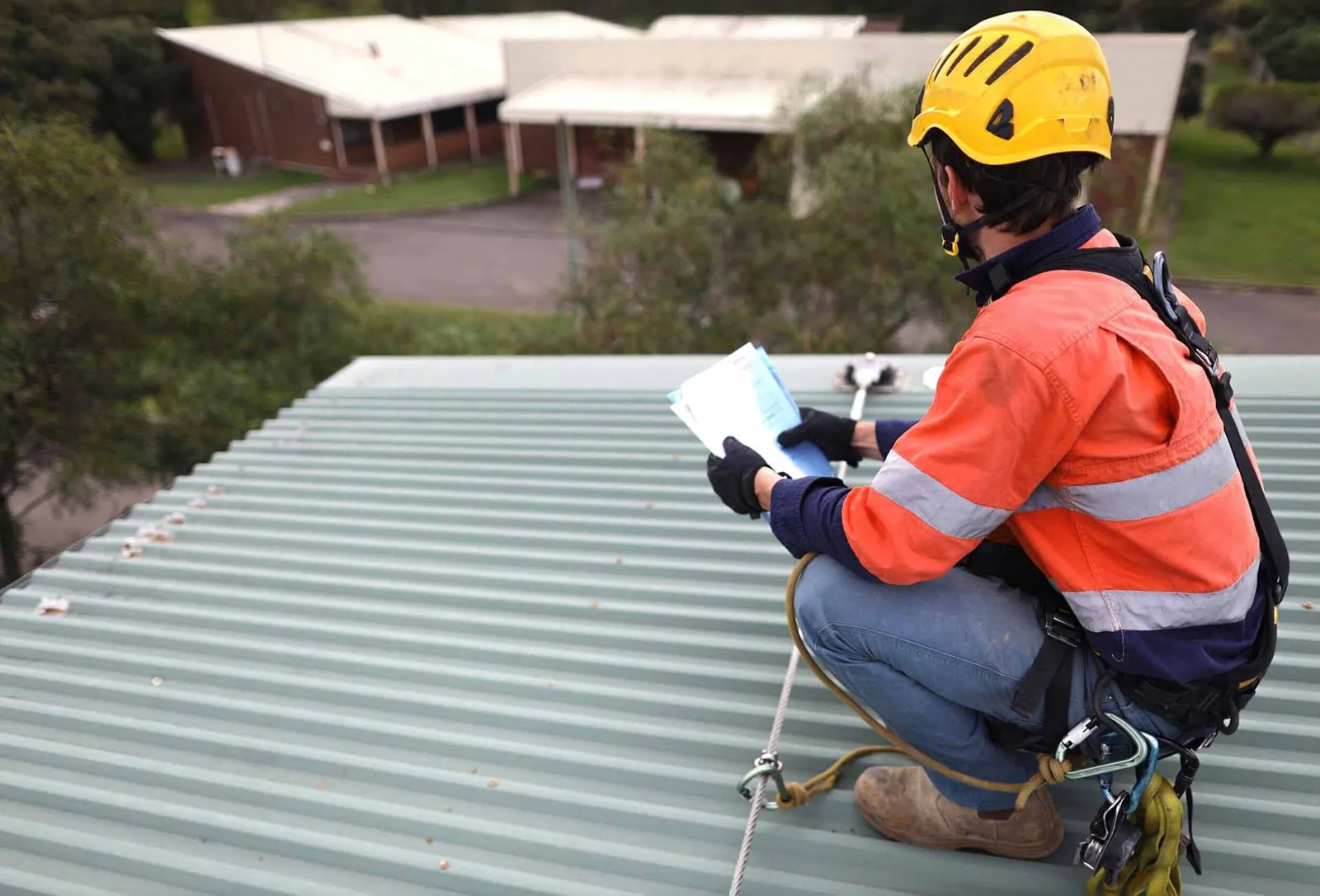
Emergency Commercial Roof Repair
Scope, sequence and repair notes
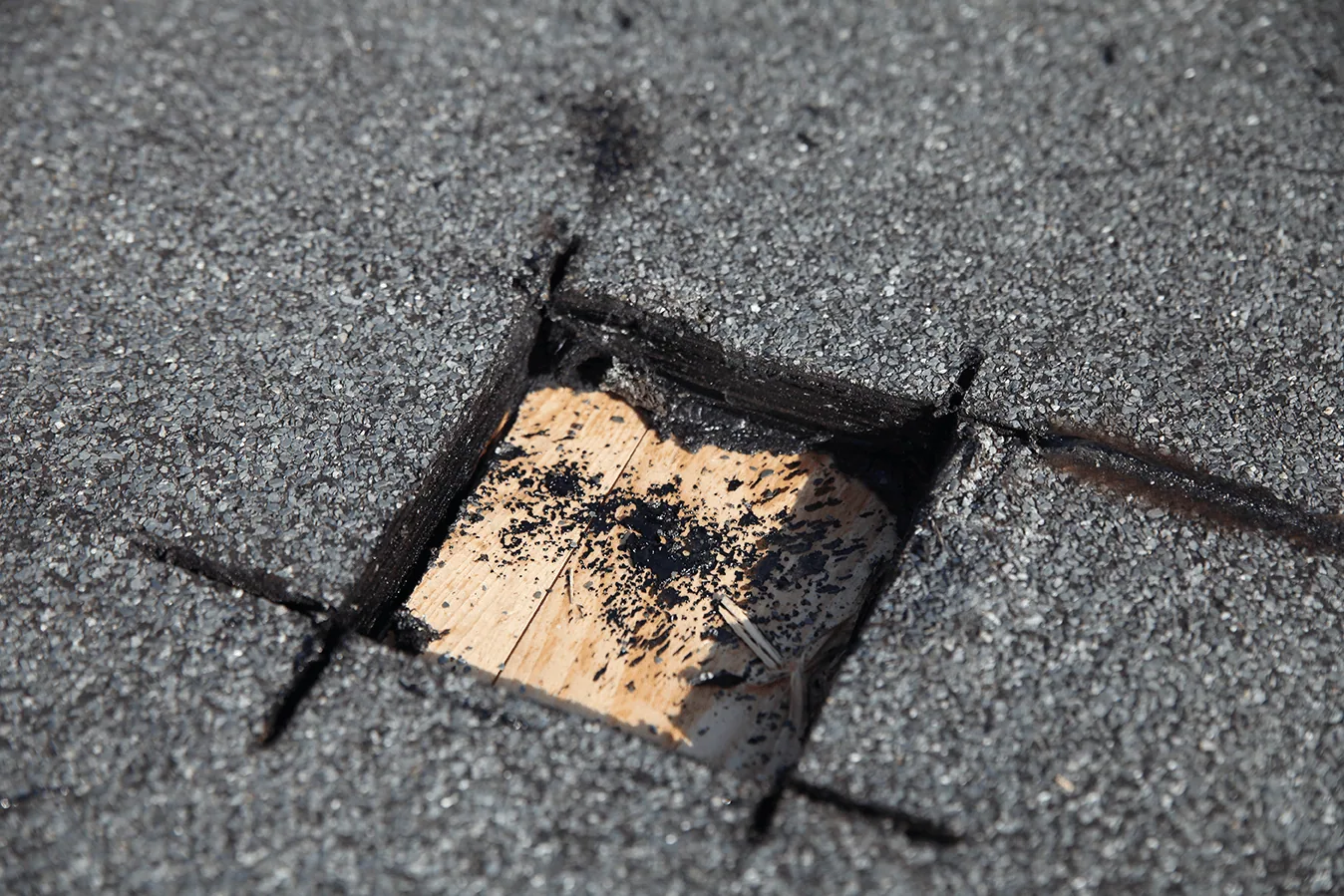
Infrared Roof Moisture Survey
Read the full page
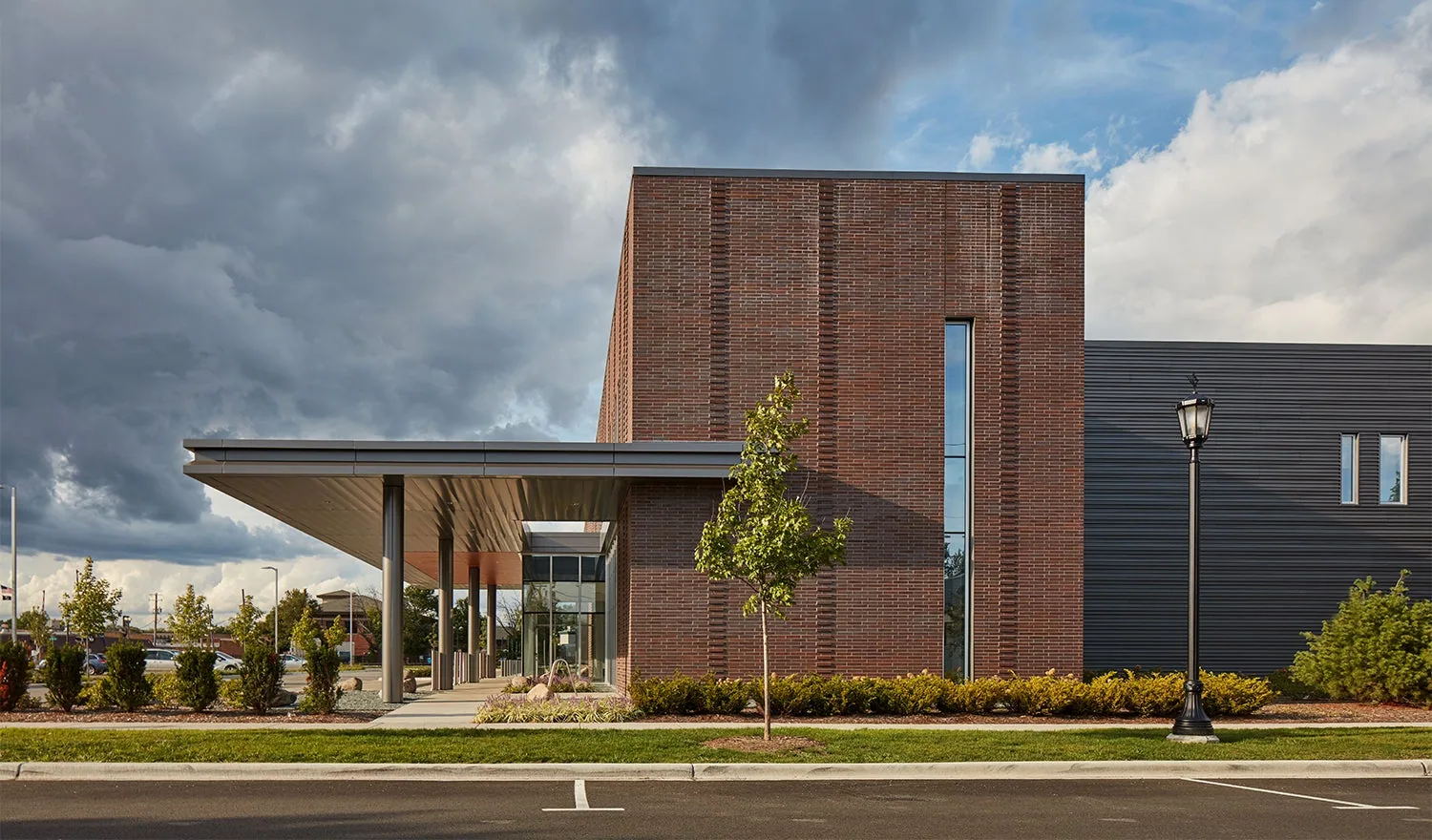
Medical Office Roof Repairs With Room Protection
See how we handle it
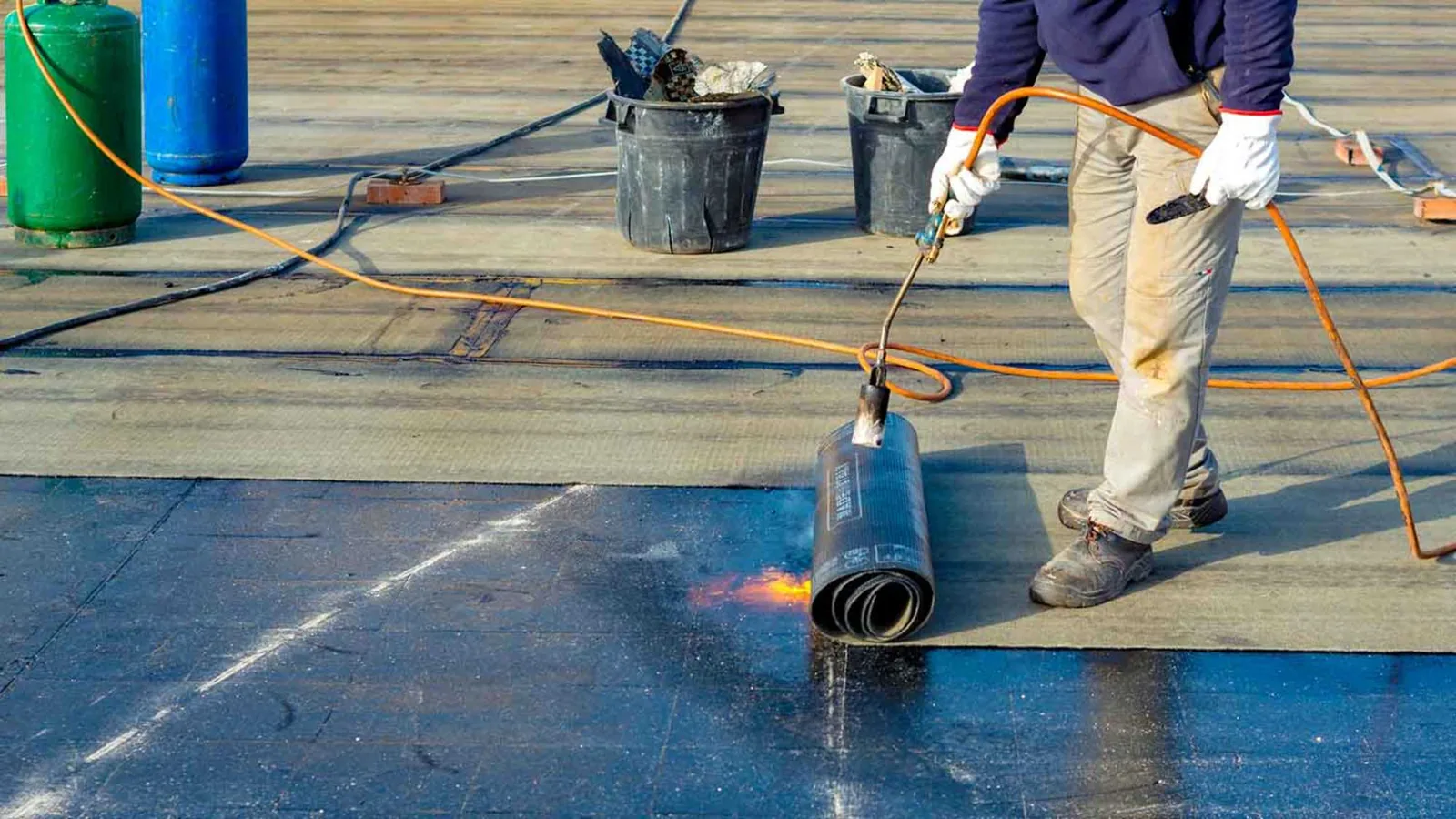
Modified-Bitumen Roof Repairs in Clovis at Laps and Blisters
Scope, sequence and repair notes