Commercial Roofing in Clovis, CA
Service Areas
Clovis is a city in the northeast Fresno metro with commercial, medical, school and industrial properties served by State Routes 168 and 180. Roof conditions vary across those building types, so a service request should identify the actual property and affected area. Local business districts and campuses can help orient travel, but the roof examination determines the assembly and repair. Coordinate access and staging with the operator for each site.
The affected room and the roof route
A wet ceiling panel tells us which room needs attention; it does not establish the entry point above it. Water can cross a deck rib or follow a support before reaching the interior, and opening the membrane directly over that panel without tracing the route can leave the real defect untreated. We connect interior observations with rooftop seams, wall transitions and equipment penetrations, then explain which finding supports the proposed repair at the water entry. The room location, the rainfall timing and any recent equipment work help us decide where to start.
A Clovis assignment may involve separate owner, tenant and facilities contacts, so we establish who controls roof access and who can move contents away from the wet area before equipment is brought in. Emergency requests are received through nights, weekends and holidays, with the response plan governed by safe access and current conditions. Where a temporary closure is possible, we identify its limits and arrange a return assessment rather than leaving an emergency patch to carry an indefinite repair obligation.
Heat exposure and moving details
The July 2024 Fresno report gives a monthly mean of 90 F, alongside 26 days reaching triple digits. That regional heat record matters when evaluating a Clovis membrane that moves against a rigid curb or a metal edge that has loosened, because repeated thermal movement can work against an already weak attachment. We examine the connection and the surrounding material before choosing a repair. The record alone does not diagnose a roof; the seam, fastening and moisture findings on the assigned building determine the next action.
A split near a rooftop unit can involve membrane stress, traffic damage or water associated with equipment, and those possibilities call for different work. We check the unit curb and the path of any condensate discharge while the building contact arranges mechanical access as needed. A roofing closure should not conceal a continuing equipment leak. Where that interface is the deciding issue, flashing work at penetrations must include enough surrounding sound material for the connection to function after the afternoon heat returns.
Dry layers beneath the surface
Softness underfoot or a blister needs examination before a coating proposal reaches the owner. A clean surface can hide wet insulation, while a discolored membrane can still cover a dry and repairable assembly. We identify the existing layers and use targeted openings or moisture investigation where the evidence justifies them. Wet areas require a removal decision; simply closing their surface can retain the problem and make the next failure difficult to trace. An infrared investigation of suspected damp areas can guide those openings when temperature conditions suit the method.
The inspection findings should separate immediate defects from work that can wait for planned access. A repairable seam, a damaged cover board and a deteriorated deck do not have the same construction consequences, and the report should explain that difference. We photograph the relevant conditions and describe any uncertainty that still requires an opening. This gives the owner a basis for approving a limited repair without treating a partial inspection as proof that the entire roof is ready for restoration.
Drainage before the wet season
A blocked outlet can spread water across a roof that otherwise has sound field material, so the drainage route needs attention alongside seam repairs. We inspect the drain entrance, adjoining membrane and discharge arrangements that can be accessed, distinguishing debris removal from an elevation problem that keeps water away from the outlet. Clearing leaves does not correct a depressed area or a drain installed above the surrounding roof surface. Drain and scupper corrections are therefore scoped from the actual condition rather than folded into an undifferentiated patch allowance.
Central Valley tule fog develops after sunset and tends to be thickest before dawn, with daytime warming helping it thin. A damp Clovis roof in that season needs surface and substrate checks before bonded work starts, even if rain has stopped. We confirm the product limits and the roof condition at the proposed work time. Cleaning and investigation may be possible before a coating or adhesive can proceed, which makes the order of work a practical scheduling decision instead of a date promised without a rooftop assessment.
Replacement and occupied access
Widespread moisture or an assembly that cannot hold a dependable repair can make replacement the practical next step, but the removal method matters to the occupied space. We establish the deck condition, the daily opening limit, the material route and the points where equipment must be isolated before agreeing on a sequence. Replacement also brings perimeter and drainage details into the decision; leaving a failed edge connection in place beneath new field material can preserve the weakness that caused the original trouble.
For an owner coordinating another property in Fresno, we can compare roof findings without assuming the two buildings need matching systems. A hospital-area assignment along Herndon may require a different access discussion from a small commercial suite in Clovis. The construction plan follows the rooms and operations actually affected. We explain which interruptions are unavoidable, which can be sequenced, and what evidence will close the work before the building contact accepts the result.
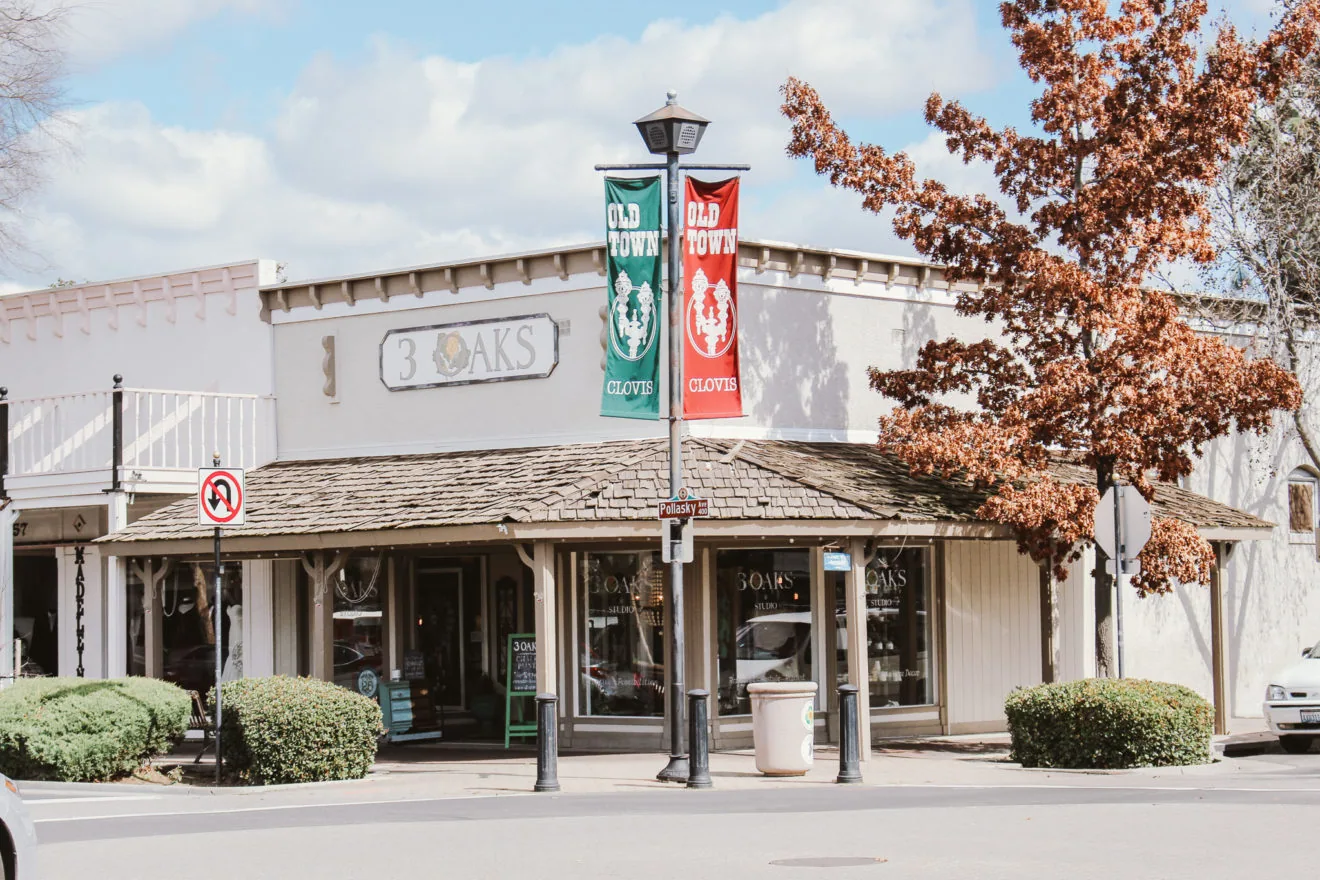
Commercial properties in Old Town Clovis, the Herndon medical district and the city’s industrial areas can have different access and roof requirements. The responsible operator should identify the approved staging route, affected interior and any restrictions on lifts or material storage. For industrial buildings near State Route 168, coordinate deliveries with the site rather than assuming a clear route from the highway. Keep findings tied to the property and roof section examined.
Commercial Roofing Questions
Does a drip that stopped after the rain still need a roof visit?
The continuing entry path is the deciding issue, rather than the ceiling drying on its own. We look for an open detail, retained moisture and damage at the interior finish. A dry afternoon may allow investigation, but it does not prove the assembly below the membrane has dried or that the next rainfall will stay outside.
Should a coating be considered before a Clovis roof is opened?
Substrate condition controls that choice. Surface cleaning and adhesion trials answer some questions, while suspected damp layers call for moisture investigation and selective openings. We explain what must be removed before a restoration system can be assessed, so the owner does not approve coating over an unresolved wet area.
Can equipment service and roofing be combined in one shutdown?
A shared shutdown can be useful if both trades know the curb work and isolation requirements. We confirm who disconnects equipment, when the opening can be closed and which connections need testing before operation resumes. Without those decisions, a combined date can create an exposed roof without a practical closure sequence.
What determines the price of a limited repair?
The extent of sound material around the defect, access conditions and any damaged layers beneath it drive the repair scope. A surface patch differs from removing wet insulation or rebuilding a wall transition. We identify those boundaries before presenting the work, with additional concealed damage treated as a finding that needs a separate decision.
A Clovis roof assessment
Describe the wet room, the nearest rooftop equipment and the time the trouble appeared. We will review access and immediate protection, then explain the inspection and repair sequence for your building.
Related Pages
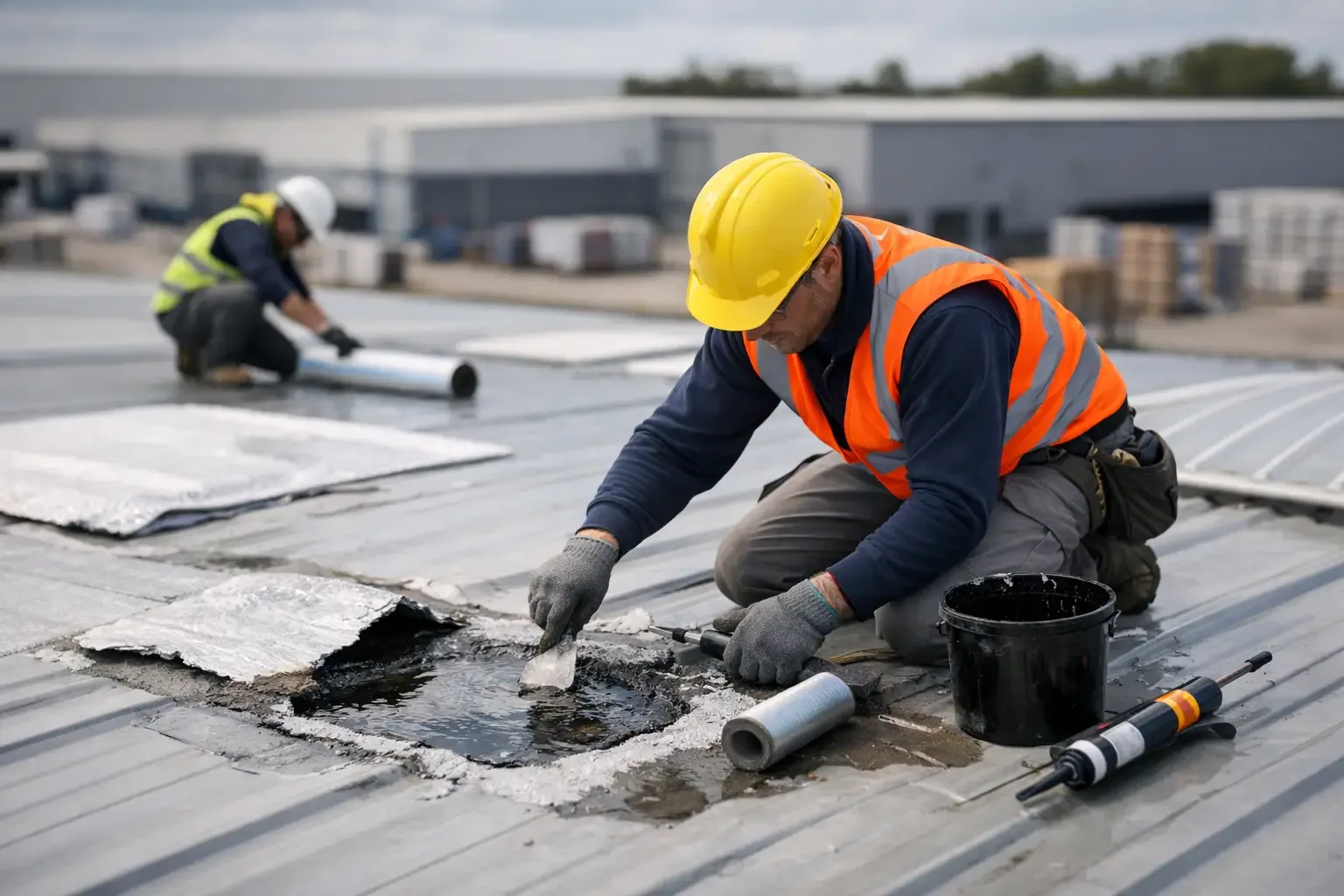
Commercial Roof Leak Repair
Read the full page
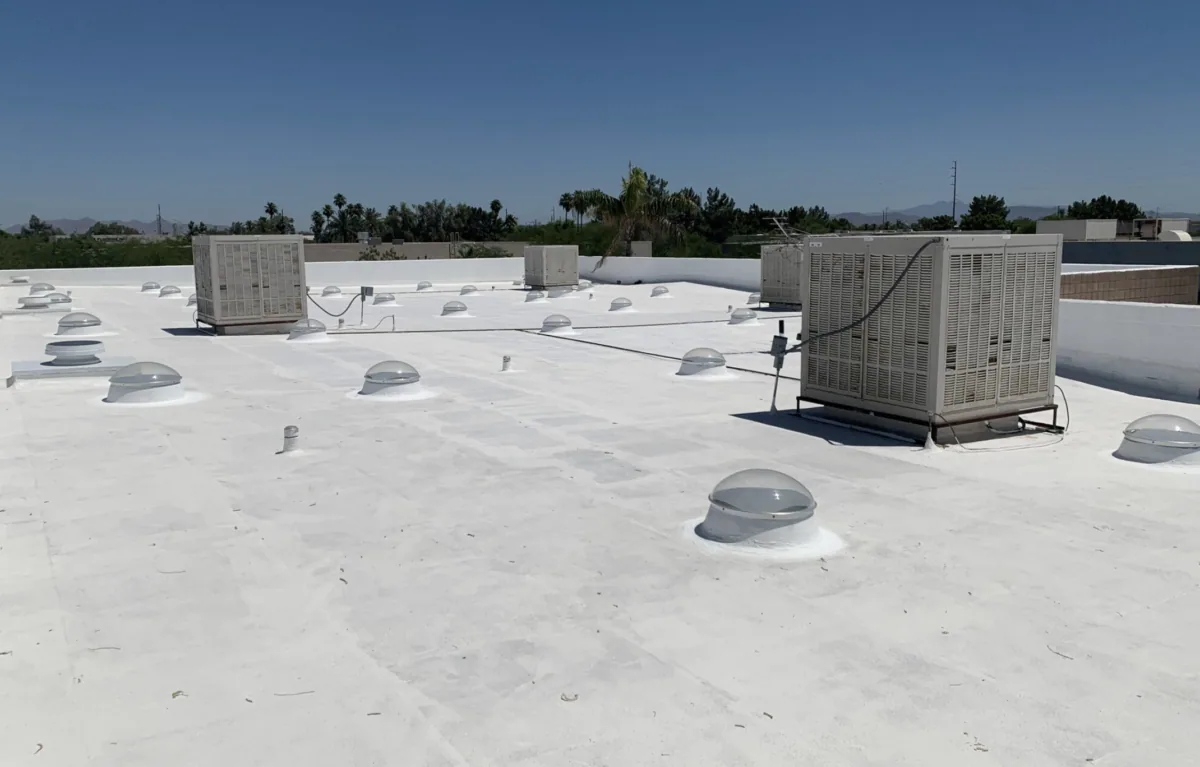
Skylight and Penetration Flashing
See how we handle it
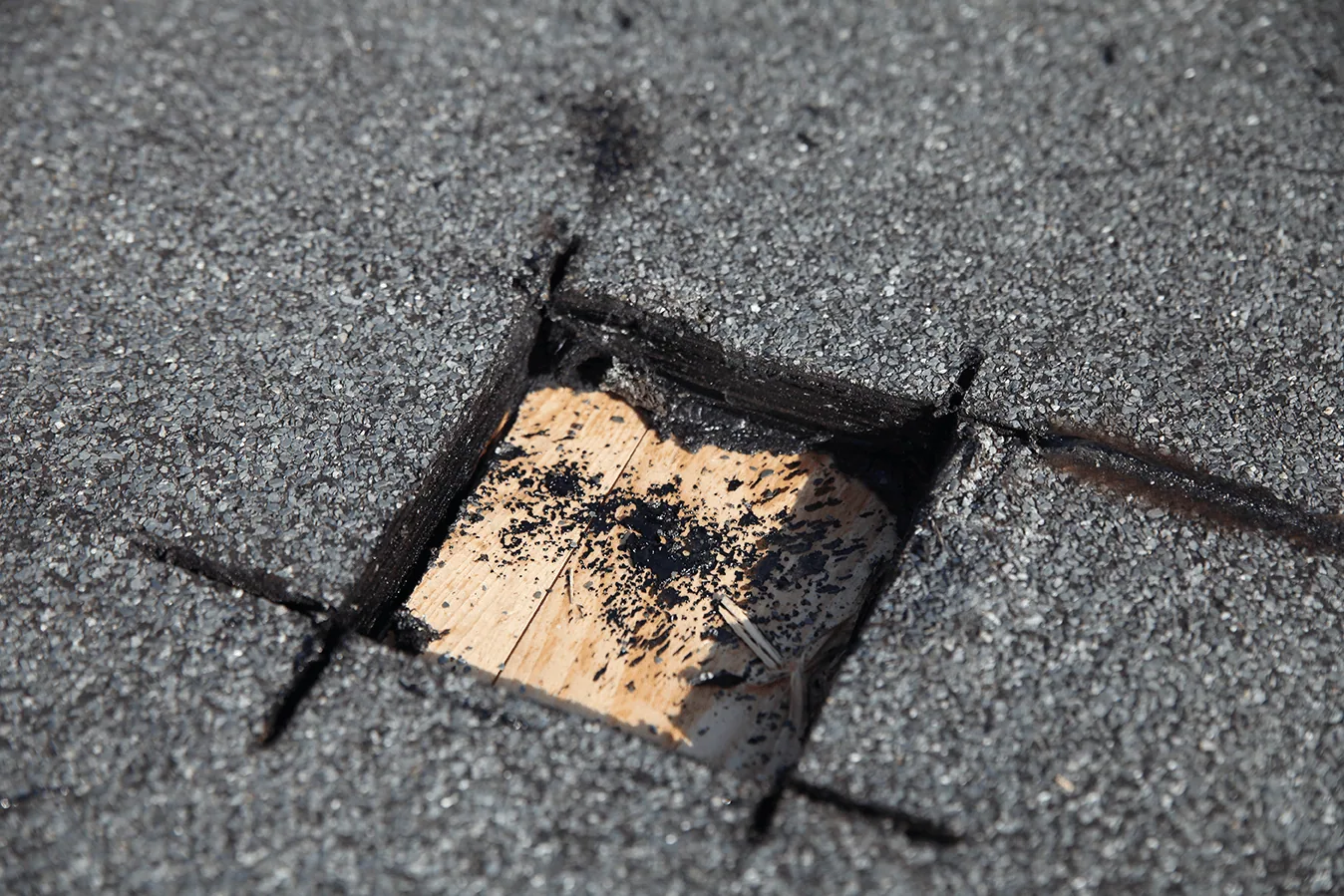
Infrared Roof Moisture Survey
Scope, sequence and repair notes
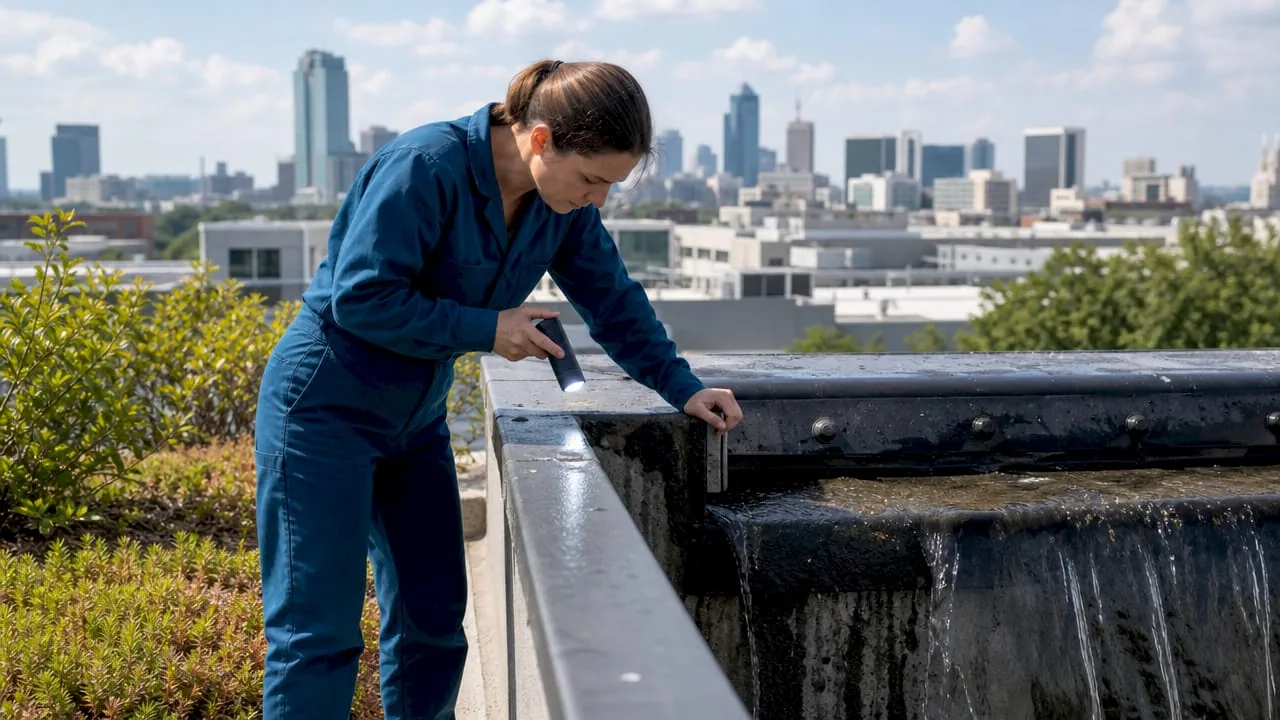
Roof Drains and Scuppers
Read the full page
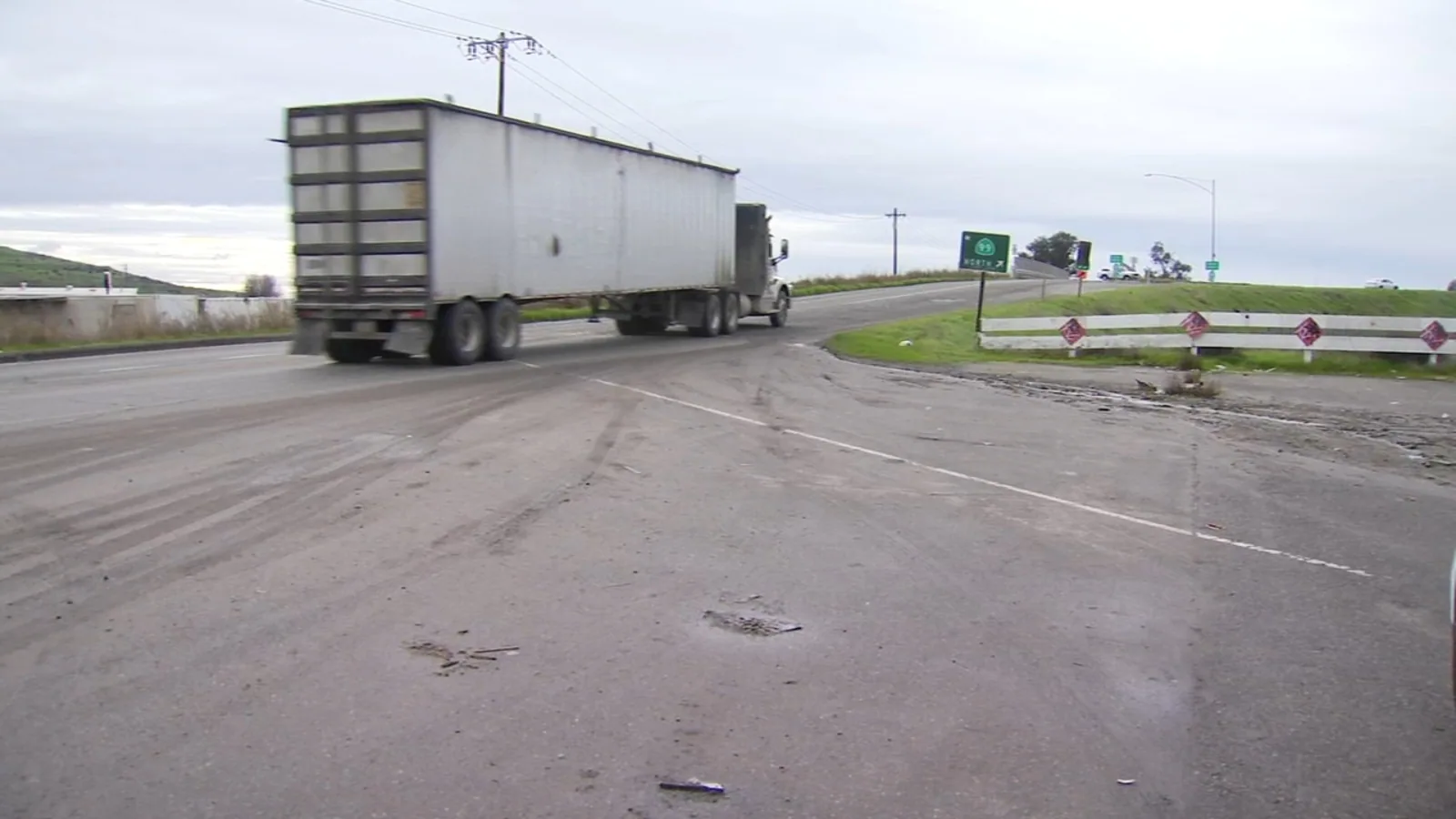
Fresno
See how we handle it
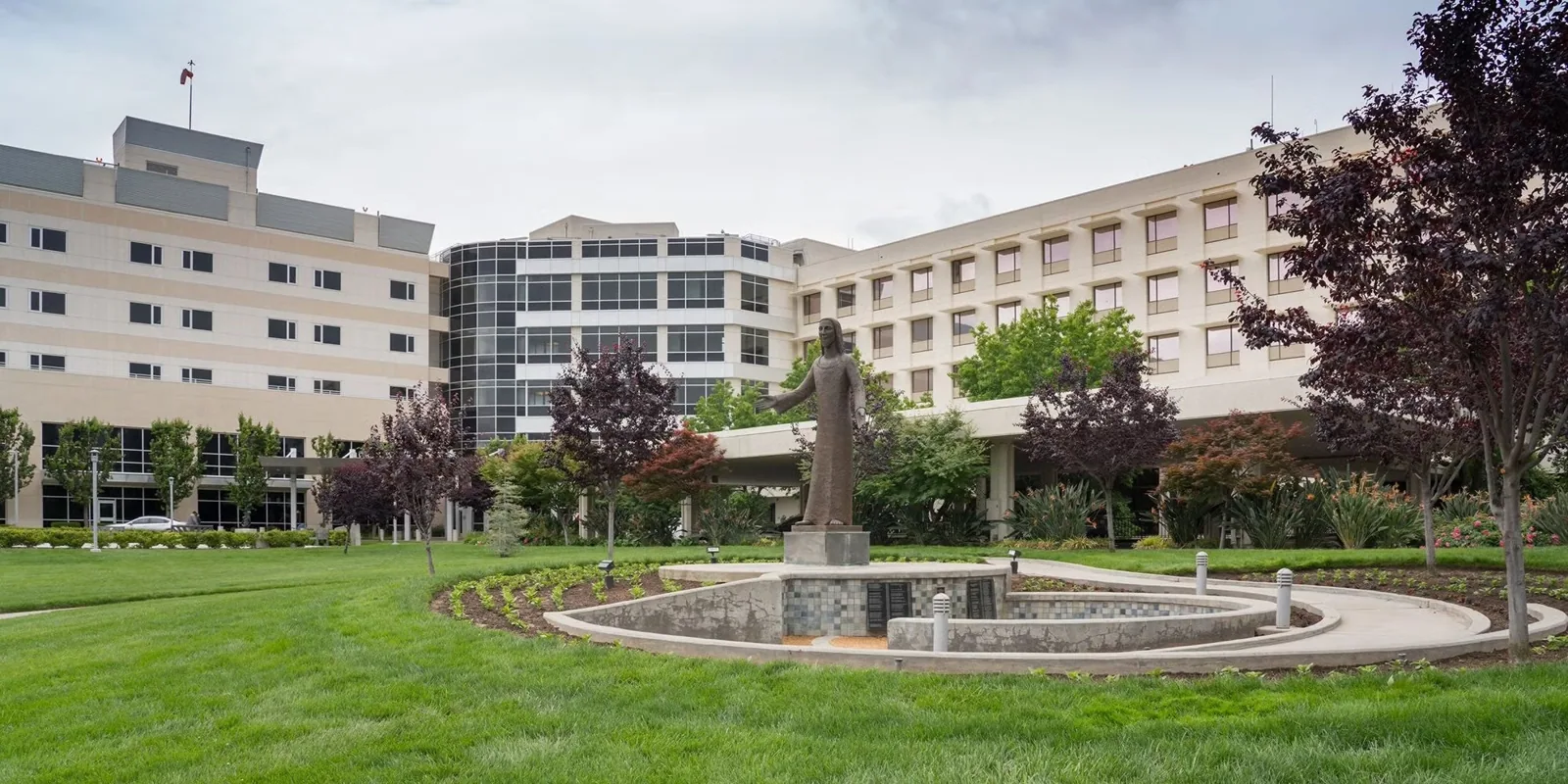
Herndon Medical District
Scope, sequence and repair notes