
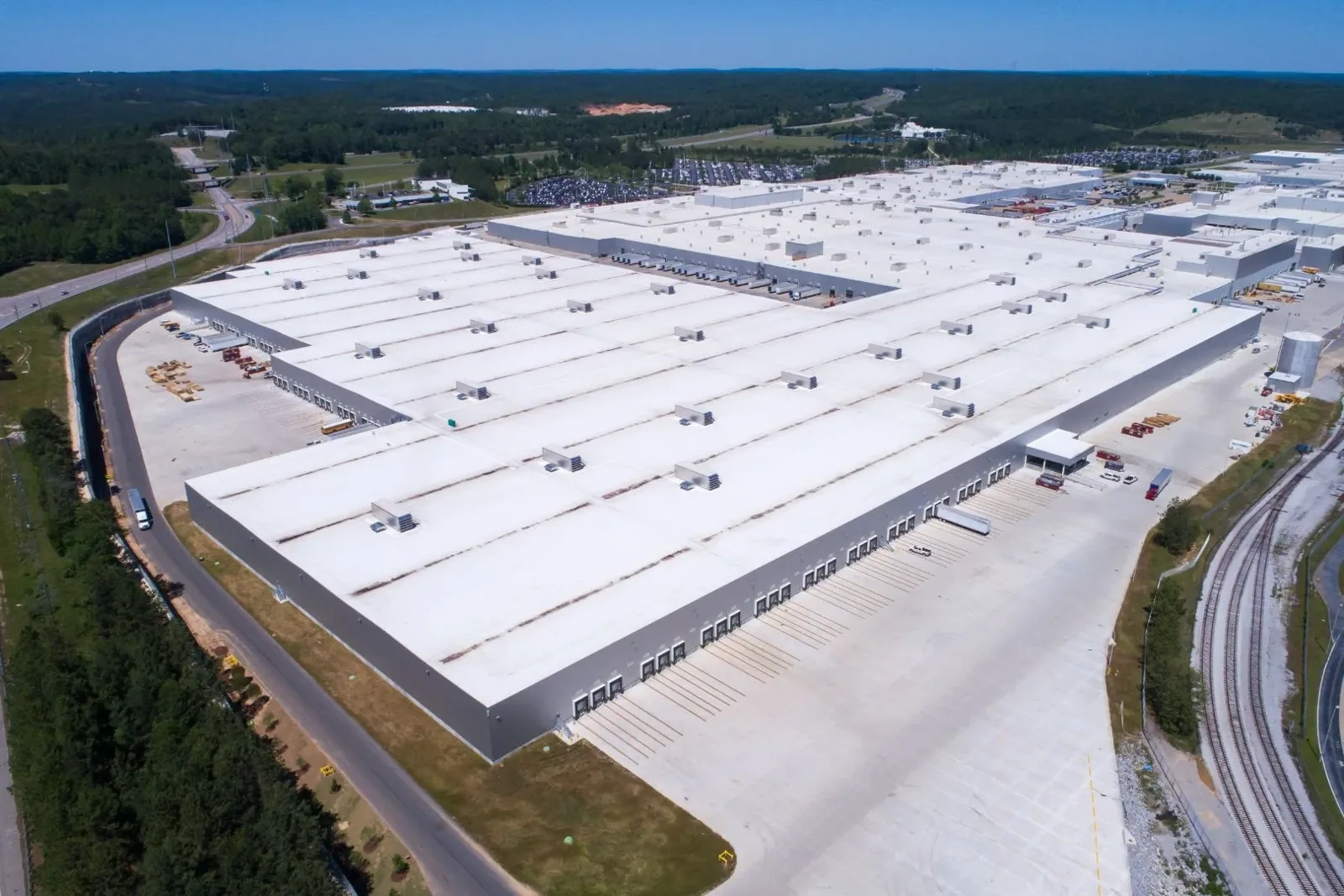
TPO Roof Repair in Clovis After a New Drip
Roof Systems
A new drip during the first winter rain could lead a Clovis owner toward a TPO seam, but the exposed lap needs examination before it becomes the repair order. We inspect and repair TPO commercial roofing in Clovis, CA, beginning with the reported interior location, safe access and the construction above it. Water can move along concealed layers, so a ceiling mark helps define the investigation without proving the opening sits directly overhead. Immediate protection and a permanent seam correction may require different conditions and different methods.
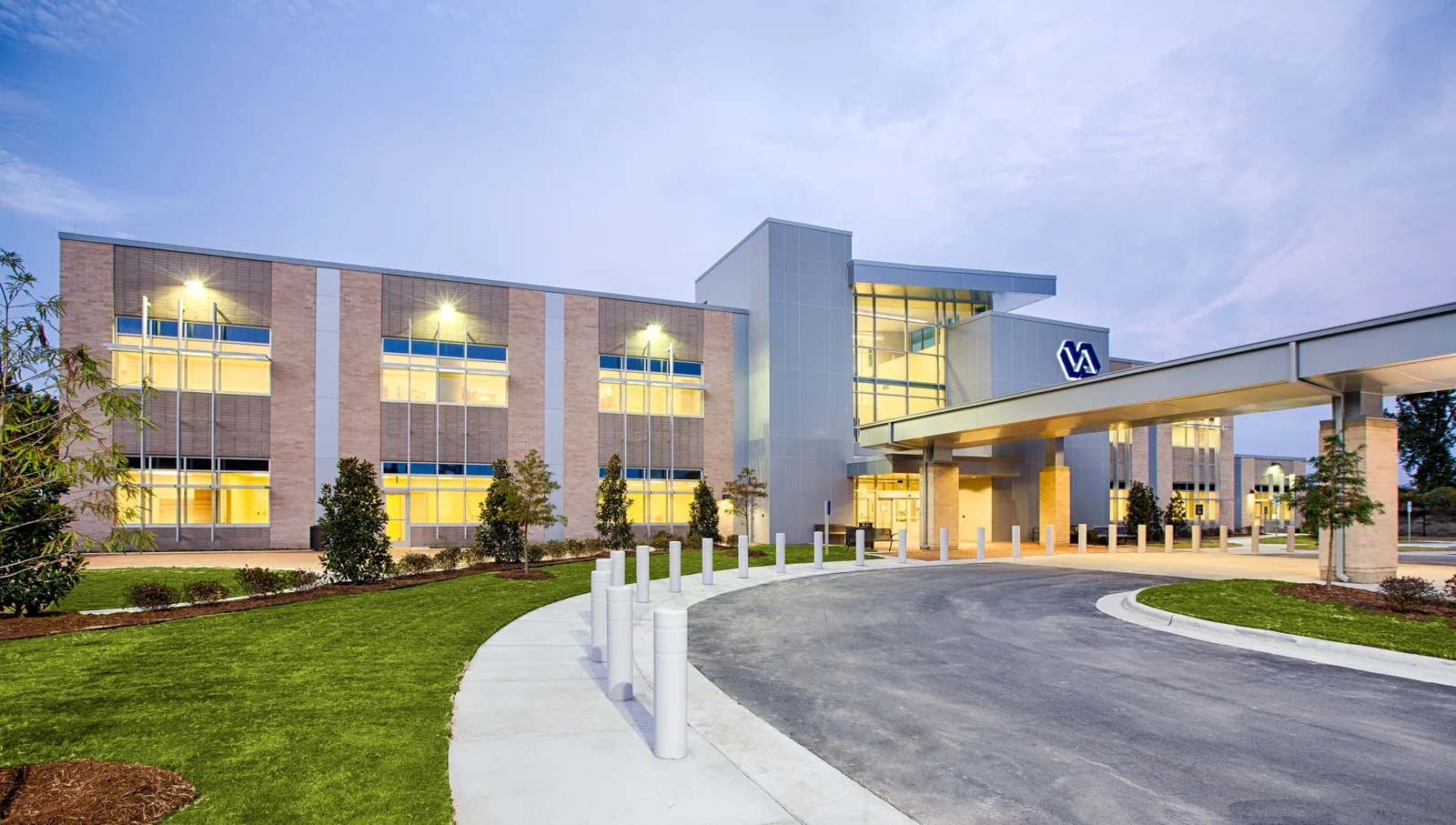
Fresno's July 2024 heat record provides regional context for reviewing roof condition, while Central Valley tule fog adds a reason to measure surface dryness before joining work. Neither establishes a seam defect on the subject property. Clovis Community Medical Center on Herndon Avenue identifies a real local healthcare facility, with its own operator and construction authority. The owner's actual assembly and access requirements determine our investigation of the water path, including which spaces need protection while the roofing question is resolved.
The lap and the surrounding sheet
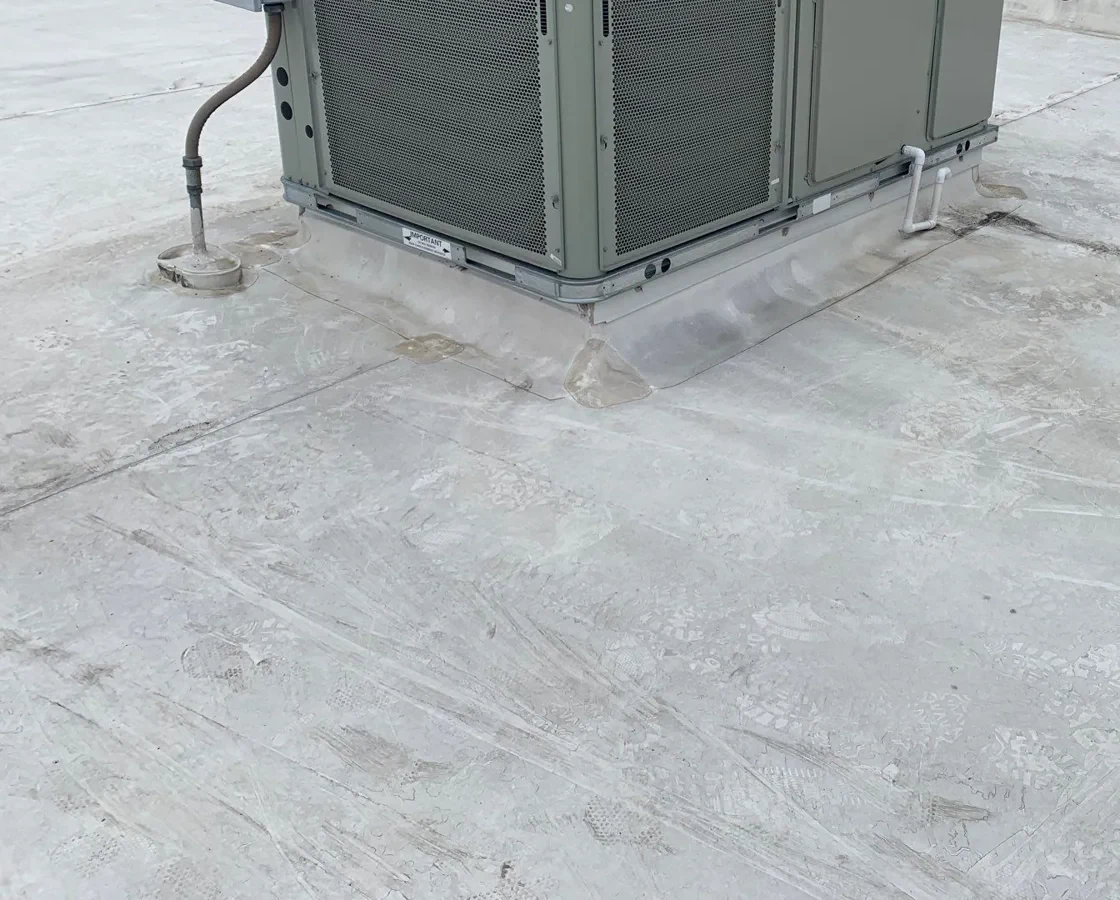
TPO sheets form weatherproof joints through heat welding, so a seam correction needs a prepared surface and a joining method appropriate to the existing material. An exposed lap edge can show a discontinuity while the adjacent field remains serviceable. We examine both the joint and its surrounding sheet, because a narrow repair cannot rely on deteriorated material at its boundary. A visual indication helps direct testing; it does not establish the strength of every seam across the roof.
Accessible seams may be checked using an appropriate probe after confirming that the method will not damage the covering. Where a suspect joint needs opening or reconstruction, describe the extent and the substrate condition that must be established. Dirt, old repair materials and surface weathering can interfere with a durable weld. A test weld can help assess a proposed repair method on the existing sheet. We also review transitions nearby, since a seam-related water entry may occur beside a corner or termination that needs a separate detail rather than simply another pass of heat along the visible lap.
Initial protection and safe examination
An active leak changes the order of work but does not make unsafe roof access acceptable. We ask what the owner can observe from inside, whether water is near electrical equipment and who may authorize entry. Interior protection belongs with the facility's responsible personnel, and electrical concerns require qualified help. Our roofing response is available outside regular business hours, including weekends and holidays, with the immediate action determined by access, conditions and the available safe repair method.
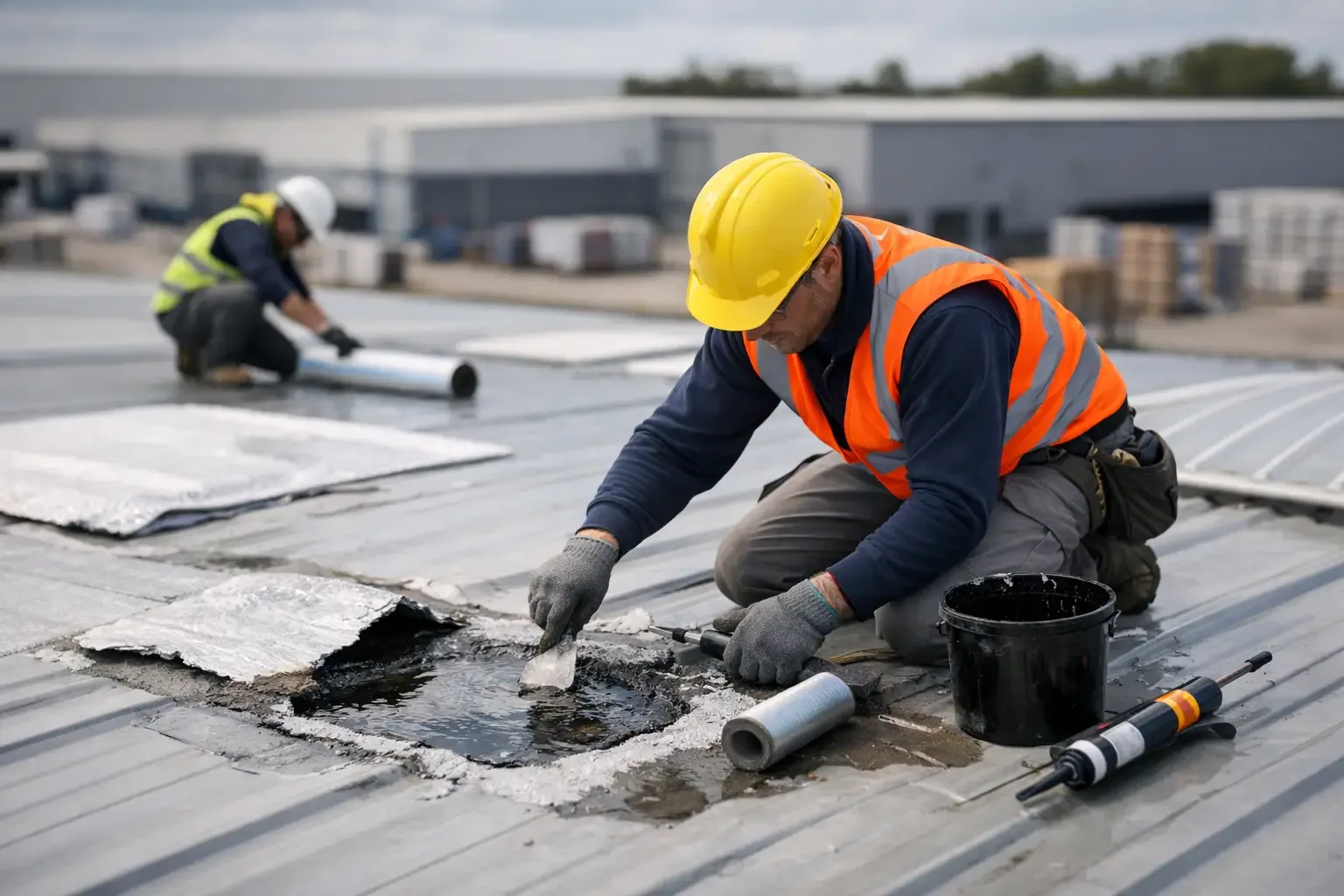
Temporary weatherproofing must suit the material and the situation rather than being treated as the permanent joint. If dampness or contamination prevents a reliable welded repair, record the temporary disposition and the follow-up required. A temporary patch should not cover an unexamined area so broadly that it hides the evidence needed later. Preserve the interior report and photographs, then mark the roof location in the work record. Owners coordinating a building along the Herndon medical district need the property's own release contact, equipment coordination and occupied-space restrictions before a crew can undertake the proposed work.
A compatible repair boundary
The permanent correction begins where sound construction can support it. We identify the TPO sheet, evaluate the available repair material and prepare the joining area under the applicable system requirements. Punctured or damaged covering may need a patch that extends beyond the injury onto suitable surrounding material. A deficient curb corner can require reconstruction of the detail instead of a field patch. The estimate should distinguish those tasks so the owner can see why their preparation and labor differ.
Wet insulation or damaged support beneath the covering changes the scope. Investigation may require authorized openings, with their restoration included and the findings mapped to the affected zone. A moisture investigation with confirmation can inform that work under suitable conditions, but a temperature pattern alone does not establish a removal quantity. Where the exposed sheet is no longer a credible repair substrate, compare localized replacement with a broader renewal supported by the condition findings. Keep the known quantity, the concealed limitation and the approval procedure distinct before ordering materials or opening the roof.
Surface conditions during heat and fog
High regional temperatures affect the planning of roof work, including crew safety and the material's installation conditions. The heat record does not prove that sunlight opened a particular TPO seam. We inspect observable damage and compare the repair method with the assembly requirements. A reflective covering remains part of a complete roof system, with drainage, fastening and transitions needing their own attention. Surface color cannot resolve a loose termination or concealed moisture.
Winter fog can leave a roof damp even where no rain is falling, so the joining surface needs examination before work proceeds. Central Valley tule fog can form after sunset and tend to thin as daytime warmth develops; the condition at the owner's roof still must be measured. Alternatives such as a PVC roof assembly or an EPDM covering involve different material and detail requirements. We compare those choices only when broader renewal is justified, rather than treating another polymer as an automatic solution to an unconfirmed defect in the current roof.
The completed joint and the operating record
A completed repair needs inspection at the detail and a record that the owner can connect to the original complaint. Photograph the corrected area and record the preparation, material and any remaining limitations. If ceiling work or equipment service remains outstanding, assign it separately rather than marking the entire event resolved through the roofing invoice. Continued entry warrants investigation using that record, not an assumption that the same seam has necessarily failed again.
Future equipment visits can expose repaired joints to tools and traffic, so establish an appropriate route and review alteration requirements before adding new penetrations. Keep warranty documents with the roof file and follow their actual requirements for notification or review. The maintenance visit should examine accessible laps, transitions and outlets without promising that a visual check can certify concealed construction. This handoff leaves the owner with a known repair boundary and an order of work for unresolved items, which is more useful than a general instruction to monitor a roof with no mapped location or responsible contact.
A TPO repair should match the existing membrane and its attachment, not simply the color of a patch. Confirm the membrane type where it can be identified, prepare the surface using the manufacturer’s requirements and test the weld before relying on a long seam. At corners, curbs and changes in plane, reinforcement and termination details may matter more than the open field. Protect completed work from contamination as adjacent areas are prepared. The closeout record should identify repairs and any sections where the existing roof could not be verified without a larger opening.
Commercial Roofing Questions
Does an open lap require a complete TPO replacement?
The surrounding sheet and concealed assembly govern the extent. A repair needs a sound joining surface and a defensible boundary.
Can welding proceed on a damp seam?
Surface condition and system requirements govern release. We prepare and assess the joining area before attempting the permanent weld.
Will a thermal scan identify the exact wet insulation?
Confirmation establishes the material condition. Thermal indications direct investigation under suitable conditions but are not final removal quantities.
Is a temporary patch the completed repair?
Its assigned purpose governs that. Temporary protection remains linked to a permanent disposition and follow-up record.
Could a curb leak look like a field seam problem?
The examined water path governs the correction. Curb corners, terminations and nearby seams need distinct evaluation.
Describe the drip and the TPO repair history
Tell us the interior location, timing and known prior patches. We will arrange safe examination, assess immediate protection and establish the permanent joining scope.
Related Pages
Commercial Roof Leak Repair
Read the full page
Commercial Roof Seam Corrections in Clovis After Entry
See how we handle it
Herndon Medical District
Scope, sequence and repair notes
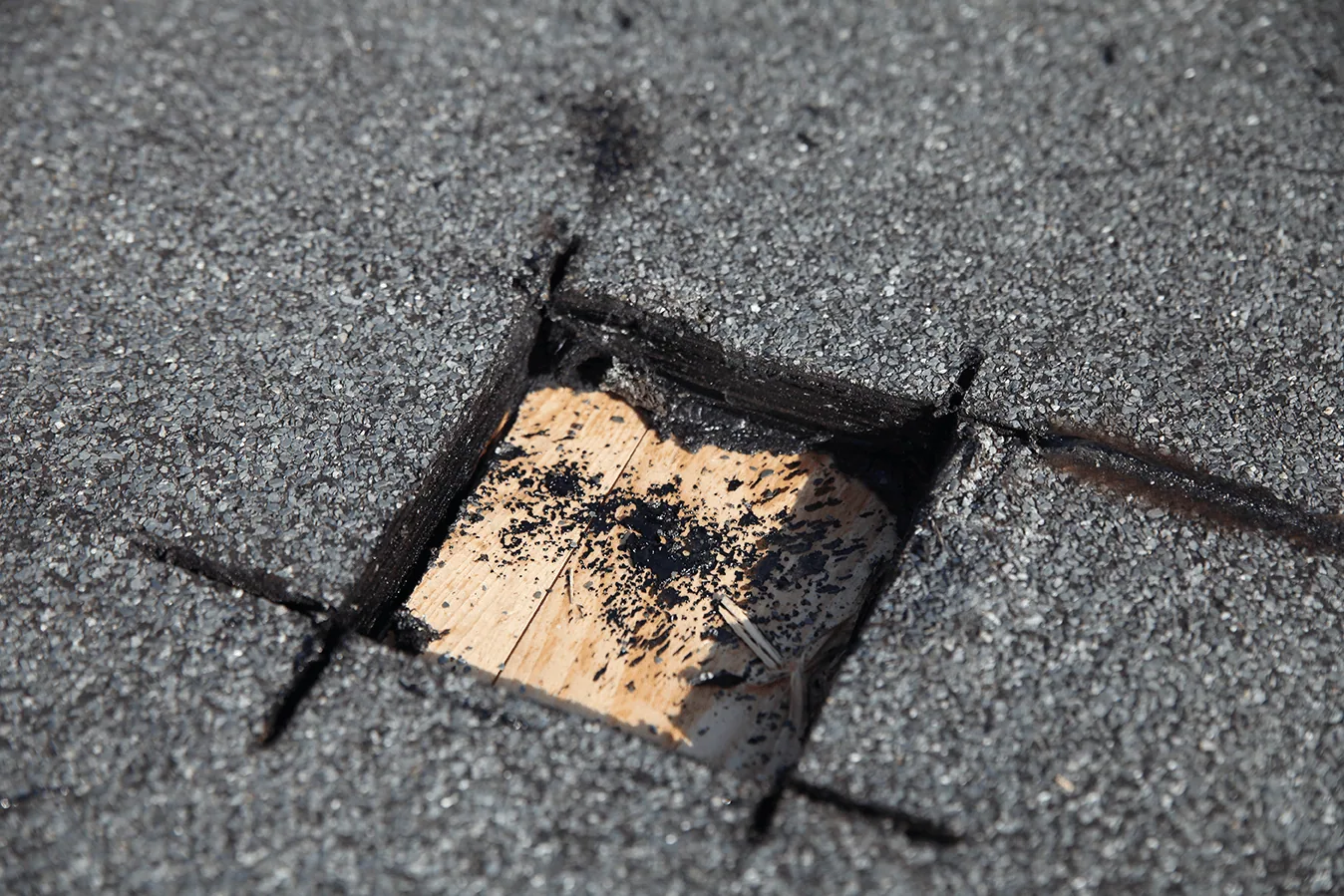
Infrared Roof Moisture Survey
Read the full page
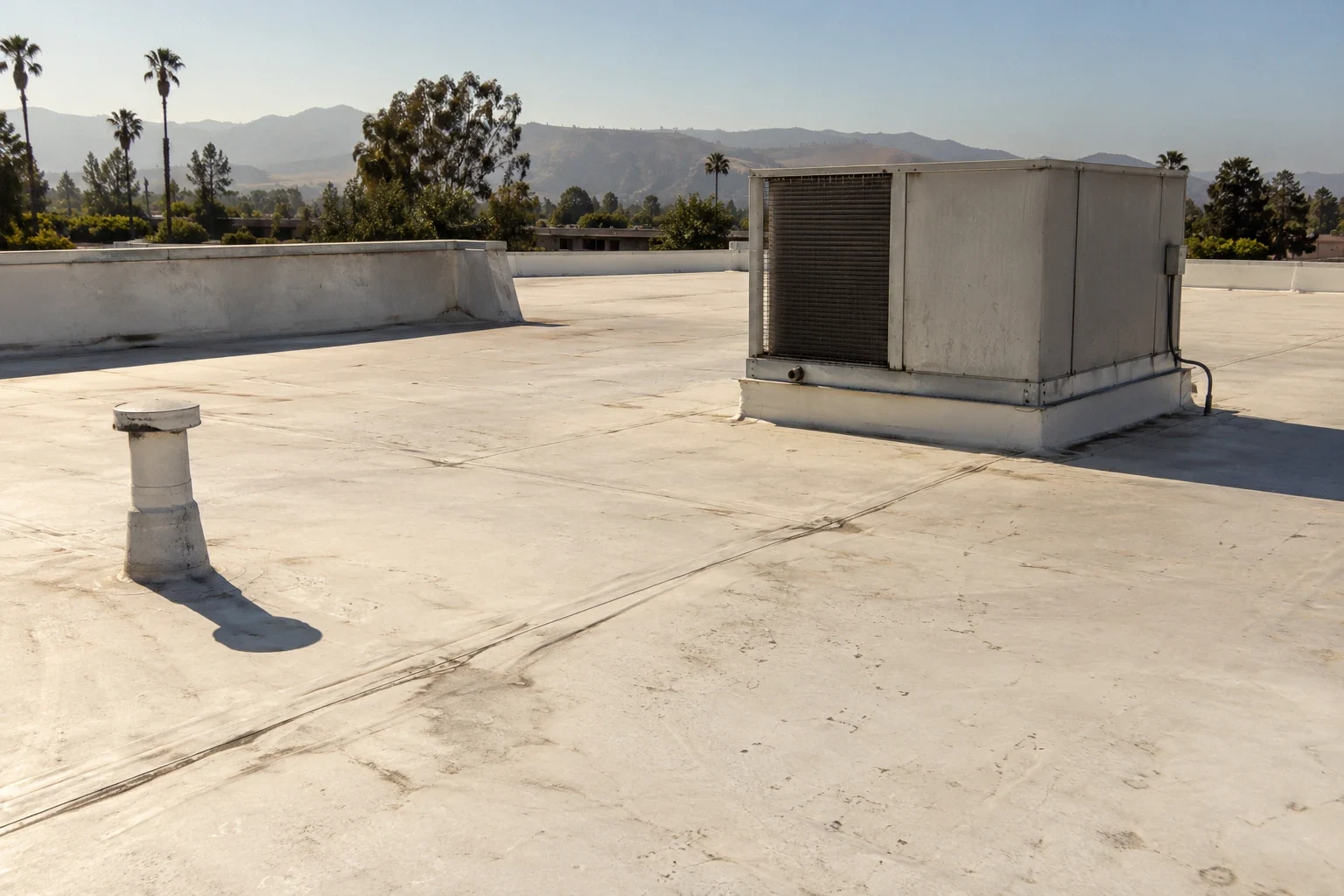
PVC Roof Corrections in Clovis at Seams and Curbs
See how we handle it
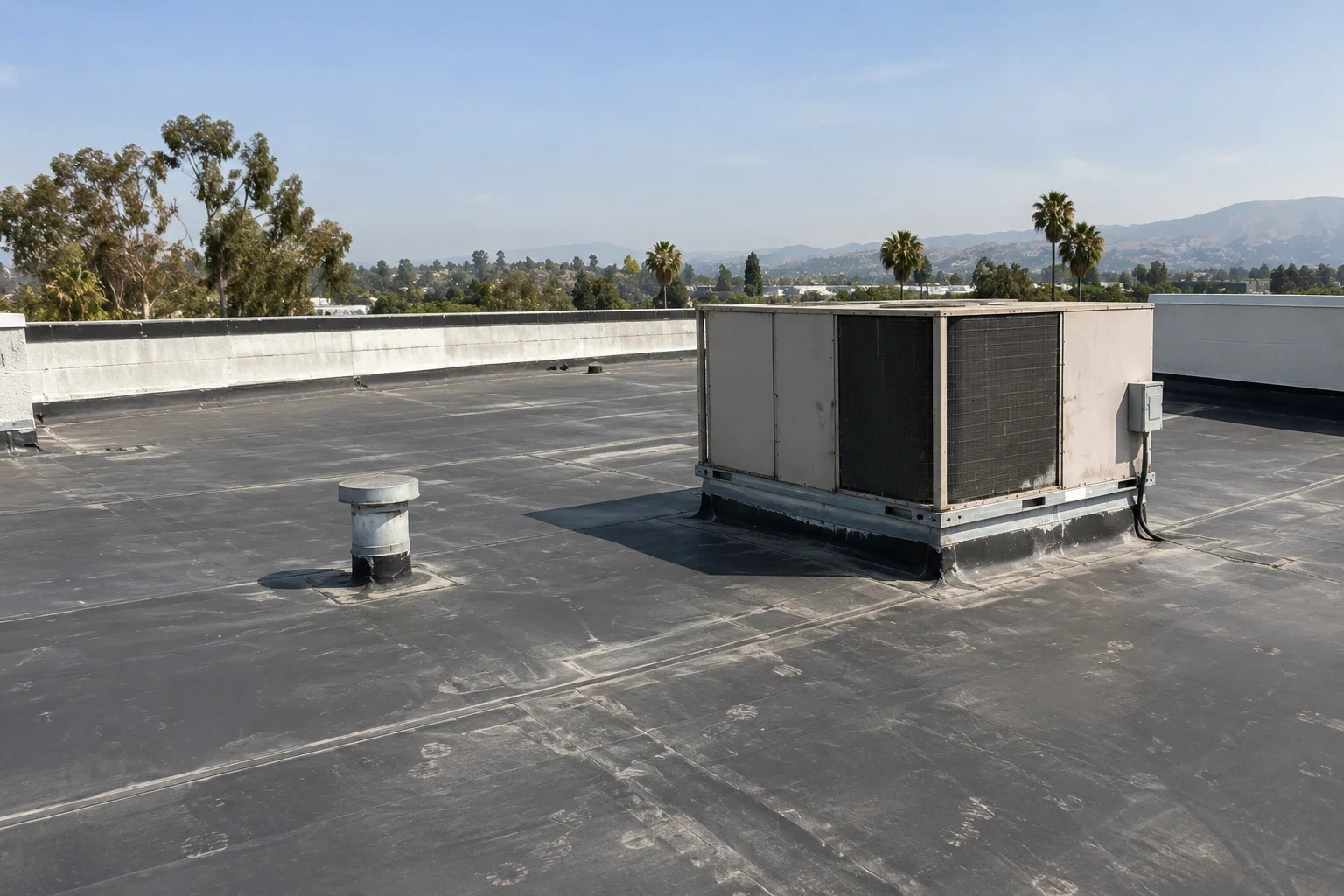
EPDM Roof Repair in Clovis at Adhesive and Flashing Joints
Scope, sequence and repair notes