
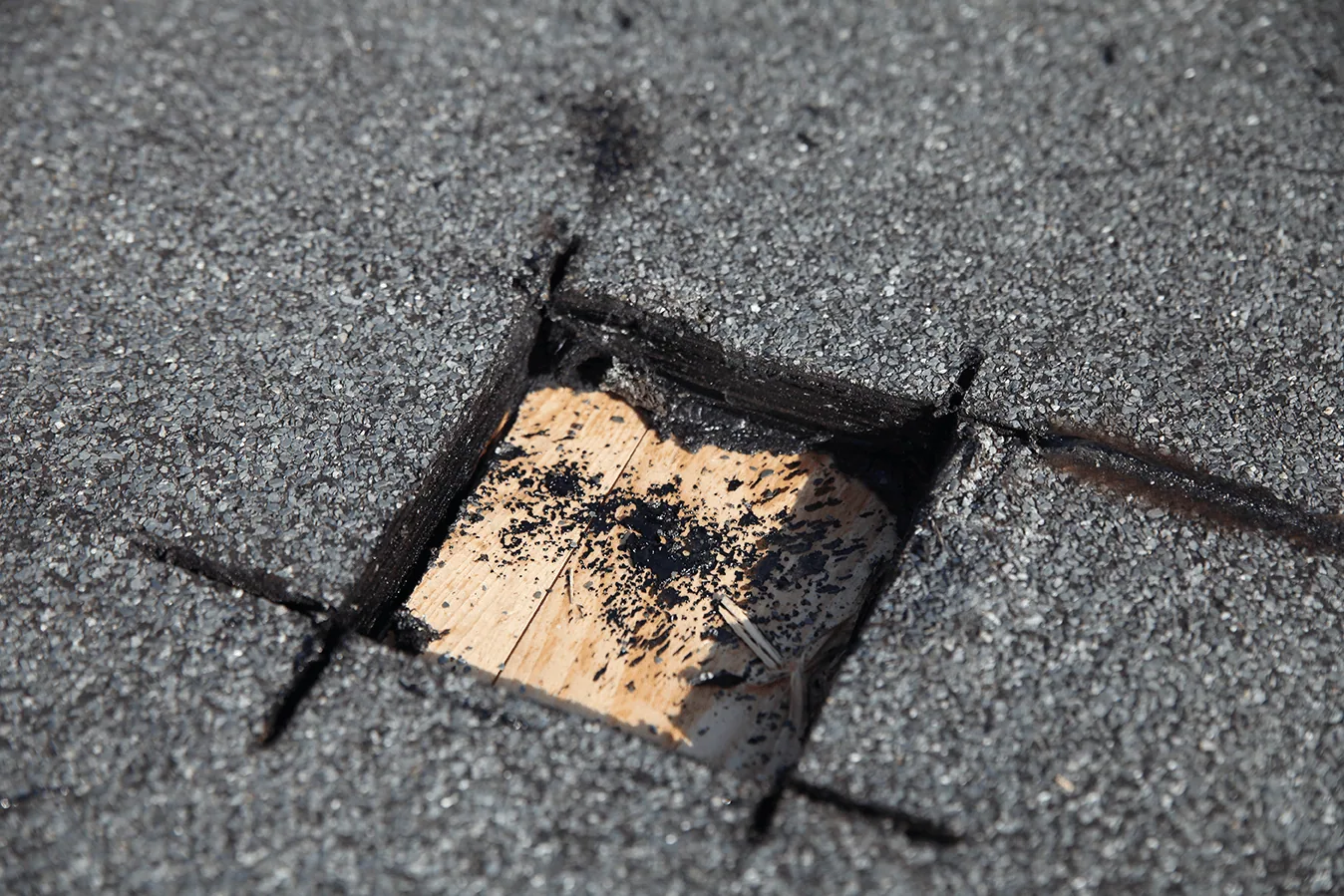
Infrared Roof Moisture Survey in Clovis, CA
Commercial Roofing Services
A ceiling that stays damp after the first winter leak has stopped can leave a Clovis, CA owner concerned about water remaining above it. The roof may need investigation beyond the repaired opening, but a thermal survey is useful only when the assembly and conditions can produce interpretable differences. We begin with the leak history and roof construction, assess any immediate protection need and establish the moisture question. Infrared imaging can then help target further examination, with physical confirmation required before a temperature pattern is treated as wet insulation or used to define permanent removal.
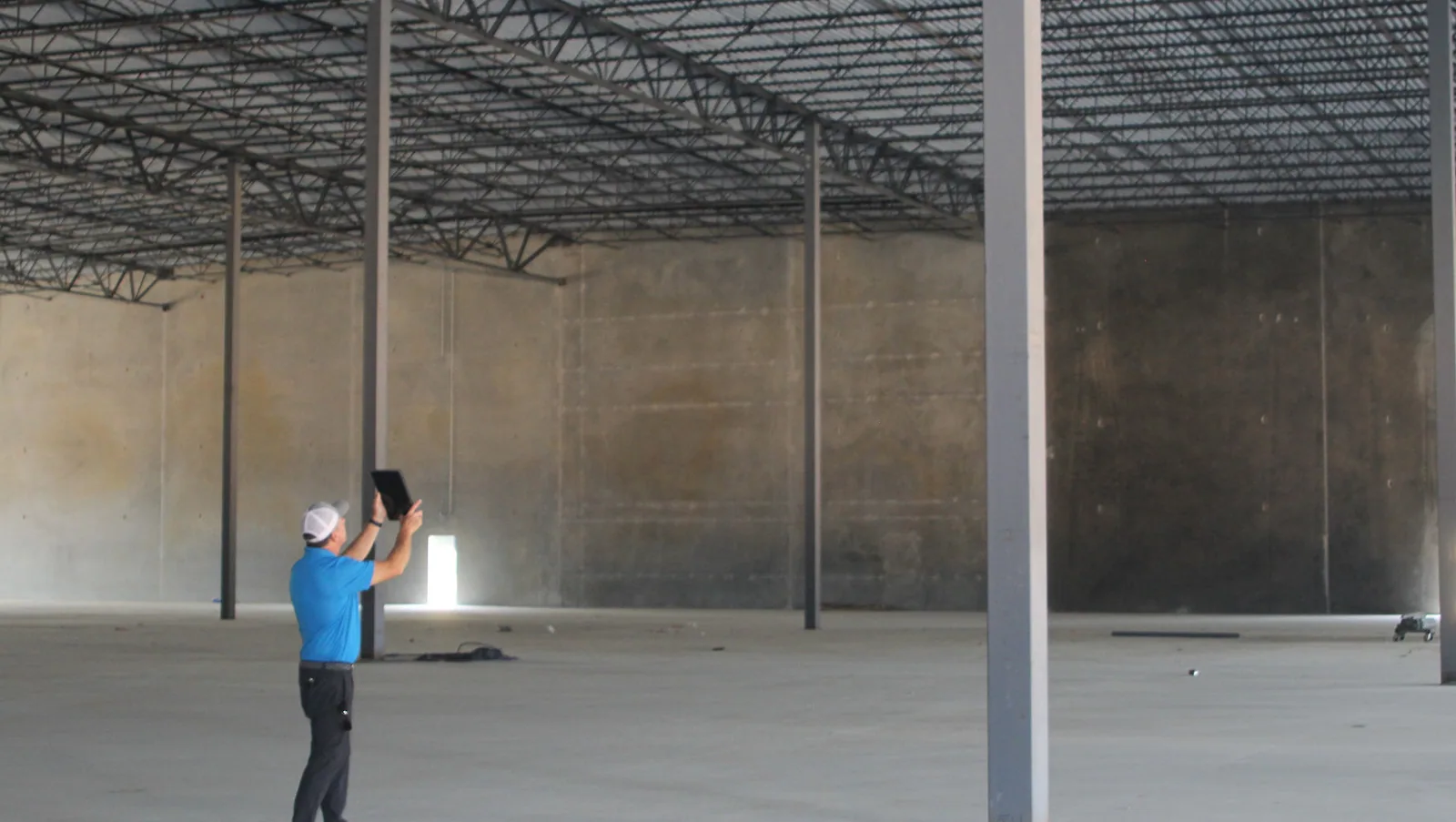
The temperature difference in the assembly
Roof materials do not all gain and release heat in the same way. Under suitable conditions, moisture within an insulated assembly can affect the thermal response and produce a pattern worth investigating. The camera records apparent surface temperature differences; it does not directly identify water, determine every layer's moisture content or measure the depth of a leak. We assess the construction before selecting the method, because material changes, ballast or a different assembly can limit the interpretation.
A TPO roof over insulated layers still needs its particular assembly assessed for suitability. Reflective surfaces, shading, repairs and variations beneath the membrane can affect the image independently of moisture. We compare the thermal pattern with visible conditions and known construction changes rather than assign a cause from color alone. The usefulness of the survey comes from directing a testable investigation, not from turning an entire roof into a map with certainty beyond the method.
The drying, heating and cooling history
Clouds, recent rain, surface water and wind can affect whether a thermal contrast develops or remains interpretable. We evaluate the conditions before the survey and record the relevant limitations. A roof that is still wet on its surface may show that wetness rather than the concealed condition being investigated. Scheduling therefore follows the roof, environment and selected method, including any need to wait for suitable exposure and drying; a nighttime appointment alone does not establish an adequate survey.
Central Valley tule fog can develop after sunset, thicken before dawn and thin as daytime warmth returns. That regional pattern matters for survey planning because visibility and surface dampness need to be checked at the actual building. Fresno's July 2024 mean temperature was 90.0 F with 26 triple-digit days, providing separate regional heat context. A hot period does not ensure useful thermal contrast on every roof, and neither regional weather record should be substituted for conditions documented during the survey.
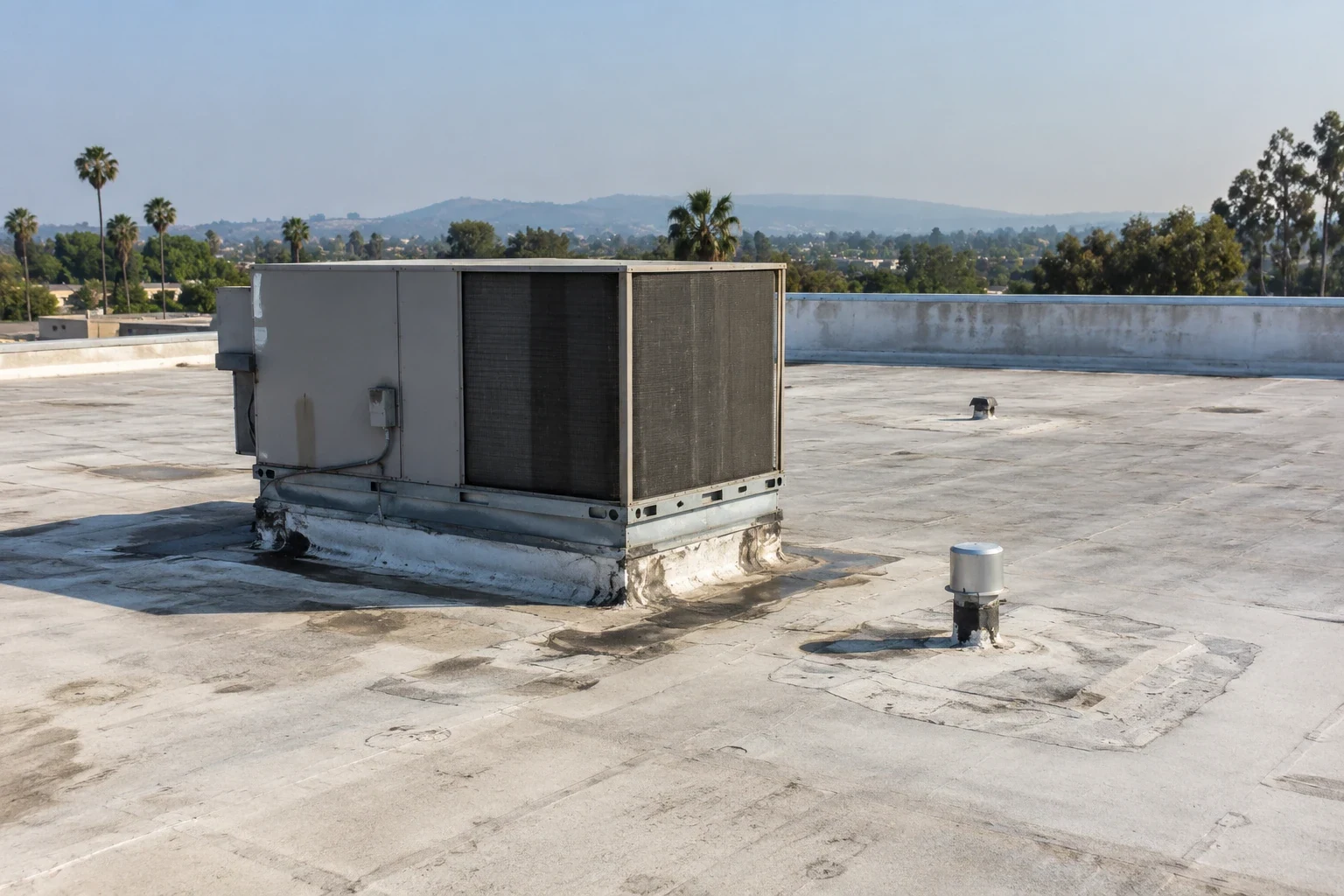
The suspect areas and comparison locations
A recurring leak, soft surface or persistent interior moisture can guide the initial coverage, while apparently unaffected areas help test the interpretation. We relate image locations to a roof reference so each anomaly can be found again. An examination of the roof construction and details contributes the field observations needed to interpret the pattern. Limited access, obstructions or areas with unsuitable construction are identified as gaps rather than silently treated as dry.
Aerial thermal coverage may be considered where suitable, with flight conditions and permissions assessed separately from thermal suitability. Roof imaging from a drone changes how the camera reaches the view, but not what the thermal measurement can establish. We select the collection method against the building, access and investigation question, then preserve those limits. An inaccessible detail that is clear in a photograph may still need hands-on checking before its contribution to leakage is understood.
The physical check behind the image
A thermal anomaly becomes actionable when the assembly investigation supports its meaning. Authorized openings or other appropriate confirmation methods establish the layers and condition at selected locations, with investigation cuts restored correctly. We compare suspect areas with suitable reference locations and consider whether construction changes explain the temperature pattern. Confirmation needs a reasoned approach; one wet opening does not establish moisture throughout an entire colored region, and one dry opening does not clear every unexamined section.
The supporting material can also be damaged without the same thermal signature as a wet area. Deck condition, compressed insulation or failed attachment may require separate assessment. We explain those questions rather than suggest a moisture survey is a complete structural or fastening investigation. The drainage condition beneath recurring surface water may contribute to entry and deserve correction, but its presence alone does not prove the depth or extent of moisture in the retained layers.
The room use and investigation access
Sampling locations and access timing need agreement where the building cannot accept unplanned disturbance. For roof investigations over healthcare space, facility personnel establish the operating restrictions and any needed controls. Clovis Community Medical Center on Herndon Avenue provides the local hospital context, while the construction and use of the actual work area remain site-specific questions. A hospital address cannot tell an investigator which roof layers are present or whether a given thermal method is suitable.
In the Herndon medical area, as elsewhere, we coordinate authorization for openings and the procedure for closing them before sampling begins. Interior water hazards and moisture-sensitive equipment remain operating concerns alongside the survey. If an active leak needs immediate control, the temporary protection should be arranged independently of whether thermal conditions are favorable that evening. The diagnostic schedule must not leave a preventable exposure unaddressed simply to preserve an imaging appointment.
The repair or recover decision
Confirmed wet layers can change a repair scope from closing a seam to removing affected material and rebuilding the support beneath the membrane. We connect the proposed boundary to the sampling, image pattern and accessible findings, identifying where the extent remains uncertain. A recover assessment for retained materials particularly needs that distinction, because a new surface can conceal unresolved moisture. Thermal screening contributes to that decision without becoming the only test for retaining the assembly.
The owner receives a record that distinguishes temperature indications, confirmed layer conditions and areas not adequately assessed. Written condition findings from the moisture investigation should explain the next work supported by the evidence and the procedure if removal reveals a different extent. The permanent scope may need additional openings, local replacement or broader reconstruction. Those choices follow the confirmed condition and project requirements, with temporary leak control and final assembly restoration kept clearly identifiable.
Commercial Roofing Questions
Does an infrared camera show water directly beneath the membrane?
The camera records apparent surface temperature differences. Moisture can influence those differences under suitable conditions, but construction and exposure can do so as well. Physical confirmation connects the image indication to the actual condition of the layers.
Why might a survey need to be rescheduled after rain?
Surface wetness and recent weather can interfere with the pattern being investigated. We assess whether useful contrast and interpretation are possible before collecting images. A record taken under unsuitable conditions can leave the owner with uncertain findings rather than a reliable removal boundary.
Can a dry test opening clear the rest of a thermal anomaly?
One location establishes the condition found at that opening. The surrounding pattern and construction may require further confirmation to understand the extent. We select additional investigation against the evidence instead of extrapolating a single opening across the entire roof.
Will the survey tell us whether the deck can carry a recover?
Support and loading require their own assessment. A moisture investigation can identify suspect retained layers, but it does not replace deck evaluation, attachment checks or needed design input. We identify those additional questions before recommending retention.
What should the report say if conditions prevented part of the survey?
Unassessed areas should remain explicit limitations. The record identifies the coverage obtained, the method limits and the further work needed to answer the remaining moisture question. That allows a repair or budget decision to match the evidence actually available.
Describe the leak history and proposed roof work
Call with the property address, previous water entry and the roof work you are considering, including repair, recover or replacement. We will assess thermal survey suitability, required confirmation and the decisions the investigation needs to support.
Related Pages
TPO Roof Repair in Clovis After a New Drip
Read the full page
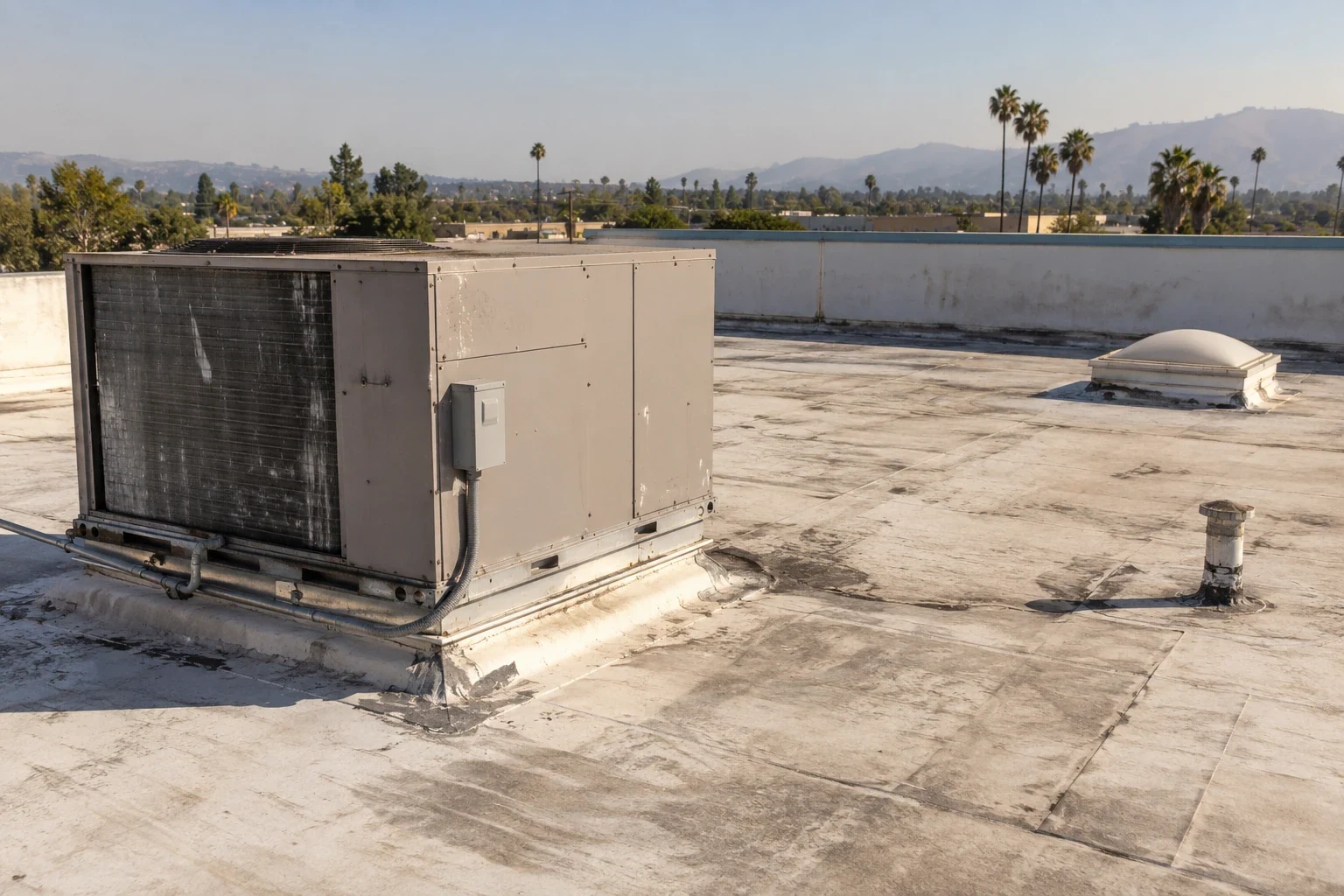
Commercial Roof Inspection
See how we handle it
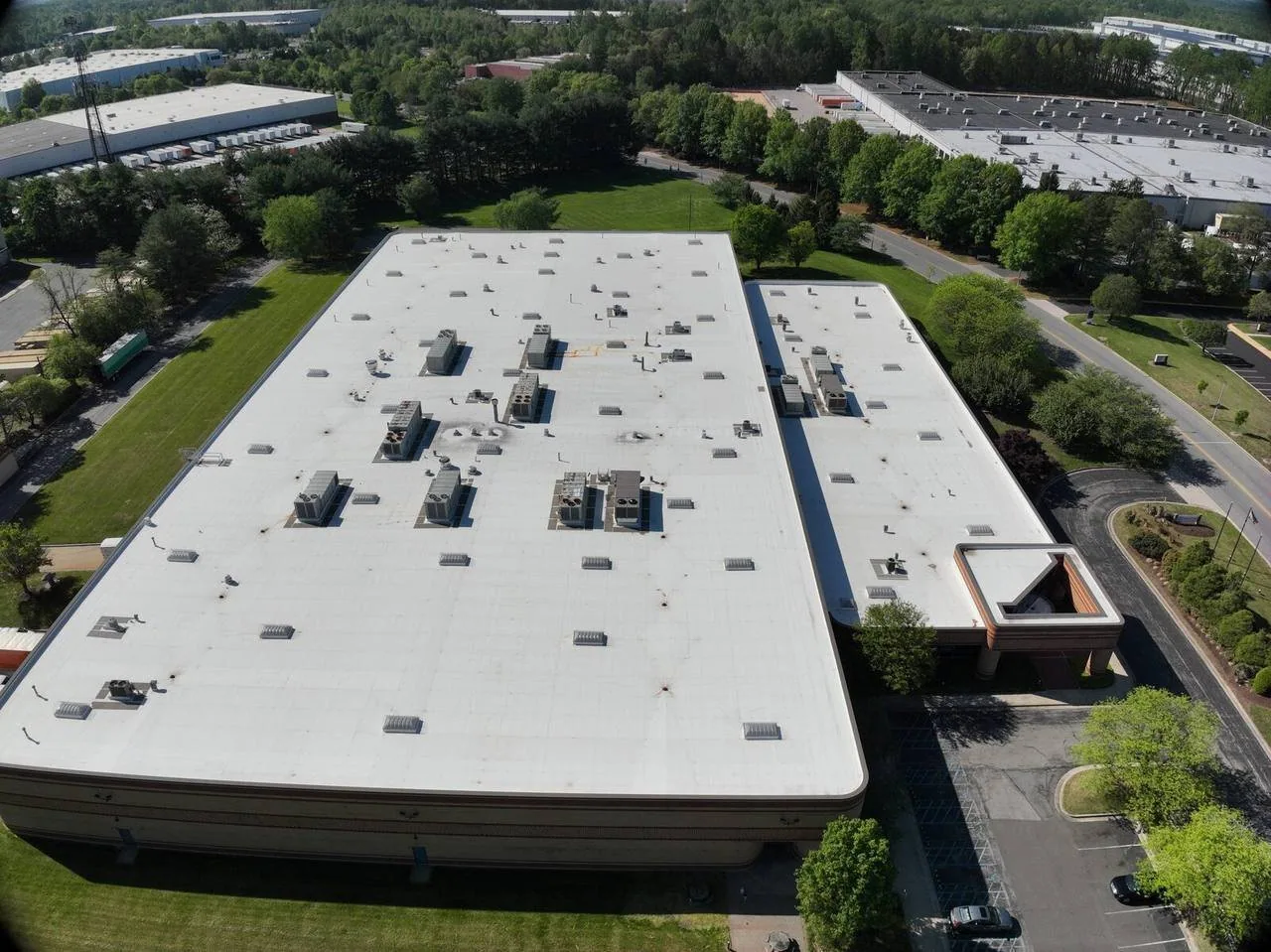
Drone Roof Inspection
Scope, sequence and repair notes
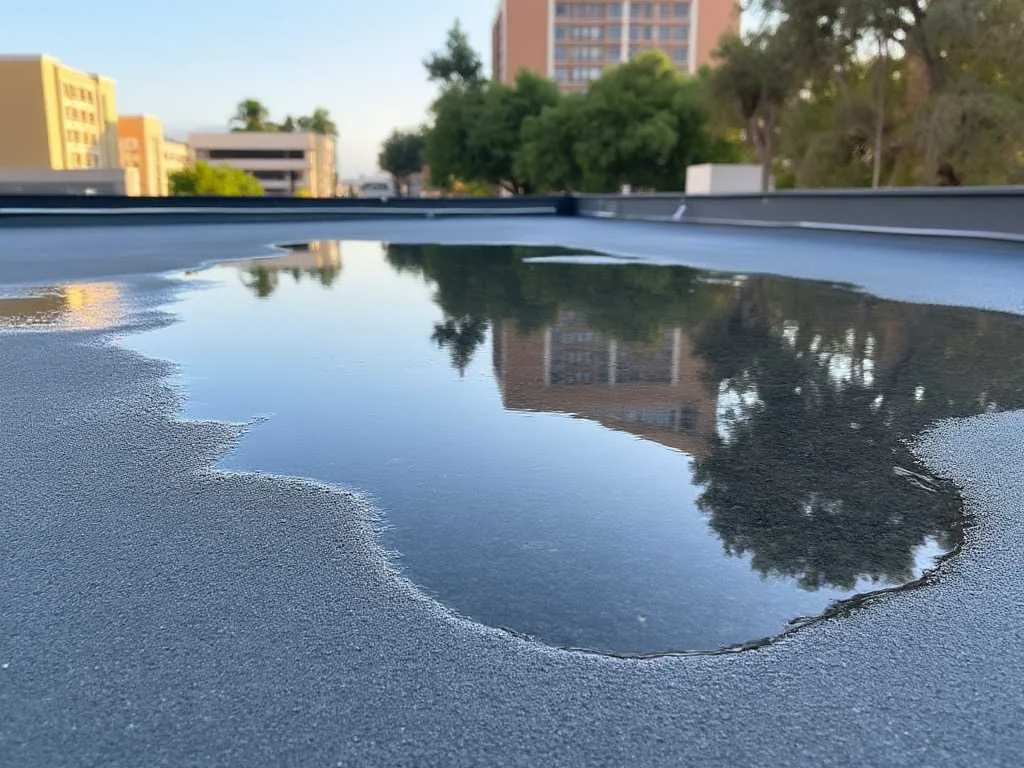
Ponding Water Review in Clovis Before Changing Drainage
Read the full page
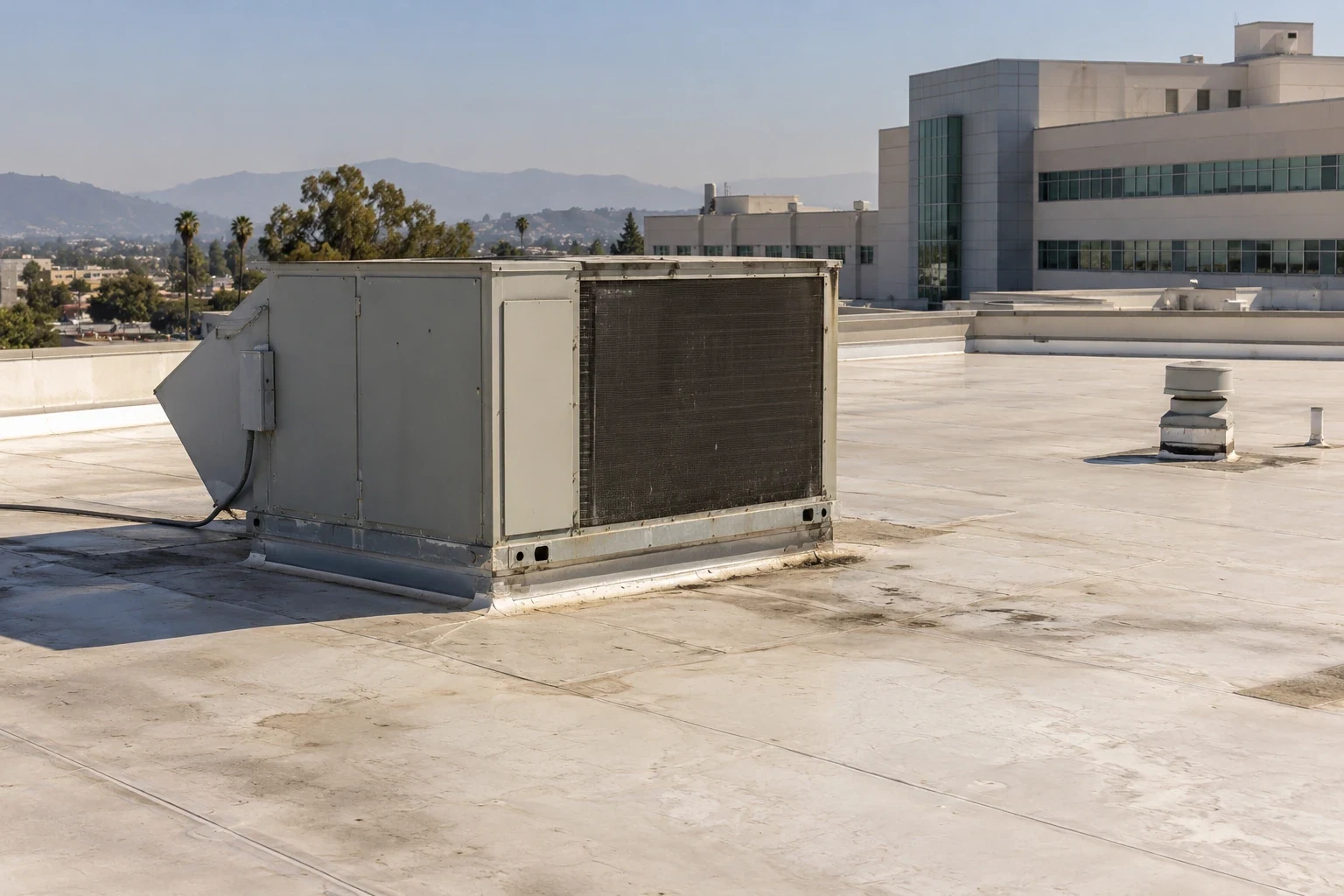
Hospital Roof Corrections Through Operator-Controlled Work
See how we handle it
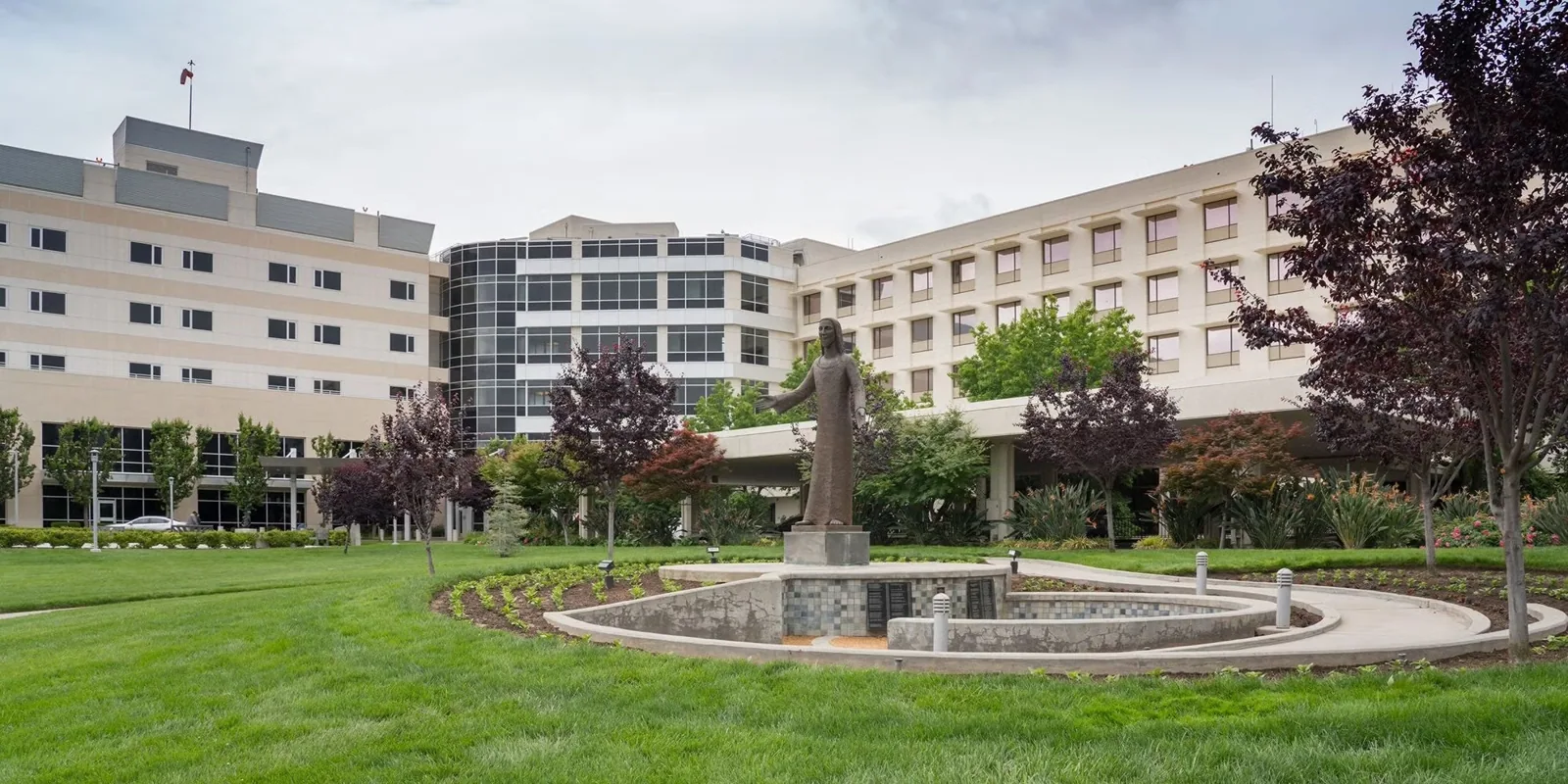
Herndon Medical District
Scope, sequence and repair notes