
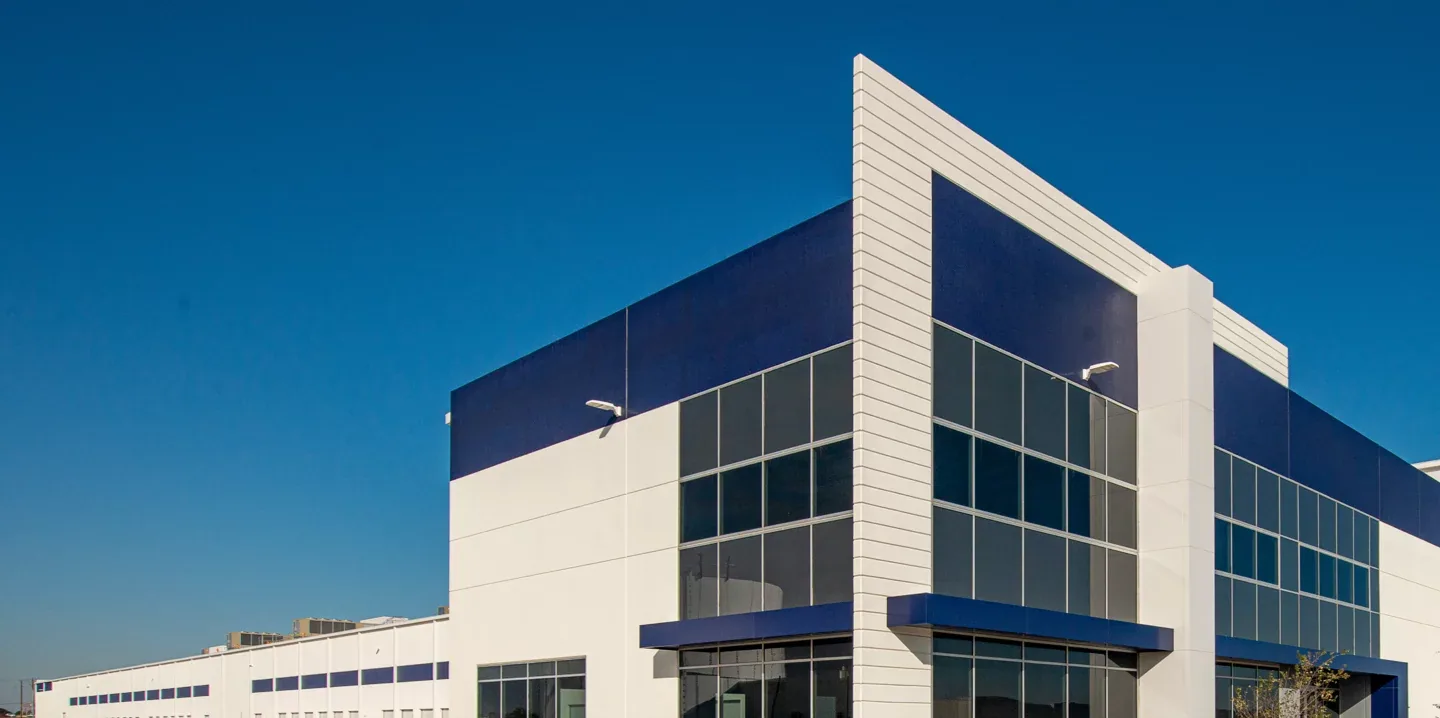
Cold Storage Roof Investigation Before Assembly Repair
Property Types We Roof
A warmer refrigerated room during a Valley heat period can bring the roof into a cold-storage owner's concern before a roof defect has been identified. Cooling performance needs its own mechanical assessment, while roof inspection addresses the actual assembly and any reported water entry. In Clovis, CA, we coordinate those responsibilities so an urgent temperature complaint does not become an unsupported roofing diagnosis or an instruction to interrupt refrigeration equipment.
Fresno's July 2024 weather report provides regional heat context, but it does not establish how your refrigeration system operated or whether its roof insulation failed. If water is also appearing beneath the assembly, possible entry through a seam or penetration needs examination alongside condensate and vapor-control questions. We establish what the owner has noticed, what spaces require protection and which investigation can proceed safely before proposing a temporary measure or permanent repair.
The cooling complaint and the roof question
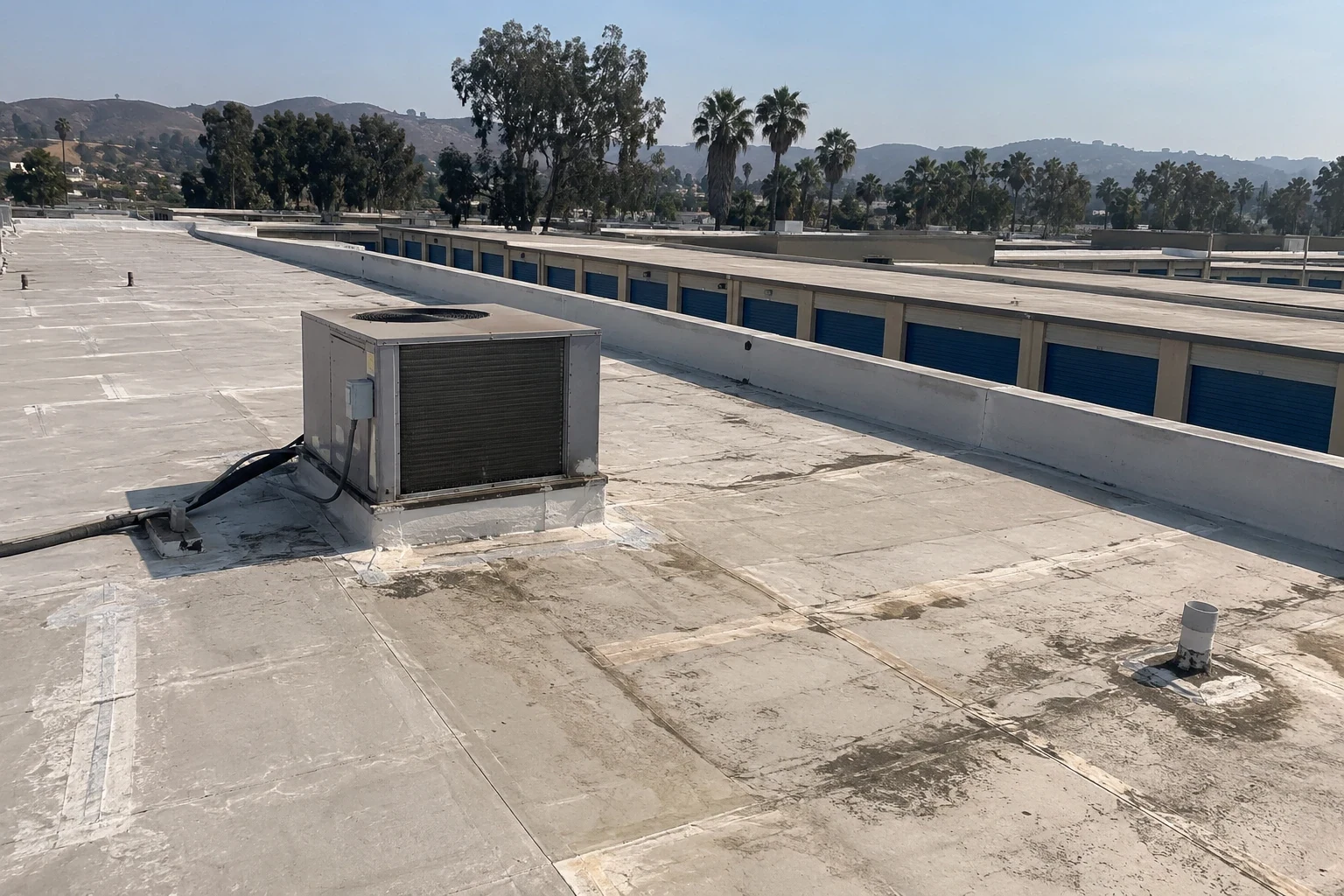
A room-temperature change can involve refrigeration equipment, controls, doors, product loading or building-envelope conditions. The operator's authorized refrigeration personnel examine the cooling concern. We inspect roofing details within the permitted access and describe the findings relevant to water shedding and retained layers. Keeping these investigations distinct avoids treating a hot day as proof that the roof caused the complaint or that an insulation replacement will restore the required storage conditions.
A cold-storage roof examination can identify visible defects and limitations, then specify any additional opening or survey needed for a concealed question. If an intervention could affect refrigeration lines, wiring or equipment supports, coordinate the release with qualified personnel before work begins. The owner should know which assessment belongs to the mechanical system and which belongs to the roof. A common response date is useful, but it does not make the two acceptance responsibilities interchangeable.
The vapor-control connection
A refrigerated building can place demanding vapor-control requirements on its envelope, depending on the actual temperatures, humidity, assembly and use. We examine the construction records and available details before proposing changes to roof insulation or a penetration. A missing or discontinuous vapor-control layer can require a different correction from an opening in the exterior membrane. Surface water alone does not establish which mechanism is active, and the selected investigation should answer that construction question.
Where insulation and cover-board work is proposed, show the retained layers, removal boundary and continuity required at the repaired junction. An owner needs to understand how the roof correction connects to adjacent envelope elements without assuming a new surface automatically addresses concealed condensation. Design review may be needed for an alteration that changes the assembly. We identify that dependency before pricing a material substitution, and keep roofing closure separate from acceptance of refrigeration or room-temperature performance.
The safe opening above stored goods
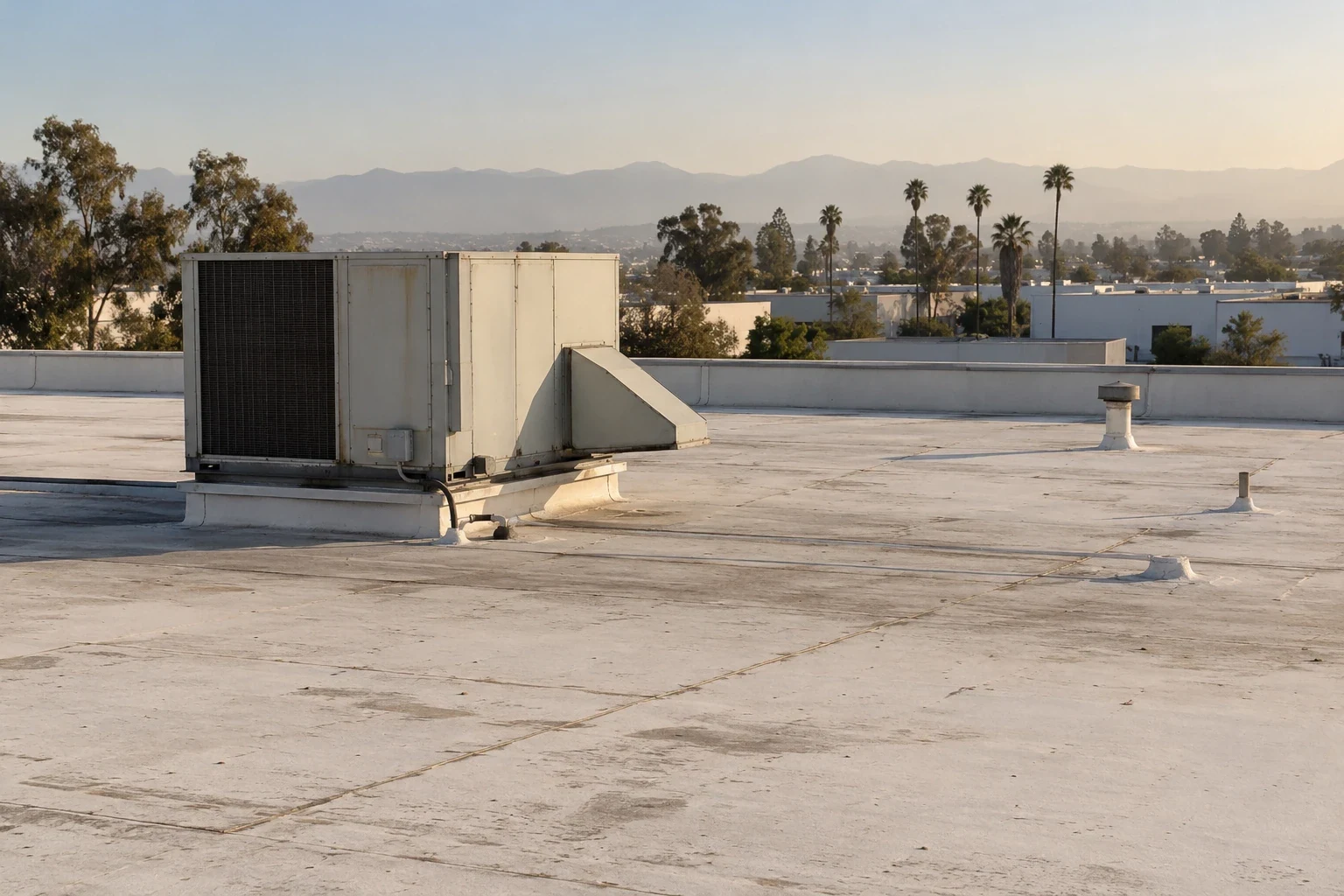
An opening over stored food or another protected product may require controls beyond ordinary interior coverings. The operator determines product handling, contamination protection and the receiving zone that can be released. We define the roofing exposure and closing method for that review. An authorized roof inspection is not permission to leave product below removal work, and a temperature-controlled building should not be treated as empty merely because access is outside its normal receiving period.
For reroofing above active storage, the daily removal quantity must fit the time available for preparation, closing and acceptance. If additional concealed deterioration appears, document it and use the agreed approval process before enlarging the exposure. A temporary tie-in should be compatible with the retained assembly and actual conditions. The proposal needs its purpose and follow-up task recorded, so the owner can distinguish a protective measure from the finished roof and envelope connection.
Food storage and the roof assembly
Clovis is home to Wawona Frozen Foods, a major frozen-fruit processor where storage and production depend on coordinated building systems. At a food-processing property, plan roofing around receiving, active production and protection for stored product. Confirm the roof layers and vapor-control details at the actual building before opening material. Check outlets, penetrations and insulation, and coordinate refrigeration or mechanical work with the qualified staff responsible for those systems.
The condensate and rainwater routes
A pipe carrying condensate and a roof drain can discharge near each other while serving separate systems. If water is reported on or beneath the roof, we examine the accessible arrangement and ask the operator to assign any necessary mechanical investigation. A membrane repair can close a located exterior opening, but it cannot establish the condition of a condensate line or correct every cooling-system water source. The task descriptions should preserve those boundaries.
Our roof outlet corrections address the examined drain or scupper connection and its receiving surface. Cleaning accessible debris, replacing damaged flashing and changing roof slope have different preparation and review needs. Any controlled test requires a method suitable for the assembly and protection for the stored goods below. We state unresolved piping or layer questions rather than hide them inside a general drainage allowance. The owner can then authorize the actual correction and assign the investigation that falls outside roofing.
The winter surface and the permanent tie-in
Central Valley tule fog tends to become thickest before dawn and thin as daytime warmth develops, which makes fog season a practical reason to check the actual surface before applying a repair. The regional pattern does not establish roof dampness at a particular property. We assess the receiving material and follow product preparation and application requirements. Work may need a different sequence if the surface cannot support the selected permanent detail, while any immediate protection retains its stated limits.
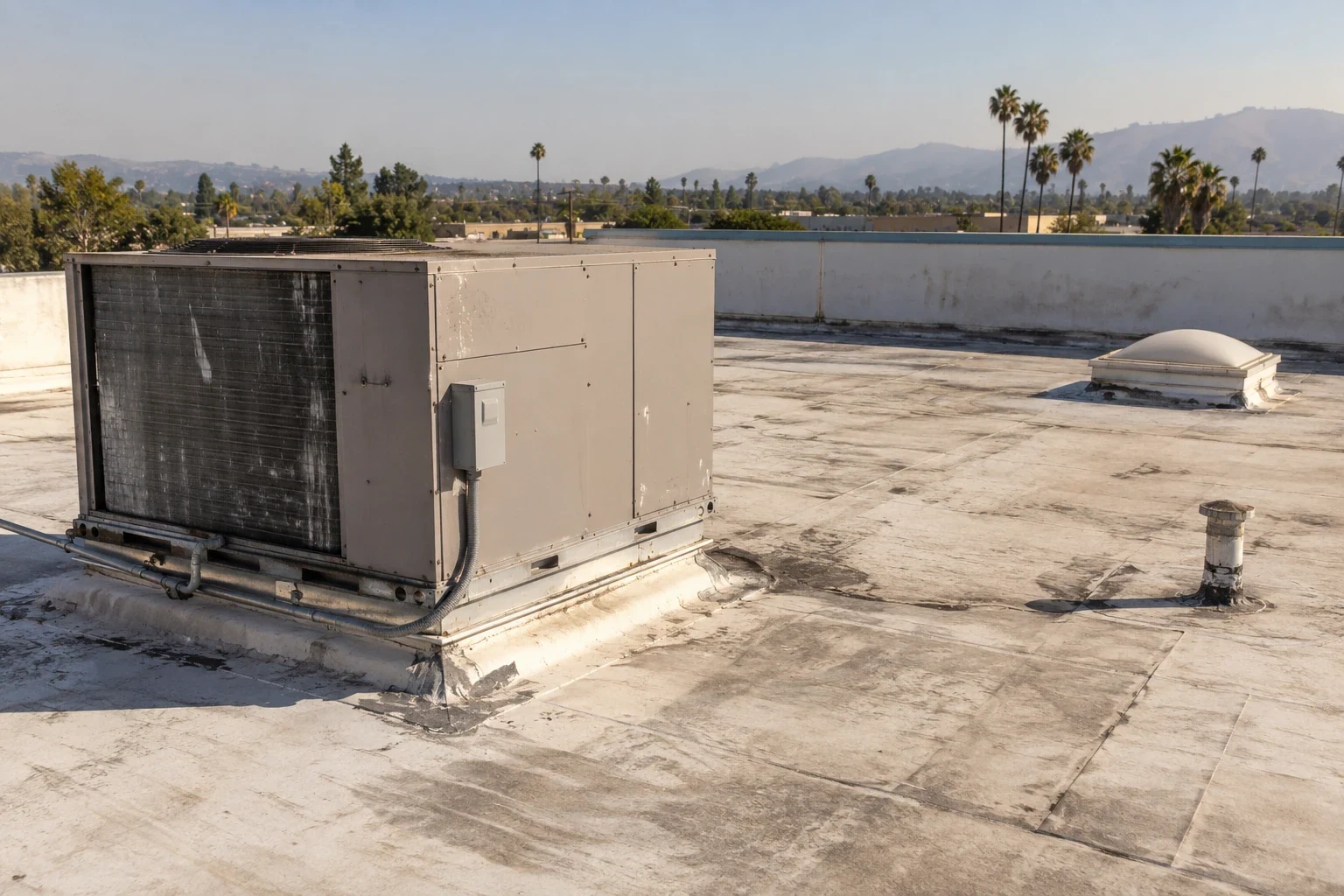
A cold-storage roof condition report connects the observed roof issue to the proposed removal and closing detail. Confirm concealed moisture with methods appropriate to the layers and decision; an isolated sample cannot establish the whole-roof extent. At closeout, examine the repaired roof connections and identify any further envelope or mechanical investigation. The owner receives the completed roofing obligation and remaining responsibilities separately, which is necessary when limiting water exposure and maintaining refrigeration require coordinated but distinct acceptance steps.
Plan each roof opening against the facility's product movement and temperature-control procedures. The operator can designate a receiving zone, define who monitors conditions below the work and identify whether refrigeration equipment must remain online. Keep the roof closure point small enough to complete and protect, but do not set it by a daily quantity if the exposed vapor-control layer or insulation needs repair first. Record the room or dock area affected in a way the maintenance team can recognize, without including product or security details that do not belong in the general work record.
When a roof opening occurs above a freezer or cooler, the operating team should identify the interior protection and temperature-monitoring procedure before the work zone is released. Roof inspectors document accessible membrane and insulation conditions; refrigeration staff remain responsible for system controls and product safeguards. If condensation or vapor migration is suspected, record the evidence and involve the professional responsible for the enclosure design rather than assuming the exterior membrane is the source. Confirm the permanent closure at the end of the work period and identify any follow-up inspection required before the area returns to routine access.
Use warehouse roof planning and manufacturing roof coordination for adjacent operating concerns. For facilities in the Clovis service area, coordinate each opening with the operator responsible for storage and refrigeration. Clovis and Fresno cold-storage operators can also align roof access with regional receiving routes. Facilities serving food processors in Lemoore may use the same receiving checklist, while keeping each building’s assembly and closure plan separate.
Commercial Roofing Questions
Does a warm storage room prove damaged roof insulation?
Cooling-system findings and assembly evidence control the diagnosis. A temperature complaint alone cannot establish a roofing repair quantity.
Can a new membrane correct concealed condensation?
Vapor-control continuity is the deciding factor. The repair may need design and examination beyond the exterior water-shedding surface.
Who releases product beneath a proposed roof opening?
The operator approves product protection and the affected storage zone. We provide the specific exposure and closure method for that review.
Should the roofing invoice include cooling acceptance?
Authorized refrigeration personnel handle that acceptance. Our closeout describes the roof details repaired and any unresolved envelope question.
The cold-storage concern
Describe the temperature concern, any visible water and the operator responsible for refrigeration release. We review urgency that day and coordinate roof examination or suitable protection with the authorized personnel.
Related Pages
Commercial Roof Inspection
Read the full page
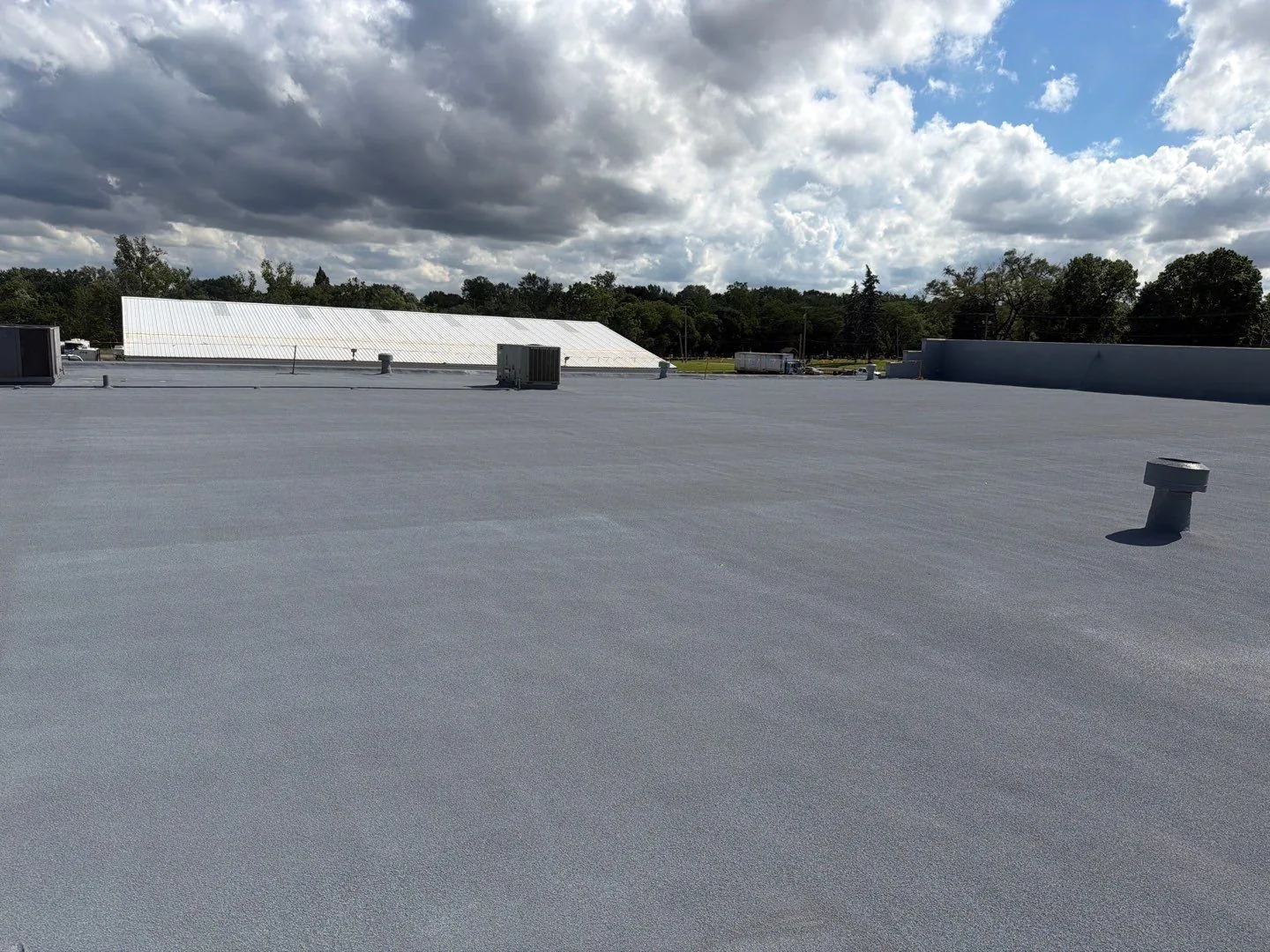
Roof Insulation and Cover Board
See how we handle it
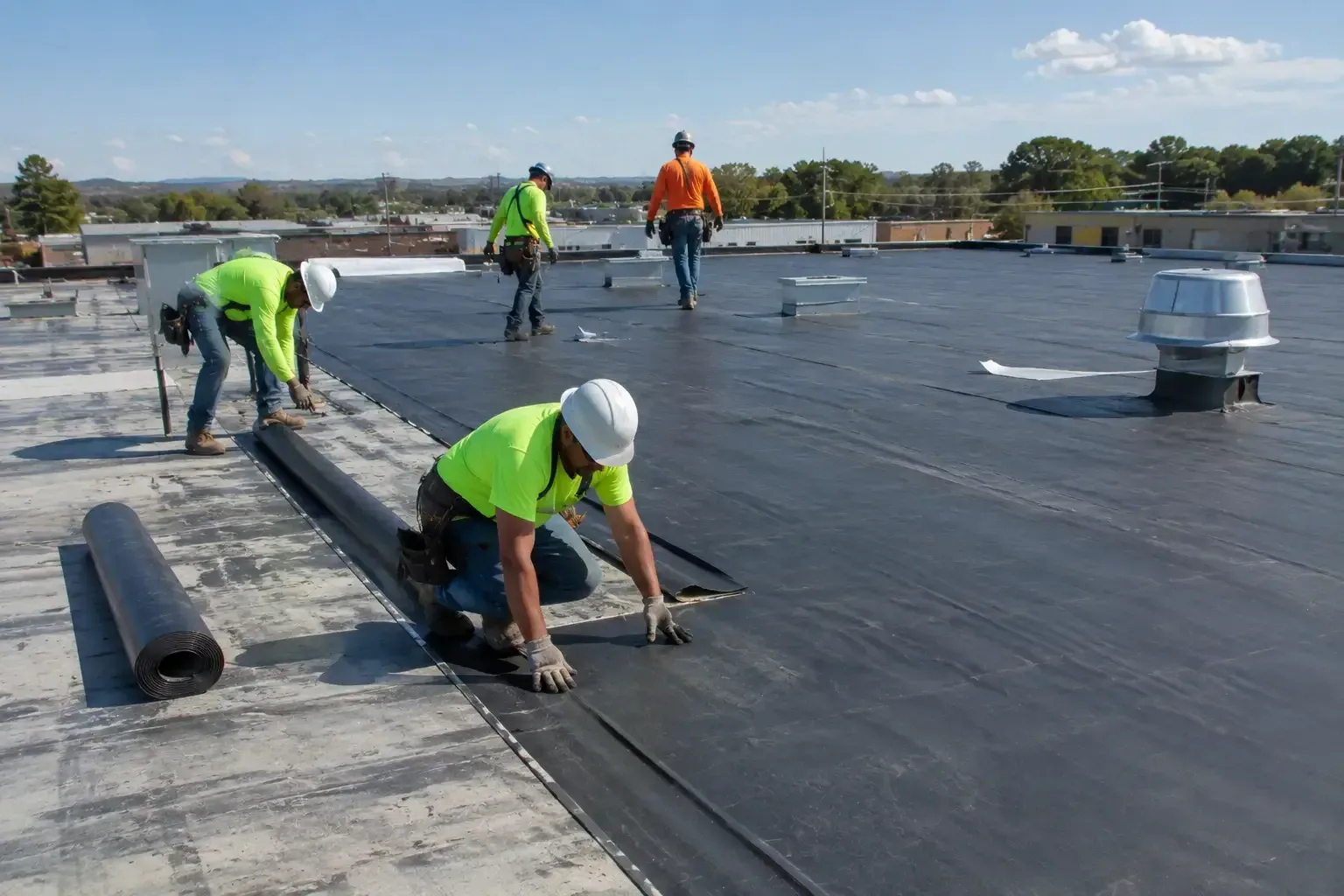
Occupied Building Reroofing
Scope, sequence and repair notes
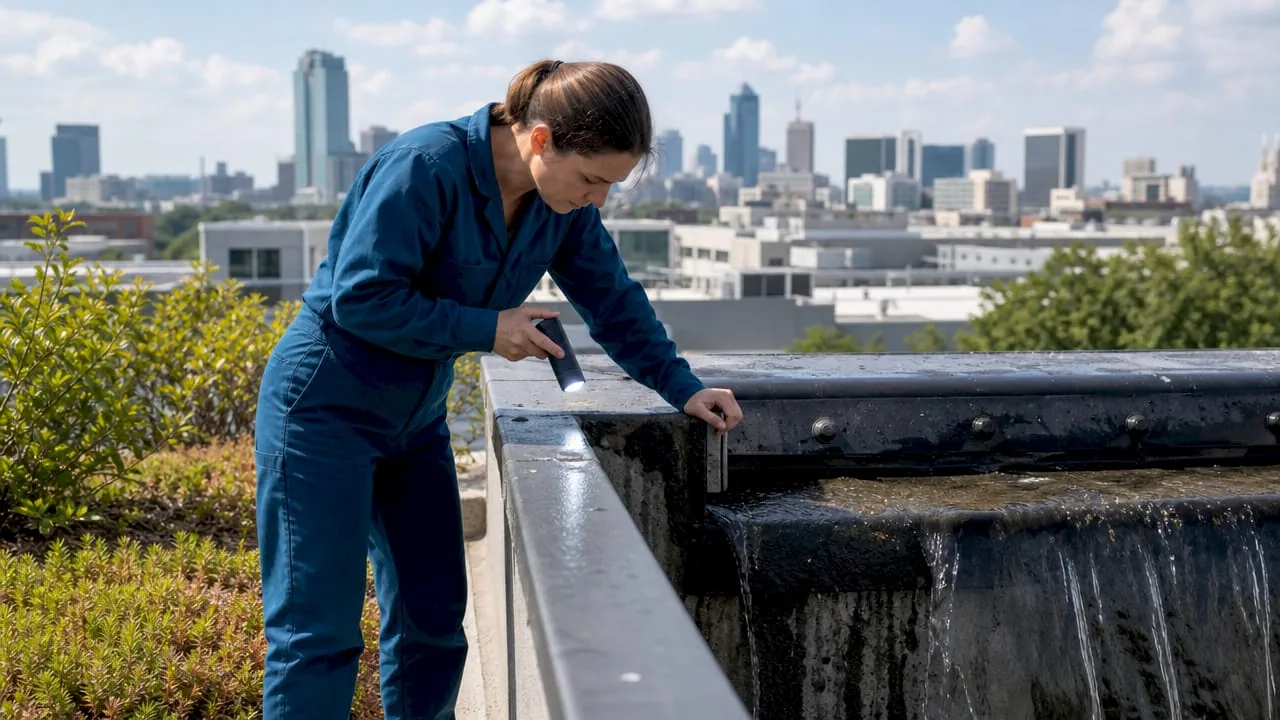
Roof Drains and Scuppers
Read the full page
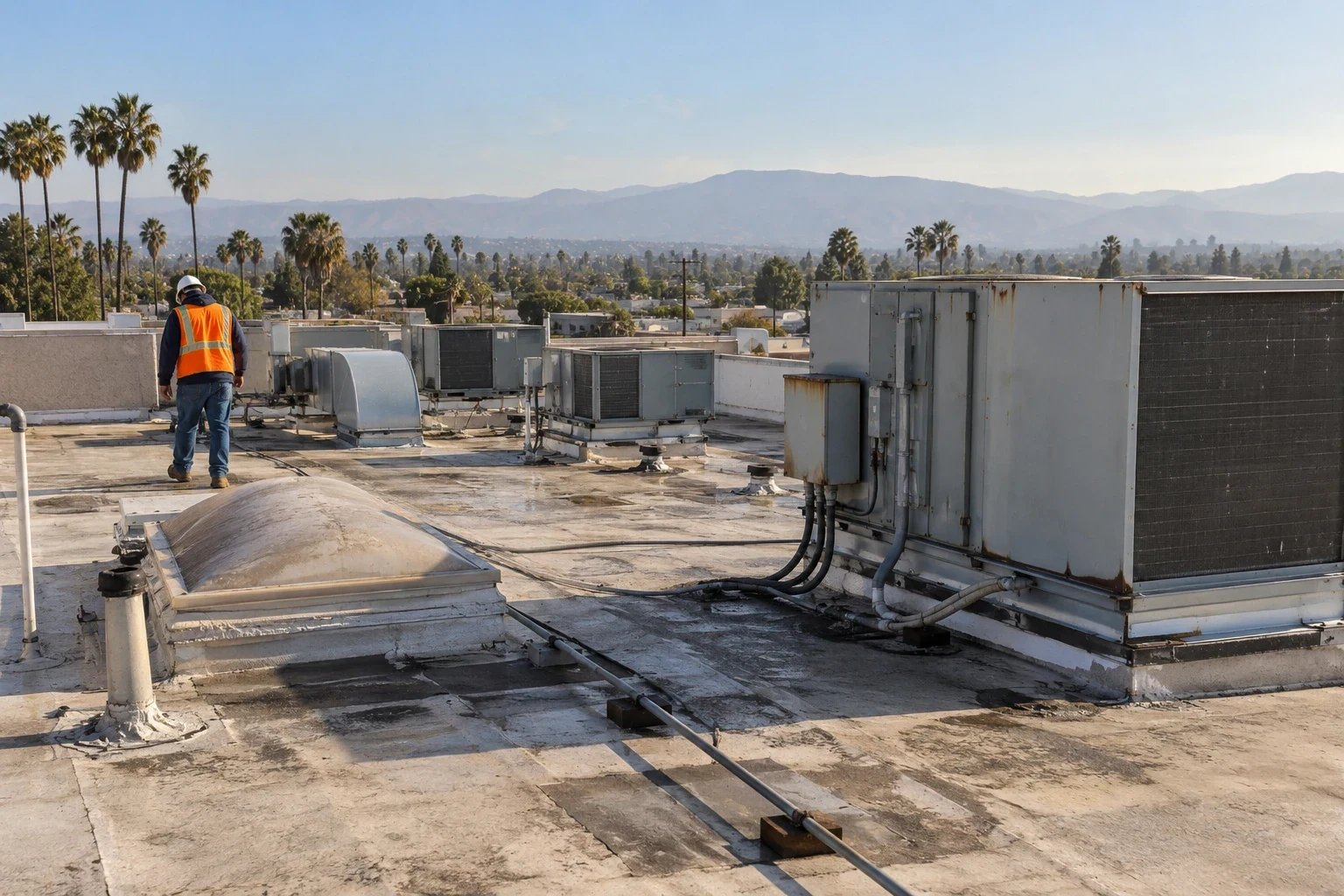
Roof Condition Records and Repair Planning
See how we handle it
Warehouse Roof Leaks and Repair Sequencing
Scope, sequence and repair notes