
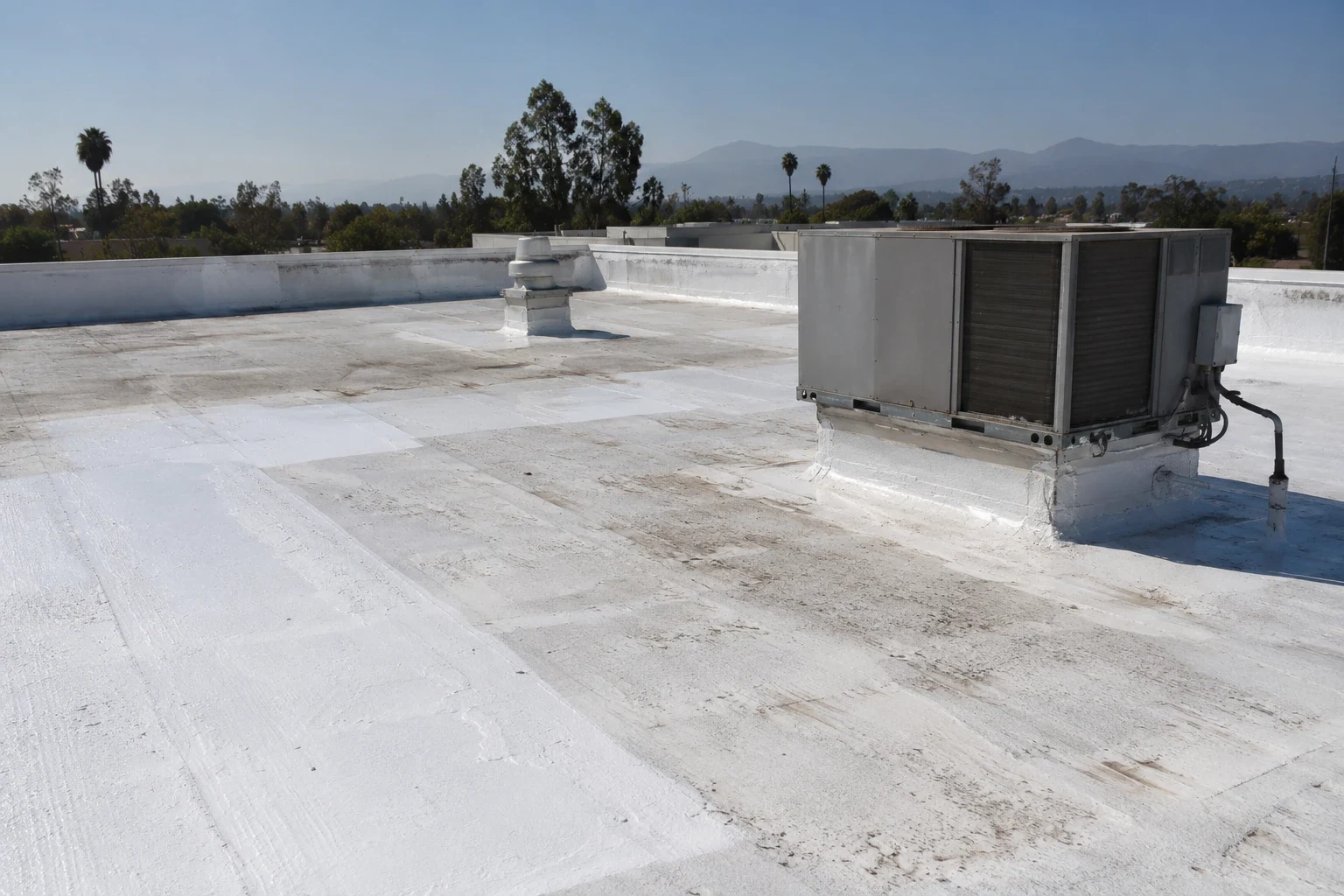
Roof Coating Restoration in Clovis, CA
Commercial Roofing Services
White residue washing toward a roof drain after winter rain could signal coating erosion, while a blister appearing during afternoon heat may involve moisture or adhesion beneath the surface. Either symptom deserves examination before another coating is ordered. Roof coating restoration in Clovis, CA begins with the assembly under the finish: the membrane, its attachment, existing treatments and the insulation that must remain serviceable if restoration is to make sense. We inspect the failure and identify what can be repaired before considering a continuous coating.
A reflective finish does not reconnect a loose membrane or dry wet insulation. Fresno's record July heat in 2024 provides regional context for exposure, but the condition on your building determines the treatment. We assess the surface and detailing, then use moisture screening with physical follow-up where it can help define concealed concerns. Findings can lead to localized removal, broader replacement or restoration, with each option explained before the owner commits to material across the roof.
The existing surface and its bond
A coating must adhere to what is actually present, including older repairs and treatments that may differ from the main roof field. We examine chalking, contamination, loose finish and changes in material, and perform adhesion checks appropriate to the proposed system. Washing alone may not expose a sound bonding surface. Preparation can require removal of failed material, a compatible primer or rejection of the coating option where a stable substrate cannot be obtained.
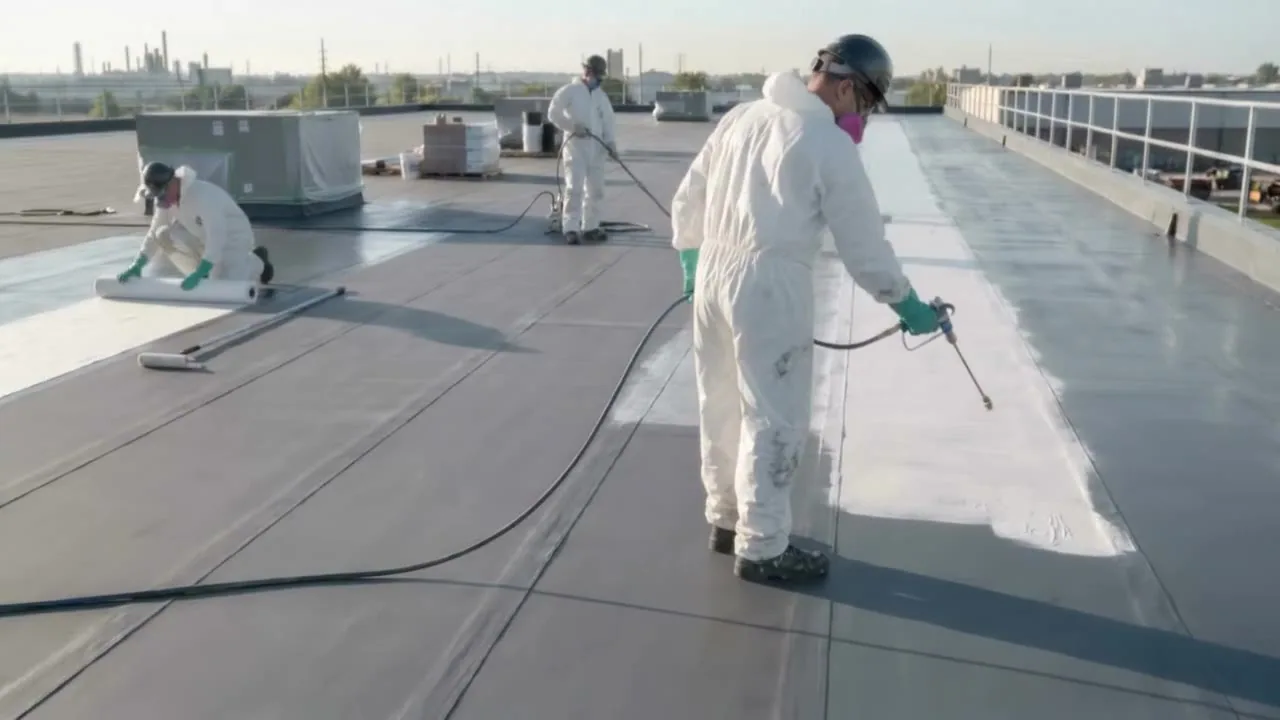
The selected product matters as much as the color. Silicone coating systems and acrylic coating systems have different preparation, drying and exposure requirements. We explain those requirements using the actual assembly and intended application. A product appropriate for one repaired roof is not automatically suitable for another, especially where old coatings, grease exposure or persistent water affect the bond. The test area should represent the surfaces the installation will encounter.
Water below the finish
A dry-looking field can conceal wet insulation, and an expanding blister can be the visible sign of trapped moisture or separation between layers. We determine the extent with investigation suited to the assembly, then open selected areas when confirmation is necessary. Wet or deteriorated components require correction before coating, with the openings restored as part of the preparation. Applying a finish over a questionable area can conceal the very condition the owner needs to resolve.
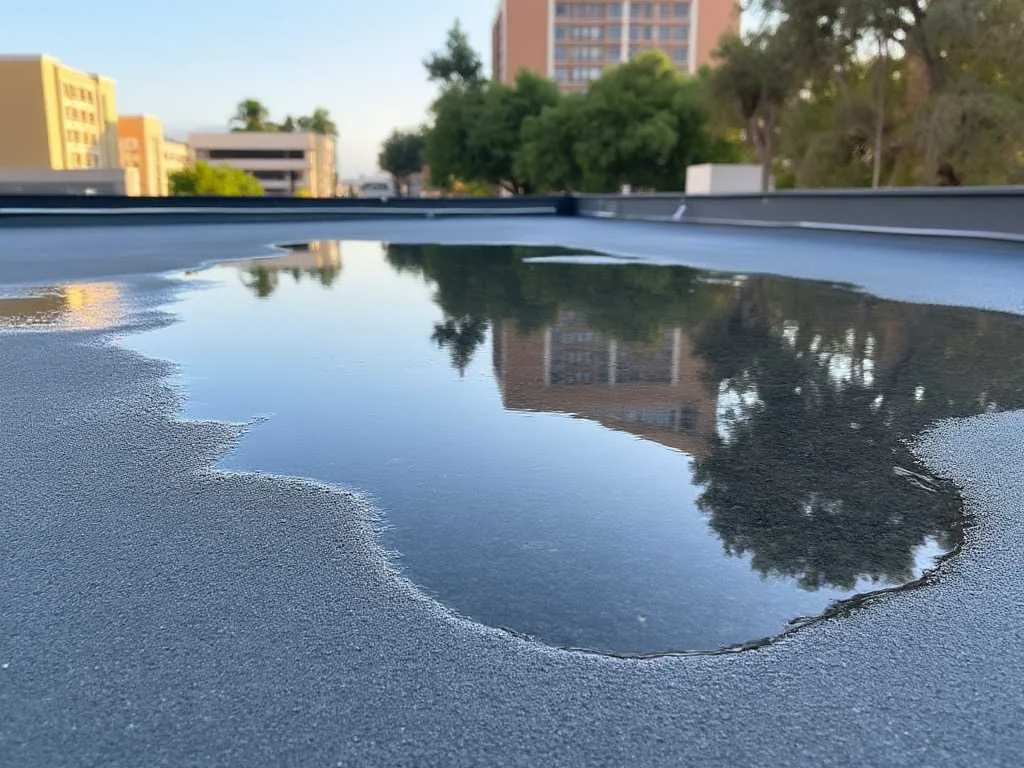
Drainage also remains a separate decision. Persistent standing water may require an outlet correction or changes beneath the membrane, and a coating recommendation should state whether that problem is being addressed. A material may tolerate certain water exposure without solving the reason the water collects. The restoration plan therefore identifies the existing drainage pattern, the defects to be repaired and any condition that makes another roof approach more appropriate.
Detail repairs ahead of the field
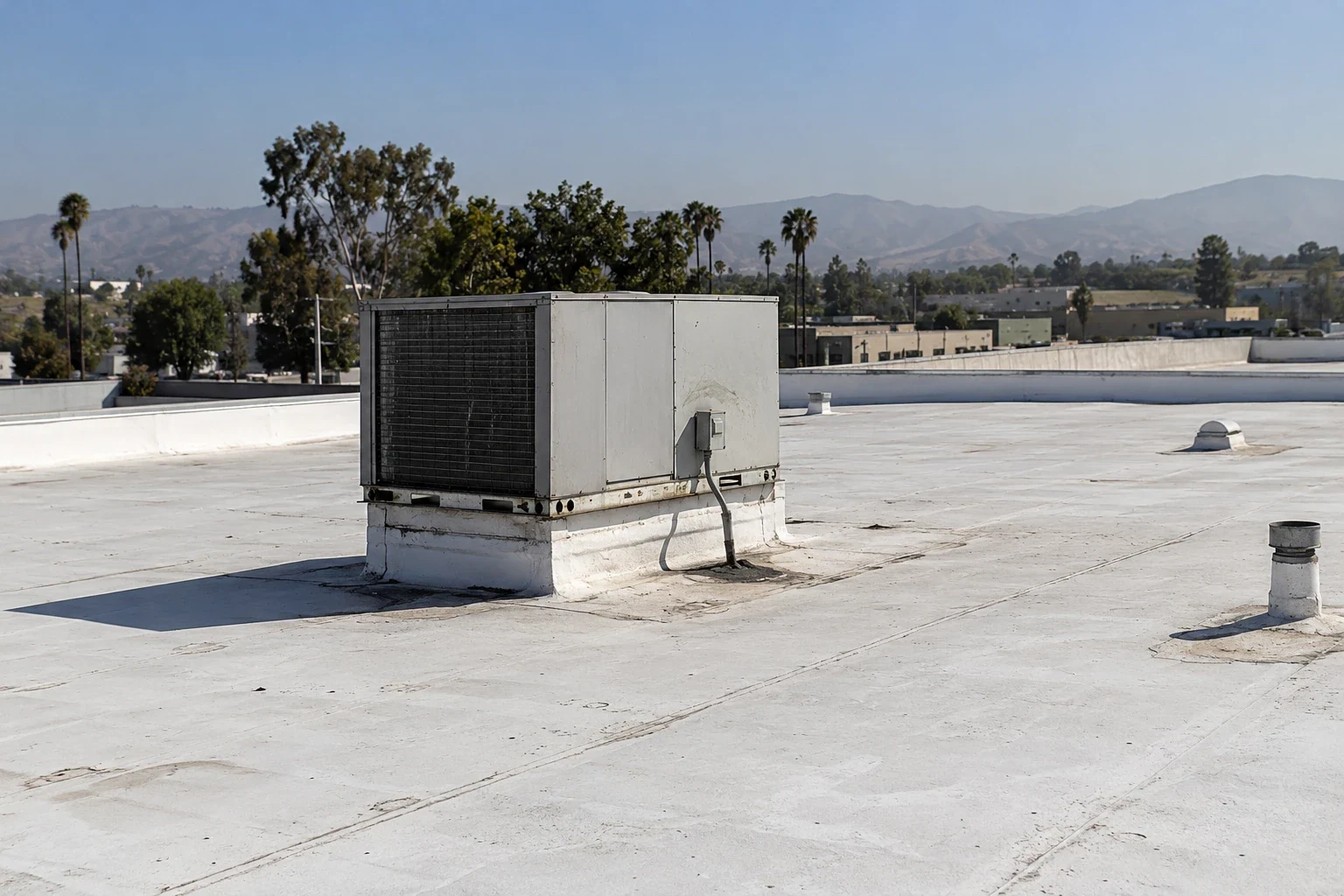
An open seam, unsupported penetration or loose perimeter can continue to move beneath a new finish. We repair those details before applying the field coating, using the reinforcement and transitions required by the chosen system. The junction between different materials deserves particular care, because a continuous appearance can hide an incompatible bond. Preparation is not complete until the roof can support the specified treatment at its edges and interruptions as well as across the open surface.
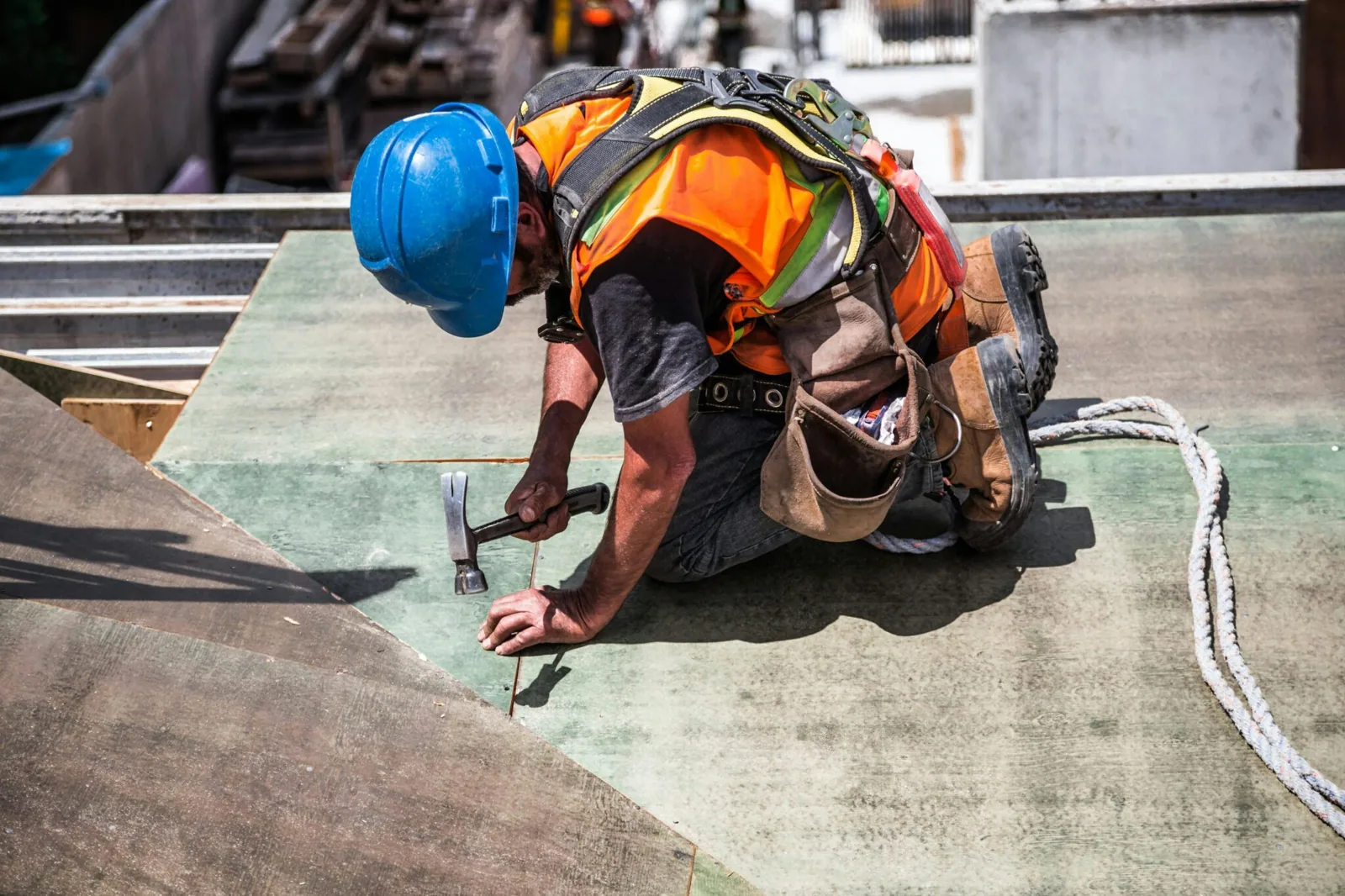
Some roofs need extensive repairs to the underlying weather barrier before restoration is reasonable. We separate those repairs from coating application in the work description, so the owner can see where the expense lies. The sequence includes inspection of repaired areas, substrate preparation, any necessary primer and the coating operations themselves. Covering a defect during the final application should never substitute for deciding how its movement or moisture will be controlled.
Damp mornings and afternoon temperature
Central Valley tule fog can form overnight and thin with daytime warming, leaving a surface that needs to be checked rather than judged from the forecast. We measure application conditions on the roof and account for cure requirements after the material is placed. A morning that allows inspection or cleaning may still be unsuitable for a coating pass. Afternoon heat can create a different restriction if the substrate exceeds the product's permitted conditions.
Work in Clovis properties must also account for occupied space. We establish intake protection, access routes and handling procedures before cleaning or application. On Herndon Avenue, Clovis Community Medical Center provides a local healthcare reference for building continuity; an individual facility operator establishes the requirements for work at that property. On an occupied office roof, the same planning includes tenant notices, drainage during washing and the placement of materials away from routine building access.
The restoration boundary
A roof with repairable defects and a stable dry assembly may be a candidate for coating, while widespread saturation, failing attachment or a severely deteriorated surface can push the decision toward replacement. We present that boundary before work begins. Cost follows preparation difficulty, required removal, access and detail complexity as well as the field application. A simple comparison of coating area can overlook the work that determines whether the finish will remain attached.
After application, the owner needs a record of the installed material, repaired areas and care requirements. We explain how later equipment work should be coordinated so a compatible repair restores the treatment rather than introducing a random sealant. A restoration still needs drainage observation and periodic examination. Its suitability rests on the condition retained below it and the work completed before the final finish, not on the appearance of a freshly coated field.
Thickness and continuity need checks during application as well as an inspection afterward. We follow the selected system requirements at reinforced details and the roof field, documenting the work where necessary. A visually uniform finish can still require correction at a thin transition, so appearance alone is not the completion standard.
Before a restoration proceeds across the field, define representative test areas that include both the existing surface and a difficult detail. Confirm compatibility and adhesion using the proposed preparation and application sequence, then record the result and the limits of the test. A clean test patch does not establish uniform conditions over the entire roof; isolated repairs, prior coatings and shaded or contaminated zones may behave differently. Use the findings to set preparation quantities and identify areas that should remain outside the restoration boundary.
Commercial Roofing Questions
Is chalking enough reason to apply another coat?
Remaining film condition and adhesion determine the next step. Chalking can indicate weathering, but we check whether the underlying finish is sound and whether preparation can produce a suitable bond. An eroded or loose treatment may need removal before another application.
Can coating proceed around a wet area that will be repaired later?
The moisture boundary should be established before application. We remove or address affected components first so the final treatment connects to a sound repair. Leaving an uncertain wet zone inside the work makes the restoration decision incomplete.
Does a coating eliminate the need to correct slow drainage?
Drainage remains a roof function that needs its own assessment. We explain the planned outlet or slope correction and the exposure limits of the selected coating. The finish should not be presented as a substitute for restoring a blocked water path.
What determines whether washing and coating happen together?
Substrate dryness and product requirements control the sequence. Cleaning can leave moisture in joints or on the surface after the field appears dry. We allow the required preparation and drying period, then check the roof before the bonding operation begins.
A restoration decision before material arrives
Tell us about blistering, older treatments and any area that retains water. We assess the roof and application constraints, then explain the preparation and repair work needed before a coating decision.
Related Pages
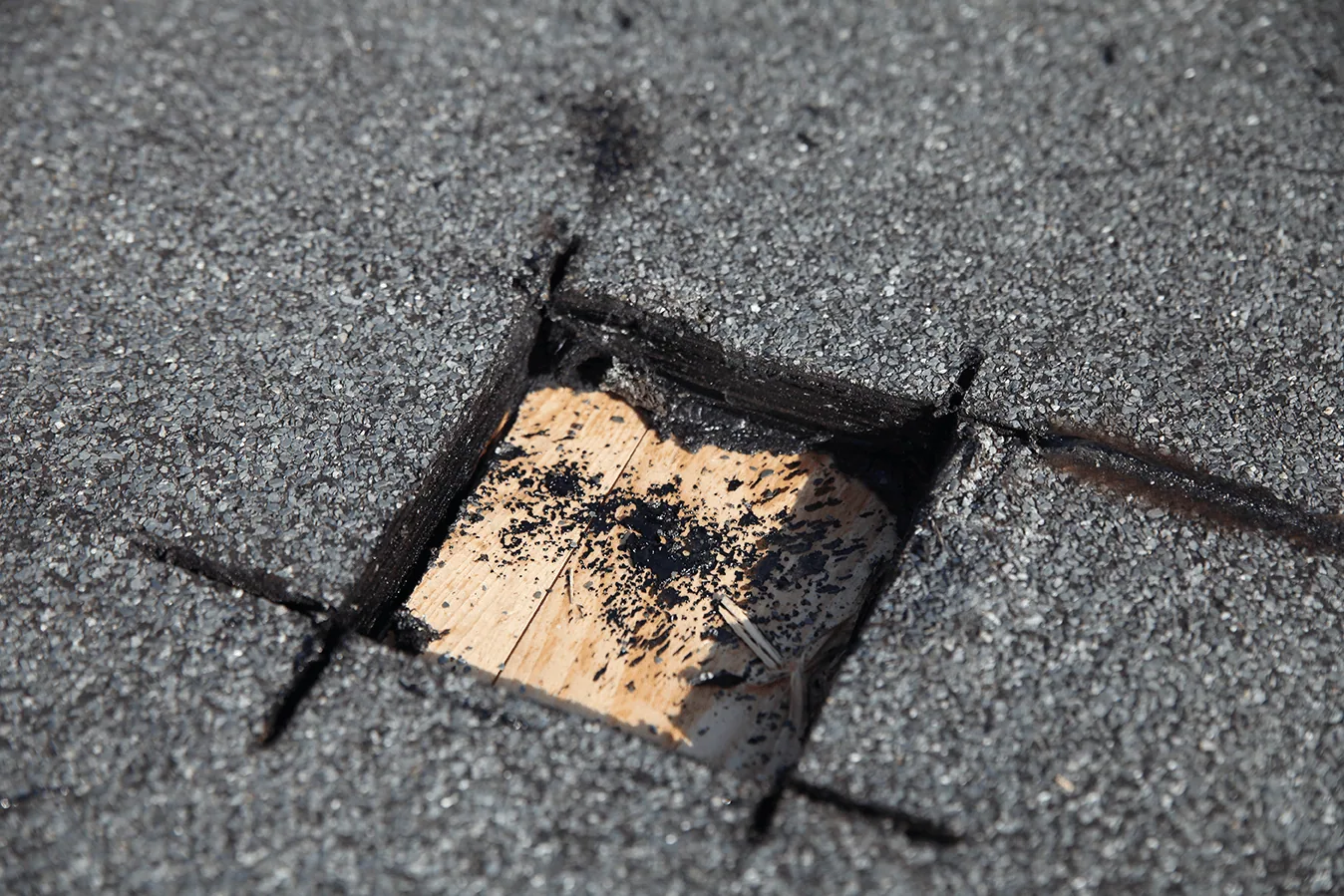
Infrared Roof Moisture Survey
Read the full page
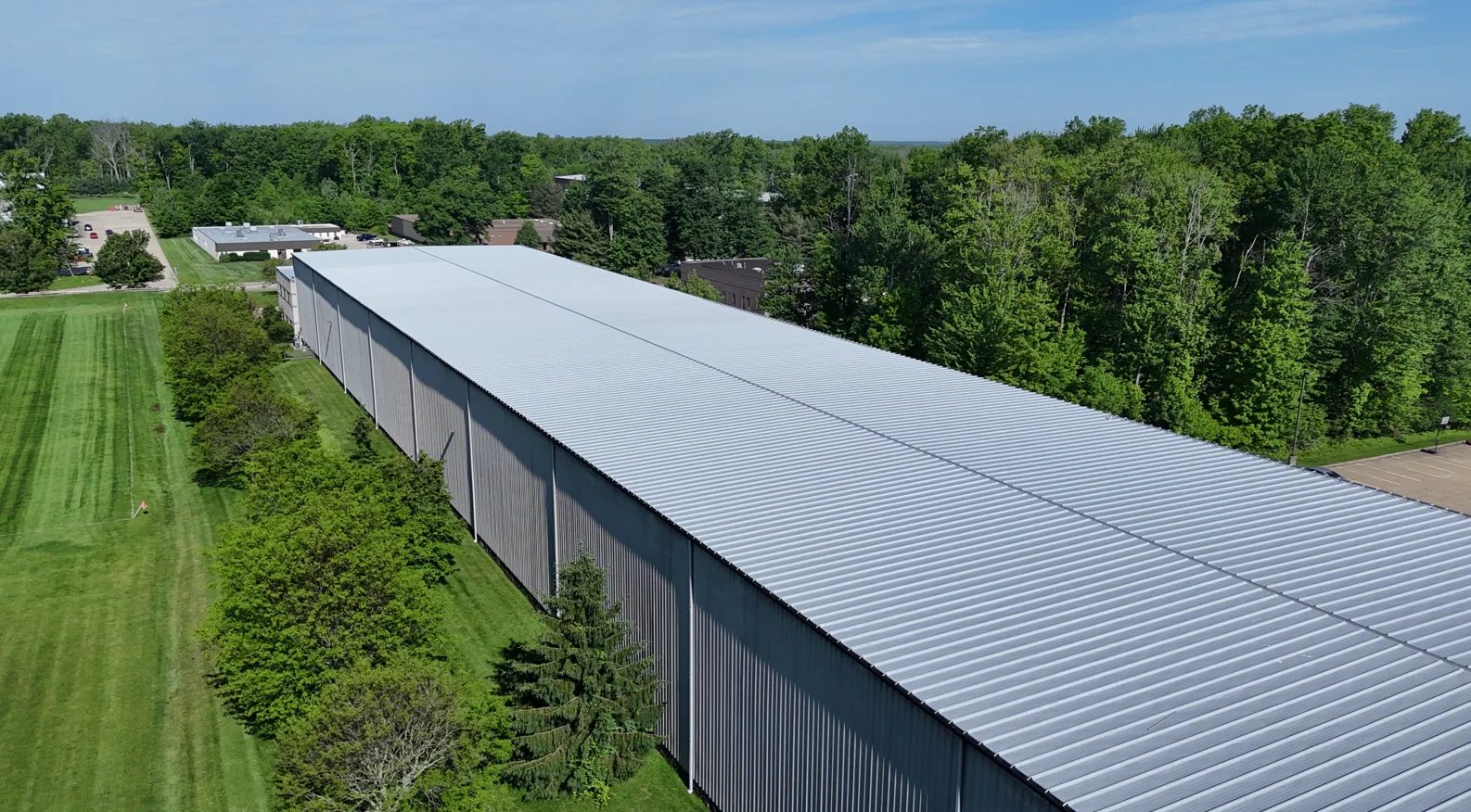
Silicone Roof Restoration in Clovis After a Surface Concern
See how we handle it
Acrylic Roof Coating Decisions in Clovis Before Application
Scope, sequence and repair notes
Ponding Water Review in Clovis Before Changing Drainage
Read the full page
Commercial Roof Repair
See how we handle it
Clovis
Scope, sequence and repair notes