Standing-Seam Metal Roof Corrections in Clovis
Roof Systems
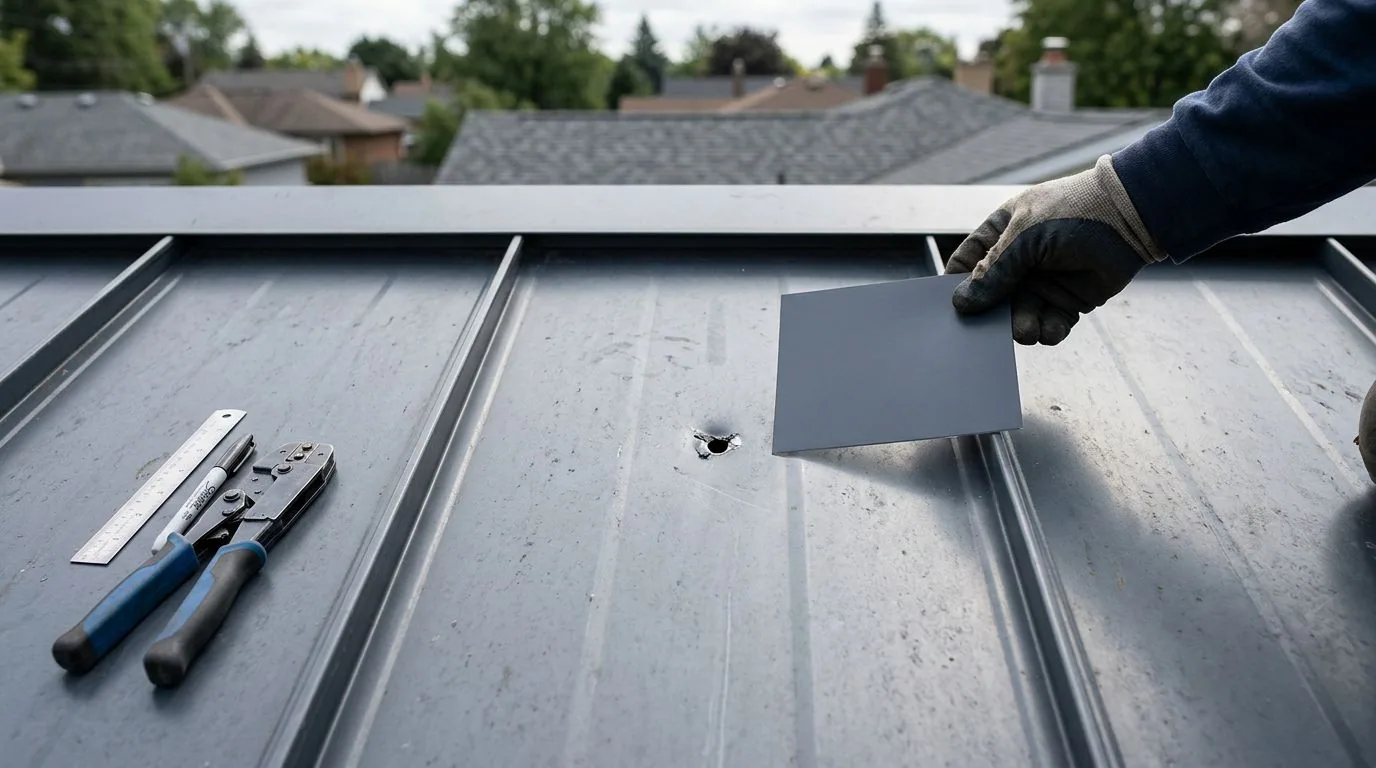
A drip along an interior line during winter rain could correspond to a standing-seam panel joint, a penetration or another concealed path, so the owner needs the connection examined before a sealant repair is chosen. We inspect and repair standing-seam commercial roofing in Clovis, CA, beginning with the panel arrangement and accessible transitions above the reported space. The metal covering and its attachment allow movement under the intended design; a correction that restrains that movement can introduce a new problem.
Fresno's July 2024 regional heat record makes temperature movement a useful planning consideration without proving the cause of a particular leak. Winter tule fog can affect surface preparation where a repair material is considered. Clovis Community Medical Center on Herndon Avenue makes facility approval a relevant question for an authorized healthcare roofing assignment. Our inspection of panels and accessible connections records observed condition and the limits of what can be established without opening or design review, with safe access and facility authority controlling the visit.
The panel joint and movement detail
Standing-seam construction can use different panel profiles, seam arrangements and clip systems. The installed system needs identification before a repair method is selected. A visible joint is not necessarily an exposed fastening line, and a leak complaint does not establish that the seam needs to be filled rigidly. We examine accessible seams, terminations and penetrations while reviewing records that explain how the panels are intended to move.
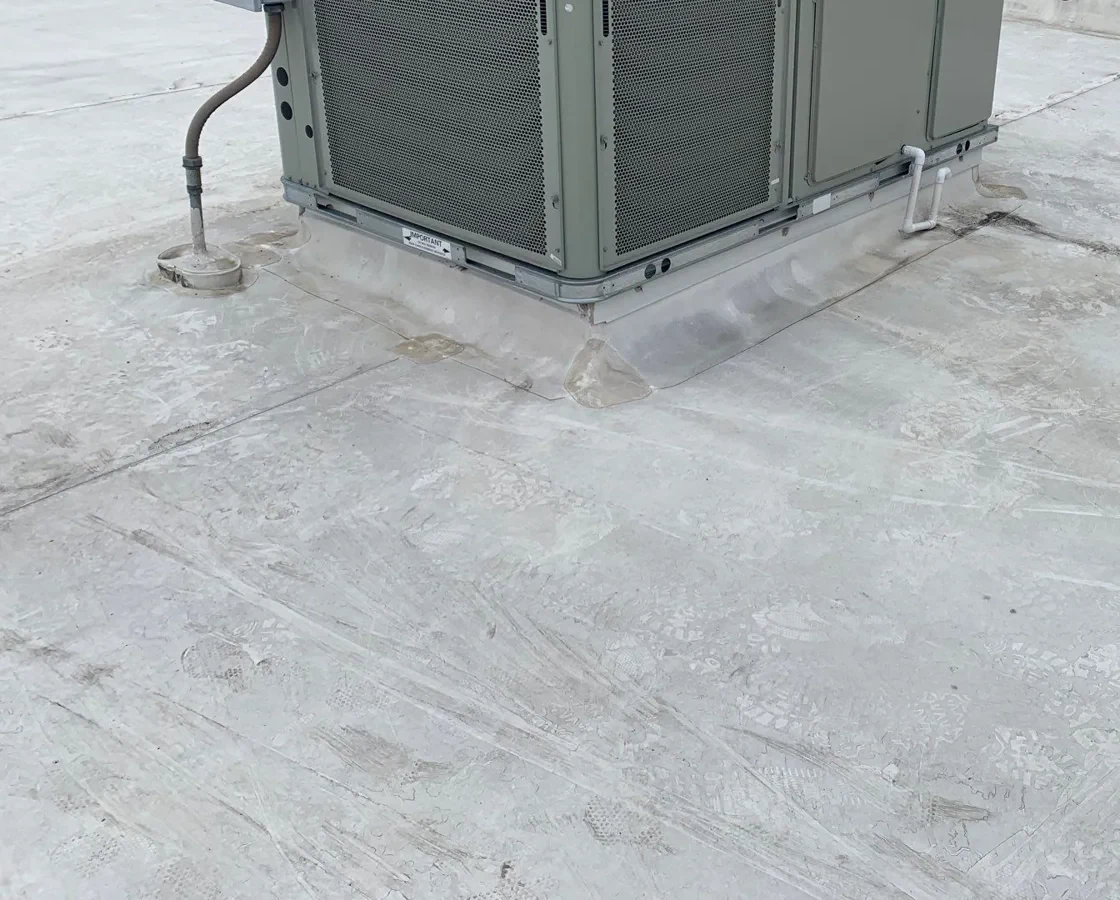
A repair must preserve the required movement and weatherproofing function. Loose or damaged components may need replacement or adjustment under a suitable detail rather than another surface coating. The opening at a roof penetration can interrupt panel behavior and needs attention to its curb and support arrangement. Corrections at metal roof flashing should identify the surrounding connection, attachment and sealing method. A bead applied without that review may conceal a loose joint while leaving the mechanical deficiency in place. The owner should see the actual detail and any design dependency before authorizing work that changes how the roof responds to temperature or wind.
The leak response and safe metal-roof access
A metal surface may be slippery or difficult to traverse, particularly with moisture present, so the first assessment includes access and fall-protection requirements. We ask the owner about the interior location and the people or equipment below it. Facility personnel handle interior protection and specialist electrical concerns while the roofing action is established. Our emergency response remains available after ordinary hours, through weekends and on holidays, with conditions determining the correction that can proceed.
Temporary protection must suit the panel system and avoid obstructing drainage or restricting movement inappropriately. Record what the measure addresses and which permanent task remains. A temporary seal should not be presented as proof that the underlying attachment is sound. Owners coordinating work near Herndon-area institutional properties provide the subject building's operating directions and access authority. Where a lifting arrangement or specialist review is needed, include it in the sequence. Safe initial triage should establish the suspect component and next action rather than direct people onto a wet metal roof to obtain a photograph.
Attachment and metal condition at the repair boundary
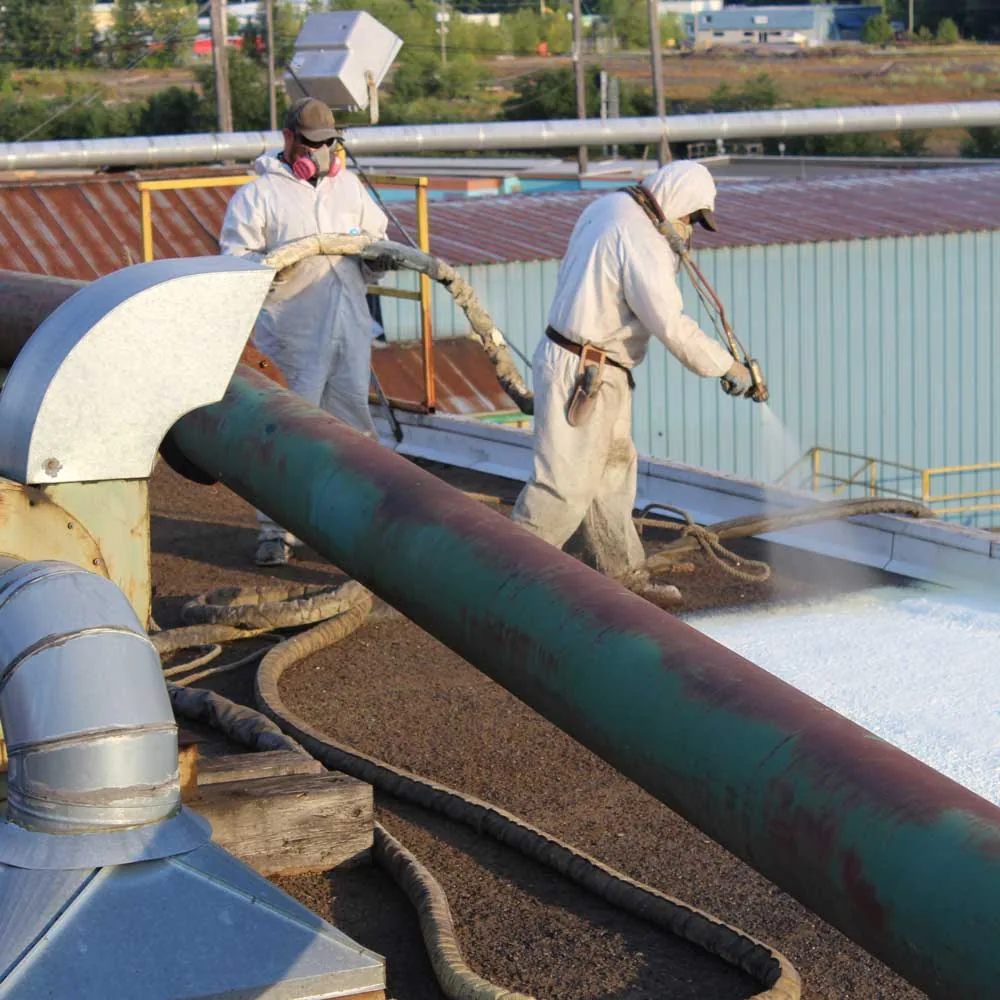
Corrosion, loose attachment and damaged panel geometry are different observations and require different corrections. We examine the actual component before assigning a coating, fastening or replacement task. Surface preparation can address suitable exposed material, but a finish cannot restore metal that has lost required strength. The condition of clips or concealed support may require additional examination or qualified design rather than a conclusion based on the visible panel face.
For edge and discharge details, identify the joint, supporting attachment and water route separately. A gutter leak may involve its connection or downstream drainage rather than the roof field. Replacement sections need compatible metal and sealing details, with the intended movement retained. If removal exposes concealed deterioration, document it and obtain the agreed change approval before reconstruction. The owner's estimate should show the known component quantities and the limitation of the inspection. That boundary prevents a local surface correction from being sold as a roof-wide attachment assessment it cannot provide.
The reconstruction choice and underlying condition
Metal roofing can conceal insulation and support whose condition matters to the next construction decision. A panel repair may remain appropriate where sound surrounding construction supports it, while broader renewal needs evidence of a broader problem. Record the assembly available from documents and accessible examination, then determine which openings or design checks are justified. Do not equate the exterior finish with the condition of everything beneath it.
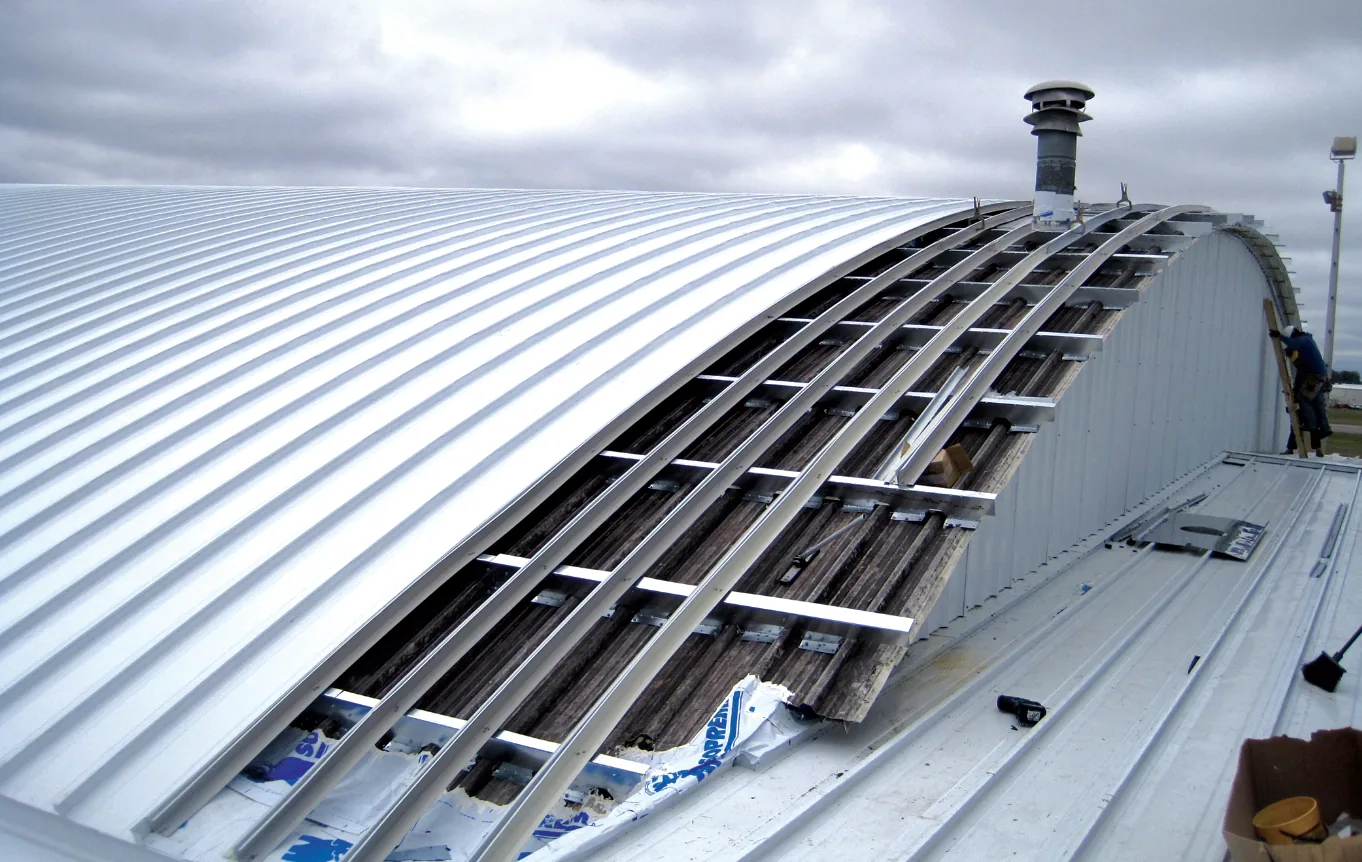
A retrofit over existing metal roofing introduces its own attachment, drainage and load questions. A proposed silicone coating treatment likewise needs surface suitability and cannot replace structural or movement corrections. Compare complete scopes with the owner, including insulation, perimeter work, penetration geometry and any authorized equipment service. Roof removal must have a daily protection method suited to what lies below. These requirements decide whether a limited panel intervention or a larger project can be performed as proposed, rather than leaving essential support and operating tasks outside the quoted covering price.
Temperature context and the documented correction
Temperature changes affect metal dimensions, but regional heat data does not identify a defect in a specific clip or joint. We assess the intended system behavior and the observed connection before selecting the correction. Fog-season dampness also requires an actual preparation review for any material application. Installation requirements and safe working conditions govern release; a scheduled visit cannot establish that the panel surface is suitable.
The completed record should identify repaired components, attachment or sealing details and any retained limitation, with photographs tied to a roof plan. Keep qualified design decisions and actual warranty requirements with the building file. Future equipment work that cuts or restrains a panel needs its own reviewed detail. After another water complaint, compare the interior location with the completed work and other possible paths rather than assuming the same joint has failed. Assign interior restoration, equipment service and roof acceptance separately. This handoff gives the owner a known correction and the order of work for unresolved questions, preserving the distinction between weatherproofing and the metal system's mechanical behavior.
Standing-seam roof investigation should trace water around panel seams, end laps, fasteners and penetrations without assuming that a stain below marks the entry point. Confirm panel profile and attachment before selecting a repair detail, and distinguish a loose trim component from a panel or substrate issue. Metal movement with temperature changes can affect closures and sealant joints, so a rigid patch may not remain compatible. Identify access and fall-protection needs around the roof slope, and state whether the proposed work restores only the leak path or includes broader panel replacement.
Commercial Roofing Questions
Can every standing seam be filled with sealant?
The installed joint and movement requirements govern the detail. A generic rigid closure can interfere with the panel system.
Does surface corrosion require panel replacement?
Actual section condition and attachment establish the correction. Preparation and finishing cannot restore lost structural capacity.
Can a roof visit certify concealed clips?
Access and investigation limits govern what can be established. Concealed attachment may need additional examination or design review.
Is a gutter drip necessarily a panel leak?
The traced water path identifies the responsible component. Gutters, joints and discharge routing need separate assessment.
Will a coating solve a loose metal connection?
Mechanical condition governs that repair. A finish does not substitute for correcting attachment or movement deficiencies.
Describe the metal joint and the water report
Tell us where entry appears, known panel records and access restrictions. We will assess safe initial action and the permanent connection, attachment or panel task.
Related Pages
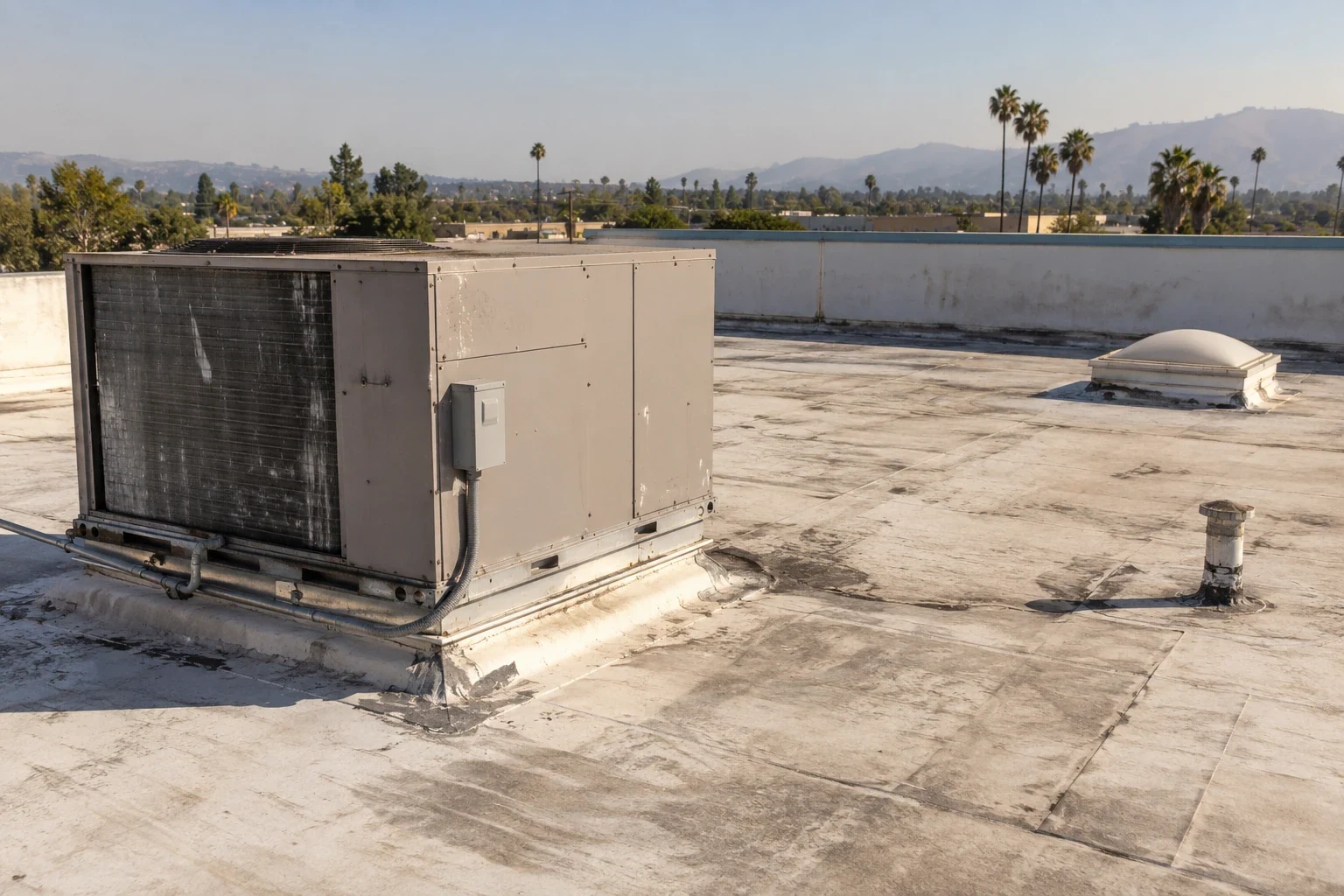
Commercial Roof Inspection
Read the full page
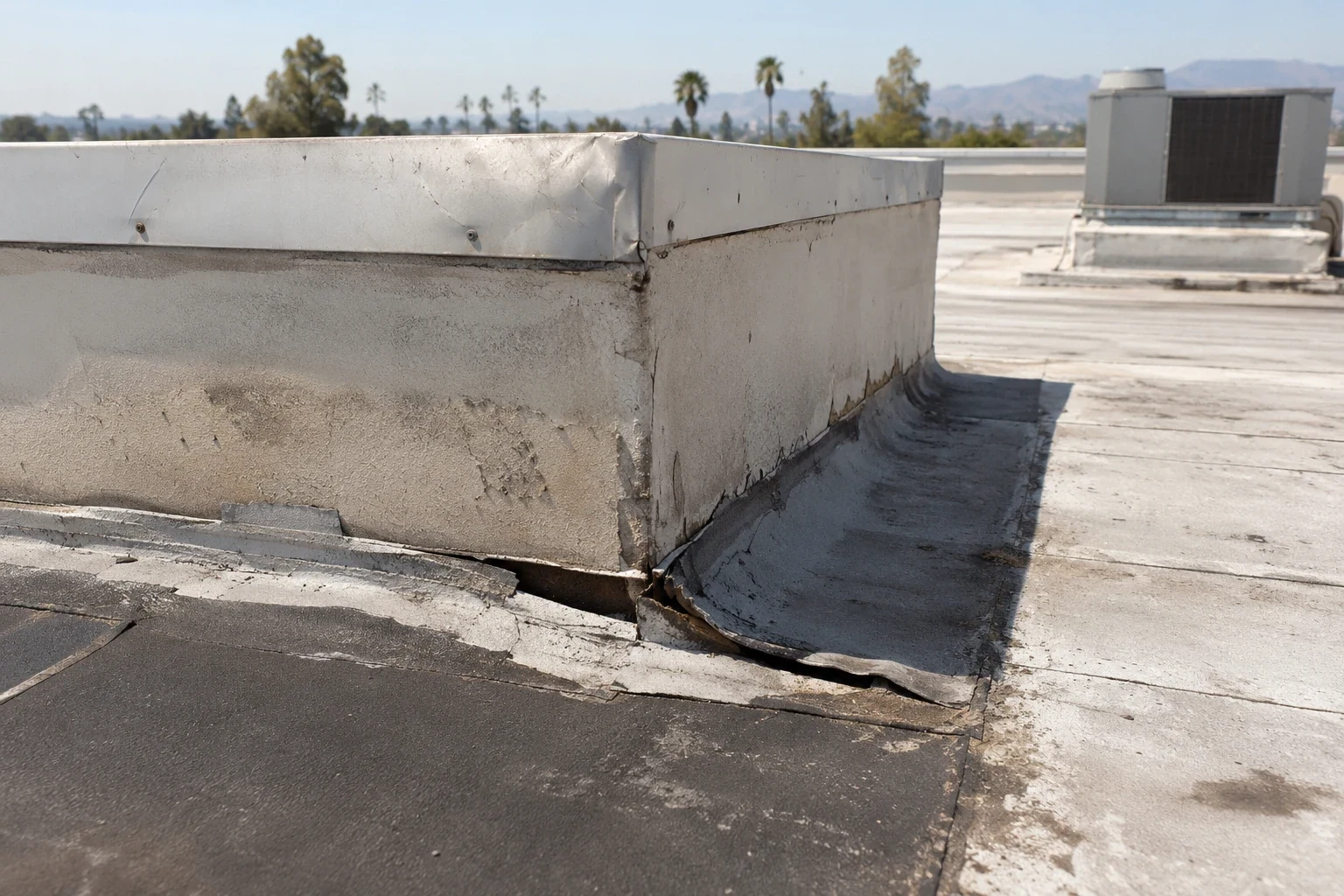
Flashing Failure Investigation in Clovis at Roof Transitions
See how we handle it
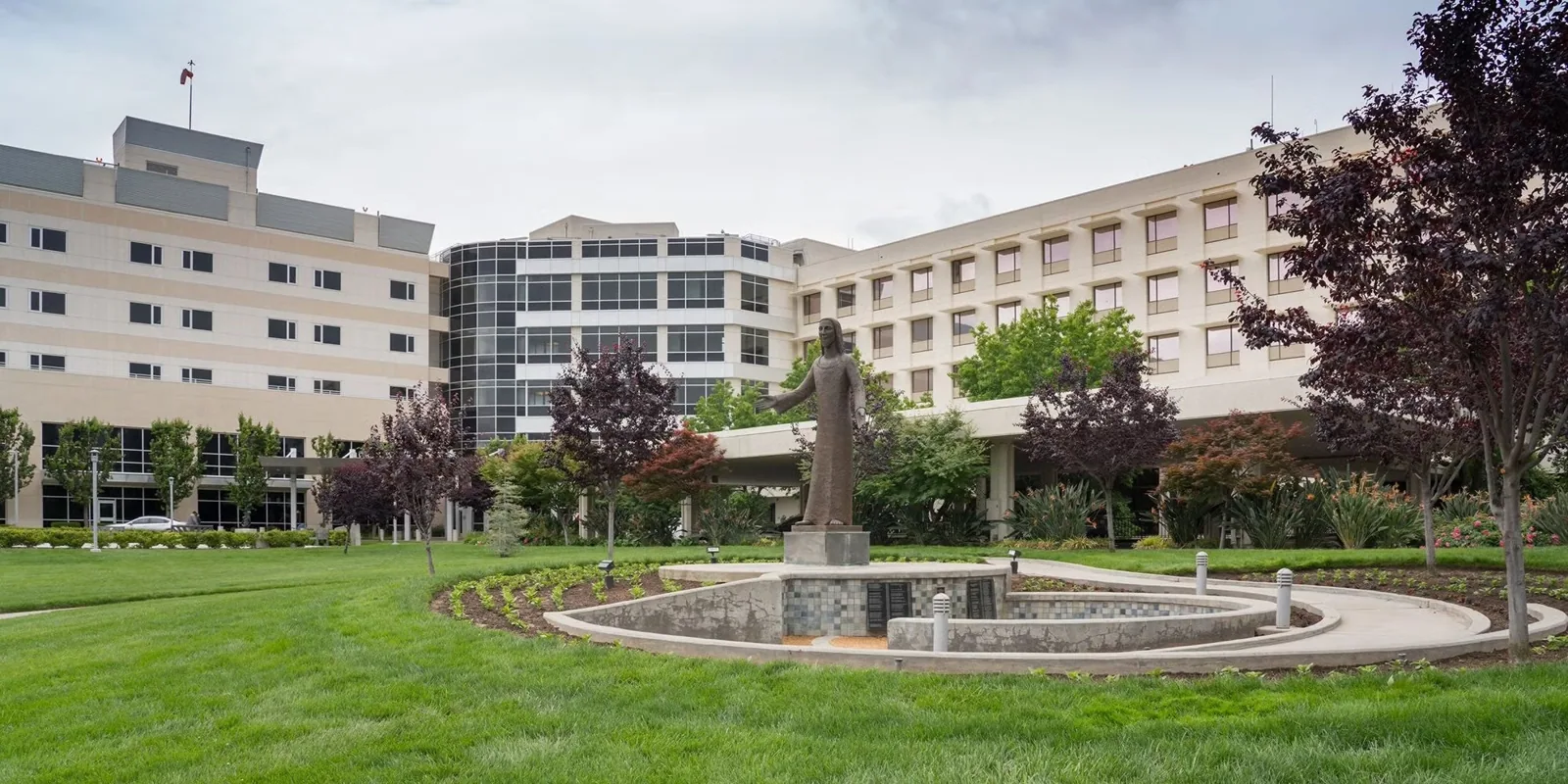
Herndon Medical District
Scope, sequence and repair notes
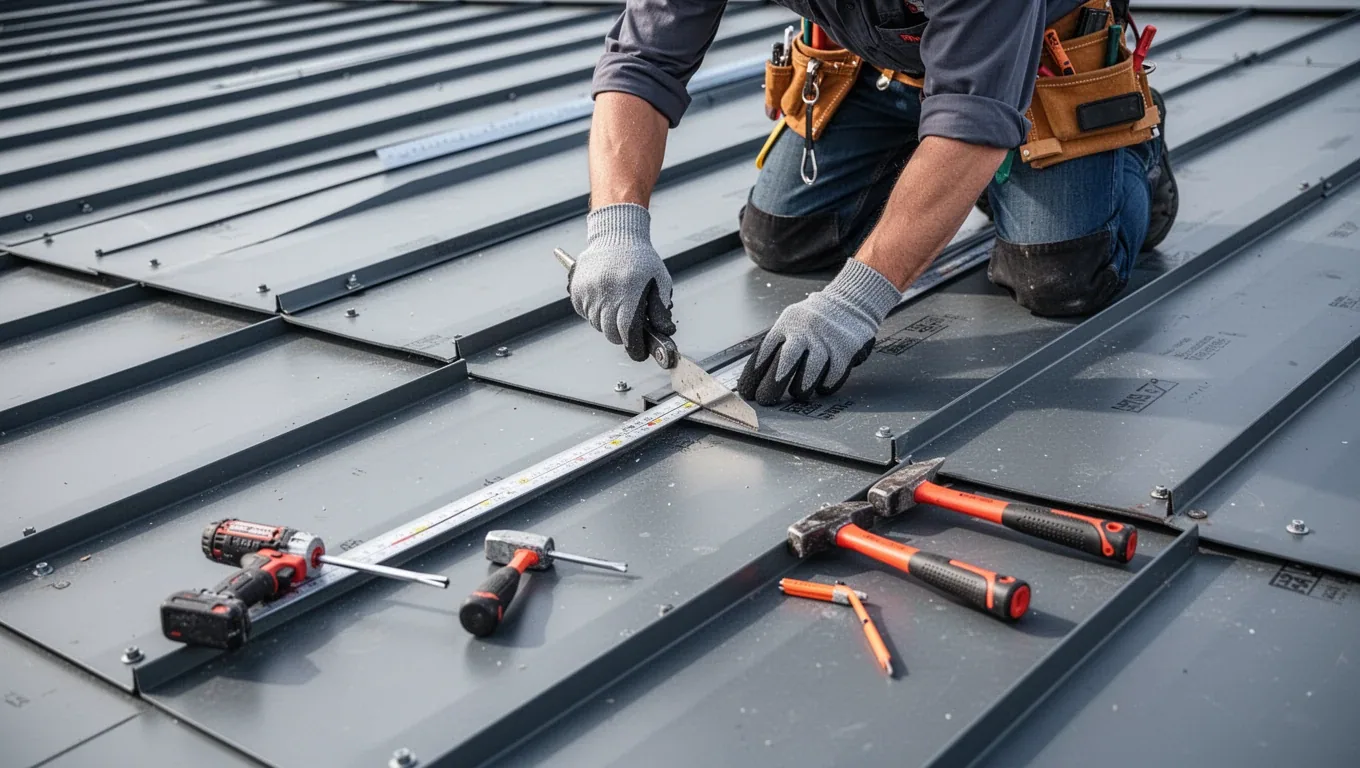
Edge Metal, Coping and Gutters
Read the full page
Metal Roof Retrofit Decisions in Clovis Before an Overlay
See how we handle it
Silicone Roof Restoration in Clovis After a Surface Concern
Scope, sequence and repair notes