Investor and REIT Roofing in Clovis, CA
Industries We Serve
A fresh ceiling patch starts discoloring during the first rain after an acquisition inspection, and the roof allowance in the purchase file suddenly needs a closer look. For an investor in Clovis, CA, the immediate concern is active water entry, but the larger question is whether the apparent repair history reflects a sound assembly or recurring moisture below the surface. We examine the current leak, identify the likely repair boundary and separate that work from the broader condition assessment. Temporary protection may limit the loss while access and testing are arranged. The capital decision then rests on physical findings, remaining serviceability and the obligations attached to the property, rather than a seller description or the brightness of a recently coated roof.
Transaction records and physical evidence
A repair invoice naming a roof area does not reveal whether wet insulation was removed, and an aerial image cannot establish bond strength below a membrane. We compare available drawings, warranties and repair records with conditions found during a due diligence roof survey, identifying mismatches that matter to acquisition decisions. Suspect areas may need sampling or additional moisture investigation with permission from the owner. We explain access limitations explicitly because a roof assessment conducted without interior entry cannot answer every question about recurring leaks. The resulting work separates observed defects from uncertain concealed conditions. That distinction gives the buyer a basis for requesting more investigation or adjusting a repair allowance without treating every limitation as proof that the entire roof needs replacement.
Asset managers can use separate map labels for assets along Blackstone Avenue Commercial Corridor and the Clovis Avenue corridor, then compare inspection dates without combining repair assumptions. Each property record should identify its own roof section, access contact, approved work and remaining risk before a capital decision is made.
Repair liability across the holding period
Loose perimeter metal and deteriorated curb flashing can require attention even where the membrane field remains serviceable. We identify defects that expose the occupied building now, areas suitable for scheduled repair and deterioration that affects the future replacement decision. Roof capital planning needs those separate time horizons, particularly when lease renewals or planned improvements affect access. A short holding period does not make a weak detail harmless; the repair still needs compatible materials and a stable substrate. Coordination with the property management company establishes who receives leak reports and who can authorize work after closing. Without that assignment, a sound capital plan can still leave urgent defects unattended while ownership and management contacts change.
Local comparison without assumed assemblies
The Shaw Avenue Commercial Corridor contains large retail uses, while civic and institutional properties serve different public functions. Nearby buildings can share a market yet differ in roof assemblies, ownership, access and repair history. An investor evaluating a Clovis property should compare its records with conditions observed on that asset, not infer construction from a nearby destination. Documented limits and deferred items make the capital comparison clearer when reviewing multiple properties.
Moisture boundaries and renewal options
A roof with isolated wet insulation can sometimes be repaired within a controlled area, while moisture spread across several layers may eliminate a recover that looked attractive in a financial model. We examine attachment, layer condition, drainage and the suitability of the deck before proposing a roof recover. Additional weight and the existing assembly must be considered by the appropriate design professionals where required. Coatings also need a suitable dry surface and compatible preparation; they do not remove concealed water or correct inadequate attachment. For a replacement, the deck condition, insulation layout and penetration work influence the scope. We describe which findings support each option, so a lower initial expenditure does not conceal unresolved work that will return during the holding period.
Occupied value and construction exposure
A roof opening above a paying tenant introduces an operational risk that should appear alongside the material allowance. We plan protection at roof drains, intakes and occupied areas, and discuss staged removal before deliveries arrive. Work affecting equipment requires coordination with the responsible trade, including shutdown authorization and reinstatement checks. A property undergoing renovation may also require the interface control used with general contractors, especially when rooftop equipment is being relocated. Fresno recorded 26 triple-digit days in July 2024, regional conditions that make surface temperatures and work pacing relevant to summer scheduling. We assess the actual site conditions each day. Neither a transaction deadline nor a tenant notice makes adhesive preparation or exposed-deck protection optional.
Closeout information for the next decision
A repaired roof should leave the investor with a description of the area opened, the materials installed and unresolved conditions outside that scope. We record work positions so future inspection can distinguish a renewed detail from an adjacent older one. For ongoing roof management, records need enough continuity to support the next budget cycle without presenting a temporary patch as a permanent capital improvement. Warranty terms and exclusions belong with the actual installed system and completed work, rather than an assumed blanket obligation. The next owner or manager also needs to know which equipment supports and drainage tasks remain assigned to other trades. Good closeout information preserves the basis for the original decision when staff, management or ownership changes.
A asset review can then distinguish recurring repair demand from a single event and sequence the next inspection by asset condition. Keep any unverified quantity separate from approved work so that a future capital comparison uses the same documented roof zones.
For each asset, the investment file should preserve the inspection date, roof-zone map and authorization history beside the capital request. That makes later comparisons useful even when market rents, tenants or operating schedules change.
A roof comparison should separate verified condition, near-term repair, capital replacement and information still needed. Investors can use Shaw Avenue commercial properties as a geographic grouping while keeping each asset’s inspection and access history individual. Prior roof records help explain a recommendation only when their building and roof area match the property under review.
Commercial Roofing Questions
Can a seller coating justify reducing the roof allowance?
The assembly beneath the coating must support any adjustment to the repair allowance. We check adhesion, preparation evidence and moisture condition where accessible. A uniform color may conceal older repairs and cannot establish insulation dryness. Any allowance change should reflect the observed condition and the investigation limits, not appearance alone.
What roof information matters before refinancing?
Current defects, repair obligations and the likely sequence of major work give the financing discussion a practical basis. We provide condition findings tied to roof areas and distinguish immediate water entry from planned expenditure. The lender determines its requirements; our inspection describes the building conditions that can support those decisions.
Should repair work wait until acquisition closes?
Active leakage needs attention within the access permission available before closing. The current owner must authorize work before ownership changes, while the buyer can arrange the assessment permitted under the transaction. Leaving water entry unresolved to simplify paperwork may enlarge interior damage or the wet roof area before closing.
Can a recover preserve rental operations?
Tenant exposure has to be assessed alongside the existing assembly. A recover may reduce removal work, but moisture, attachment and structural suitability still need investigation. We discuss equipment access and disruption for the viable options, including replacement, so operating continuity is considered after unsuitable technical options have been excluded.
How are uncertain concealed conditions carried into a budget?
A defined investigation allowance and a clear approval path are more useful than treating uncertainty as a settled replacement quantity. We identify the areas that could require opening and explain what each discovery would change. Once the material is exposed, the scope can be revised against an observed condition.
A roof decision before the next commitment
Tell us the property address, transaction or capital deadline, known leakage and available roof records. We will discuss inspection access and the findings needed to distinguish immediate repair from a longer capital obligation.
Related Pages
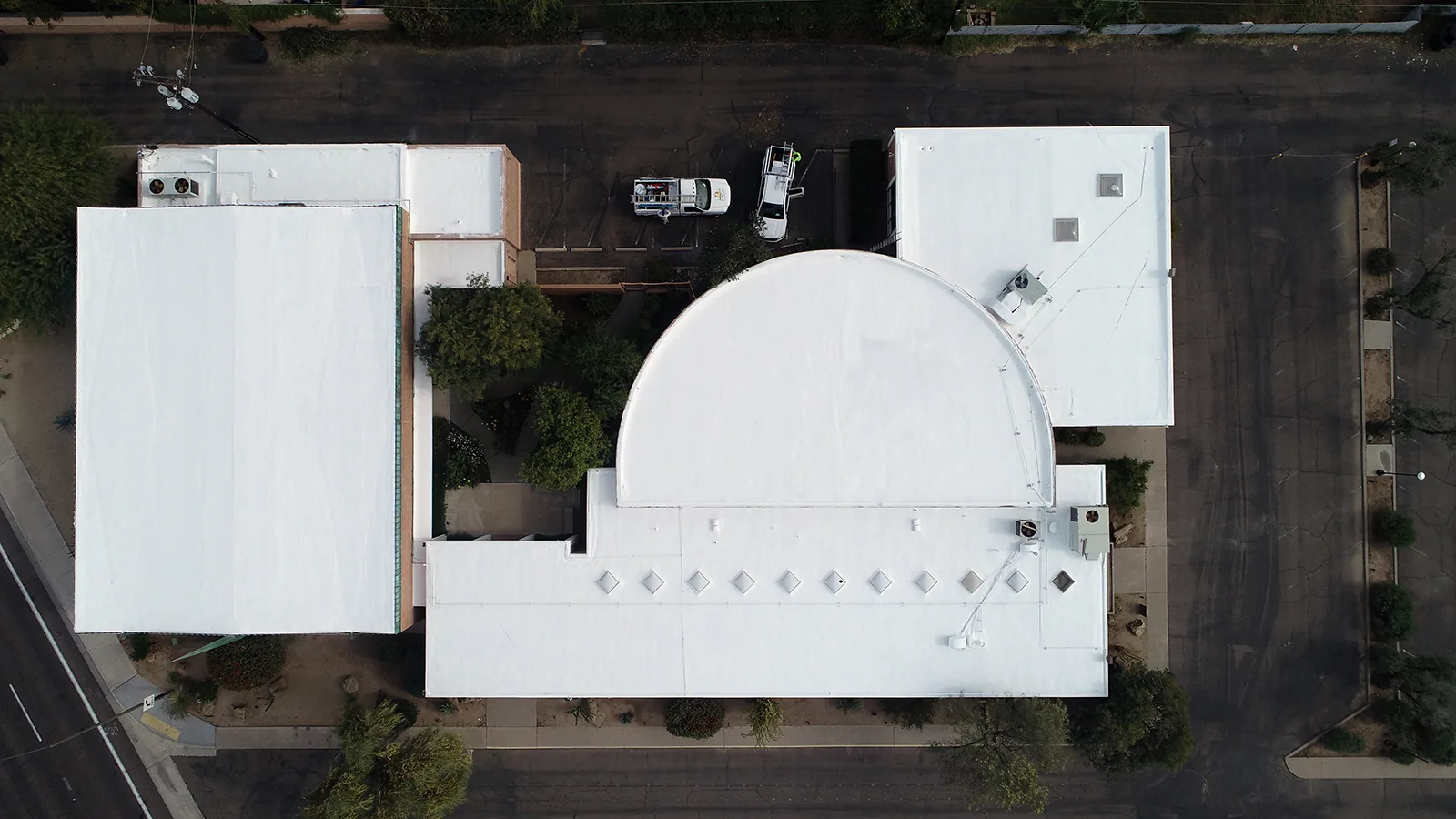
Roof Condition Assessment Before Purchase
Read the full page
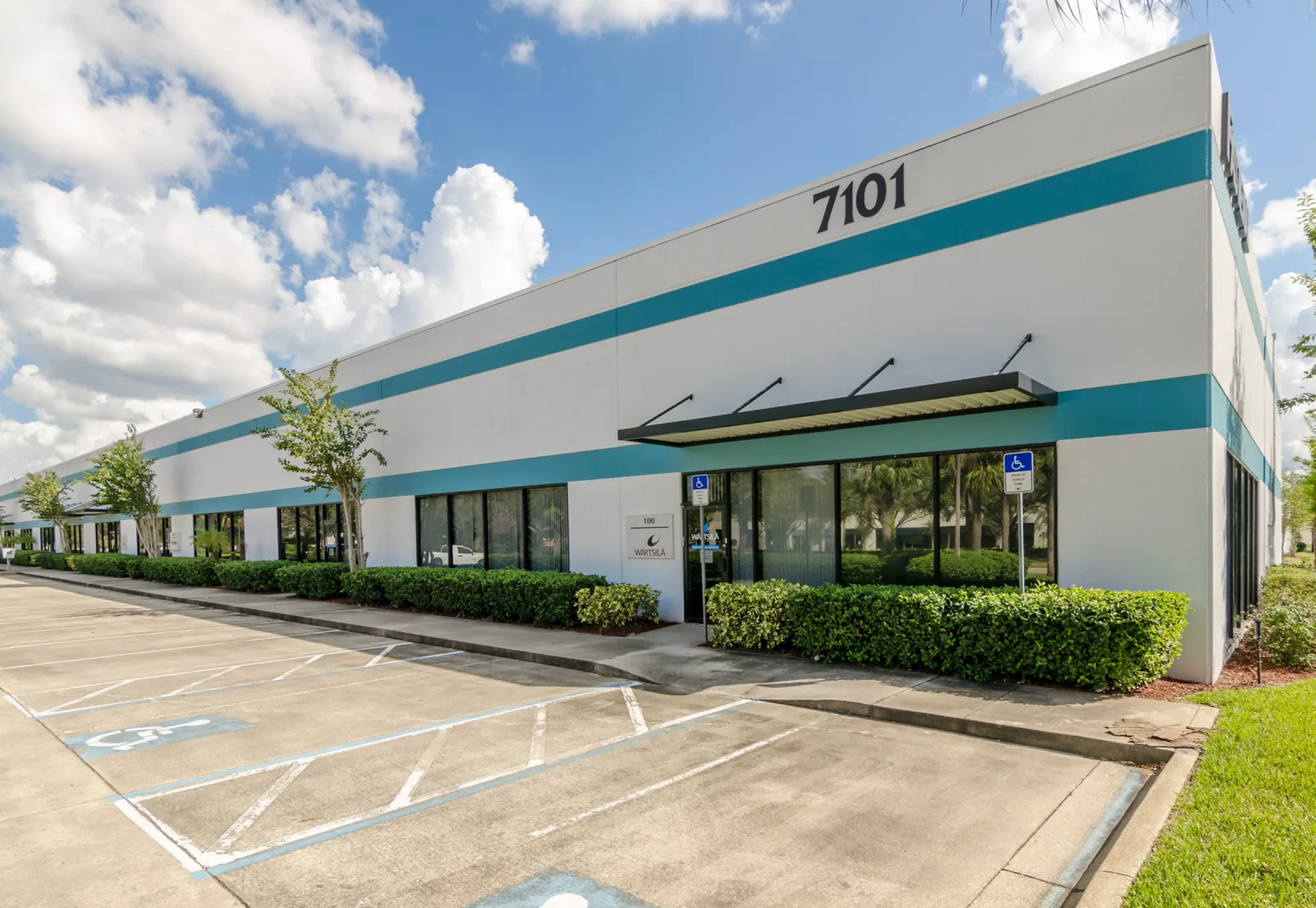
Roof Renewal Decisions and Work Planning
See how we handle it
Property Managers
Scope, sequence and repair notes
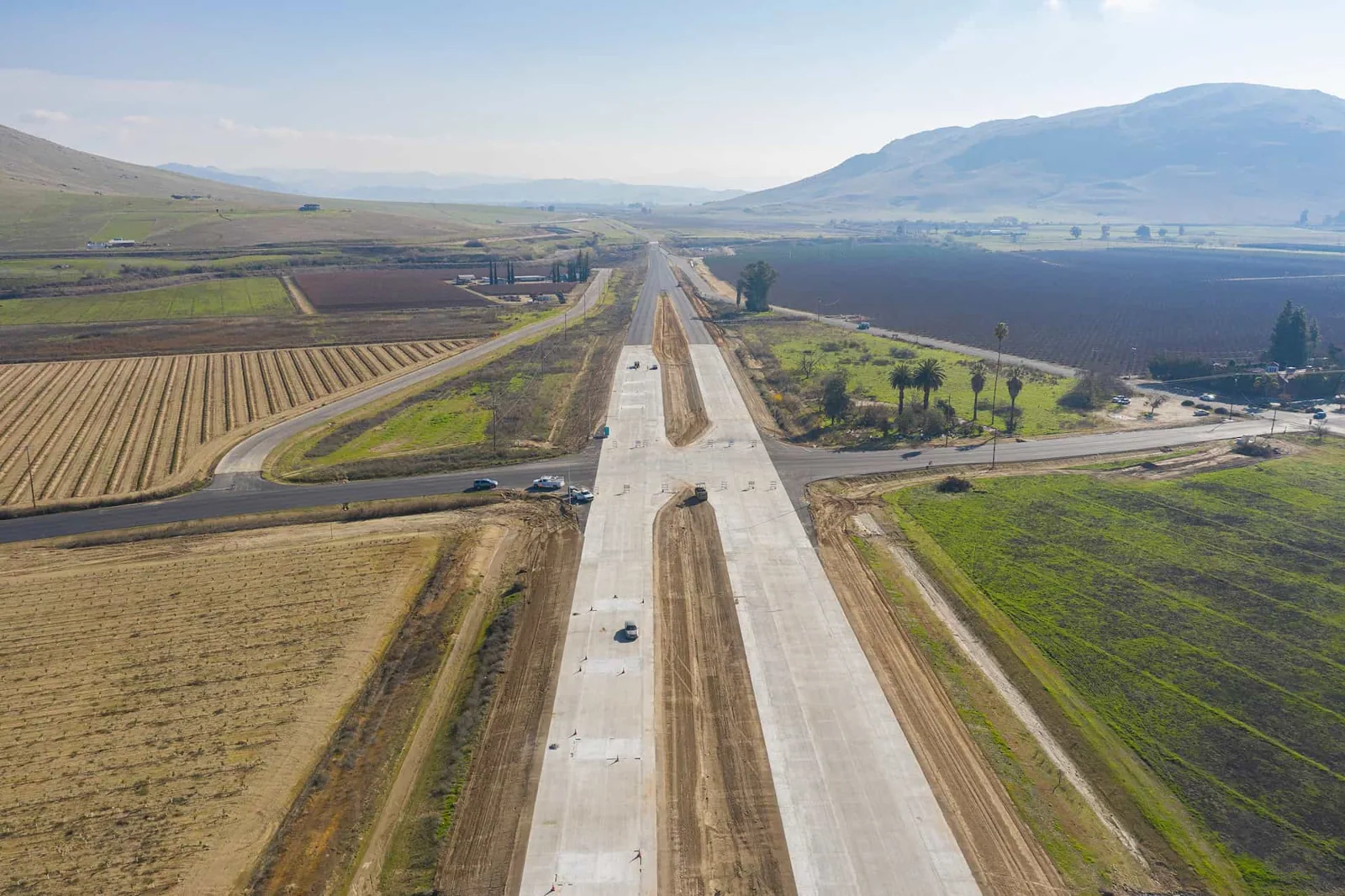
Shaw Avenue Corridor
Read the full page
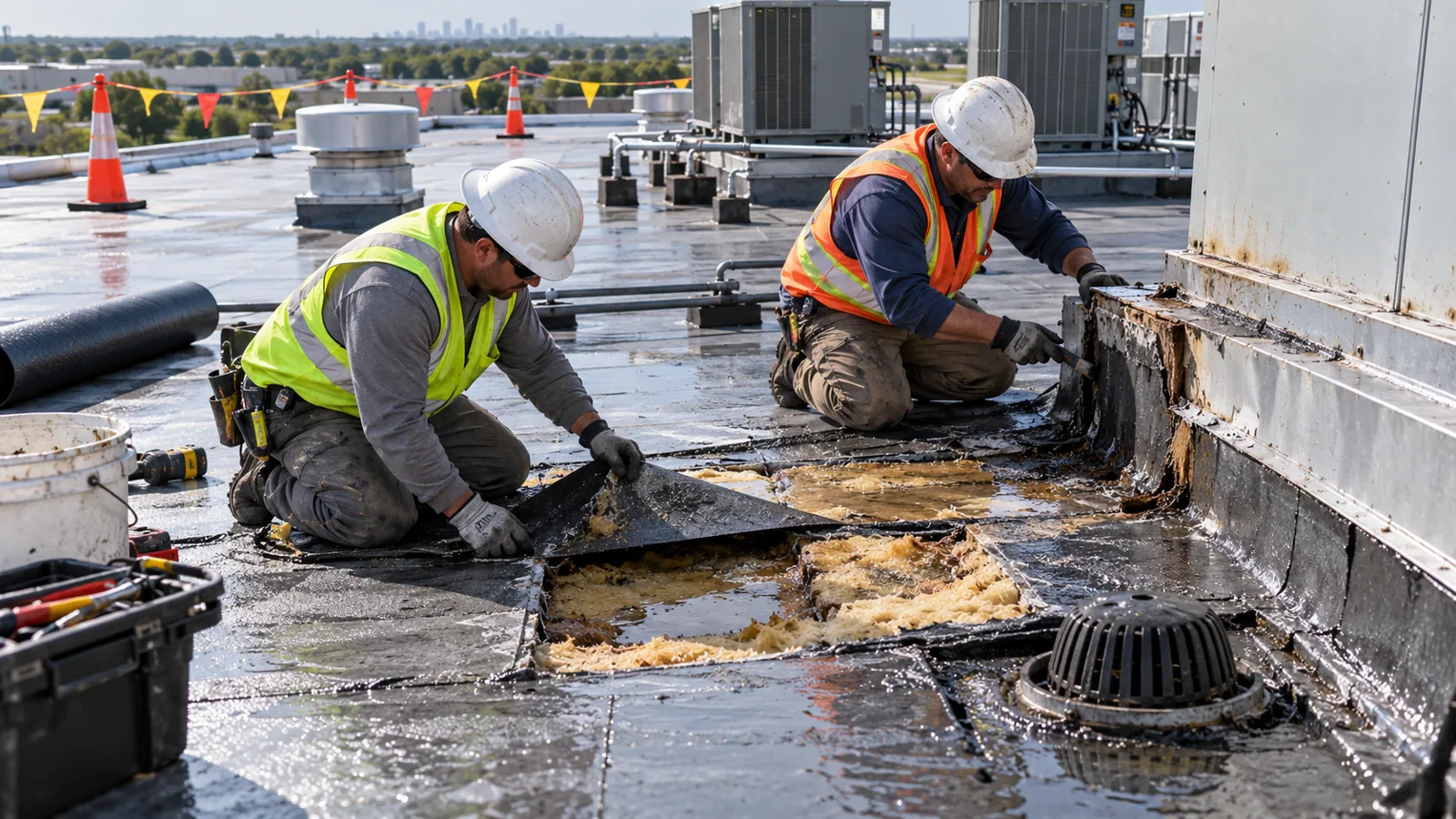
Commercial Roof Recover and Overlay
See how we handle it
General Contractors
Scope, sequence and repair notes