
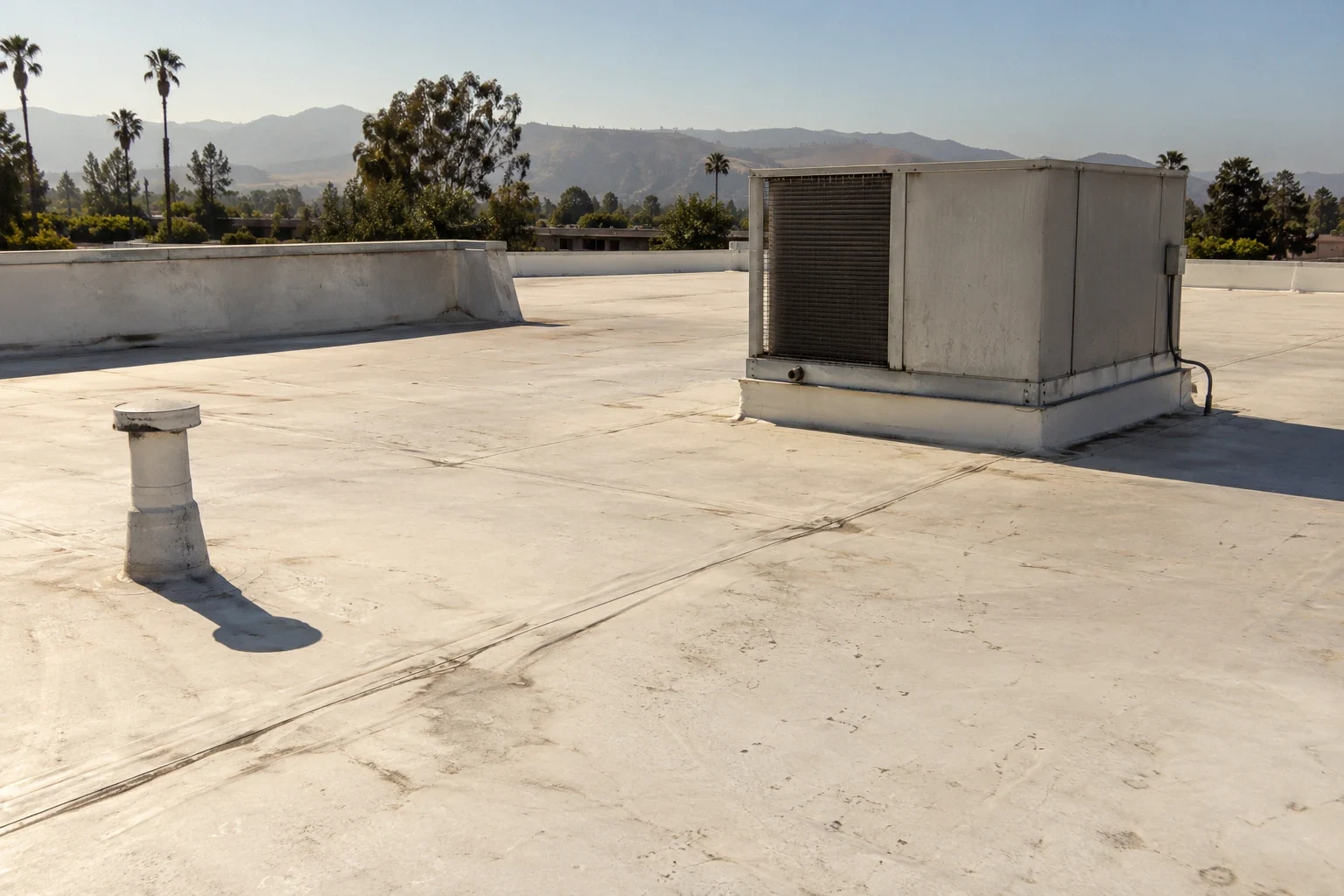
PVC Roof Corrections in Clovis at Seams and Curbs
Roof Systems
Water appearing beside a ceiling opening during winter rain could involve a PVC flashing connection, especially where the reported location aligns with rooftop equipment, but that relationship still needs investigation. We repair and renew PVC commercial roofs in Clovis, CA, beginning with safe access and the actual connection rather than deciding the repair from the room label. The operator identifies any equipment isolation or interior protection needed while we examine accessible covering, seams and transitions.
Central Valley tule fog can complicate preparation because a joining surface may remain damp after overnight cooling. The actual surface condition, not the season name, decides whether permanent joining can proceed. Fresno's July 2024 regional heat record provides another reason to review assembly condition without assigning a heat-caused defect. Clovis Community Medical Center on Herndon Avenue establishes a local healthcare identity, while the owner's subject building supplies the roof construction and work restrictions. Our examination of flashing at roof openings separates the covering connection from any equipment, glazing or wall task outside it.
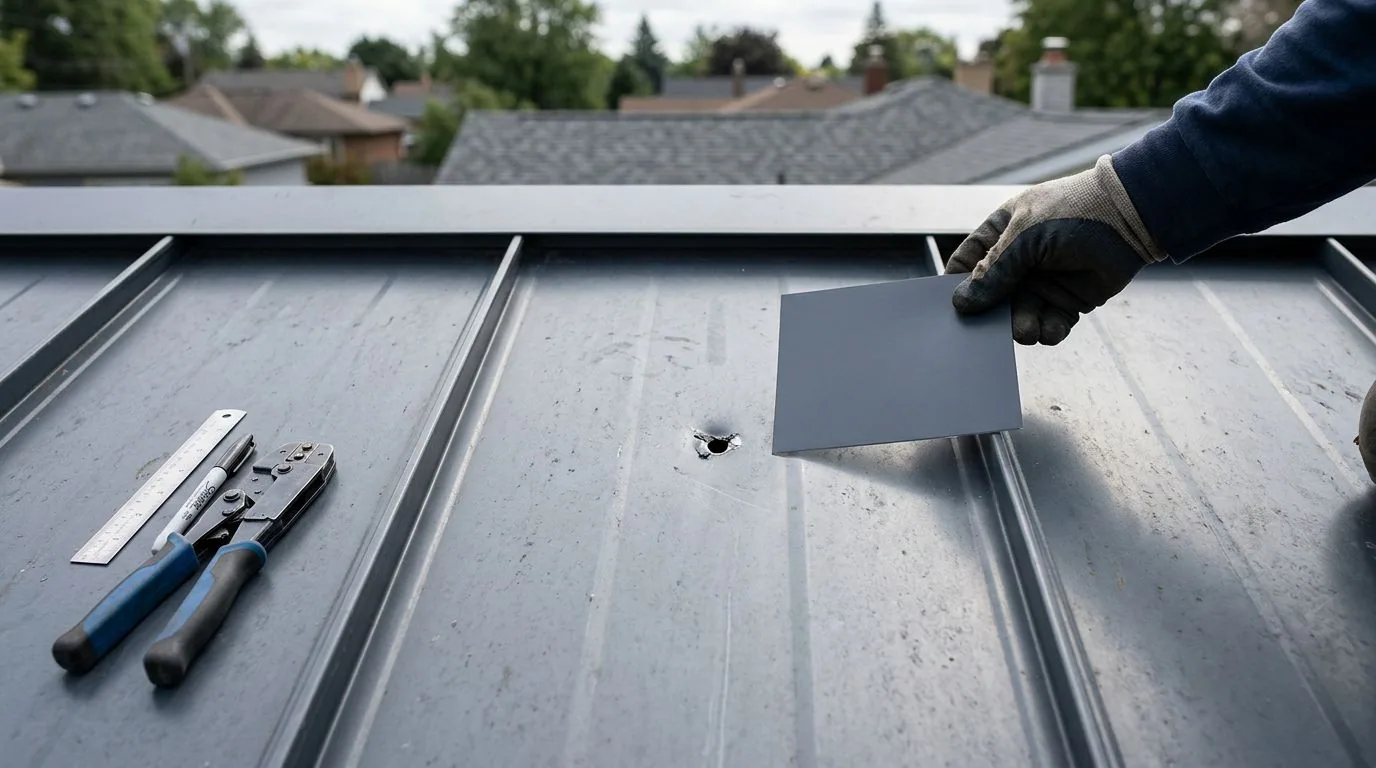
The exposed edge of a thermoplastic joint
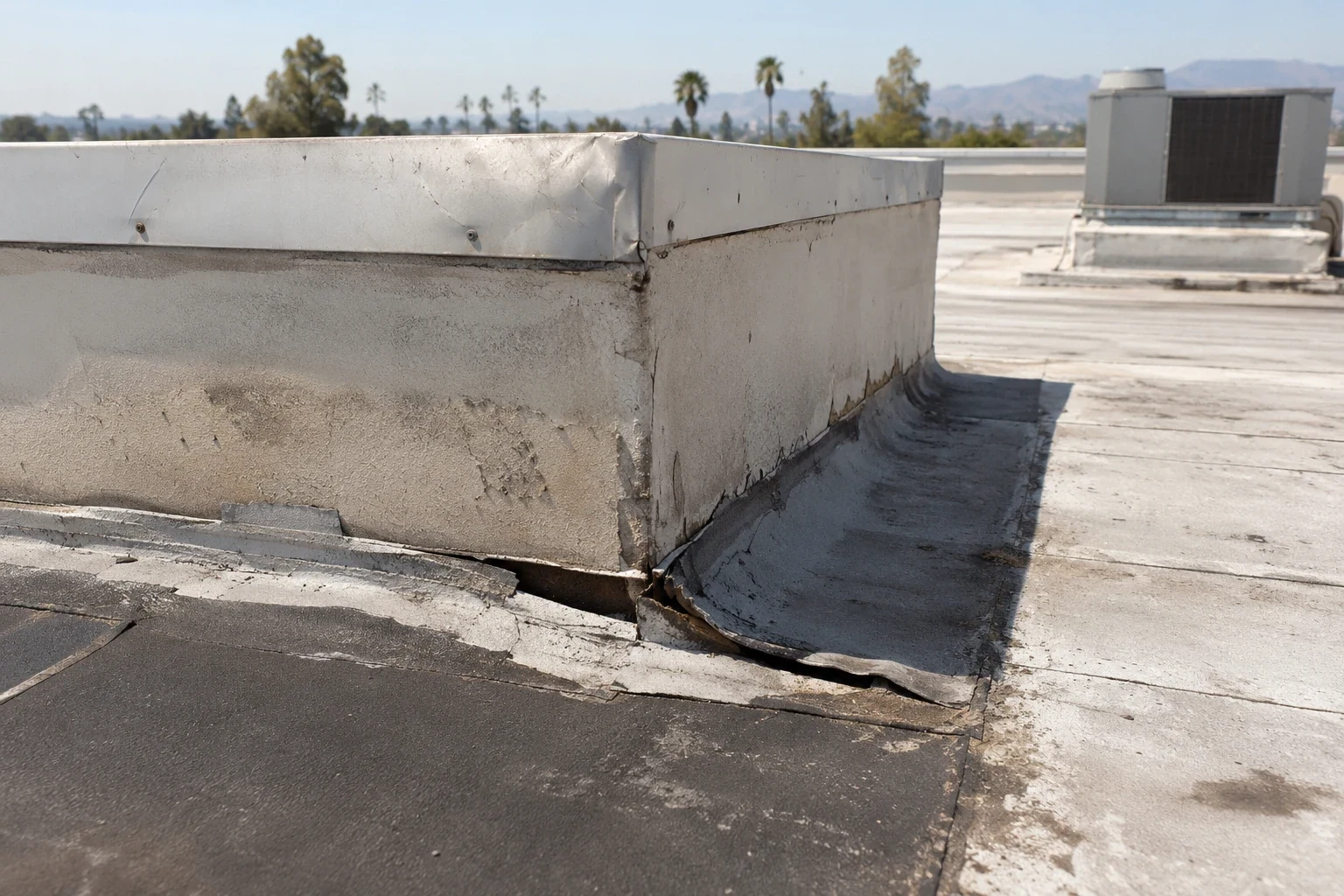
PVC roofing uses heat-welded connections, and the durable repair depends on identifying the existing material and preparing a suitable joining surface. A visible separation at a lap is an observation about that joint, not proof that all seams need replacement. We examine the sheet around the joint and the construction beneath it where accessible, since a damaged surrounding area may require a wider correction than the exposed opening suggests.
Old patch materials and contamination can limit the method available. Cleaning must follow the requirements of the proposed repair system, with test work where appropriate to establish whether a reliable joint can be achieved. For a curb, the change from horizontal roof to vertical flashing introduces corners and upper terminations that need separate attention. A field weld cannot settle a deficiency above it. We record the component involved and the removal needed to reach suitable construction. A correction at a flashing transition should show that complete boundary so the owner does not receive a price for the exposed seam while the actual transition remains unresolved.
The response before the assembly is opened
An owner reporting active entry needs to describe what is below the roof as well as where water is appearing. Occupied rooms, equipment and electrical concerns can change the protective action and the authorized access sequence. We respond to urgent roofing problems through evenings, weekends and holidays, with the field correction dependent on safe conditions. A dispatch discussion does not establish that the crew can perform a particular permanent repair immediately.
Where temporary protection is appropriate, its material and placement need to suit the existing covering and avoid creating a new drainage restriction. Record the temporary task separately and retain the follow-up needed for the permanent detail. If the roof cannot be entered safely, the immediate facility actions remain with the operator and qualified personnel. Owners managing a building near central Clovis should provide the actual access contact and any required trade coordination, rather than assuming proximity settles entry. The first assessment should narrow the physical problem, identify what is still concealed and establish the next safe step without promising a roof-wide diagnosis from a single interior report.
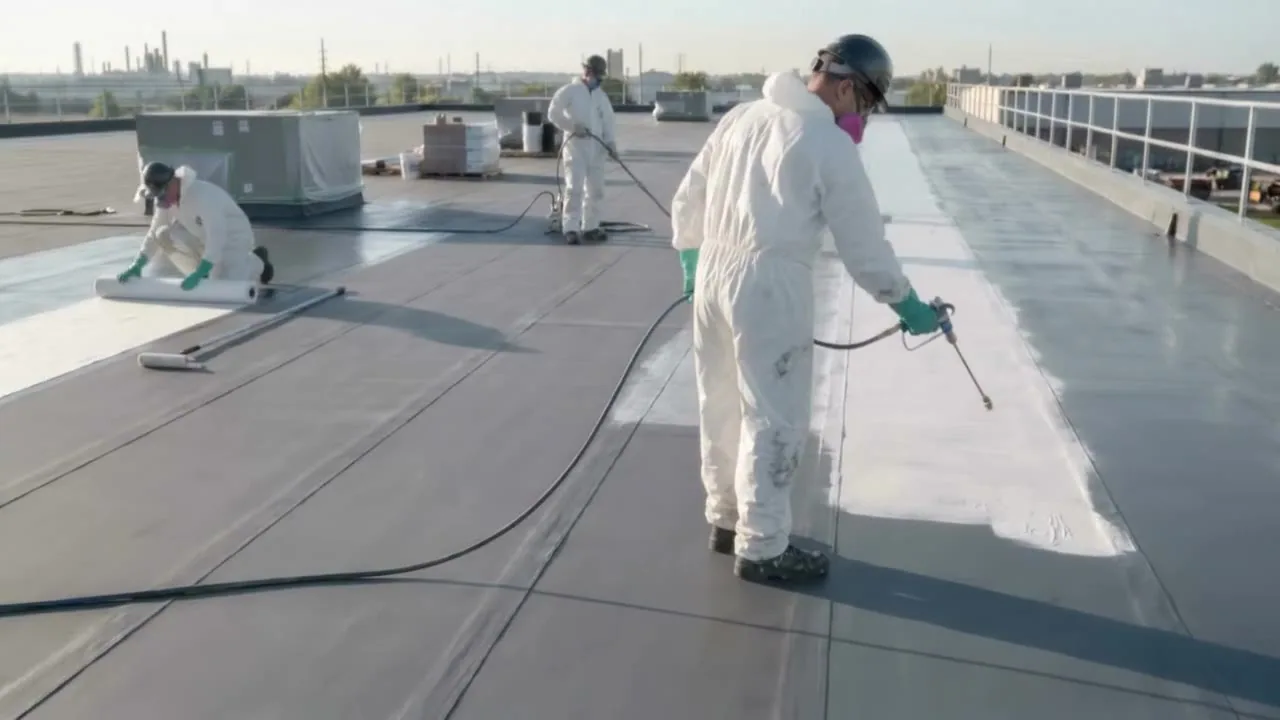
Equipment interfaces and contamination control
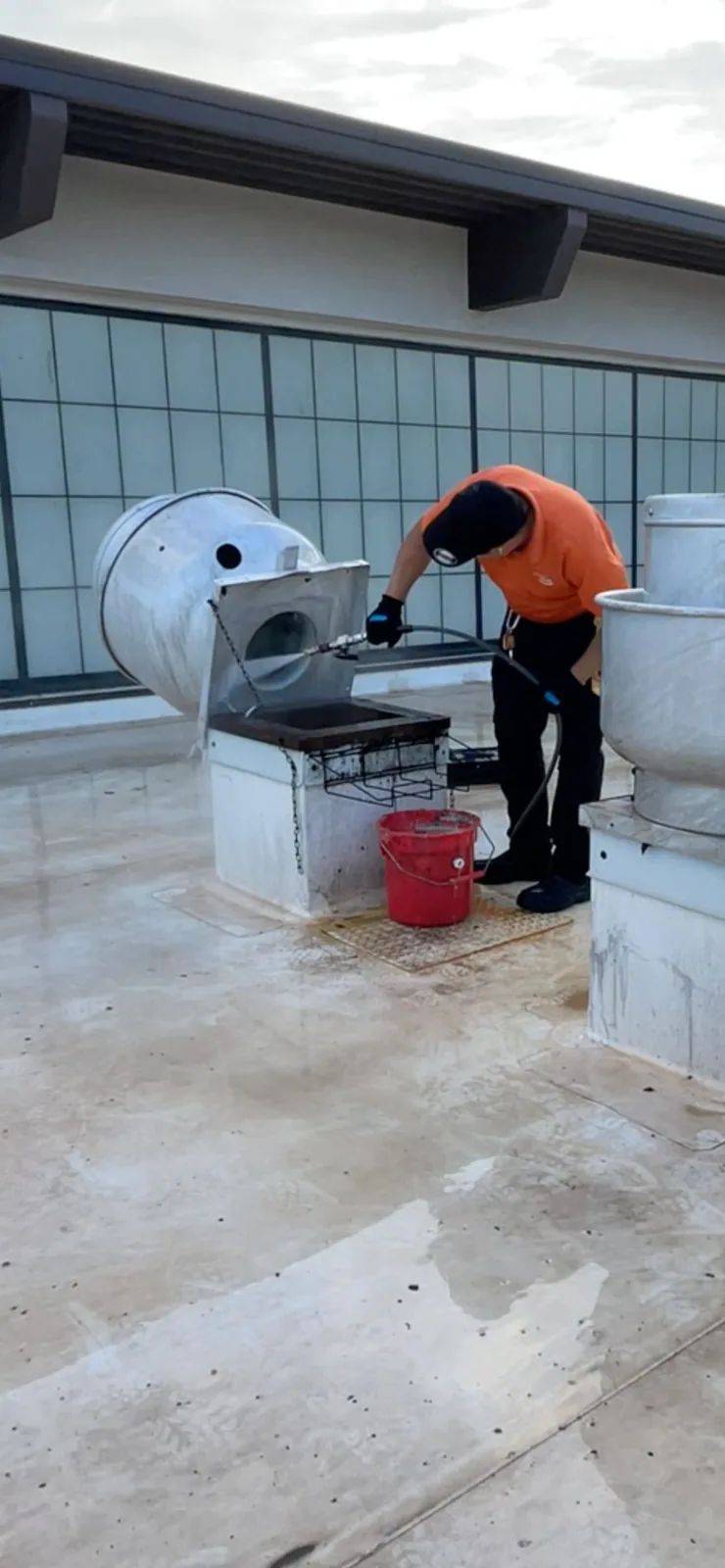
Some commercial roof surfaces receive residues from nearby equipment or processes, but building use alone does not establish what reaches a PVC sheet. We look for actual contamination and identify the material before selecting preparation. A compatible covering does not make an unidentified discharge acceptable. The equipment trade and operator must address a continuing source that could affect roofing or safe working conditions.
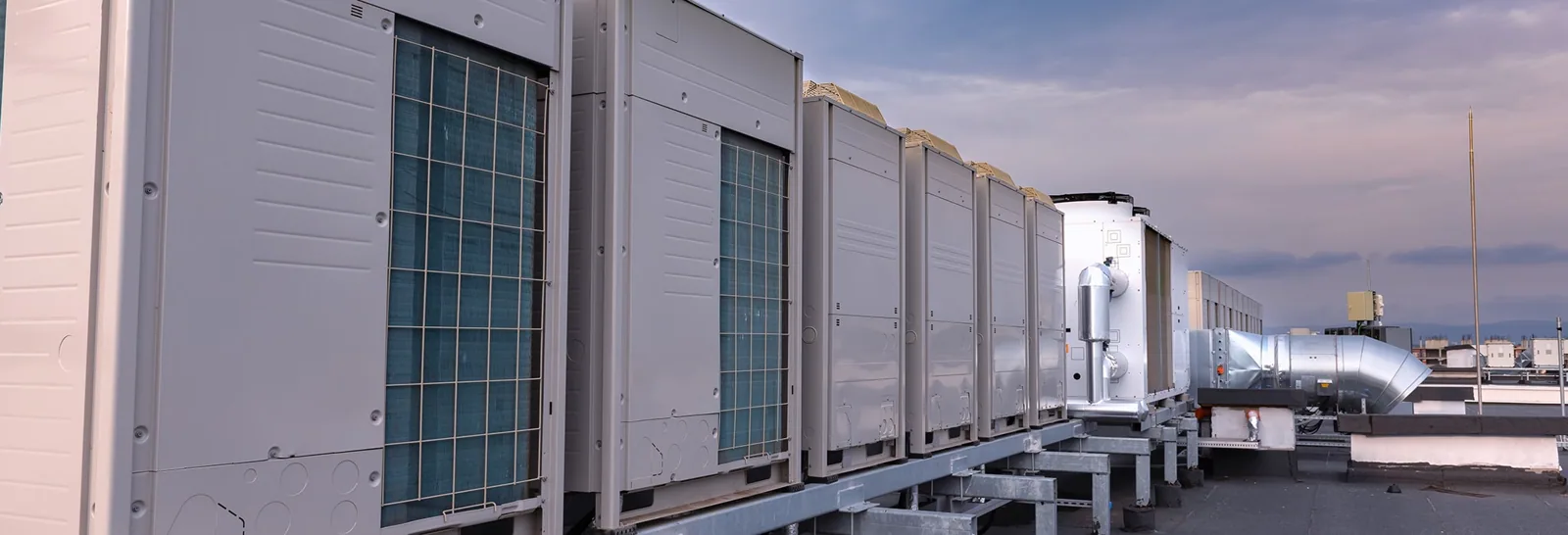
Where a unit must be lifted or serviced to complete its flashing, assign that dependency before the roof task starts. The estimate should distinguish equipment service from membrane preparation and reconstruction. For roof work at equipment curbs, visible dimensions help define the detail but do not establish structural adequacy of the support. Any needed engineering or specialist review comes ahead of construction. Protect the occupied space below authorized investigation openings and restore them appropriately. This order gives the owner a complete sequence, with the roofing work connected to the condition that prompted it rather than left dependent on an unpriced equipment task discovered during mobilization.
The decision between a repair and a new covering
The existing sheet's repairability and the concealed assembly determine whether a limited correction remains credible. Sound surrounding material can support a defined patch or reconstructed transition. Broader deterioration, confirmed moisture or unsuitable attachment may require another scope, but each needs evidence tied to its actual location. An apparently dry field cannot certify dry insulation, and one wet investigation point cannot establish the quantity across the entire building.
When renewal is supported, compare complete assemblies and detail requirements. TPO installation and KEE membrane construction are different options with their own compatibility and preparation requirements. Neither should be chosen solely because a current PVC joint has an unresolved defect. Include drainage, removal, substrate correction and edge work in the comparison. The owner should see what the investigation established, which requirements remain to be reviewed and how concealed changes will receive approval. A lower field-covering total can omit the transition work necessary for the new assembly to protect the same occupied space.
The installation conditions and the final handoff
Permanent PVC joining needs a controlled preparation and installation process under the applicable material requirements. Confirm the surface is suitable, assess the test work and review the completed detail. A scheduled appointment cannot overrule dampness, contamination or unsafe heat conditions. If the method cannot proceed, communicate the changed sequence and the temporary protection that remains, rather than quietly substituting another material whose compatibility has not been assessed.
The completed record should connect preparation, installed repair and acceptance checks to a marked location. Keep product information and actual warranty obligations with the roof file, especially where equipment maintenance may later disturb a corrected curb. Separate any outstanding equipment or interior task from roof completion. A future complaint should use the existing record to guide investigation without assuming the same path or a new failure across the whole roof. Planned maintenance can examine accessible joints and outlets and identify alterations needing attention, while concealed limitations stay visible. The owner leaves with a defined disposition rather than an open instruction to keep watching a ceiling.
PVC membranes may encounter grease, oils or cleaning products that alter the surface near food service and mechanical discharge areas. During an evaluation, note those exposures alongside seams, flashings and drainage rather than attributing every split to age. A repair should use compatible material and an approved cleaning and welding sequence; a quick patch over residue can fail at its edge. If the source of a contaminant is still active, coordinate correction with the responsible operator or trade before completing the permanent detail. Document the affected area and any operating condition that remains unresolved.
Commercial Roofing Questions
Does PVC tolerate every rooftop discharge?
The actual substance and system requirements control compatibility. Identify contamination and address its continuing source before repairing the affected surface.
Can an old patch simply be welded over?
The joining surface must support the proposed method. Existing repair material may need removal, preparation or another compatible detail.
Who moves equipment for curb work?
Authorized equipment personnel control that task. The roof proposal identifies the dependency and the roofing connection separately.
Should a single wet core set the full removal area?
Mapped investigation establishes extent. One finding confirms its location but does not measure the entire assembly.
Does winter fog cancel the permanent repair?
Actual dryness and application conditions govern release. The date can remain planned while the joining surface receives the required assessment.
Tell us where the PVC connection sits
Describe the water location, equipment nearby and prior roof alterations. We will assess safe access, temporary protection if needed and the permanent connection method.
Related Pages
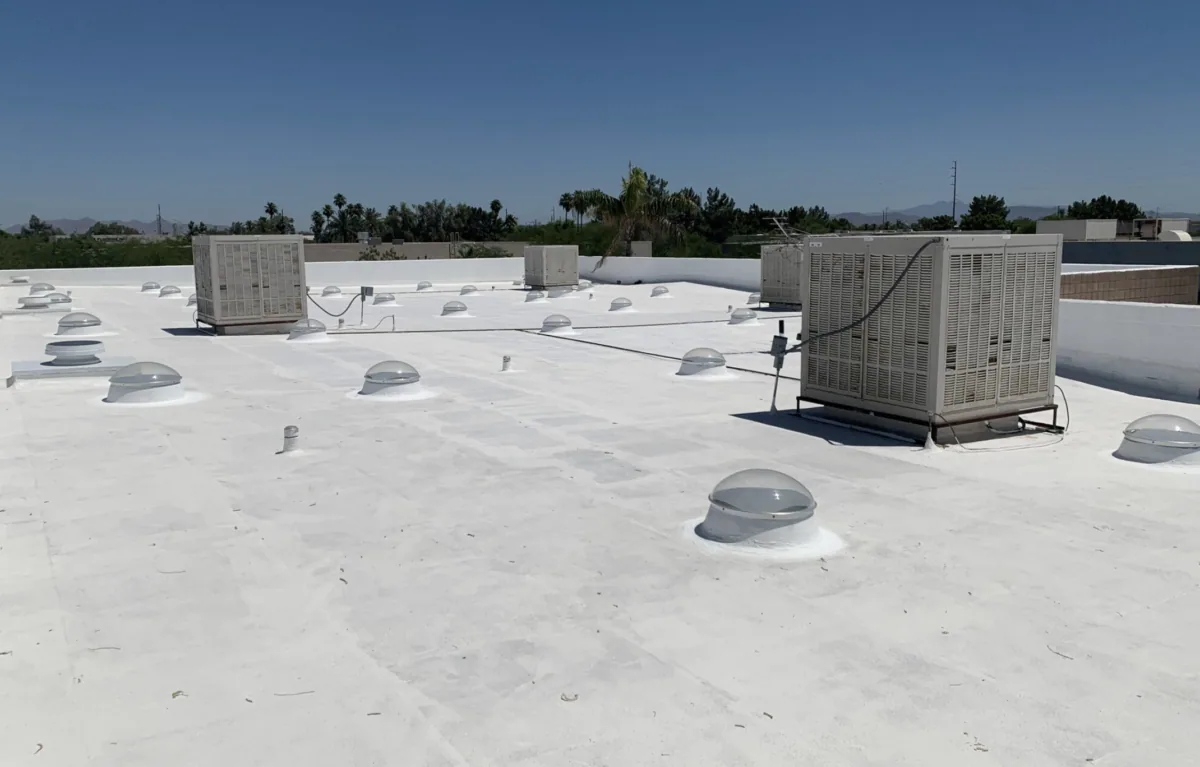
Skylight and Penetration Flashing
Read the full page
Flashing Failure Investigation in Clovis at Roof Transitions
See how we handle it
Clovis
Scope, sequence and repair notes
Rooftop Equipment Curbs and Supports
Read the full page
TPO Roof Repair in Clovis After a New Drip
See how we handle it
KEE Membrane Work in Clovis After Water Entry
Scope, sequence and repair notes