Emergency Commercial Roof Repair in Clovis, CA
Commercial Roofing Services
A spreading ceiling wet spot during an overnight winter storm can turn a routine building shift into a loss-control decision. At a Clovis, CA property, the immediate questions are where the water is reaching, whether people or equipment are exposed and whether the roof can be approached safely. We receive emergency roof requests around the clock, including weekends and holidays, and establish the reported hazard and access before arranging the response. Temporary protection is considered where the conditions allow useful work; the permanent repair follows the roof assessment rather than being promised before anyone has seen the damage.
The interior hazard before roof access
Water near electrical equipment, a sagging ceiling or falling material requires control of the affected space before anyone works beneath it. The building's responsible personnel should restrict entry and bring in the appropriate qualified trade for electrical or structural concerns. We coordinate the roof work with those actions, asking what sits below the affected area and what can be moved or protected safely. A roofer sealing an opening overhead does not remove a separate hazard inside the room, so both parts of the response need an assigned contact.
For a cold-storage building with vulnerable contents, the operating team may need to address product conditions and refrigeration separately from the roof. A warm room or moisture symptom does not establish a roofing cause by itself. We identify what the owner has observed and investigate the roof where the evidence points, while mechanical or process personnel handle their systems. That division keeps urgent work directed at the actual problems instead of allowing a roof call to stand in for every building issue.
The approach to the damaged area
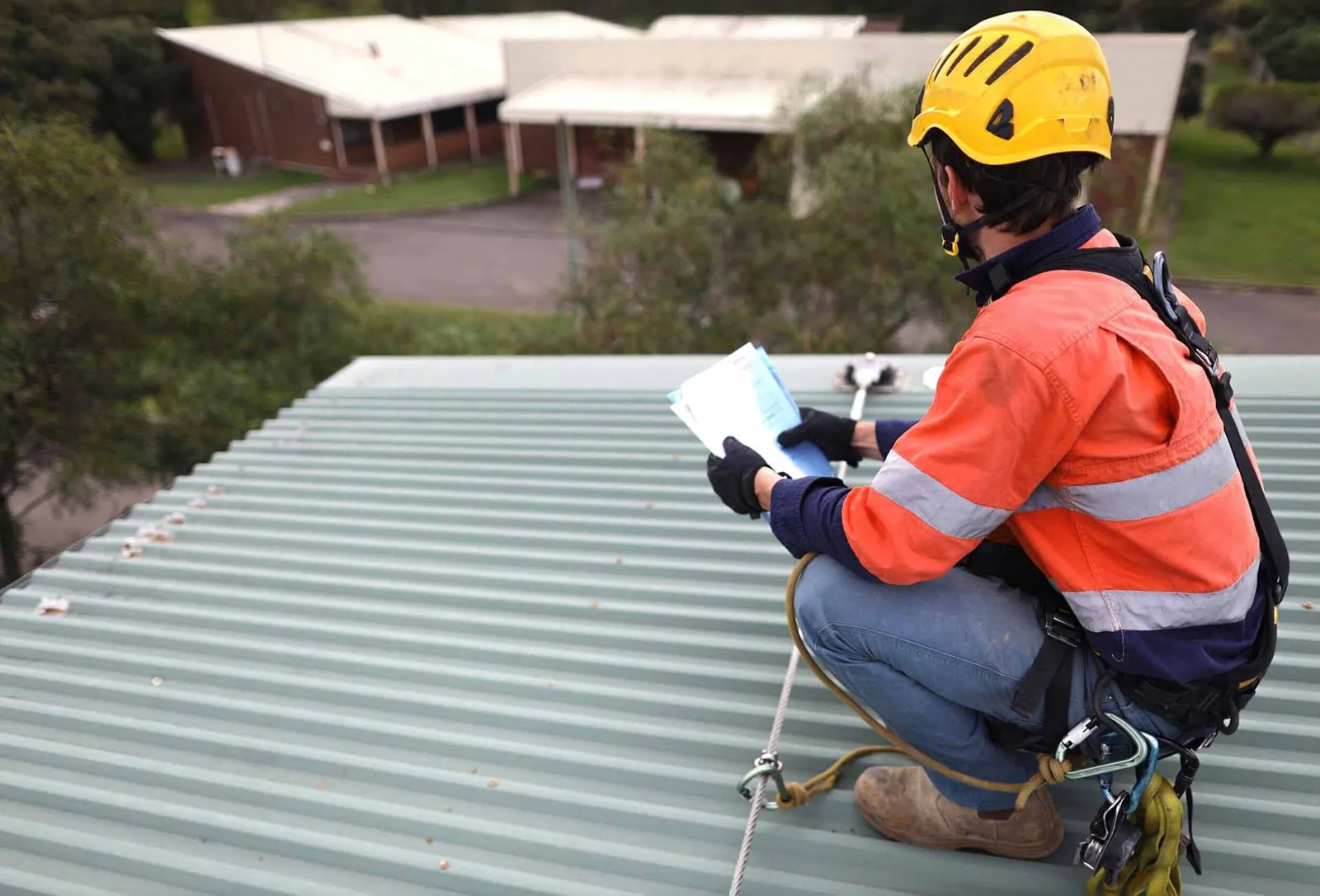
A loose edge, debris-covered surface or unstable deck can prevent a direct approach to the apparent opening. We establish a safe route, identify hazards and assess whether roof access is suitable under the present weather. Lightning, wind, limited visibility and surface conditions can change that decision. Remote observations may help establish the extent of visible damage, but they do not clear a suspect deck for foot traffic. The owner should expect an explanation of the access limitation and the feasible next step.
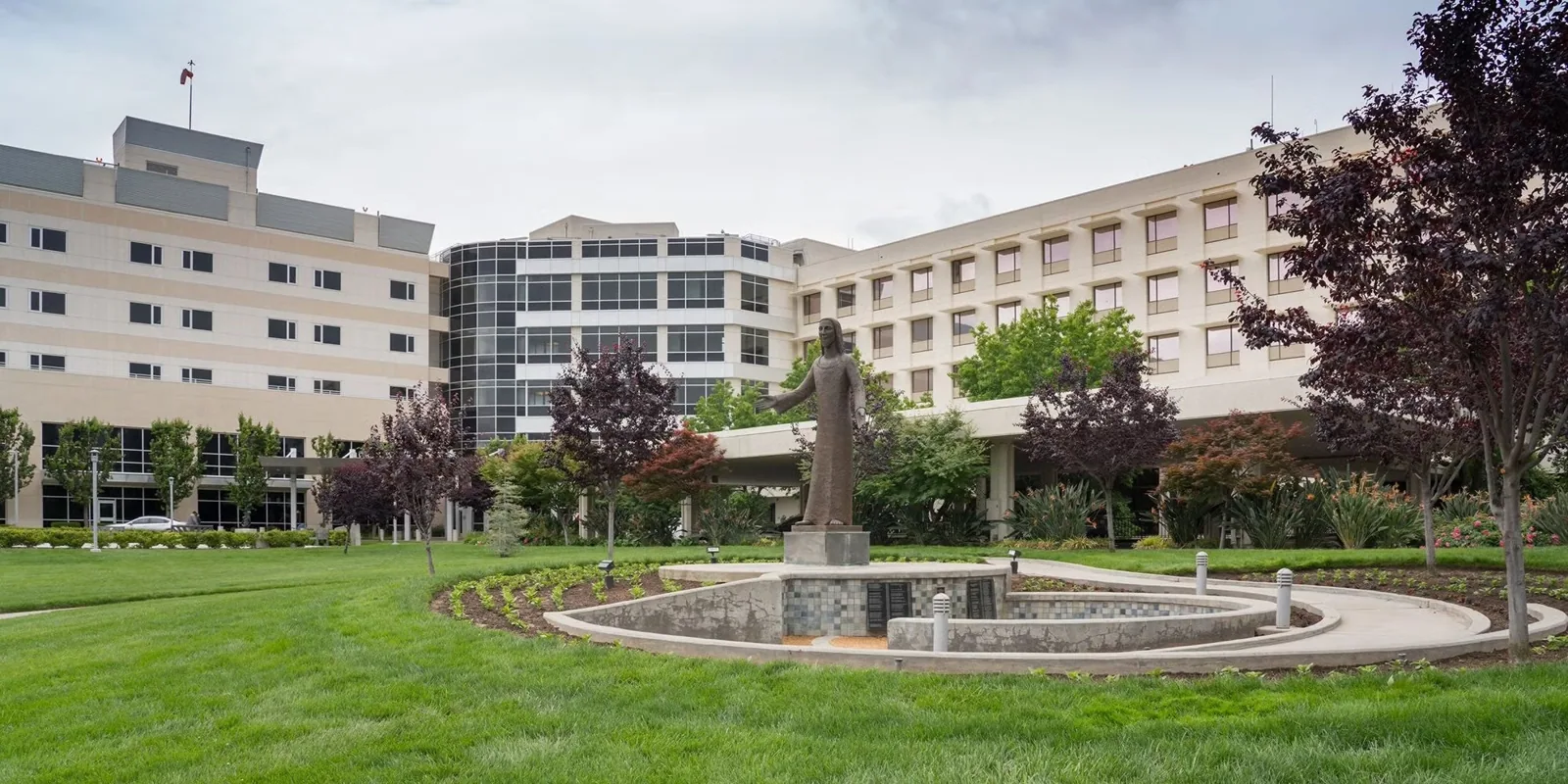
Clovis Community Medical Center on Herndon Avenue is a local example of a healthcare setting where building access and operating coordination matter alongside the roof assessment. The specific facility's procedures govern its response. For commercial properties near the Herndon medical district, we ask for the appropriate building contact and affected room information rather than infer the restrictions from the location. Access permission, roof condition and active hazards remain separate questions that must be resolved together.
The temporary protection that conditions allow
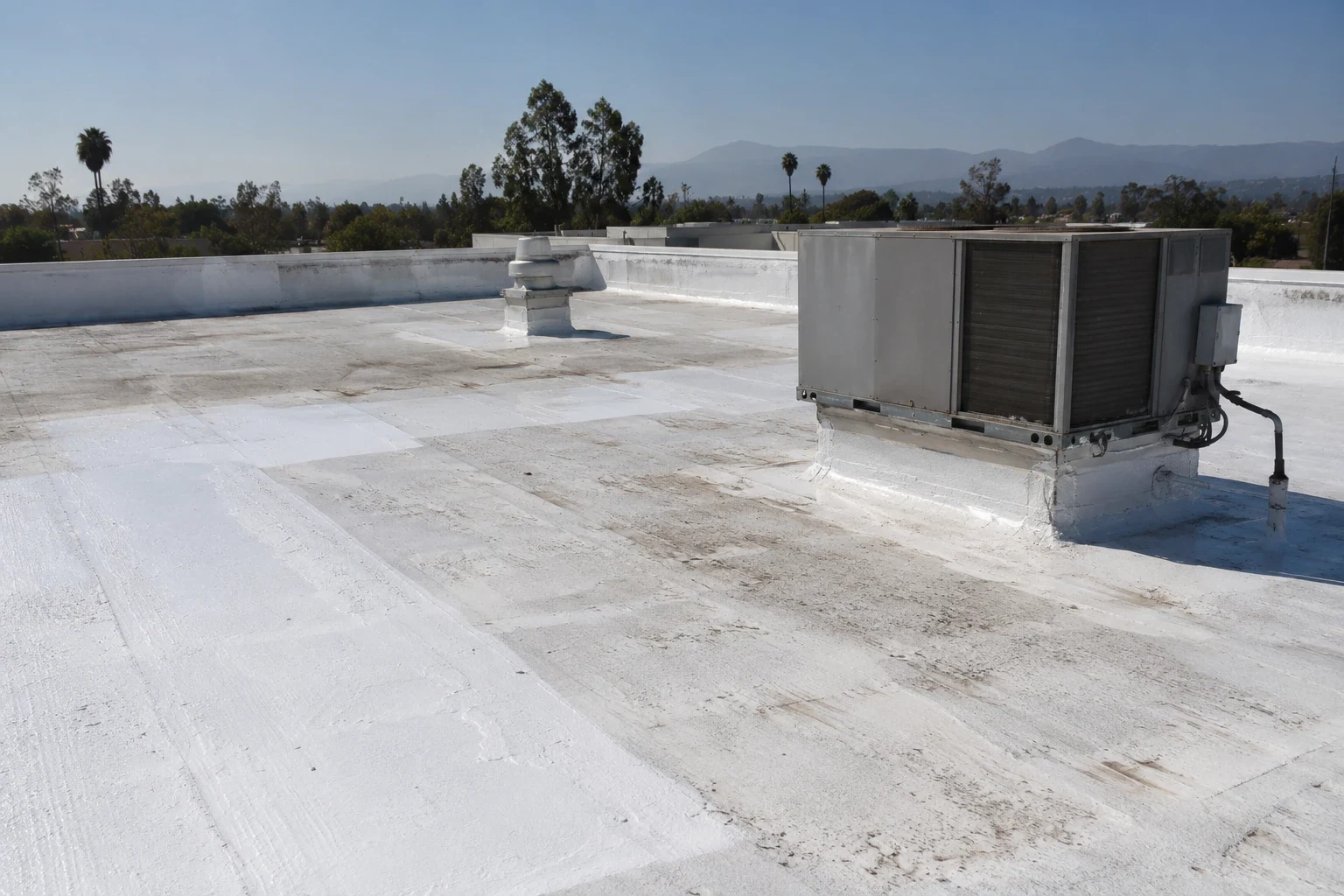
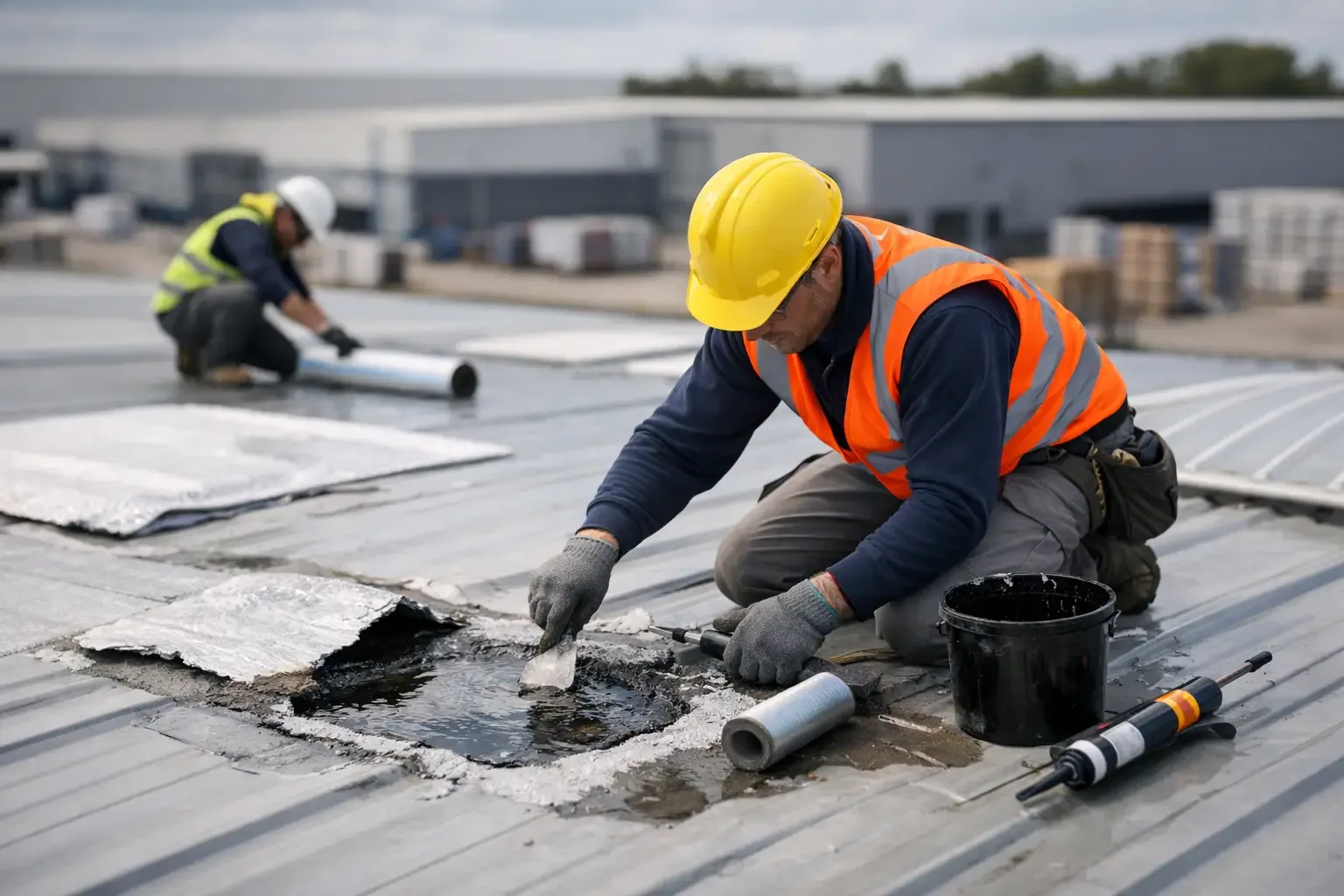
A reachable opening on a suitable surface may accept a compatible temporary closure, while damaged perimeter material may require securing or limited removal before it can be covered. The selected measure must suit the roof type and the weather exposure. Temporary work should not block drainage, place loads on an unassessed area or attach protection through unrelated vulnerable components. We explain what the measure addresses, its limitations and the permanent work likely to follow, including any preparation needed to remove temporary materials correctly.
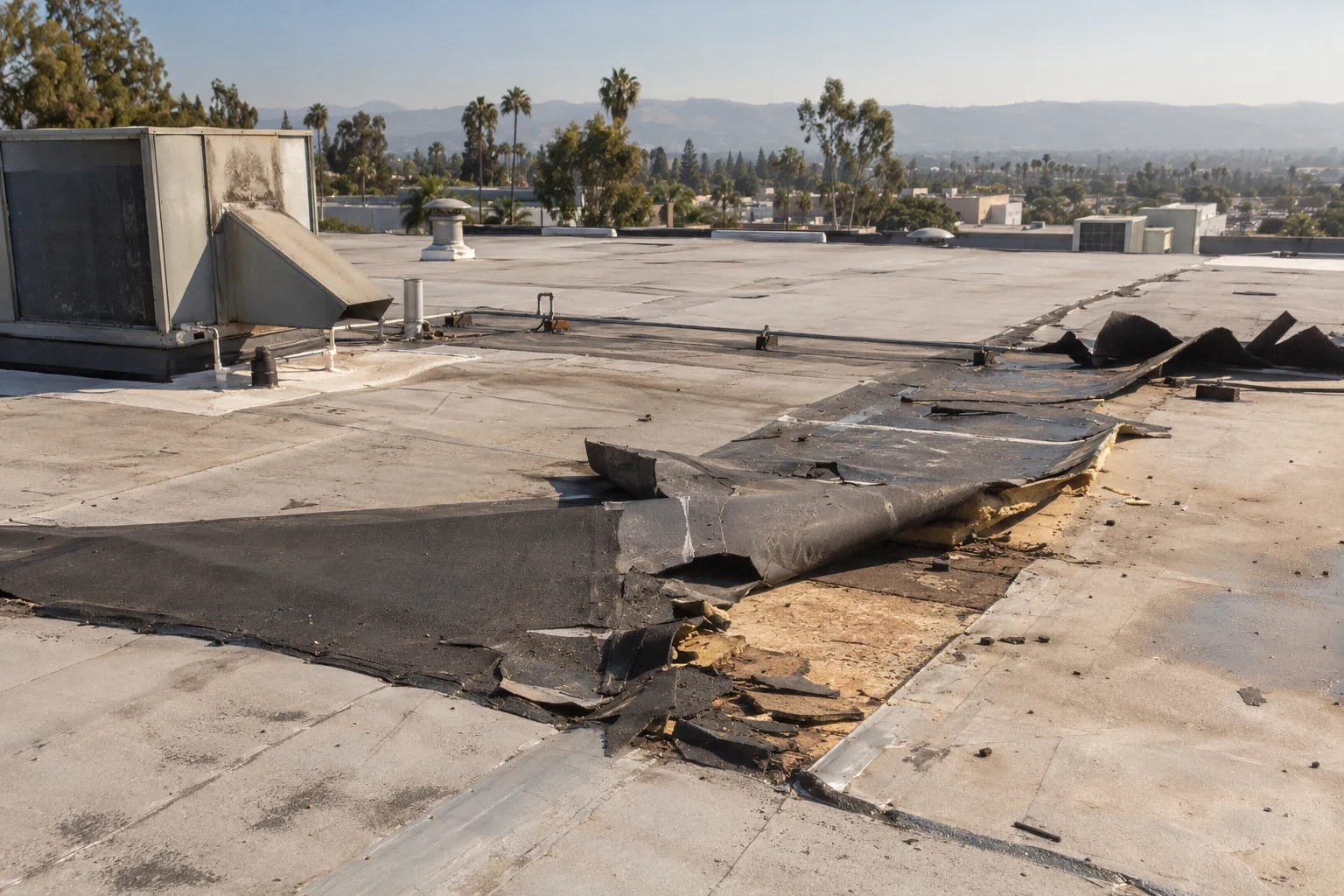
A wind-damaged perimeter or lifted covering needs examination beyond the visible flap, because the adjacent attachment may have been affected. A wide field opening and a failed curb seal call for different measures. If the roof cannot be worked safely, we coordinate the available interior loss control with the building contact and reassess access as conditions change. A call for help establishes urgency; the actual conditions establish what can be accomplished on the roof.
The entry diagnosis during a storm
Several wet ceiling locations can share a roof entry or arise from separate openings. We record the reported pattern, inspect the reachable details and avoid assigning all water to the first visible defect. A drain restriction can raise water against a marginal connection, while a wall or equipment problem may require another trade. Investigation of the active leak path continues after temporary containment if the initial access or rainfall obscures the mechanism.
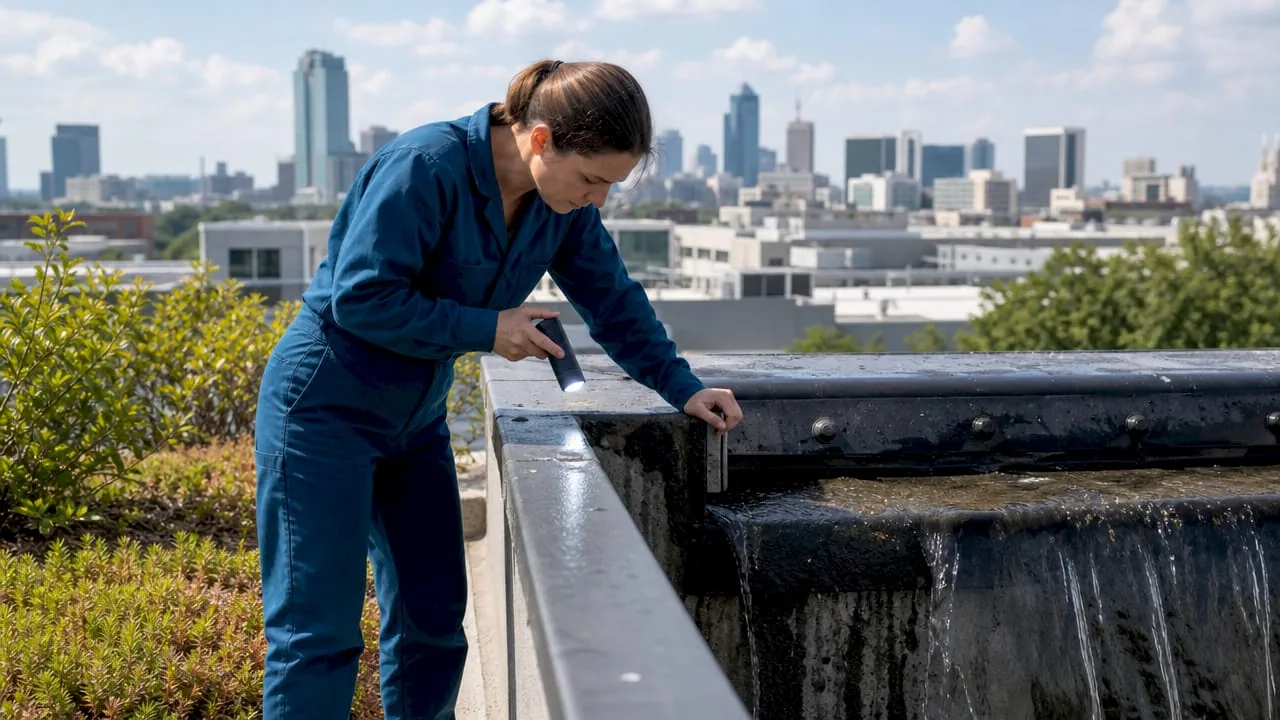
A blocked outlet also requires care. Clearing roof debris may improve flow, but it does not establish that concealed piping is open or that the drain connection is intact. Roof outlet and scupper work may need coordination with plumbing when a restriction lies beyond the roof assembly. We assess the connection and water route before describing drainage as restored, and we keep testing proportionate to the risk of adding water above occupied space.
The heat response and winter visibility
Fresno experienced 26 triple-digit days in July 2024, a month whose mean temperature reached 90.0 F. The regional heat record matters for Clovis emergency planning because roof access, material use and personnel protection still need to be evaluated during a hot afternoon. It does not prove that an individual membrane split came from that month. We assess the failed component and its support, then select a workable temporary or permanent method against the surface conditions and the extent of damage.
Central Valley winter tule fog can develop after sunset, become thickest before dawn and thin with daytime warming. Reduced visibility and roof dampness are conditions to examine, not a reason to assume every nearby roof is inaccessible or unsuitable. We assess the actual route and surface, and permanent application waits when the chosen material requires conditions the roof does not yet provide. The follow-up arrangement should account for that preparation instead of treating an emergency closure as a finished repair.
The return to a complete assembly
A temporary patch can hide the underlying moisture question if the follow-up stops at a dry ceiling. We examine damaged layers and attachment as warranted, defining what must be removed and what can support the permanent repair. A built-up roof with damaged plies requires a repair suited to that layered construction, while other coverings need their own compatible connections. The lasting work reconnects the assembly and addresses the cause that the investigation established.
Photographs, locations and a written description help the owner separate the initial hazard, emergency protection and remaining permanent tasks. Recorded roof findings after urgent work preserve any access limitations and suspected concealed damage that still need assessment. We explain the next authorization needed, including other trades or design input where appropriate. Emergency response is complete only within its stated scope; the owner should know which conditions were corrected and which require the scheduled follow-up.
Commercial Roofing Questions
Can we stay beneath a wet ceiling while waiting for roof help?
Ceiling stability and electrical exposure govern the use of that area. Restrict access where there is sagging material or water near electrical components, and involve the appropriate qualified personnel. Roof work does not replace interior hazard control.
Will the emergency visit include the final membrane repair?
Suitable access and application conditions may permit permanent work, but they need assessment first. Rain, wet material, hidden damage or limited investigation can make temporary protection the appropriate initial scope. We explain the remaining work rather than assume both stages can be completed together.
What changes when the roof covering is visibly lifting?
Adjacent attachment needs examination as well as the loose area. We assess whether the route and work are safe, then choose protection or securing suited to the assembly. Do not enter the roof simply to hold down material or inspect an unstable edge.
How should the overnight building contact describe the problem?
The affected room, water progression and visible hazards provide the useful starting information. Include the address, access contact and any safe interior photographs. Avoid climbing onto the roof to improve the description during hazardous conditions.
Does a dry morning mean the temporary protection can stay indefinitely?
The purpose of the measure and the underlying damage limit how it should be used. Dry interior conditions can show reduced entry, while moisture and material damage remain unresolved. We establish the permanent correction and reassessment needed after the initial response.
Describe the current hazard and access contact
Call at any hour with the address, the affected space and what has changed during the event. We will assess the immediate response needs, feasible protection and the follow-up required to restore the roof assembly.
Related Pages
Cold Storage Roof Investigation Before Assembly Repair
Read the full page
Herndon Medical District
See how we handle it
Wind Damage and Roof Edge Repairs
Scope, sequence and repair notes
Commercial Roof Leak Repair
Read the full page
Roof Drains and Scuppers
See how we handle it
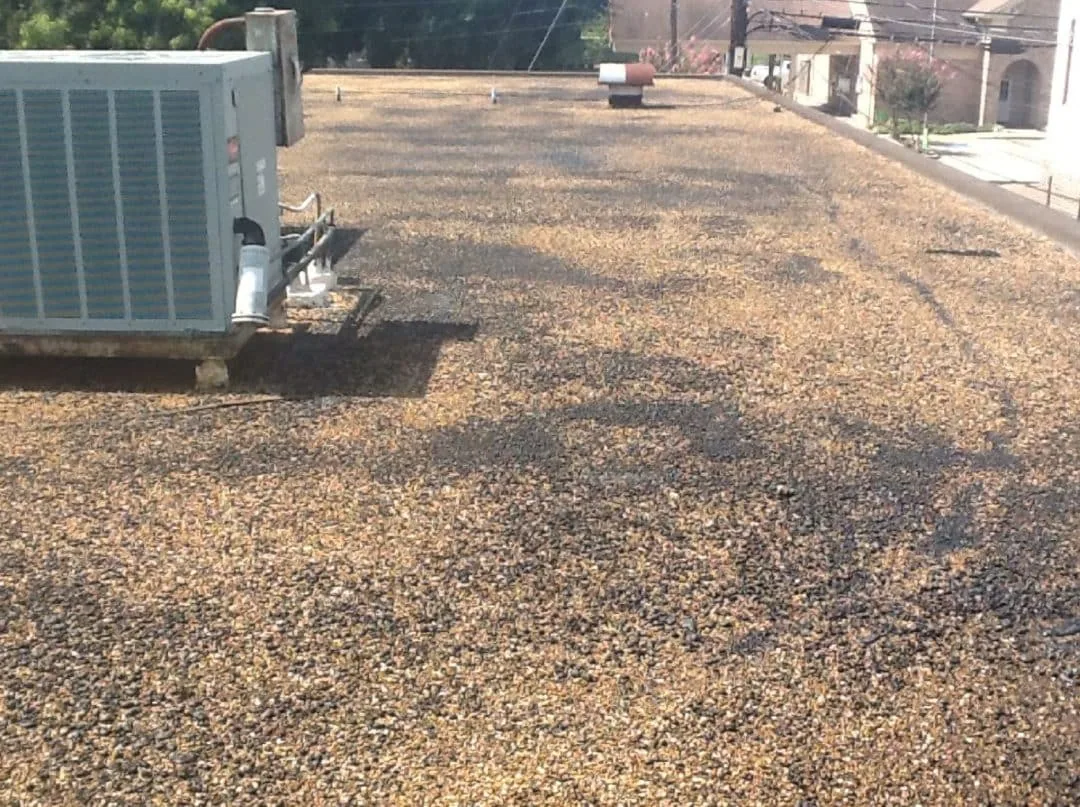
Built-Up Roof Investigation in Clovis Beneath the Surfacing
Scope, sequence and repair notes