
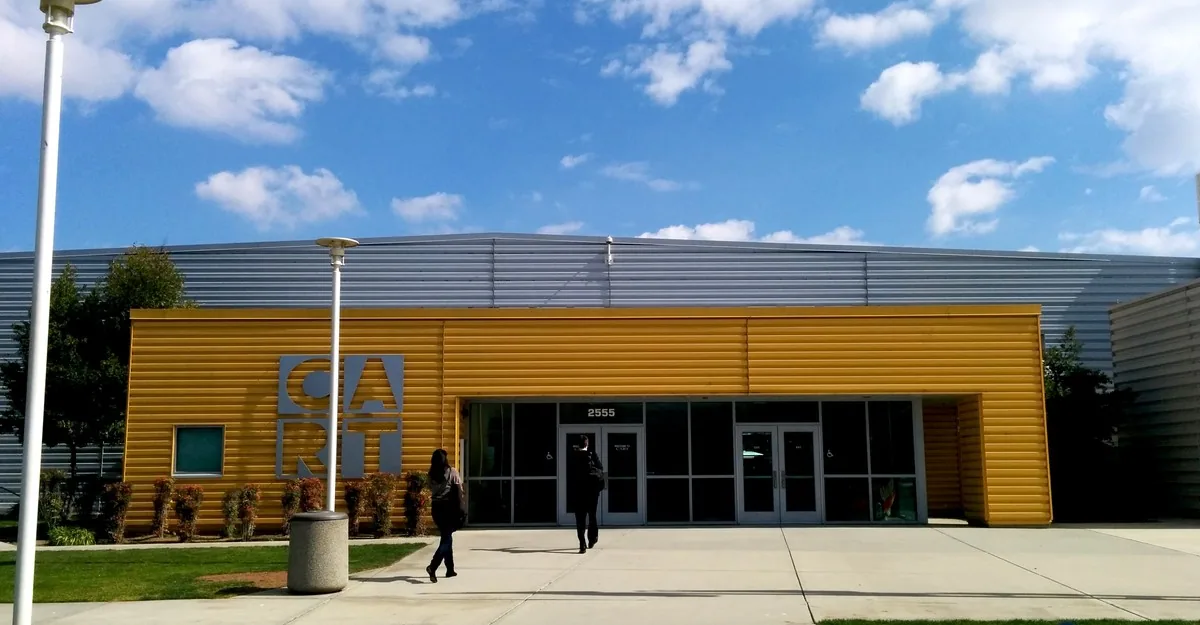
Commercial Roofing in Clovis Research and Technology Park, CA
Service Areas
Commercial roofing for a building in the Clovis Research and Technology Park area begins with the actual assembly, the work beneath it and the authority to open it. We investigate leaks, repair membrane and metal details, and plan replacement where the existing layers cannot carry reliable repairs. The park expansion record identifies a proposed area at Temperance Avenue, Nees Avenue and State Route 168 in Clovis, CA, with proposed manufacturing, assembly, research and business-service uses. Those planning distinctions matter to the access conversation: a roof assignment needs the current operator to describe the rooms, equipment and processes affected, rather than letting a district name stand in for the building conditions.
The process beneath a suspected opening
A drip over an equipment room needs a different containment discussion from water reaching an unoccupied storage bay, even if the rooftop opening has the same dimensions. We establish what sits beneath the suspect area and ask the operator to identify equipment that cannot tolerate water, dust or interruption. Interior protection and access are agreed before the roof is opened. Roof work for mixed commercial and industrial space then follows the actual separation of rooms and operations rather than a generalized description of the district.
The historic expansion record describes proposed uses, while an assigned property supplies its own current operating requirements. We confirm who controls the roof hatch, who can authorize temporary equipment isolation and which paths must stay clear. Where the roof failure is active, an initial closure may be the appropriate limited task; where the material is dry and accessible, investigation can establish a fuller repair boundary. In either case, the operating contact should know which activity addresses immediate loss and which remains to be evaluated.
Thermal movement at equipment interfaces
Fresno had 26 triple-digit days during July 2024 and a monthly mean temperature of 90.0 F. For a roof near Temperance and Nees, that regional history puts sustained heat exposure into the inspection discussion, particularly at a membrane connection to a stiff equipment curb. We examine the way the materials meet, including the termination and any earlier repair. Movement can reveal a weak connection, but the actual condition must support the diagnosis before a new flashing detail is selected.
A rooftop equipment change can leave a penetration or support outside the original waterproofing arrangement. We ask for information about the change and examine the surrounding field so the repair includes sound attachment and a workable transition. Curbs and equipment support details need coordination with the mechanical trade where equipment has to be moved or disconnected. Roofing should close the exposure at the correct stage, with the equipment connection checked before the operator resumes the affected process.
The inspection route and moisture boundary
A soft area or an unfamiliar patch can justify an opening even where the roof is not actively leaking. We establish the material layers, the condition of the insulation and the support beneath them, then repair the investigation opening. Moisture can extend beyond the visible defect, which is why an isolated seam patch may leave a separate removal obligation. A hands-on assessment of the existing roof records those distinctions and identifies locations that could not be examined because equipment or access prevented it.
Survey work is useful when it answers a specific question, such as where targeted openings should be placed to evaluate suspected damp insulation. We explain the method limitations and confirm findings where needed instead of treating a temperature pattern as a complete diagnosis. The owner can then compare localized removal with broader rehabilitation using the same underlying evidence. That comparison should include drainage, attachment and the remaining useful repair opportunities, with uncertainty identified before the work allowance is approved.
Material removal and controlled openings
Opening a roof above an operating area creates a construction exposure that the existing leak may never have created. We set the daily removal boundary from the deck condition, closure method and room constraints, with equipment and material routes agreed beforehand. A replacement sequence above occupied operations requires coordination of dust, noise, temporary protection and the times at which the building contact can accept interruptions. The relevant question is how each exposed portion will be closed, not simply when the crew starts.
Deck deterioration discovered during removal changes that sequence because new waterproofing needs a sound support. We report the condition and explain the additional work before continuing beyond the authorized repair boundary. Replacement planning also checks the drain geometry and edge connections so new field material is not installed over a known weakness. Each stage needs a clear handoff among roofing, equipment work and the operator, especially where an equipment shutdown cannot be repeated casually.
Damp-season preparation and return work
Winter tule fog forms in the Central Valley after sunset and becomes thickest before dawn. A roof in this area may need a later surface check before bonded repair work, because the calendar date and a dry forecast do not establish substrate readiness. We inspect damp transitions, follow the proposed product limits and separate cleaning from application where those tasks need different conditions. The return visit after a temporary closure should therefore address both the original defect and the suitability of the surrounding layers for permanent work.
An owner coordinating property in the wider Clovis service area or along Herndon Avenue can use a consistent condition-report format while preserving the operating requirements of each address. We document the roof findings and the repair boundary at the assigned building, including any remaining investigation. Maintenance then targets the specific drainage and detail concerns identified there, with future visits linked to condition and access rather than a district-wide assumption about roof materials.
Within the Clovis Research and Technology Park, manufacturing, assembly, research and business-service uses can place different demands below adjacent roof areas. A facility contact should identify laboratory schedules, equipment access and any clean or controlled work zones before a roof opening is planned. The park spans the Temperance-to-Nees area near State Route 168, so material staging and truck access should be confirmed for the specific parcel rather than assumed from the district name. Where a building is shared, separate tenant releases and record which roof sections serve each space.
Commercial Roofing Questions
Can a planning designation tell you which roof system to propose?
An existing assembly needs direct examination. A proposed industrial or business-service use does not establish the membrane, deck or attachment at an assigned property. We evaluate those components and the operator requirements before choosing a repair approach, restoration treatment or replacement system.
Should a process shutdown happen before the roof investigation?
The location of the investigation opening controls the shutdown discussion. Surface inspection may be possible without interrupting the process, while an opening above sensitive equipment may require isolation and protection. We settle that distinction with the operating contact before taking a step that exposes the room.
Is one wet area enough to rule out an overlay?
The moisture extent and retained-layer suitability are the relevant findings. A defined wet area may be removable within a broader plan, but unknown moisture cannot be treated as dry substrate. We investigate the boundary and explain the removal obligations before an overlay option is presented.
What belongs in the handoff after an urgent patch?
The building contact needs the patch location, the materials used and the unresolved conditions. We also explain the follow-up investigation and any restrictions on traffic or equipment work near the repair. Those details help prevent a temporary closure from being mistaken for a completed permanent rehabilitation.
A park-area roofing assignment
Describe the room use beneath the defect, any equipment changes and the person who controls roof access. We will review containment and the investigation needed before permanent work is scoped.
Related Pages
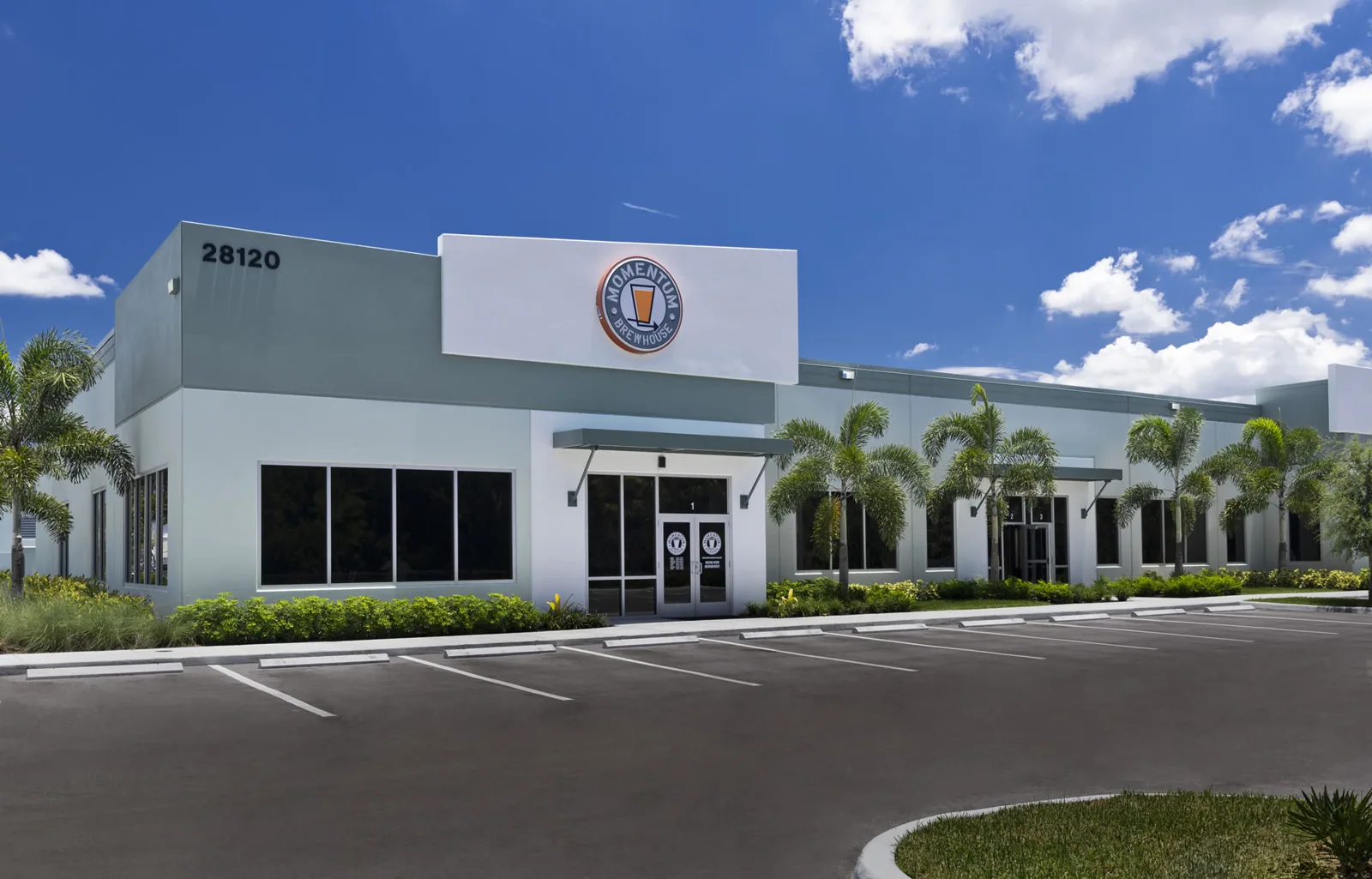
Flex Industrial Roof Repair
Read the full page
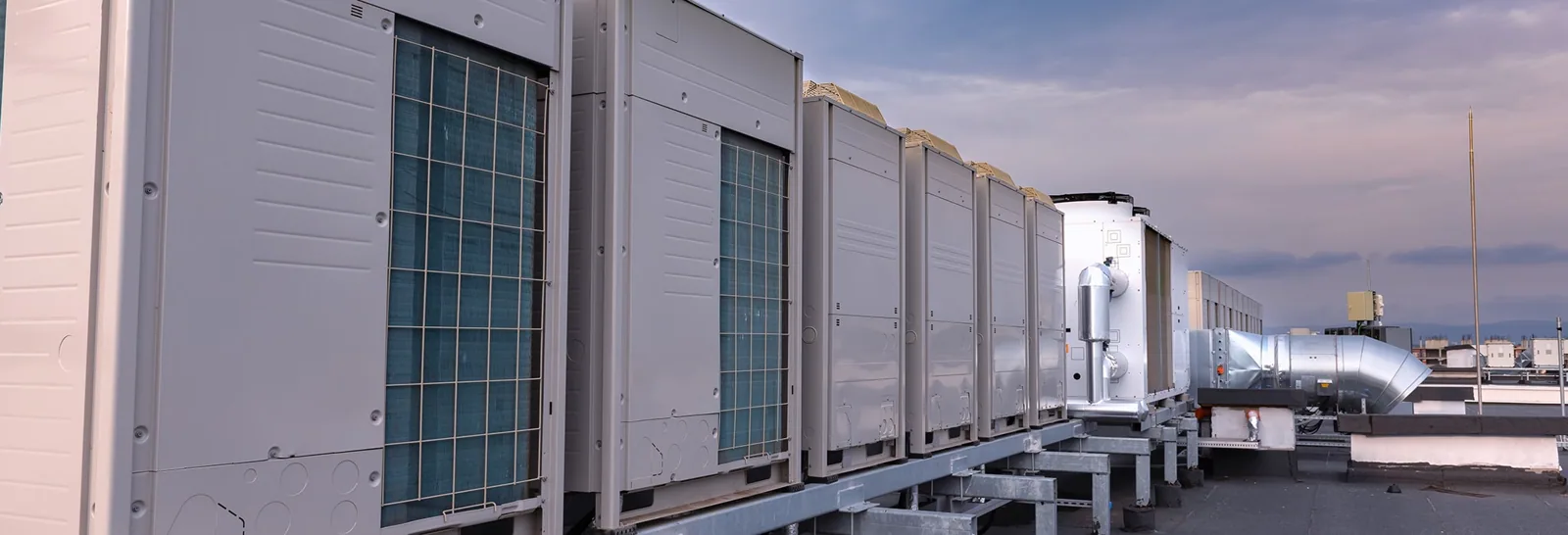
Rooftop Equipment Curbs and Supports
See how we handle it
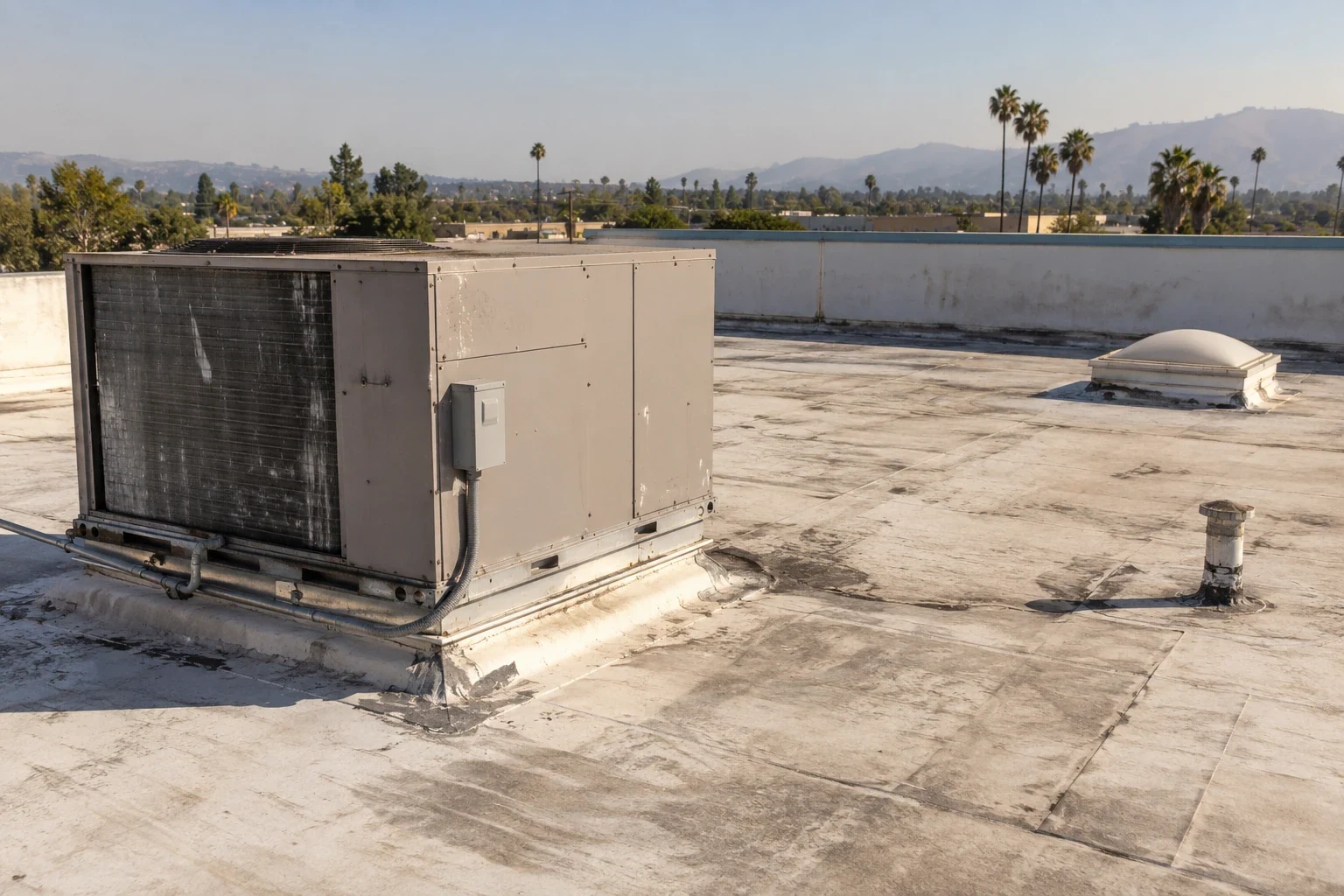
Commercial Roof Inspection
Scope, sequence and repair notes
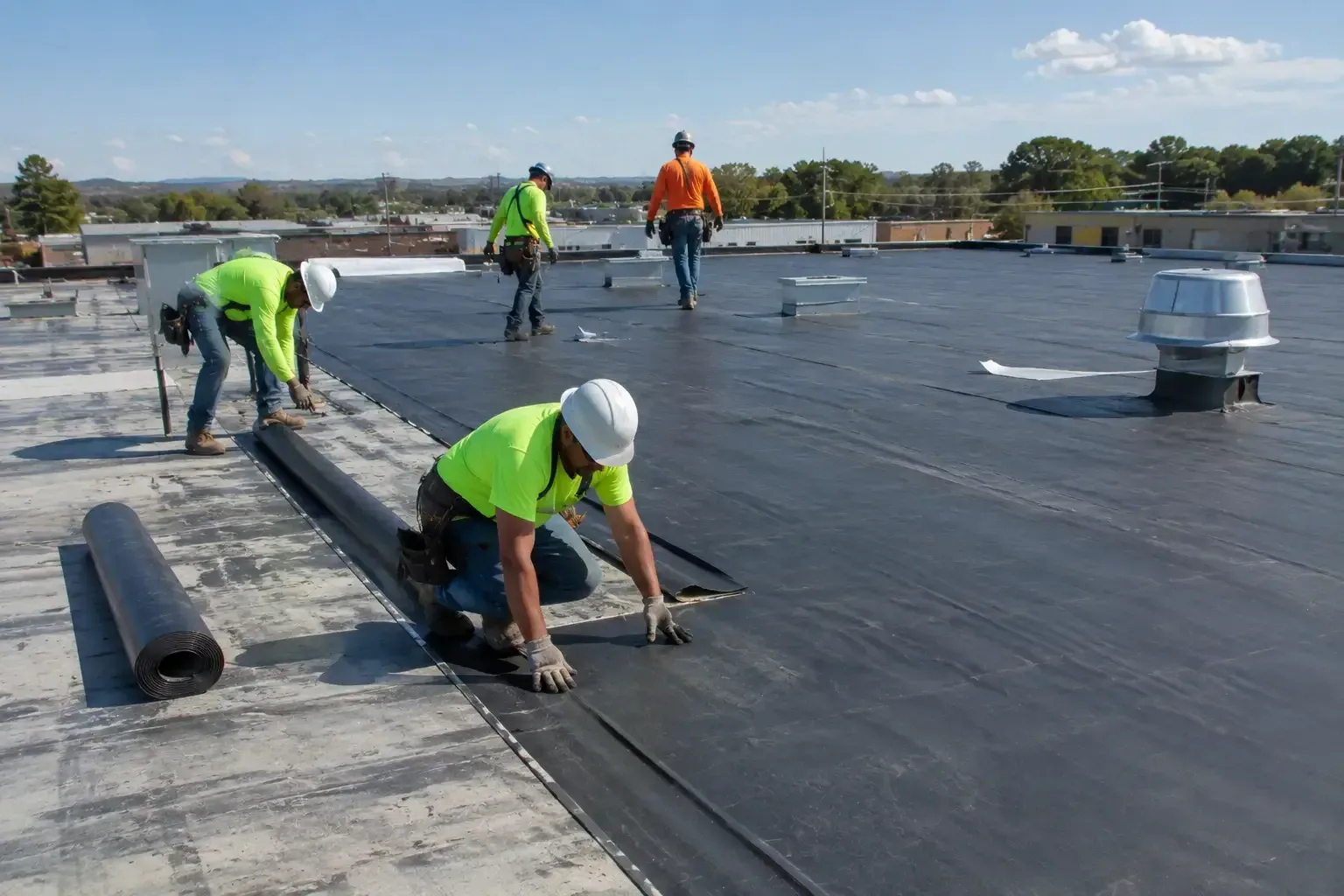
Occupied Building Reroofing
Read the full page
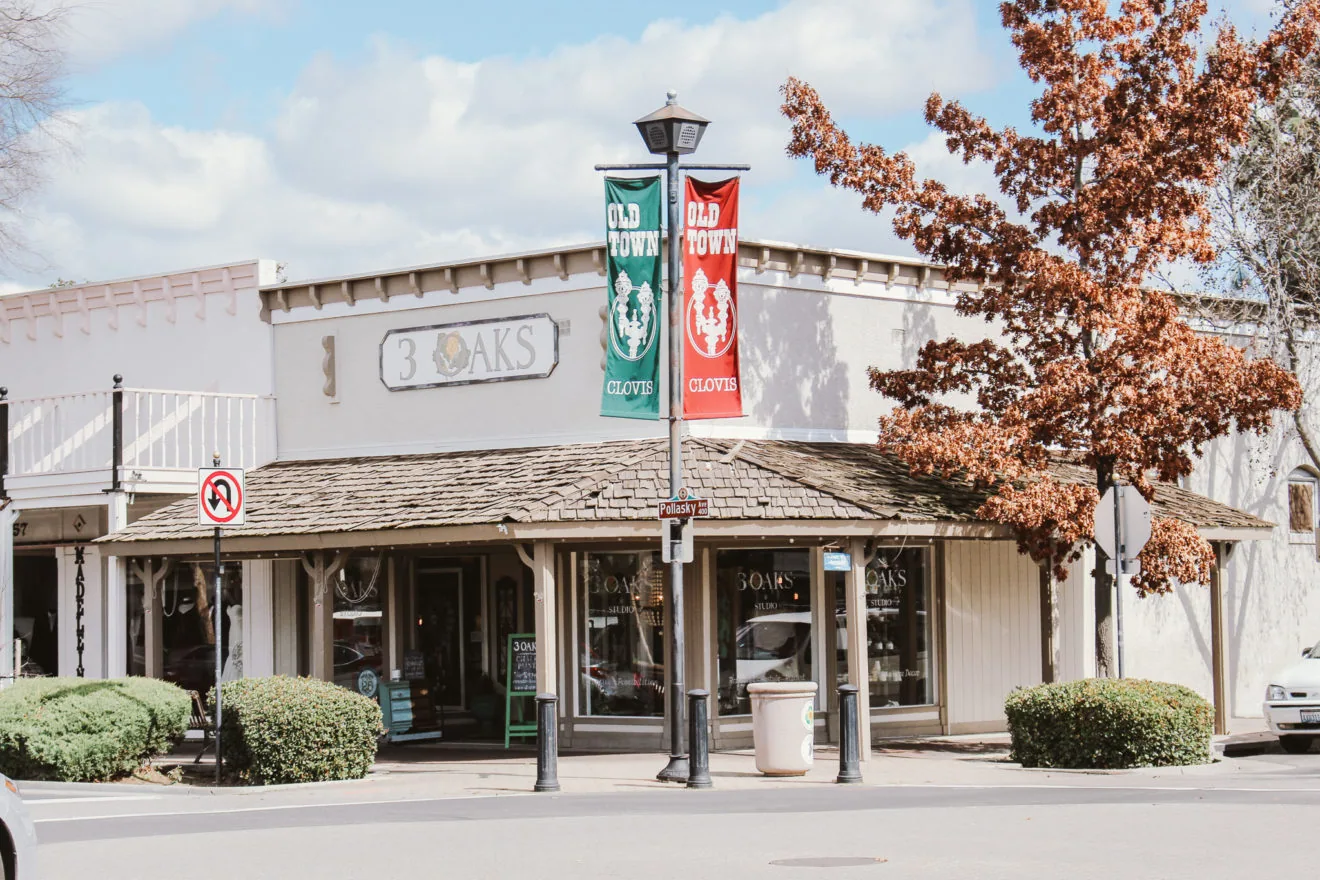
Clovis
See how we handle it
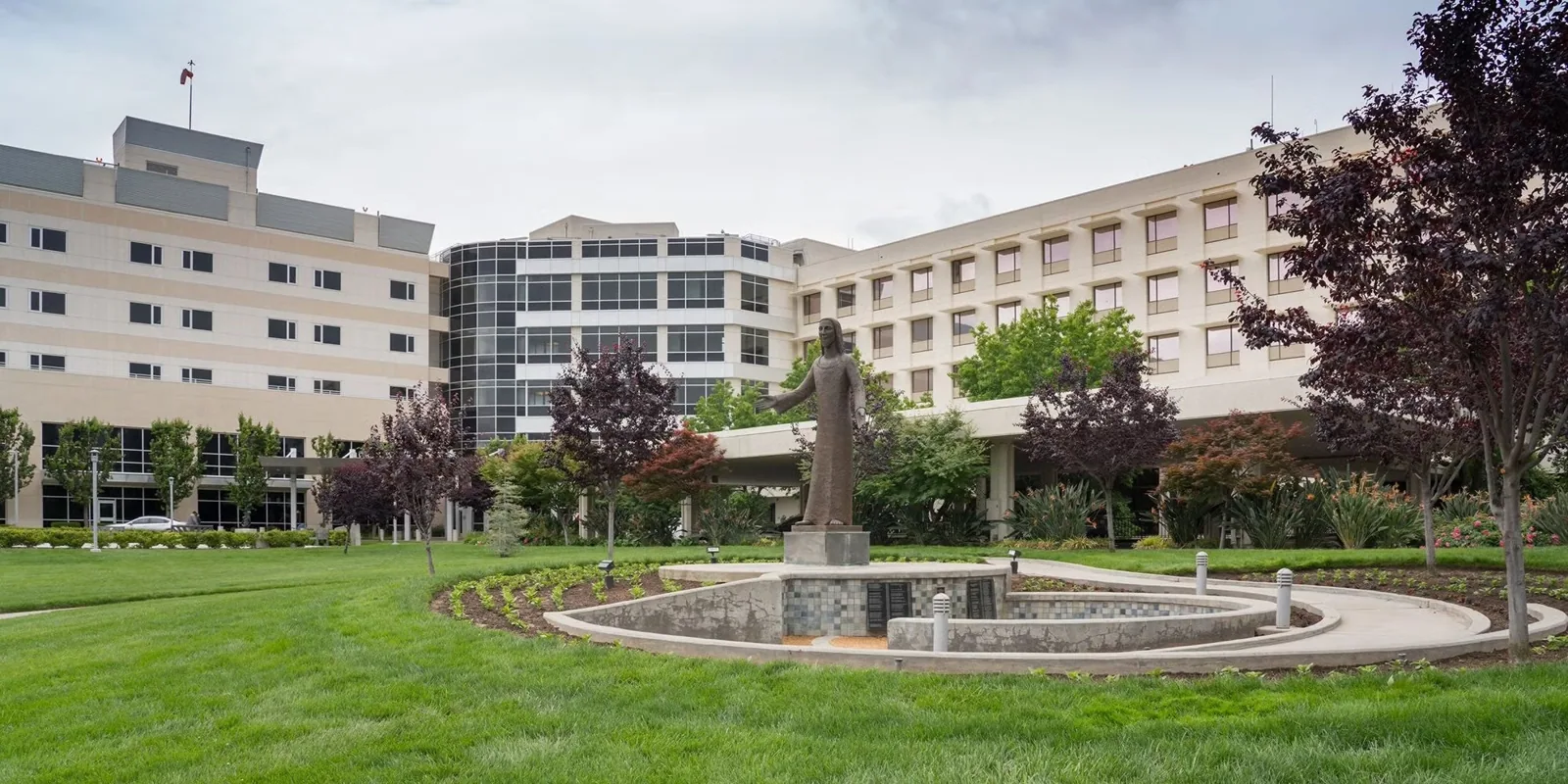
Herndon Medical District
Scope, sequence and repair notes