
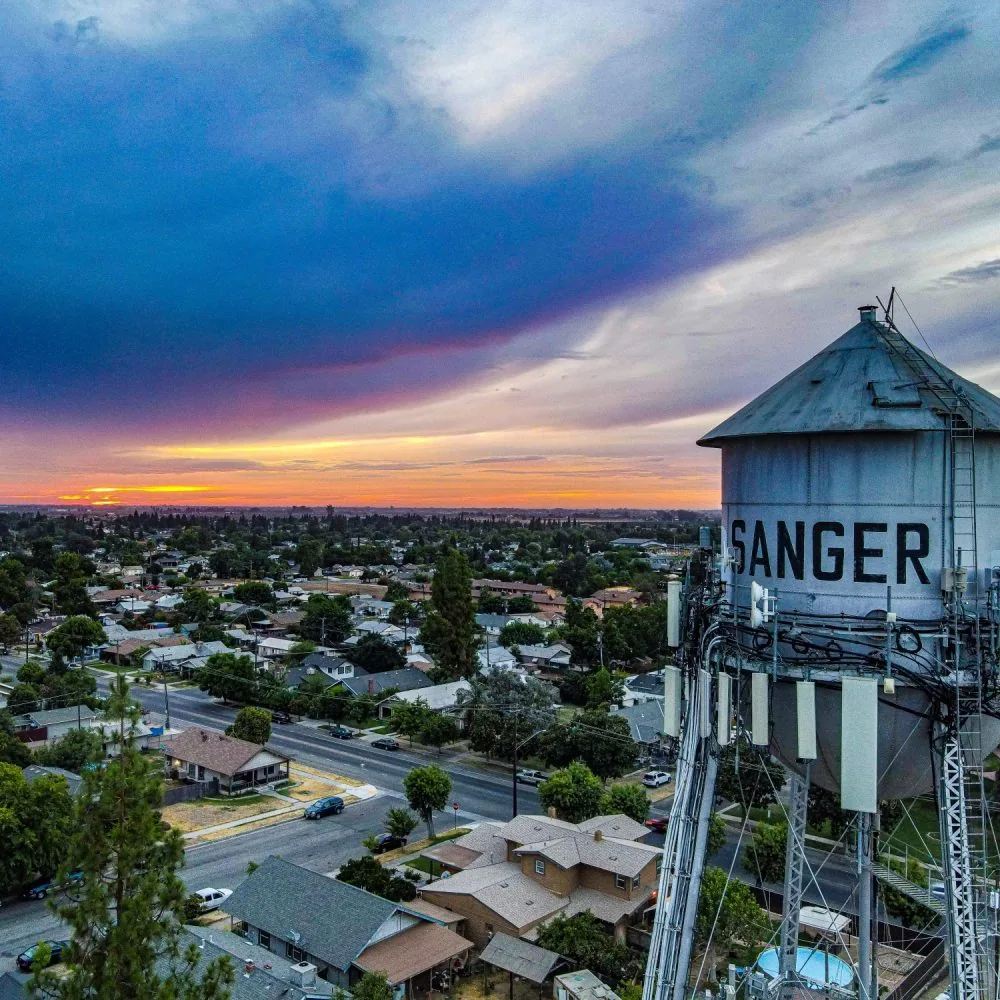
Commercial Roofing in Sanger, CA
Service Areas
Commercial roof work in Sanger begins with the building function affected by water entry and the roof detail that needs investigation. A manager might discover rainwater beside stored supplies after a dry summer, then find another damp ceiling area beyond the original complaint. We establish the assigned structure, active entry and protection below before proposing removal. Our service from Clovis, CA, includes commercial roof repair, moisture assessment and replacement planning, with the immediate response aimed at reducing exposure while the permanent assembly decision remains tied to the condition we actually examine.
Sanger’s railroad and agricultural history helped shape its commercial center, but current roof work depends on the building’s use today. A storage, service or retail property may need a different access and inventory plan than an office. Identify the operator, affected roof section and any public route that must remain open, then stage materials only in the approved area. The service area includes the city and surrounding commercial properties; each repair remains tied to its own roof findings.
A split lap and its surrounding material
A membrane lap can open where aging material, unreliable joining or repeated movement weakens the connection. We examine the exposed separation and surrounding roof before choosing a repair, including the material available for a sound tie-in. A patch needs compatibility and preparation, rather than simply covering the gap with whatever sealant is nearby. If moisture has entered the assembly, surface closure may reduce new exposure while leaving wet layers that need investigation. The repair boundary should address that condition instead of ending at the visible split automatically.
A defined repair of a failed membrane seam begins with identifying the system and assessing the adjacent connection. Several opened seams can call for a broader comparison than one isolated defect, especially where attachment or insulation condition is uncertain. We describe the findings behind that change before extending removal. An owner may need to compare localized repair with a larger roof project, but that decision should follow the extent of actual failure rather than the number of ceiling marks reported inside the building.
Water paths beside walls and outlets
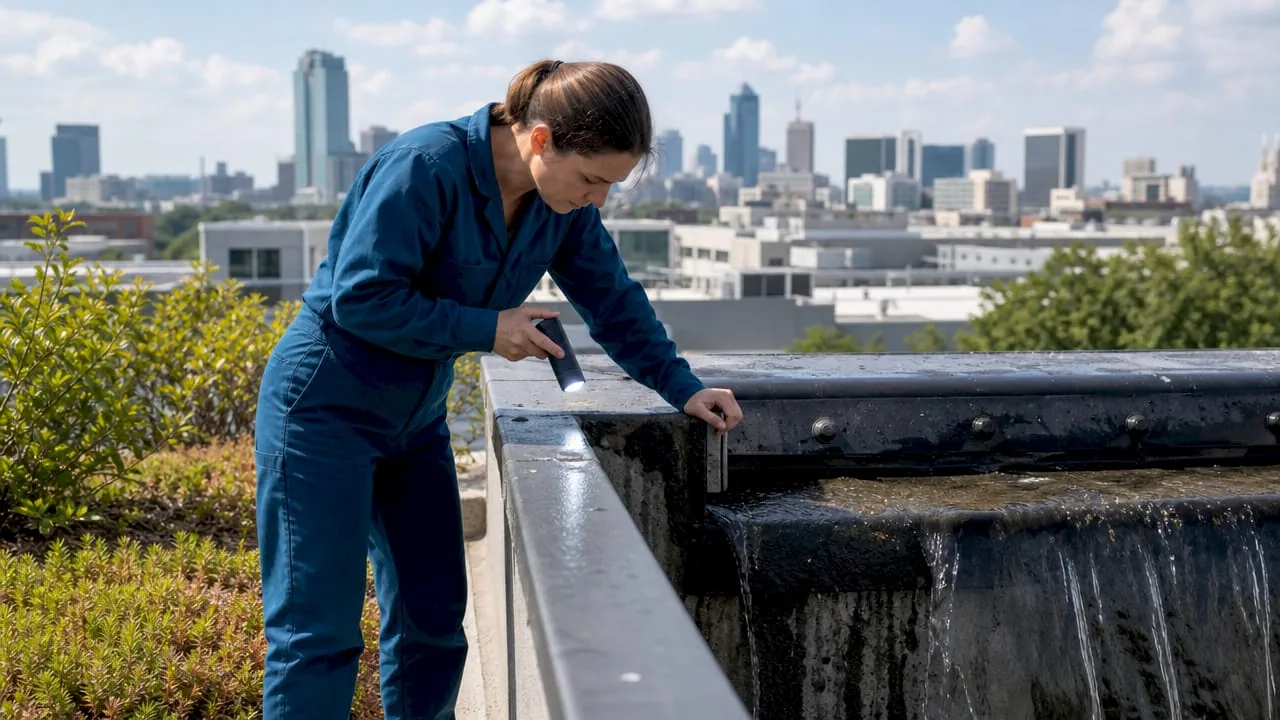
A drip beside a wall can result from water entering at the wall detail or reaching it from a nearby drain area. We trace accessible flow paths, inspect the outlet connection and compare the roof findings with interior timing. An obstruction and a failed flashing are different tasks even when they occur together. Clearing the outlet can reduce retained water without correcting the opening. We explain which condition has been addressed and which remains, so a quieter interior drip does not become the only measure of roof completion.
The scope for drainage repairs at outlets and scuppers should distinguish cleaning from rebuilding a connection or changing a low area. Each requires a different exposure and closure plan. Related properties in Selma and Reedley can share a management contact, while their roof elevations and drainage details still need separate inspection. We do not use one property’s drain problem to assign the same defect or repair quantity to another building whose roof has not been examined.
Regional heat and restrained details
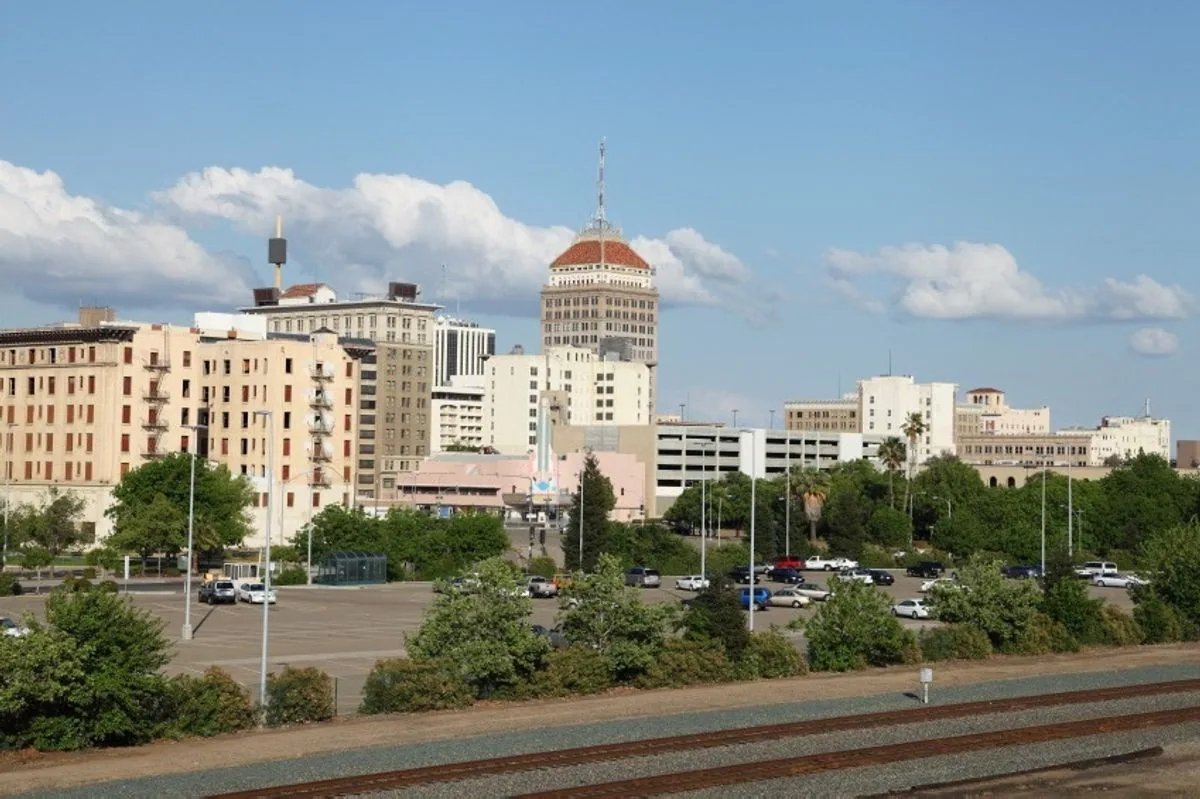
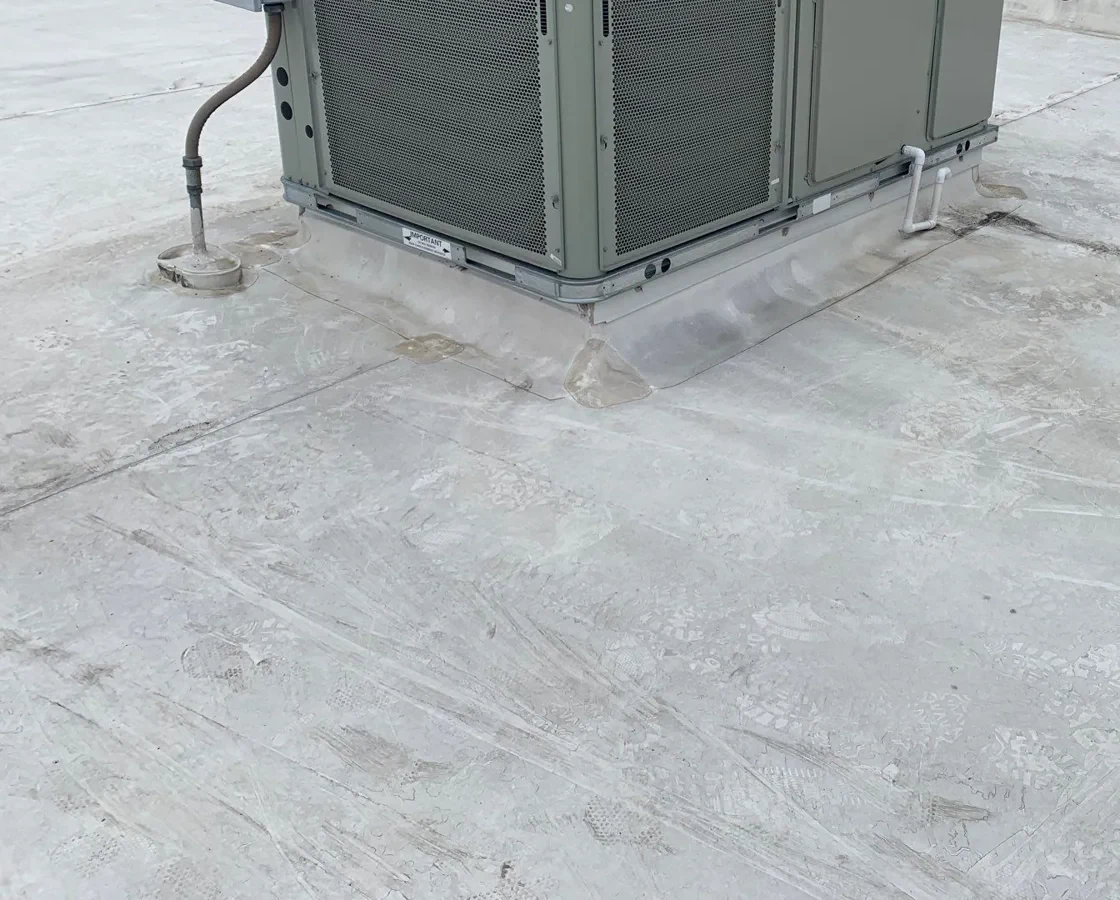
The Fresno July 2024 report records 26 triple-digit days and a monthly mean temperature of 90.0 F. That regional heat context supports attention to moving roof connections, but it does not establish what happened at a Sanger property. A membrane restrained beside a curb can stress its corners as the materials heat and cool. We look for visible separation, damaged attachment and suitable surrounding material. Where the complaint concerns cooling performance instead of rain entry, the operator also needs the appropriate equipment assessment rather than assuming the roof caused it.
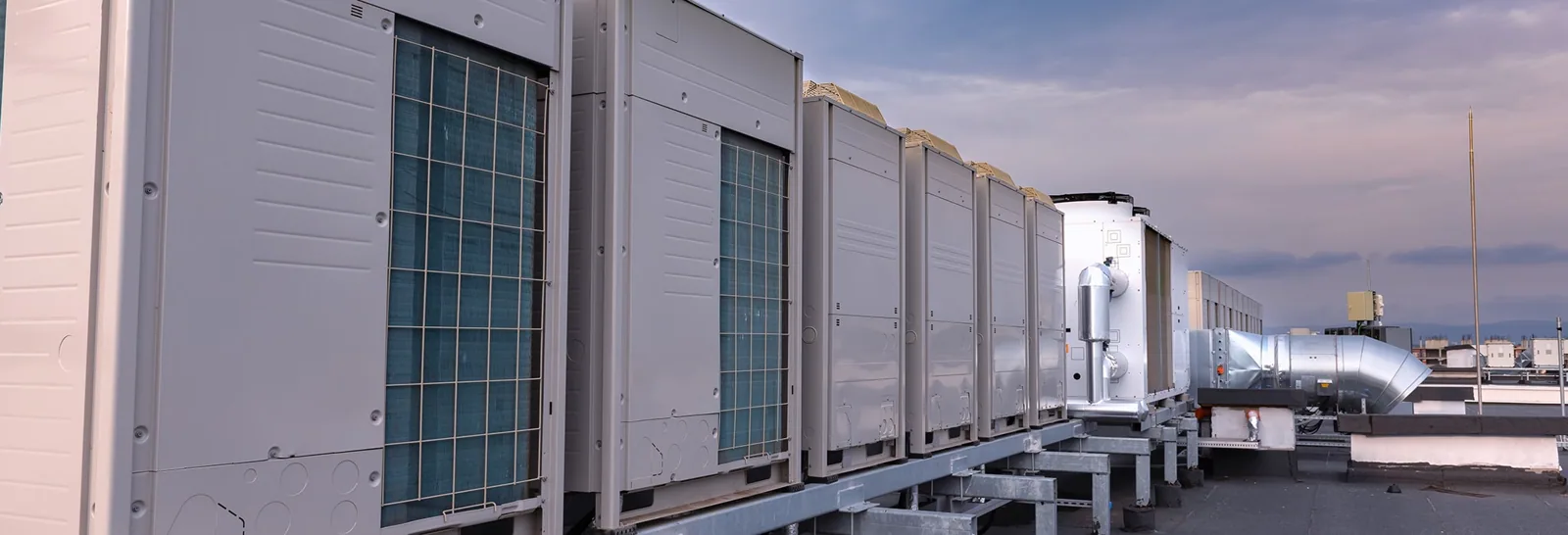
For work at rooftop equipment connections, the equipment release can influence the sequence as much as the roofing detail. Some connections remain accessible with equipment in place, while others need mechanical coordination before the flashing can be rebuilt. We identify that requirement at the assigned building. Condensate routing also deserves examination where water appears during equipment operation. Roofing repair addresses the confirmed roof defect, and the responsible mechanical trade handles the unit problem that a membrane patch cannot resolve.
Protection of supplies below the opening
Stored goods beneath a proposed roof opening may need relocation before removal starts. Covering them can be inadequate where debris, water or access needs extend beyond the cover’s boundary. We identify the overhead zone and handling route so the manager can prepare the affected area. If investigation reveals wet insulation farther than expected, the proposed expansion needs the same protection review before work advances. That gives the owner a clear reason for a change and time to release the additional space instead of discovering the new boundary after exposure begins.
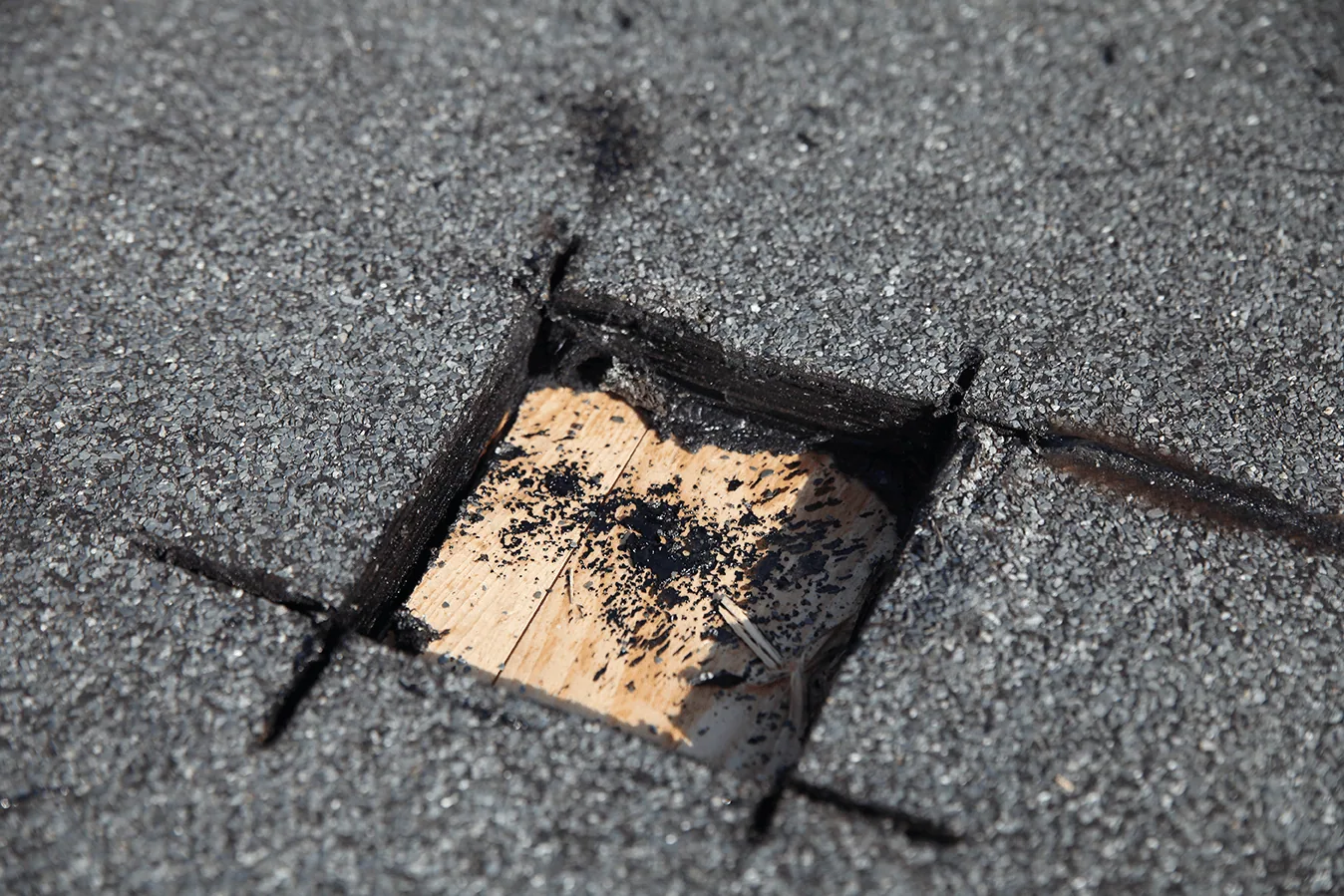
An infrared investigation of concealed roof moisture may help direct confirmation when the insulation condition is uncertain. Construction and survey conditions affect the result, and suspected wet areas need appropriate checking. Confirmed moisture can change the removal layers, disposal and replacement detail. We separate those tasks in the permanent scope. A coating over an intact-looking surface cannot remove wet insulation below it, so restoration suitability requires more than a visual judgment that the field membrane still appears continuous beside the original opening.
Morning dampness and the permanent endpoint
Central Valley winter tule fog forms after sunset and can be thickest before dawn. Actual roof dryness and temperature govern whether the selected repair material can be applied, even when the interior space urgently needs protection. We explain the available interim response and the preparation remaining for permanent work. Leak requests can be reported at night, on weekends and during holidays, with response options established from the conditions and roof access. At the follow-up visit, unresolved moisture or connection concerns need a defined task rather than another indefinite surface patch.
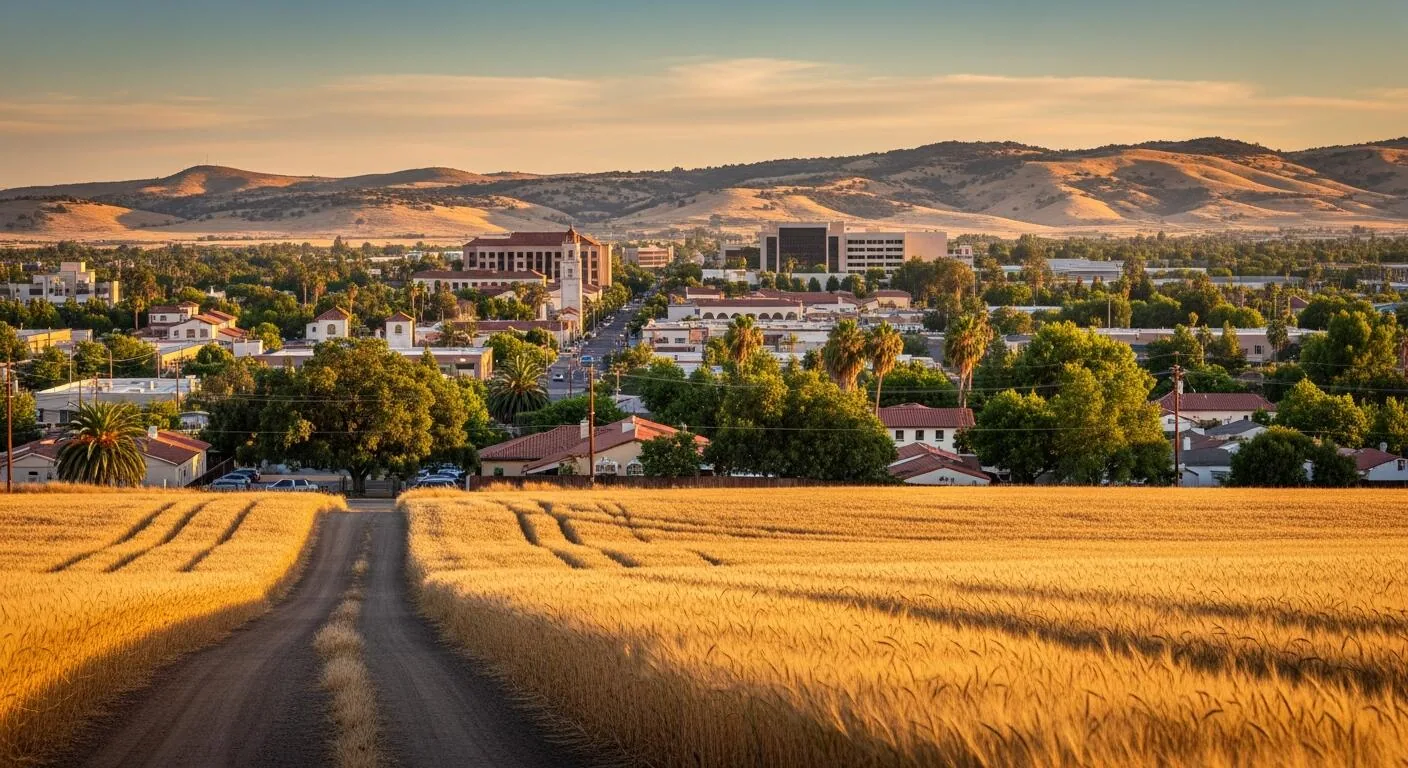
Sanger developed as an agricultural shipping center for grain, citrus and lumber, and commercial roof requests may involve storage, packing or service buildings alongside newer businesses. Ask what activity currently occupies the space rather than assuming a historic use continues. For a repair above stored goods, map the overhead area and determine whether the operator can relocate inventory or needs a separate interior protection plan. Sanger is about 13 miles east-southeast of Fresno, but mobilization and material delivery still depend on the actual site route, access hours and approved staging area.
Commercial Roofing Questions
Can one seam be repaired without replacing the rest?
Sound adjacent material can support a localized repair. We identify the membrane and examine neighboring connections before proposing that scope. Widespread separation or wet layers can change the boundary and require a broader comparison.
Will a cleared outlet prove the wall leak is resolved?
The entry connection still needs examination. Reduced retained water can quiet the drip while damaged flashing remains open. We distinguish the drainage task from repair of the seam or wall detail receiving that water.
Should stored supplies move for a small roof opening?
The exposure and handling route govern the protection required. A modest opening can still send debris or moisture into the space below. We describe the work zone so the manager can arrange relocation or suitable protection before removal.
Could summer equipment use explain a dry-weather drip?
Condensate is a relevant possibility when the timing follows cooling operation. We examine accessible roof details and discharge paths, then identify the appropriate mechanical follow-up. A dry-weather symptom does not establish a membrane defect by itself.
What makes the permanent repair different from a temporary patch?
The permanent work addresses the established assembly condition and reaches suitable tie-in material. Interim closure may reduce immediate entry before concealed layers or access are resolved. We identify those remaining tasks and the repair endpoint so reduced dripping is not mistaken for completion.
Describe the Sanger room and timing
Tell us the address, affected storage or office area, whether the drip follows rain or equipment use and who can release roof access. We will discuss the investigation and protection options.
Related Pages
Commercial Roof Seam Corrections in Clovis After Entry
Read the full page
Roof Drains and Scuppers
See how we handle it

Selma
Scope, sequence and repair notes

Reedley
Read the full page
Rooftop Equipment Curbs and Supports
See how we handle it
Infrared Roof Moisture Survey
Scope, sequence and repair notes