
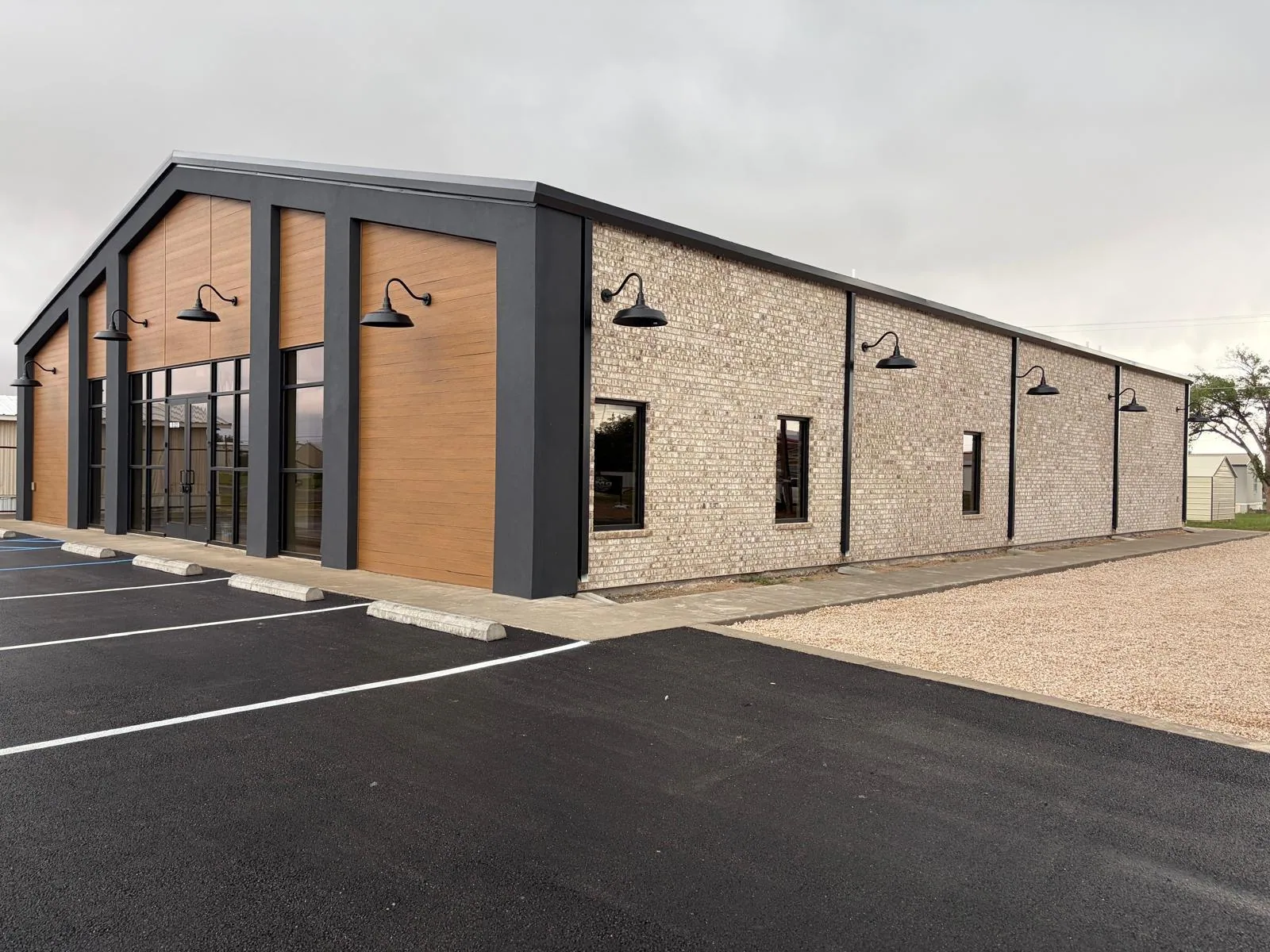
Warehouse Roof Leaks and Repair Sequencing in Clovis
Property Types We Roof
A drip above stored cartons during the first winter rain can leave a warehouse owner deciding where to move stock before anyone has located the opening on the roof. The first response should address that exposure without treating the room location as a complete diagnosis. In Clovis, CA, we establish the receiving area, safe roof access and visible conditions before choosing temporary protection or a permanent repair, with the operator controlling any movement of inventory and equipment.
Fresno's July 2024 heat record provides regional context for examining roof details before the wet season, but it does not establish a seam failure on your warehouse. A joint may have separated, a penetration may need attention, or the water may have another origin. We follow the actual route and report what the examination supports. That keeps an urgent stock problem from becoming authorization for a much broader roof replacement without evidence.
The stock exposure and the roof entry path
Water reaching a rack aisle can affect access as well as stored goods, so we begin with the operator's description of the affected bay and the protection already in place. Interior observation, roof drawings and marked roof locations help connect that bay to the possible entry routes. If the reported water is near lighting or electrical equipment, qualified personnel should control the affected equipment before anyone works around it. We do not use a roof inspection as permission to direct warehouse operations.
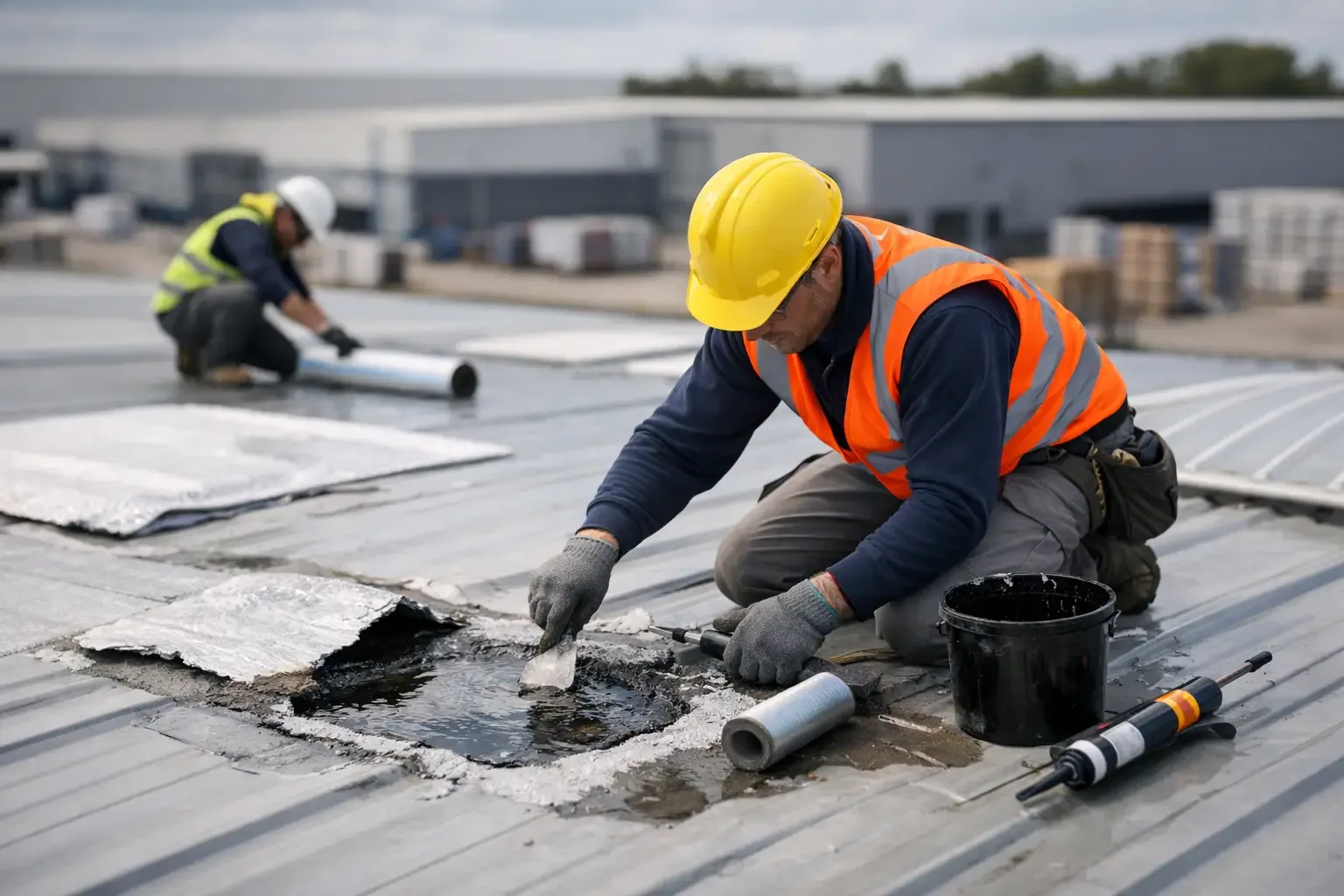
Our leak investigation examines the relevant seams, penetrations and transitions rather than extending patches across every surface above the complaint. A suitable temporary correction may limit entry through a located opening, but it needs compatible material and an accessible receiving surface. Where the path remains uncertain, explain the examination still needed and the limit of the immediate task. Plumbing or condensation may require another investigation. The owner receives a clear distinction between the protected stock area and the roof condition that has actually been established.
The loading area and the work boundary
A warehouse repair can interfere with receiving if its delivery vehicle, lift or disposal route occupies the operator's working space. We examine the permitted roof entry and staging arrangement before proposing a sequence. The actual loading schedule, public route and forklift travel belong to the operator's release, not to an assumption that an industrial property has spare yard space. A short repair and a planned tear-off can require different access equipment, so those allowances should be clear in the proposal.
An owner also managing a distribution building or temperature-controlled storage should keep each building's protection needs distinct. Roof geometry and the use below decide the removal zone. We identify the quantity that can be opened, protected and closed within the authorized period, including temporary tie-ins where the work stops. Restricted delivery or occupancy requirements can change mobilization and duration even when the visible membrane repair appears similar.
The outlet connection and concealed layers
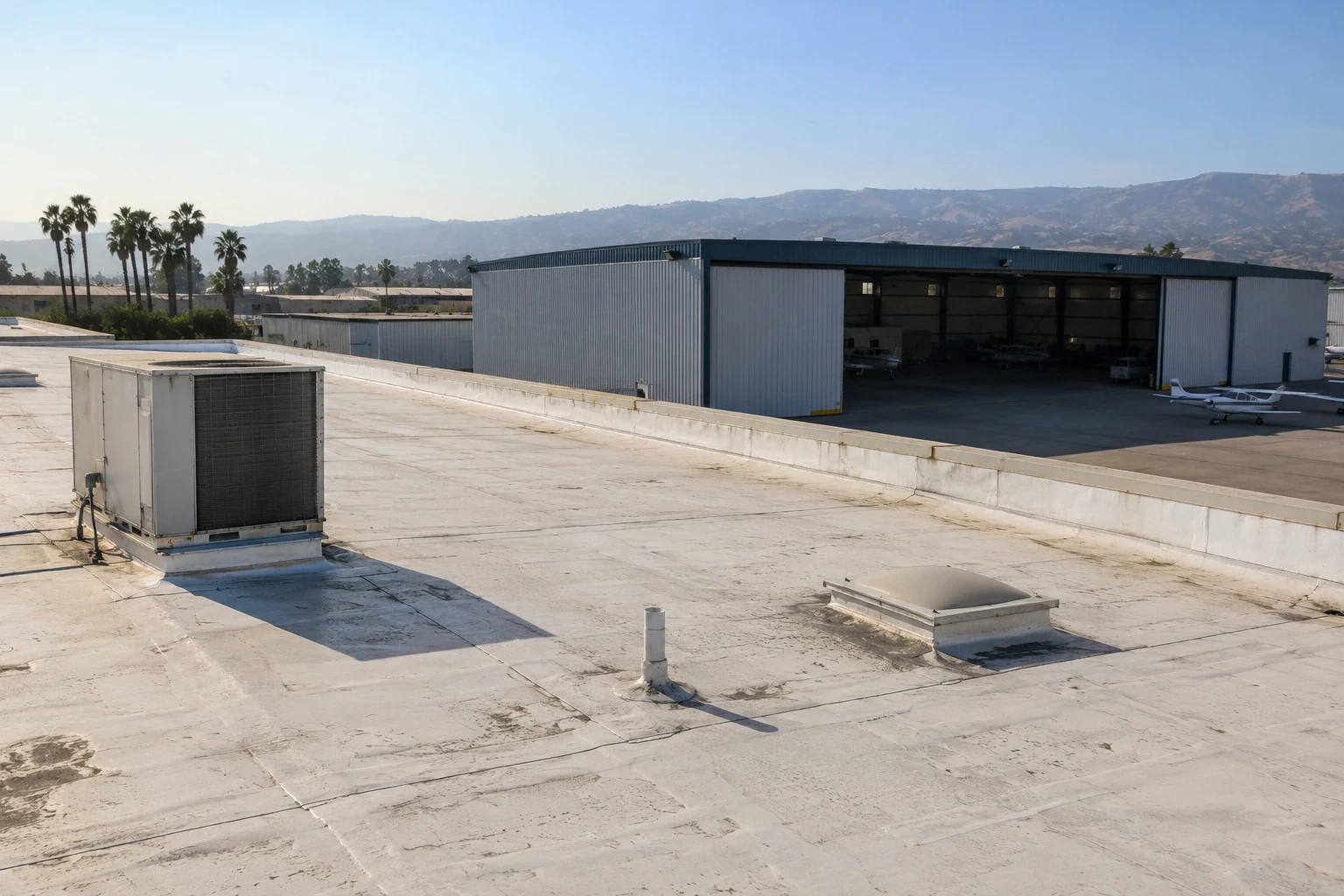
An open drain strainer does not establish a sound roof-to-drain connection, and a shallow water area does not alone show why the roof is holding water. We examine the outlet, surrounding flashing and accessible flow path. Cleaning visible debris, repairing a damaged connection and changing slope are different tasks. Where concealed piping may be involved, identify the plumbing investigation needed rather than price a roofing patch as a complete drainage correction. Any test should fit the conditions and protect the occupied area below.
For warehouse drain and scupper repairs, record the opening and the receiving layers the repair will meet. A deteriorated cover board or wet insulation can change preparation and removal. Confirmation should support the actual layer and boundary proposed for work; one sample cannot decide the condition of all unexamined areas. We state the authorized examination method and compatible closure before making openings. The bid then distinguishes a known repair quantity from a conditional concealed-work allowance that needs further evidence and owner approval.
The Clovis location and the examined building
Temperance Avenue and Nees Avenue identify the location of the historic proposed Clovis Research and Technology Park expansion. That planning record included proposed manufacturing and business uses, but a development proposal does not establish the roof construction or current use of an individual property. We identify your actual warehouse, its operator and the work boundary before relying on any industrial-area description. Available building records and inspection decide the assembly that the repair must connect to.
Work in the Research and Technology Park area still requires property-specific authorization. A retained metal panel, a membrane field and a modified-bitumen detail need different preparation, attachment and compatible materials. We record what is present rather than choose a method from the building label. If a recovery or replacement becomes appropriate, the proposal explains the condition supporting that choice and the changes required at curbs, outlets and edges. The owner can compare suitable alternatives on the same examined construction.
The permanent correction and the next rain
A temporary repair should leave a marked location and a stated follow-up task, especially when damp material or incomplete access prevents a permanent detail from being installed during the initial response. Central Valley tule fog is a winter consideration, but roof surface moisture must be checked at the actual work area. We follow product requirements for preparation and application rather than assume that afternoon sunlight has made the receiving surface suitable. The closure method must address the conditions that exist when the work is performed.
A written warehouse roof assessment connects the failure, temporary intervention and proposed permanent work. We describe removal, substrate correction, final tie-in and acceptance separately enough for the owner to see what is complete. Costs can change with access equipment, concealed deterioration and repeated daily closures; those drivers should not be hidden in a membrane-only price. After completion, we check affected details and outlets and retain any examination limits. The next visit can return to those marked locations instead of beginning again with an unexplained stain.
Before extending a repair beneath retained material, we agree on the evidence required for owner approval and the measurement used for additional removal. That can include a located finding and the affected layer, with the resulting closing task identified. The crew should not leave the next shift to infer which temporary edge remains or why a quantity changed.
Warehouse roof work should be coordinated with loading patterns, forklift routes and stored goods beneath the affected area. Before opening a roof section, identify whether the building can isolate the bay, protect inventory and move material-handling activity away from the work zone. A leak over racking may require a different interior barrier than a leak over an open aisle. Keep the roof repair boundary tied to the observed assembly and give the site contact a daily status on exposed areas, completed closures and any condition awaiting approval. This makes the construction sequence usable to both facilities and operations.
Commercial Roofing Questions
Can stock remain under a roof opening during repair?
Product exposure and the operator-approved protection govern the opening. We establish the receiving zone before exposing the roof.
Does a clear strainer rule out a drainage repair?
Inspect the connection and flow path as well as the opening. Clear surface access can still meet damaged flashing or an unresolved downstream condition.
Should one wet sample set the warehouse removal quantity?
The supporting evidence decides the boundary. Confirm the affected layers and extend investigation where the proposed quantity requires it.
Can the temporary patch become the final repair?
Check material compatibility, preparation and detail completeness before accepting it as permanent. An unresolved connection needs a stated follow-up repair.
The warehouse repair request
Describe the leaking bay, stock exposure and allowed roof access when you call. We assess urgency and access that day, then arrange examination and suitable protection as conditions permit.
Related Pages
Commercial Roof Leak Repair
Read the full page
Distribution Roof Repairs Around Receiving Operations
See how we handle it
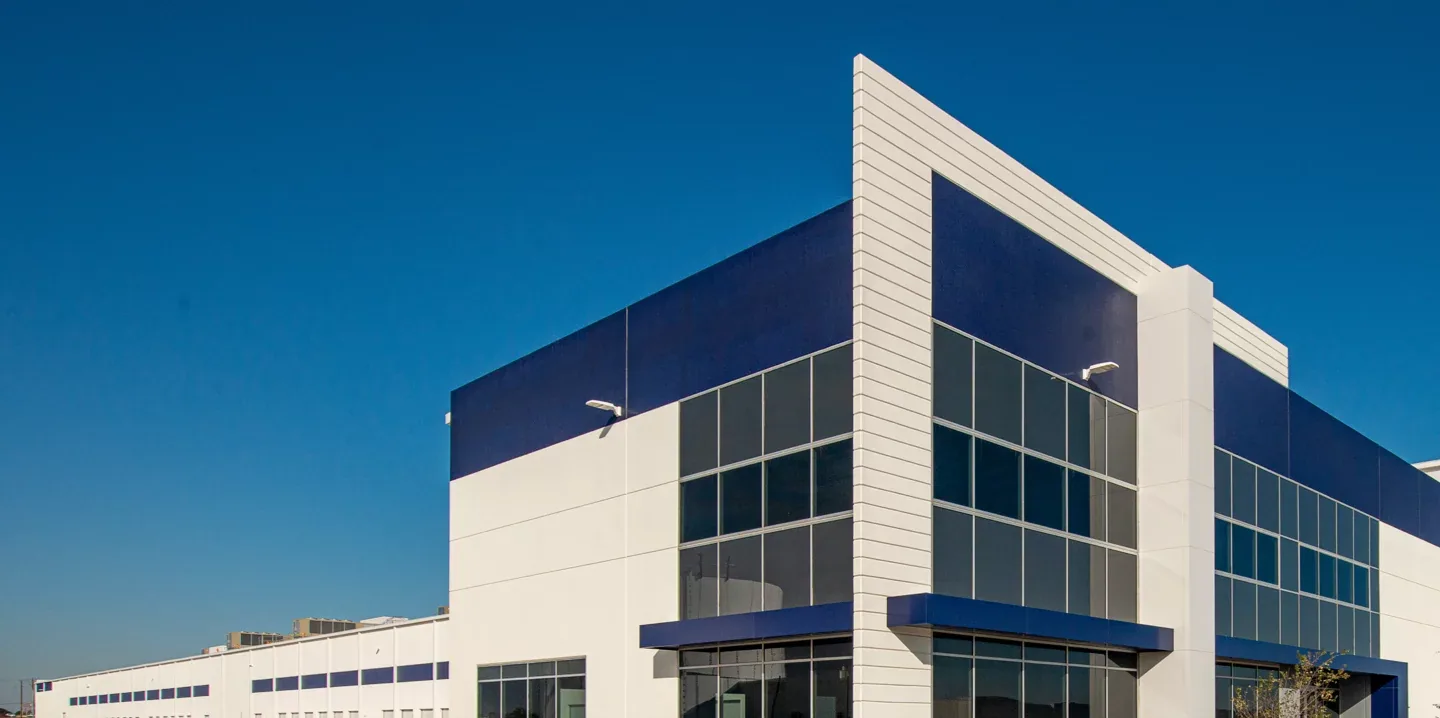
Cold Storage Roof Investigation Before Assembly Repair
Scope, sequence and repair notes
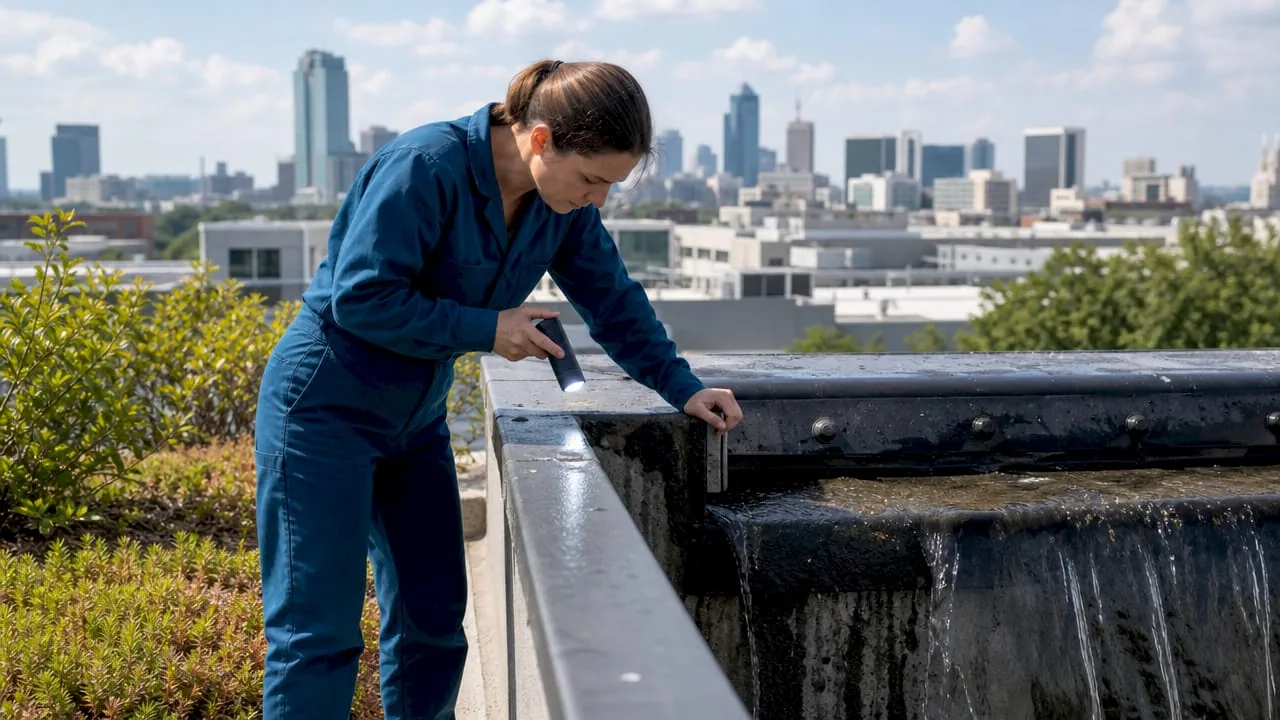
Roof Drains and Scuppers
Read the full page
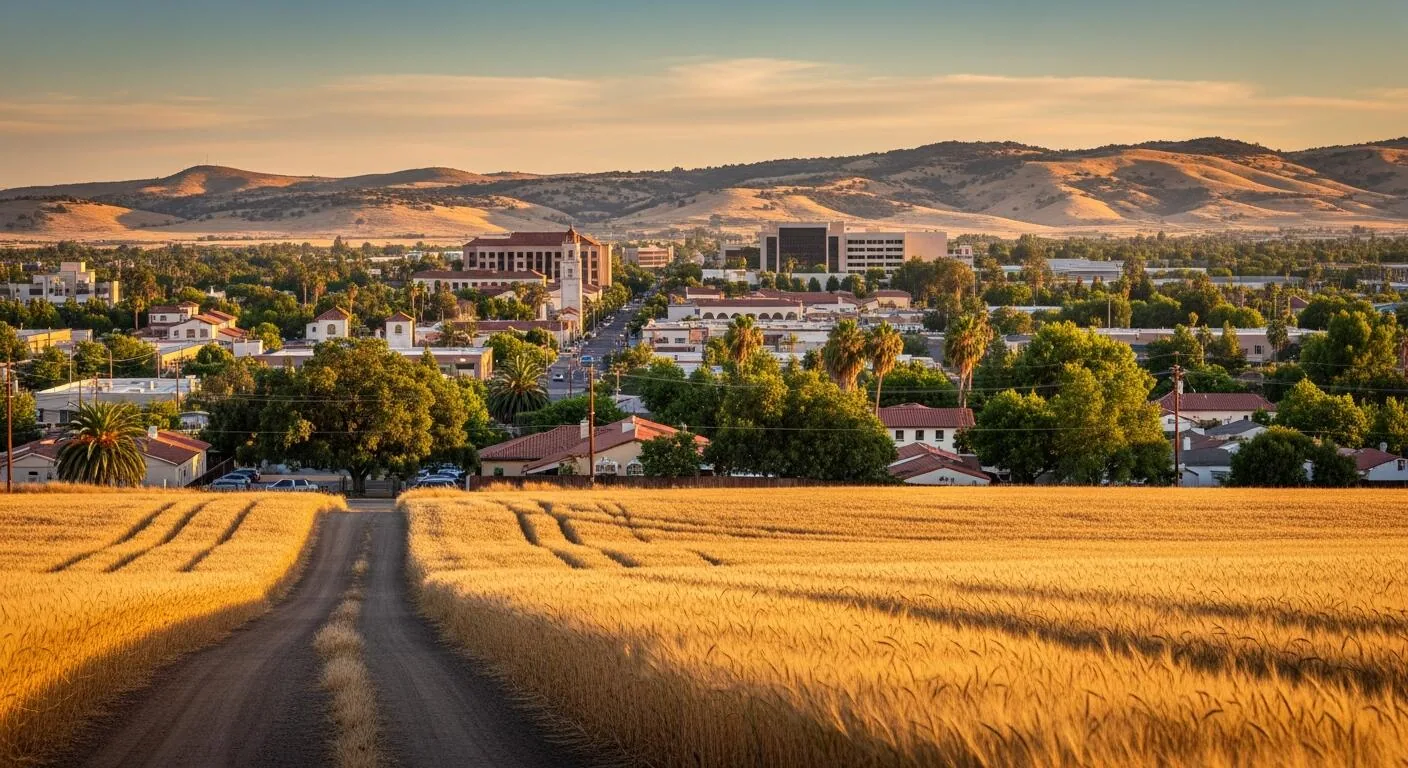
Clovis Research and Technology Park
See how we handle it
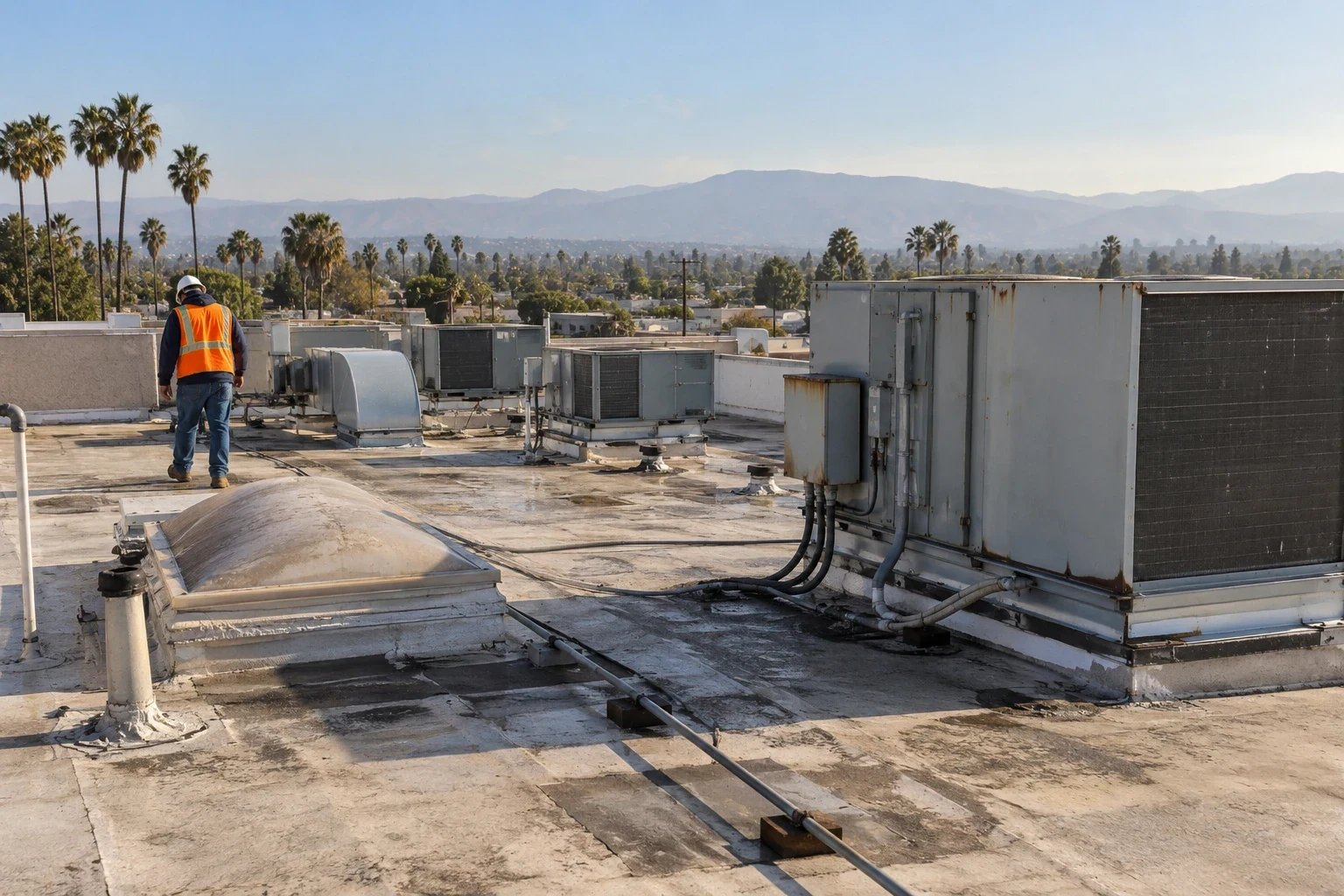
Roof Condition Records and Repair Planning
Scope, sequence and repair notes