
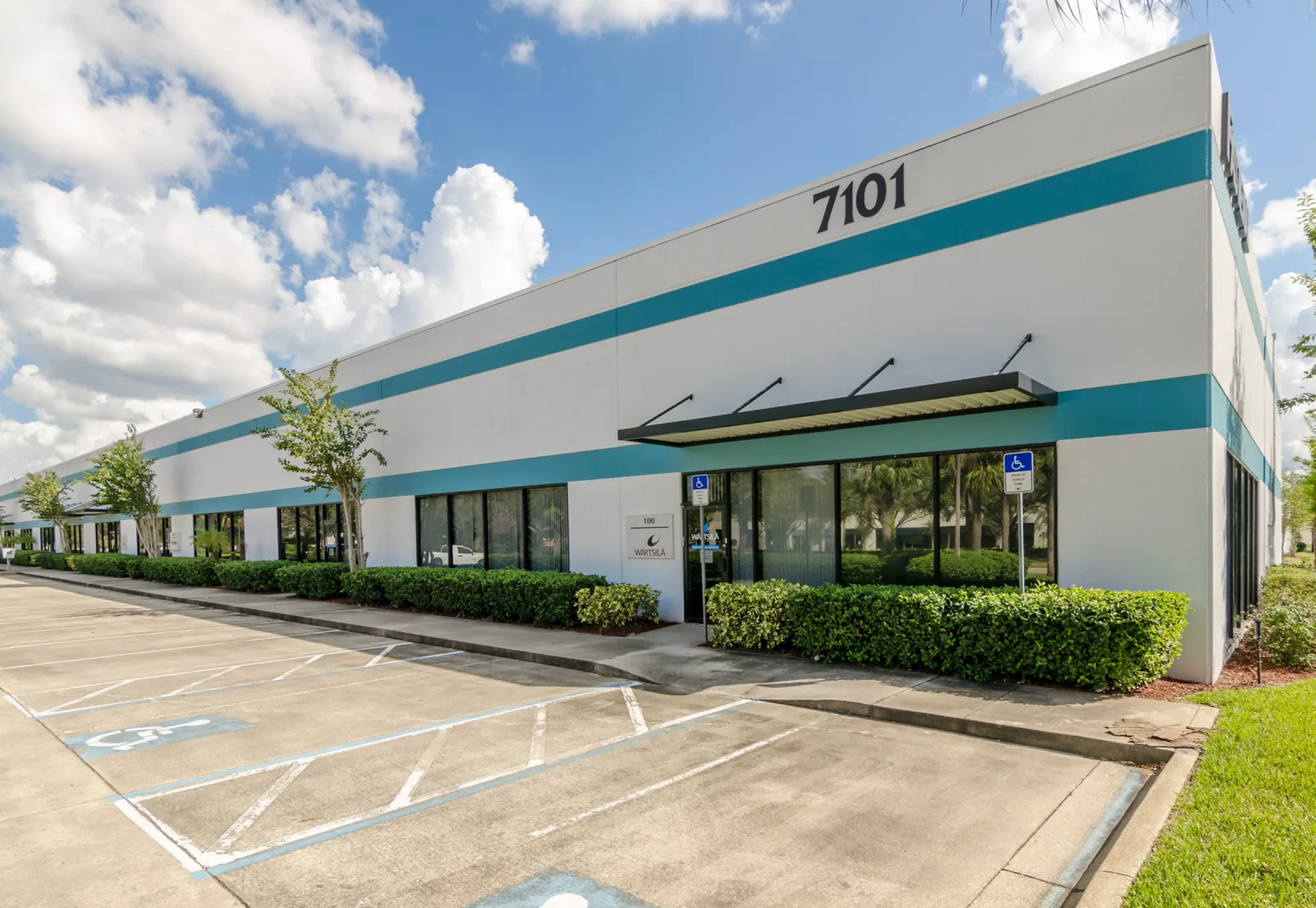
Roofing for Property Managers in Clovis, CA
Industries We Serve
A reception desk beneath a new ceiling drip can prompt a tenant complaint during winter rain, even while an adjoining suite stays dry. For a property manager in Clovis, CA, that difference matters because a roof opening can feed one wall cavity or insulation path without showing across the whole ceiling. We start by establishing the affected rooms, any electrical exposure and the permitted route to the roof, then examine the water path before choosing a temporary repair. The immediate aim is to limit further entry and give the manager a usable explanation for the owner. A permanent decision follows the roof findings, the lease responsibilities and the repair access, rather than the number of complaints arriving that morning.
Suite boundaries and water paths
A ceiling grid can hide water traveling across a deck flute, and an interior partition seldom matches the boundary of a rooftop drainage area. We compare tenant reports with drains, membrane laps, wall flashing and equipment penetrations, marking where moisture is visible and where further investigation is needed. That distinction keeps a repair from becoming a series of unrelated patches above each stain. Our roof leak investigation considers the entry point and the damaged assembly together. The manager receives photographs tied to recognizable roof positions, so access discussions with separate occupants have a physical reference. Where roof moisture is suspected beyond the visible opening, a targeted test can establish whether insulation removal belongs in the repair before an owner authorizes a broader expense.
Tenant protection and entry control
Water near a working outlet changes the order of work; a complaint about an empty storeroom creates a different immediate task. We coordinate interior isolation with the manager and appropriate building trades, then agree how ladders, debris and roof access will stay clear of public entrances. Access to a locked suite requires its own permission, even where the roof can be reached from outside. For roof work over occupied space, delivery timing, noise and intake protection are discussed before removal begins. Roofing crews should not disturb a tenant ventilation arrangement merely to shorten their route. If water is entering after ordinary office hours, our emergency service remains available overnight, on weekends and through holidays, with actual response and repair conditions established during the call.
Owner approval and repair limits
A narrow split with dry surrounding insulation presents a different approval decision from wet material extending beneath several suites. We separate the immediate containment expense from work that needs additional investigation, replacement or a trade shutdown, and describe the point at which work would pause for authorization. A manager should be able to tell the owner what has been exposed, what remains concealed and why a change is necessary. Written roof condition findings also distinguish current leakage from aging details that can be scheduled later. The communication task differs from roof decisions for real estate investors, where a sale or capital allocation may control timing, although both need a repair boundary that can be checked against the building itself.
Local dispatch and regional drying
Property managers in Clovis and nearby communities may oversee public, medical and commercial buildings under different owner agreements. Keep each site’s roof record, approval contact and access route distinct, even when one team coordinates all properties. A facilities report should identify the building, observed detail and any unresolved work without carrying an older condition forward as current. Fresno’s July heat and winter fog are useful regional context for scheduling, while actual roof readiness must be assessed at the property.
Maintenance responsibility between occupants
A service technician moving between rooftop units may leave a worn walking route beside an otherwise sound membrane. The manager needs to identify which tenant maintains equipment, who can authorize a curb adjustment and how roof access gets recorded. We examine punctures, compressed insulation and the condition of protective pads, then coordinate with the equipment trade where piping or supports interrupt the repair. A planned roof maintenance visit can combine drainage cleaning with checking repaired details without turning every inspection into replacement work. Buildings with shops or food tenants may also need the operational controls used for retail and restaurant operators. Lease allocation does not determine the physical cause of a leak, so the findings should remain clear even while responsibility is being resolved.
Permanent work and tenant notices
An approved reroof changes the manager task from complaint response to daily coordination. We establish the removal areas, the route for material handling and the locations that need temporary interior protection, then discuss how each completed area will be closed before crews leave. Hidden deck deterioration can alter that sequence, so the authorization path for additional work must remain reachable. Repair photos and closeout information should identify the assembly actually installed and any continuing equipment responsibility. Where a coating is proposed, we examine whether the existing roof is dry, bonded and compatible before treating it as a renewal option. An owner cannot compare a coating and replacement merely by their disruption; the condition below the visible surface decides whether either option can serve the building.
A property manager coordinating work for several owners should keep each building’s authorization, roof records and budget separate, even when vendors or ownership contacts overlap. Use consistent location marks and photo orientation so a condition at one site can be compared with its own prior inspection. Record urgent protection, approved repair and deferred work as different statuses. This gives the asset team a reliable multi-property view without implying that a shared management agreement makes roof assemblies or owner approvals interchangeable.
For a mixed property group, assign each site a current contact, roof access status and next action. A property manager can use the same condition categories across buildings while preserving distinct owner approvals and contractor scopes. Keep the Clovis service area and the Shaw Avenue Commercial Corridor as separate geographic records where they represent different properties.
Commercial Roofing Questions
Can one roof repair be charged to a single suite?
The lease and the physical repair boundary control different parts of that decision. We identify where water entered and what roofing material requires work; the manager and owner then determine the contractual allocation. A stain confined to one suite does not by itself prove that its equipment or occupant caused the leak.
What can we tell tenants before the opening is found?
A useful notice states which rooms are affected, what protective action is underway and when the next inspection update will be available. Avoid promising a permanent fix from the first interior observation. We explain the temporary protection separately so occupants understand why a later roof visit may still be required.
Does a dry ceiling mean the wet insulation can stay?
Insulation condition decides that repair limit. A ceiling may stop dripping while moisture remains between roof layers, reducing thermal performance or weakening attachment. We investigate the affected area and remove unsuitable material within the approved repair, instead of sealing wet insulation beneath a new surface merely because the room looks dry.
How should several tenant access contacts be handled?
One manager contact can coordinate the job, but each restricted room still needs a permitted entry arrangement. We agree who can provide entry to rooms, receive urgent findings and approve changes during work. That avoids waiting for unrelated tenant representatives while a roof opening needs attention.
Can replacement wait until lease turnover?
The roof condition sets the available choices. A serviceable assembly may support targeted repairs until turnover; widespread moisture or unreliable attachment can make that delay more disruptive than planned work. We explain the deterioration, likely access needs and interim maintenance obligations so the owner can decide with the building condition in view.
A roof problem with tenant consequences
Describe the affected suites, the latest water entry and who can provide roof and interior access. We will establish the immediate protection needs and discuss inspection timing before the permanent work is authorized.
Related Pages
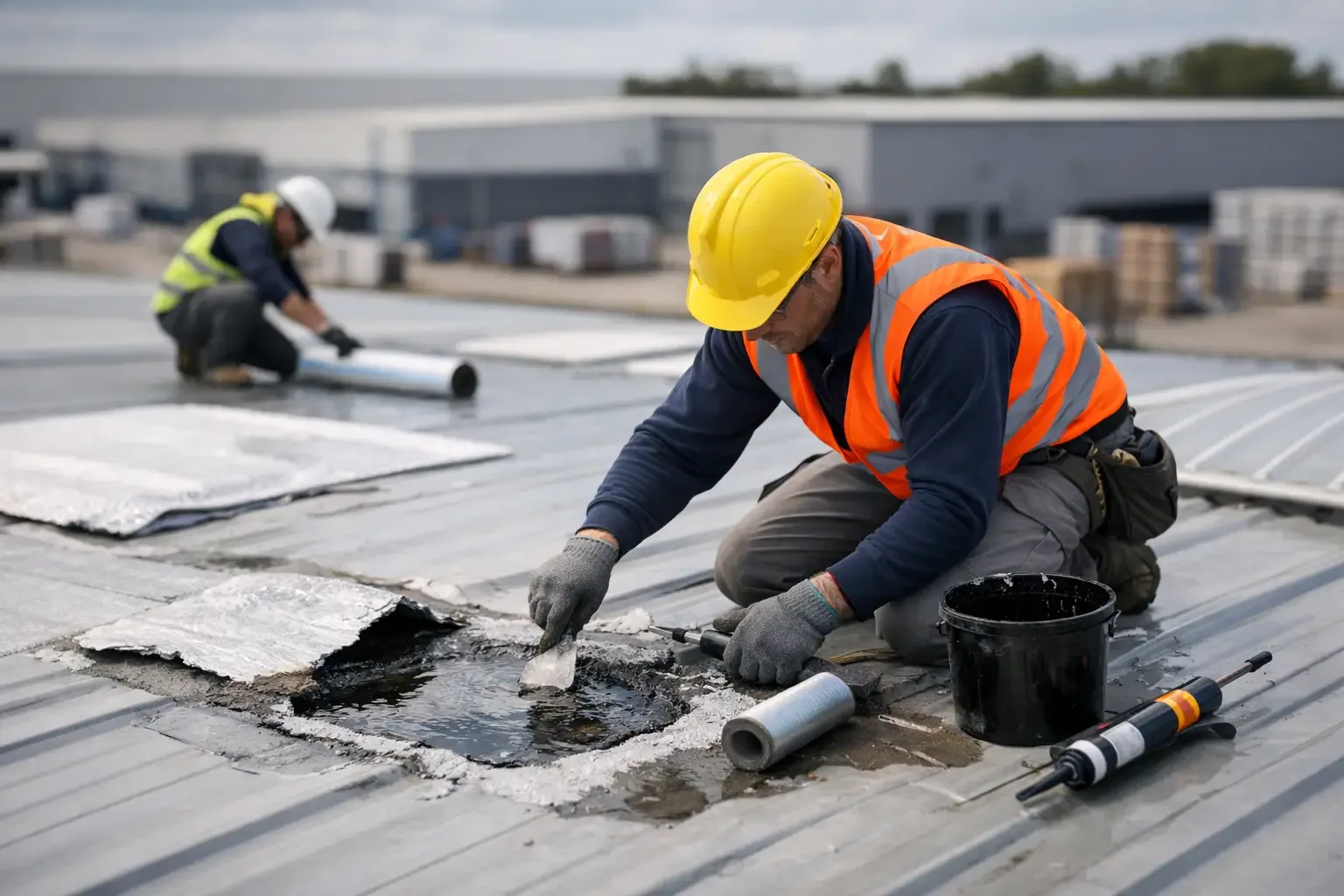
Commercial Roof Leak Repair
Read the full page
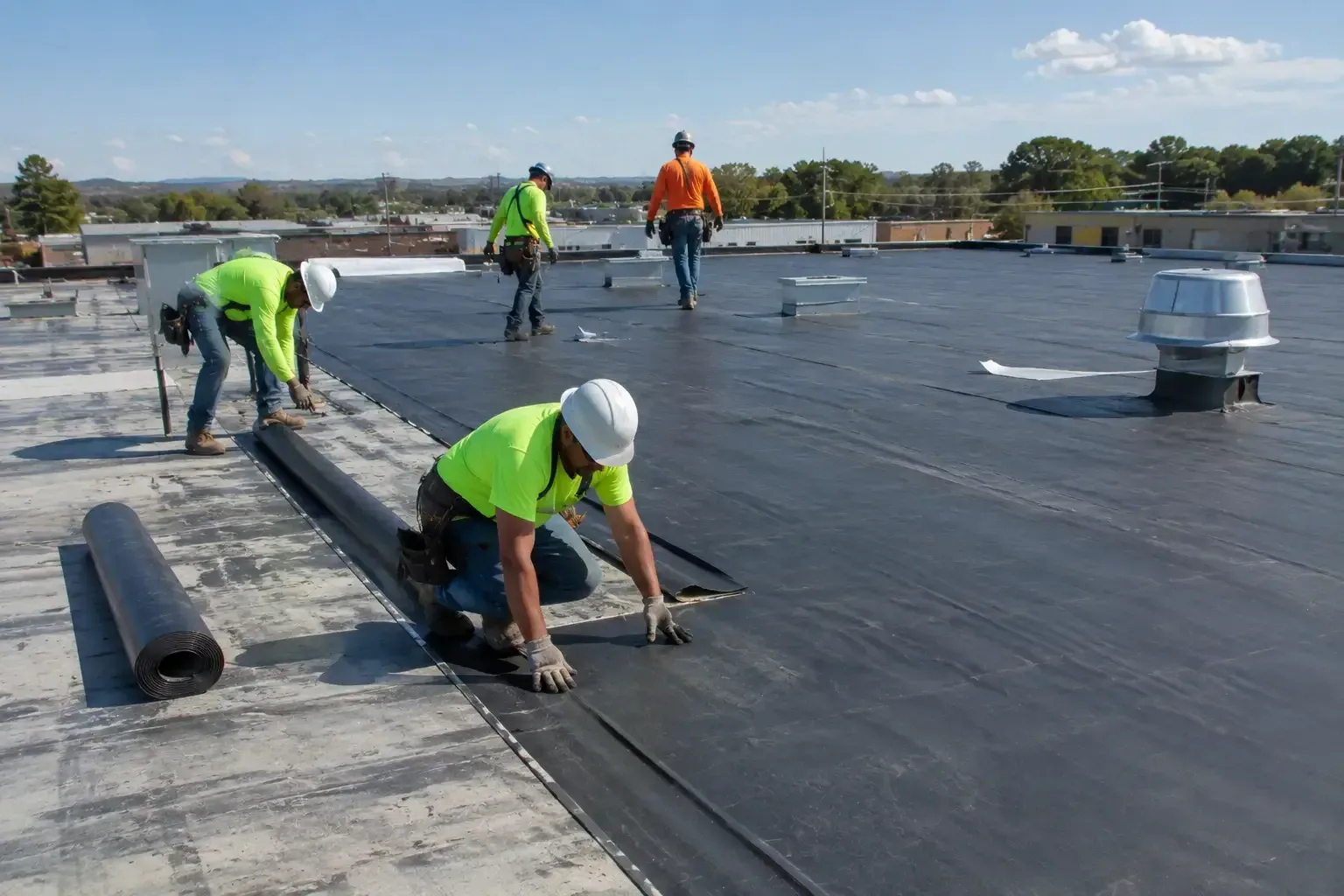
Occupied Building Reroofing
See how we handle it
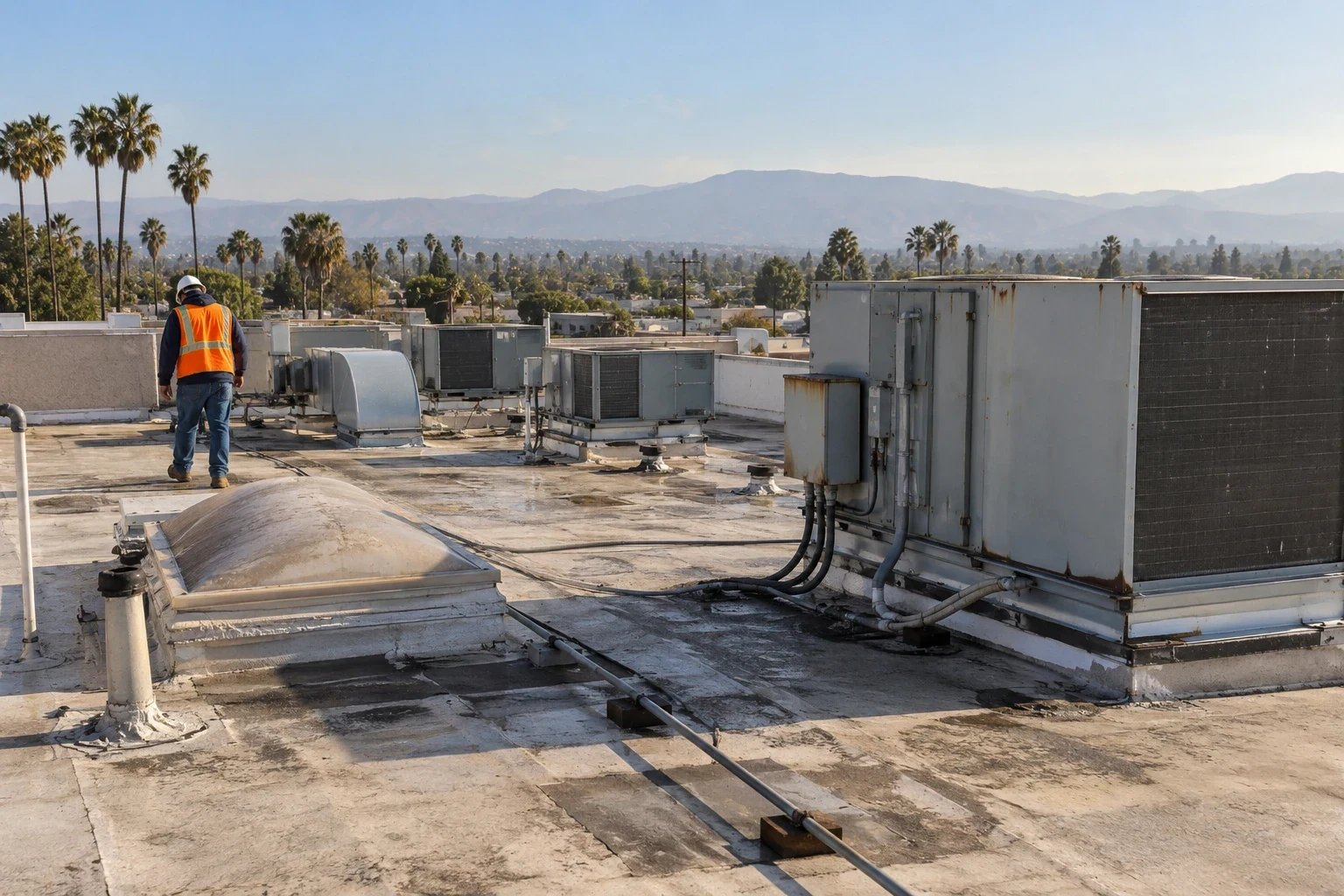
Roof Condition Records and Repair Planning
Scope, sequence and repair notes
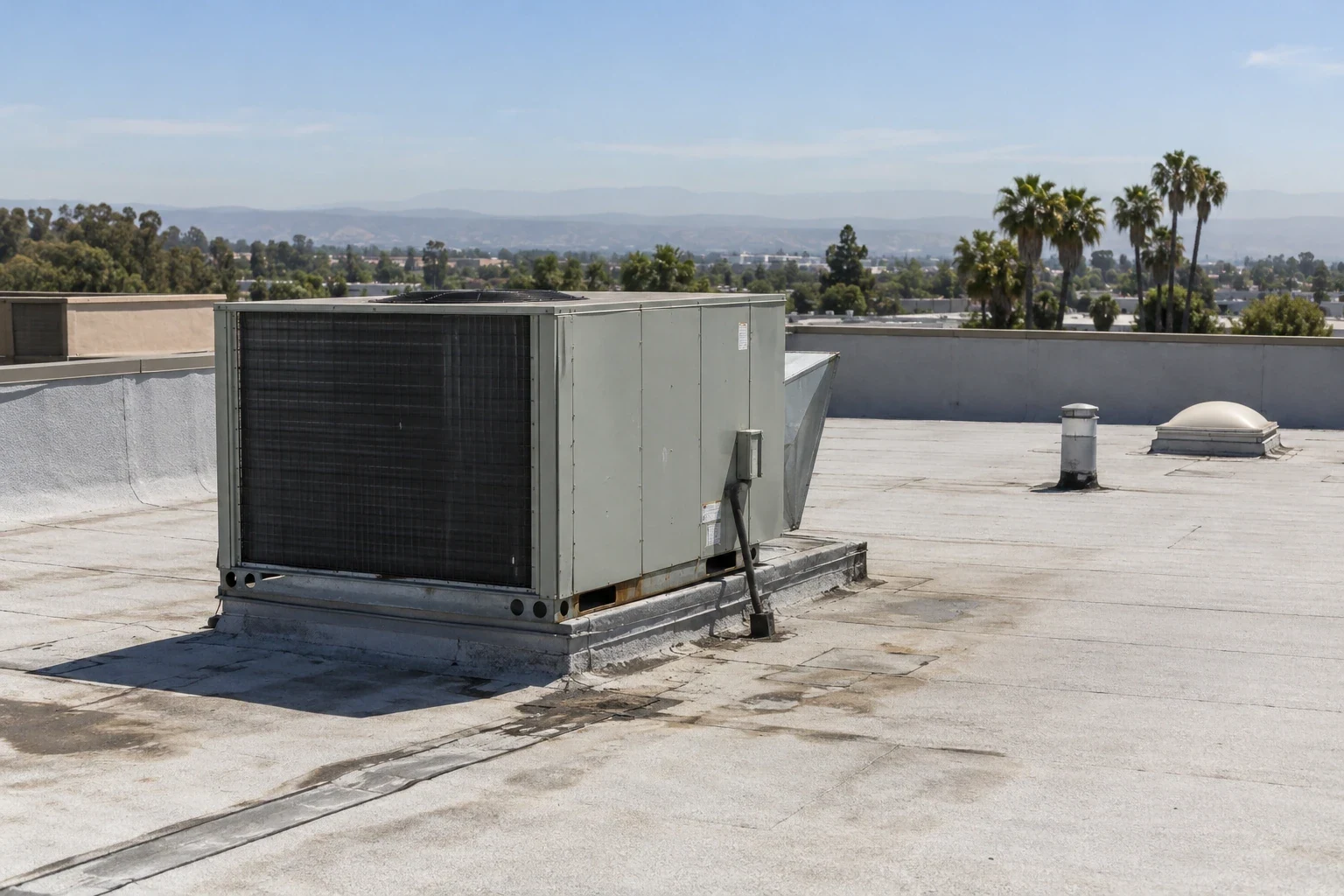
Investor and REIT Roofing
Read the full page
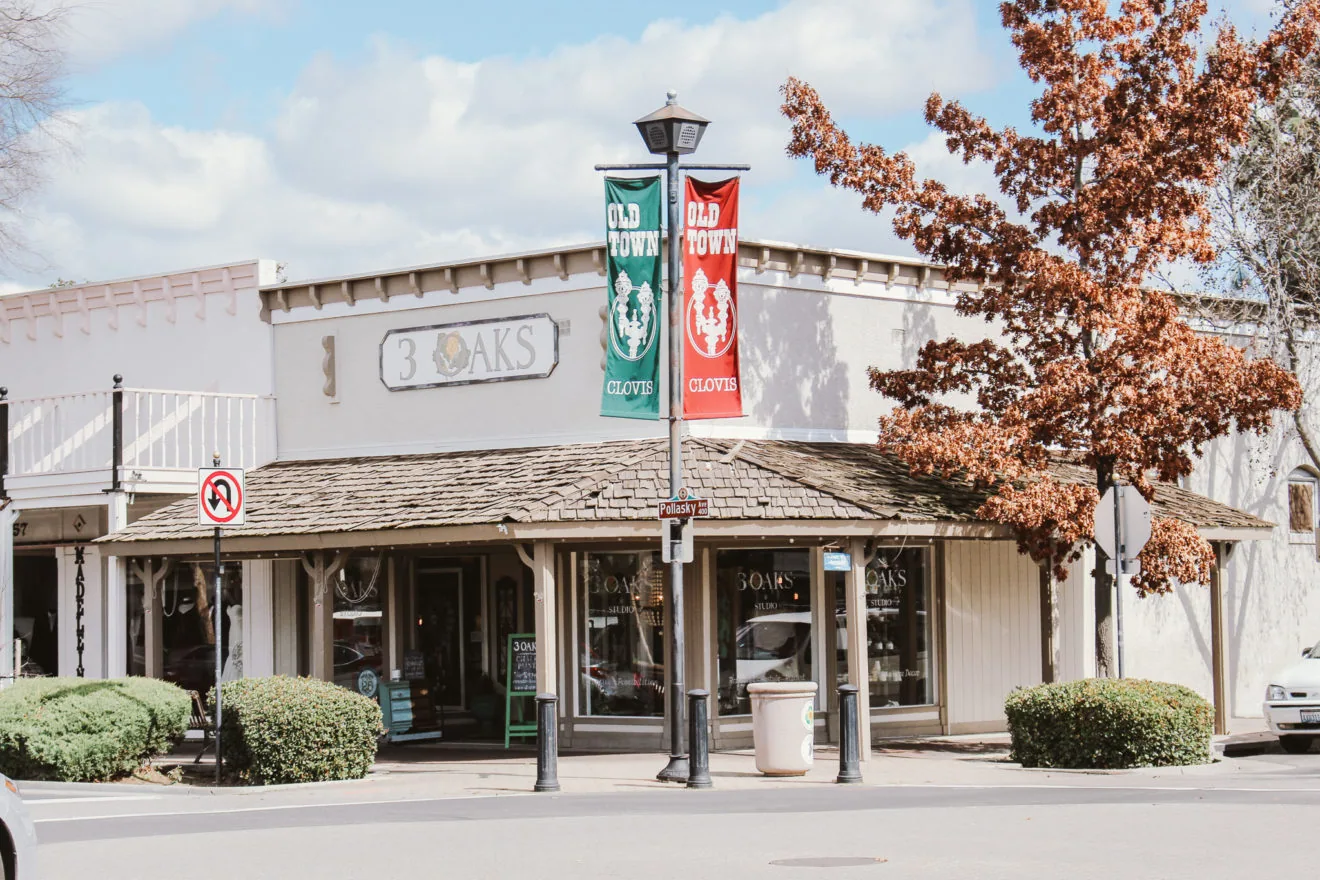
Clovis
See how we handle it
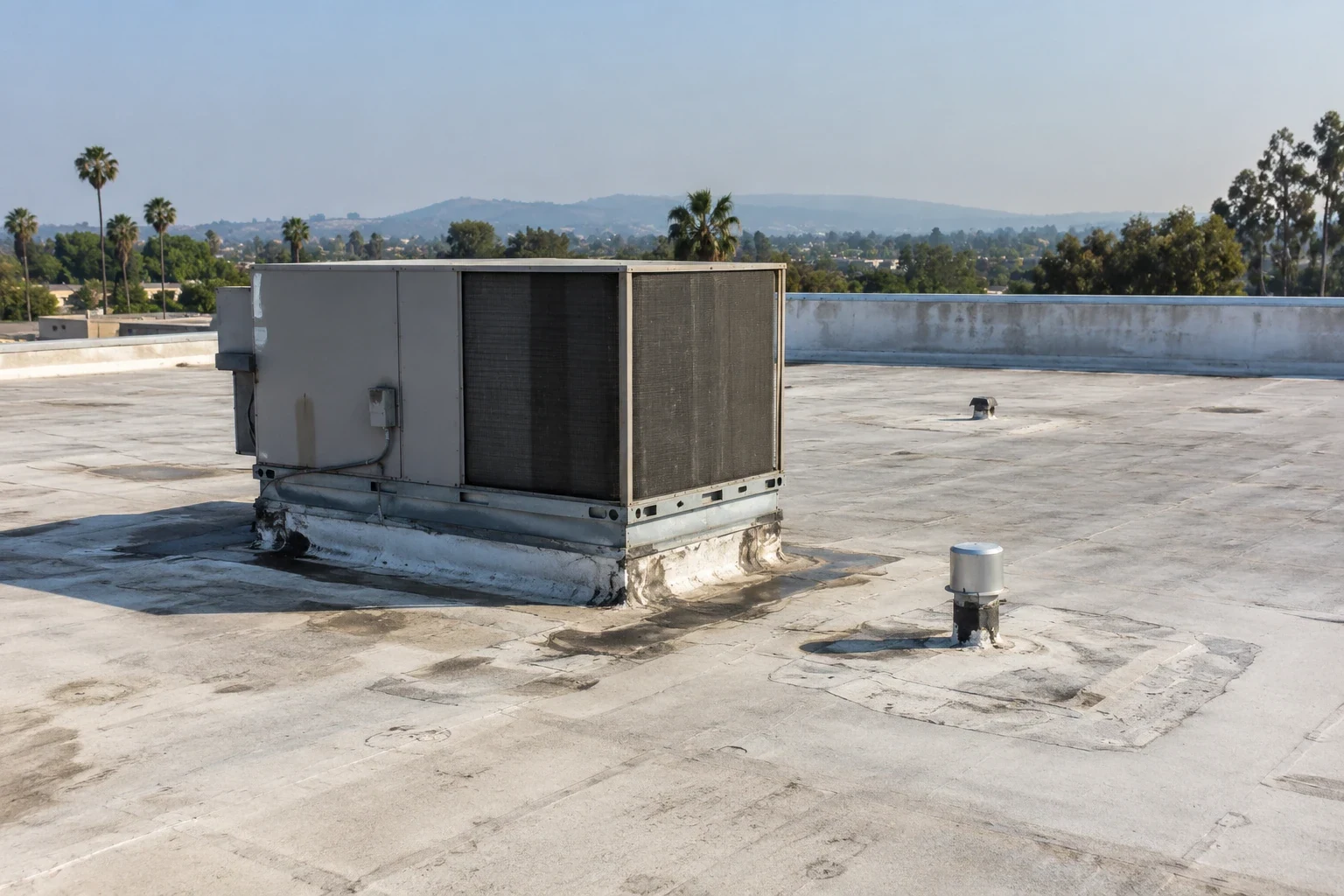
Preventive Roof Maintenance
Scope, sequence and repair notes