
Commercial Roofing in Herndon Medical District, CA
Service Areas
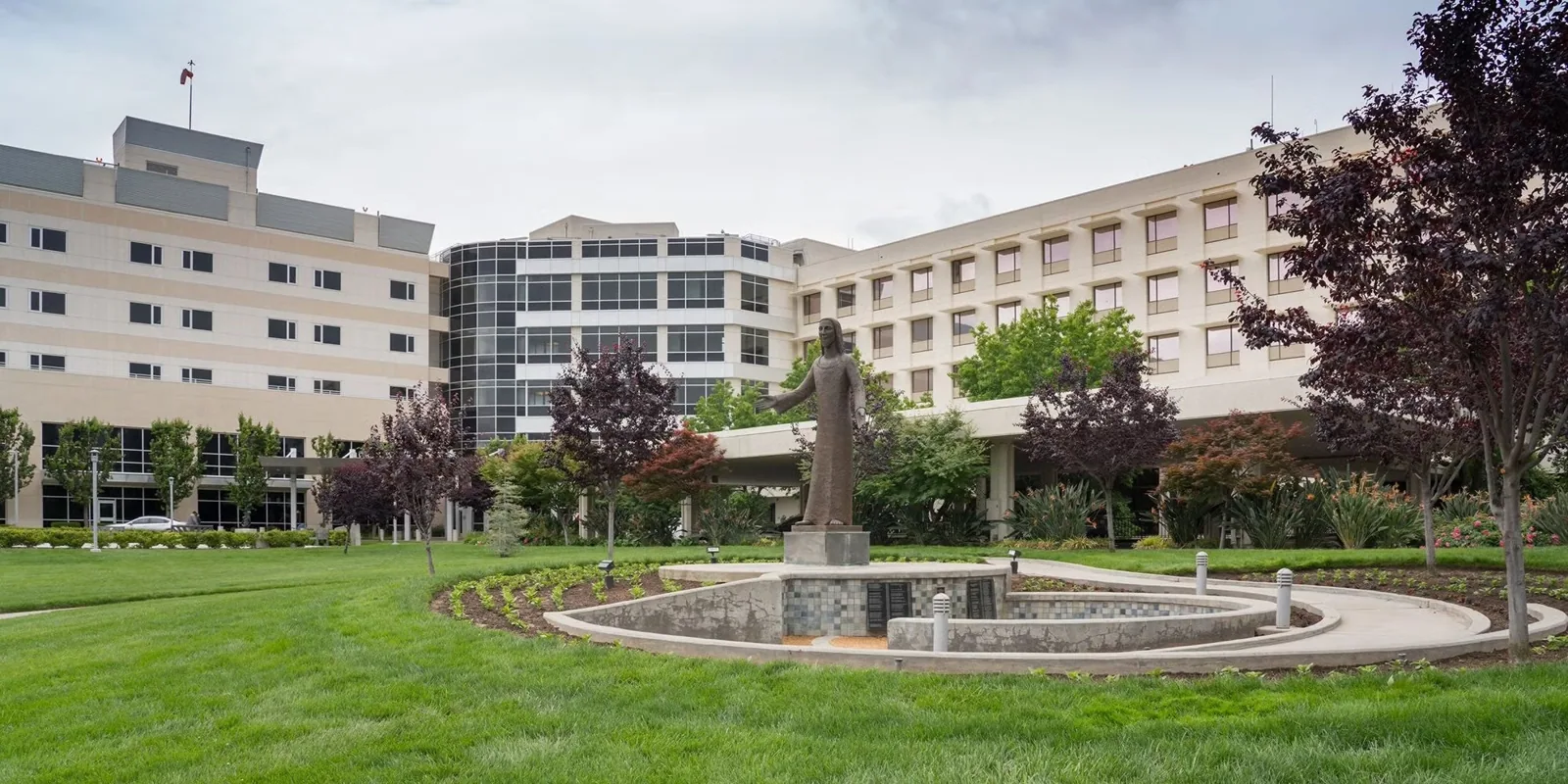
Clovis Community Medical Center helps define the healthcare setting along Herndon Avenue, where medical offices and other commercial properties operate under different access and occupancy needs. A roof assignment still starts with the actual building, responsible facilities contact and the affected room or equipment zone. We agree on roof access, infection-control or sensitive-space restrictions supplied by the owner, and any work window before staging begins. The inspection checks the membrane, drains and equipment transitions above the report, then separates roofing evidence from possible condensate or plumbing sources. A repair scope names the specific detail and protection measures; a broader investigation is kept distinct where concealed moisture or a second component needs review. That makes the next approval clear without assuming that nearby medical buildings have the same roof or operating rules.
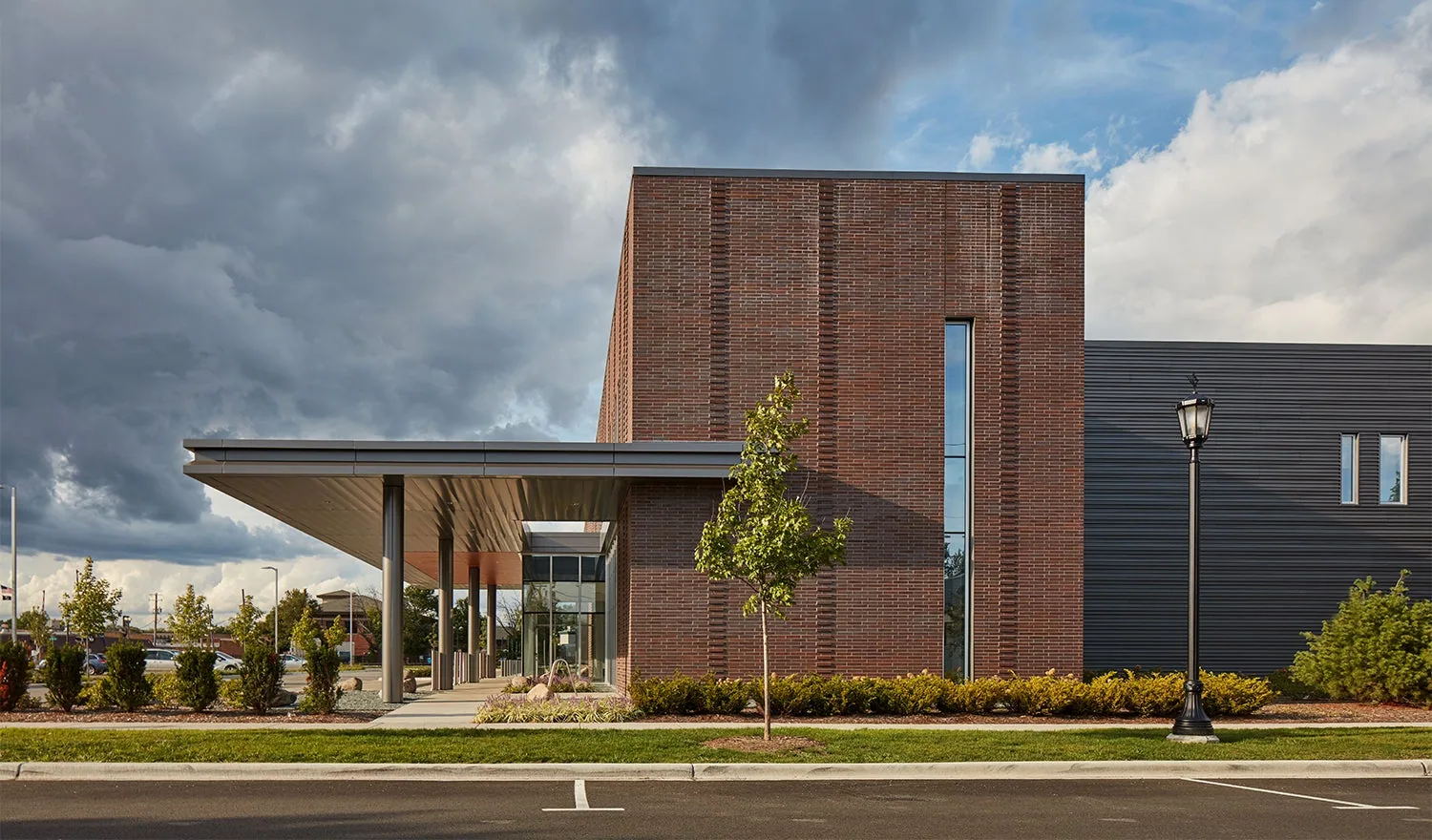
Medical offices often need a quiet, predictable work window and a clear route that avoids patient-facing entrances. The owner can identify which rooms require protection, who approves a mechanical shutdown and where materials may be staged. We then separate the roofing scope from ventilation, condensate or plumbing work that another trade must confirm. If the leak appears near an equipment curb, the report records its condition and the membrane transition around it, not just the interior symptom. This keeps the facilities team informed about the roofing correction while preserving clinical operations and avoiding an unsupported assumption about the source.
The room restriction before the roof opening
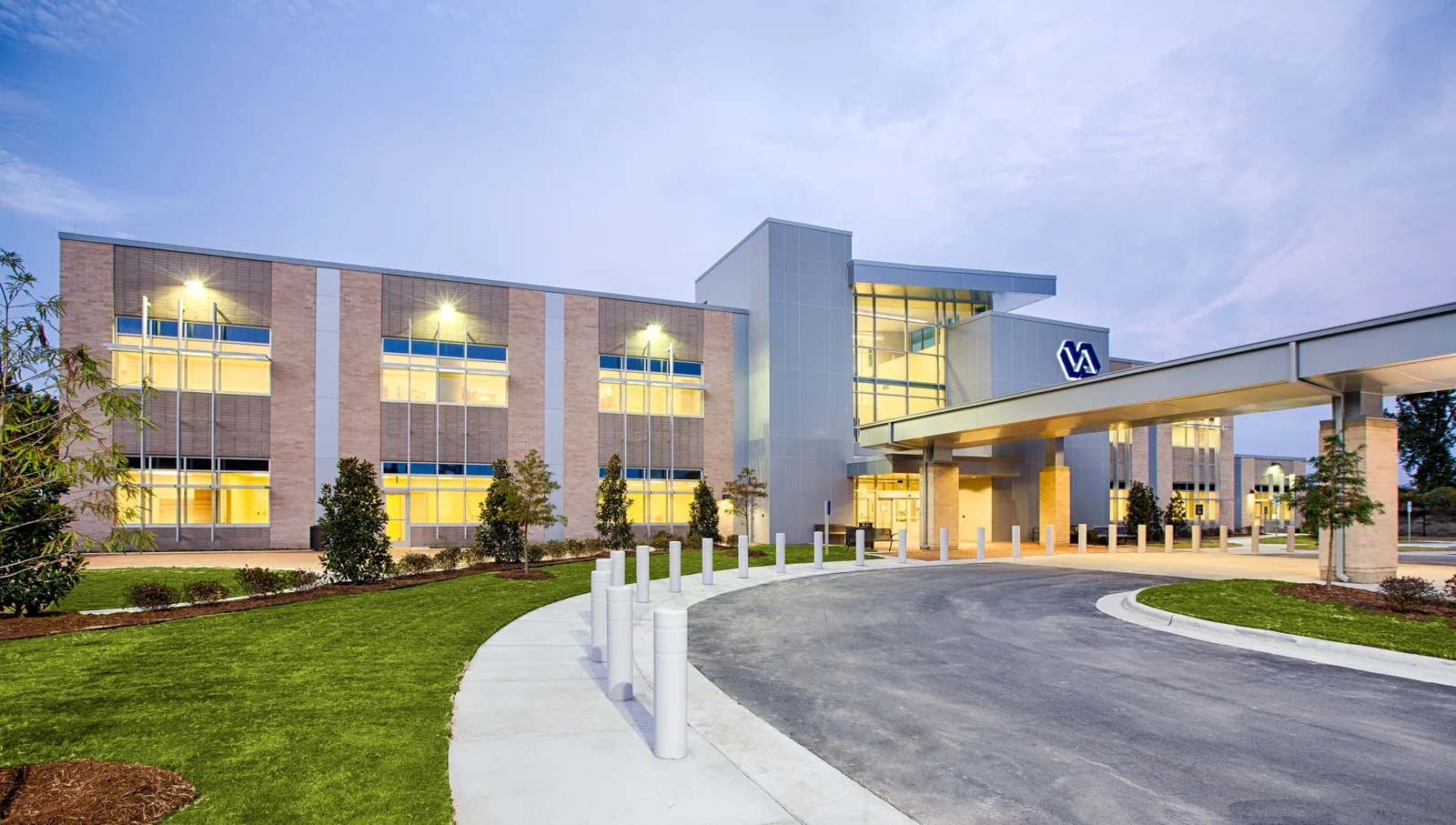
A suspected roof entry above a clinical or support room needs coordination with the person responsible for that space. We ask where the water is appearing, which activities are affected and whether the area can be isolated for investigation. A ceiling observation and a rooftop defect must be connected carefully, because water can travel across structural or service components before it appears indoors. Roofing work above medical offices should establish this interior boundary before invasive investigation is approved.
The hospital identity on Herndon does not supply the roof assembly or operating restrictions for another address, so each assignment starts with its own building information. We review roof hatch access, sensitive intakes and routes for moving materials with the facilities contact. Where the immediate concern is active water entry, we discuss protection and a limited closure first. Emergency requests are handled through the night and over weekends and holidays, with the actual response sequence based on safe access and the condition of the opening.
Ventilation and equipment coordination
A curb with a split flashing or an abandoned penetration can admit water near equipment whose operation must remain controlled. We inspect the membrane transition and determine whether the failure involves movement, traffic damage or a deficient closure from earlier work. Equipment servicing may have to be coordinated before the roof detail can be rebuilt. Permanent flashing repair includes the surrounding material needed to make a serviceable connection, rather than adding a surface bead over an unresolved opening.
An intake location matters when preparation creates dust or an installation uses products with odors. We describe the proposed work to the facilities contact and coordinate isolation or sequencing where required by the building operation. The roofing crew should have a defined route and work boundary, while the responsible equipment personnel retain control of mechanical changes. That arrangement also helps distinguish a roofing leak from condensate or another equipment-related water path that needs a separate correction.
Heat stress and the repair material
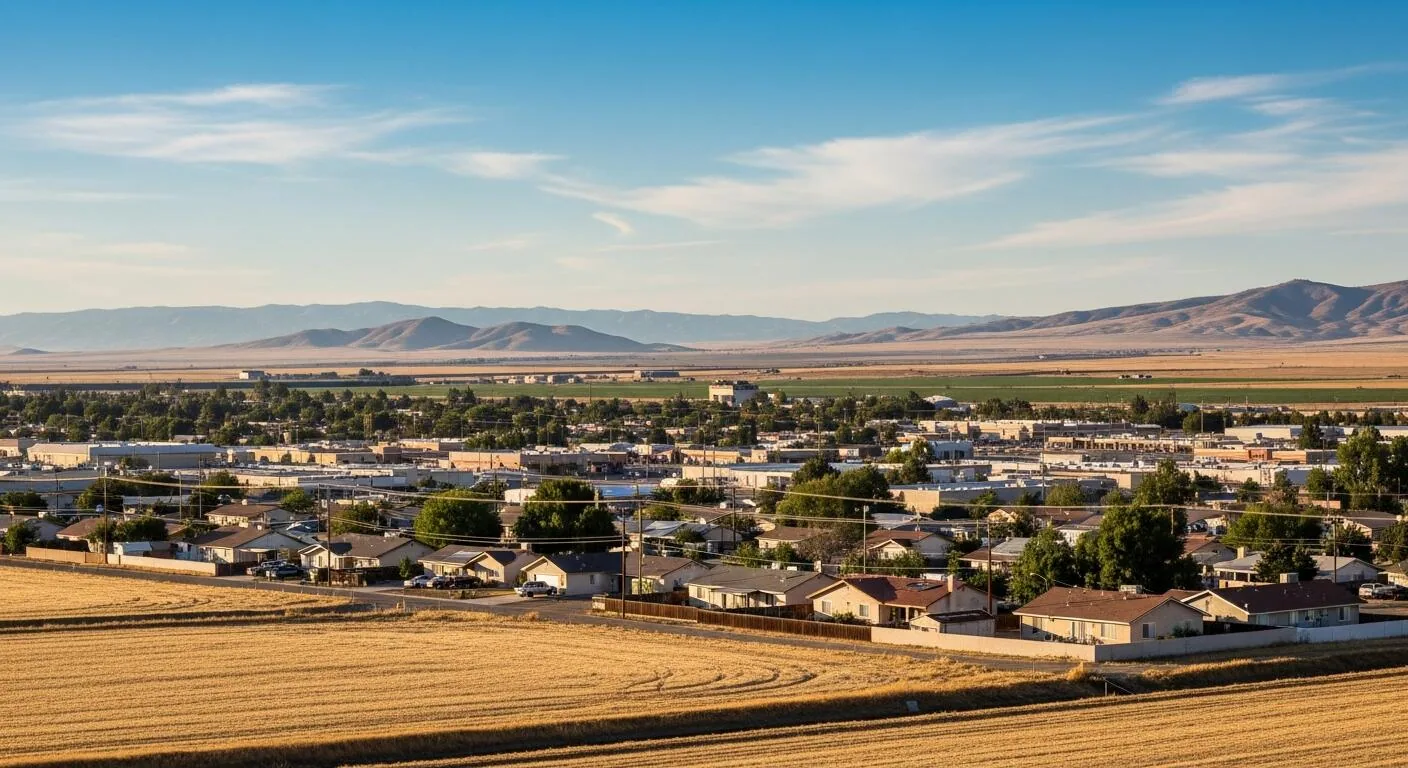
Fresno recorded a 90.0 F mean temperature for July 2024 and 26 triple-digit days. In a Herndon-area roof assessment, that regional heat history makes the condition of moving interfaces a useful inspection topic. Membrane flashing tied to a rigid curb or wall can be stressed by repeated expansion and contraction, particularly where an earlier repair created a stiff transition. We inspect the material and the attachment on the assigned roof before attributing a separation to heat or choosing the replacement detail.
Compatibility also matters when several repairs have been applied over time. We identify the underlying membrane and the existing repair products as far as possible, then determine which layers must be removed to reach sound material. A repair needs a suitable bond or mechanical attachment and enough movement capacity for its position. The scope of a lasting roof repair may therefore extend beyond the visible split without becoming a proposal to replace an otherwise serviceable field.
Moisture findings above sensitive interiors
Damp insulation can remain after the interior drip stops, and closing the entry does not restore the condition of those retained layers. We identify the suspect area, choose appropriate investigation methods and agree on any openings with the building contact. An infrared survey for moisture indications can help locate investigation points under suitable thermal conditions; confirmation is needed where the finding affects removal. The resulting assessment distinguishes an observed wet area from a broad inference about the entire roof.
Where damp material must be removed, the construction plan addresses the exposed deck and the room below. We set the size of the opening, the protection method and the closure sequence before work starts. Deck repair, insulation replacement and membrane installation have different consequences for noise and duration. Those differences should be visible in the proposed work so the facilities contact can coordinate room use without discovering the interruption after the existing assembly has already been opened.
Fog-season access and planned rehabilitation
Central Valley tule fog develops after sunset and is most substantial before dawn, then often thins as daytime warmth returns. During the damp season, an early arrival at a Herndon property does not automatically mean a bonded application can start. We check the actual surface, substrate and product limits, with preparation and installation scheduled separately if the conditions require it. Temporary protection may remain in place while the permanent detail awaits acceptable application conditions.
The contact overseeing assignments in Clovis and Fresno can compare written findings across addresses, but the work sequence follows each building. A rehabilitation proposal explains the known defects, required removals and access decisions, together with areas still needing evaluation. For an occupied medical space, the completion discussion should cover the roofing connection and the return of affected equipment or rooms through the responsible building personnel. The roof work and the interior release are related tasks with separate acceptance responsibilities.
Commercial Roofing Questions
Can investigation proceed above a room that must stay in use?
The method and the room sensitivity control the answer. A surface assessment may be possible, while an invasive opening can require temporary relocation or added protection. We agree on that boundary with the facilities contact and explain what can be established without opening the assembly.
Does a wet ceiling near an air unit prove a roofing failure?
Water at that location can involve the roof flashing, condensate or another equipment connection. We trace the path and coordinate mechanical checks when needed. Closing a sound membrane without resolving an equipment discharge problem can leave the same interior complaint in place.
How is a roof repair scheduled near ventilation intakes?
The proposed materials and preparation work need review with the equipment contact. We identify the work zone and coordinate any required intake isolation or operating changes. That discussion happens before application so the roofing sequence accounts for the actual ventilation arrangement.
What could turn a local repair into a wider removal task?
Concealed damp layers or a weakened support can expand the work beyond the visible opening. We establish the extent through investigation and report the finding before proceeding beyond the agreed boundary. The owner can then evaluate a revised repair scope with the affected-room consequences made clear.
The Herndon facilities discussion
Tell us which room is affected, what equipment operates nearby and who controls the roof and ventilation access. We will review immediate protection and the investigation sequence with that contact.
Related Pages
Medical Office Roof Repairs With Room Protection
Read the full page
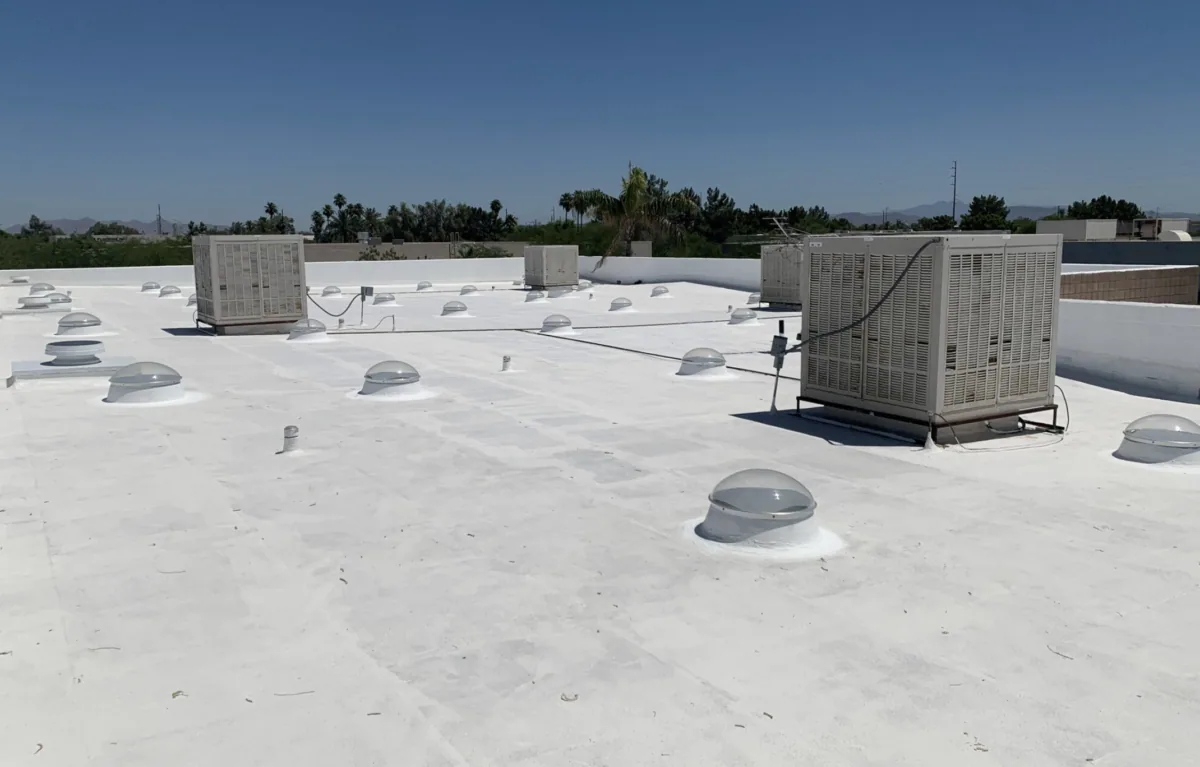
Skylight and Penetration Flashing
See how we handle it
Commercial Roof Repair
Scope, sequence and repair notes
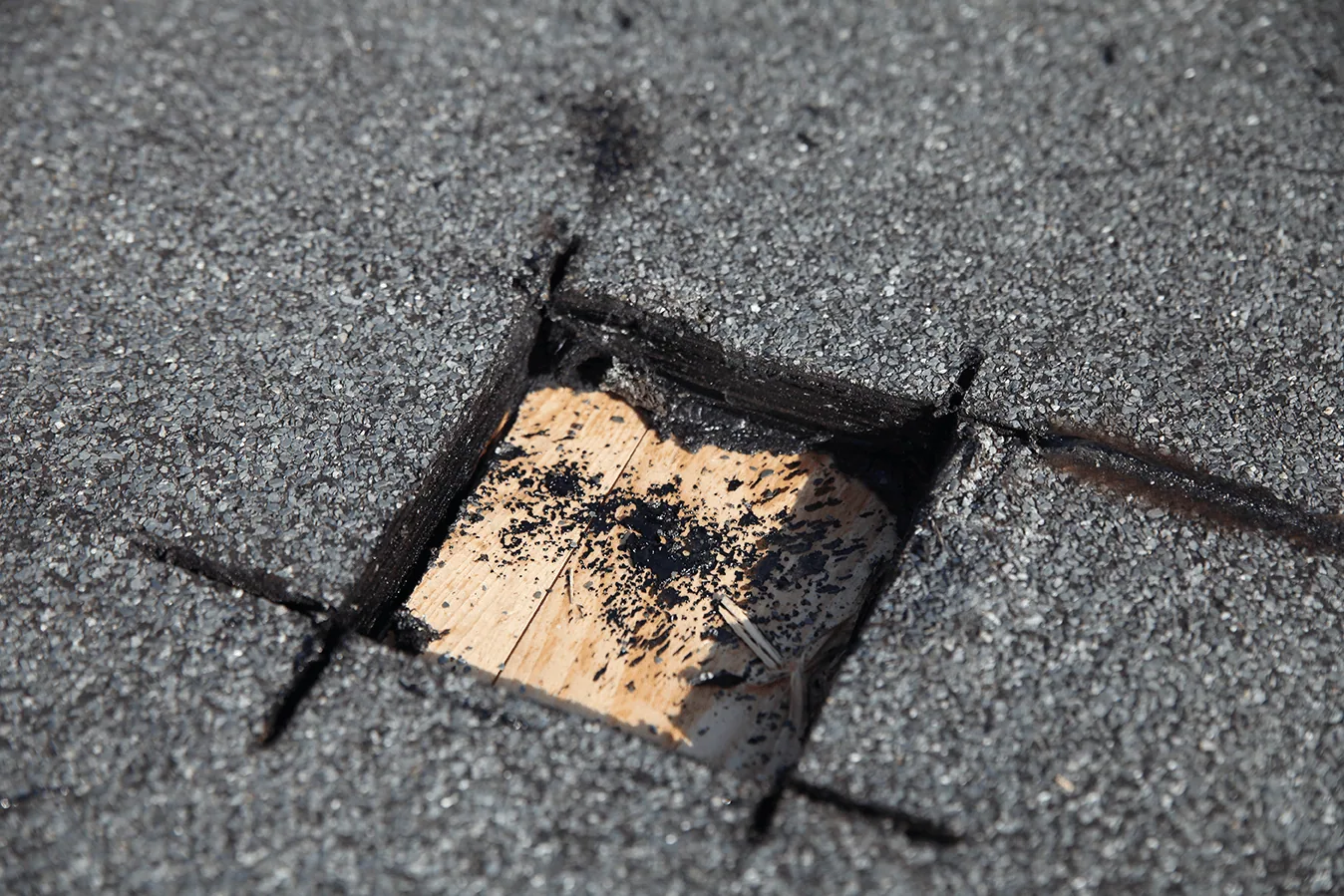
Infrared Roof Moisture Survey
Read the full page
Clovis
See how we handle it
Fresno
Scope, sequence and repair notes