Commercial Roofing in Fresno, CA
Service Areas
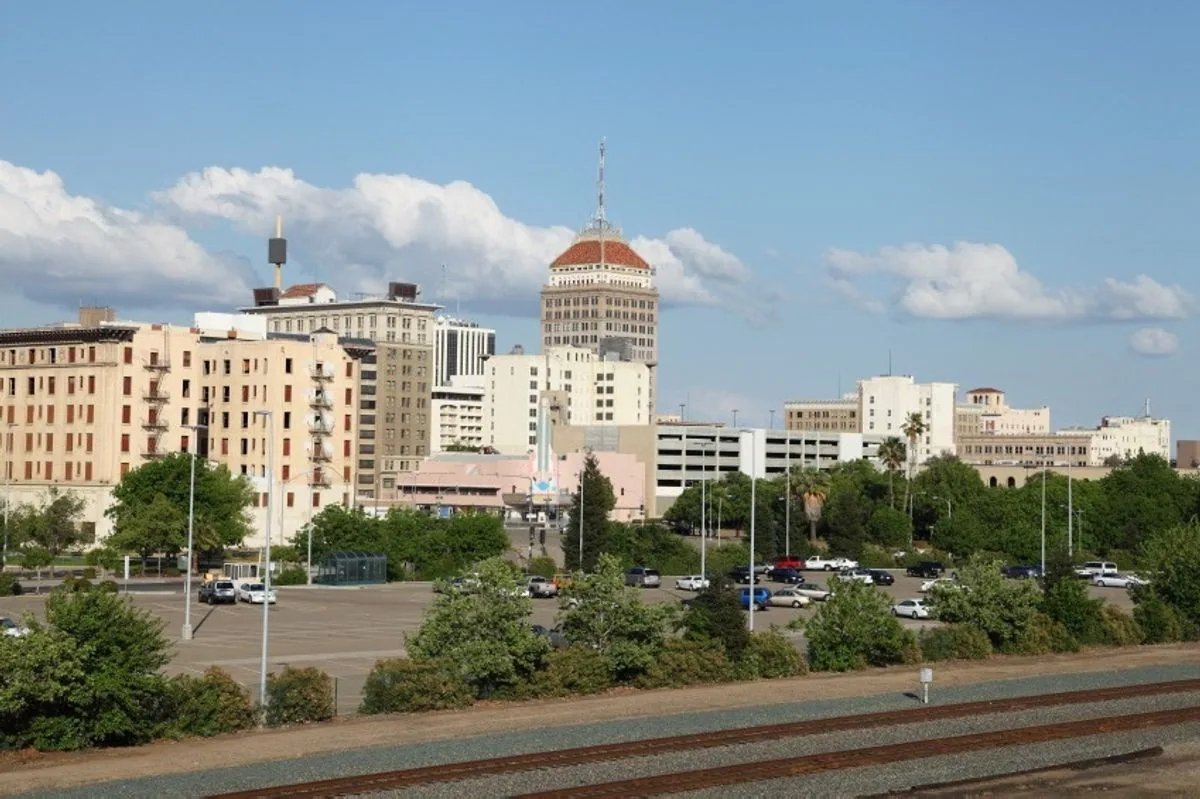
Fresno’s commercial buildings span a large city connected by major state routes, rail service and an airport, so travel and operating conditions vary by property. A roofing visit begins with the actual address and access contact, not a nearby civic or transportation landmark. The owner can help the crew arrive prepared by identifying loading rules, occupied rooms, roof entry and any sensitive equipment below the work zone. We inspect the reported area, then follow seams, drains, curbs and wall transitions that could explain the water path. When the roof includes several elevations or tenants, photographs and a zone map keep recommendations connected to the correct section. The resulting scope separates emergency dry-in from permanent repair and lists any moisture testing or mechanical review still required.
For a multi-tenant or multi-elevation property, a single leak report may involve more than one roof section. We label each observation by building and zone, record the condition of nearby drains and penetrations, and avoid combining unrelated repairs into one allowance. The owner can then decide whether to authorize a focused repair, an expanded moisture check or a separate mechanical review. If a storm is approaching, the first visit can prioritize temporary protection while preserving enough documentation to plan permanent work after the roof is dry and safe to assess.
The loss boundary inside the building
Water reaching an occupied room raises two separate questions: what needs protection now, and which rooftop defect allows the water through. We ask the building contact to identify electrical concerns, sensitive contents and spaces that can be isolated, then trace the roof route when access is safe. Interior staining may lag behind the entry or appear away from it, so its position becomes one part of the investigation rather than the entire diagnosis. Urgent roof containment is sized to the immediate opening and the conditions at the work area.
We receive emergency calls outside ordinary office hours as well as during weekends and holidays. The response discussion establishes who can provide keys, where a crew may enter and what the tenant has already done to limit the loss. Temporary materials must suit the existing roof and the available bonding conditions. After the immediate issue has been addressed, we describe the inspection needed to determine whether concealed moisture or an adjacent weak detail changes the permanent repair.
Fresno heat and material condition
July 2024 brought Fresno a 90.0 F mean temperature and 26 triple-digit days. Prolonged regional heat makes joints between flexible roofing and rigid components worth close examination, particularly where past repairs have left a stiff band across a moving connection. We look for separation, material brittleness and distortion at the actual interface. A historical weather record establishes exposure context; it cannot tell us which membrane is present or whether a particular building suffered a failure during that month.
An owner considering a reflective finish needs more than a surface color choice. The existing assembly must be dry enough, securely attached and compatible with the proposed product, while perimeter and penetration repairs must be completed before the field treatment hides them. We compare restoration of a serviceable roof with targeted replacement of damaged portions or removal of the assembly. The useful distinction is what the treatment can accomplish on this roof, including the limitations left in place afterward.
Connections at the roof perimeter
A loose coping joint or a separated wall flashing can expose an interior even where the broad membrane field remains sound. We examine the attachment, the termination height and the continuity of the waterproofing behind the visible metal. Replacing sealant across the top of a joint may leave an inadequate connection underneath it, and the repair should account for movement without relying on a thick surface bead. Perimeter metal repairs therefore need enough investigation to identify the supporting condition.
Edge work can also affect staging because exterior access may require equipment placement beside occupied entries. We coordinate the work boundary with the building contact, protect paths that remain in use and distinguish roof access from ground access. A roof reached easily by an interior stair can still have a difficult perimeter repair. Those practical constraints belong in the proposed schedule and cost discussion before the owner approves the job, along with any openings necessary to confirm concealed attachment.
Moisture findings and the removal decision
A wet insulation area changes the options even when its surface seam can be closed. Retained water can compromise layers beneath a new treatment and may obscure how far the leak has spread. We use the observed conditions to choose survey methods and selective openings, with each opening repaired after the investigation. The resulting written condition record separates confirmed damage from areas that still require access or testing, so a replacement allowance is connected to evidence rather than a broad impression.
An overlay requires particular care because it preserves the old assembly beneath a new one. We assess moisture, attachment, drainage and the acceptability of retaining the existing layers before presenting it as an option. If the substrate cannot carry the proposed system or wet material would remain trapped, the order of work shifts toward removal. We explain what will be exposed, how much can be opened at a time and how the deck will be evaluated before new insulation and waterproofing are installed.
Winter surface checks and daily closure
Tule fog in the Central Valley forms after sunset, reaches its greatest thickness before dawn and thins with daytime warming. During that season a Fresno roof can require cleaning and drying checks even after the rainfall itself has ended. We test conditions at the work surface and use the product requirements to determine when adhesives or coatings can proceed. Inspection, debris removal and preparation may have a different schedule from installation, especially where damp surfaces persist at shaded transitions.
For an owner comparing an assignment in downtown Fresno with work in Clovis, the local route is less important than the building-specific closure plan. We establish how materials reach the roof, which interior operations sit beneath each work zone and who will inspect the completed areas. A permanent repair ends with the relevant connection checked and its limits explained, while a replacement sequence also needs daily closure arrangements that match the exposed area and forecast conditions.
Commercial Roofing Questions
Can one inspection decide between repair and replacement?
The accessible evidence sets the useful limits of the assessment. An inspection may support a defined detail repair, while uncertain moisture or deck condition may require openings before replacement is scoped. We explain the unresolved areas and the investigation needed to resolve them instead of presenting limited access as a complete assembly assessment.
Does a reflective surface solve a Fresno heat complaint?
The roof assembly and the building equipment require separate evaluation. A reflective treatment can change solar absorption, but it does not correct damaged insulation, an equipment fault or an air leakage route. We evaluate roof condition and coordinate any mechanical concern before attributing the complaint to the membrane color alone.
Who needs to attend a roof access discussion?
Access authority matters more than the number of people present. We need the person who can admit the crew, the contact responsible for affected rooms and anyone controlling equipment isolation. Where those duties belong to different parties, their decisions must be settled before work that exposes the building is scheduled.
What makes a repaired area ready for acceptance?
The repaired interface should match the agreed scope and connect with sound surrounding material. We record the work and explain any remaining defects outside that boundary. Where testing or a return observation is appropriate, it becomes part of the completion discussion rather than assuming that the disappearance of an interior drip settles every question.
The Fresno building contact
Give us the affected room, roof access arrangements and any recent equipment changes. We will assess the immediate risk and describe the work needed to establish a permanent repair boundary.
Related Pages
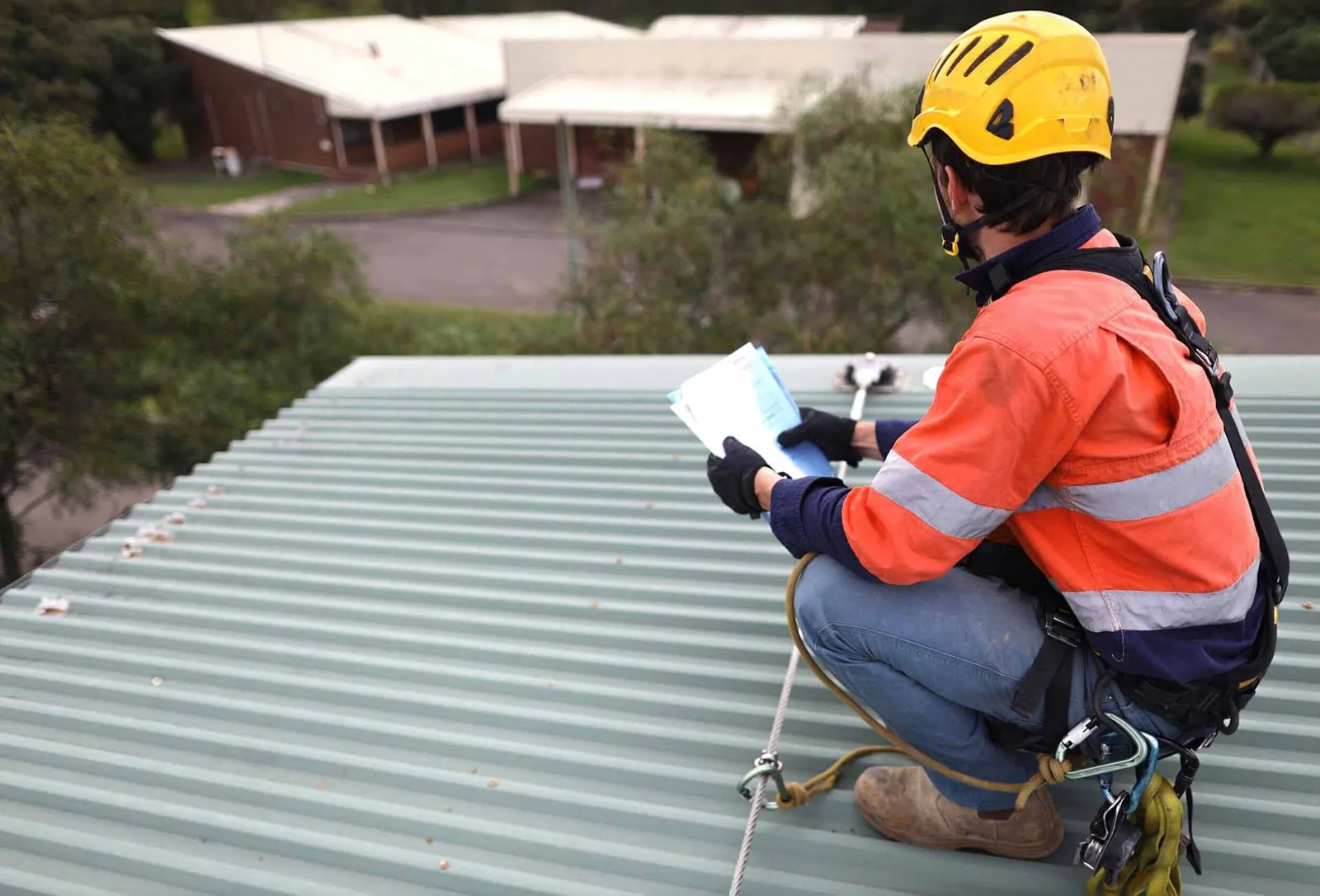
Emergency Commercial Roof Repair
Read the full page
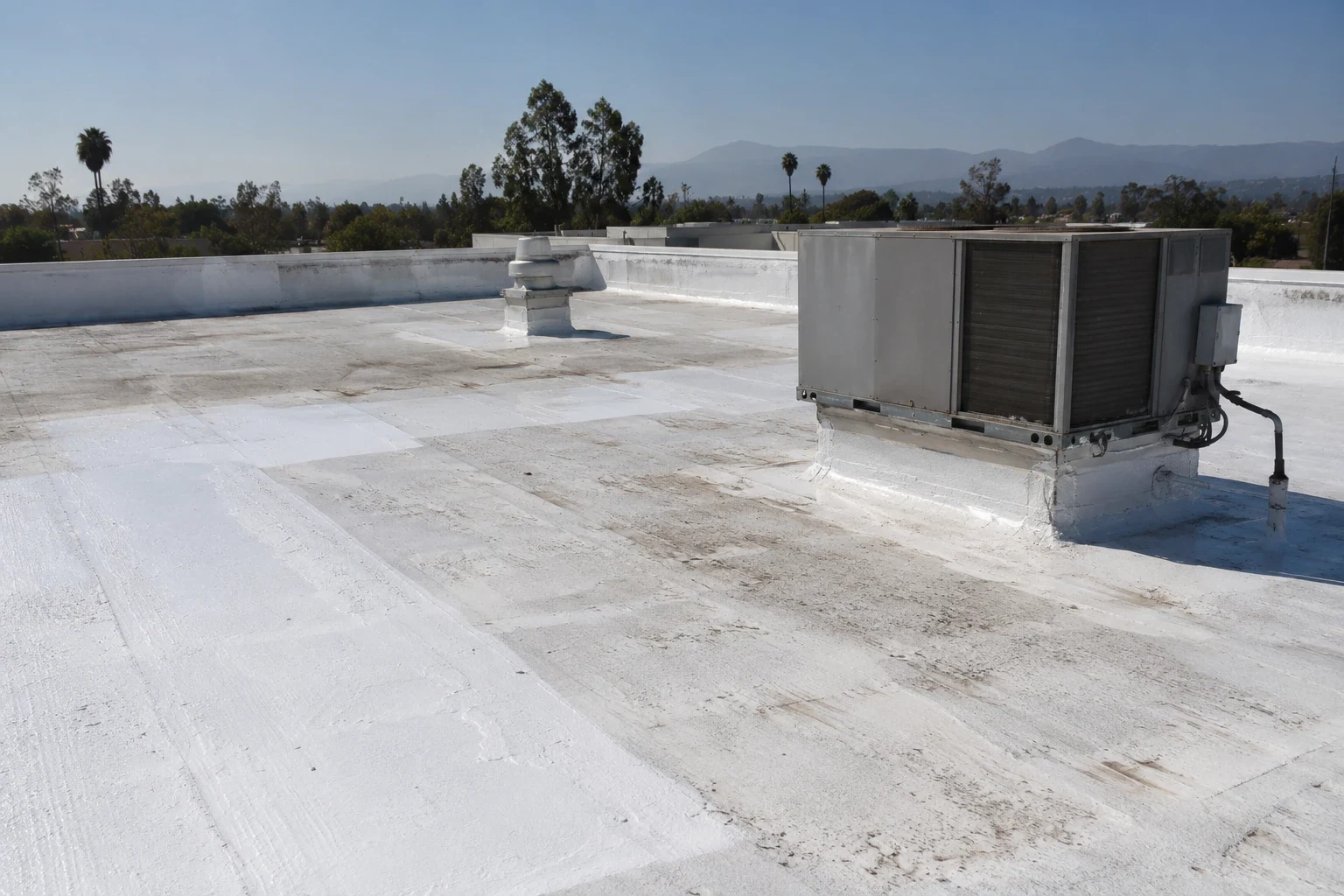
Roof Coating Restoration
See how we handle it
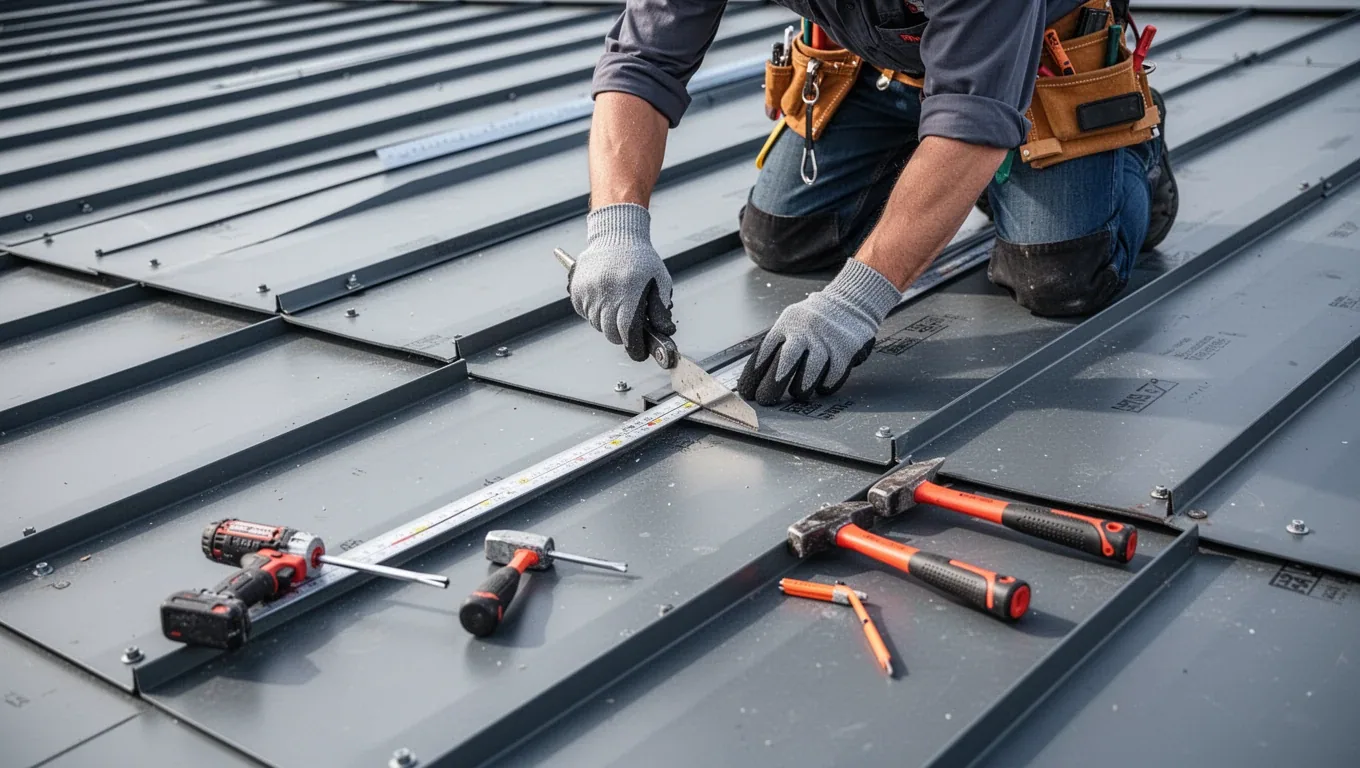
Edge Metal, Coping and Gutters
Scope, sequence and repair notes
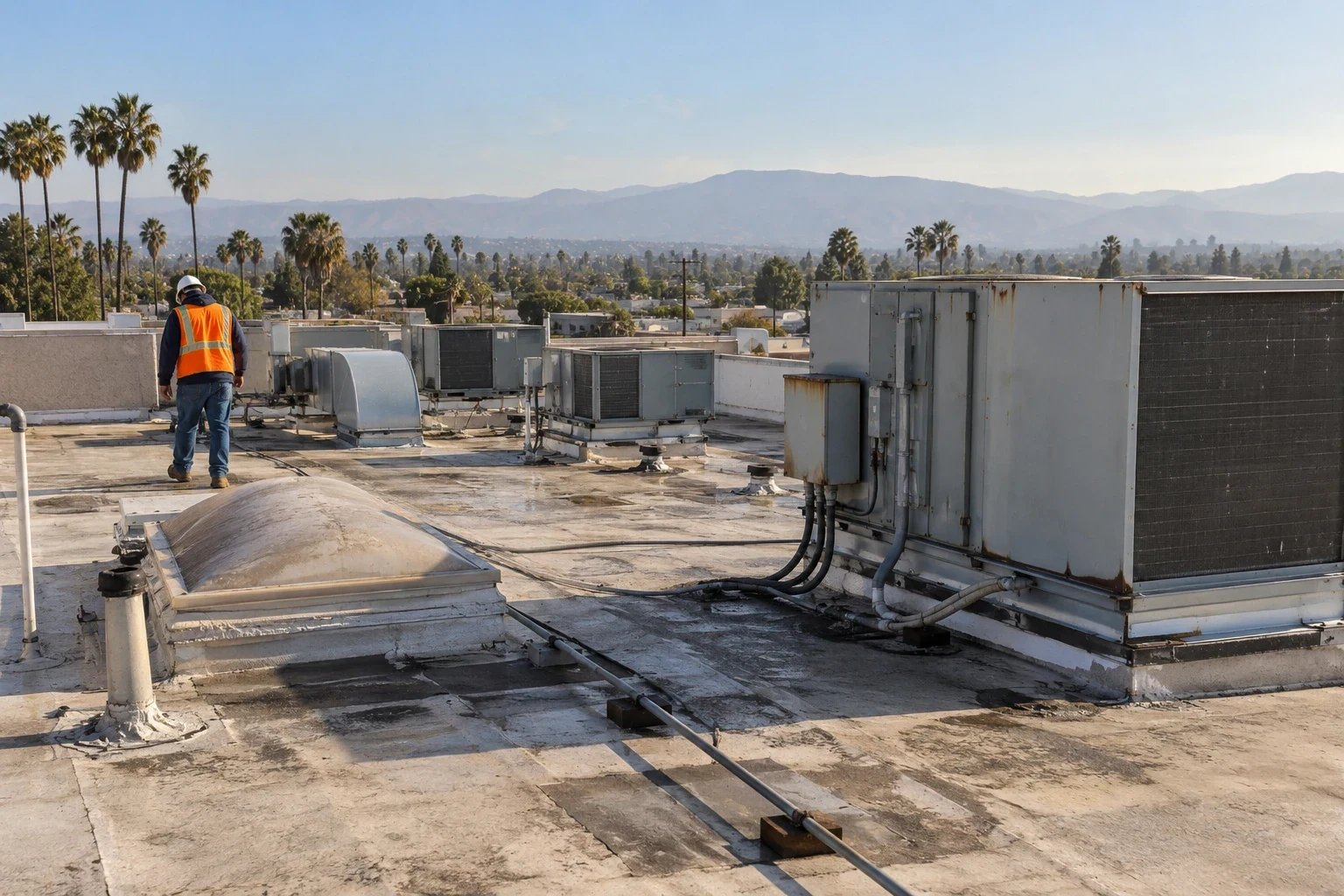
Roof Condition Records and Repair Planning
Read the full page
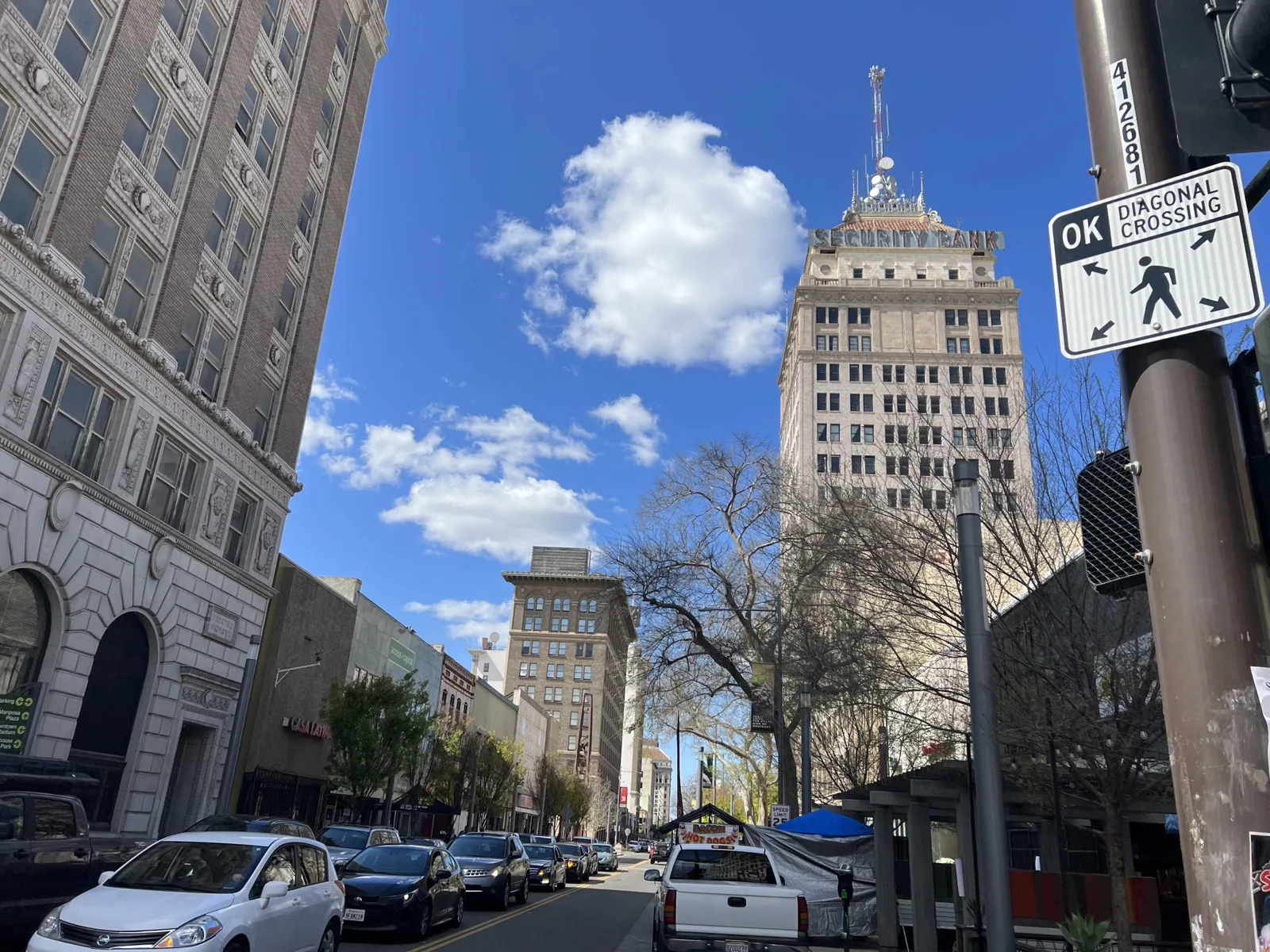
Downtown Fresno
See how we handle it
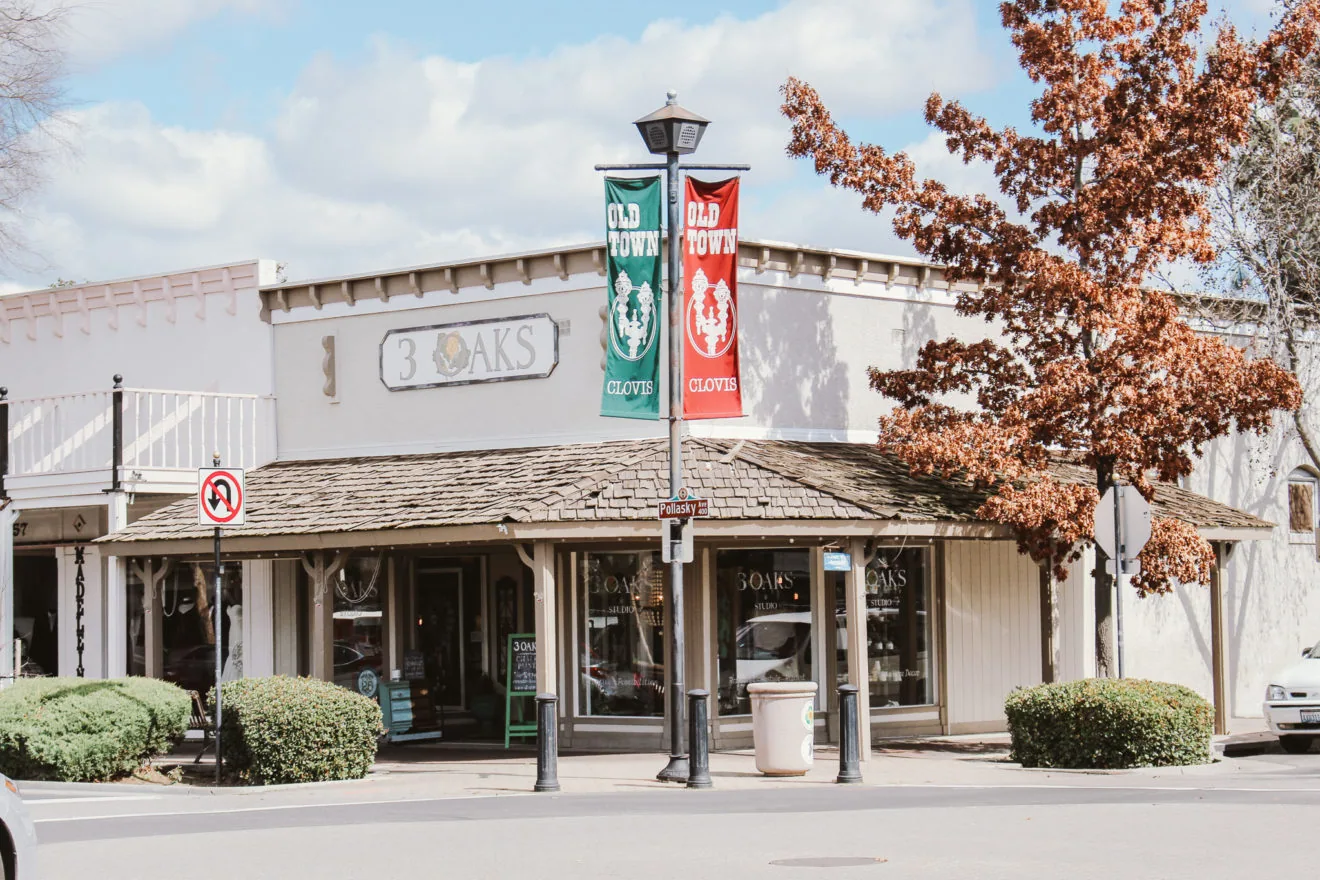
Clovis
Scope, sequence and repair notes