
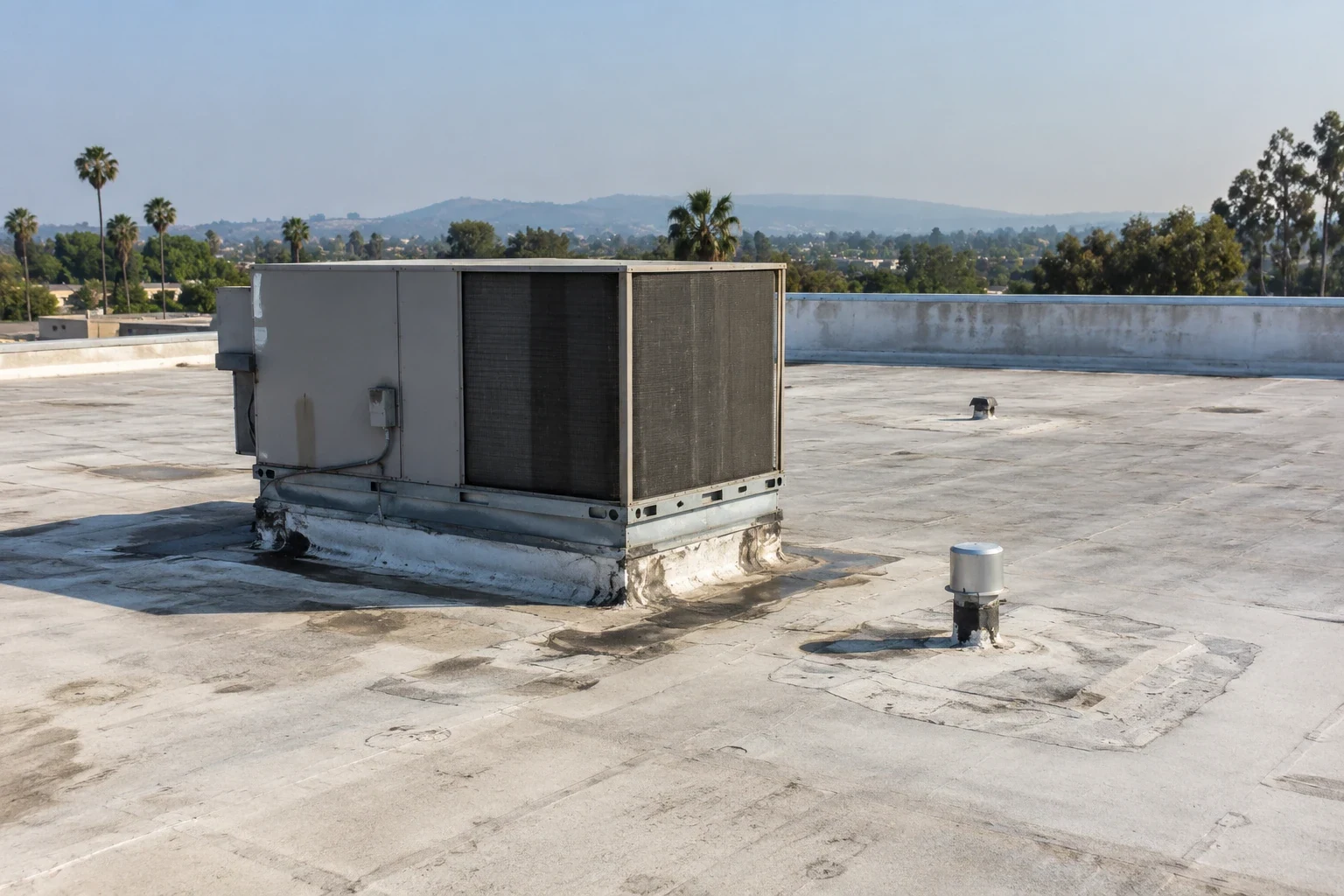
Preventive Roof Maintenance in Clovis, CA
Commercial Roofing Services
A ceiling mark after the first winter shower could be the visible end of a problem that remained quiet through summer: debris beside a drain, a small separation at a curb, or a service path that has worn through protection. Preventive roof maintenance in Clovis, CA starts by locating those developing conditions before another rain tests them, with the building operation and the roof assembly considered together. We examine the vulnerable details, remove appropriate debris and distinguish work that can be completed during the visit from repairs that need materials, drying or access coordination.
Fresno experienced record July heat in 2024, a regional reminder that a roof can spend a long dry interval moving with temperature changes before water reveals a weakness. A maintenance visit cannot undo a damaged assembly simply by cleaning it. We use a hands-on condition examination to establish what is still sound, what is starting to separate and what needs a closer investigation, so an owner receives decisions tied to physical conditions rather than a calendar alone.
The drainage route before the rainfall
Leaves and service debris collect where water is supposed to leave, but a blocked opening is only one reason a roof holds water. We follow the route from the field to the outlet, examine the drain bowl and flashing, and check whether an obstruction is above the roof or within piping that needs another trade. Removing debris from an accessible inlet may restore flow; it cannot correct a settled low area or a line with an unresolved restriction.
That distinction determines the order of work. We clear what can be removed without damaging the membrane, record the remaining drainage concern and explain whether outlet and scupper repairs are needed. Standing water near an electrical unit or a weak deck requires an access decision before routine work proceeds. After cleaning, the roof still needs inspection at the formerly covered area, because concealed cuts or deteriorated flashing can become apparent once the accumulation is gone.
Movement at seams and equipment
An exposed lap that looks closed from above can have a loose edge, and a flashing can remain attached while losing flexibility at its bend. We assess those details with techniques appropriate to the material, without pulling apart a sound joint merely to demonstrate a defect. Rooftop service activity also matters: misplaced panels, loose fasteners and unsupported lines can create a new puncture or direct condensate into an area that was not designed to receive it.
Maintenance should interrupt that chain rather than cover its last symptom. We separate roofing corrections from equipment repairs and identify the responsible trade before closing out the issue. A small cut suitable for a compatible membrane patch is a different job from wet insulation below a split. Where damage extends beyond the surface, maintenance becomes the point at which we recommend investigation and a defined repair, with temporary protection considered if the building is already taking water.
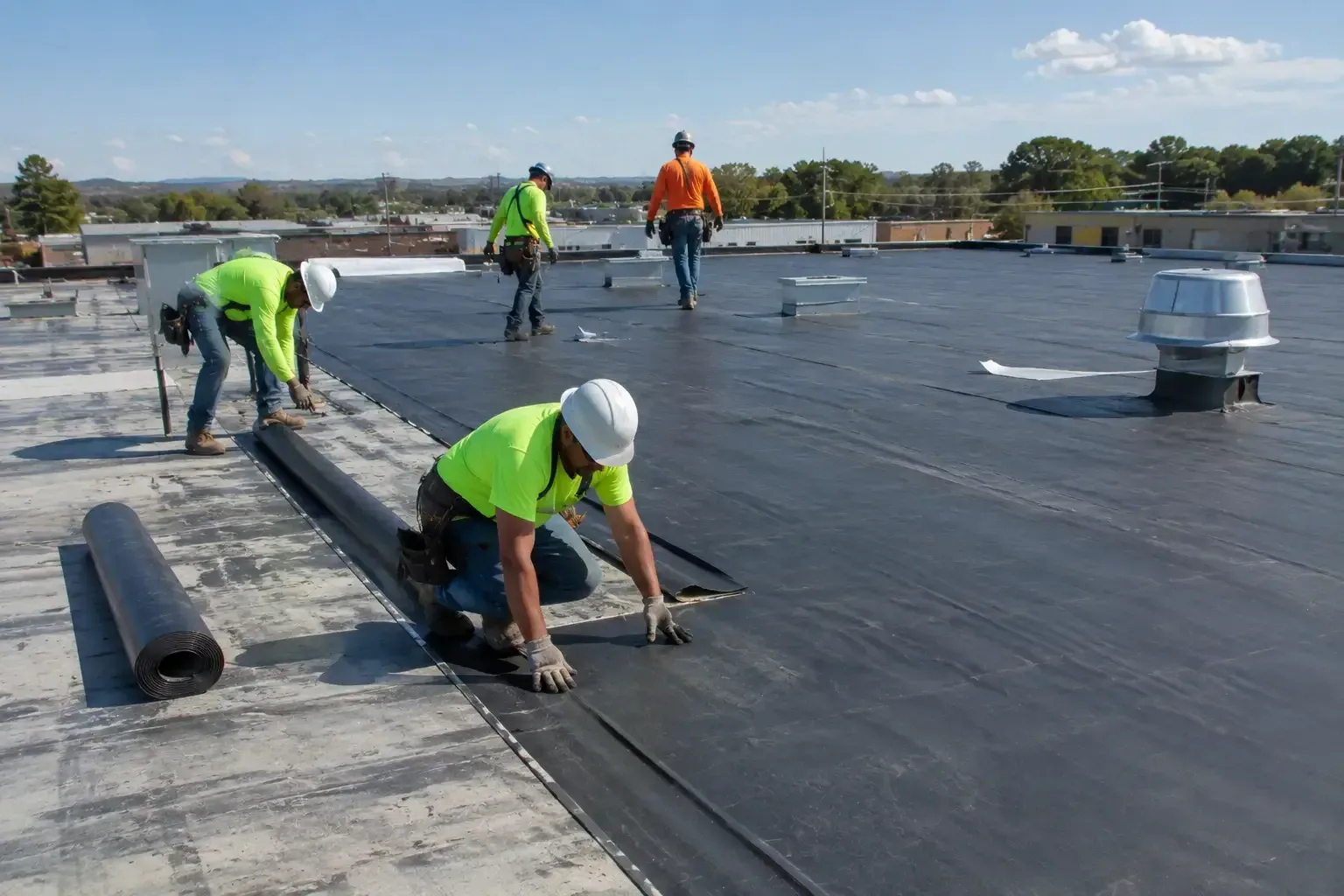
The building beneath the service path
A roof hatch may open above a corridor, while debris removal takes place near an outdoor air intake. Before starting, we establish how workers and materials reach the roof, where removed material goes and which building activities affect the visit. For medical office operations, dust, occupied rooms and intake locations deserve specific attention. Those constraints should influence the work sequence before a bag of debris or a repair container reaches the roof.
Clovis Community Medical Center on Herndon Avenue gives a clear local reference for the importance of continuity in healthcare work. The access requirements for any particular property have to come from its operator. We coordinate the maintenance visit with the actual building contact, identify rooms beneath suspect details and retain a route for reporting new water entry. Inspection findings should help the operator decide what can remain in service and what needs protection, without assuming the roof construction from the use inside.
The seasonal visit and the unresolved item
Central Valley tule fog can leave an early morning surface damp, even without a new storm. We check the substrate before applying sealants or patches, since a planned maintenance visit does not create suitable adhesion conditions. Cleaning and examination may proceed while a bonding operation waits. The decision depends on the selected material, actual surface moisture and temperature, and the time needed for preparation and cure.
For buildings in Clovis, the useful maintenance schedule combines a review before wet weather with visits prompted by equipment changes, debris or known roof weaknesses. A report must keep unresolved work visible. We distinguish a completed cleaning from a repair that still needs approval, and show where written condition records carry photographs and locations forward. A later visit can then compare the same detail, rather than treating an old concern as a newly discovered problem.
The point where upkeep stops
Repeated sealant touchups at one flashing may indicate that the joint geometry or attachment is wrong. A soft area, growing blister or recurring wet insulation likewise needs more than another routine pass. We explain the threshold at which maintenance is no longer the appropriate treatment, and describe what must be opened or tested before pricing the permanent correction. The aim is to avoid spending visit after visit on a condition that cannot be stabilized from its surface.
The cost of a maintenance program follows access, roof complexity, debris exposure and the work included in each visit. Repairs should remain identifiable rather than disappearing inside a general service description. An owner can then compare upkeep with a larger intervention using the same condition record, while retaining responsibility for reported equipment and drainage problems that fall outside roofing work.
A roof access log can also connect findings to recent service activity. We record newly observed damage without assigning blame from proximity alone, and give the operator enough location detail to coordinate an equipment correction. That keeps a repaired penetration from being disturbed again before the underlying service issue has been resolved.
A useful maintenance record makes the next visit more precise. Mark each observed seam, outlet, penetration and temporary repair against a roof plan, then distinguish a condition that was cleaned from one that still needs correction. Compare the same locations on the next inspection and note whether movement, ponding or material separation has changed. This history helps the facilities contact prioritize work by condition and consequence, while keeping a routine service visit from being mistaken for a complete evaluation of inaccessible areas.
Commercial Roofing Questions
Does a clear drain mean the roof is ready for winter?
We need to examine both the drainage path and the surrounding flashing. We examine how water reaches the opening, whether the bowl connection is sound and whether a restriction remains downstream. A clean inlet still needs a watertight connection to the roof.
Should every rooftop service visit trigger a roofing visit?
The work performed is the useful trigger. Replacing a unit, cutting an opening or moving lines deserves a roofing review; a service visit without roof disturbance may not. We agree on a reporting method so the owner can identify meaningful changes.
Can recurring sealant repairs stay in the maintenance budget?
We examine joint movement and the condition beneath the sealant before assigning it to upkeep. We investigate recurring separation before another application, since rebuilding the flashing may be the appropriate expense rather than continuing minor touchups.
What happens to repairs that cannot cure during a foggy visit?
Measured surface conditions govern application. We record the unfinished repair and arrange the next suitable work period, considering temporary protection where necessary. The maintenance report should show exactly which defect remains open and which task was completed.
A maintenance visit with a clear repair boundary
Describe the last leak, recent equipment work and any drain that has held water. We review access and priorities, then establish the inspection and repair sequence for your roof.
Related Pages
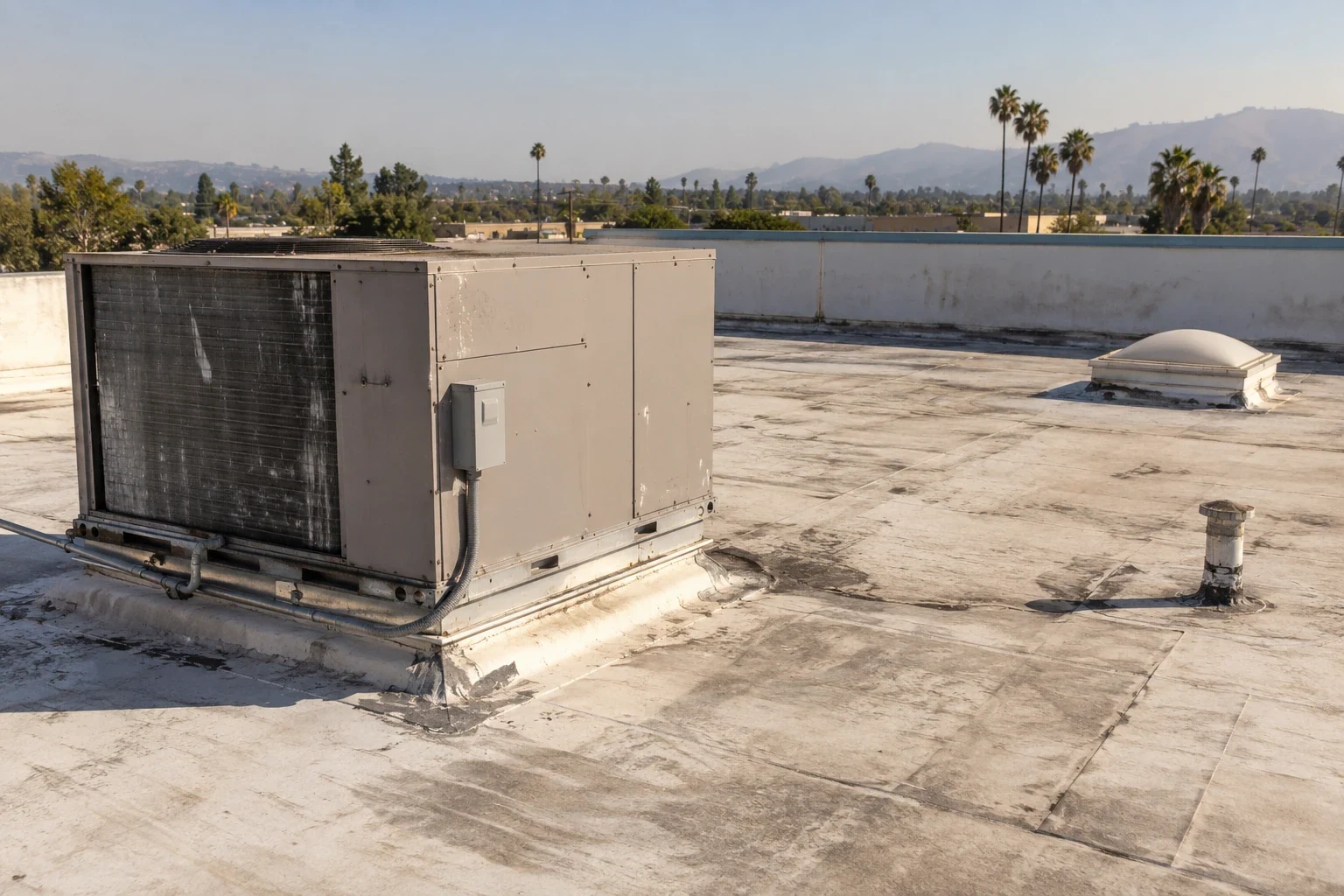
Commercial Roof Inspection
Read the full page
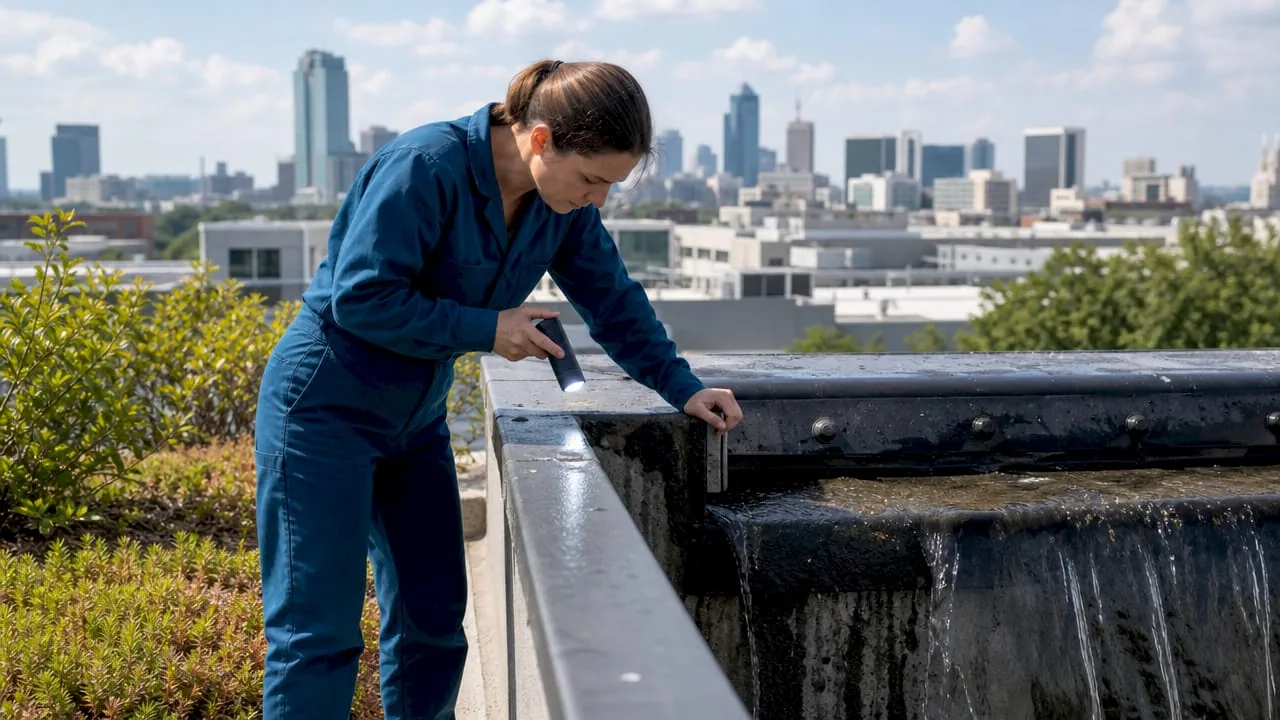
Roof Drains and Scuppers
See how we handle it
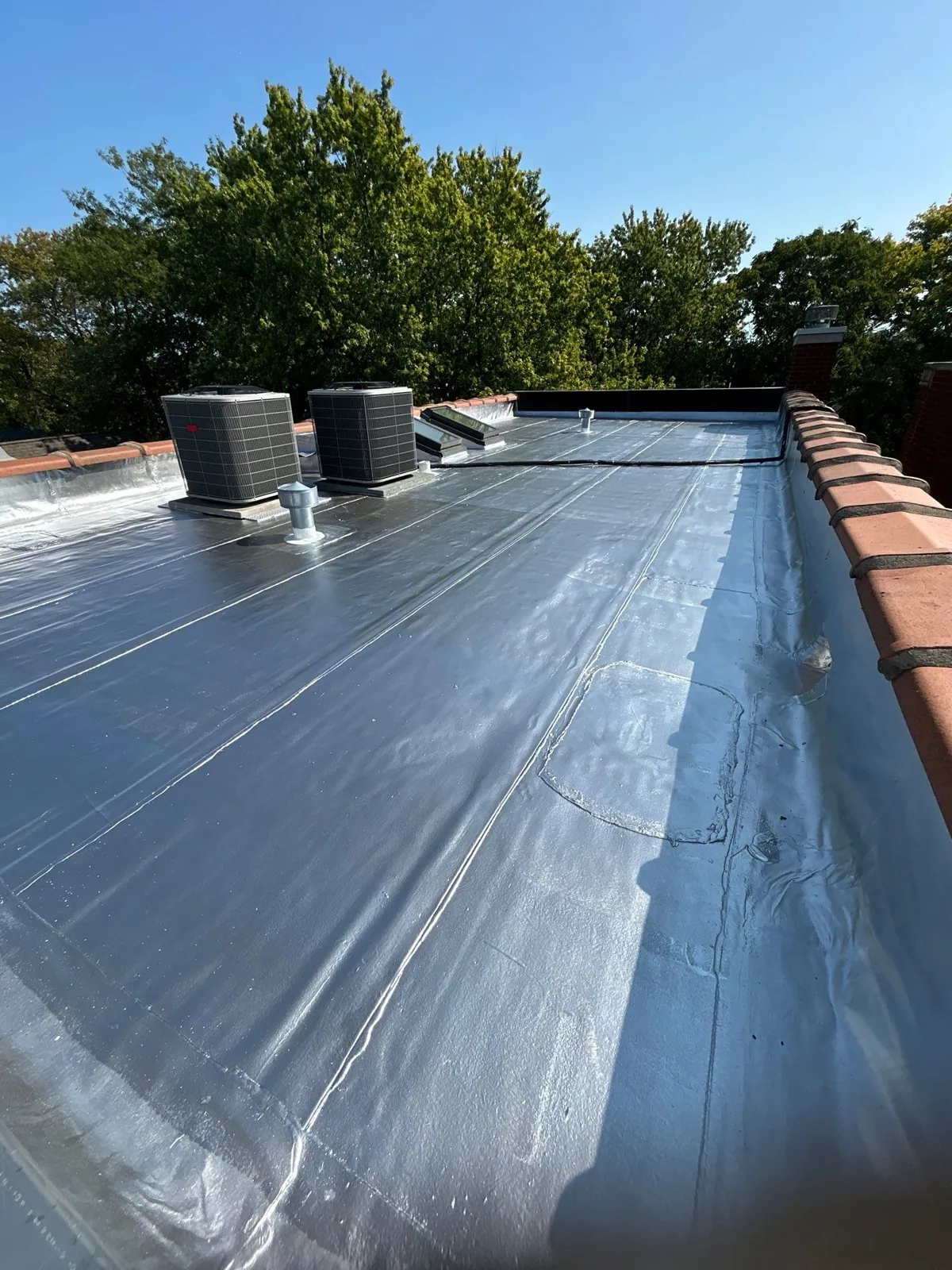
Membrane Puncture Investigation in Clovis Before Patching
Scope, sequence and repair notes
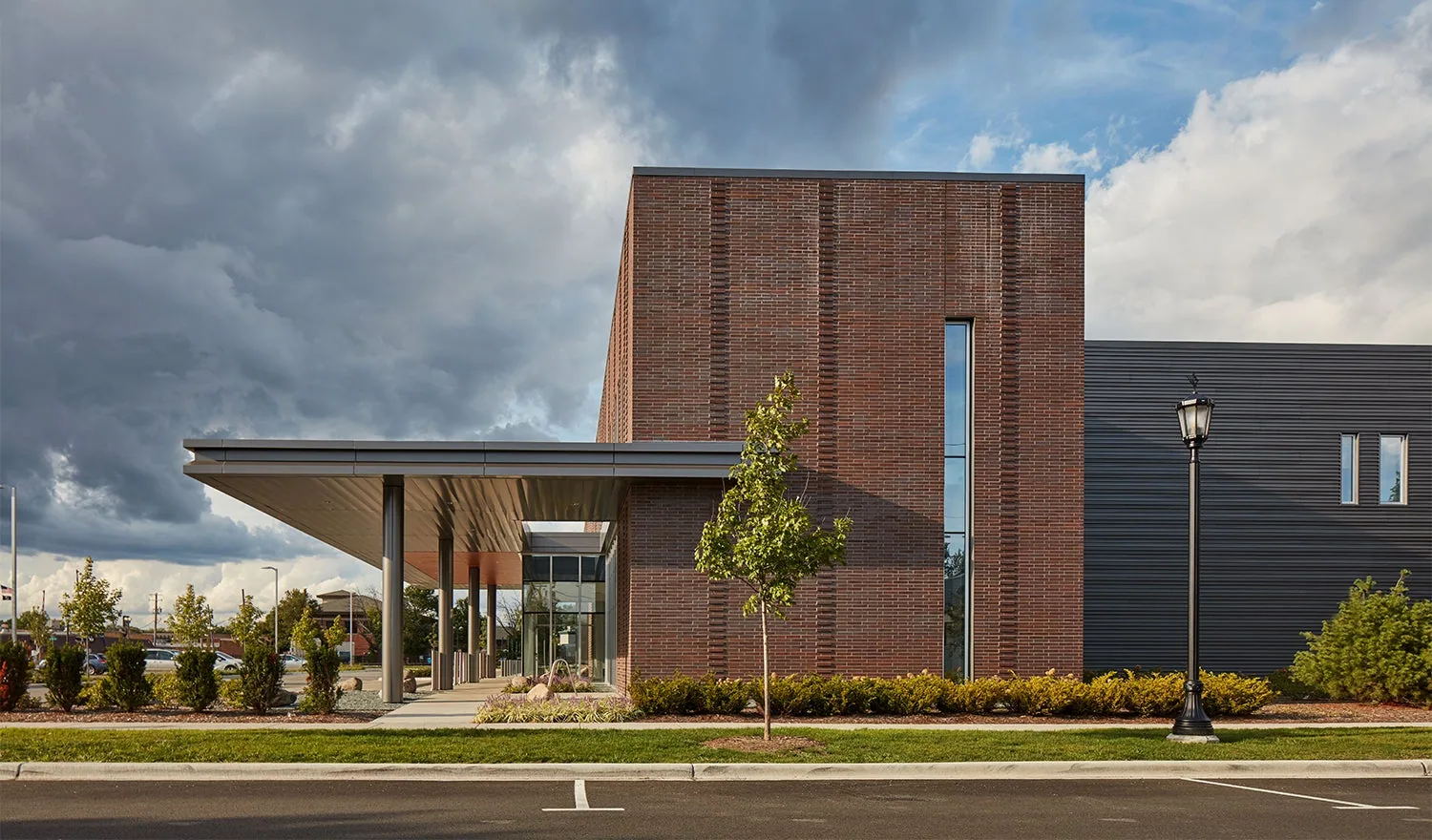
Medical Office Roof Repairs With Room Protection
Read the full page
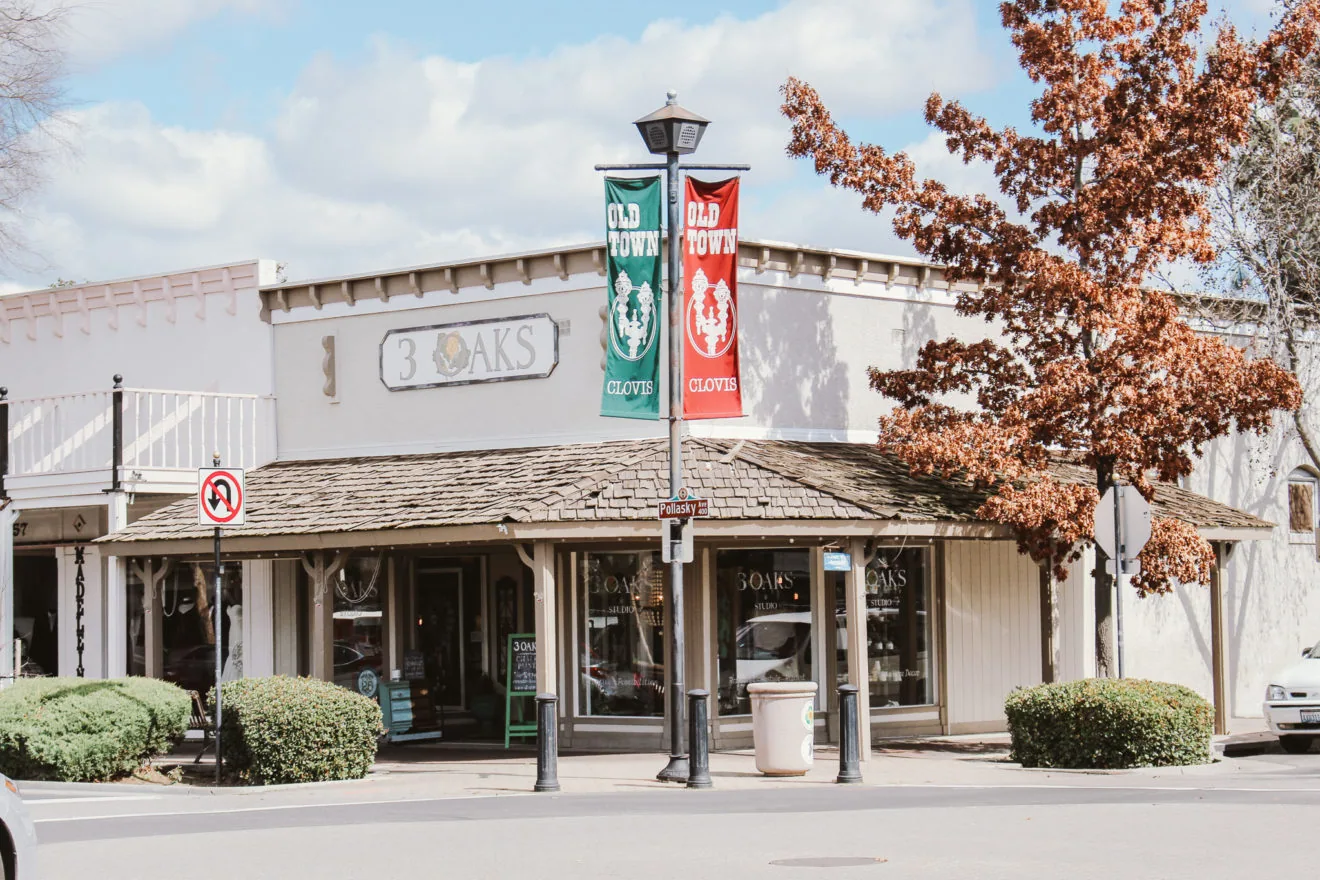
Clovis
See how we handle it
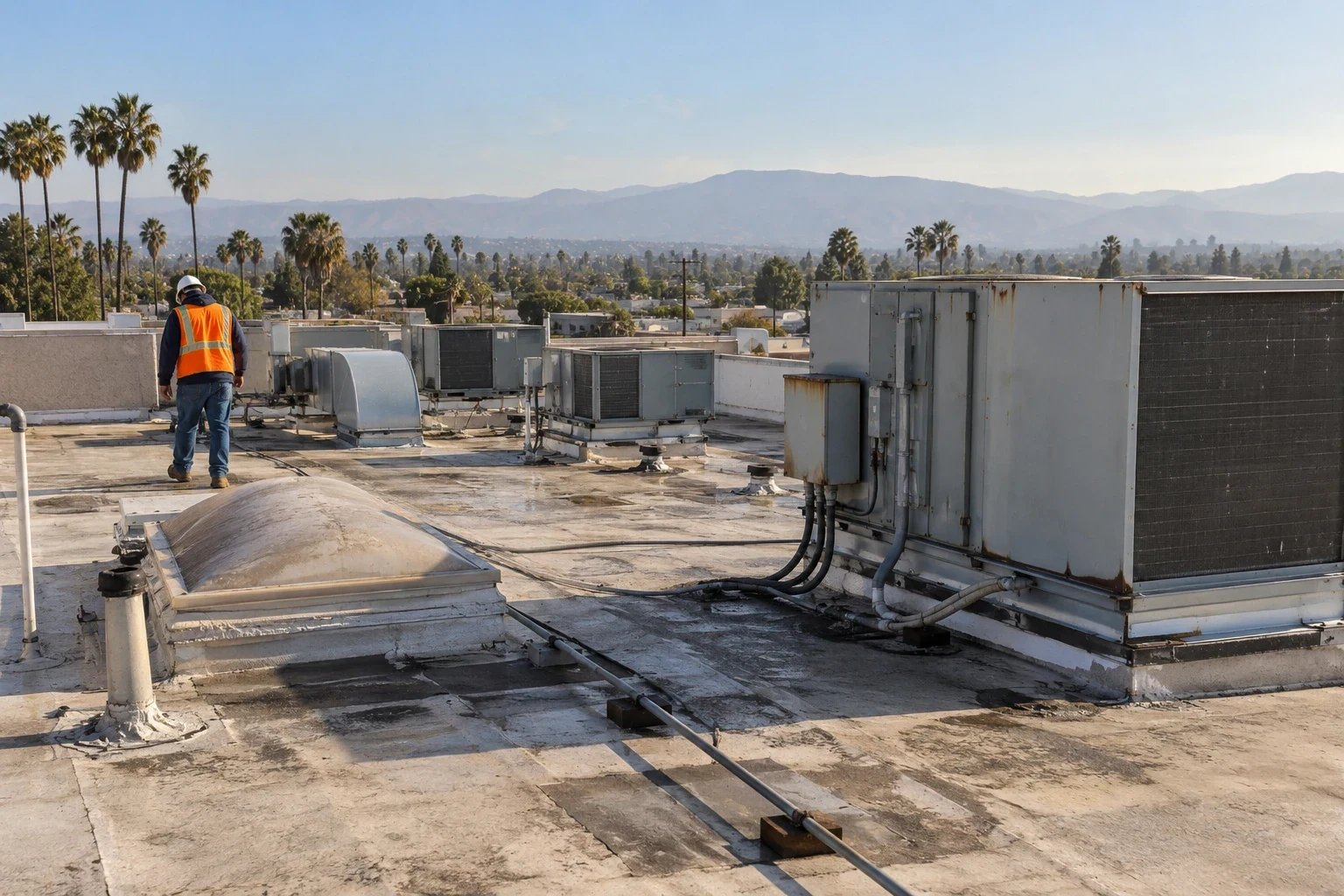
Roof Condition Records and Repair Planning
Scope, sequence and repair notes