
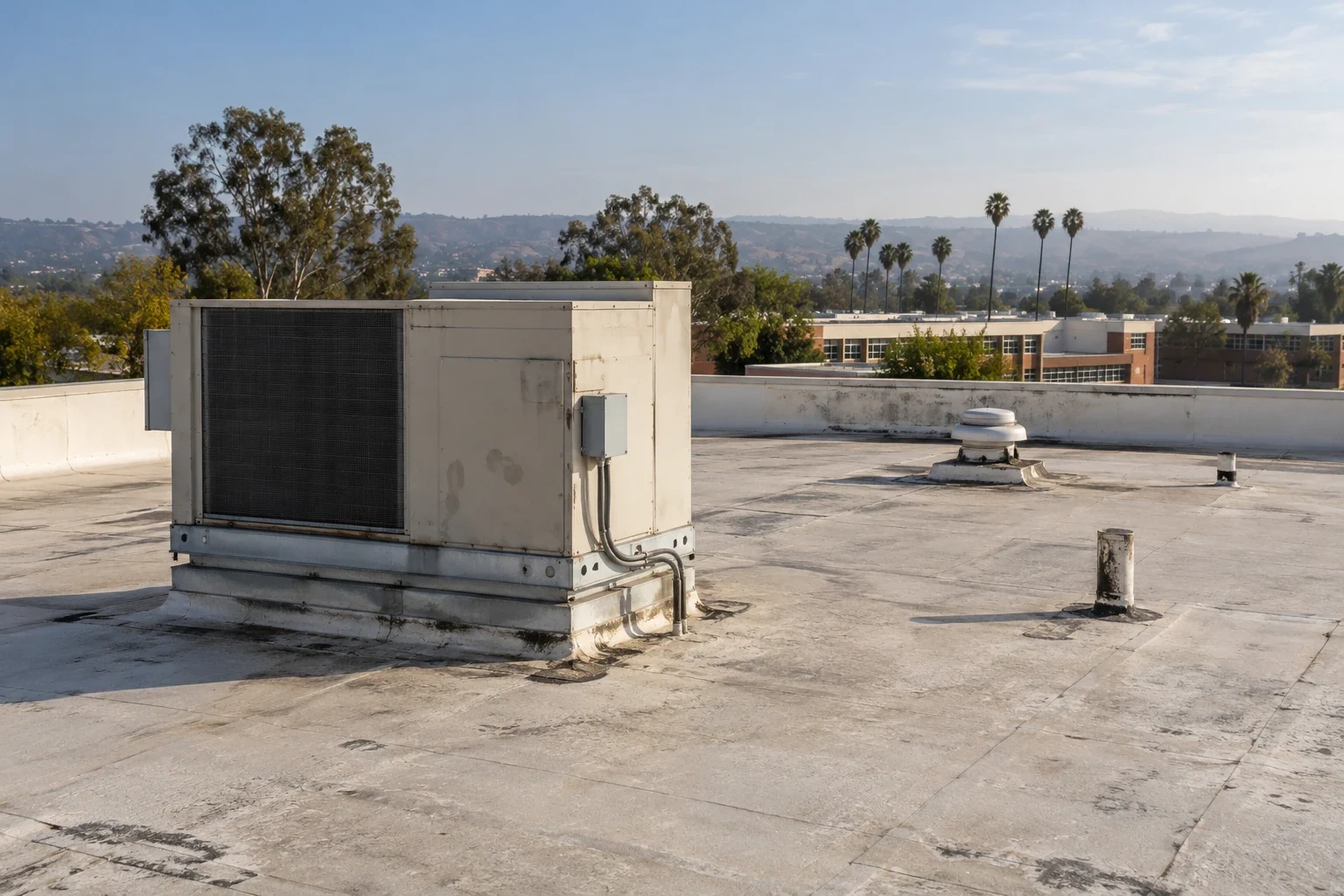
School Roof Leaks and Classroom Work Boundaries
Property Types We Roof
A wet ceiling tile above desks during the first winter rain can leave a school operator arranging another classroom before the roof opening is found. We begin with the room that needs protection, the routes that must remain available and the roof access that can be released, then examine possible entry through the assembly. For school roofing in Clovis, CA, the immediate task should limit exposure without treating a classroom location as a complete repair diagnosis.
Clovis Unified school campuses include different buildings and uses, so identify the school, roof section and room below before planning a repair. A gym, classroom and administration wing may have distinct schedules, access routes and interior-protection needs. The district representative should release the work area and approve any changed scope. Keep findings tied to the actual campus rather than extending one building’s condition to every school.
The occupied classroom and public routes
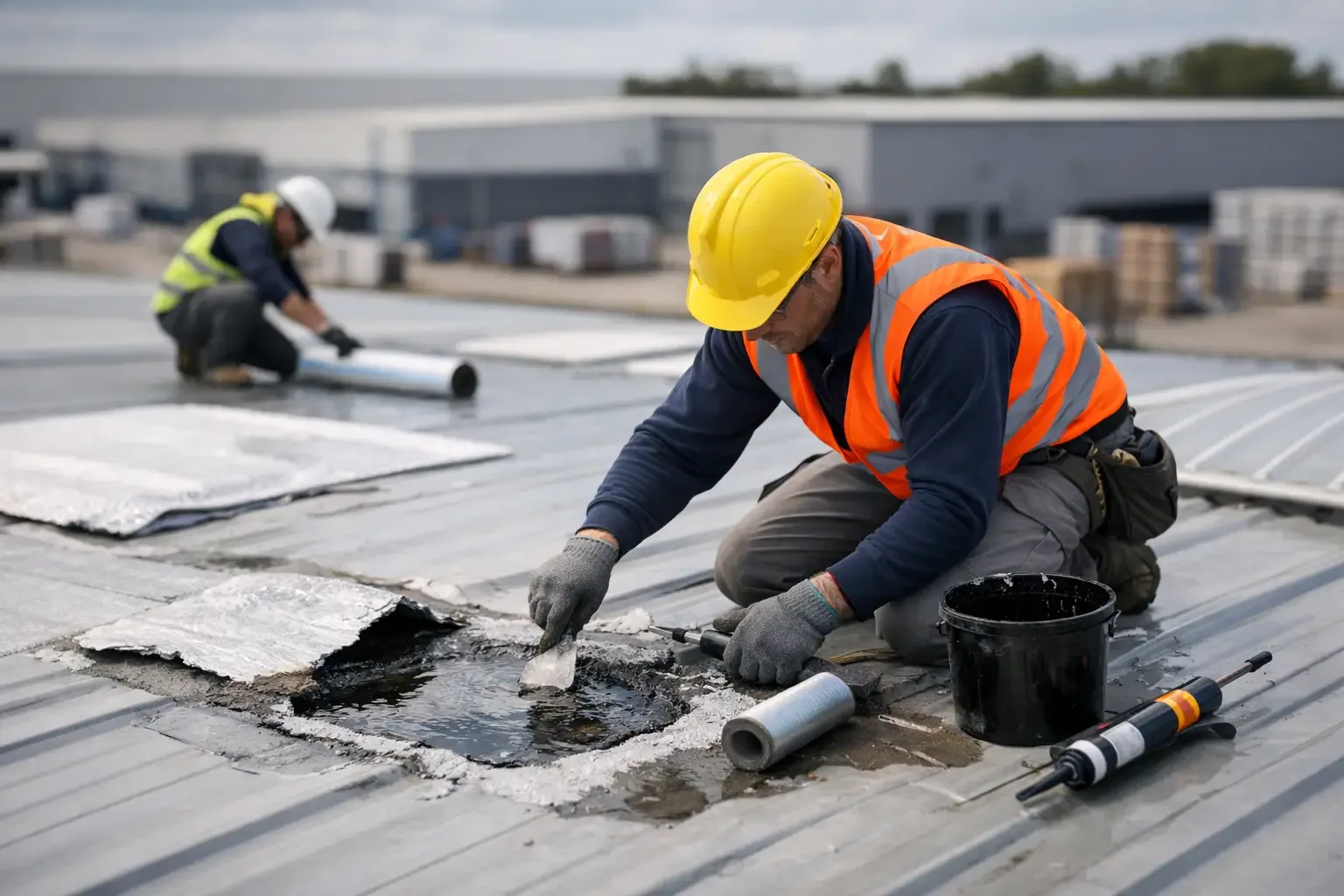
A classroom leak may affect a teaching area, an electrical fixture or a travel route, depending on where the reported water reaches. The operator assigns room protection, relocation and any qualified equipment response. We describe the roof exposure and likely examination needed so those decisions concern the actual task. A classroom that has been relocated is not automatically a released work area; staff use, public access and protection requirements still need confirmation.
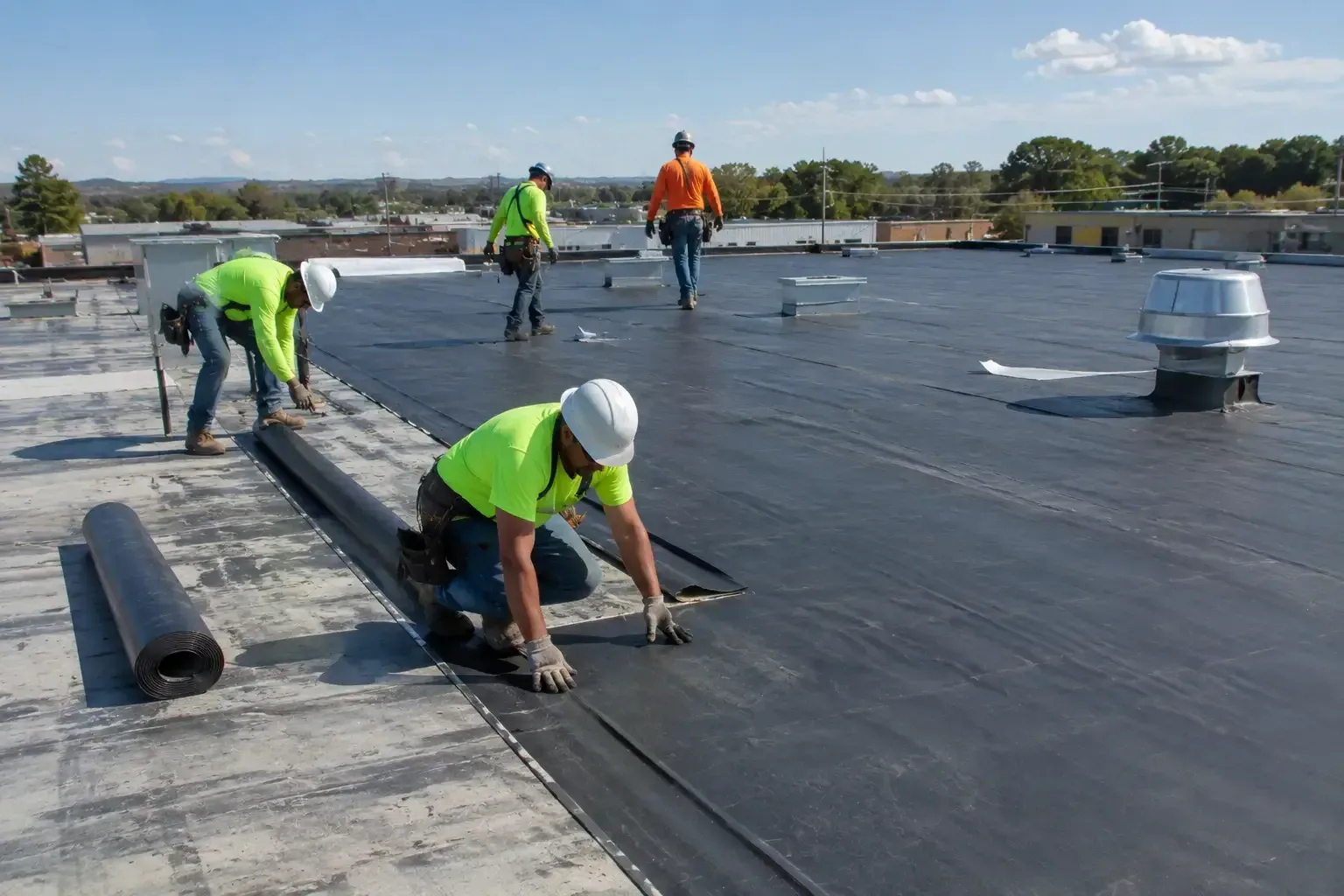
For roof work above occupied school space, the removal boundary should fit the allowed period and closing method. Materials and waste need permitted routes away from any protected circulation area. If the approved working time cannot support the proposed opening and closure, reduce the zone or revise the sequence. Repeated mobilization and daily tie-ins can affect cost, and the owner should see those obligations before comparing an unrestricted installation allowance with a price that includes the campus's actual operating requirements.
The membrane opening and concealed receiving layer
A split lap or penetration detail can admit rainwater if that defect is present, but the surface opening is only part of a permanent repair. We examine the material it will meet, surrounding attachment and any deterioration visible beneath a previous patch. Where retained insulation or cover board affects the quantity, an authorized opening may be needed. Its location, protective measures and compatible closure should be established before cutting above a protected classroom.
A school roof examination should record what was actually accessible and the condition question that remains. Thermal indications can direct suitable confirmation, but they do not establish every concealed layer or a whole-roof removal extent. We connect the proposed boundary to supporting evidence and state the measurement and approval process for additional exposure. This gives the authorized owner a repair decision that can be reviewed before work expands, instead of a general allowance that changes without a located finding.
The named campus and separate building uses
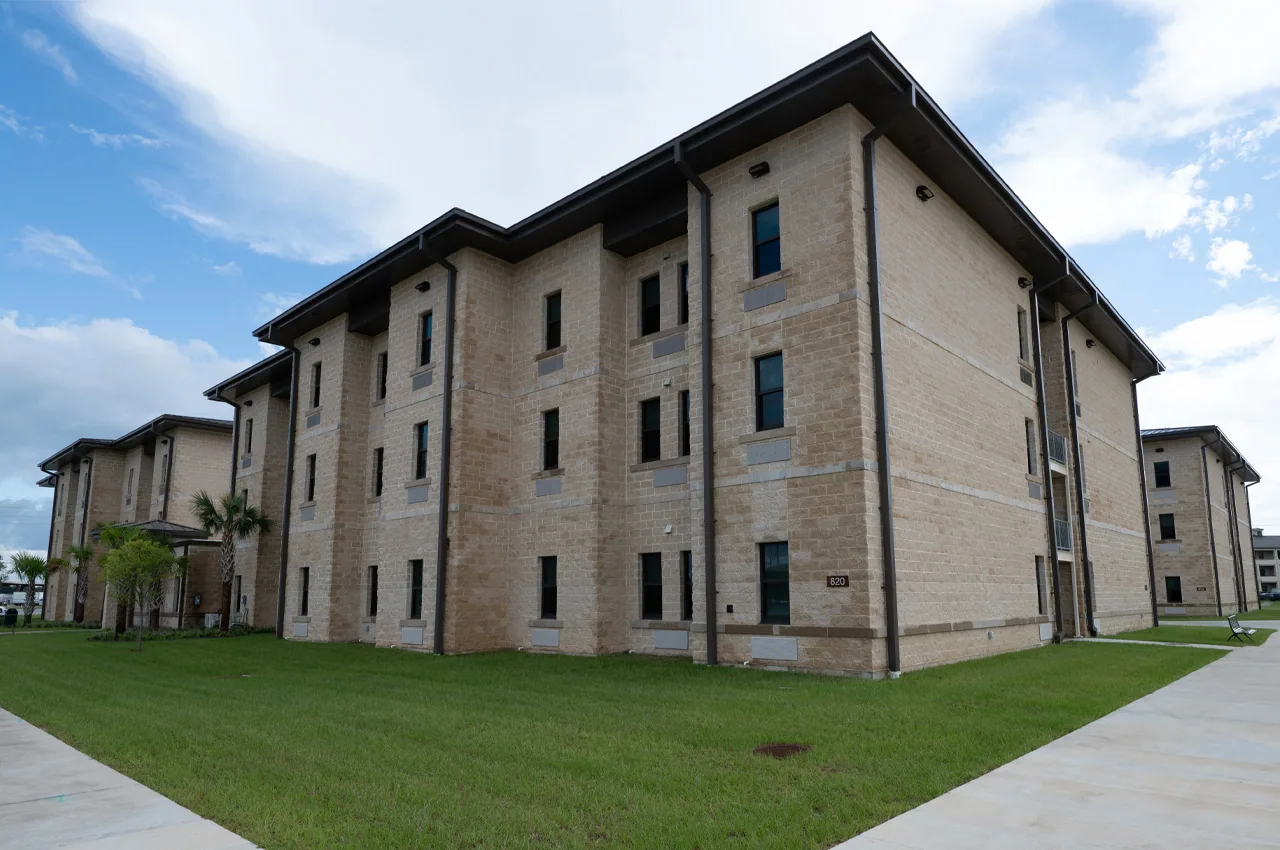
Fowler Avenue locates Clovis High School, while each requested roof area needs its own designation and authorized contact. A campus address cannot establish whether the affected roof covers a classroom, administrative space or another use. We reconcile the reported room with drawings and accessible observation, then record the operator's release. A published school address is useful for locating a visit; it is not permission to open construction or use a campus route for deliveries.
Related work on college buildings or administrative offices still needs individual condition evidence. Even when ownership coordinates the requests, use and assembly can differ. We identify the actual authority and proposed scope before establishing any permit or design-review requirements. A localized detail repair and a roof alteration may follow different review paths. Keeping those differences visible lets a purchasing decision remain tied to the building examined rather than extend one institution's assumed conditions across several addresses.
The drainage detail before the next rain
A roof outlet may need accessible cleaning, connection repair or another investigation, and its condition should decide which task is proposed. We examine the approach to the opening and the surrounding membrane tie-in before assigning a correction. A clear strainer does not prove the condition of concealed piping. If the downstream route is implicated, identify the qualified plumbing investigation rather than include an unresolved piping concern in a roofing patch quantity.
For school drain and scupper work, show the specific opening and preparation needed for a compatible connection. A slope change requires assessment of the supporting assembly and discharge design. Any controlled test needs a suitable method and protection for the rooms below. We retain that boundary in the report so the owner can authorize the correction without assuming an accessible roof inspection settles every discharge component. The permanent work should address the established defect, not merely leave the surrounding surface clean.
The Valley surface and installation conditions
Fresno's July 2024 heat provides regional context for inspecting movement-sensitive roof details before rain season. It is not proof of a failed school seam or equipment interruption. We identify the actual material and receiving condition, then follow preparation and application requirements for the selected repair. A hot surface can change working arrangements, while current safety and product limits govern the task rather than a calendar promise that all materials can be installed at the planned hour.
For a Clovis school request, the operator's permitted access and actual conditions control the initial intervention. Urgent leaks receive response across nights, weekends and holidays, with suitable temporary work considered where it can be performed safely. The temporary location and follow-up requirement should remain clear. A protection visit should not be described as completion of an unexamined permanent detail, and the next task needs to identify what must be prepared or confirmed before the final roof connection is installed.
The completed detail and room acceptance
Roofing acceptance should return to the locations marked during the examination, checking the finished connections and any affected outlets. The operator handles classroom or equipment release where those controls apply. A room reopening and a finished roof repair are related steps but not interchangeable proof. Record inaccessible areas and additional investigation separately from the quantity completed, so a final invoice does not imply that the whole campus received an unrestricted survey.
Our written school roof findings connect the initial complaint, supported correction and remaining limitations. Confirm applicable warranty notices or alteration requirements against the actual agreement and scope. Costs can change with protected routes, access equipment and concealed preparation; those items belong in a complete comparison. The follow-up visit can then return to the outstanding task rather than reconstructing the repair from a ceiling complaint, while the authorized owner retains a clear record of what was examined, approved and completed.
Before a school roof section is opened, establish class times, bus movement, playground use and the rooms directly beneath the work zone with the district contact. A repair near a kitchen, library or gym may need a different interior protection plan than work above a closed storage room. The roofing crew should keep debris and equipment within its released boundary and provide a secure close at the agreed stopping point. Any temporary room closure or reopening is a school decision. Record the roof condition and the area protected so later maintenance can follow the same marked locations.
Commercial Roofing Questions
Does relocating a class release the roof opening?
The operator-approved exposure and routes are the deciding factors. Relocation alone does not authorize removal above the room.
Can the school address identify which roof needs repair?
Add the building and level to the marked repair area. The campus address locates the visit but does not establish its work boundary.
What supports adding concealed removal during school work?
Document the affected layer and extent, then use the agreed measurement and approval process before extending the exposure.
Who approves classroom return after roof closure?
Room return remains the operator’s responsibility. We record the completed roof connection and any remaining investigation separately.
The classroom water-entry request
Describe the affected room, current water entry and authorized campus contact. We review urgency that day and arrange examination or suitable immediate roofing work according to access and conditions.
Related Pages
Occupied Building Reroofing
Read the full page
Commercial Roof Inspection
See how we handle it
College Roof Repairs With Building-Specific Releases
Scope, sequence and repair notes
Office Roof Leaks and Tenant Protection
Read the full page
Roof Drains and Scuppers
See how we handle it
Clovis
Scope, sequence and repair notes