
Commercial Roofing in Selma, CA
Service Areas
Selma commercial roof repair starts with the room that needs protection and the roof detail that has stopped keeping water outside. During the first winter rain, a drip might reach a stock shelf, while the visible membrane still looks intact from a ladder. We inspect the entry path, drainage and surrounding assembly before treating the stain as a simple patch. Our work includes repairs, moisture surveys, restoration and replacement, with an order of work that keeps the immediate loss separate from the larger roof decision.
Selma’s civic facilities and commercial properties operate within a community shaped by regional agriculture and highway access. A roof project here is planned around the actual building’s hours, delivery access and interior use. The owner or manager identifies the leak area and a contact who can authorize roof entry; our crew checks the membrane, drainage outlets and nearby penetrations before selecting a correction. If a drain obstruction sits beside a failed flashing, both conditions are recorded and addressed in a sequence that prevents one repair from hiding the other. We state whether temporary protection is sufficient for the immediate period or whether permanent work should be scheduled. Closeout photographs and a concise list of remaining conditions help the building team plan its next inspection.
The wet shelf and the roof opening
A small ceiling drip can involve more than one opening. Water can travel along insulation joints, a deck flute or the underside of a flashing before reaching the room, so placing repair material directly above the shelf may leave the original entry untreated. We compare the interior location with roof slope, penetrations and recent equipment work, then inspect the details that could feed that route. The aim is a repair location supported by the building evidence, rather than a wider patch chosen because the stain is worrying.
For a business that must keep stock accessible, we establish a protected area before roof traffic starts and discuss where ceiling work could interrupt handling. A roof leak investigation may lead to a small permanent detail repair, but wet insulation or damaged attachment can change that scope. Nearby work in Fowler requires the same separation between a visible symptom and the actual assembly, with each address assessed individually.
Temporary protection and the return repair
Standing water at an entry point affects what can be done immediately. We check whether a blocked outlet is holding water against a seam, whether a loose flashing admits rain, and whether the surface is dry enough for a compatible repair. A temporary measure may reduce entry while the wet layer beneath it remains unsuitable for closure. We explain that distinction at the visit, including which protection needs another check and which part can become the permanent detail after drying and preparation.
Urgent assistance is available through nights, weekends and holidays, with arrival and repair timing confirmed against the location, access and conditions. The owner can help by identifying affected rooms and shutting down unsafe electrical areas through the appropriate building personnel. Our urgent roof response focuses first on limiting further entry, then on documenting the exposed damage. We do not turn an emergency patch into a recommendation for a complete roof without examining the surrounding system.

Moisture beneath a serviceable surface
A firm looking membrane can hide insulation that has lost useful strength after repeated wetting. We test the roof in a way suited to its construction, using hands-on checks and, where appropriate, infrared or other moisture survey methods. Thermal differences can identify places worth investigating, but the pattern needs interpretation and confirmation. Equipment heat, changing deck construction and surface water can all affect the result. The report should distinguish observed conditions from areas where opening the assembly is necessary to settle the decision.
That information matters before a coating or recover is considered. Trapping a wet layer under another weather surface can preserve the problem instead of correcting it. Our written roof condition findings explain the limits of the inspection and connect them to proposed work. Owners managing buildings in Kingsburg can compare the same kinds of findings, while keeping each property's attachment, moisture and repair history separate.
The dry surface requirement
Fog season can leave a roof damp even after rain has stopped. Across the Central Valley, tule fog can form during the evening and become densest near dawn, which makes a morning start something to assess on the actual roof. We check surface moisture and application requirements before adhesives, primers or liquid coatings are used. An apparently clear afternoon forecast does not remove the need to inspect the substrate, especially in shaded areas and around equipment that changes the drying pattern.
Permanent repair then follows the material requirements of the existing roof. We clean and prepare the repair area, replace unsound components where necessary and connect new work to sound material. Drainage remains part of that decision because a durable seam detail cannot compensate for a failed outlet. Heat also affects handling and curing, so the work sequence reflects measured conditions rather than a calendar alone. We tell the owner what can proceed, what must wait and how temporary protection will be checked during that interval.
The extent of the final scope
Repeated trouble at one curb may justify rebuilding that detail while leaving the surrounding roof in service. Widespread moisture, failed attachment or material that no longer accepts reliable repairs can support a larger intervention. We explain what evidence moves the decision in each direction and identify the interior work, equipment coordination and disposal that affect the overall project. A small repair and a replacement should not be presented as interchangeable answers to the same finding.
For occupied buildings, the work boundary has to reach beyond the membrane. We agree on roof access, overhead work zones, protection for stored goods and communication with affected occupants before opening the system. Where a bigger project is justified, roof work over occupied rooms can be divided into manageable stages with temporary closure at the end of each working period. The useful result is a scope the owner can relate to the current leak and the condition of the rest of the building.
Commercial Roofing Questions
Does a dry ceiling mean the temporary repair is finished?
The deciding evidence is the repaired detail and the condition beneath it, not the disappearance of a drip alone. A protected room can stay dry while wet insulation remains enclosed. We inspect the temporary work at the follow-up visit and describe any removal, drying or reconstruction needed before treating it as a permanent repair.
Can a coating solve a leak near a roof drain?
Drain condition controls that choice. A broken connection, poor flashing or retained water needs correction before a coating is considered. We also examine the surrounding membrane and insulation, because a liquid surface treatment cannot restore a damaged drain body or make a wet layer suitable for continued use.
Should I clear the stock from the entire room?
The exposure boundary controls how much space needs protection. We identify the active wet area and the overhead work route with the building manager, then agree on practical relocation. Electrical hazards or an unstable ceiling require building personnel to restrict access before routine stock handling resumes.
Why might the permanent visit happen after a clear day?
Substrate dryness can be the limiting factor. Fog, trapped moisture and shade can leave repair surfaces unsuitable after visible rain has ended. We check the actual surface and product requirements, maintain the temporary protection where feasible and explain the condition that must change before the final application.
What separates a localized repair from a replacement decision?
The spread of damage matters more than the apparent size of the stain. Isolated flashing trouble with sound surrounding material can support repair. Moisture across connected areas, unreliable attachment or brittle material may justify broader work, with the report showing how those findings affect the recommended extent.
Roof help in Selma
Tell us the Selma address, where water is appearing, what is stored beneath it and any roof access restrictions. We will confirm the response timing and begin with protection and roof diagnosis.
Related Pages
Commercial Roof Leak Repair
Read the full page
Fowler
See how we handle it
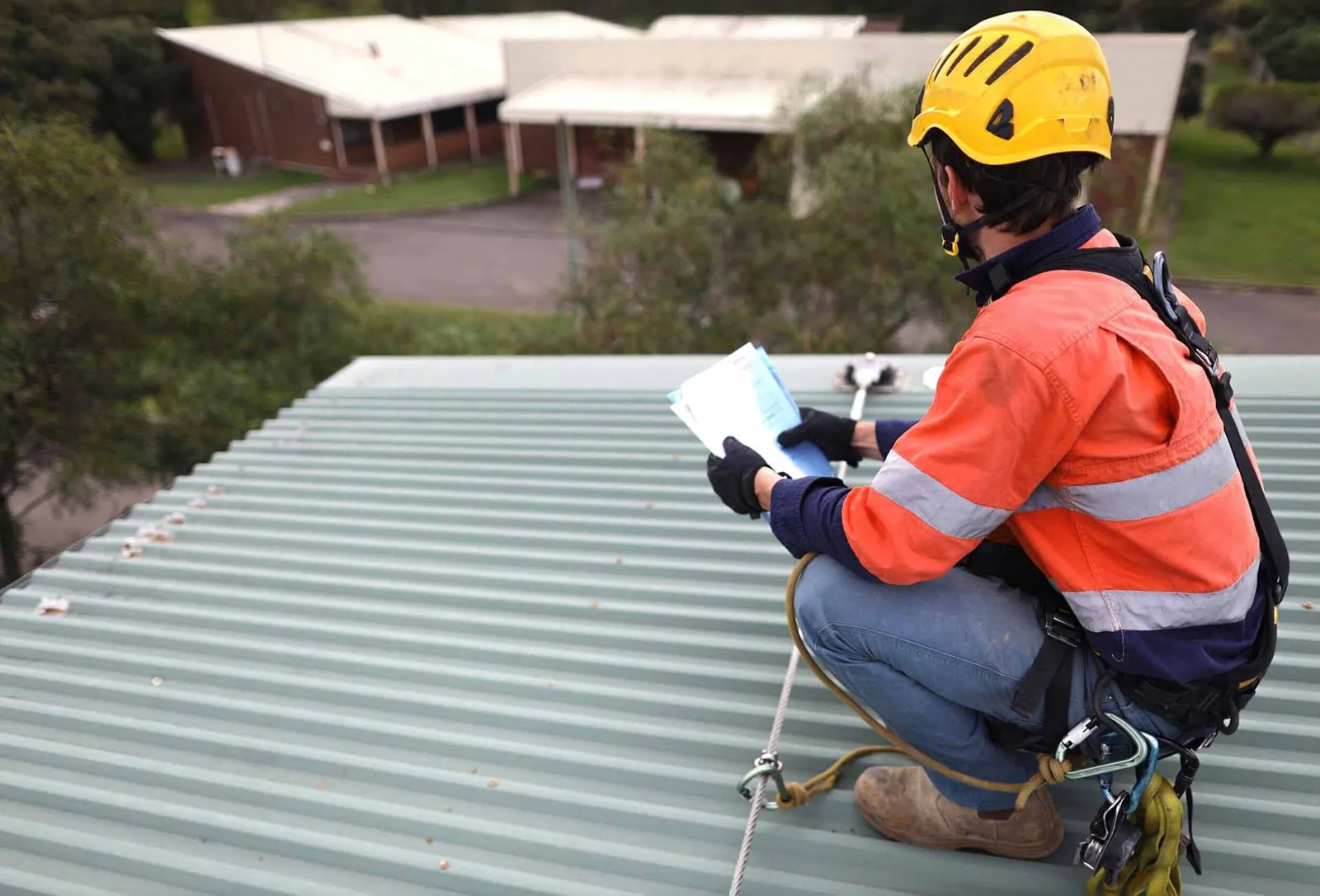
Emergency Commercial Roof Repair
Scope, sequence and repair notes
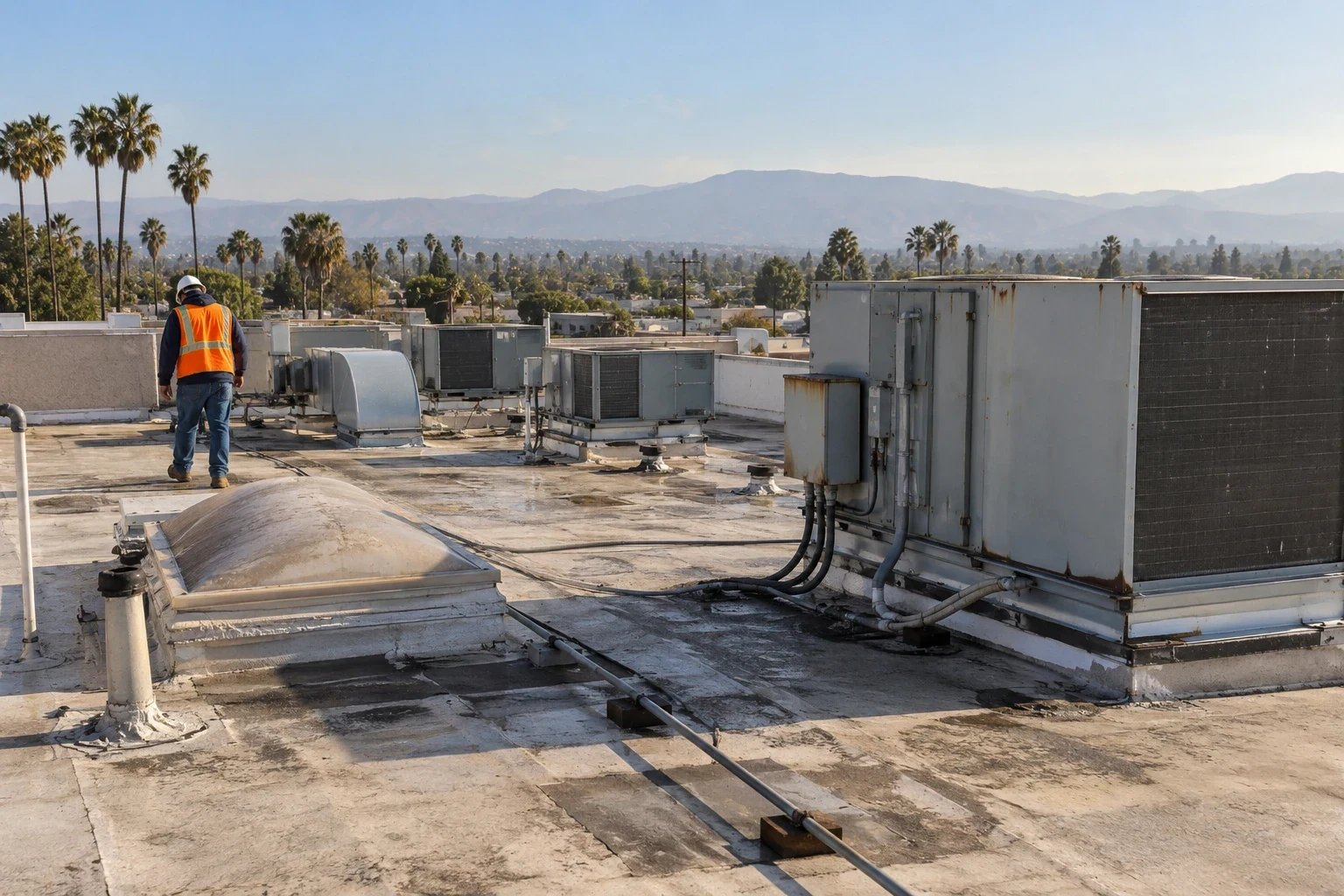
Roof Condition Records and Repair Planning
Read the full page
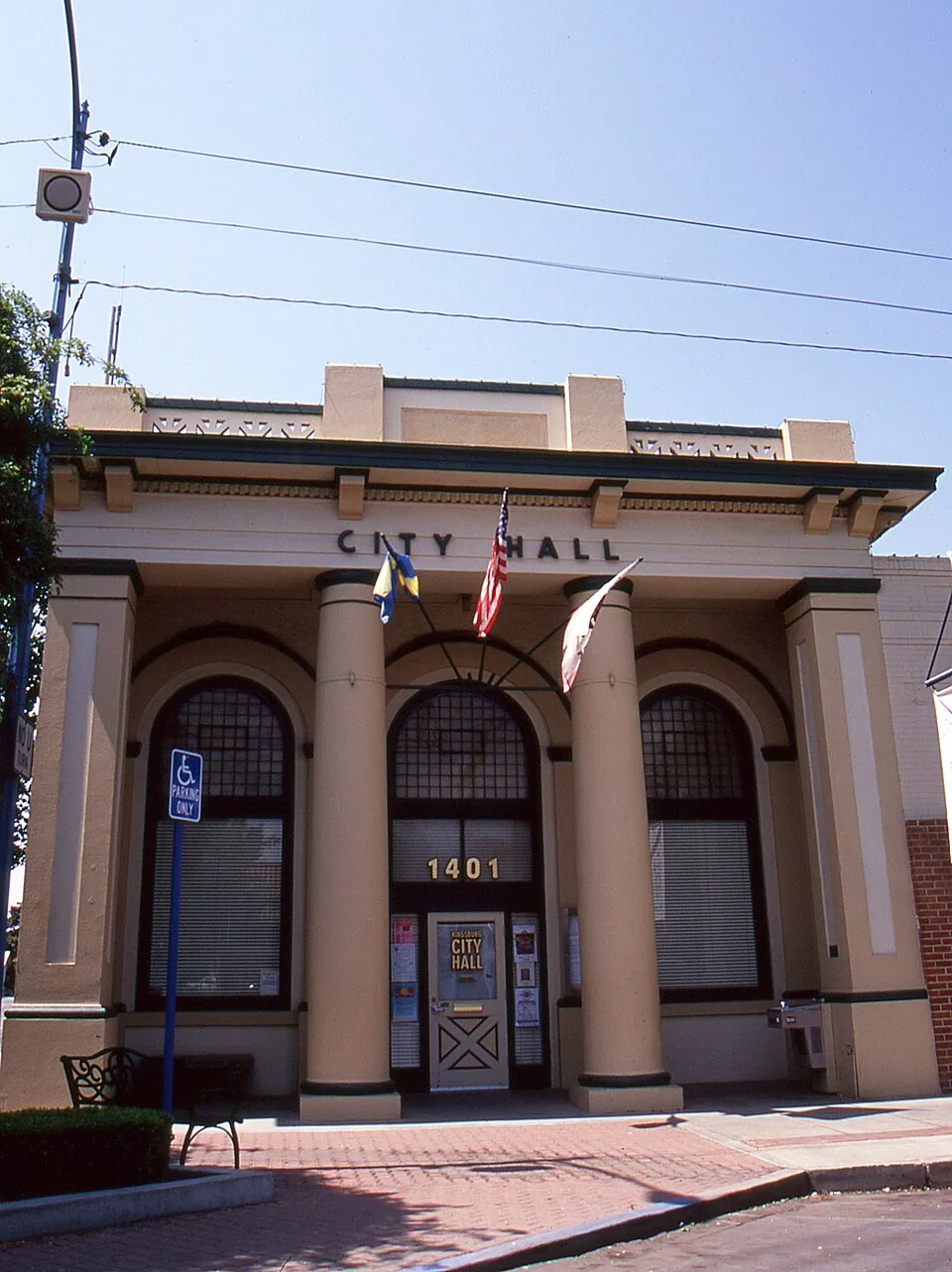
Kingsburg
See how we handle it
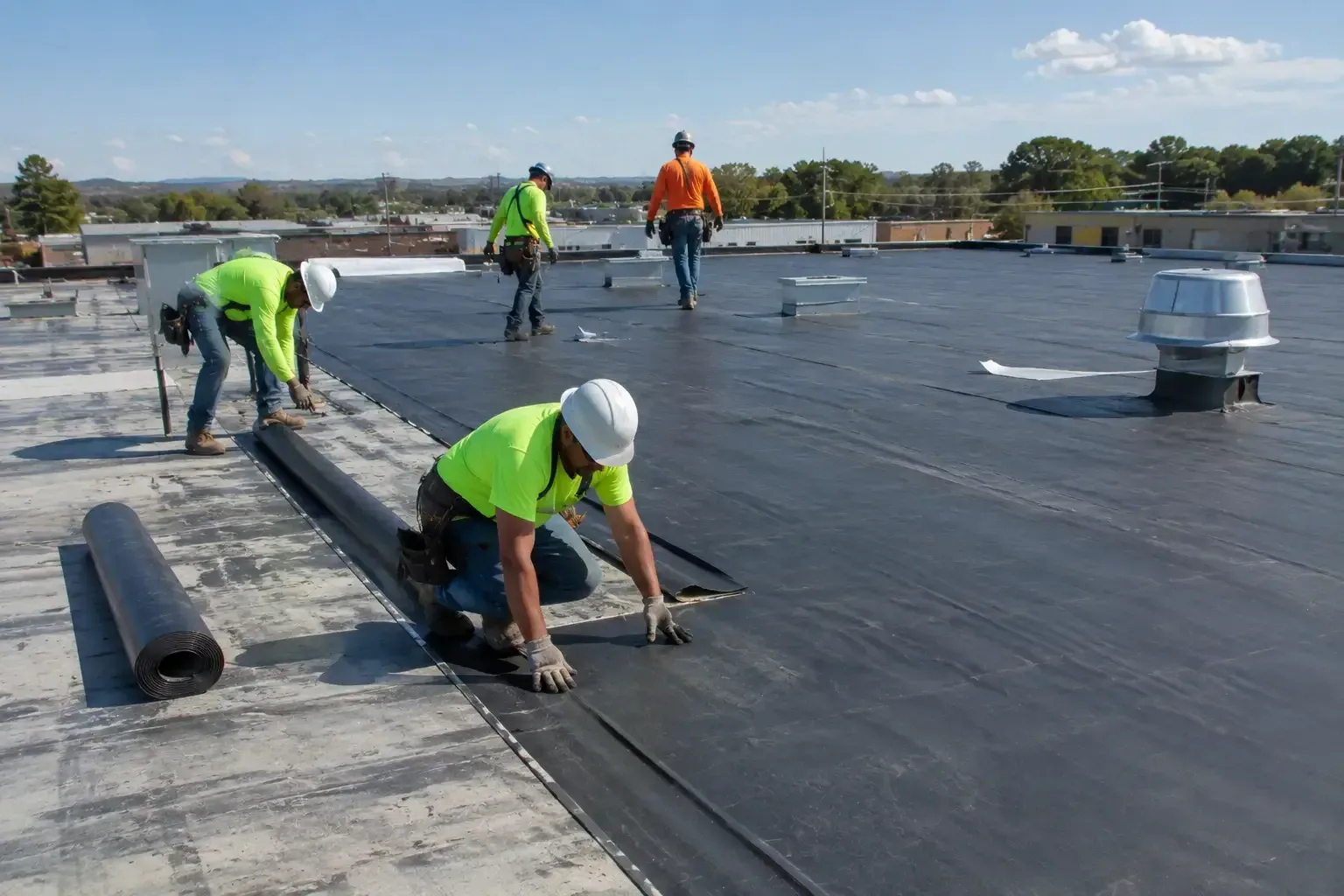
Occupied Building Reroofing
Scope, sequence and repair notes