Manufacturing Roof Repairs With a Defined Work Release
Property Types We Roof
Water appearing above a production station during the first winter rain can put a plant owner under pressure to keep the operation moving while the roof remains unexamined. The immediate question is which exposure can be limited safely and who can release the relevant work area. For manufacturing roofs in Clovis, CA, we assess the reported location, inspect accessible construction and identify roofing measures separately from the operator's process and equipment responsibilities.
Regional heat also deserves a place in planning, as Fresno's July 2024 report recorded an unusually hot month. That context does not prove a blister, seam split or production interruption at a particular plant. Temperature-driven movement can stress roof connections, but the actual assembly and observed detail control the repair. We explain what the initial examination can establish and what needs a follow-up investigation, so the owner can act on the immediate problem without accepting an unsupported diagnosis.
The production area under the reported water
A manufacturing space may contain electrical equipment, exposed product or processes that cannot be protected with an ordinary loose covering. The operator identifies what sits beneath the reported leak and assigns the appropriate qualified personnel to handle shutdown, isolation or relocation if required. We define the roofing activity and possible exposure before proposing removal. Keeping the plant running requires a permitted sequence, not an assumption that the roof crew can authorize process changes.
A temporary emergency roofing measure may be appropriate where a located opening is accessible and suitable preparation is possible. We identify its material, boundary and inspection limit. If access or conditions prevent a roof intervention, clarify the immediate protection responsibilities and the next examination. Our urgent response is available during nights and holidays as well as ordinary operating hours, but arrival and completion depend on actual conditions. The owner should know which part of the problem has been addressed and which task remains open.
The moving penetration and its receiving detail
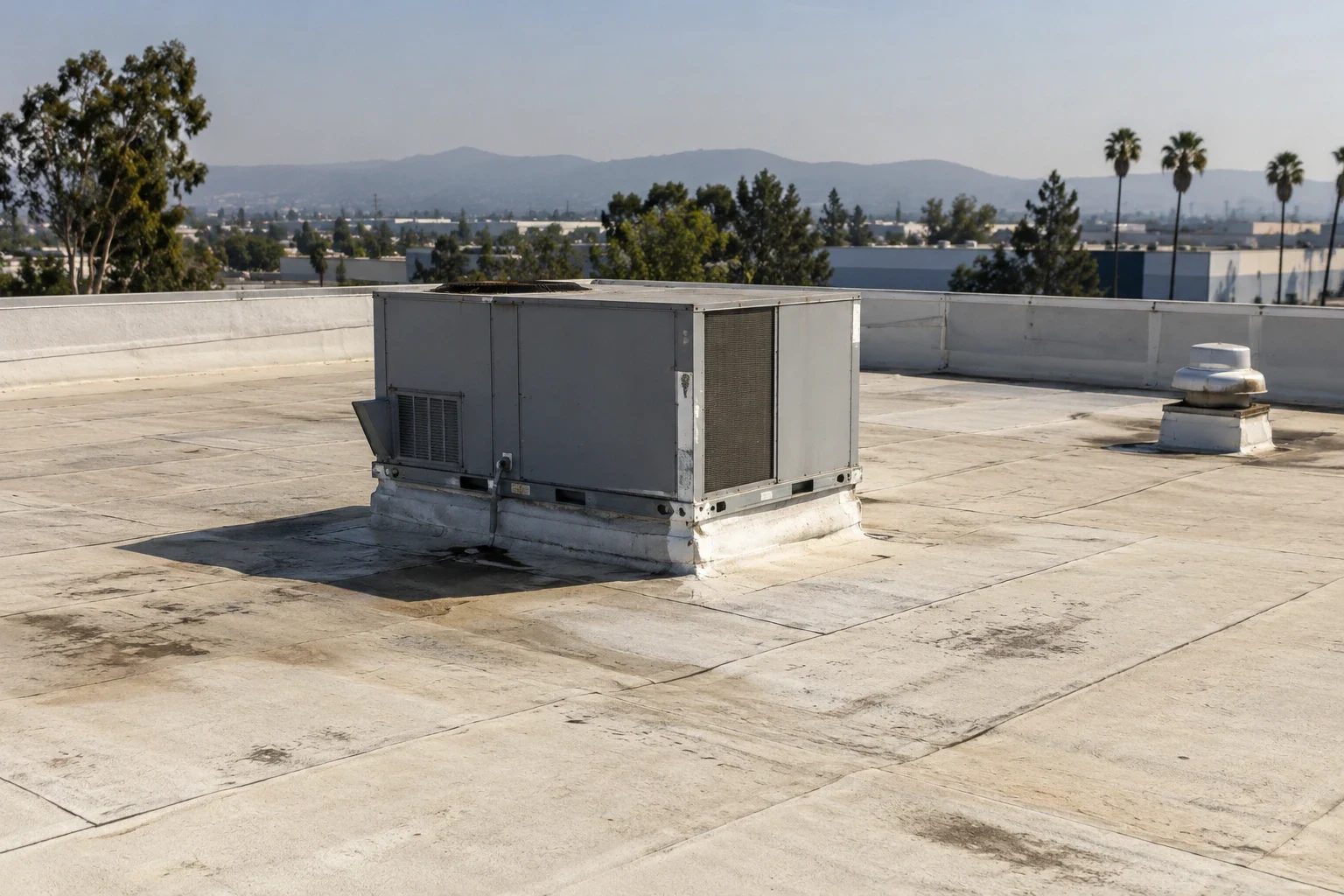
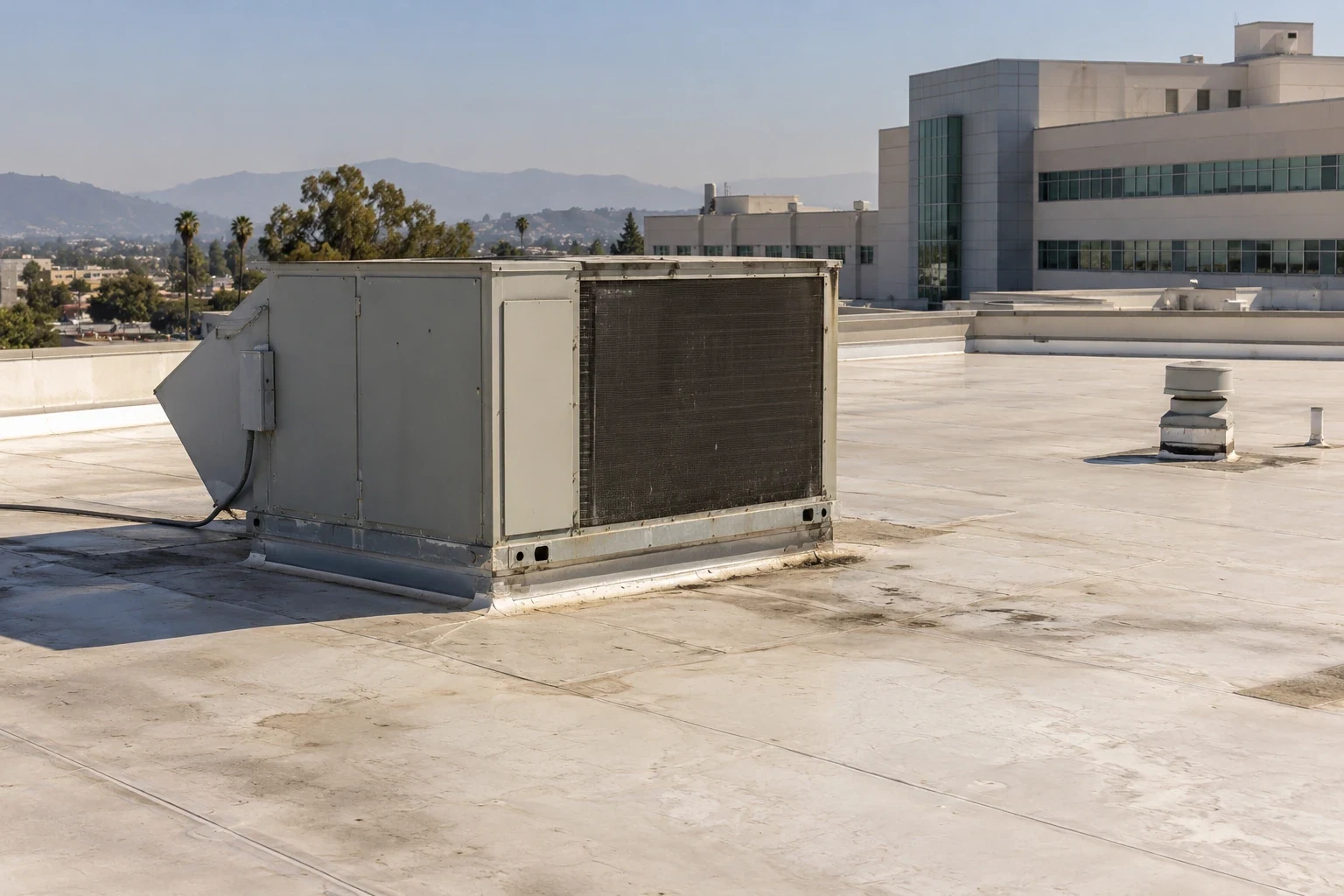
A pipe, duct or curb can move differently from the roof surface beside it, which makes the complete connection more useful to inspect than the visible sealant alone. We examine flashing geometry, fastening and the material receiving the repair. A damaged termination can need correction at its support or attachment rather than another surface bead. Where a process connection requires movement or isolation, the operator's authorized trade needs to be assigned before roofing exposure begins.
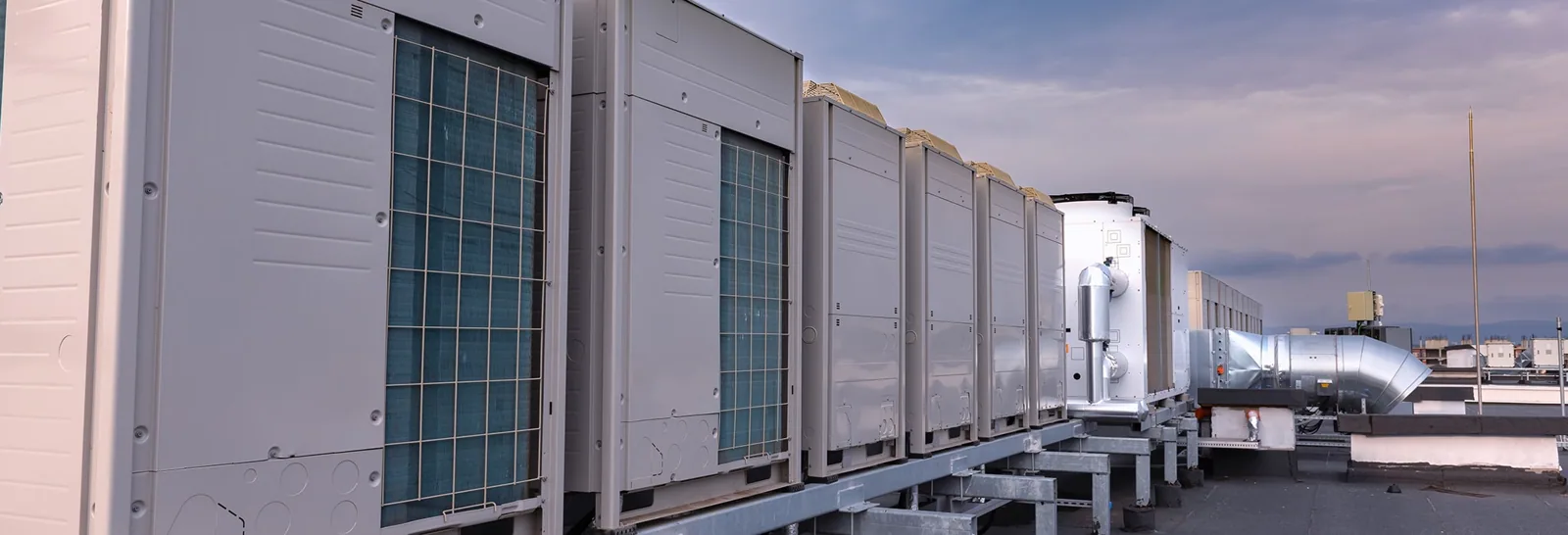
For curb and support repairs, we distinguish the roofing tie-in from equipment service and any structural review needed for the actual task. The proposed sequence identifies temporary closure and the point at which each trade can accept its work. A rooftop component should not be moved merely because it blocks access to a membrane detail. Its function, attachments and permitted release need examination. Those dependencies belong in the price and schedule rather than being passed to the owner after removal has started.
The material exposure near the process
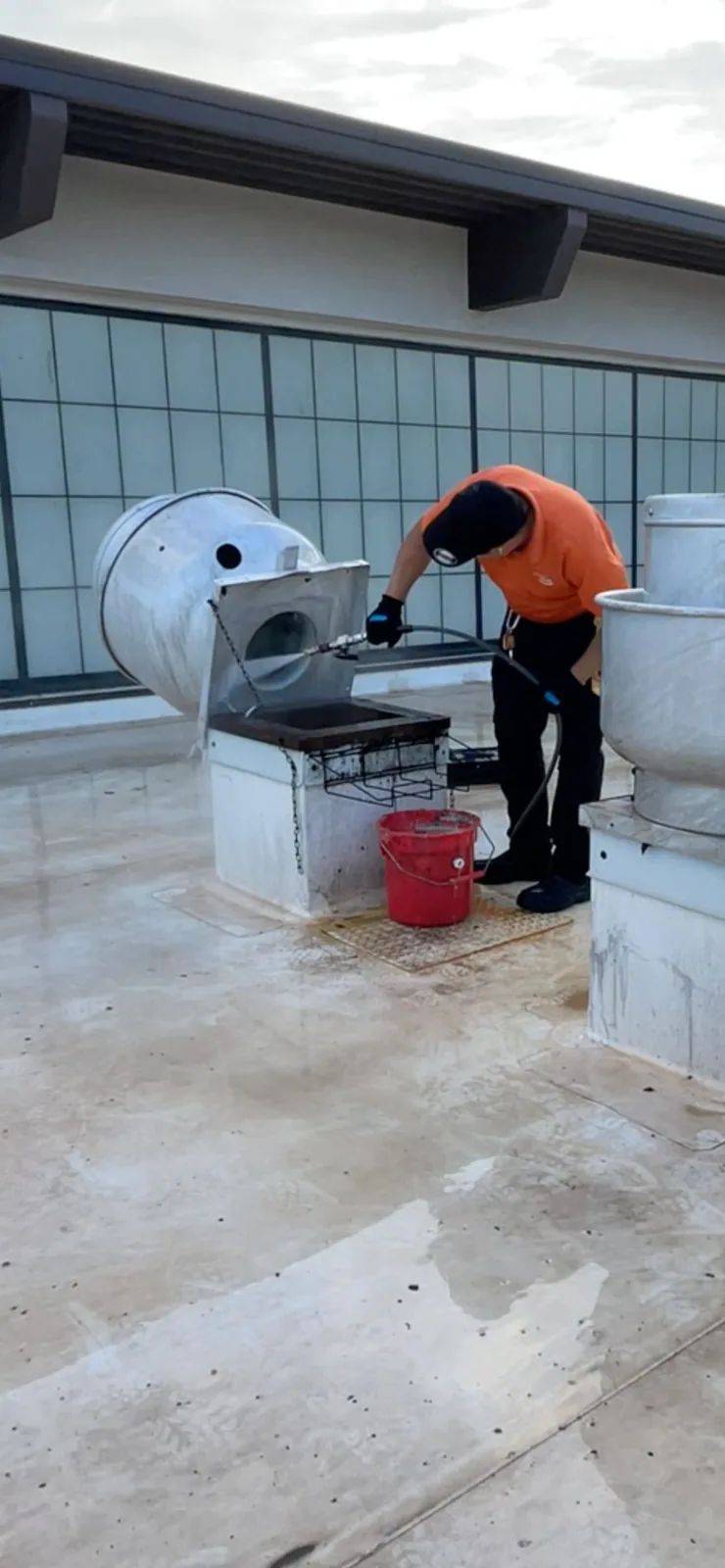
An exhaust outlet or process discharge may create exposure conditions that matter to a roof repair if that equipment is present. We examine deposition, surface condition and the existing material before choosing a compatible repair method. Cleaning requirements should be stated with the task. A roof with no relevant chemical exposure needs a different assessment from one receiving grease or other process deposits, so a manufacturing label alone cannot decide the membrane choice.
A proposal involving KEE roofing materials or another membrane system should explain compatibility with the actual retained surface and exposure. Preparation, attachment and detail geometry remain necessary even when a material is suitable for the use. An owner comparing a localized repair with restoration or replacement needs the same condition evidence behind each option. We identify what can remain, what must be removed and which unknown layer condition requires confirmation before the quantity is final.
The plant location and the historic planning record
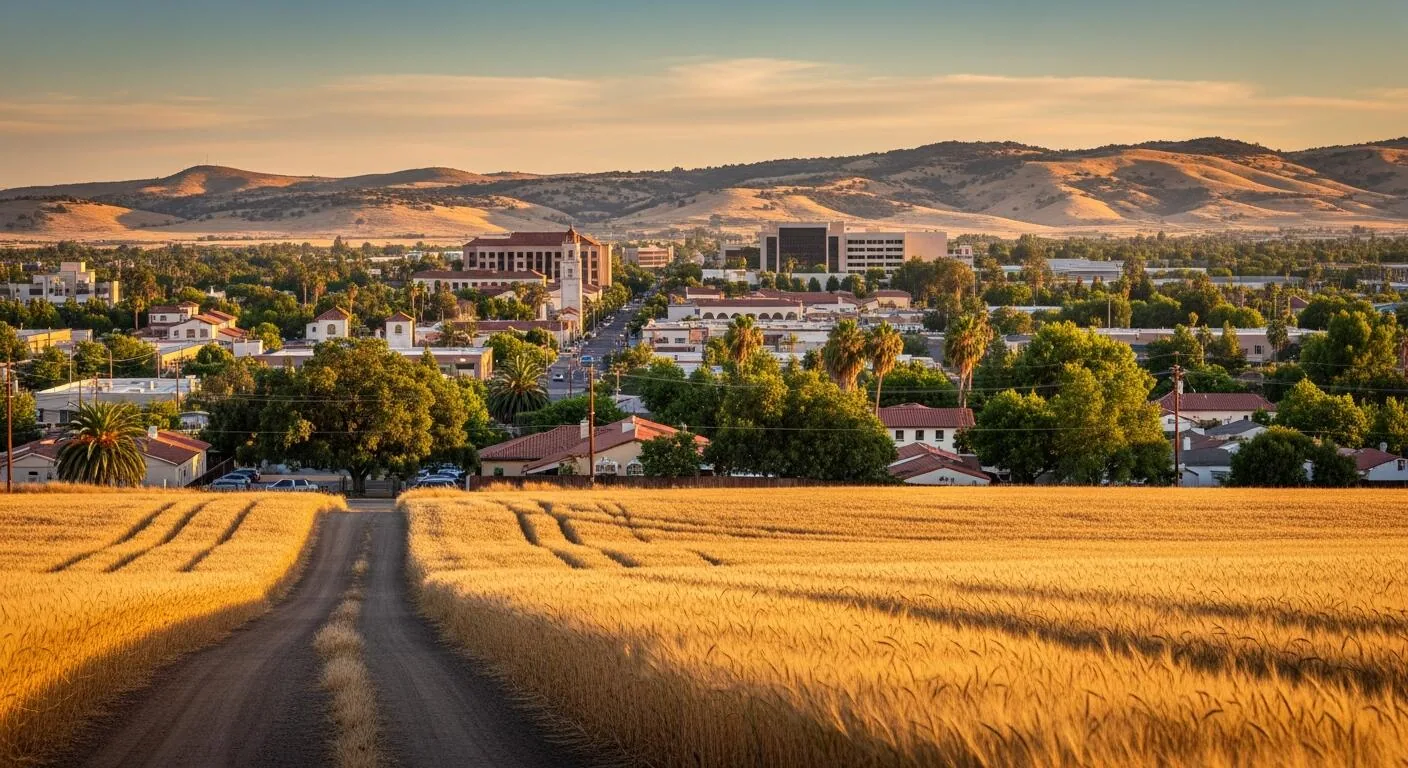
The proposed Clovis Research and Technology Park expansion identified Temperance Avenue, Nees Avenue and State Route 168, with proposed manufacturing, assembly and research uses. It is historic planning context, not a record of the current roof or present operation at your property. A plant request in the Research and Technology Park area needs the actual building identity, operator and construction evidence before it can be priced as roofing work.
An owner with storage buildings or refrigerated facilities should retain their separate work releases and protection requirements. A common ownership account does not establish identical roof materials, drains or equipment restrictions. We mark each examined area and record its limitations. Permit and alteration requirements also follow the particular property and proposed task. A plan designation helps locate a request, but it should not substitute for the actual scope review that the work requires.
The water route through the assembly
A wet surface near a drain may lead to a localized connection repair, accessible cleaning or investigation of a different cause. We inspect the roof-side route and surrounding detail before proposing the correction. If concealed piping is implicated, identify the appropriate plumbing investigation. A roof patch should not be priced as proof that downstream discharge has been restored. The permanent task must address the condition established at the affected connection and the receiving layers it will meet.
When concealed moisture changes the choice between repair and broader work, select methods suited to the actual roof. A thermal pattern can direct confirmation under suitable conditions, but it does not measure every layer or establish its full extent. Authorized sampling requires protection and a compatible closing detail. We describe confirmed conditions separately from indications, then connect the proposed removal boundary to its supporting evidence. The owner can authorize a defined quantity rather than a broad allowance based on a single unexamined assumption.
The closing sequence and the production release
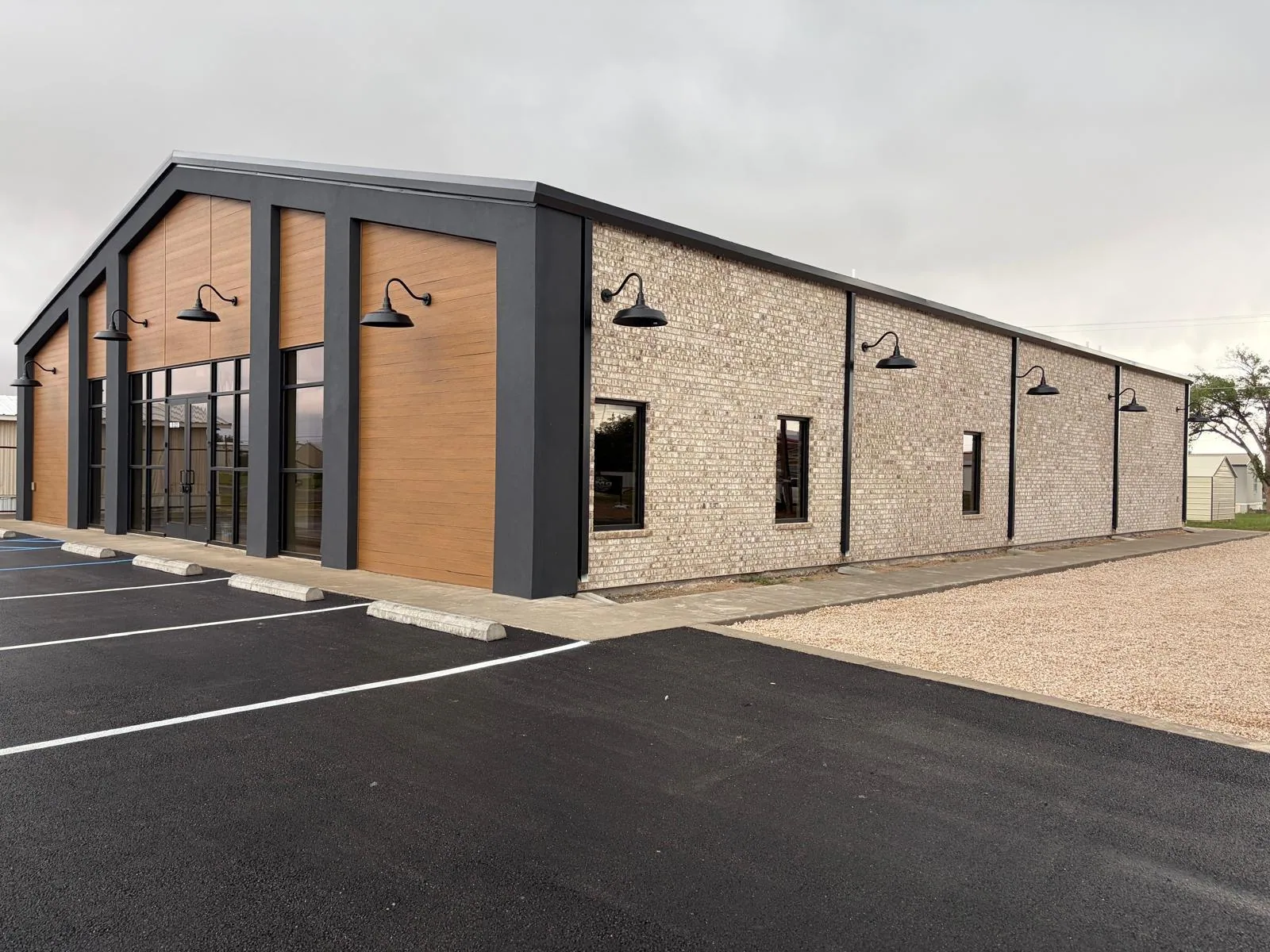
Removal should be limited to the area that can be protected and closed within the operator's permitted period. We identify the daily stops, receiving-surface correction and completed tie-in before work starts. Delivery, lifting and waste handling need approved routes that do not assume unrestricted plant-yard use. A shorter shift can require additional mobilization or smaller work zones, and those effects should be visible when the owner compares prices.
At acceptance, we examine the completed roofing details and affected drainage points, while authorized operator personnel handle process or equipment release where required. The written plant roof findings should retain any unfinished investigation and temporary measures needing replacement. Applicable material warranty requirements depend on the actual agreement and alteration. A roof invoice does not close every operational responsibility. Clear records let the follow-up visit concentrate on the remaining repair decision and help the owner control the scope while limiting the exposed production area.
Plant roofing has to fit the actual production sequence. Identify whether the affected bay contains process equipment, material storage or a controlled work area, then coordinate shutdown or isolation with the facility contact before any opening begins. Oil, dust, heat and exhaust can influence surface condition around penetrations, but their presence should be documented rather than treated as proof of a specific failure. The work plan should state how debris is contained, how the roof is closed at each shift end and who can approve a scope change if a deck or support is found damaged.
Commercial Roofing Questions
Who can authorize work beside a production connection?
The operator assigns the permitted release and qualified equipment personnel. We define the roofing exposure they need to review.
Which plant exposures affect the roof material choice?
Actual exposure is the deciding factor. Inspect the process discharge and retained assembly before selecting a material.
Can a support be moved to reach damaged flashing?
Its function, attachment and authorized isolation must be established first. Roofing access does not release another trade’s equipment task.
What supports extending removal after opening the roof?
Located evidence of the affected layers supports the change. Include measurement and approval before extending the agreed quantity.
The plant roof response
Tell us the production area affected, the current water entry and the person who controls work release. We assess the request that day and arrange suitable investigation or protection according to access and conditions.
Related Pages
Emergency Commercial Roof Repair
Read the full page
Rooftop Equipment Curbs and Supports
See how we handle it
KEE Membrane Work in Clovis After Water Entry
Scope, sequence and repair notes
Clovis Research and Technology Park
Read the full page
Warehouse Roof Leaks and Repair Sequencing
See how we handle it
Cold Storage Roof Investigation Before Assembly Repair
Scope, sequence and repair notes