
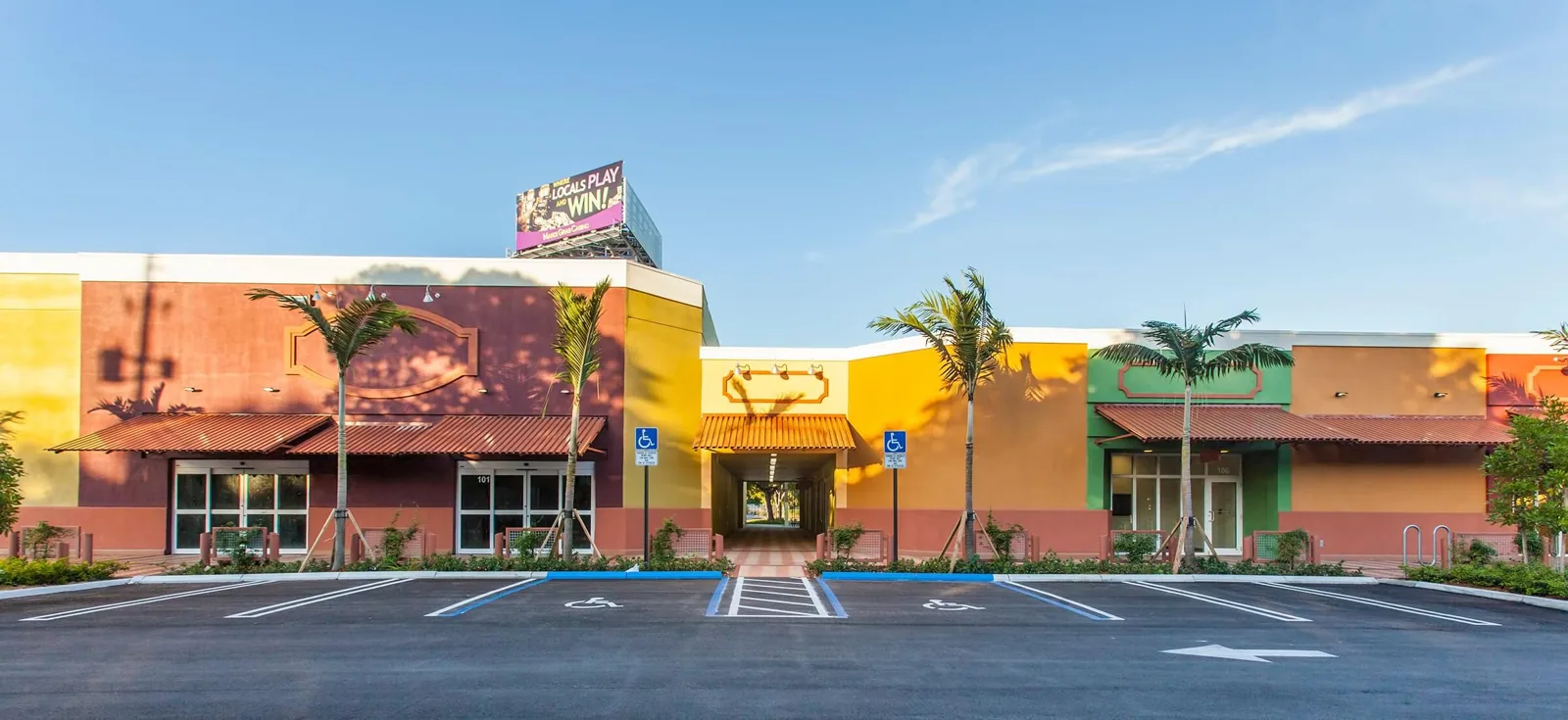
Shopping Center Roof Repairs Across Lease Boundaries
Property Types We Roof
Water appearing along the ceiling between two leased spaces after winter rain can leave a shopping center owner with competing reports about where the roof needs attention. We locate both complaints, establish the permitted routes and examine the assembly above them before assigning a construction boundary. Shopping center roofing in Clovis, CA, needs an immediate protection decision followed by a repair scope that can cross a lease line when the evidence supports it, without assuming that the leak follows that line.
The Shaw Avenue Commercial Corridor includes major retail and shopping destinations, but a center’s operator controls access to its own roof and tenant areas. Identify the building, unit and roof level involved, then coordinate loading, deliveries and customer circulation with the site contact. Different tenants may share a roof while having separate permissions and exhaust or equipment conditions. The repair scope should follow the actual assembly and not assume the entire center has one uniform roof.

The shared assembly above the lease line
A partition below a roof rarely provides enough information to locate the entry point on its own. Water may follow an assembly slope or concealed path before reaching the reported ceiling, if those routes exist. We compare interior marks with roof transitions, penetrations and outlets under authorized access. A prior patch deserves examination as a connection to retained material, especially where its boundary meets a change in height or drainage direction that could affect the proposed correction.
A located shopping center leak repair should show the entry detail and supported work extent separately from the tenant complaint. The owner needs to know whether the proposed quantity addresses one detail or a connected sequence. If some roof area is inaccessible, retain that limit rather than describe the source as fully established. This permits a useful immediate task while preventing an apparently complete repair from being priced around a ceiling mark that has not been connected to the actual opening.
The outlet and the adjoining roof zone
If water has remained near an outlet, the examination should consider blockage, flashing and the receiving drainage route as different possibilities. An outlet repair cannot correct an unresolved restriction farther downstream. Conversely, staining near the drain does not establish a failed membrane over the whole zone. Mark the water path and check the details that can be reached, using qualified personnel where a pipe or another building system needs investigation beyond the roofing connection.
For center roof outlets and scuppers, document the actual obstruction or damaged connection before specifying the correction. A changed outlet height or capacity may require a separate design or approval step. We keep that dependency visible in the sequence and price so the owner can arrange it before roofing closes the area. The final check should return to the affected outlet and its approach rather than accept a smooth patch as sufficient evidence that the original drainage complaint has been addressed.
A center along Blackstone Avenue Commercial Corridor can include separately controlled tenant spaces beneath connected roof areas. The owner or property manager should identify shared access, lease boundaries and the person who approves work above each tenant; a Shaw Avenue retail property is documented under its own roof and authorization record.
The trading route and daily closure
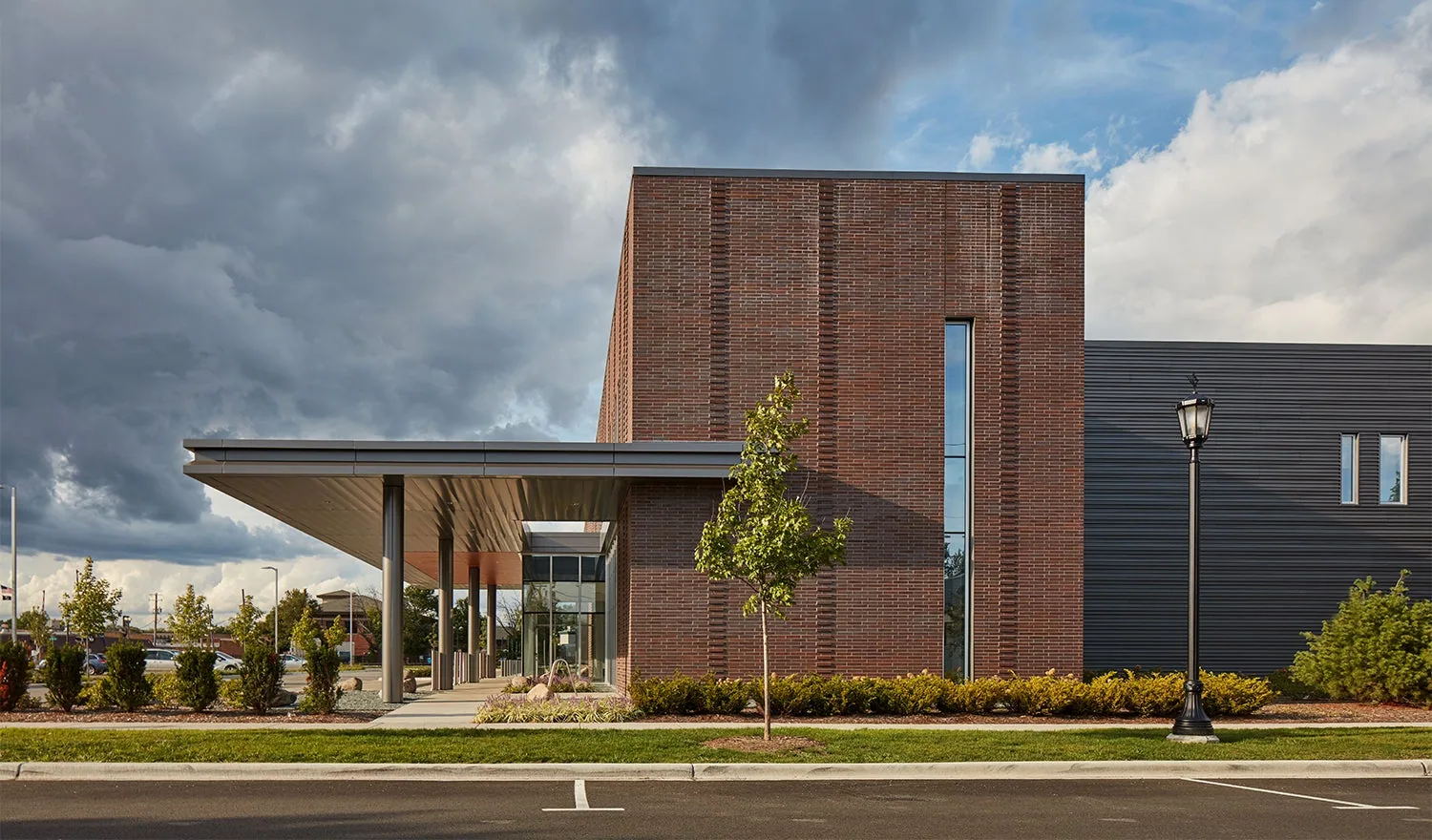
Roof work can affect a delivery door, public walkway or leased operating area only when those features are present beside the task. The center operator determines their current use and allowable restrictions. We describe the proposed removal, waste movement and daily closing method for review before equipment arrives. A roof access route is not permission to occupy the space below it, and a tenant's agreement to an inspection does not necessarily release the owner's entire construction zone.
Comparable larger retail building work and grocery roof repairs need their own operating boundaries. A shared owner can coordinate examination dates while retaining separate room protection and material findings. Divide the removal zone to fit the approved period and reliable closure, including setup and preparation. Repeated mobilizations may affect cost, but hiding them in an unlimited production allowance makes it harder to compare proposals that provide different levels of protection for active trading space.
The receiving material and supported quantity
A permanent repair depends on how it joins the retained assembly. We confirm the material where possible, examine the attachment and check whether the proposed receiving layer can support the selected detail. Concealed deterioration may require an authorized opening, whose protection and closing method belong in the investigation. The fact that several units report water does not establish a continuous wet insulation area, and one confirmed location does not establish the condition beneath every nearby patch.
A targeted retail roof moisture survey can help direct suitable confirmation when its conditions are appropriate. The indication and confirmed layer findings should remain distinguishable. Price the supported removal, disposal and preparation, then state how a changed finding will be measured and approved. Required correction belongs beside access obligations and defined closing work; optional improvements should be separately identifiable. The owner can then compare actual quantities rather than choose between two totals whose concealed allowances mean different things.
The regional conditions and temporary intervention
Central Valley tule fog can become thick before dawn and thin as the day warms. That regional winter pattern is context for preparation, not proof that a shopping center surface is wet at a particular hour. Examine the actual work area and follow the repair material's conditions for application. If the permanent connection cannot be installed, consider suitable temporary protection against the located exposure, provided access and the receiving material allow a safe intervention.
For a center repair request in Clovis, urgency should be assessed from current water contact and the operator's protected areas. Response extends to nights, weekends and holidays, but the conditions determine what can be performed. State where temporary work was placed and the next preparation or examination it needs. A center owner should be able to arrange that follow-up without mistaking a protective measure for accepted permanent construction or assuming that every leased space has received an unrestricted roof inspection.
The repair record and remaining responsibilities
At closeout, relate the finished connections to the initial markings and verify the outlets affected by the task. Photograph the relevant details and identify anything that remained inaccessible or required another trade. The operator controls the reopening of protected routes and leased rooms. Roofing completion should identify the repaired assembly and its limits, while interior repairs, equipment releases and unresolved water-path questions remain separately assigned to the authorized parties.
A center roof findings record supports those decisions with a located account of examination, approval and work performed. Confirm notice obligations and alteration requirements against the actual agreement and proposed construction. If a broader replacement is recommended, explain the assembly evidence that supports it rather than infer that extent from the center's size or number of complaints. The next visit can focus on the recorded outstanding detail, giving the owner a usable sequence without repeating the initial investigation across every unit.
A center manager comparing the Shaw Avenue Commercial Corridor with the Blackstone Avenue Commercial Corridor should keep each site’s tenant boundaries, drainage observations and roof approvals distinct.
Commercial Roofing Questions
Does a lease line define the roof repair boundary?
The observed water path and assembly connection are the deciding factors. A room partition alone does not establish the required roofing quantity.
Can one tenant release work over adjoining units?
Obtain permission from the responsible owner and operators. Their access and protection requirements can differ.
Does an outlet patch resolve a blocked drain pipe?
Separate the roofing connection from the downstream restriction. The responsible qualified trade must address the confirmed pipe condition.
How should a center price unconfirmed concealed material?
Use an identified allowance or additional investigation with a measurement and approval process. Do not present unsupported removal as a fixed finding.
The center water-path request
Tell us which units report water, when it appears and who can release the roof route. We review urgency that day and arrange suitable examination or protective roofing work under the actual conditions.
Related Pages
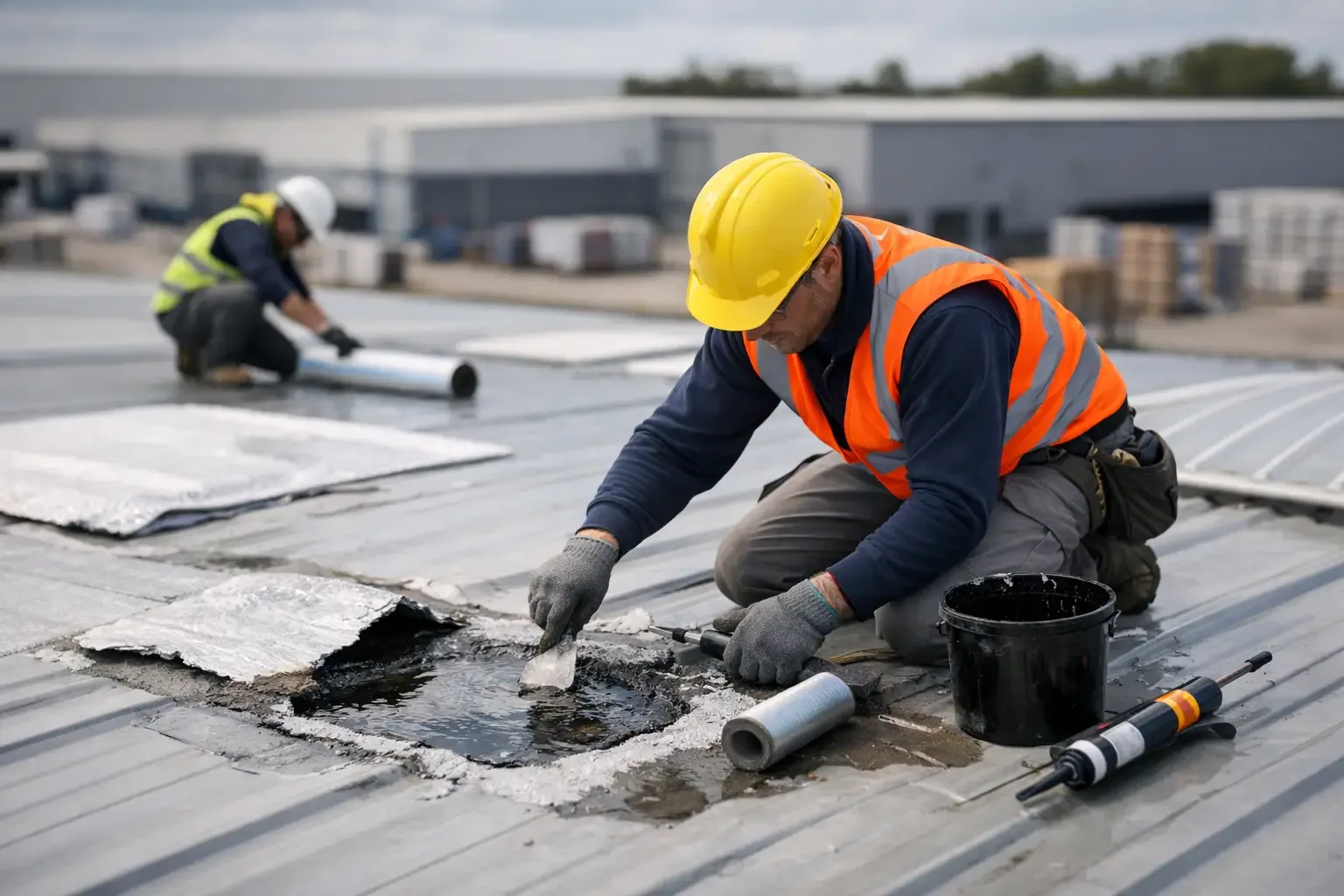
Commercial Roof Leak Repair
Read the full page
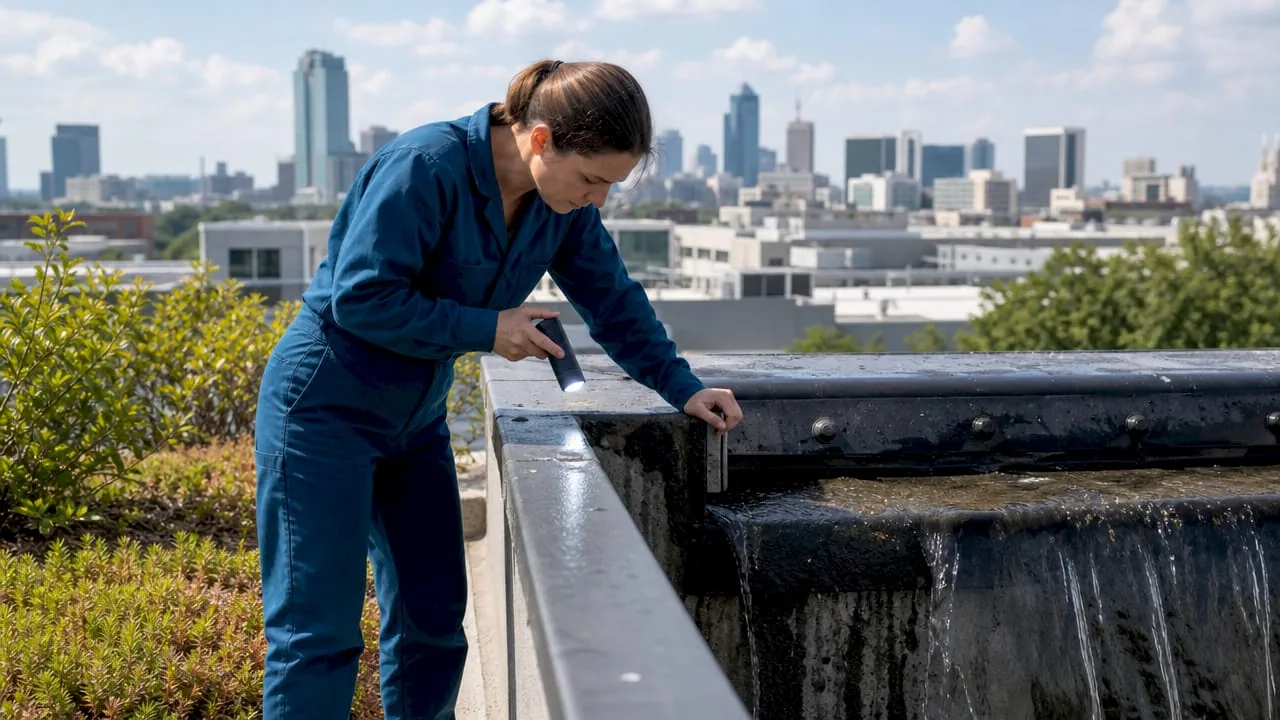
Roof Drains and Scuppers
See how we handle it
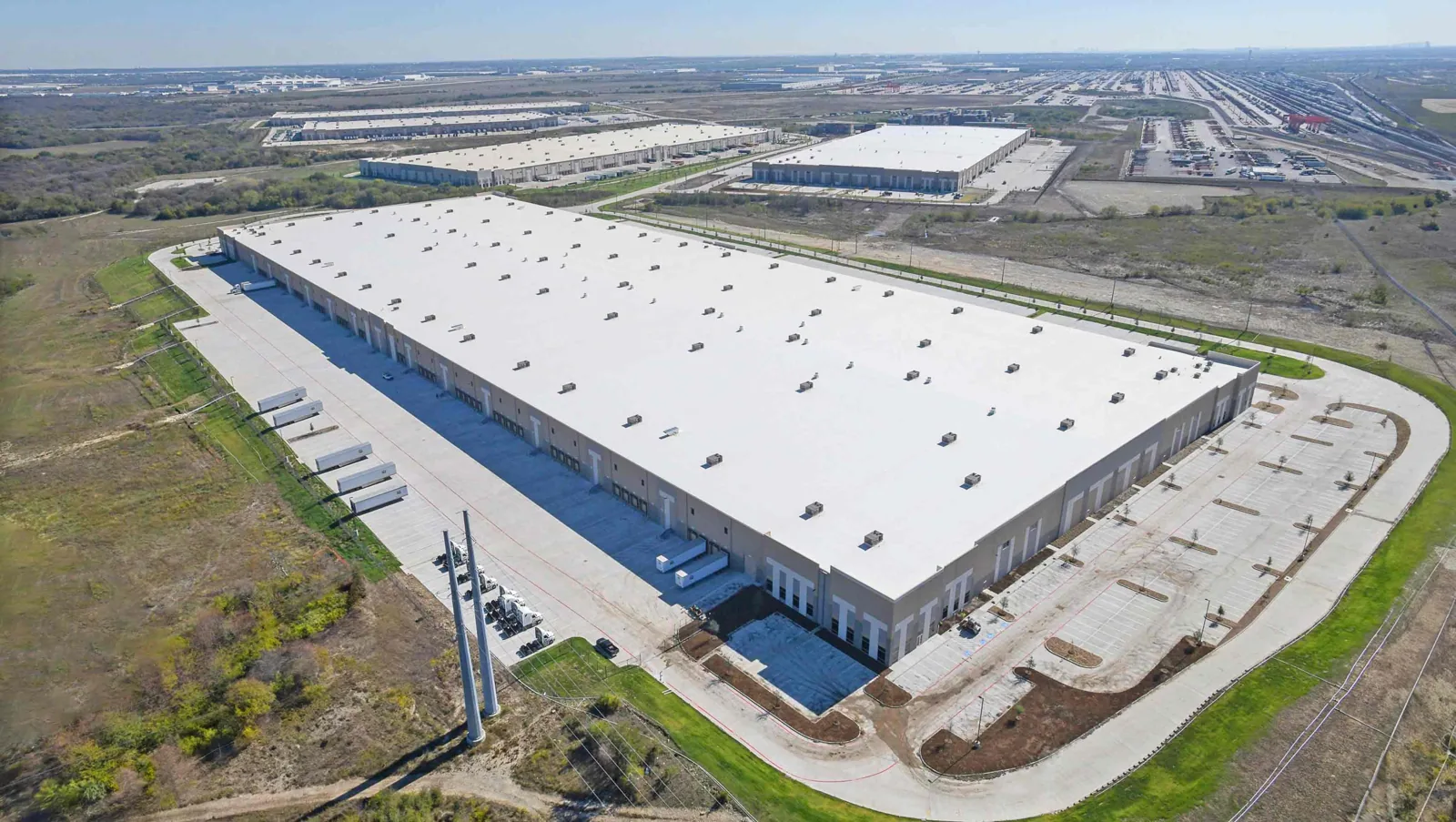
Large Retail Roof Leaks and Supported Removal Zones
Scope, sequence and repair notes
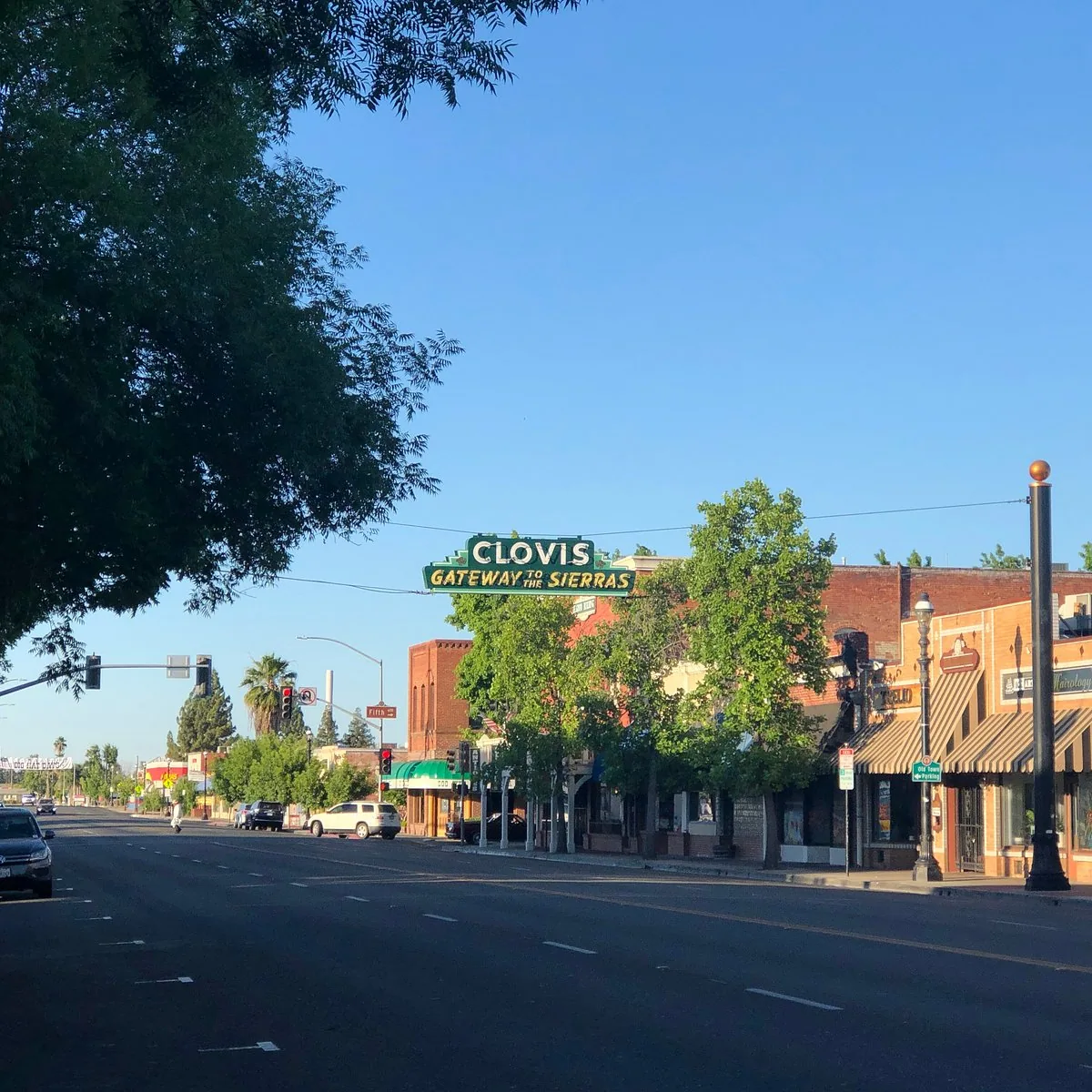
Grocery Roof Repairs Above Protected Stock Areas
Read the full page
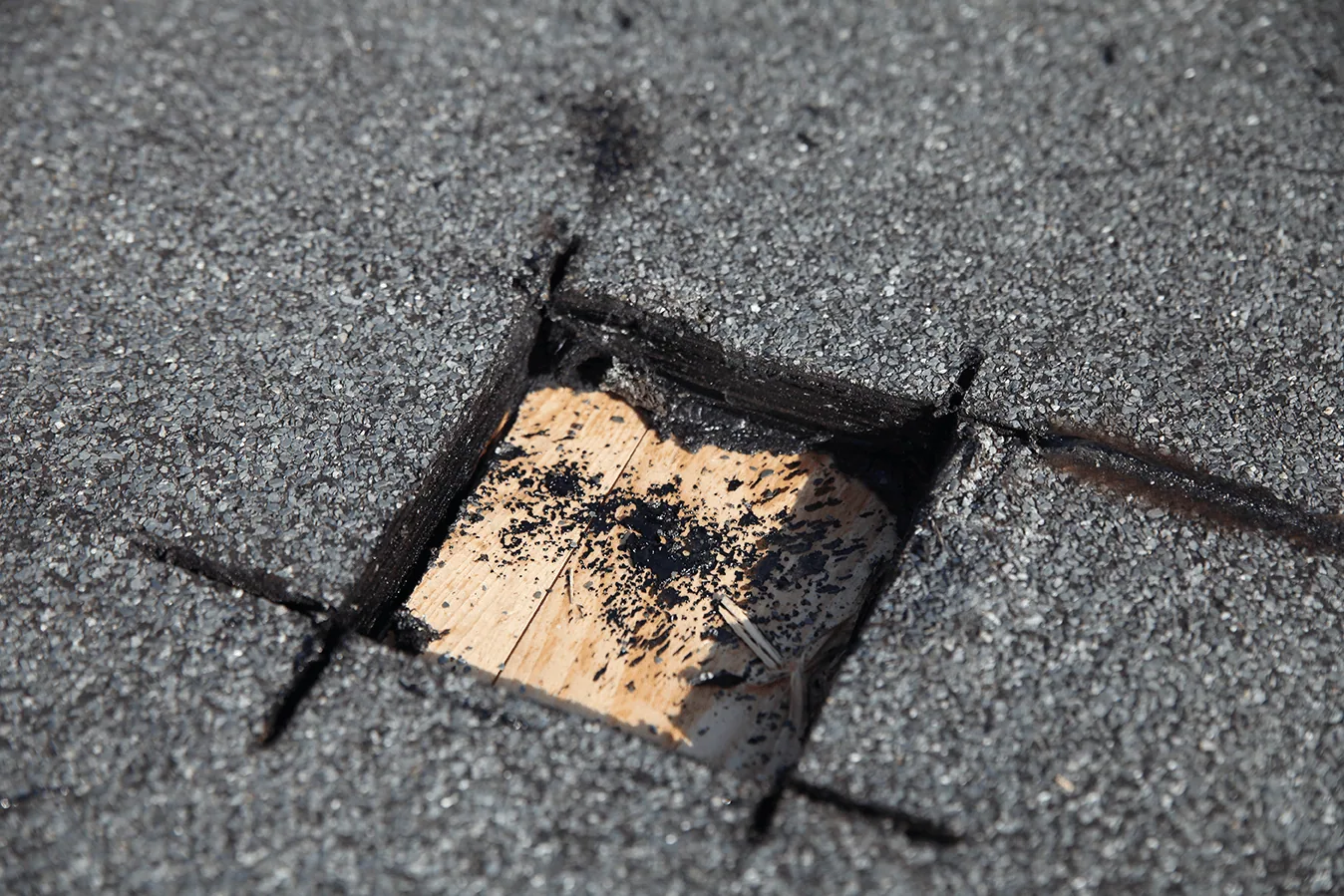
Infrared Roof Moisture Survey
See how we handle it
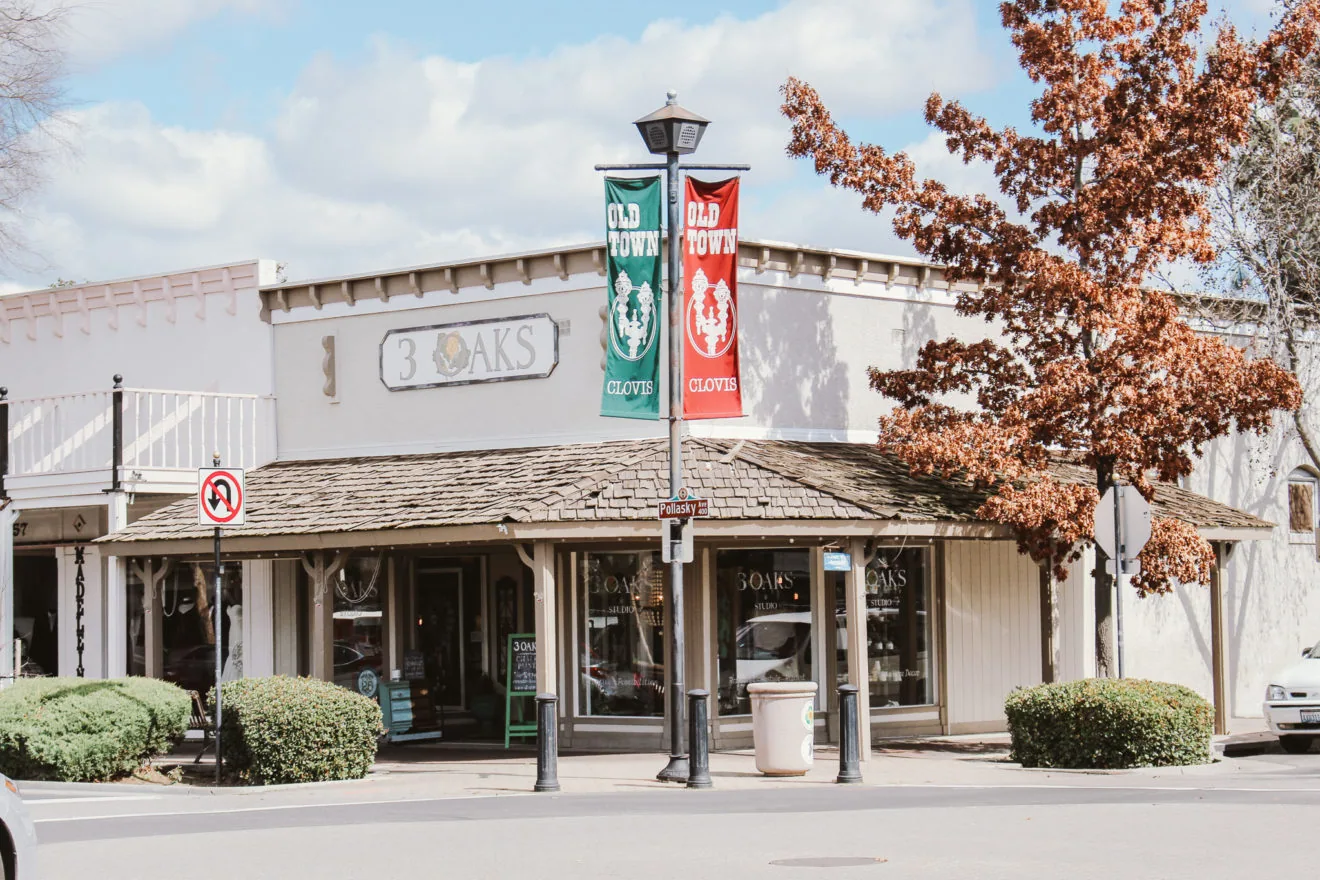
Clovis
Scope, sequence and repair notes