KEE Membrane Work in Clovis After Water Entry
Roof Systems
A drip reported during winter rain could involve a KEE membrane connection, but identifying the existing covering comes before selecting a repair material. We examine and repair KEE commercial roofing in Clovis, CA, starting with the owner's reported location, available system records and safe access to the suspect area. A familiar surface appearance is not enough to settle polymer formulation or joining requirements. The permanent correction needs the actual sheet and its construction identified, with concealed questions kept distinct from visible findings.
The Central Valley's winter tule fog supplies a reason to examine surface dryness even where rainfall has stopped. Fresno's July 2024 regional heat record supplies context for seasonal roof review, without proving a local membrane defect. Clovis Community Medical Center on Herndon Avenue establishes a real facility identity, while an authorized assignment needs its operator's direction. Our assembly examination and material review connects the proposed work to the subject property, including what lies below the roof and whether equipment service is needed before a connection can be reached.
The identity of the sheet and joining system
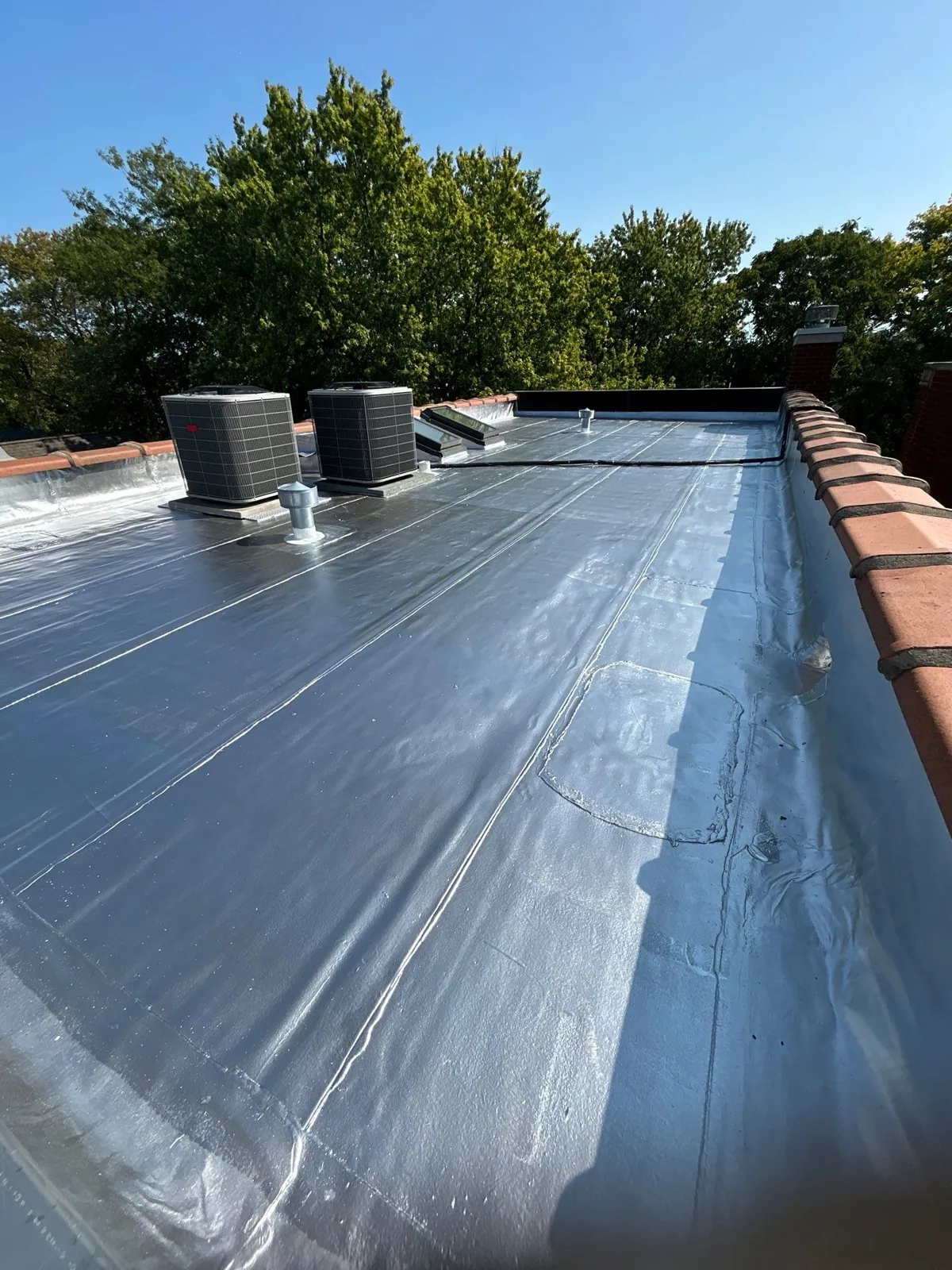
KEE describes a membrane chemistry rather than a universal repair instruction. Products and formulations have specific joining, preparation and detail requirements, so we review available records and identify suitable material before assigning the method. A repair strip selected only because it looks similar can leave the owner with an incompatible connection. Surface contamination and earlier patches need the same scrutiny because they may change the preparation that a permanent joint requires.
Accessible seams are examined for defects and the adjacent covering for condition that affects the repair boundary. Where heat welding is the applicable method, preparation and suitable test work help establish whether the existing sheet can receive the proposed connection. The covering must meet its actual system requirements, including details at corners, penetrations and upper terminations. Correction of a separated joint should state the area needed for cleaning and joining, not only the length of the visible opening. The owner can then understand why a seam patch and a rebuilt curb transition carry different quantities and different prerequisites even when both address water entry.
The initial action without a material assumption
Active water entry requires a calm assessment of the building concern and the action that safe conditions allow. We ask about the affected room, sensitive contents, electrical proximity and the person authorized to provide access. Facility personnel handle interior protection and specialist safety tasks while the roof examination identifies the available correction. Roofing response is available during nights, weekends and holidays; the completion sequence needs the conditions and repair method established before it can be assigned.
Temporary protection should not depend on an unconfirmed assumption about the covering. Select a compatible approach for the identified construction and record its purpose, limitations and follow-up. If the permanent seam preparation cannot proceed on the current surface, keep that task separate from the temporary disposition. An owner with a building near the Herndon healthcare district supplies its own facility contact and operational restrictions. Those requirements can affect equipment coordination and the working area. The initial visit should preserve the suspected detail and establish the next examination rather than conceal it beneath unrelated material that complicates the later repair.
The sound boundary and moisture confirmation
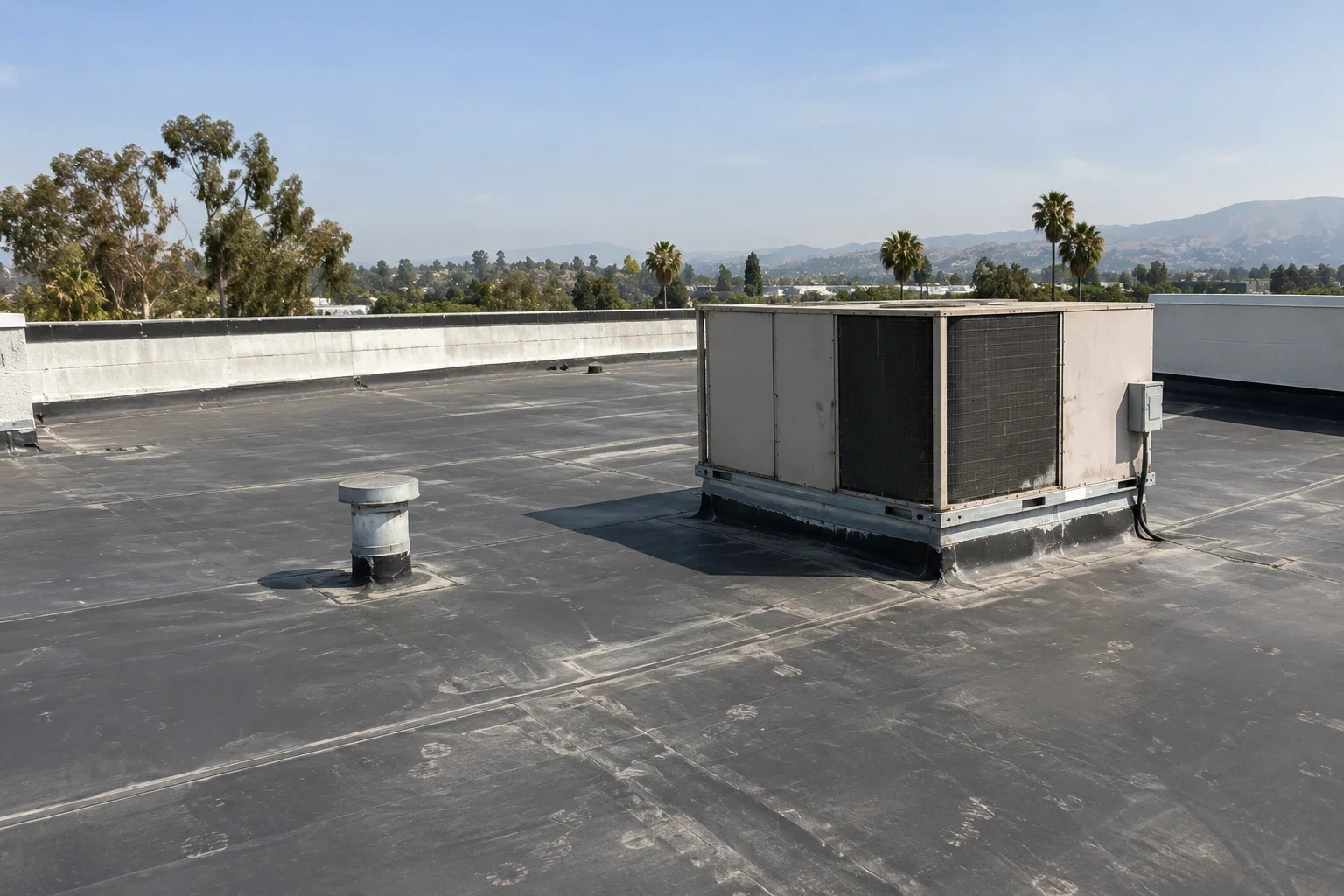
A lasting correction requires suitable construction where the new detail meets the existing roof. We examine the sheet around the affected area and assess the support where accessible. A damaged transition may need removal to expose sound material, while a limited field defect may accept a compatible patch. The estimate should show that distinction, including cleaning, joining and the detail that finishes the repair boundary.
Moisture below the membrane can change the work because a repaired exposed sheet does not restore wet insulation or damaged supporting material. Thermal investigation followed by verification may help identify suspect locations under suitable conditions. Actual confirmation, not a surface temperature alone, supports the reconstruction quantity. Authorized openings and their restoration belong in the investigation scope. Map each finding so a local result is not presented as a roof-wide condition. The owner needs known work separated from concealed limitations and the procedure for approving additional removal, particularly where the new permanent detail cannot be installed until the support question is settled.
The renewal alternatives and operating dependencies
A broader renewal decision needs assembly evidence beyond a material preference. Existing layers, attachment, drainage and concealed condition influence whether restoration, recover or replacement can be considered. A membrane name does not establish suitability of the substrate beneath it. The proposed construction should include transitions and edge details so the estimate addresses the complete weatherproofing task rather than the field sheet alone.
Alternatives involving PVC roof construction or a TPO covering system require their own preparation and installation review. Compare those assemblies where the roof findings justify renewal, with occupied-space protection and equipment dependencies included. If a unit must be lifted to rebuild its curb detail, assign the authorized service trade and sequence before the roofing order is released. The owner can then evaluate a complete project rather than a membrane price whose essential access tasks remain outside it. Keep temporary protection, permanent joining and any separate equipment release documented so each responsible party knows the boundary of its work.
The release conditions and the roof file
Fog can produce surface moisture that is easy to overlook during a rain-free morning, while regional summer heat changes safe working conditions and handling needs. We assess the actual work area against the chosen system's requirements before joining or coating it. A reserved construction date does not settle that assessment. Where conditions change the sequence, communicate the disposition and preserve the protection needed until the permanent work can proceed.
At completion, identify the repaired location and retain preparation records, material information and photographs with the building file. Actual warranty terms may require notice or review of alterations, and those obligations belong with the maintenance record. A later equipment opening must receive its own compatible detail instead of being treated as a minor exception to the roof system. Continued water entry needs another investigation using the existing repair record and other potential paths. Separate roof acceptance from unresolved interior restoration or trade work, leaving the owner with a clear completed task and an assigned next action where any question remains.
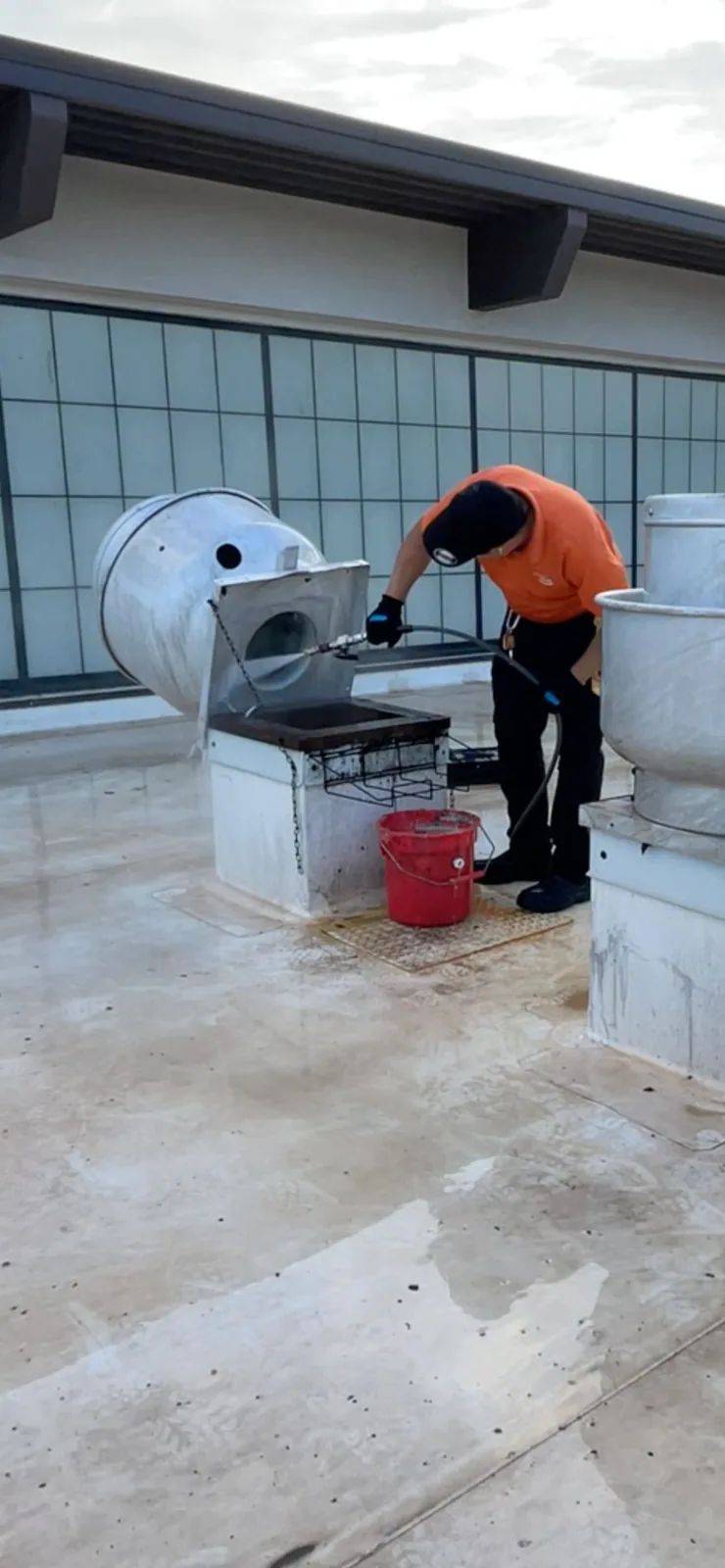
A KEE surface should be evaluated for the condition of the actual sheet and its seams. Inspect areas exposed to routine foot traffic, grease, cleaning agents and rooftop service work, then distinguish wear in the field from an open edge or failed transition. A compatible repair may restore a localized defect, while damage to insulation or attachment below can require a wider opening. Record what was accessible and whether adjacent material stayed in place. The selected repair method should follow the membrane manufacturer’s current instructions and the roof’s verified assembly.
Commercial Roofing Questions
Can appearance identify a KEE repair product?
Actual material and system requirements govern compatibility. Review records and examine the covering before selecting the joining method.
Is one seam test enough to price the entire roof?
The tested location establishes a limited finding. Broader quantities need additional examination appropriate to the proposed scope.
Does KEE chemistry settle coating suitability?
The actual product, surface condition and coating requirements control that option. Chemistry alone is not a preparation specification.
Can temporary material complicate permanent work?
Its compatibility and placement establish that risk. Record the temporary method and any removal needed for the finished detail.
What supports a renewal recommendation?
Assembly condition, moisture and attachment findings establish the basis. A preferred membrane name does not replace that evidence.
Describe the covering and the water location
Give us available roof records, the interior concern and the access contact. We will assess safe temporary action and identify the permanent material and joining requirements.
Related Pages
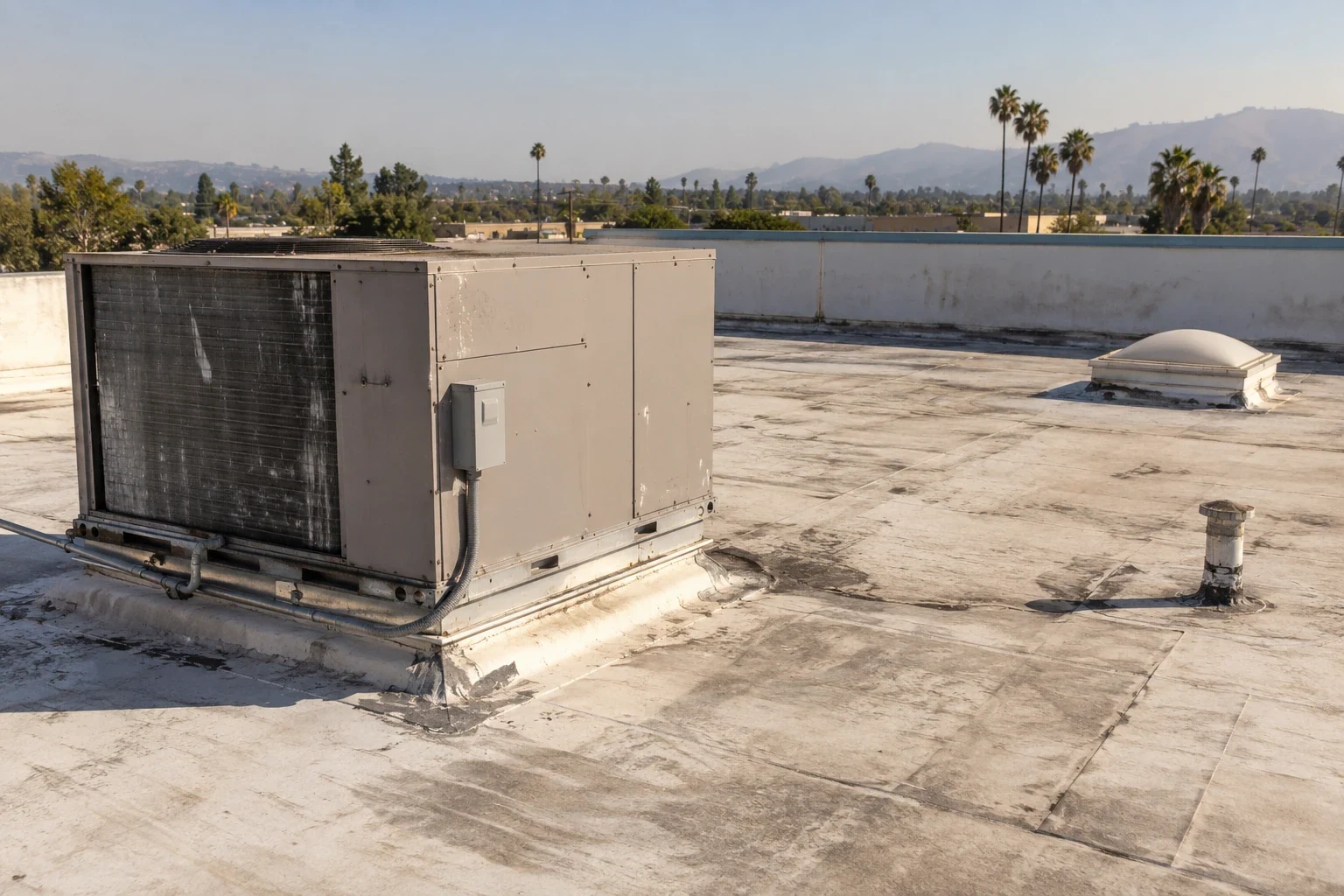
Commercial Roof Inspection
Read the full page
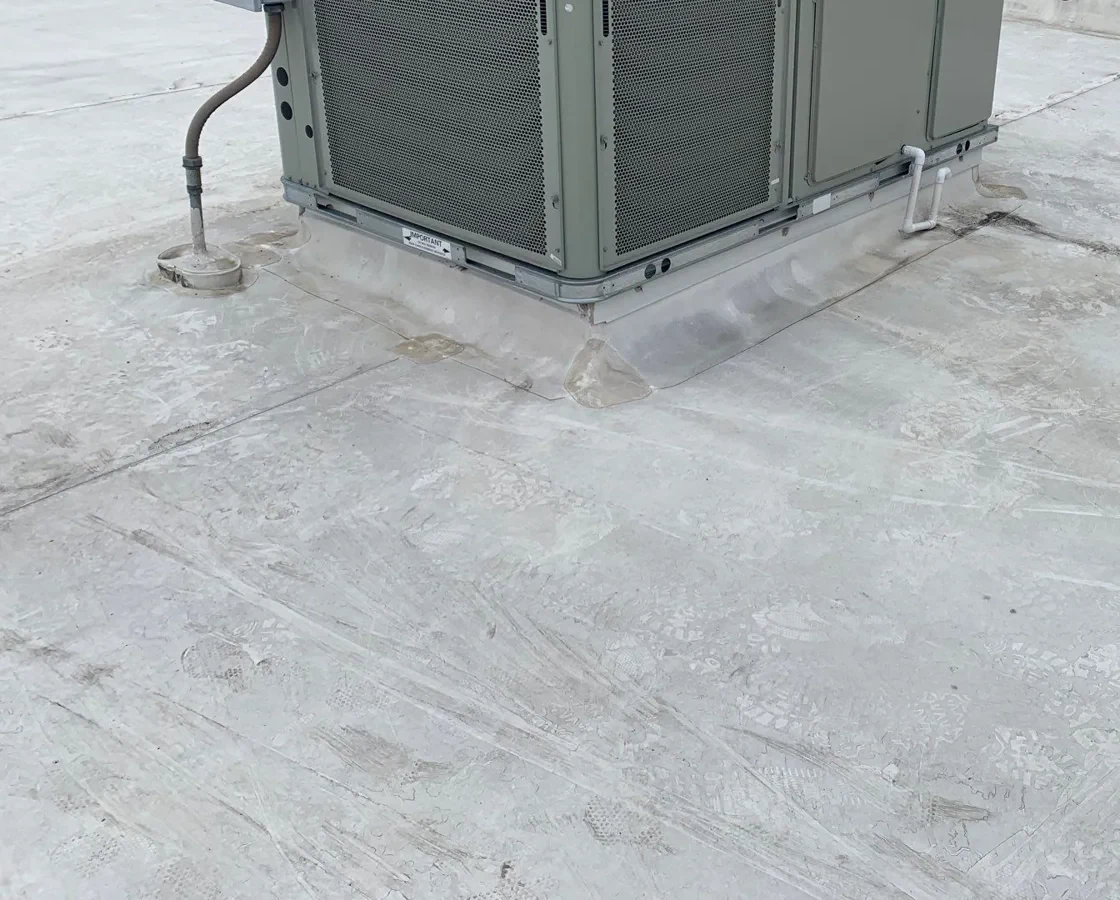
Commercial Roof Seam Corrections in Clovis After Entry
See how we handle it
Herndon Medical District
Scope, sequence and repair notes
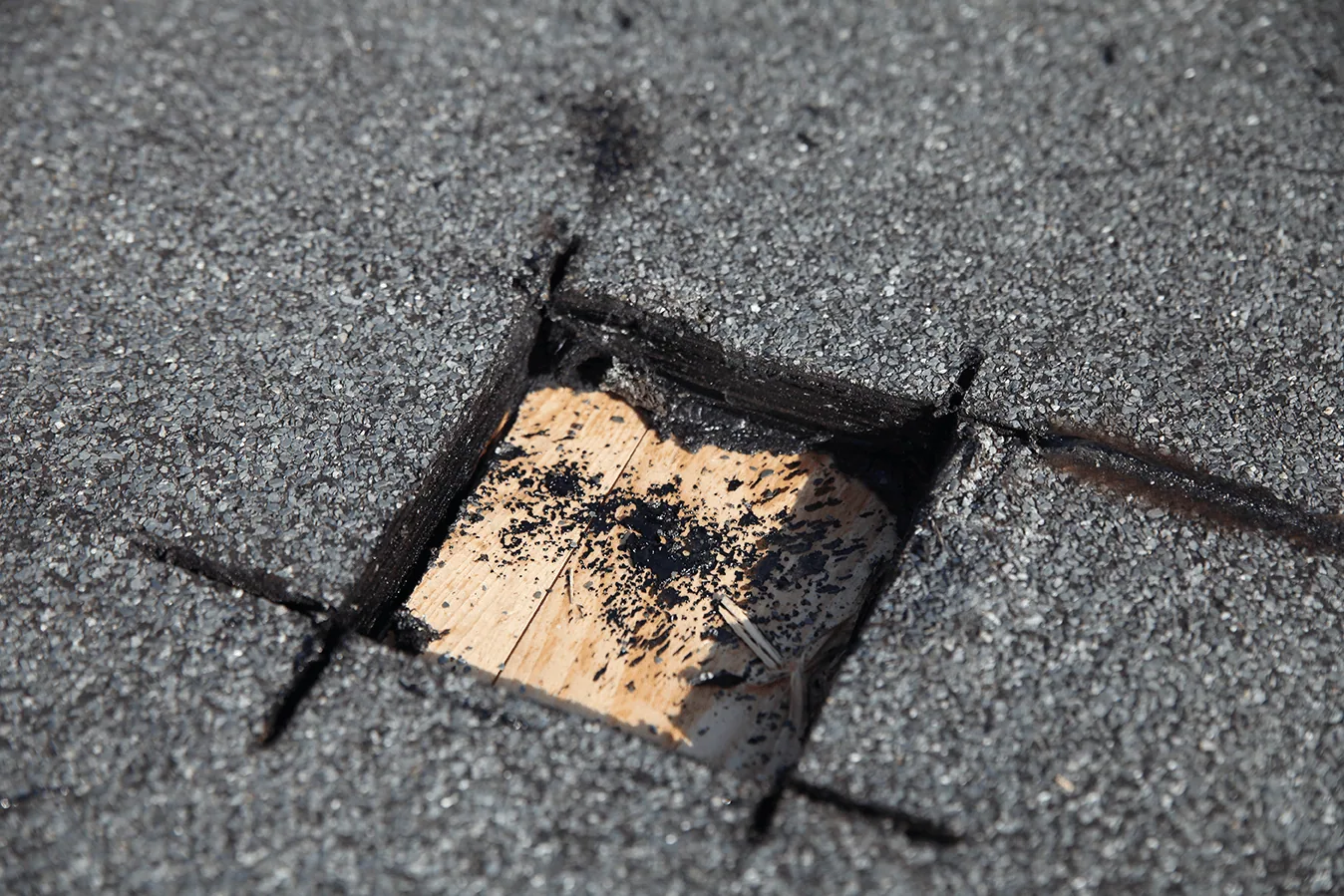
Infrared Roof Moisture Survey
Read the full page
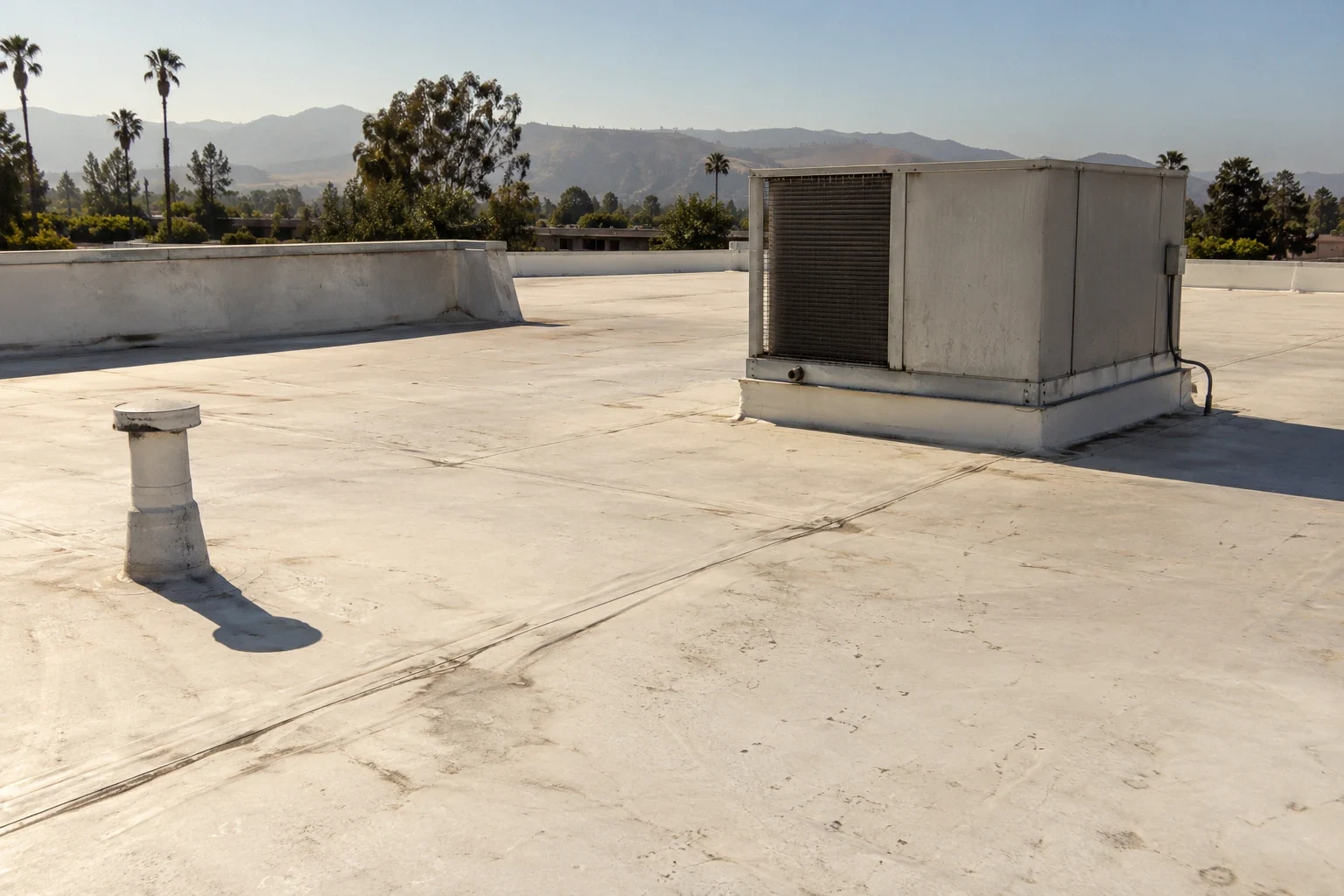
PVC Roof Corrections in Clovis at Seams and Curbs
See how we handle it
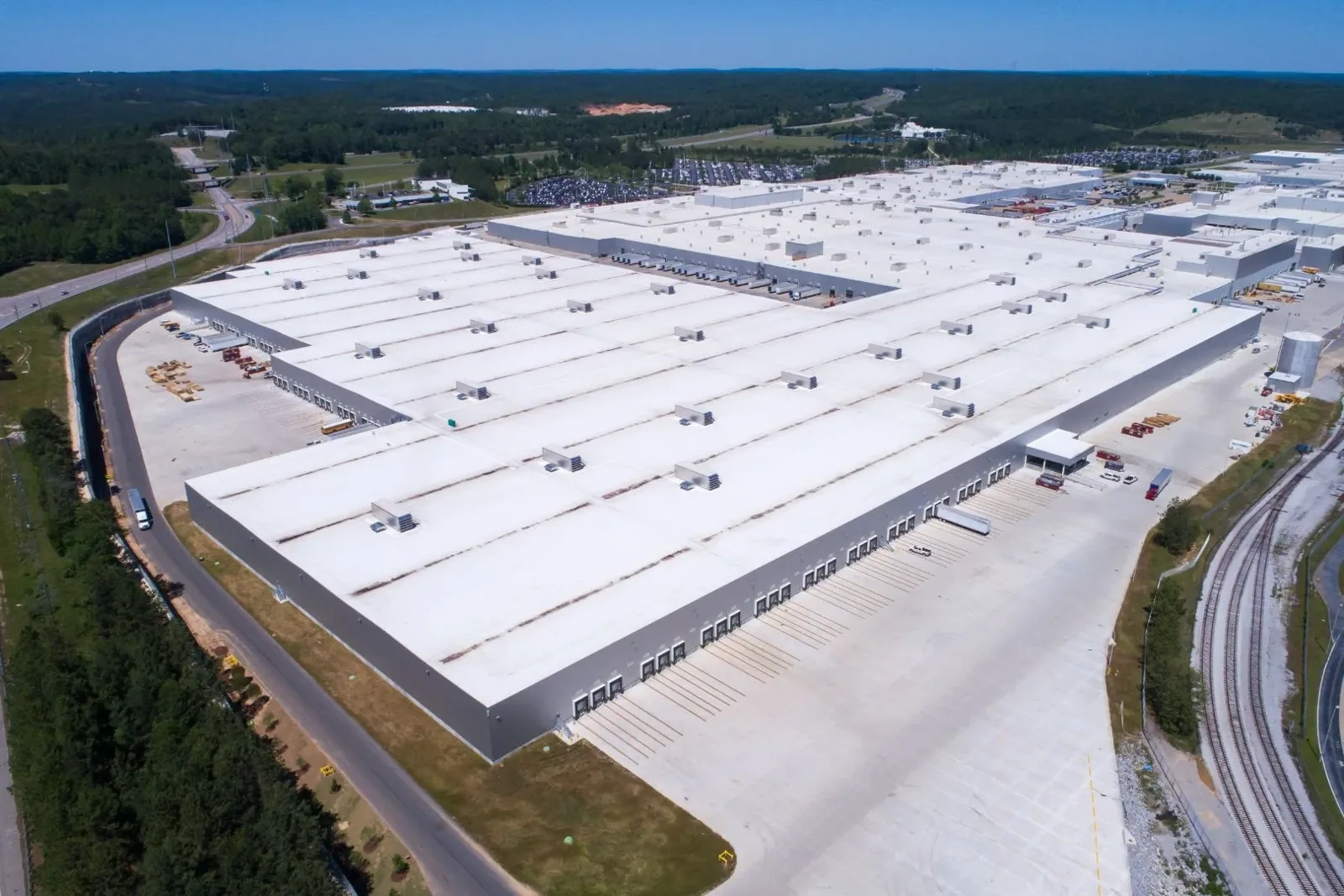
TPO Roof Repair in Clovis After a New Drip
Scope, sequence and repair notes