
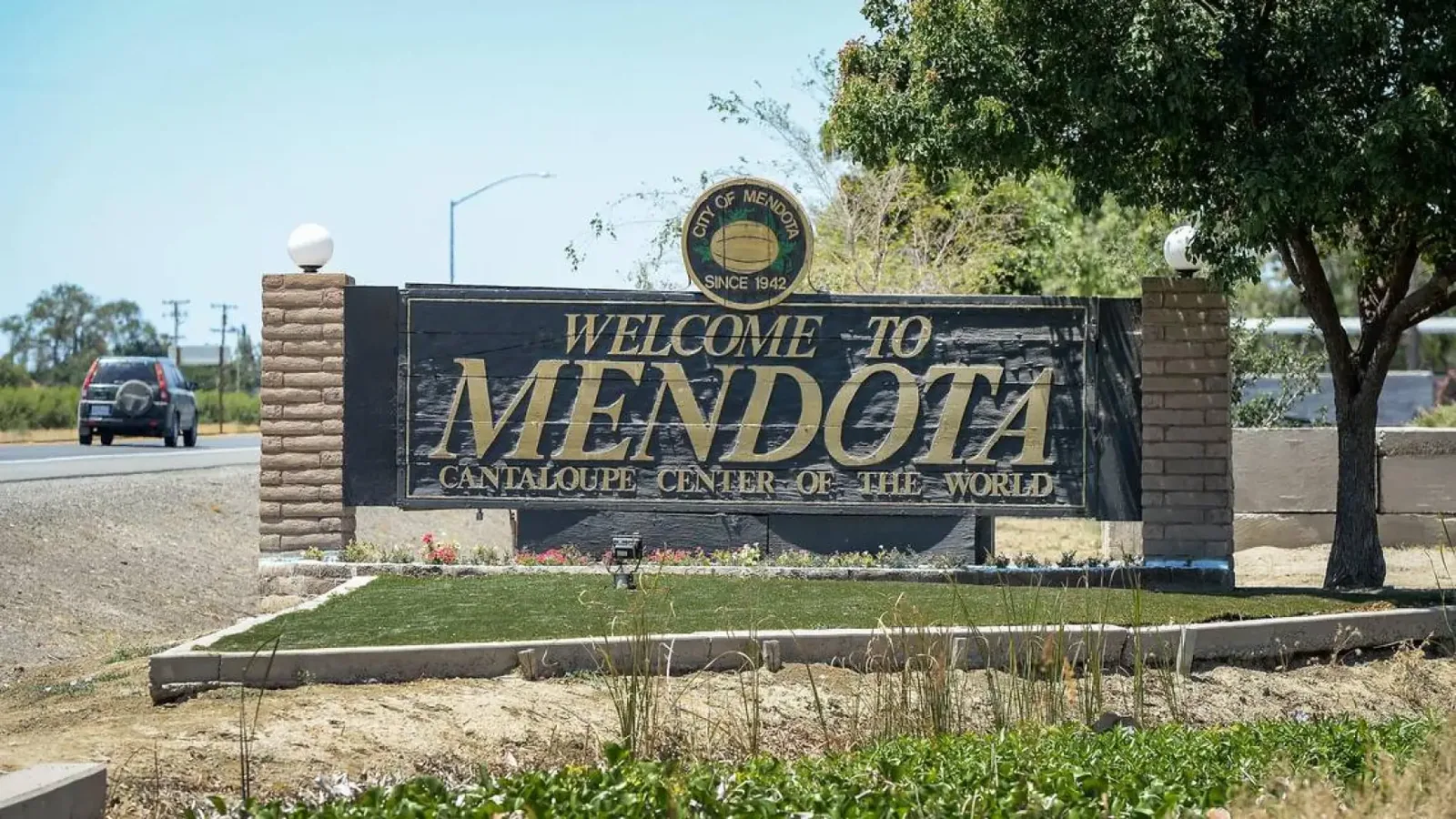
Commercial Roofing in Mendota, CA
Service Areas
Commercial seam repair for Mendota, CA buildings follows the membrane connection when the first rain produces a widening drip line indoors. We investigate seam failures, repair low slope and metal systems and assess replacement or restoration when retained materials cannot support further localized work. A lap can open through movement, poor adhesion or deterioration, but the symptom indoors does not establish which mechanism is present. We examine the seam and nearby details to define the actual path before covering it.
During the initial call, describe the affected room, the timing of water entry and whether any temporary work is already on the roof. Our emergency call response continues overnight, on weekends and through holidays. The immediate aim is to reduce further entry where conditions allow, while the operator protects the interior exposure. The permanent decision requires a closer look at the existing seam, the material that will receive the repair and any moisture retained underneath the visible opening.
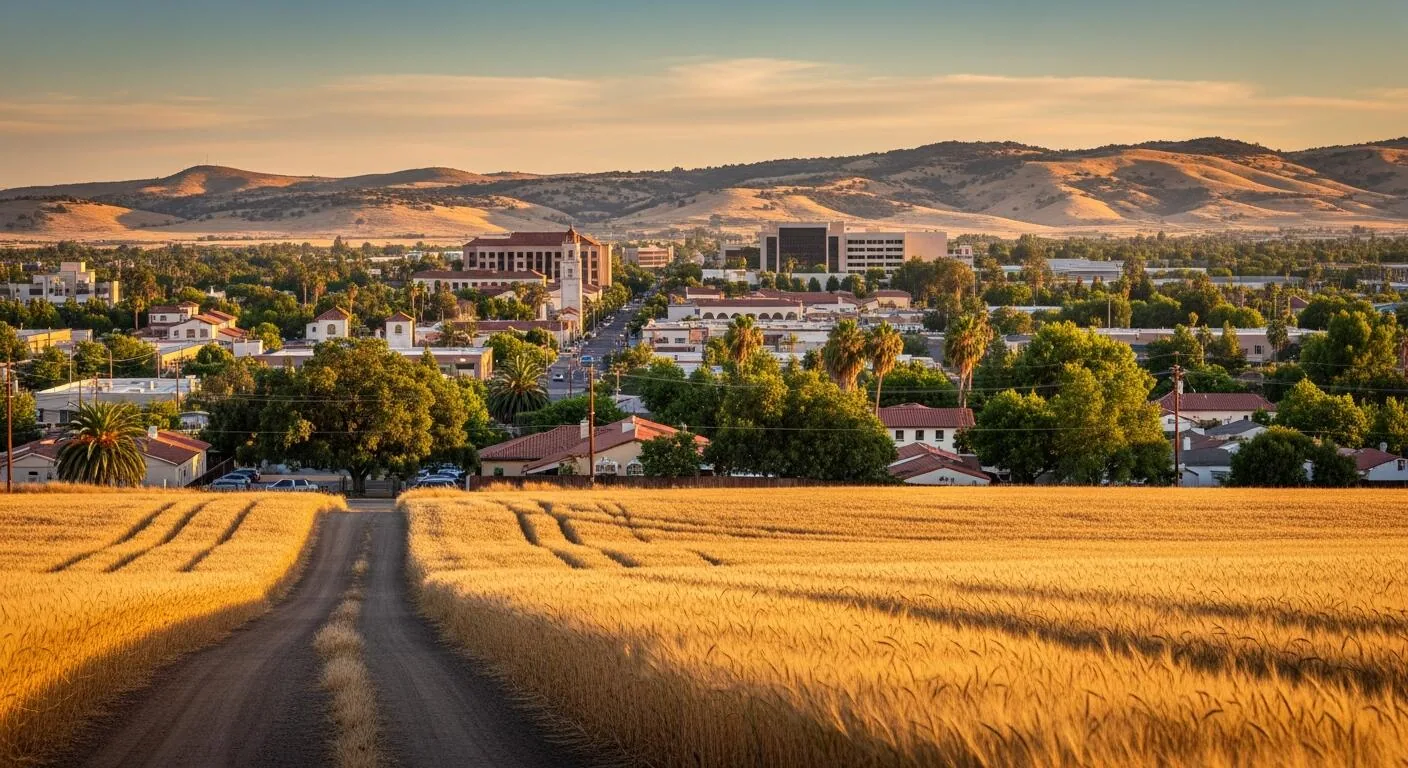
Movement along a membrane lap
A membrane lap relies on a continuous connection across its length, and a short failed segment can admit water without making the entire seam look loose. We examine intersections, turns and adjacent transitions as well as the point nearest the interior drip. A previously covered seam may need temporary material removed before its condition can be judged. Repairing a separated seam starts with that examination and a compatible preparation method for the assembly actually installed.
We distinguish a bond failure from tearing in the membrane beside it. Those conditions can call for different repair boundaries. A surface that is too degraded to receive new material cannot be made suitable simply by enlarging a patch over it. The owner receives an explanation of where sound material begins and why removal or a different detail may be needed. We record the seam location and observed condition so that the scope remains tied to evidence even after temporary protection changes its appearance.
Belmont Avenue visit details
Mendota’s civic services support a compact agricultural community, and commercial roofs there still require direct inspection of the property being served. The building contact can help avoid a wasted visit by identifying the roof access point, interior area affected, operating hours and any equipment that cannot be interrupted. We compare the reported symptoms with visible roof conditions, including open laps, wall flashings, drains and penetrations. If the water path is uncertain, the report explains whether a limited test or additional access would resolve it. The repair scope then distinguishes a temporary measure from the permanent correction and names any work outside the roofing trade. After completion, the owner receives a clear record of the area repaired, remaining concerns and conditions that should trigger a return inspection.
An owner coordinating other work in Kerman or Madera benefits from keeping each roof's findings distinct. A seam repair plan that fits one assembly may not suit another, even when the interior symptoms resemble each other. We identify the material lifting route, the areas below the work and any access restrictions before opening damaged roofing. The owner can then coordinate room protection and normal operations with the particular removal boundary, rather than assuming a repair at one address establishes the work needed elsewhere.
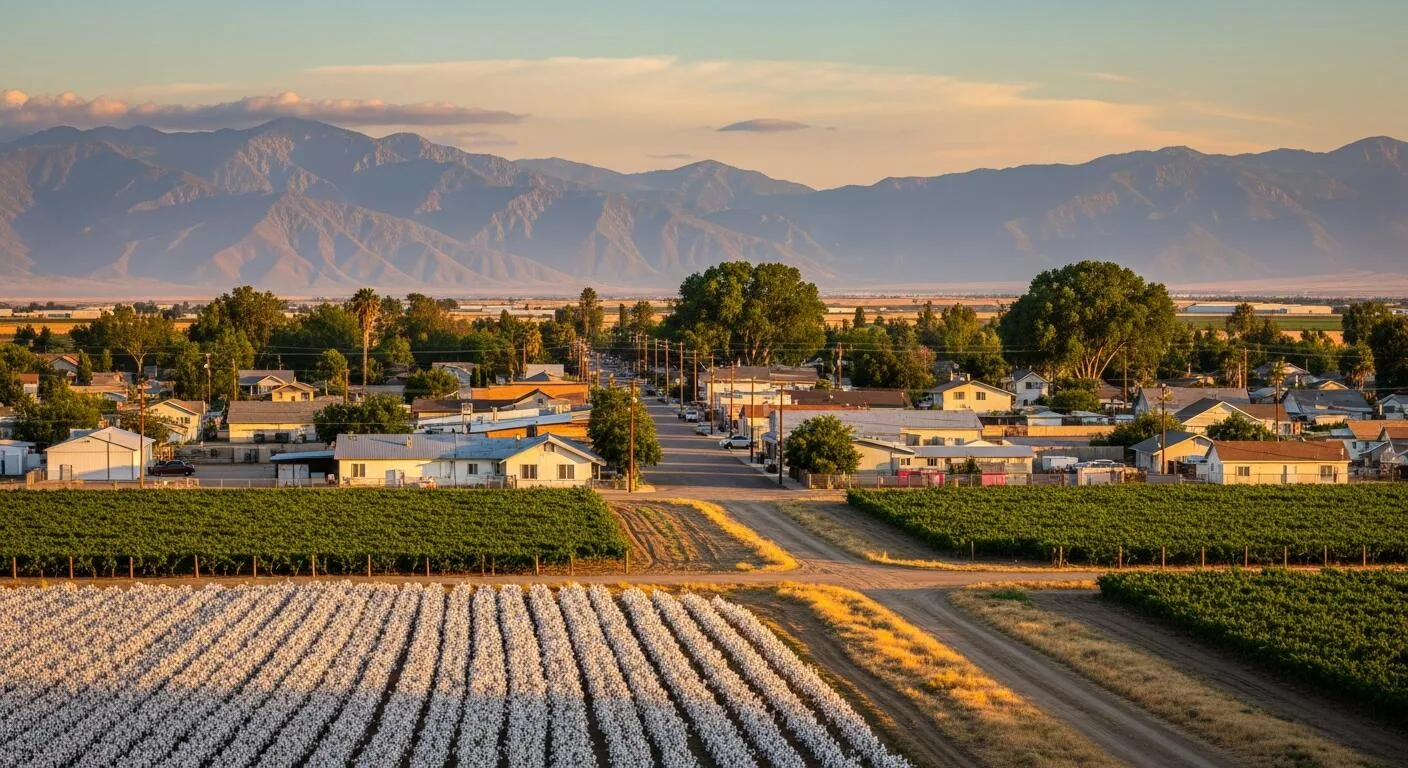
Temporary closure with a visible boundary
Temporary closure should reduce the active entry without obscuring where permanent preparation must begin. We document the opening before applying protection and explain how the holding measure relates to the discovered defect. Where wet material or unsuitable conditions prevent a permanent bond, the initial work remains a distinct stage. The owner should know what is covered, what is still being investigated and which interior exposure requires additional attention while the roof is being assessed.
Emergency leak protection also requires coordination with the building operator. Sensitive contents may need relocation and electrical exposure may require a qualified specialist. On the roof, access conditions can limit the amount of material that can be examined during the first visit. We state those limits plainly and preserve a location record for the follow up. This keeps the urgency of stopping water from turning a temporary covering into an unsupported conclusion about the entire assembly.
Heat history and the retained surface
Fresno averaged 90.0 degrees Fahrenheit in July 2024, with 26 triple digit days. During a Mendota seam assessment, we account for regional summer heat when evaluating the retained surface and planning suitable repair conditions. Repeated heating and cooling can move roof components differently, especially at a restrained transition. We examine the membrane's flexibility and attachment to determine whether the visible split belongs to a limited detail or a broader pattern of deterioration.
Preparation depends on the actual roofing material. A PVC roof repair needs a connection appropriate to that system and a surface capable of receiving it. Other membranes require their own materials and methods. Temperature, contamination and moisture can affect the work, so we assess them at the repair area rather than relying on a general seasonal assumption. When the retained membrane cannot support the proposed connection, we describe the larger boundary needed before asking the owner to choose the permanent scope.
The moisture decision beneath the split
A seam opening may allow water into insulation well beyond the exposed defect. We investigate that possibility where the interior history or assembly condition warrants it, using appropriate testing and limited openings rather than assuming a dry surface means dry material below. The removal boundary needs to reach sound support and accommodate the new seam or repair detail. A wider area of deterioration can change a local repair into a broader evaluation, with the reasons explained before work proceeds.
Planning the next roof investment compares localized correction with the work needed to retain or replace the assembly. We identify the disruption associated with removal, the transitions that must be rebuilt and the drainage conditions that should be addressed at the same time. After completion, photographs and a written location record provide a basis for checking the repaired connection. The follow up should examine the seam and surrounding field rather than rely solely on whether the original ceiling stain has dried.
Commercial Roofing Questions
Does one opened seam mean every lap needs work?
The pattern of deterioration determines the scope. We examine nearby connections and transitions to distinguish an isolated failure from repeated weaknesses. A local repair can remain appropriate where the surrounding membrane and support are usable.
Why can a temporary seam patch need removal later?
Permanent preparation may require direct access to the original membrane. Temporary material can interfere with bonding or hide damage, so we assess it before the lasting work. Removing it is part of establishing a sound connection rather than evidence that emergency protection had no value.
Can a seam be repaired while insulation remains wet?
The concealed condition must be addressed in the permanent scope. A surface connection can stop entry while still leaving moisture inside the assembly. We determine whether removal is needed and explain the boundary before treating the seam repair as complete.
What changes the duration of a seam repair?
Access to usable material and the extent of concealed damage are major drivers. Cleaning a repairable surface differs from removing wet insulation or rebuilding an adjoining penetration. We describe the necessary sequence once those conditions have been examined.
Should old roof records be supplied before inspection?
Material identity and prior repair locations help us interpret what is visible. Provide available drawings, product information or earlier reports without assuming they describe the current condition completely. We compare those records with the assembly found on the roof.
Mendota seam leak coordination
Tell us where water appears, how long it has been active and whether earlier patches are present. We arrange access, discuss immediate protection and inspect the seam and concealed materials before defining permanent work.
Related Pages
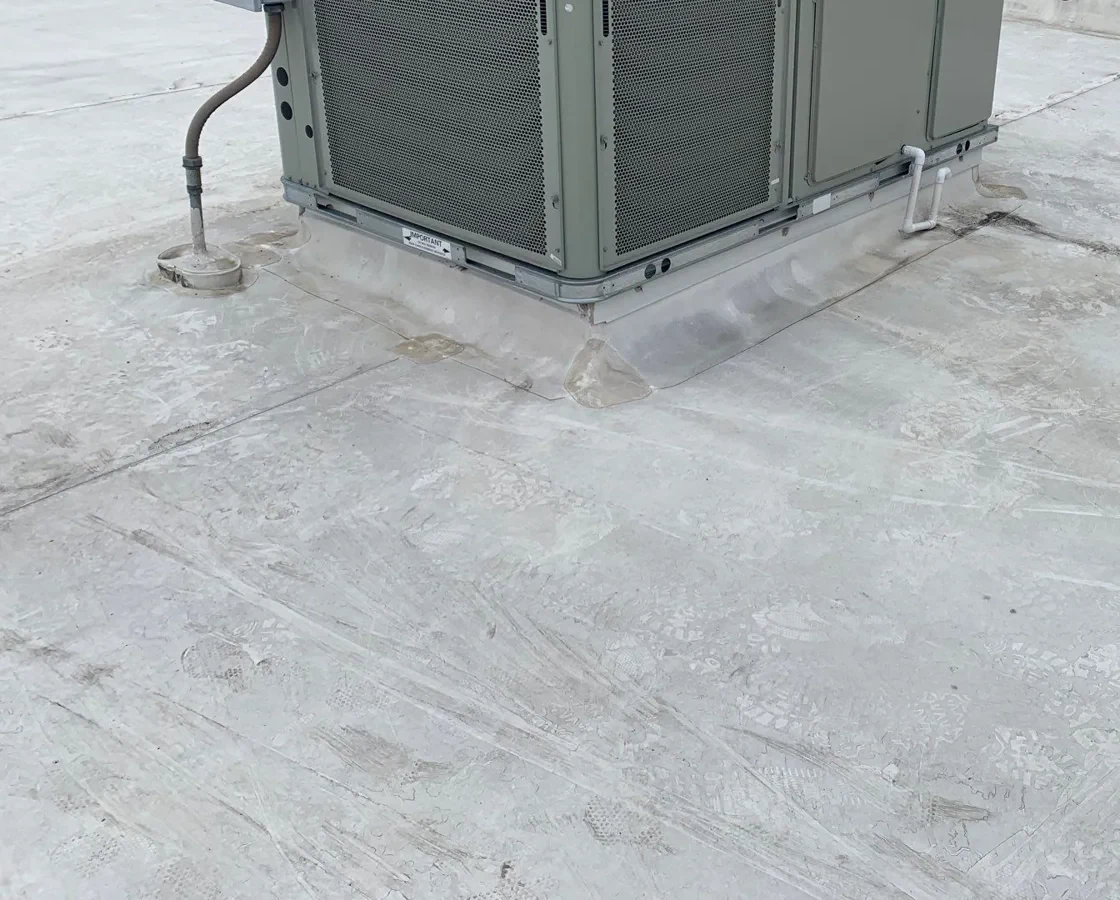
Commercial Roof Seam Corrections in Clovis After Entry
Read the full page
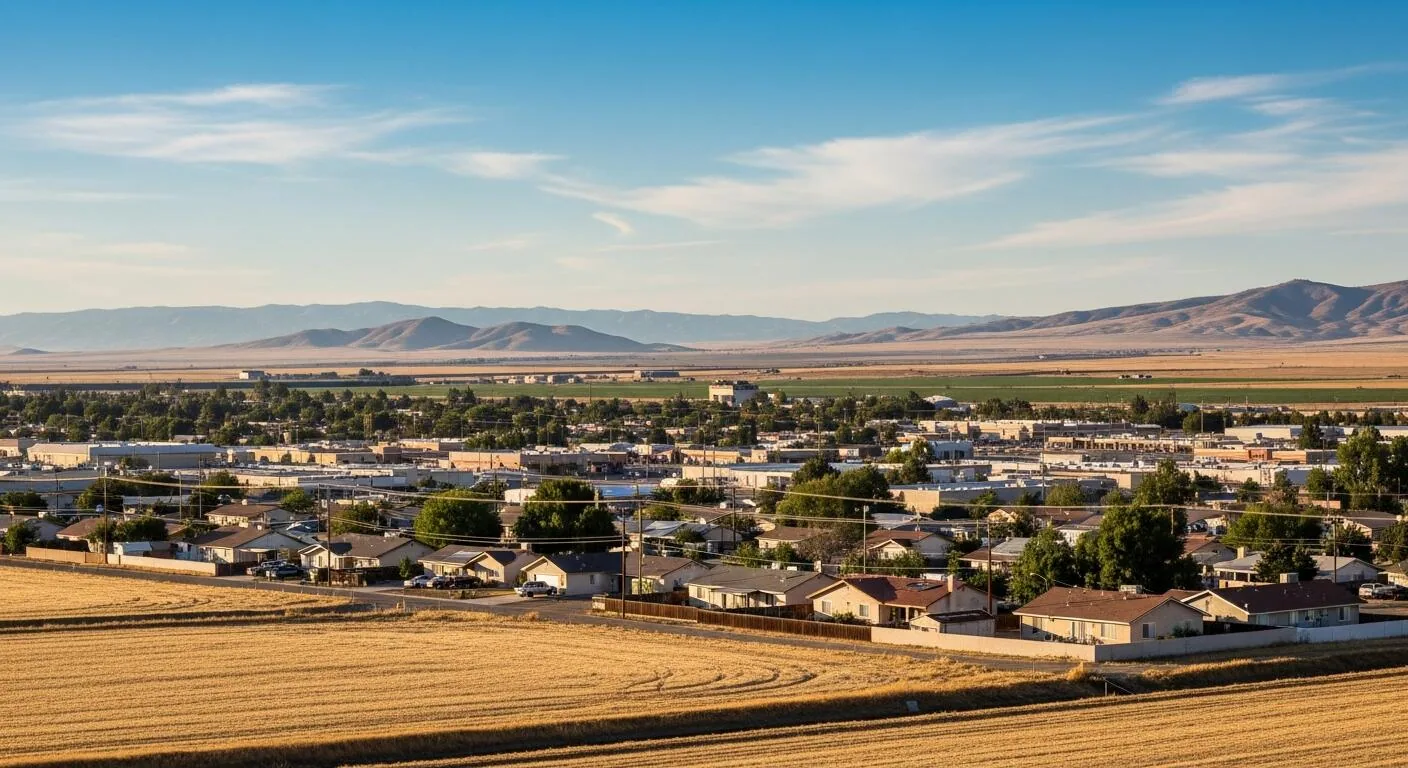
Kerman
See how we handle it
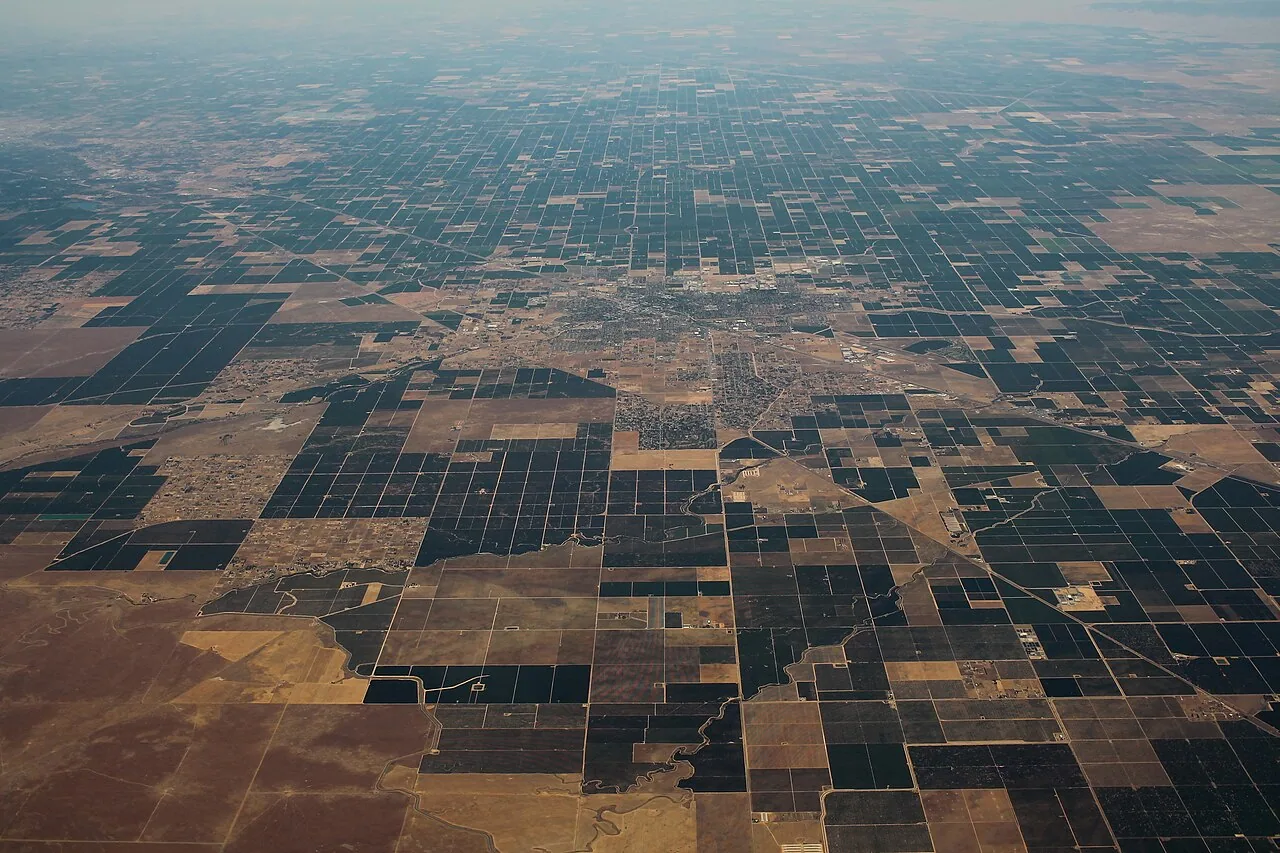
Madera
Scope, sequence and repair notes
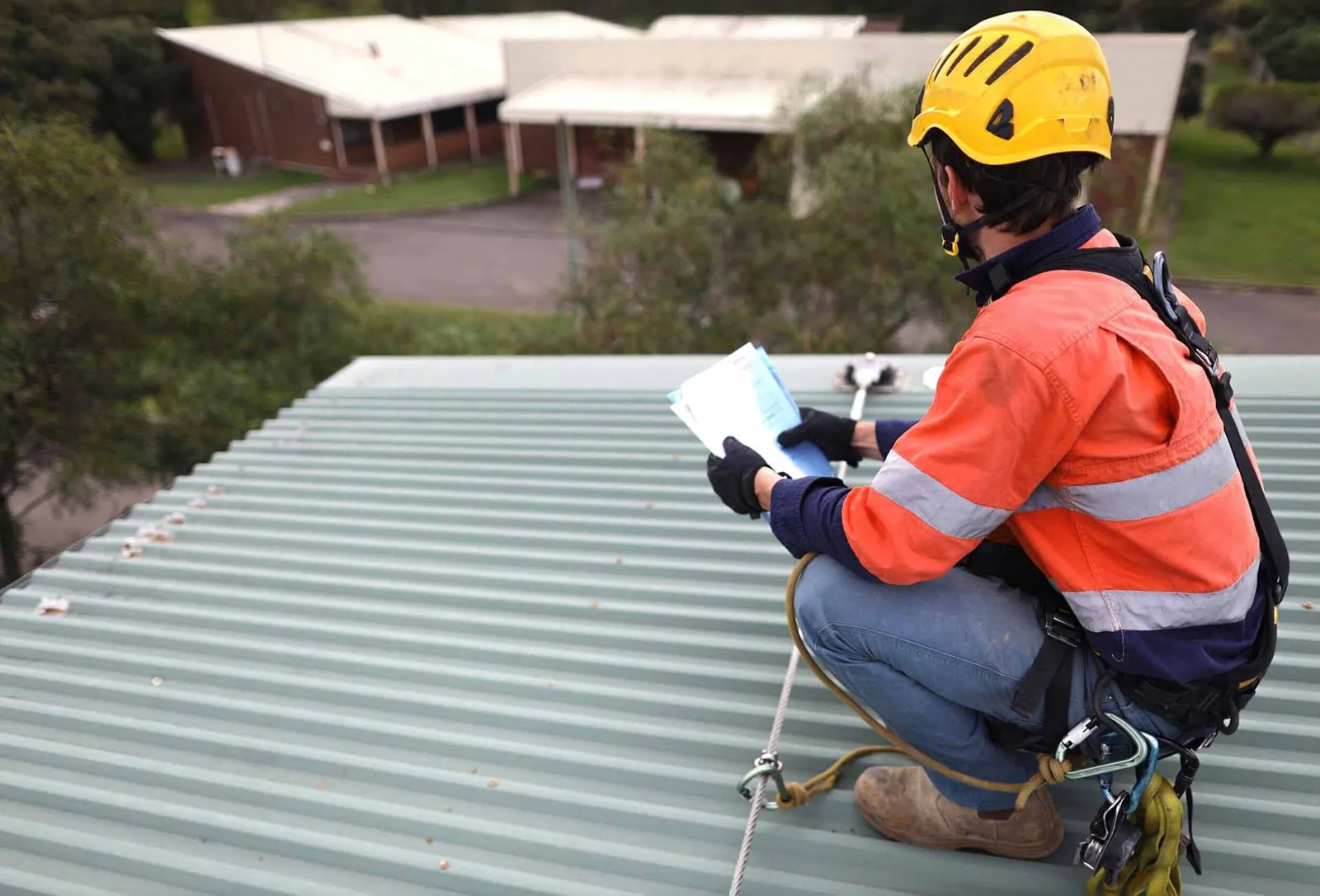
Emergency Commercial Roof Repair
Read the full page
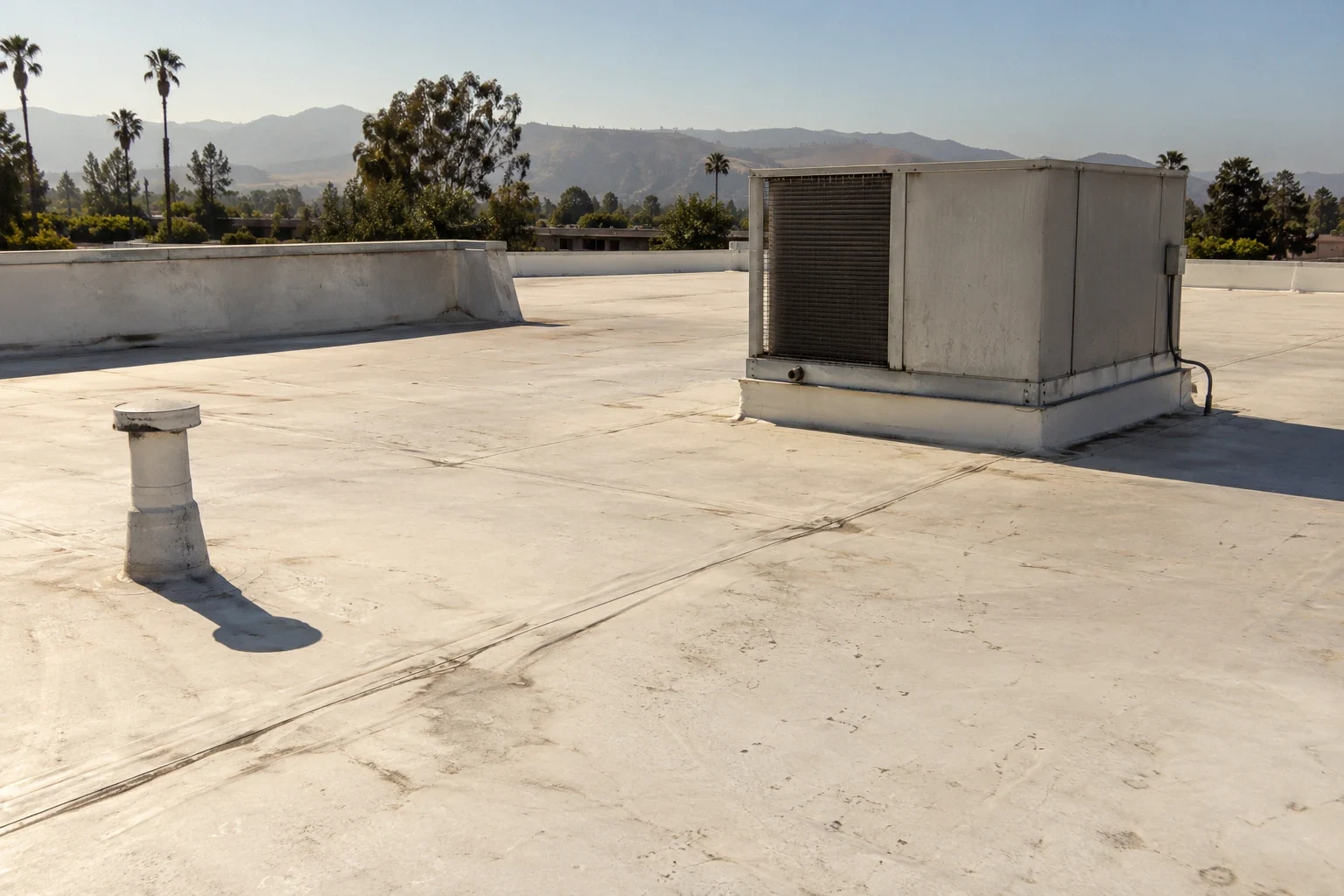
PVC Roof Corrections in Clovis at Seams and Curbs
See how we handle it
Roof Renewal Decisions and Work Planning
Scope, sequence and repair notes