
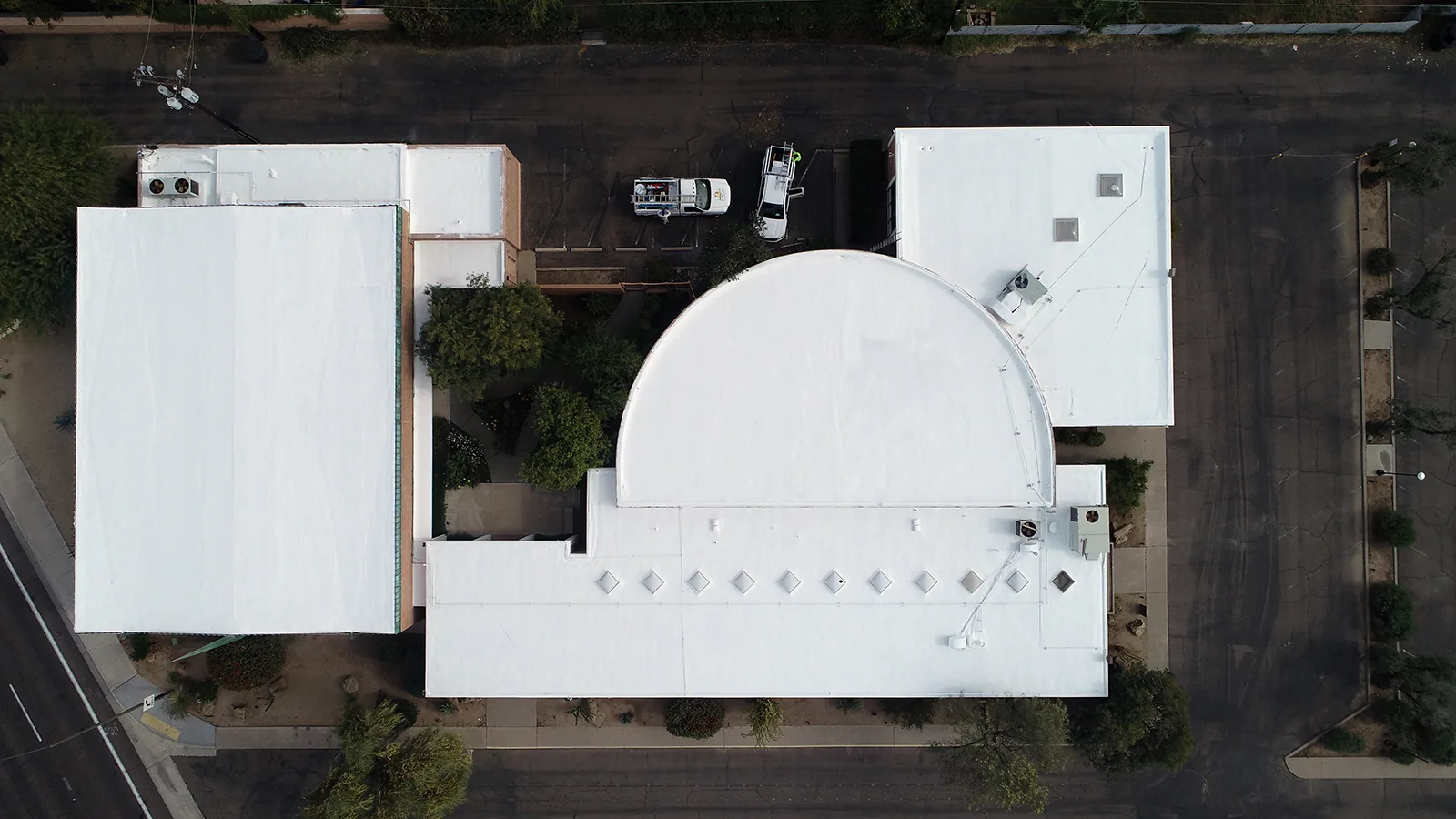
Roof Renewal Decisions and Work Planning in Clovis, CA
Roofing Capabilities
A first-rain leak can force an owner to authorize an immediate roof repair while a larger renewal decision remains unsettled. We plan commercial roof expenditure in Clovis, CA, by separating the work needed to limit current loss from the assembly findings that support a later investment. The first examination establishes accessible conditions, the practical temporary correction and the investigation still needed. A request to stop water entry should not become an unsupported instruction to remove the whole covering.
Capital planning connects the observed roof condition to a construction boundary, an operating sequence and the next authorization. We establish what can remain, what needs correction and which concealed layers have not been assessed. The owner can then compare repair, restoration, recover and replacement methods using their actual preparation and protection requirements rather than treating the covering name as the complete expenditure decision.
The immediate repair allowance
An isolated opening surrounded by suitable material may support a local permanent connection while other roof areas remain under review. We identify the receiving surface, affected layers and access needed for that correction. Where water is entering, a feasible temporary measure receives its own purpose and follow-up. Its cost and construction status should remain distinct from the broader renewal work the owner is considering.
A condition record supporting the work boundary identifies which observations justify each recommendation. The owner needs unresolved access, sampling or equipment questions visible before committing to wider removal. That record helps keep an urgent response from absorbing the investigation budget without answering whether the surrounding assembly can continue to receive repairs.
The retained assembly
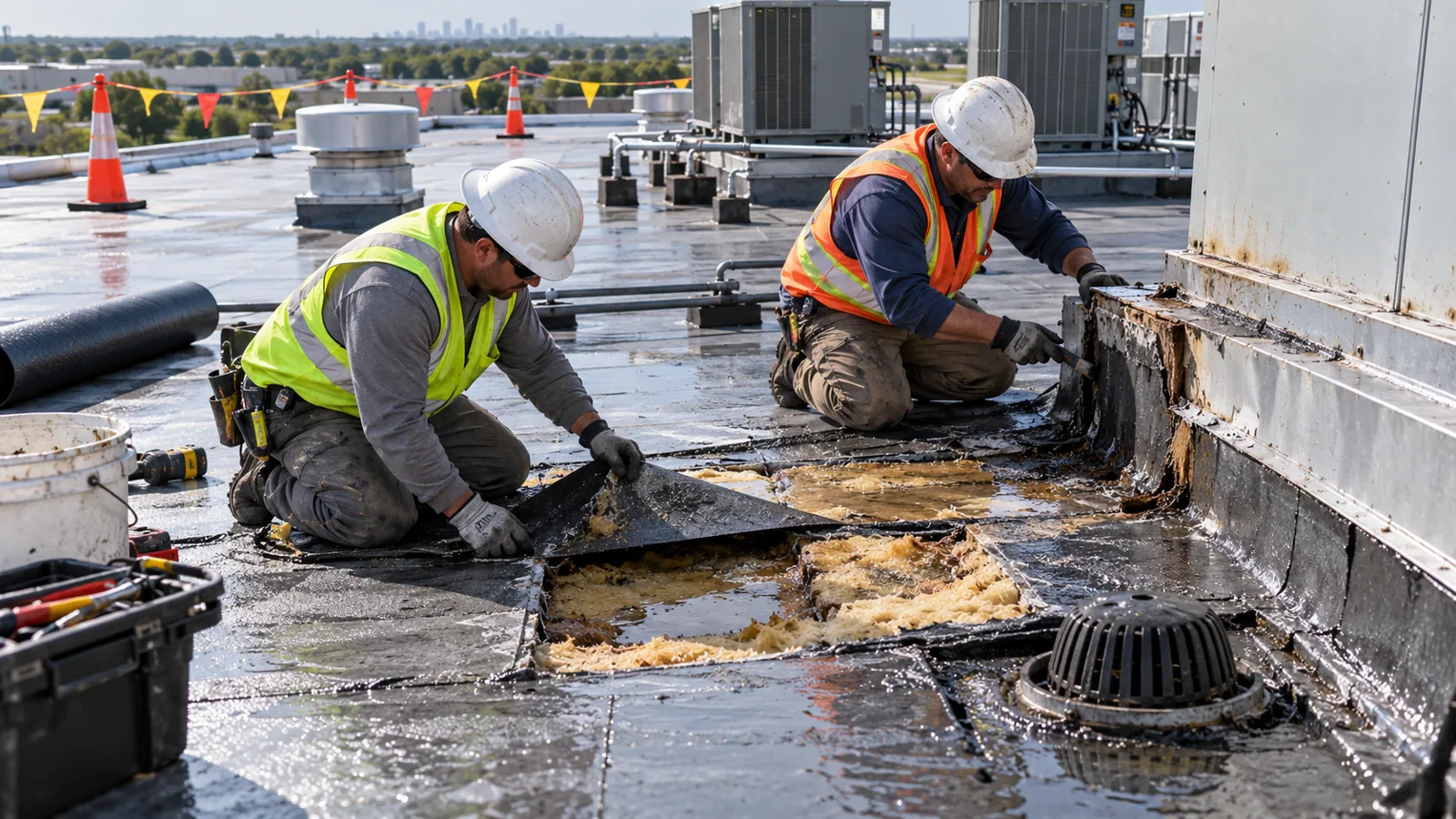
Wet insulation or a receiving surface that cannot support a durable connection can change the renewal method. We examine the existing construction and identify appropriate confirmation where the condition remains concealed. A recover needs retained-layer suitability, attachment review and the applicable assembly requirements, while replacement adds removal and disposal obligations. Restoration also needs a compatible surface, corrected details and the preparation specified for the intended material.
Assessment for a retained-roof assembly therefore carries a different work boundary from planning removal and new roof construction. We explain the evidence supporting either route and the further examination needed before quantities become firm. Repeated small repairs may prompt the assessment, but the number of complaints cannot establish the condition of every concealed layer.
The construction obligations
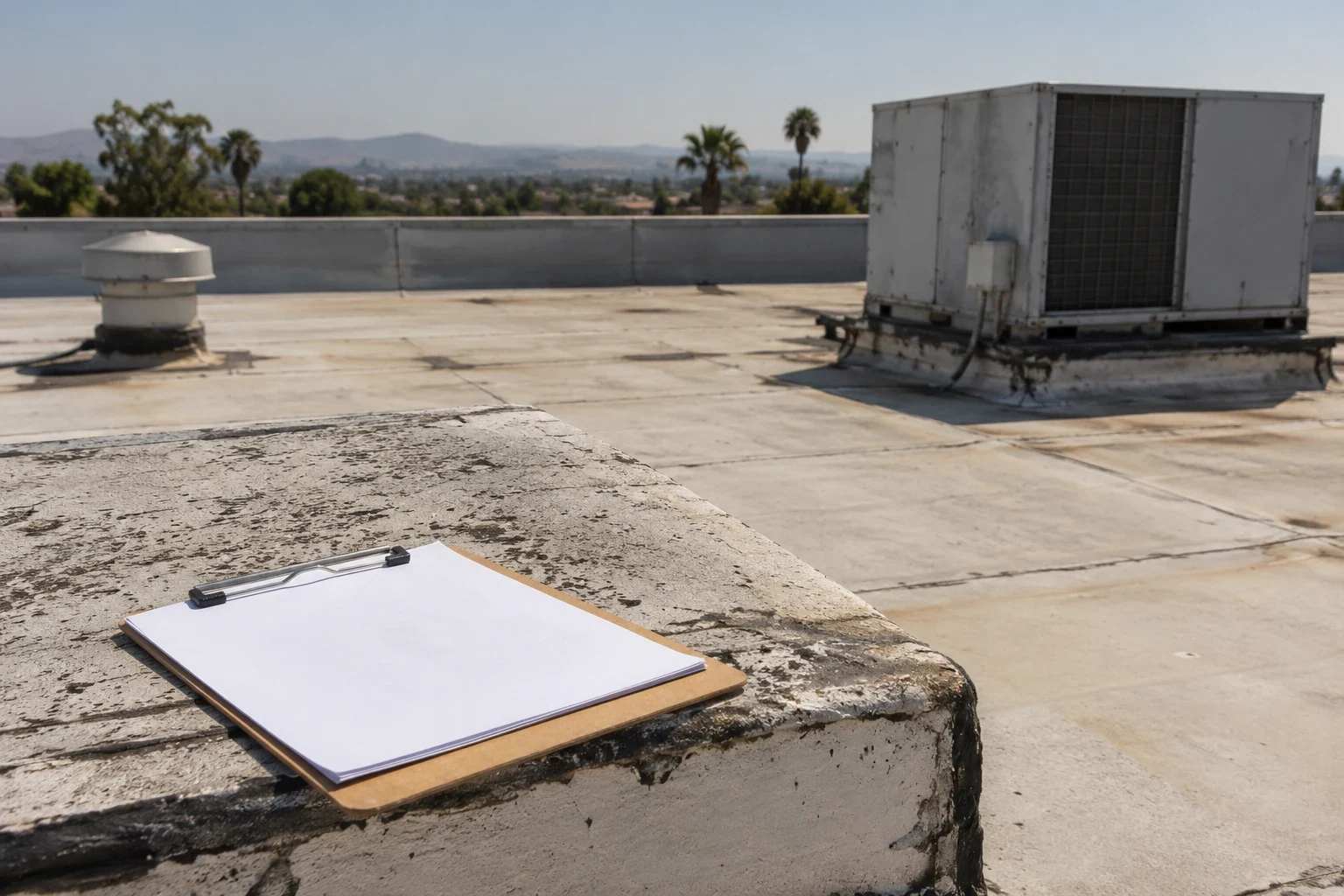
A proposal that includes new membrane but leaves out preparation can represent a different task from one that corrects damaged insulation and perimeter connections. We connect the expenditure to the inspected boundary, retained materials, lifting access and disposal route. Repairs at curbs, outlets and walls need compatible details included where they form part of the approved work. The owner should be able to see which assembly obligations explain a difference between methods.
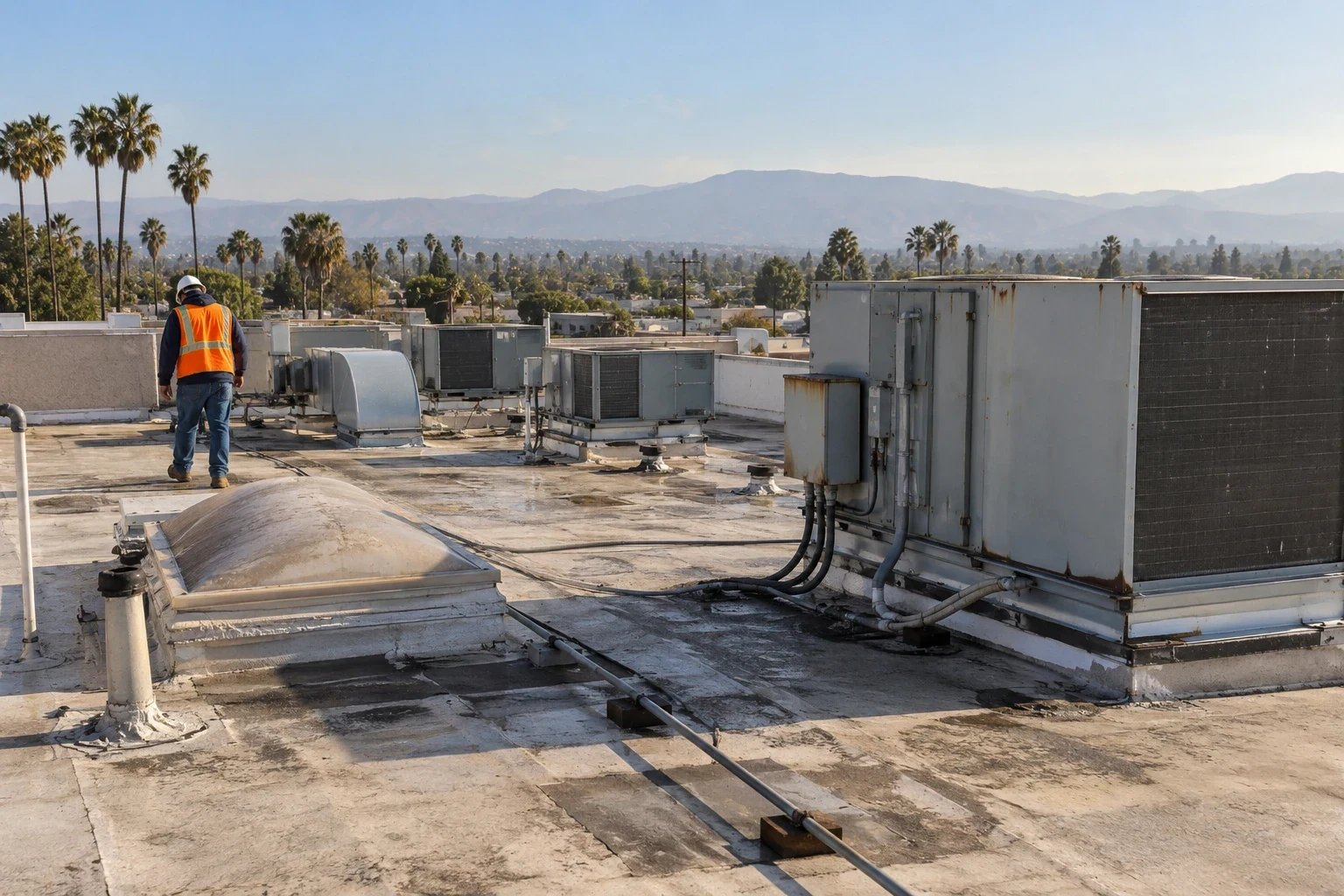
The continuing roof condition history helps locate prior corrections and outstanding areas. For concealed conditions, an allowance needs a stated measurement and authorization process instead of an unexplained addition after removal. We identify what must be confirmed, who reviews the finding and how the affected opening will remain protected while a decision is obtained. The responsible contact should have the location and condition evidence available when considering the change. A material substitution also needs its compatibility and relevant assembly requirements established before purchase; a different covering cannot simply inherit the earlier preparation method. Retain the accepted change with the affected roof area so later maintenance follows the construction actually completed.
The occupied construction sequence
A daily removal zone must fit the permitted operating release and the time needed for dependable closure. The Herndon Avenue location of Clovis Community Medical Center gives a local healthcare reference for this planning decision. For work there, the operator must establish the applicable protection and handling requirements before an assignment proceeds. Another building may require separate equipment coordination, tenant notices or material routes. Those differences belong in the construction plan before the expenditure is accepted.
Roof renewal above occupied space can require repeated setup, smaller openings and additional temporary connections. We identify those tasks alongside the covering method because they affect both timing and labor. An attractive production rate is useful only where the required access and interior release are actually available. The owner needs a schedule that accounts for the stopping detail and the space beneath it.
The staged authorization
An owner may need investigation now and construction approval later, especially where removal quantities or operating releases remain unresolved. We separate those stages and state what the first examination must establish for the second decision. The initial authorization can include access arrangements and selected confirmation without pretending that an incomplete survey has settled the final scope. A later construction instruction should reflect the findings obtained rather than simply repeat the earliest estimate.
For work at several addresses, a coordinated building-by-building work sequence keeps each assembly decision attached to its own condition and operating contact. A shared expenditure target cannot determine which roof has suitable retained layers. We can identify the next necessary investigation or correction at each property, allowing the owner to approve a practical order while retaining uncertainty where evidence is still missing.
The next seasonal exposure
Fresno experienced a July 2024 mean temperature of 90.0 F, with 26 days reaching triple-digit temperatures. That regional history supports examination of exposed movement details before a later renewal decision, but it cannot establish failure at an individual property. During Central Valley winter fog, visibility and surface drying can also affect safe examination or preparation. We compare the actual conditions with the task and material requirements rather than assign a fixed construction date from the season alone.
Owners planning roof expenditure in Clovis need the accepted work boundary and remaining decisions clear before mobilization. We retain the immediate repair disposition, confirmed assembly findings and operator release requirements with the proposed sequence. The completed work record then distinguishes the correction accepted now from the investigation or later renewal still awaiting authorization.
Capital planning should distinguish immediate water protection, repairable conditions and assemblies approaching broader renewal. Compare options using defined quantities, expected disruption, access assumptions and the risk of concealed conditions rather than a single undifferentiated allowance. Where records are incomplete, identify what investigation would reduce uncertainty before funds are committed. A multi-year plan can then show which buildings need near-term action and which can be monitored, while preserving a clear trigger for revisiting decisions when new damage or operational changes occur.
Note the assumptions behind each cost range and revisit them when access, tenant use or material pricing changes.
Commercial Roofing Questions
Can an urgent leak repair wait for the replacement budget?
Current water entry and practical protection establish the immediate task. We identify a feasible temporary or permanent local correction separately from the later renewal approval.
What makes recover a reasonable expenditure option?
Confirmed retained-layer condition and assembly suitability must support it. Necessary correction, attachment and operating obligations remain part of the proposed method.
Why can two replacement proposals have different preparation costs?
Their removal boundaries, retained layers and detail corrections may differ. We connect those obligations to the condition findings before comparing the totals.
When should concealed work become a firm quantity?
Appropriate examination must establish the affected material. Until then, the allowance needs an identified measurement and approval procedure.
Does the same renewal sequence fit every occupied building?
The operator release and dependable daily closure determine the usable zone. Equipment access, material routes and interior protection can change the sequence at each address.
Describe the immediate loss and the later decision
Give us the property address and explain which leak needs attention while renewal is being considered. We will identify the immediate roofing task and the condition examination needed for the next expenditure decision.
Related Pages
Roof Condition Records and Repair Planning
Read the full page
Commercial Roof Recover and Overlay
See how we handle it
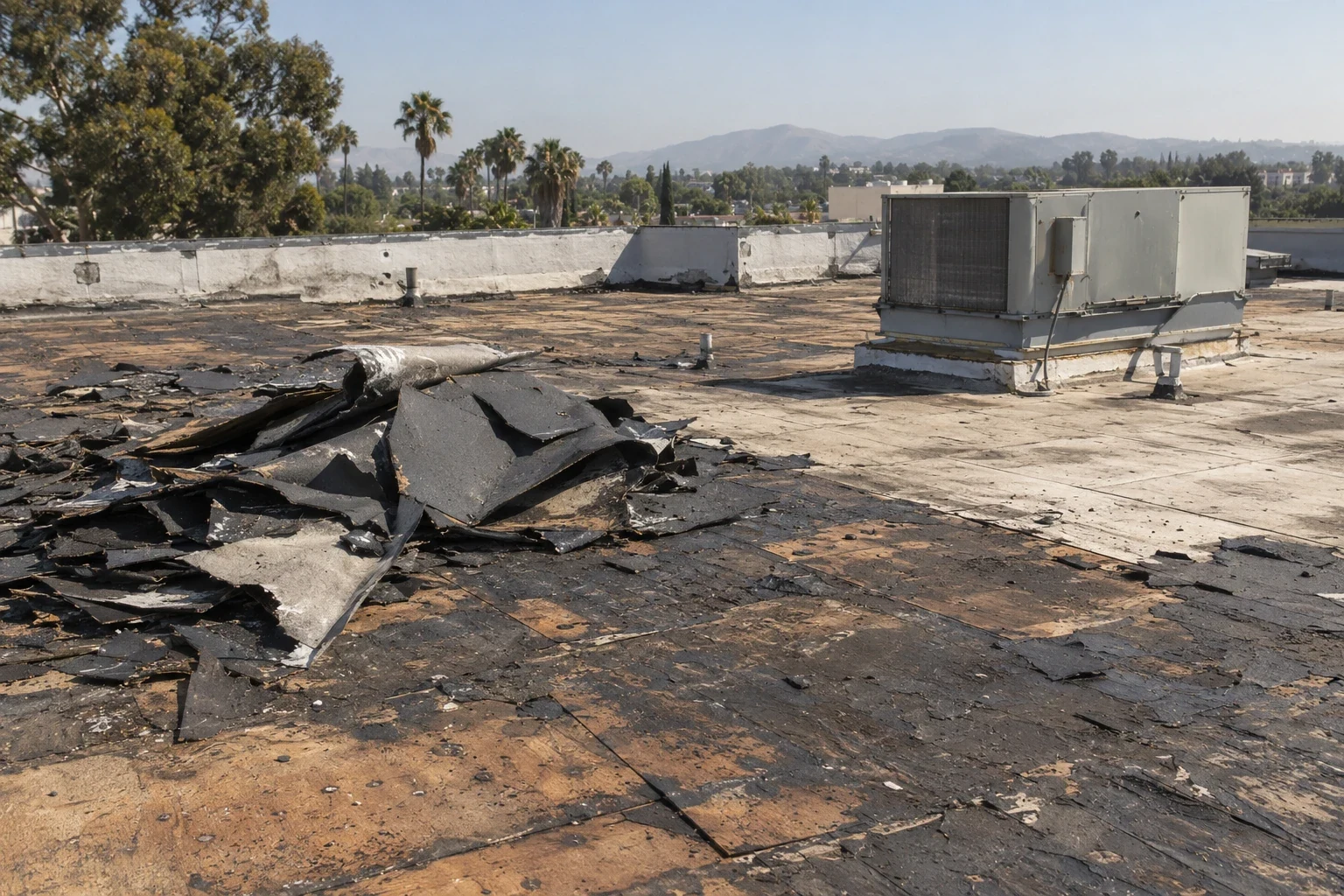
Commercial Roof Replacement
Scope, sequence and repair notes
Continuing Roof Care and Repair Records
Read the full page
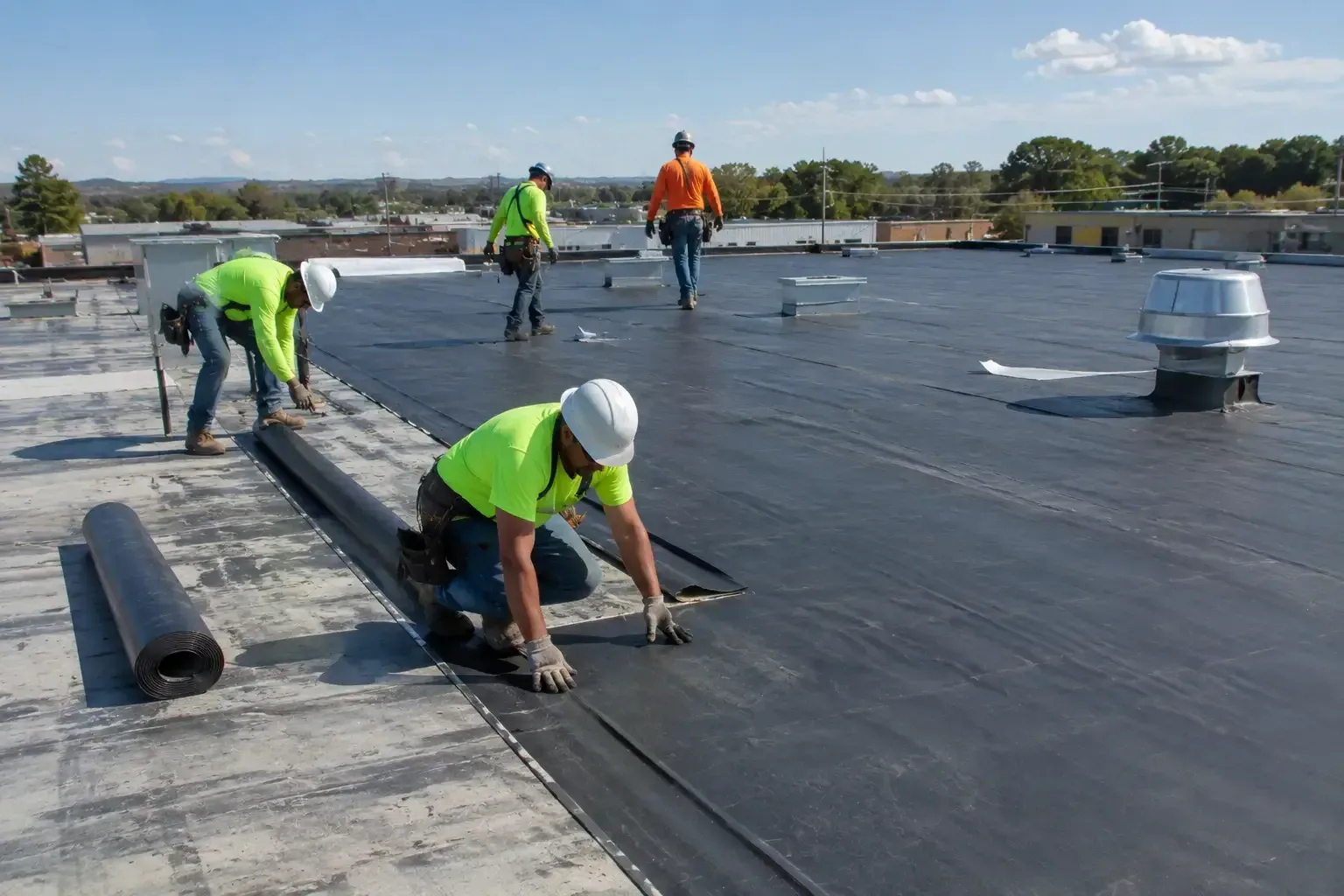
Occupied Building Reroofing
See how we handle it
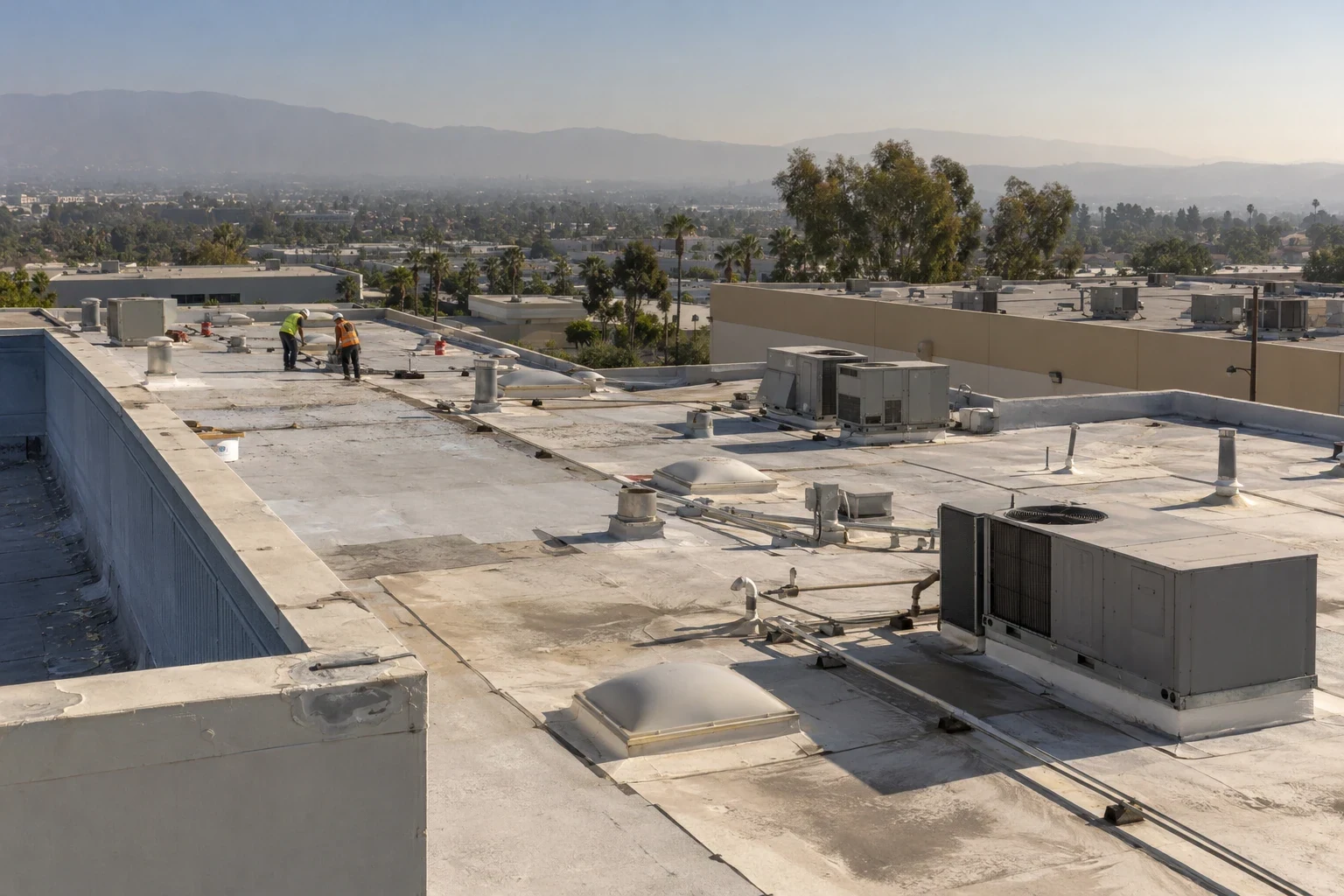
Coordinated Roof Work Across Clovis Commercial Properties
Scope, sequence and repair notes