
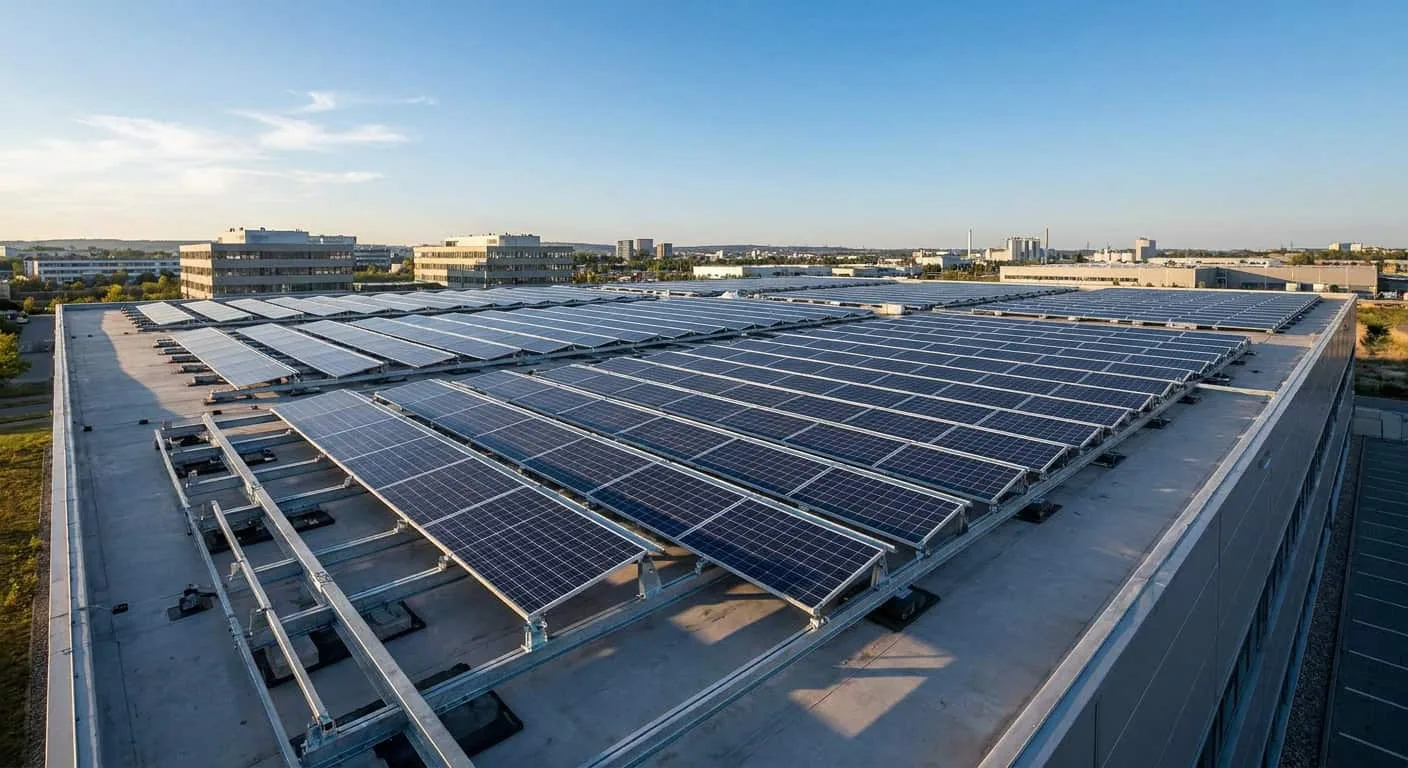
Solar Ready Commercial Roofing in Clovis, CA
Commercial Roofing Services
Fresh water above the reception desk during rain, after a proposed solar layout has been discussed, can change the project from an energy decision into a roof decision. At a Clovis, CA building, we first investigate the entry point and protect the affected interior, then determine whether the roof can reasonably remain beneath the planned installation. Existing moisture, failing flashing or a worn field should be resolved before racks and modules make access more difficult. A temporary repair can buy time for evaluation without establishing that the entire roof is ready. Through a roof condition inspection, we separate immediate water control from the repair or replacement work needed before solar construction begins. Electrical design, structural capacity and the solar layout require coordination with the responsible specialists.
Remaining roof condition beneath the array
A membrane with scattered repairs and inaccessible wet areas deserves investigation before an array covers the field. We examine seams, flashing, drainage and the accessible assembly, documenting where moisture or deterioration may require opening the roof. The question is not simply whether the current leak can be stopped; it is whether the proposed installation would leave reasonable access to maintain the roof and address future defects. A sound field may support a repair approach, while widespread damage can favor replacement before solar installation. We explain the findings and repair limitations without assigning an unsupported remaining service life. The owner can then coordinate the roof decision with the solar investment rather than discover that newly installed equipment must be moved to reach a known defect.
Attachment loads and roof interfaces
A rack foot resting on the roof presents a different detail from a support that penetrates through it. Ballasted and attached arrangements both need review for the proposed loads, roof assembly, wind requirements and drainage effects. We coordinate the roofing interface with the solar designer and appropriate structural professional rather than accepting a pad or fastener location solely because it fits the module drawing. Penetrations need durable compatible flashing, and support contact areas need protection appropriate to the covering beneath them. Rooftop support coordination helps define who supplies the supports, who connects them to the structure and who restores the weathering surface. Those responsibilities need to be settled before equipment is staged on the roof.
Heat exposure and installation traffic
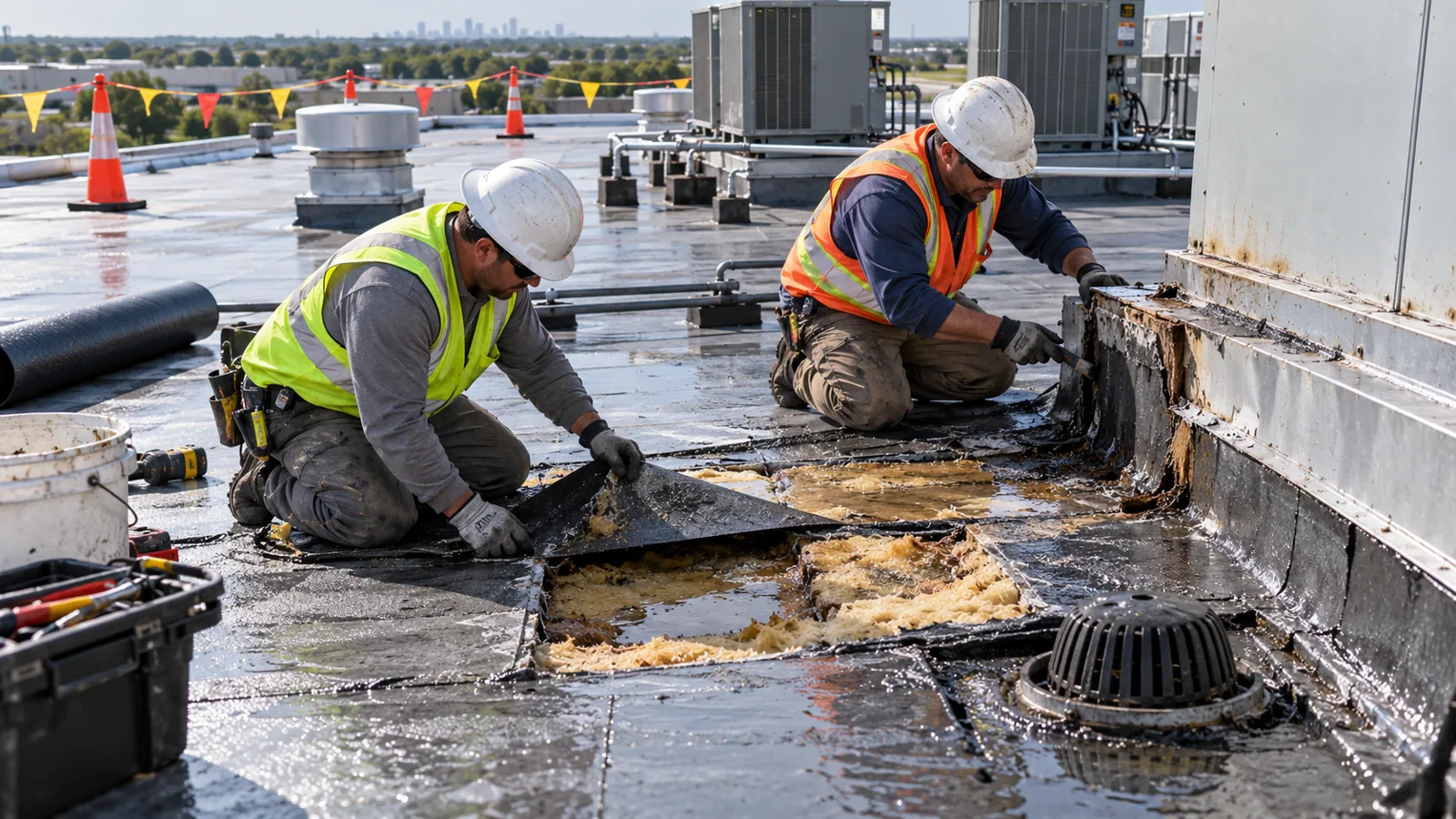
Fresno recorded a July 2024 mean temperature of 90.0 F, a regional reminder that roof access and material handling require attention during prolonged heat. The actual installation conditions govern the work rather than a historic monthly reading. We coordinate walking routes, material placement and membrane protection so solar construction does not leave punctures or scuffed details outside the rack footprint. A proposed solar project near Temperance and Nees, the area identified for the historic Research and Technology Park expansion proposal, would need roof access and equipment staging addressed together before construction. For warehouse roofing projects, the construction sequence should identify interior goods and work areas beneath vulnerable openings, with the building operator confirming the protection and separation those areas require.
Drain access and future removal
An array layout that blocks the path to a drain creates a maintenance problem even if no module directly covers the outlet. We review how people will reach drains, roof edges and flashing details, and how equipment can be removed if roof work becomes necessary. Clearance must follow the project design and applicable requirements, with maintenance access considered early rather than fitted into leftover space. Water pathways should remain observable enough to distinguish roof leaks from equipment-related issues after construction. At a property in the Clovis area, a practical access drawing can help the owner coordinate the roofer and solar installer during both construction and later repairs. We identify roof details that need continued inspection and avoid treating the array footprint as an area that will never need attention.
Roof obligations and handoff
A roof warranty concern may arise when new equipment changes the covering, attachment or permitted use of the surface. We review available roof documents and coordinate the proposed interface with the relevant parties before work, distinguishing written requirements from assumptions about approval. Roof warranty coordination can help identify required notices, inspection steps and restrictions, but acceptance belongs to the party responsible for the agreement. The handoff should describe repaired roof locations, installed flashing, protection areas and outstanding items, while the solar contractor documents its own system. Keeping these responsibilities visible gives the owner a workable route when a later leak occurs. The first investigation can then use the construction information instead of guessing which trade altered a particular connection.
Construction checks before energizing
A puncture left by a discarded fastener may not become visible inside until the next rain, after the solar installation appears complete. We coordinate a roof review after the roof-affecting construction activities, concentrating on traffic routes, support contact areas and new flashing. The check should distinguish roofing corrections from solar equipment adjustments and identify any areas that cannot be examined without further access. Photographs and location descriptions help preserve that distinction for the building operator. Electrical commissioning does not establish that the roof covering is intact, so the roof handoff needs its own findings before the owner treats construction as finished. This review also gives the trades an opportunity to remove loose materials that could damage the covering later.
A roof prepared for future solar work needs a reliable membrane and a coordinated layout. Before reroofing, identify planned equipment zones, pathways, attachment points and areas that must remain clear for maintenance. The roofing scope should define who supplies and installs each support, how penetrations are flashed and which trade verifies electrical connections. Do not assume an array can be attached to an existing roof without design review. Record the completed roof condition and any reserved locations so a later solar contractor can plan from known details rather than puncture or load an unreviewed assembly.
Commercial Roofing Questions
Should I replace a leaking roof before installing solar?
The extent of deterioration matters more than the presence of a single leak. A local defect in an otherwise serviceable roof may be repairable, while wet layers or widespread wear can justify replacement before the array is built. We investigate the assembly and explain how equipment access affects each choice.
Does a ballasted array eliminate roofing concerns?
Roof capacity and contact details remain relevant without penetrations. The proposed loads, membrane protection, movement and drainage effects need design review. We coordinate the roof interface and maintenance access with the solar team, so avoiding a drilled opening does not become a reason to skip the rest of the evaluation.
Who decides where solar supports can be attached?
The project designers establish the structural and electrical arrangement. We assess how the proposed supports connect to the roofing and identify compatible flashing requirements. Final placement must satisfy the design responsibilities together, with the owner able to see which trade installs and seals each part.
Can new solar work affect my existing roof warranty?
The agreement terms determine the obligations. We examine available documents and coordinate required reviews or notices before roof alterations, without assuming that a proposed detail is accepted. Written requirements should be resolved before construction rather than left for the owner to investigate after a leak.
What records help if water appears after the array is installed?
Construction locations and responsibility records are the useful starting point. Roof repair descriptions, penetration details and solar installation information help direct an investigation. We still examine the actual water path, because timing alone does not establish whether a leak came from the array work or an existing roof defect.
Describe the roof before the array
Tell us the planned solar timing, current leak locations and available roof records. We will examine the covering and coordinate the roofing decisions that need attention before equipment is installed.
Related Pages
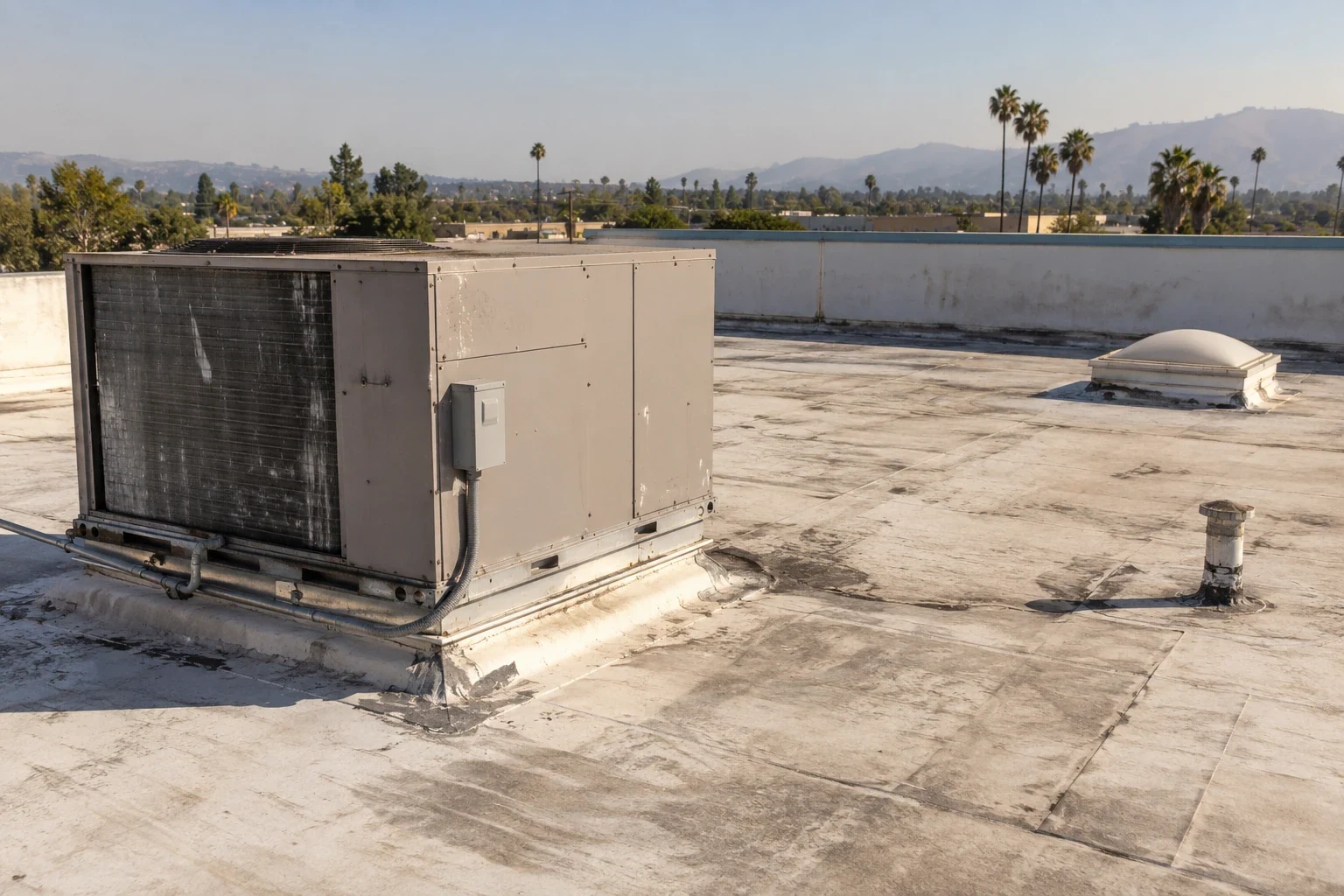
Commercial Roof Inspection
Read the full page
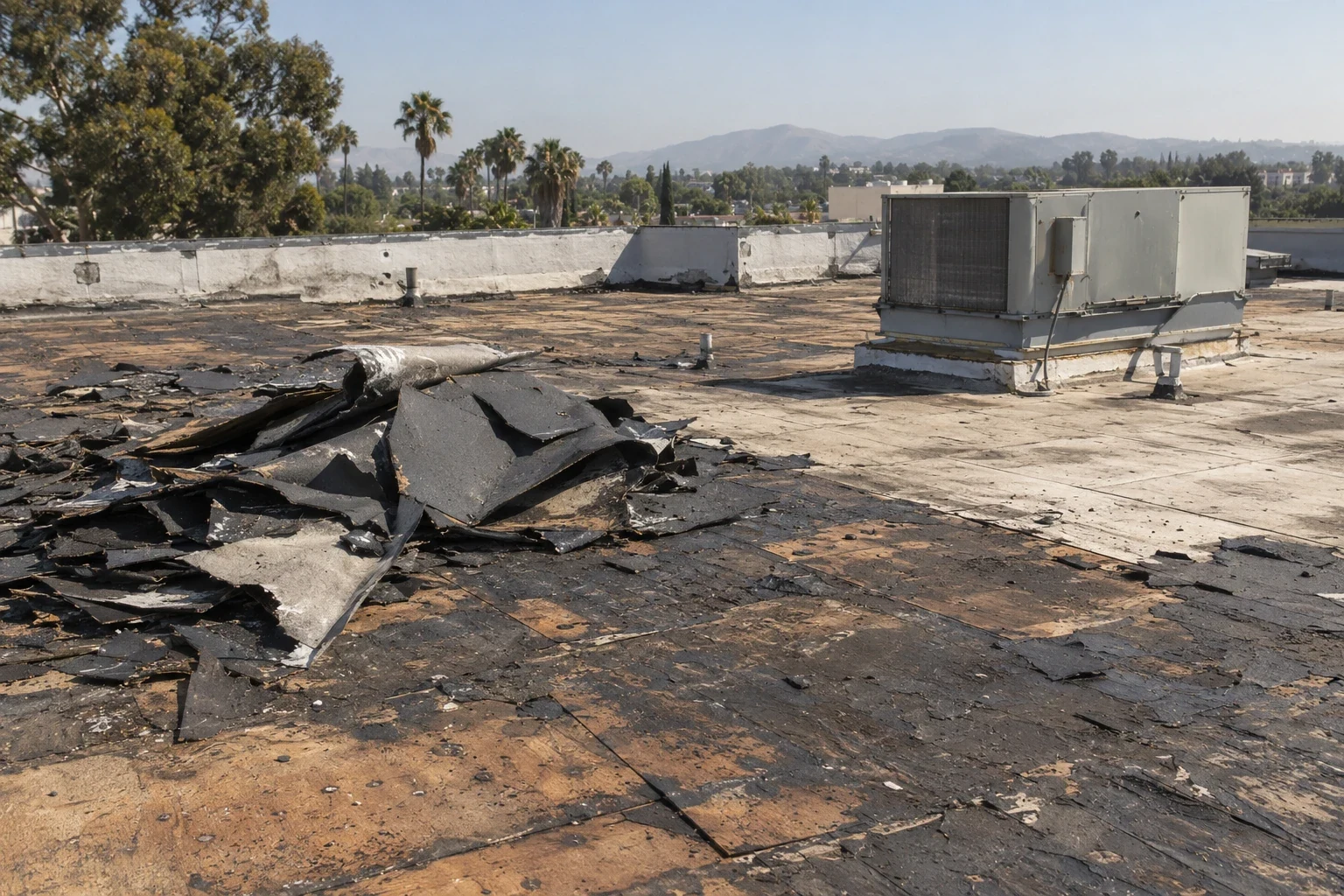
Commercial Roof Replacement
See how we handle it
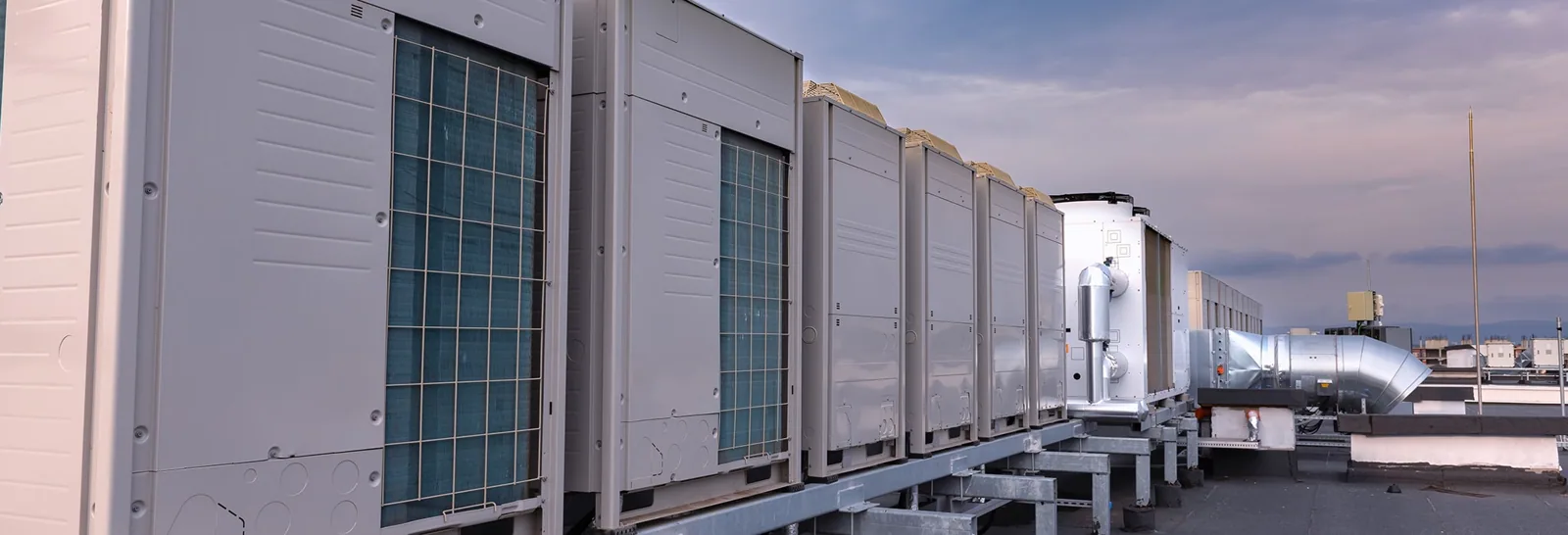
Rooftop Equipment Curbs and Supports
Scope, sequence and repair notes
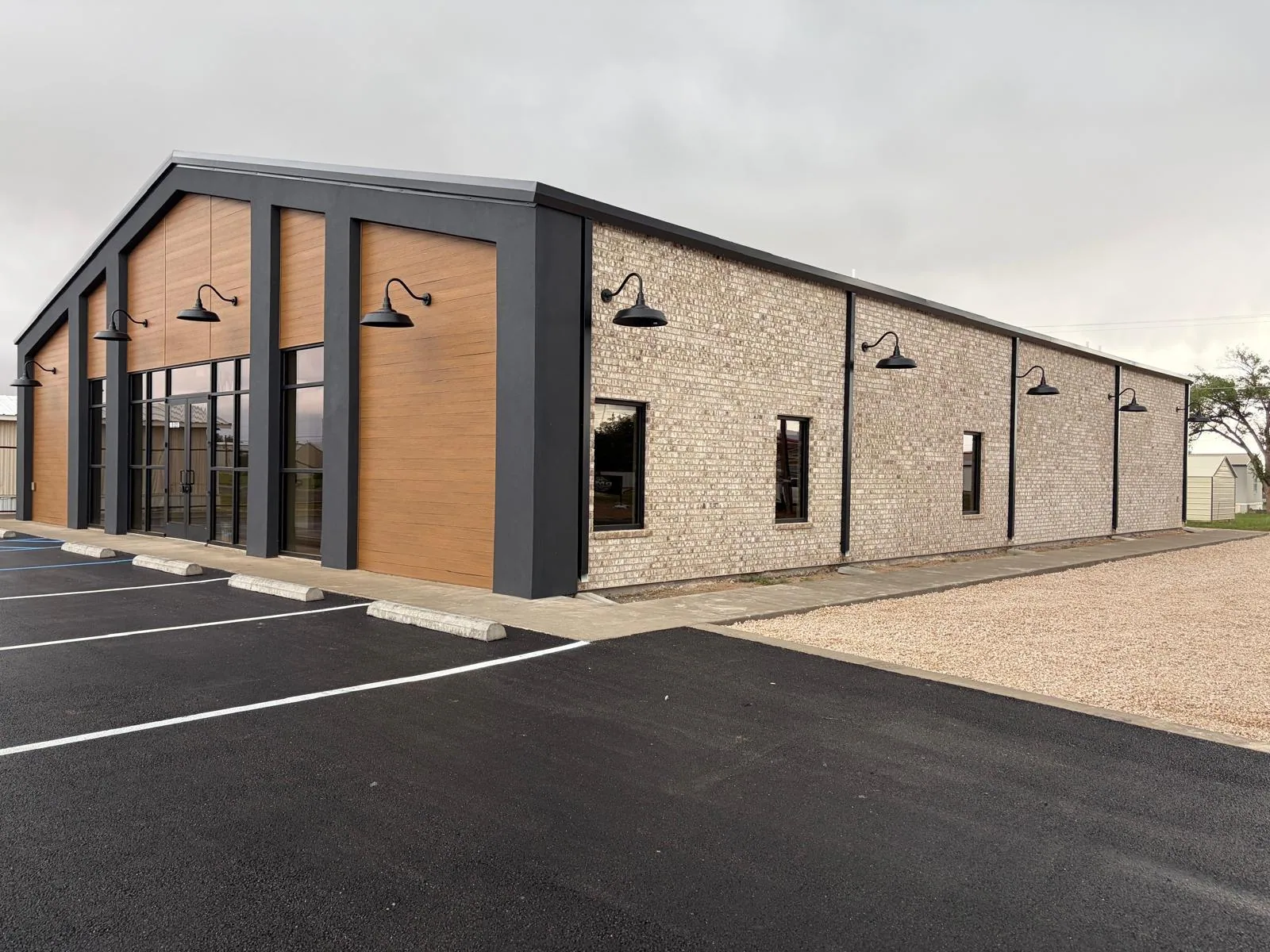
Warehouse Roof Leaks and Repair Sequencing
Read the full page

Clovis
See how we handle it
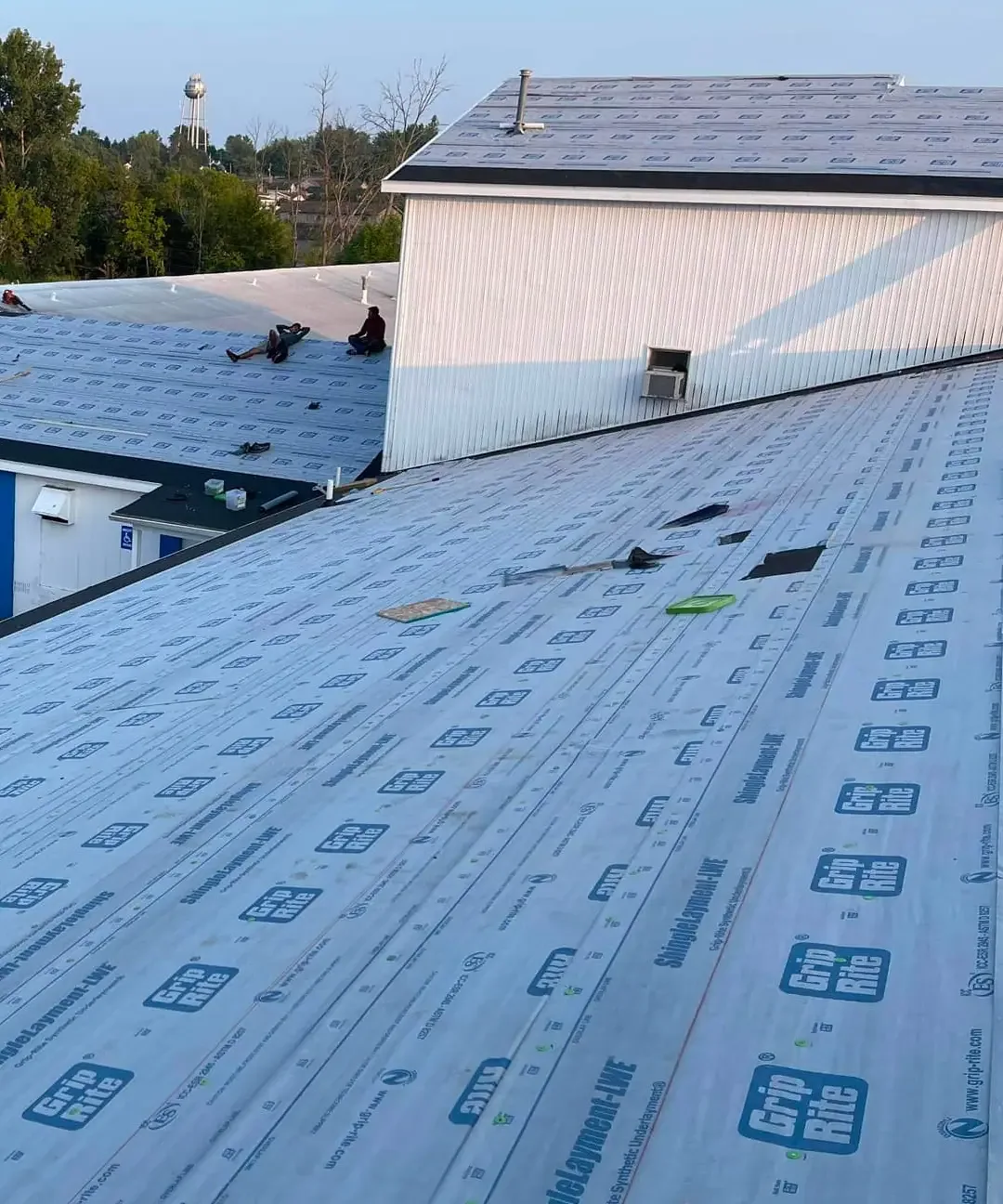
Roof Warranty Records and Repair Coordination
Scope, sequence and repair notes