
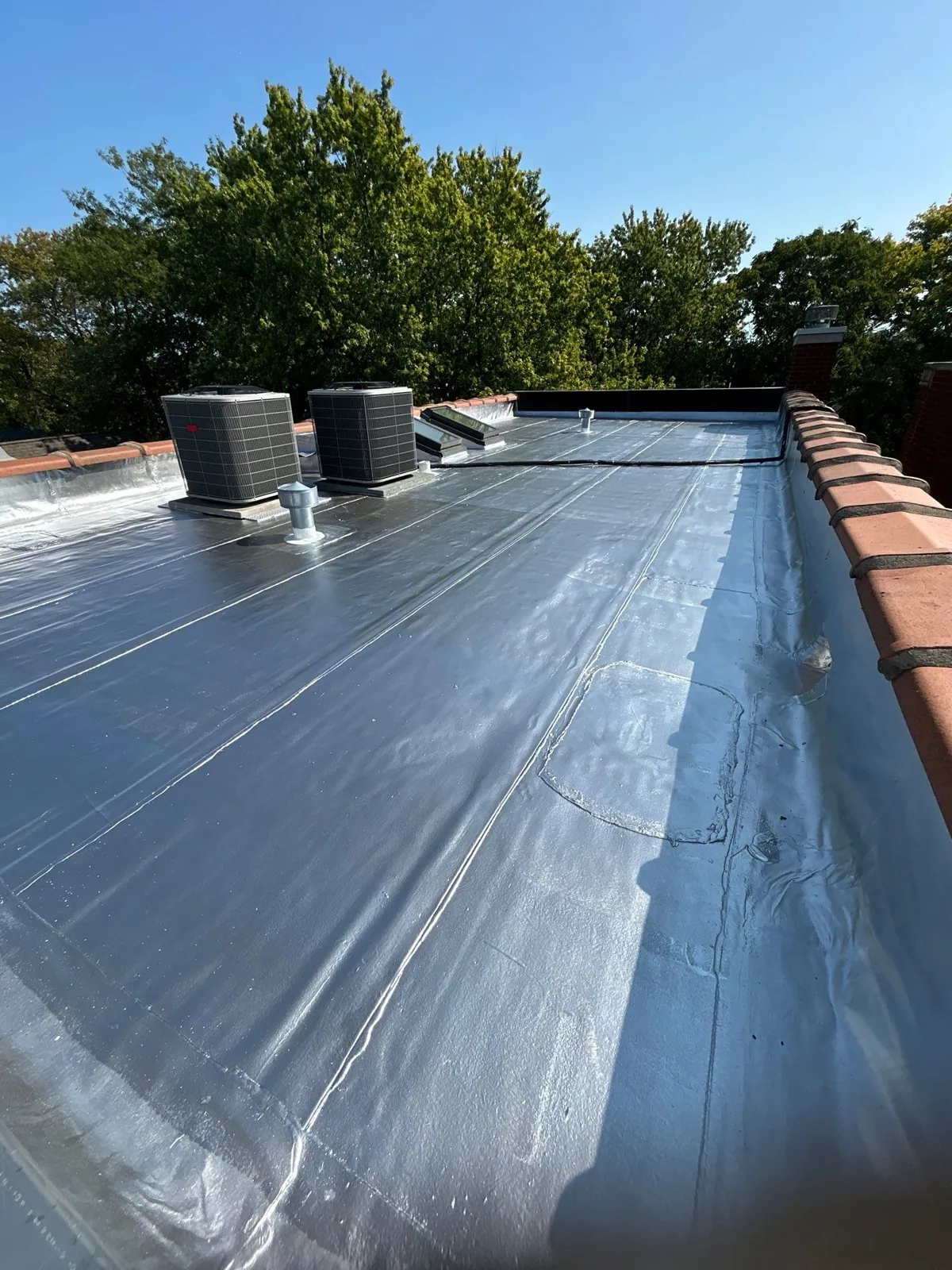
Membrane Puncture Investigation in Clovis Before Patching
Roof Damage Repair
A small opening noticed after the first winter rain could appear easy to patch, but the owner needs the covering and the material beneath it assessed before that opening defines the whole job. We investigate and repair commercial roof membrane punctures in Clovis, CA, starting with the reported injury, interior concern and safe access. A hole in the exposed sheet can be a localized correction where suitable surrounding construction supports it; concealed damage or an adjoining transition can require another scope.
Central Valley winter tule fog can complicate preparation even after rain has stopped, while Fresno's July 2024 regional heat record gives context for safe handling and exposed-material review. Those conditions do not establish what caused a puncture at the subject property. Clovis Community Medical Center on Herndon Avenue is a local acute-care institution whose authorized work needs facility-specific direction. Our examination of the injury and surrounding covering identifies the existing material, any investigation needed beneath it and the operating requirements that govern temporary and permanent work.
The visible injury and the complete patch area
The visible opening is not the entire preparation area. A permanent patch needs enough suitable surrounding material for its compatible joining detail, with the affected sheet examined beyond the apparent puncture. Dirt, damaged surface and old treatments can interfere with preparation or change the available method. We identify the actual covering before selecting repair material, since welded thermoplastic and adhesive rubber systems do not share one universal patch procedure.
For EPDM membrane corrections, the specified tape, adhesive or flashing arrangement must suit the prepared surface and assembly. Other coverings require their own system requirements and appropriate test work. A small injury near a joint may need the joint included in the correction rather than a patch terminating on unsuitable material. The owner should see the repair boundary and preparation in the estimate, not just a count of holes. That scope explains why two visible punctures can need different work without assuming that either establishes widespread deterioration across the building or proves a particular service visit caused the damage.
The active entry and compatible temporary work
An owner reporting water below a suspected puncture should describe the interior location, contents at risk and electrical proximity, then provide the person who controls roof access. Qualified facility personnel handle protection inside and specialist hazards. Roofing response is available during overnight periods, weekends and holidays, with the safe correction dependent on conditions and the method the identified covering can receive.
Temporary protection should not leave an incompatible layer in the preparation area or obstruct nearby drainage. Record its purpose, location and permanent follow-up. Where a surface cannot receive the permanent joint under current conditions, keep that limitation separate from the immediate action. A building in Clovis supplies its own occupied hours and access authority, even where another property under the same owner uses a similar roof. The initial assessment should map the suspected injury and preserve the interior report so the permanent repair follows the actual findings, rather than present the first temporary covering as proof that concealed moisture or another possible entry path has been resolved.
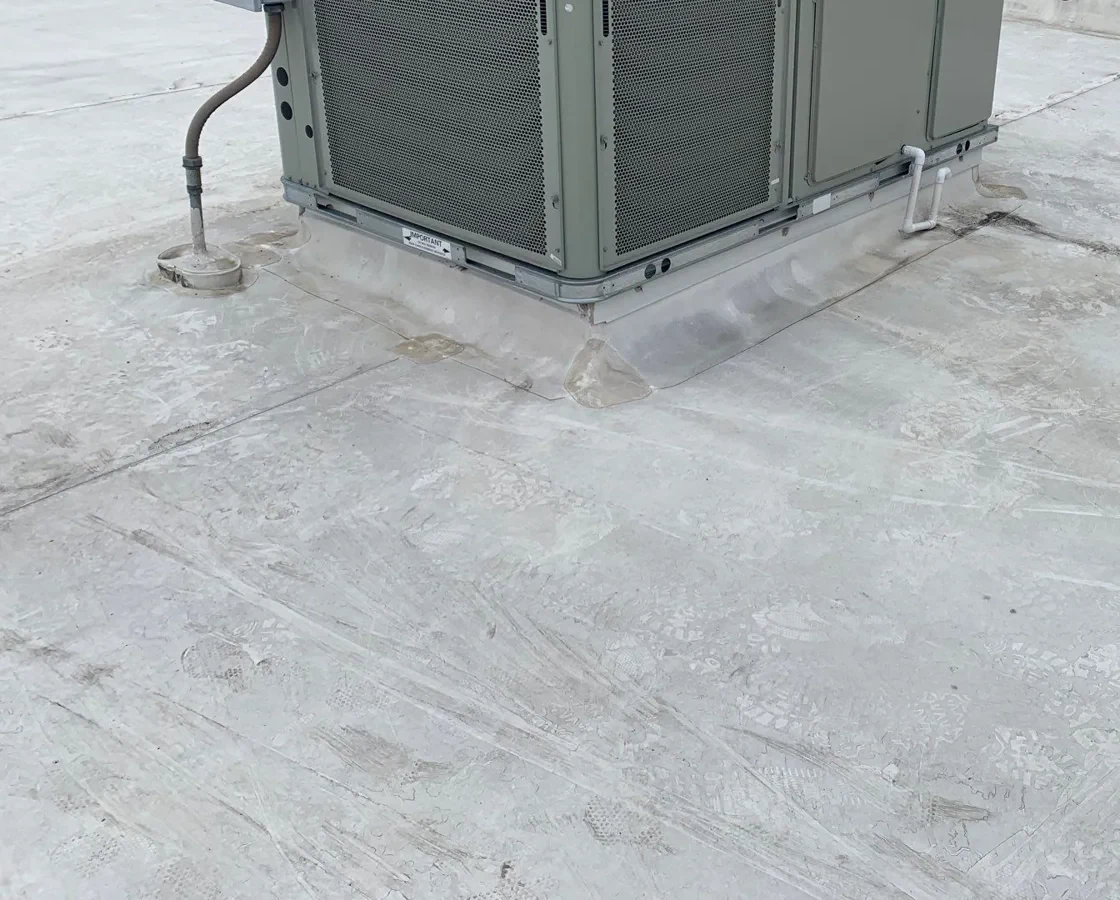
The nearby seam or penetration connection
An injury beside a seam can affect the material needed to rebuild that joint. We examine the adjacent lap and select a boundary that supports the complete connection, rather than placing a patch where it hides a separate defect. A seam correction needs its own preparation and joining method when the joint is implicated. The puncture and joint can be part of one coordinated task while remaining distinct findings in the estimate.
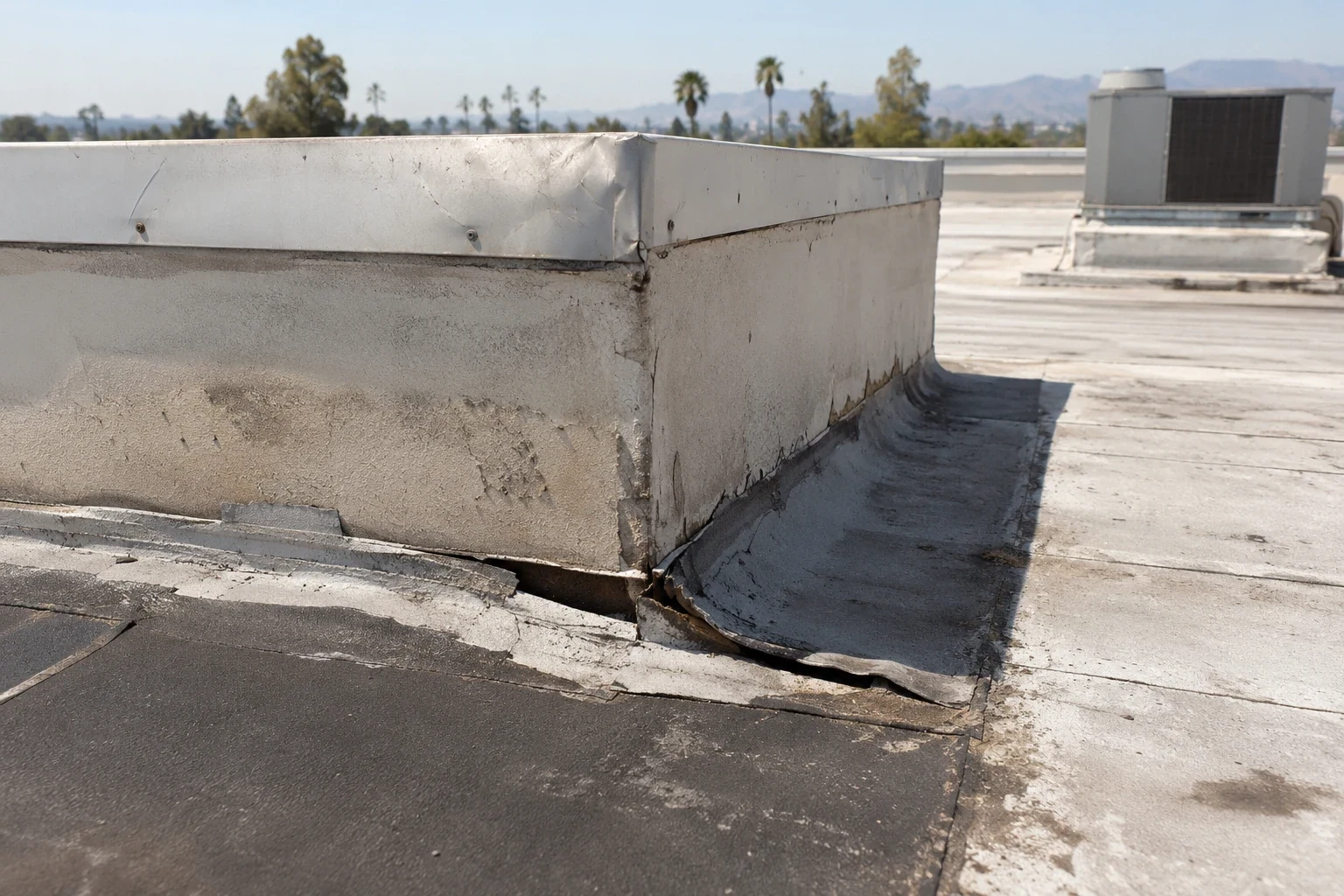
A puncture near a curb or pipe also requires attention to the surrounding transition. Flashing reconstruction may be necessary where the vertical detail is damaged or the lower connection cannot receive a suitable patch. Equipment movement, isolation or service belongs with its authorized trade. Identify clearance and support-review dependencies before work starts. The owner should see which component the permanent correction addresses and where it meets retained construction. A blanket instruction to cover all nearby openings with one material can conceal incompatible details, making it harder to establish what was corrected if water entry continues after the exposed hole is closed.
The concealed condition and reconstruction quantity
Water below a puncture may warrant investigation of the concealed assembly, but the hole alone cannot establish the amount of wet insulation or support damage. We review accessible conditions and the complaint history, then define appropriate verification where justified. Investigation openings need permission and a restoration method, with the occupied space below considered in the working sequence. Keep each finding attached to its actual roof location.
For moisture investigation with confirming checks, suitable conditions influence the survey's usefulness and verification establishes what its patterns mean. A temperature contrast does not identify every compromised component or set the final removal boundary. Confirmed damage may need reconstruction beneath the patch, with preparation and disposal included. Separate known quantities from concealed limitations and the agreed procedure for approving additions. The owner can then authorize a limited patch where the assembly supports it or a broader correction where the findings require it, without treating a small exposed injury as either harmless by definition or automatic justification for replacing the roof.
The finished patch and future roof access
Permanent preparation must meet the actual repair-system requirements, including surface condition and the joining method. Winter fog can leave moisture on a rain-free morning, while heat affects safe work and handling; assess the owner's work area rather than infer suitability from the season. Suitable test work and acceptance checks belong to the selected material. Communicate a changed sequence and retain appropriate temporary protection if conditions prevent completion.
After repair, photograph the patch and identify its location, materials and preparation in the maintenance record. Review future equipment access and tool handling so the repaired covering receives appropriate protection without assigning blame for the original injury. New penetrations need compatible construction and the relevant alteration approval. Keep actual warranty requirements with the roof file. Continued entry should be investigated against the completed patch and other possible paths rather than automatically expanding the same surface treatment. Interior restoration and equipment tasks remain separately assigned. The owner should receive a defined permanent repair with its known boundary and a clear disposition for any concealed question that remains.
For a membrane puncture, remove only enough material to inspect the damaged surface and determine whether insulation or cover board below is affected. Note the object or activity reported by the operator without assigning cause beyond the available evidence. The patch needs compatible material, adequate overlap and a prepared surface that allows the selected seam method to bond. If moisture is present beneath the membrane, isolate that concern and establish a removal boundary before closing the repair. Record the location and dimensions so follow-up inspections can confirm the patch remains sound.
Commercial Roofing Questions
Does the hole size establish the patch size?
The joining detail and suitable surrounding material define the boundary. Preparation extends beyond the visible opening as required by the system.
Can a patch be applied over an unknown coating?
Compatibility and substrate condition govern acceptance. Identify prior treatment before selecting the permanent joining method.
Should every puncture receive a moisture survey?
The findings and complaint history support the investigation choice. A small opening alone does not establish concealed extent.
Is damage beside a seam one standard patch task?
The joint condition controls the detail. Coordinate puncture repair with any separate seam correction that examination establishes.
What helps protect a completed repair during service?
The approved access route and alteration requirements guide future work. Keep the patch location with the equipment maintenance record.
Describe the opening and any water below it
Tell us the roof material if known, reported interior location and access requirements. We will assess compatible initial protection and the full permanent patch boundary.
Related Pages
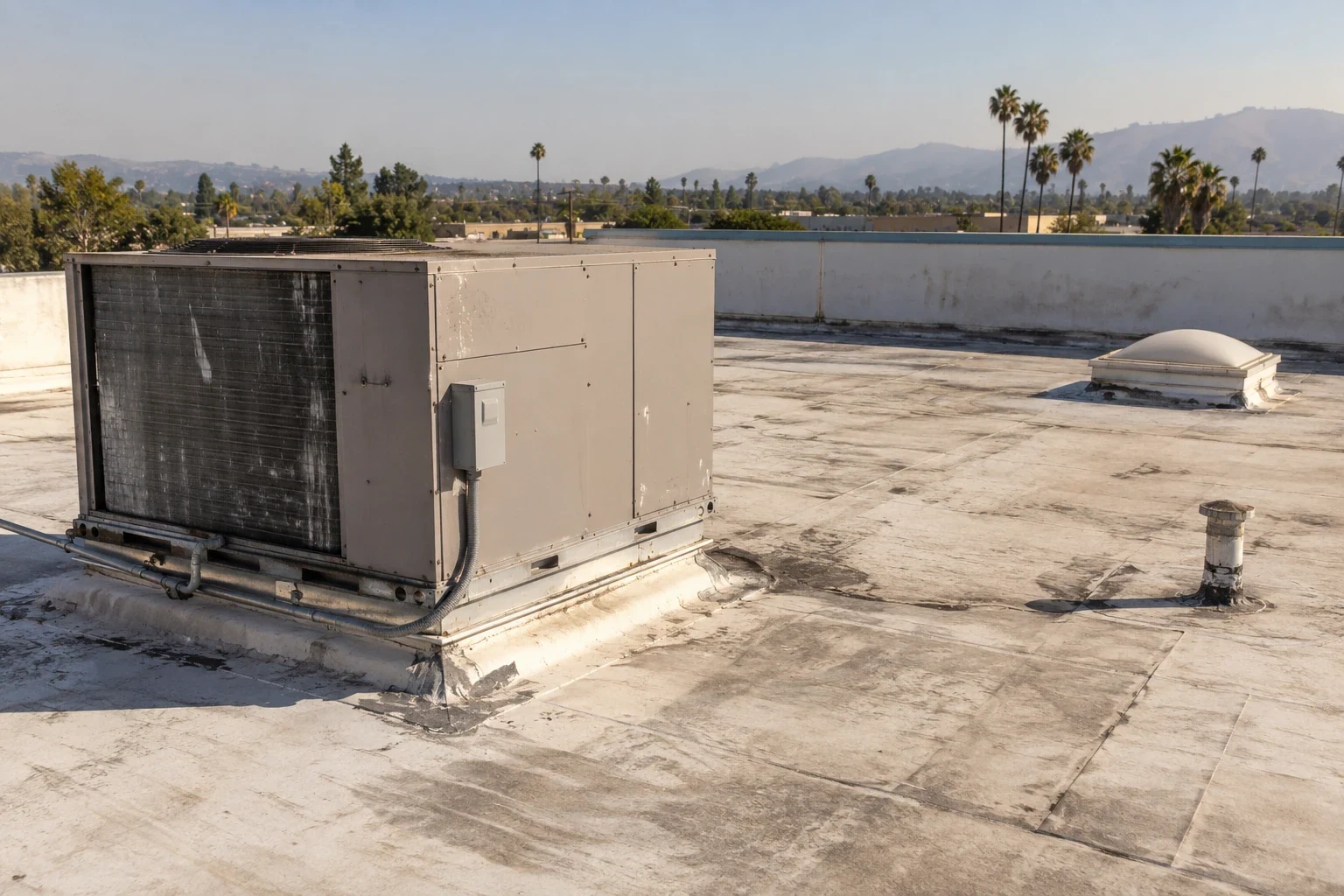
Commercial Roof Inspection
Read the full page
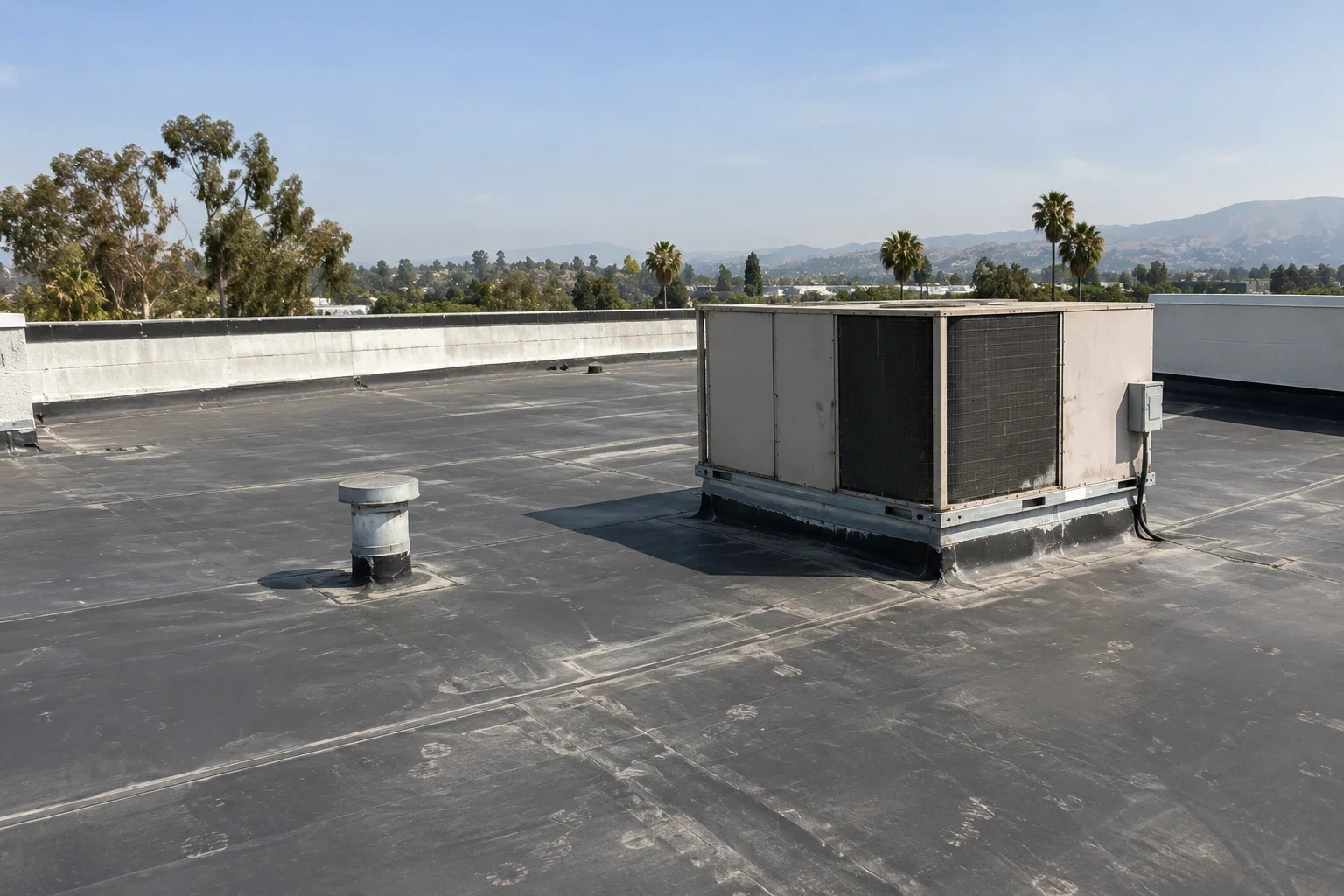
EPDM Roof Repair in Clovis at Adhesive and Flashing Joints
See how we handle it

Clovis
Scope, sequence and repair notes
Commercial Roof Seam Corrections in Clovis After Entry
Read the full page
Flashing Failure Investigation in Clovis at Roof Transitions
See how we handle it
Infrared Roof Moisture Survey
Scope, sequence and repair notes