
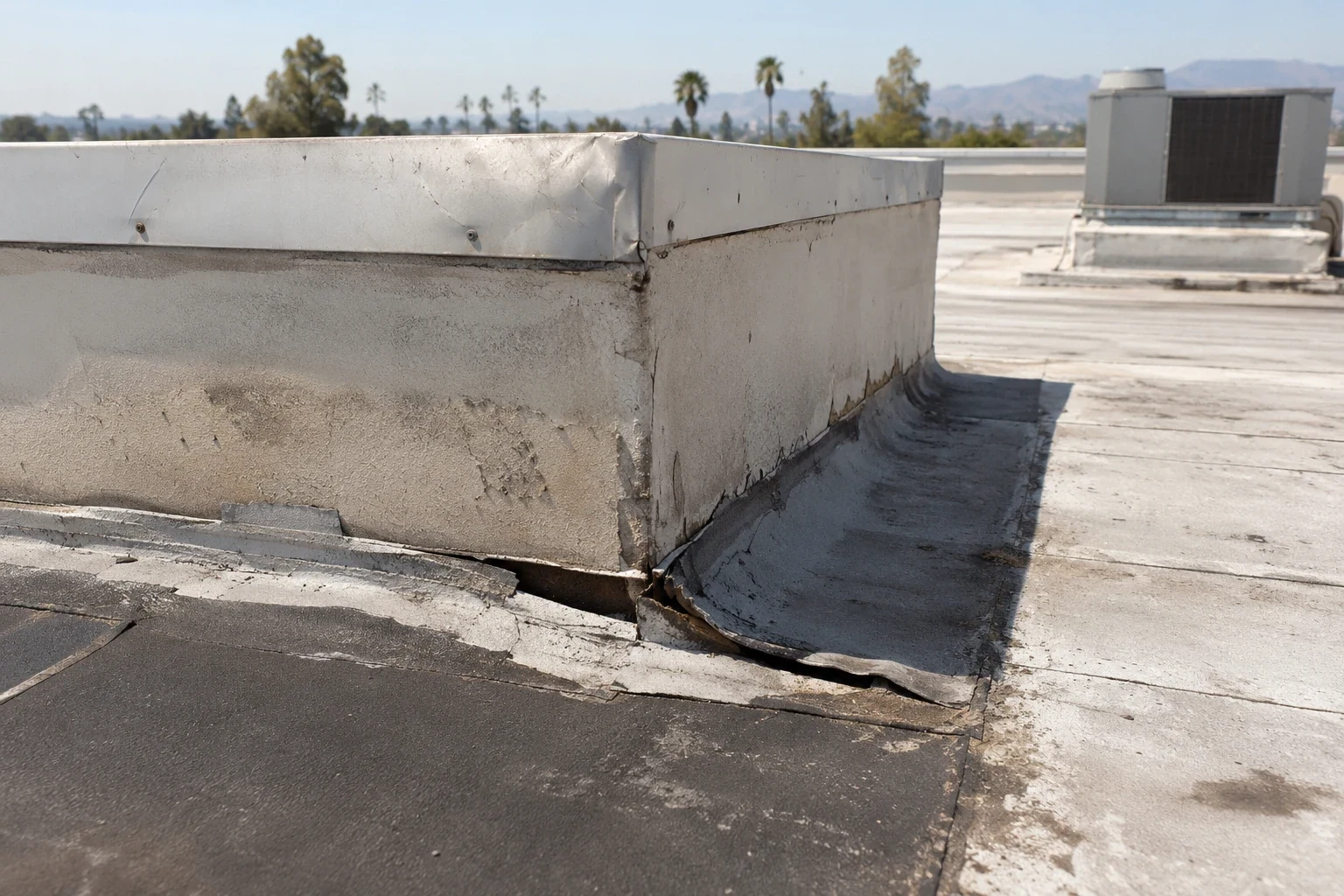
Flashing Failure Investigation in Clovis at Roof Transitions
Roof Damage Repair
A new drip beside a wall during the first rain could direct attention to roof flashing, but the permanent correction needs the whole transition examined rather than a seal along its lowest edge. We investigate and repair commercial roof flashing concerns in Clovis, CA, starting with the interior report and the accessible connection between roof and adjoining construction. A wall termination, curb corner and pipe penetration have different details, so their appearance and water paths cannot be treated as one standard patch.
Central Valley winter tule fog makes actual surface preparation a relevant question even after rain has stopped. Fresno's July 2024 regional heat provides context for reviewing exposed materials, without proving that movement or heat caused the particular defect. Clovis Community Medical Center on Herndon Avenue identifies an institutional setting where an authorized visit needs facility direction. For the owner's subject building, our examination of roof openings and flashing identifies the accessible components, concealed limitations and any equipment or wall work needed before the permanent connection can be rebuilt.
The upper termination and the lower connection
Flashing bridges construction that can have different movement and material requirements. Its upper termination may admit water behind an apparently sound lower connection, while a corner or seam can create a separate entry path. We examine both ends and the intervening material where accessible, recording the component actually observed. A patch placed only at the visible lower edge cannot settle an unexamined deficiency above it.
The existing roof material determines compatible preparation and joining. Membrane transitions may need cleaning, welding or adhesive methods appropriate to their system, while metal details require attention to attachment and movement as well as weatherproofing. A generic bead is not a complete specification for either. Where a flashing joint is implicated, correction of the affected seam must meet suitable surrounding material. The owner should see removal limits, preparation and the completed detail boundary in the estimate. If adjoining wall construction remains inaccessible or belongs to another trade, keep that question visible rather than representing the roof-side repair as proof that the entire transition is sound.
The accessible detail and immediate protection
Active water entry requires the owner to describe the room affected, sensitive contents and any electrical concern, then identify the person who can authorize roof access. Facility personnel handle interior protection and qualified specialists address electrical hazards. Our roofing response is available through nights, weekends and holidays, with conditions and the available safe method determining the immediate correction. A dispatched visit does not establish that every concealed transition can be reconstructed at once.
Temporary protection should address the examined concern and retain a recorded permanent follow-up. Material placed near a curb or wall must be compatible and should not block drainage or prevent later preparation. Owners managing property along the Herndon medical district provide that building's actual restrictions and equipment contacts. If access to an upper termination needs another arrangement, identify it before selecting the permanent method. The first assessment should preserve photographs and the mapped location so the owner can connect temporary action, further examination and the eventual rebuilt detail without treating each attendance as an unrelated repair.
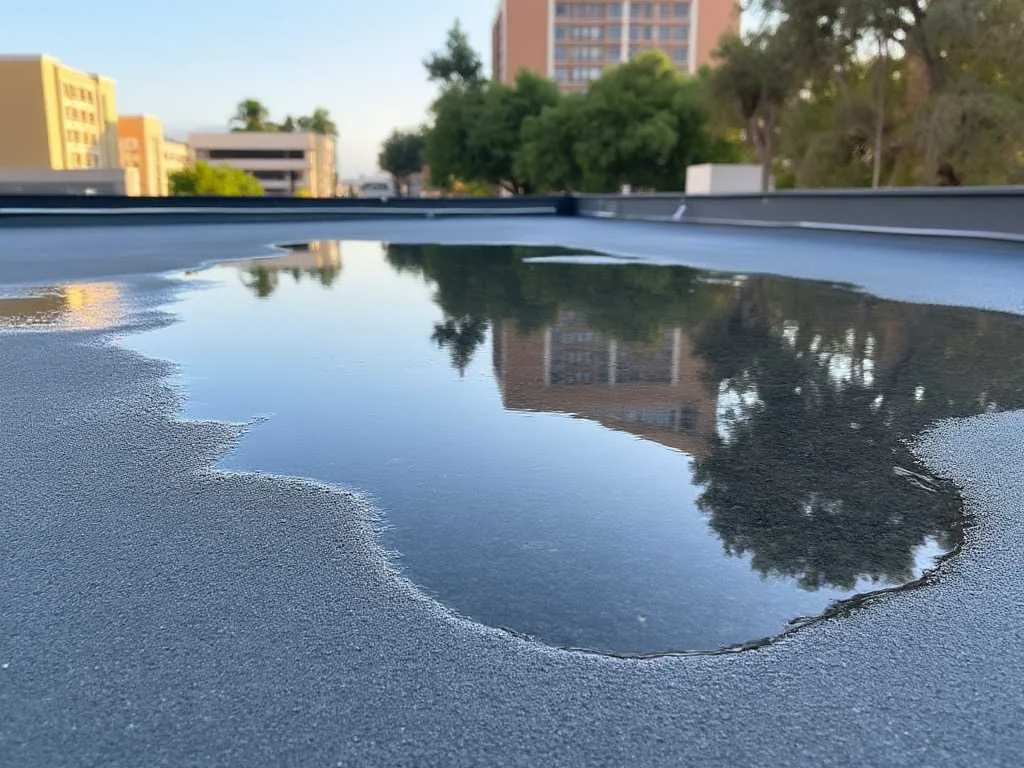
Equipment and adjoining construction responsibilities
A curb can have roofing, equipment and service connections whose responsibilities need separation before work starts. Rebuilding its flashing may require clearance, lifting or isolation controlled by an authorized equipment trade. The roofing scope identifies that dependency without silently authorizing disconnection. Visible support condition can indicate a further review need, but a roof visit cannot certify concealed structure.
For work at curbs and equipment supports, identify the flashing height, upper connection and preparation area where accessible. A changed roof thickness or equipment alteration can affect those relationships and needs the actual assembly reviewed. Wall construction above the termination may require another specialist to establish the full water path. Record the boundary so the owner knows which task is roofing and which remains assigned elsewhere. Occupied-space protection, service release and daily closure belong in the sequence. This prevents a technically suitable flashing repair from arriving without the equipment coordination needed to install it, or being accepted while a continuing wall concern remains unassigned.
The reconstruction boundary and concealed findings
The permanent detail needs sound construction where it joins the retained roof. Damaged sheet, loose termination or compromised support can change removal and preparation quantities, which should be established through suitable examination. If investigation openings are needed, obtain permission and include their restoration. Moisture beneath the transition may require verification beyond the exposed surface, with the findings mapped to their actual area.
A moisture investigation with appropriate confirmation can inform that scope under suitable conditions, but thermal indications do not establish every wet layer or removal boundary. Where the local covering has physical injury, repair of a membrane puncture remains a separate material task from the vertical transition. The owner needs the known quantities, concealed limitations and approval method for additional work before construction. A broader roof renewal should be supported by broader assembly findings rather than chosen simply because a flashing detail is complex. The estimate should connect each correction to the component that made it necessary.
The preparation release and completed transition record
Heat and fog affect work planning without diagnosing a roof detail. Assess actual surface dryness, temperature and product requirements before permanent joining or application. A suitable-looking afternoon cannot overrule moisture or preparation requirements at the connection. If the sequence changes, communicate the temporary disposition, remaining restrictions and next authorized task instead of substituting an unrelated material to preserve the original date.
At completion, document the rebuilt upper and lower connections with photographs and material information tied to the roof location. Retain any qualified design decision and actual warranty requirements with the maintenance file. Later equipment visits or wall alterations can disturb the detail, so new openings and changes need the appropriate compatible treatment. Continued water entry should be investigated against the completed record and other potential paths, rather than automatically adding another sealant layer at the same edge. Separate roofing acceptance from equipment service, wall work and interior restoration. The owner should receive a defined transition correction with any remaining question assigned to the responsible party for follow-up.
Flashing failure can occur at a wall, curb, pipe or change in roof level, and each transition needs its own repair detail. Trace the water route and inspect the metal or membrane termination where it meets the adjacent construction. A bead of sealant over a loose or incompatible joint may hide the opening without restoring the assembly. Confirm what can be removed safely, prepare sound receiving surfaces and identify any masonry or mechanical work outside the roofing scope. The closeout should show which transitions were corrected and which require another trade or design decision.
Commercial Roofing Questions
Can a lower-edge patch resolve an upper termination leak?
The traced entry path controls the detail. Examine the full accessible transition before assigning a repair only at its base.
Who authorizes lifting a unit for flashing work?
The responsible operator and equipment trade control that task. Roofing identifies the dependency and reconstructs its assigned connection.
Does a flashing leak require a new field covering?
The wider assembly findings establish that decision. A complex transition alone does not justify roof-wide removal.
Can wall construction remain outside the roof order?
Responsibility for adjoining construction establishes the scope boundary. Keep unresolved wall questions assigned and visible in the same investigation record.
What should a completed curb detail show?
Completion follows the accepted connection and preparation. Retain photographs of the rebuilt detail and any remaining service dependency.
Describe the wall, curb or pipe beside the drip
Tell us the affected room, known equipment changes and access contact. We will assess initial protection and the full permanent flashing connection, including necessary trade coordination.
Related Pages
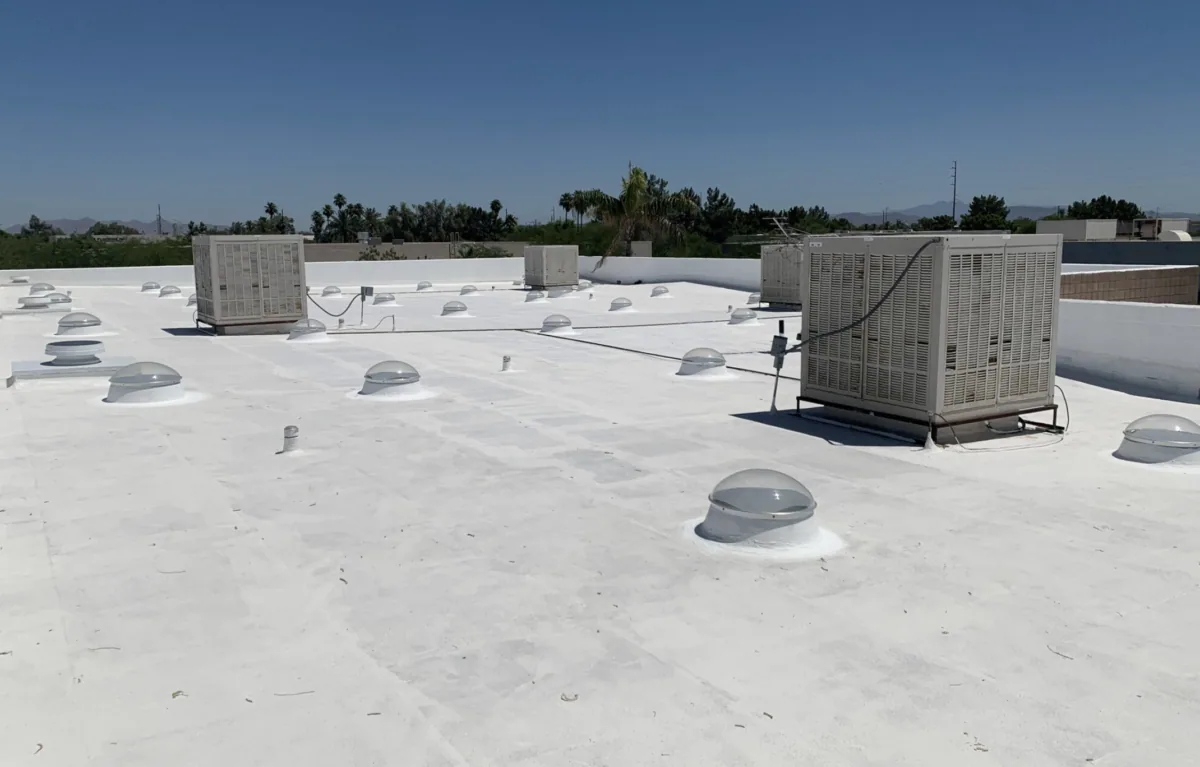
Skylight and Penetration Flashing
Read the full page
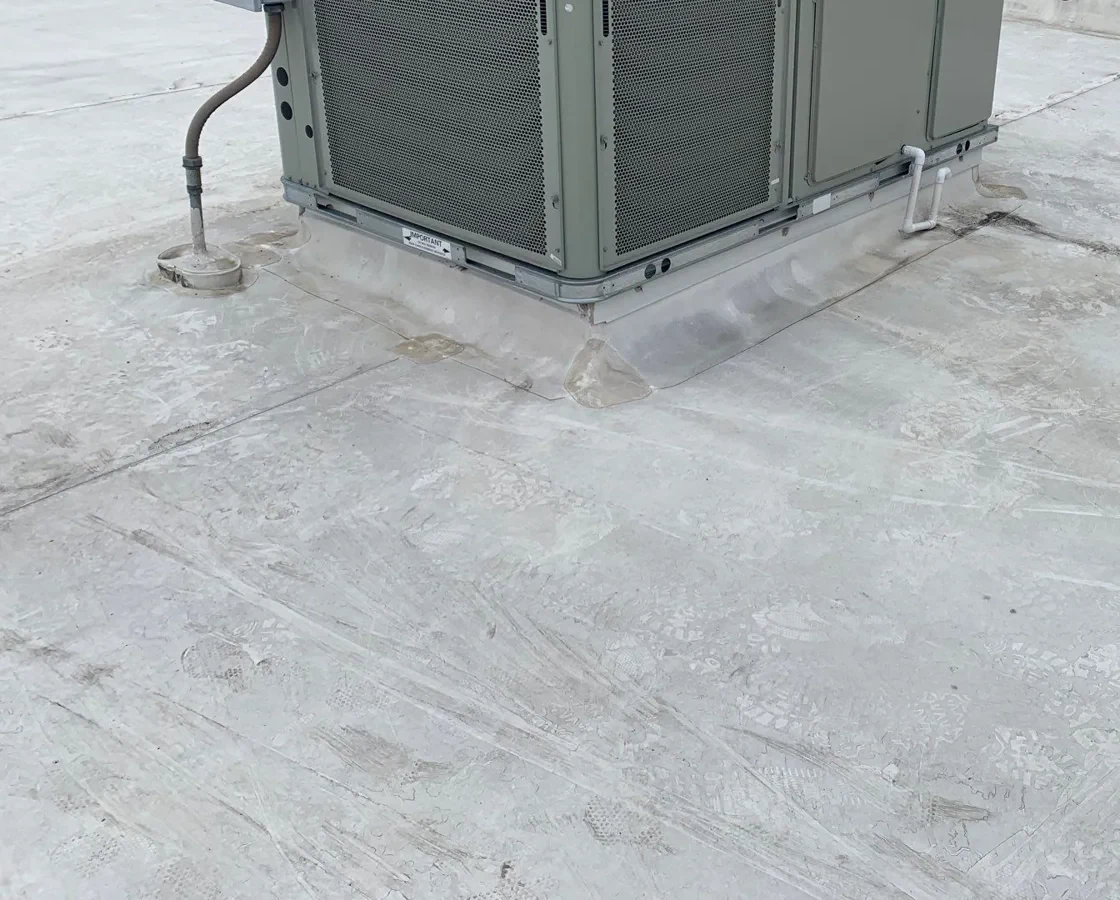
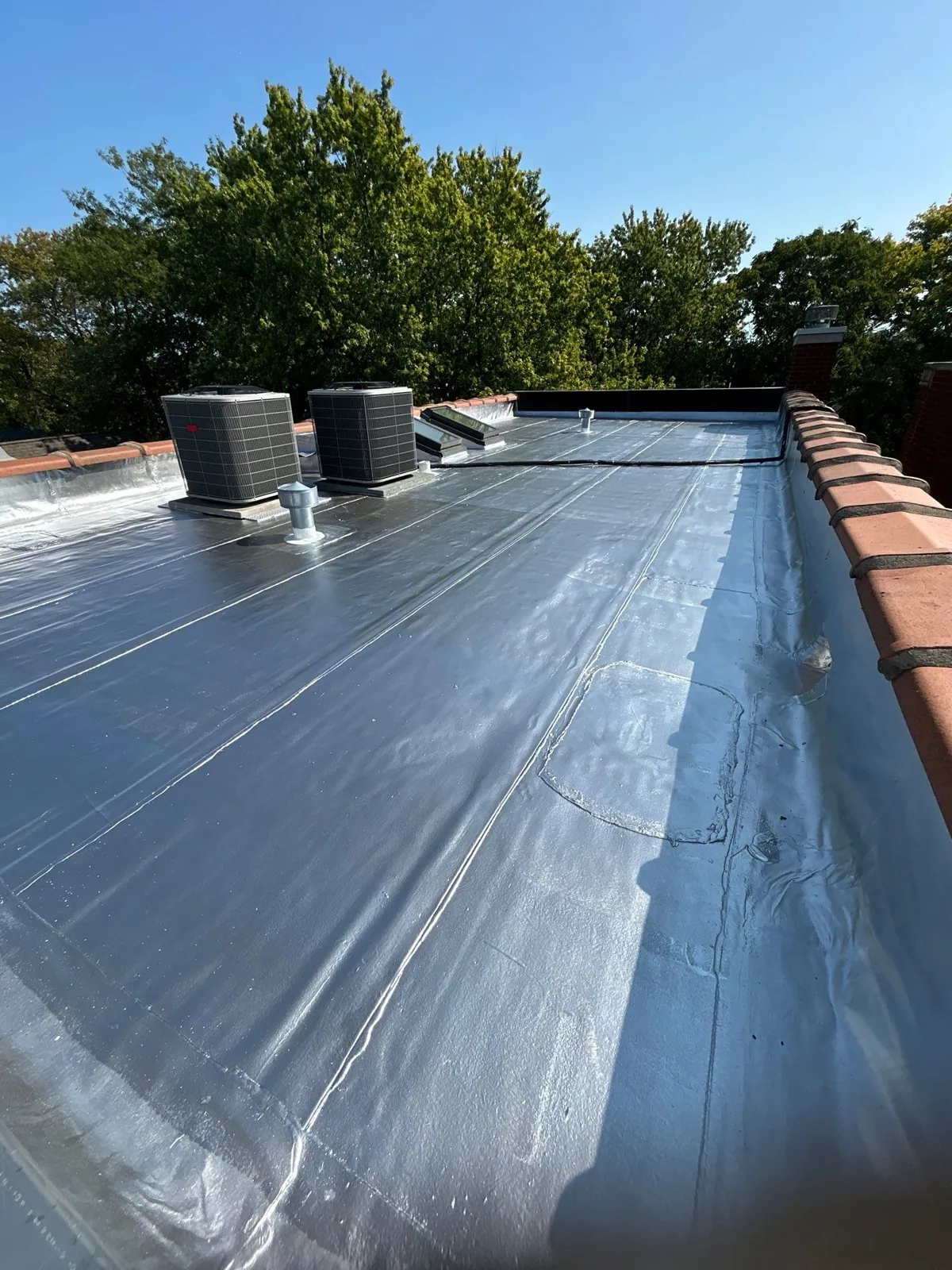
Commercial Roof Seam Corrections in Clovis After Entry
See how we handle it
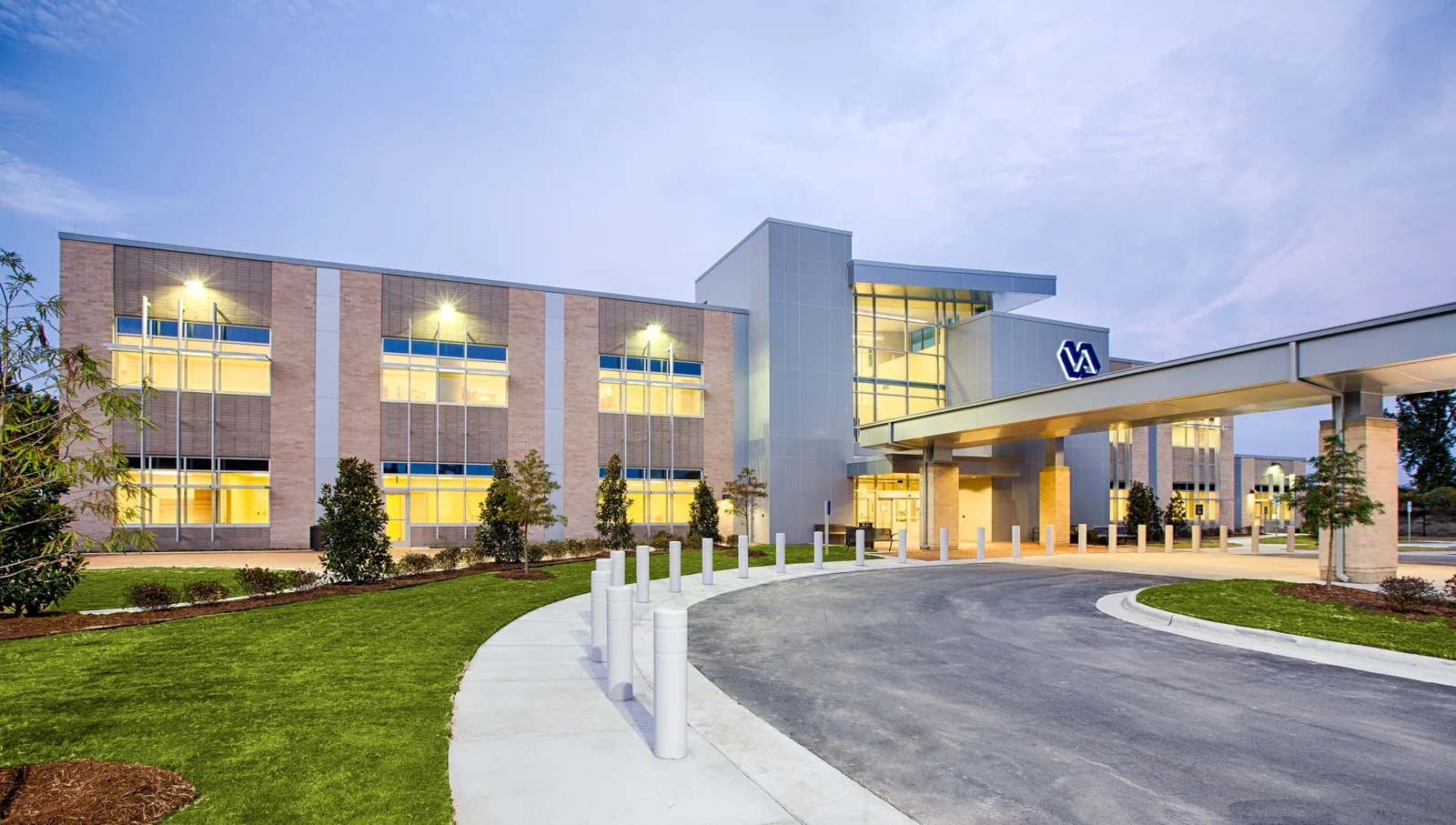
Herndon Medical District
Scope, sequence and repair notes
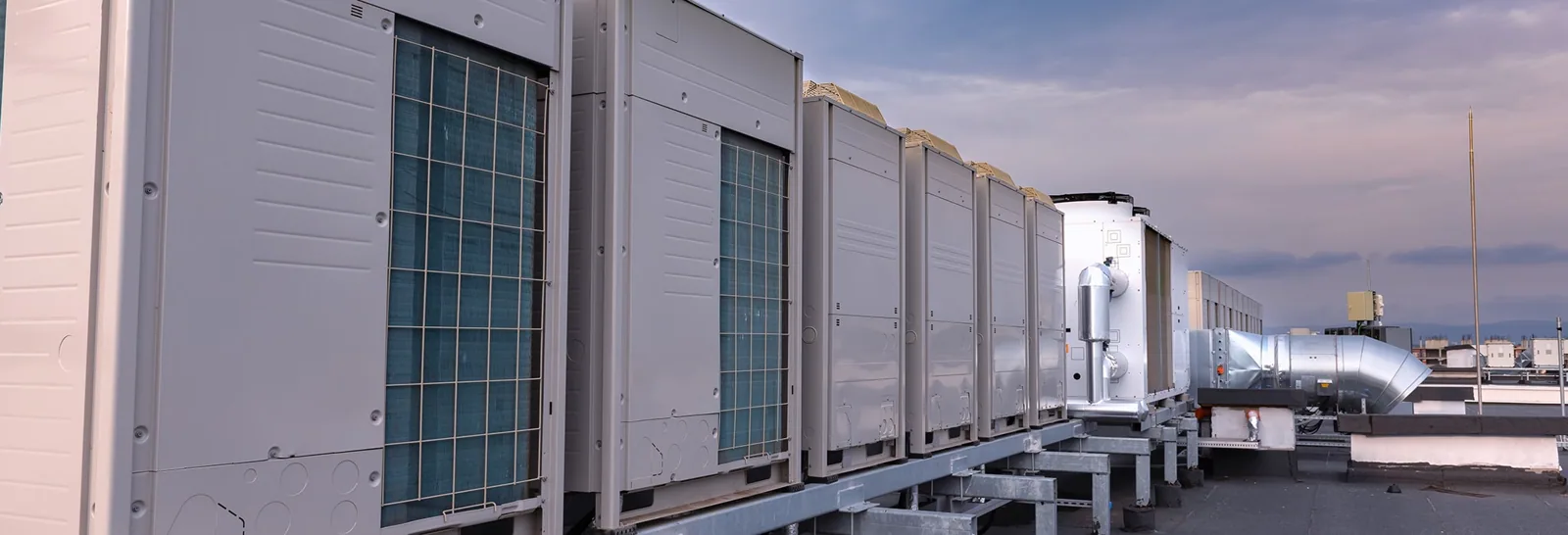
Rooftop Equipment Curbs and Supports
Read the full page
Infrared Roof Moisture Survey
See how we handle it
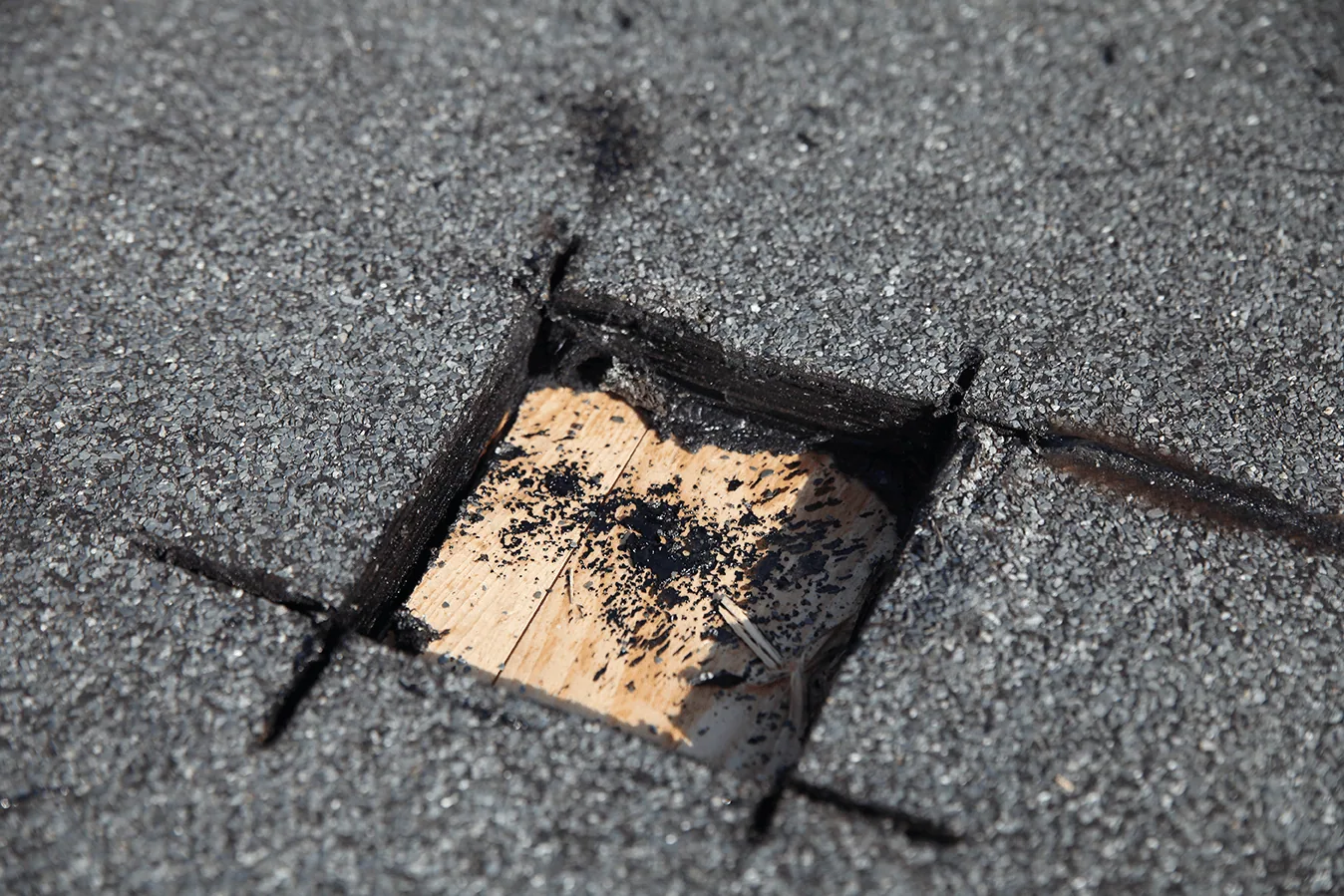
Membrane Puncture Investigation in Clovis Before Patching
Scope, sequence and repair notes