
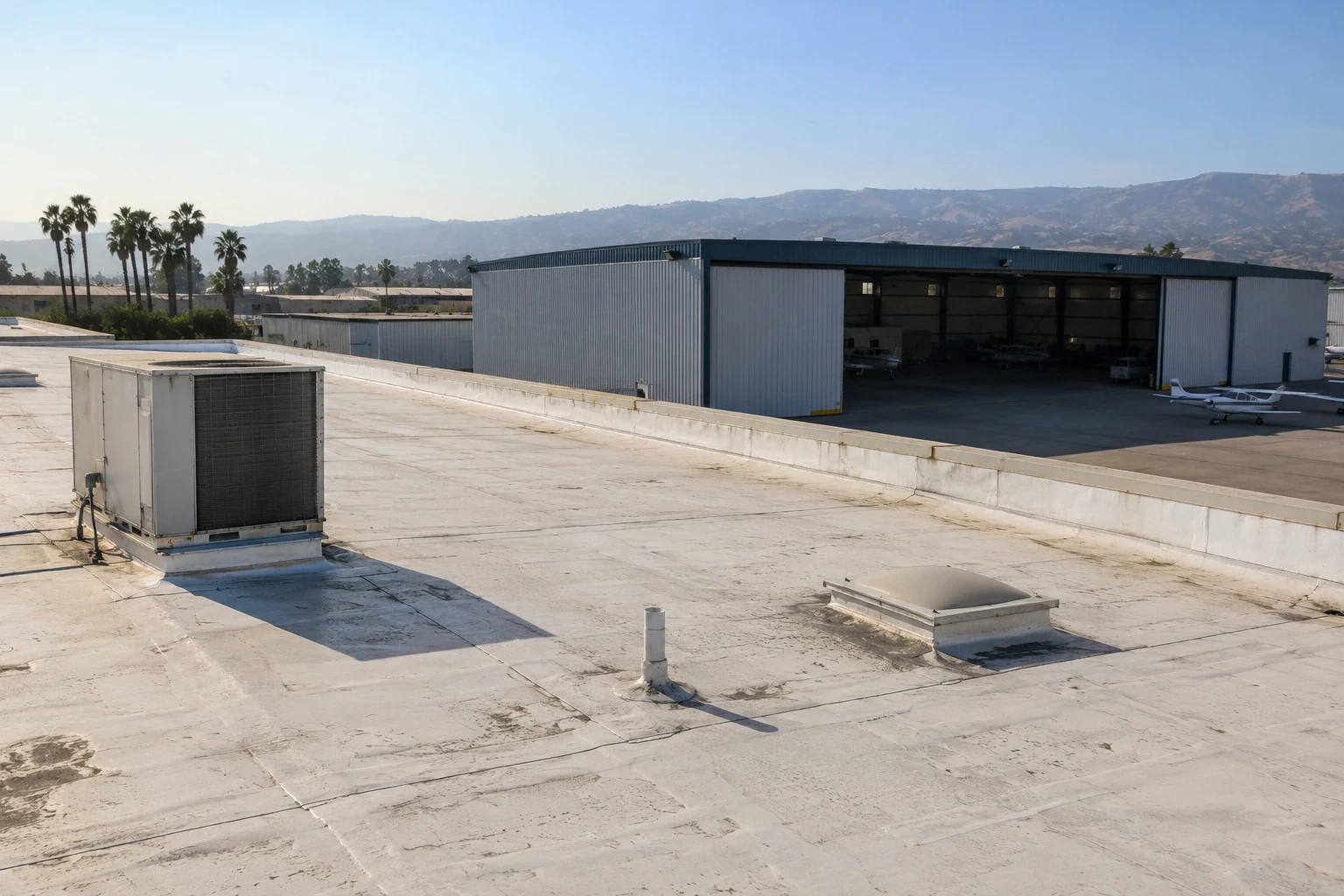
Aircraft Hangar Roofing in Clovis, CA
Property Types We Roof
Rain dripping near a hangar door track can leave an operator moving aircraft while the opening in the roof remains uncertain. Aircraft hangar roofing in Clovis, CA, starts with the building identity, the affected interior and the authority that can release access. We compare the water location with accessible roof connections and propose suitable protection, while the operator controls aircraft movement, restricted areas and operational release. An urgent complaint does not establish permission to enter an airport or open a roof above parked equipment.
Fresno Yosemite International Airport is a major regional aviation setting. Hangar work still depends on the specific building, its roof assembly and the operator who controls access. We determine the actual roof construction at the released facility before discussing panel repairs, membrane details or replacement, keeping operational information separate from assumptions about the assembly.
Aircraft movement and released work space
A parked aircraft beneath the proposed work changes the protection discussion before tools are carried onto the roof. The operator determines relocation, clearance and who can approve the working boundary. We describe potential debris, removed material and the daily closure method so that release addresses the real overhead task. A roof hatch or exterior lift location may require permission beyond ordinary building entry, and that permission needs confirmation before delivery and setup.
The logistics of enclosed storage buildings provide useful planning comparisons, while maintenance production spaces introduce different equipment constraints. Neither comparison establishes the requirements of an airport facility. We use the hangar operator's stated restrictions and the examined building to propose material movement and work zones. Roofing does not determine aircraft readiness or grant operational clearance; it reports the construction exposure for the responsible operator to evaluate.
Long panels and moving connections
A split seal at a lap, loose attachment or deteriorated panel edge can admit water on a metal hangar roof where that construction is present. We inspect the support, panel condition and connection rather than assign the same sealant repair to each symptom. Thermal movement can affect long metal sections, and a repair that prevents intended movement may stress another connection. The permanent recommendation therefore needs the actual detail and its means of attachment.
A standing seam metal assembly has different repair considerations from exposed-fastener panels. Damaged seams, clips or penetrations require a connection suited to the system, while corrosion may change whether the panel can be retained. Where support or capacity is uncertain, additional review precedes a roofing change. We state that requirement before introducing new loads or a retrofit that would otherwise rely on unconfirmed construction beneath the visible metal.
Door edges and controlled discharge
Water appearing at a hangar entrance may involve the roof edge, gutter, wall connection or another building component. We trace the roof portion of the route and identify where investigation needs to continue elsewhere. An overflowing outlet can direct water toward a door, but removing debris does not correct a deficient roof-to-gutter detail. The owner needs a distinction between restored flow and repaired construction before treating the entrance complaint as closed.
For edge metal and gutter work, attachment and discharge matter alongside the visible opening. The proposed outlet arrangement must be reviewed against actual circulation and operational requirements. We do not presume that an existing ground discharge is suitable for aircraft movement areas. Photographs show the inspected roof edge and the limits of the proposed correction, helping the operator coordinate any pavement, door or drainage work beyond roofing.
Regional heat and suitable repair conditions
In Fresno, 26 days during July 2024 reached triple digits, and the month's mean temperature was 90 F. This regional heat record supports attention to moving connections but does not identify damage at a particular hangar. Tule fog developing across the Central Valley after sunset can thicken toward dawn; bonding and coating still need checks of the actual working surface. A dry forecast cannot establish that a panel surface or concealed layer is ready for permanent repair.
Work near Clovis Industrial Park needs its own operational release as well as suitable material conditions. A detailed hangar roof examination identifies accessible defects and areas requiring additional permission. We communicate those limits before a schedule is treated as complete. Urgent requests are received through nights and holidays, with response details based on available access, safe conditions and the roofing task that can actually proceed.
Compatible closure and retained construction
A local opening in sound metal may support a focused repair, while widespread corrosion or deficient attachment can lead to panel replacement or a considered retrofit. On a membrane assembly, moisture beneath the field can change the removal requirement. We explain the finding that governs the choice and the review needed where the repair affects support or adds load. An attractive surface appearance cannot establish the capacity or condition of concealed construction.
Before closeout, the operator receives the location of permanent connections, any temporary measures still in place and the obligations for follow-up. Aircraft protection and operational return remain operator decisions informed by the reported work. A new leak complaint should be tied to its time and interior location rather than assumed to come from the repaired detail. That record allows the next examination to distinguish a returning roof entry from a separate connection or another component of the building.
Temporary protection must be compatible with the later permanent detail and permitted by the operator. We explain whether it needs removal, additional preparation or a separate follow-up release. The record should identify the exact connection involved so a reduced interior drip is not mistaken for completion of every roof obligation before aircraft operations are reviewed.
Before a lift arrives, confirm the approved vehicle route, equipment clearance, wind limits and the area where removed material can be handled. The operator should identify whether doors will cycle during the work and who can release the bay at the end of each shift. If the repair depends on aircraft relocation, document the agreed release separately from roofing progress. A weather closure should secure the full exposed boundary, not only the visible leak. These details let maintenance and operations staff coordinate a roof task without implying that roofing acceptance clears aircraft, fueling or flight activity.
Check the hangar door track and adjacent wall transition as well as the roof field, since a leak near a large opening may enter at either connection. The repair record should show which junction was examined and whether the operator released the bay for the full inspection.
Commercial Roofing Questions
Can a hangar roof repair begin with aircraft inside?
The operator's release of the overhead work area determines that. We explain debris exposure, material movement and closure before the operator decides aircraft relocation or protection. Building entry alone does not authorize roofing above parked aircraft.
Does an airport terminal address identify the hangar we should inspect?
A specific facility designation and access contact are necessary. Terminal directions establish regional orientation, but the roof task requires the actual hangar, entrance and permission. We confirm those details before treating the location as ready for mobilization.
Can sealant correct movement at a metal panel lap?
The panel connection and material condition govern the repair. Sealant may form part of a compatible detail, but cannot restore weakened attachment or compensate for an unsuitable restraint. We inspect how the joint moves before selecting the permanent closure.
What makes a hangar retrofit more involved than a patch?
Retained support, added assembly and operational release are decisive. A retrofit can require review of capacity, attachment and moisture as well as roof details. We identify those obligations so the operator can compare construction choices against a defined released work area.
Provide the hangar identity and access contact
Describe the affected interior, water timing and person authorized to release the facility. We will establish the available examination route and explain the protective task supported by the roof conditions.
Related Pages
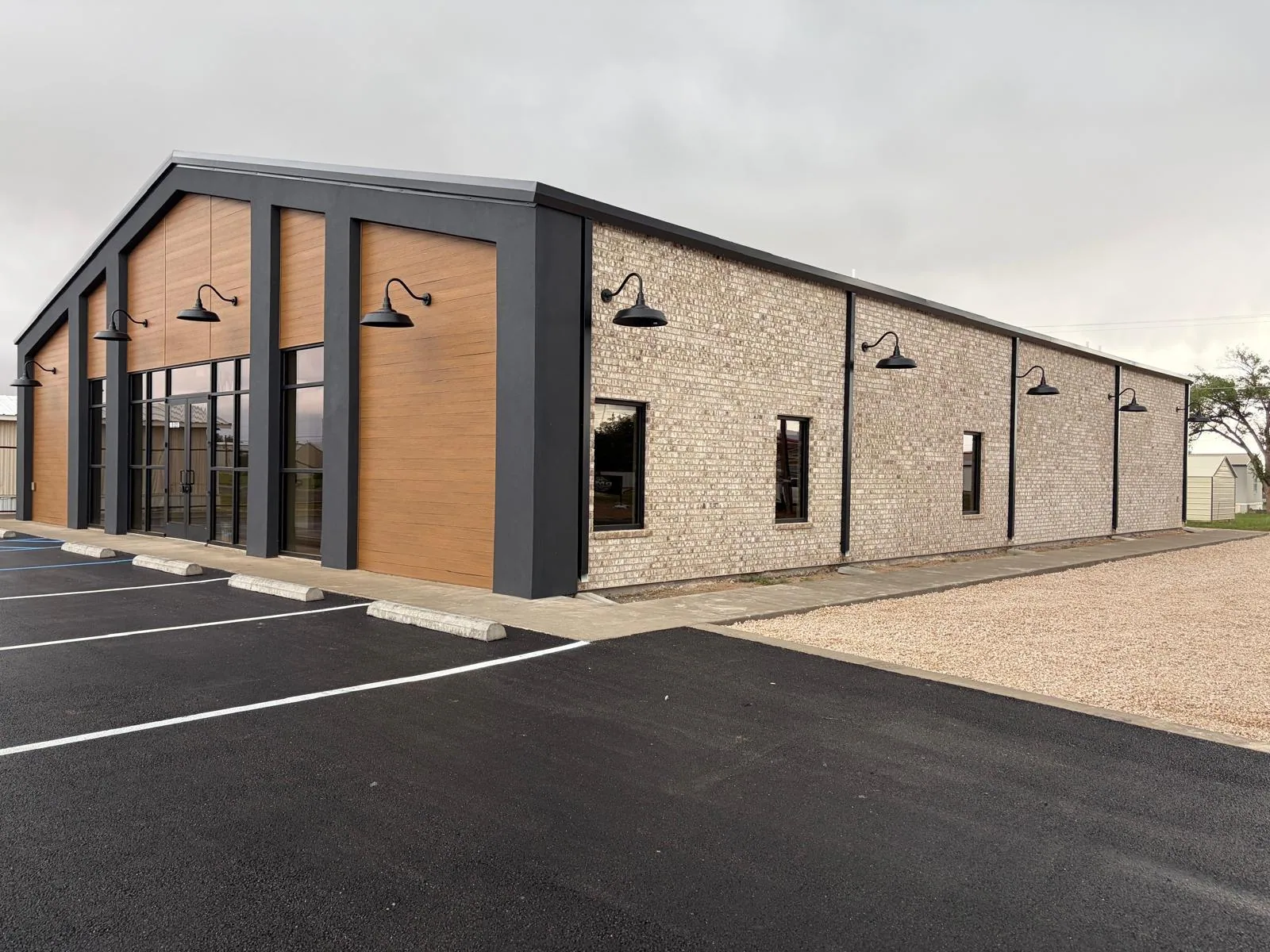
Warehouse Roof Leaks and Repair Sequencing
Read the full page
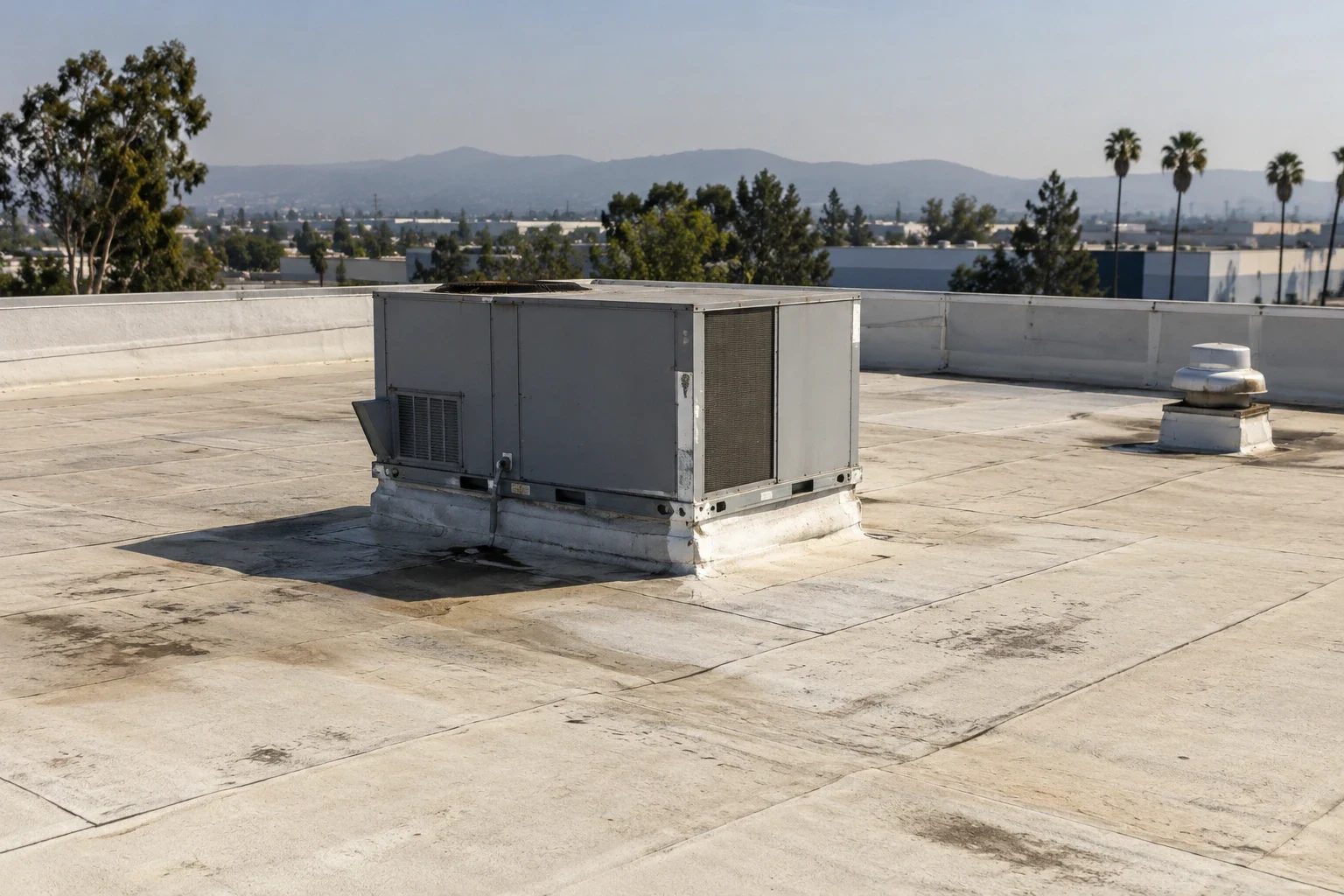
Manufacturing Roof Repairs With a Defined Work Release
See how we handle it
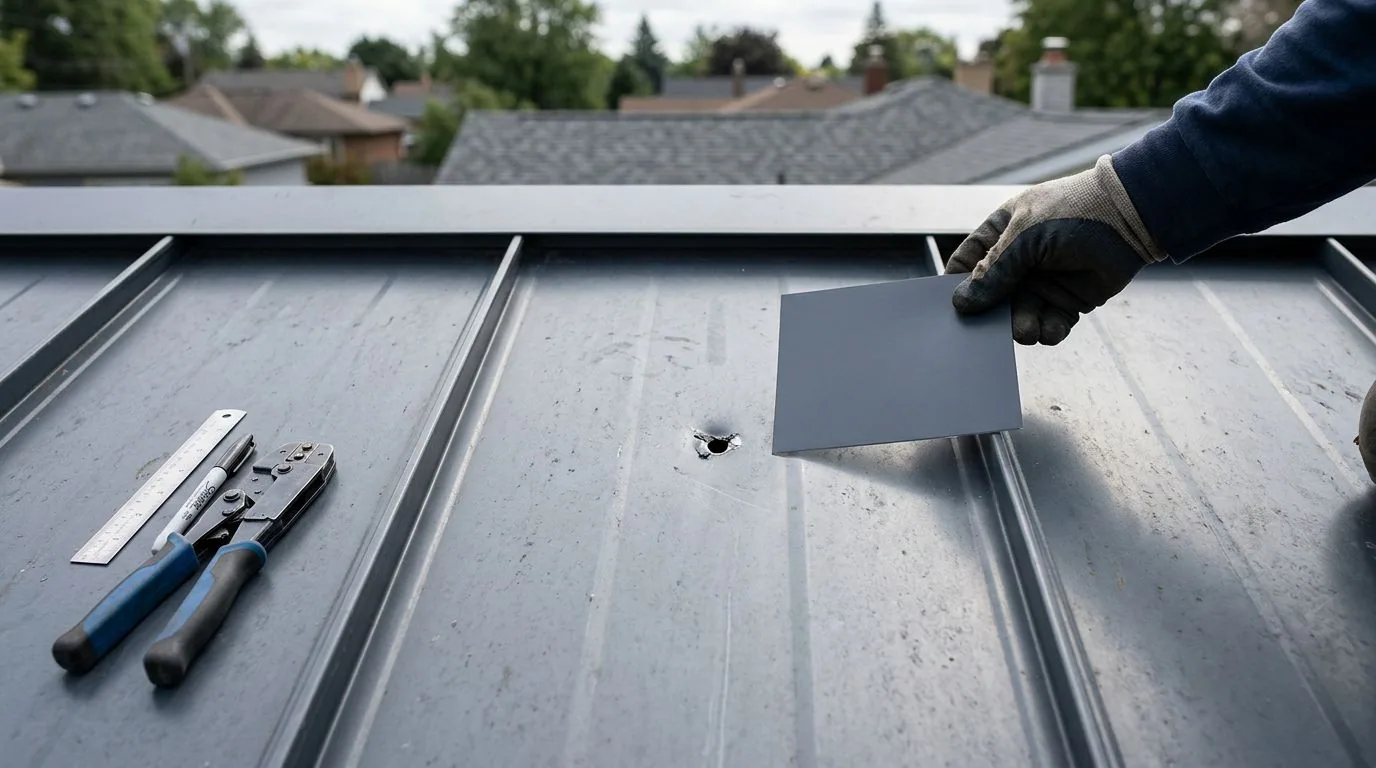
Standing-Seam Metal Roof Corrections
Scope, sequence and repair notes
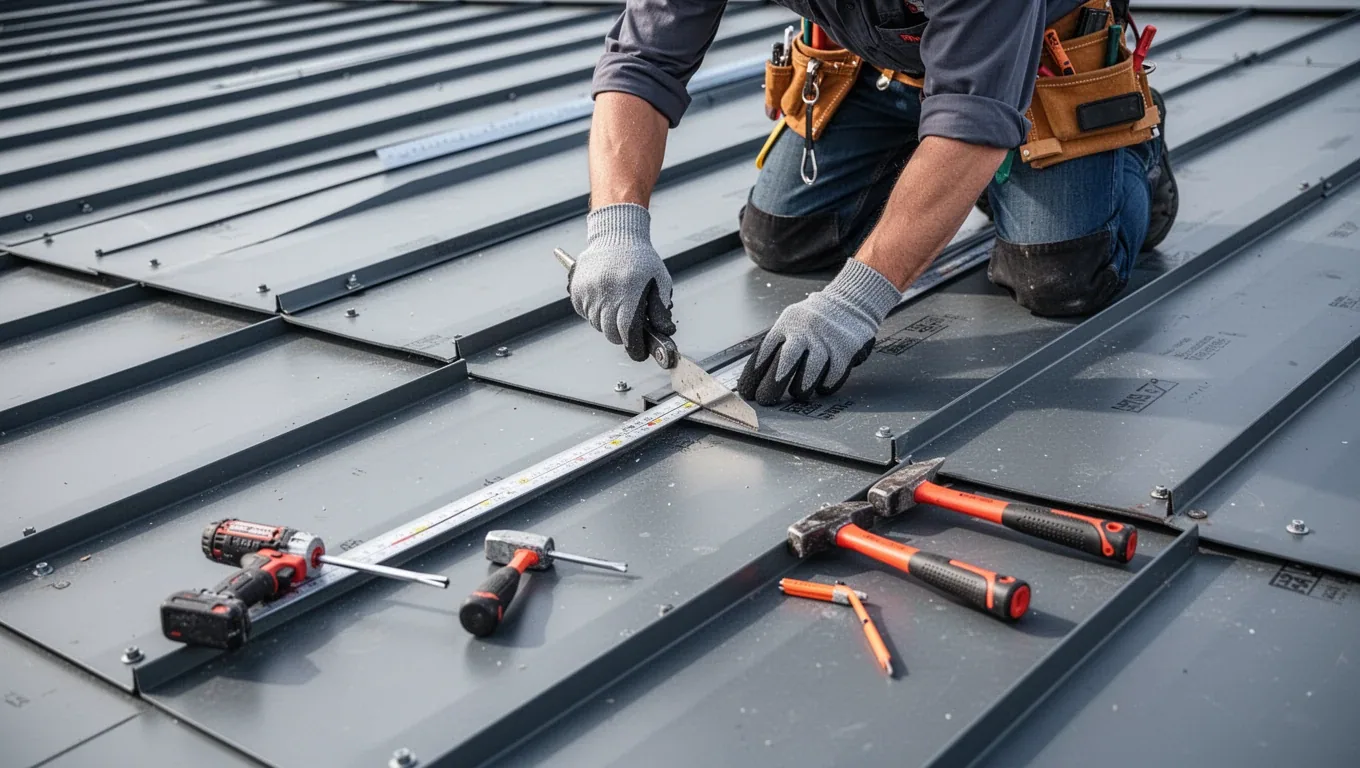
Edge Metal, Coping and Gutters
Read the full page
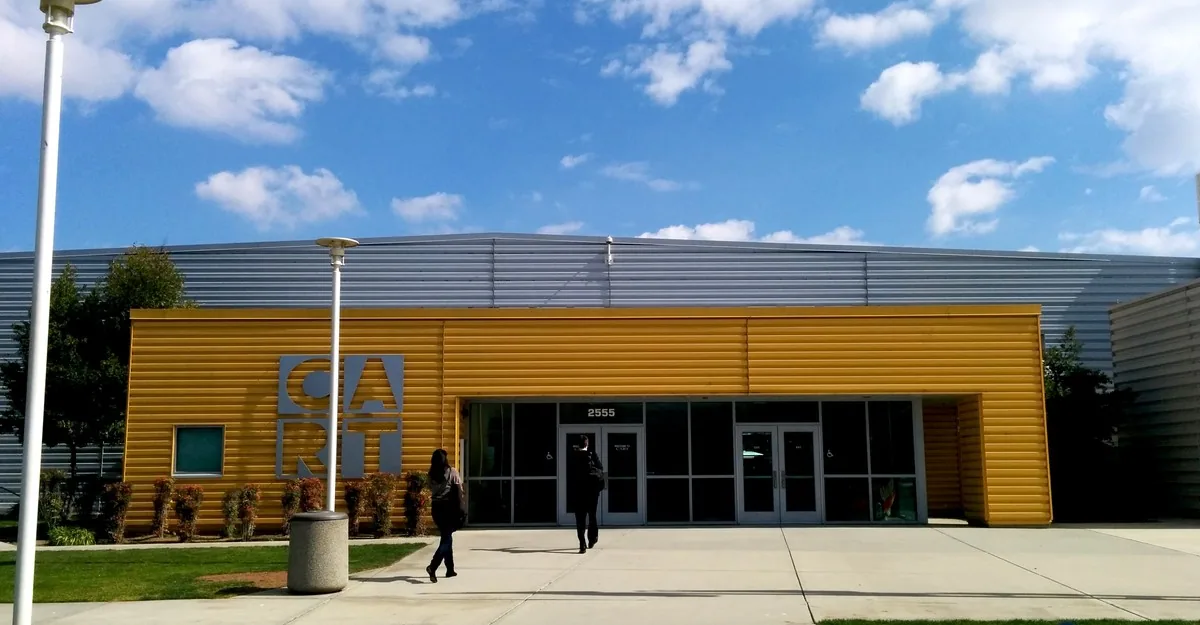
Clovis Industrial Park
See how we handle it
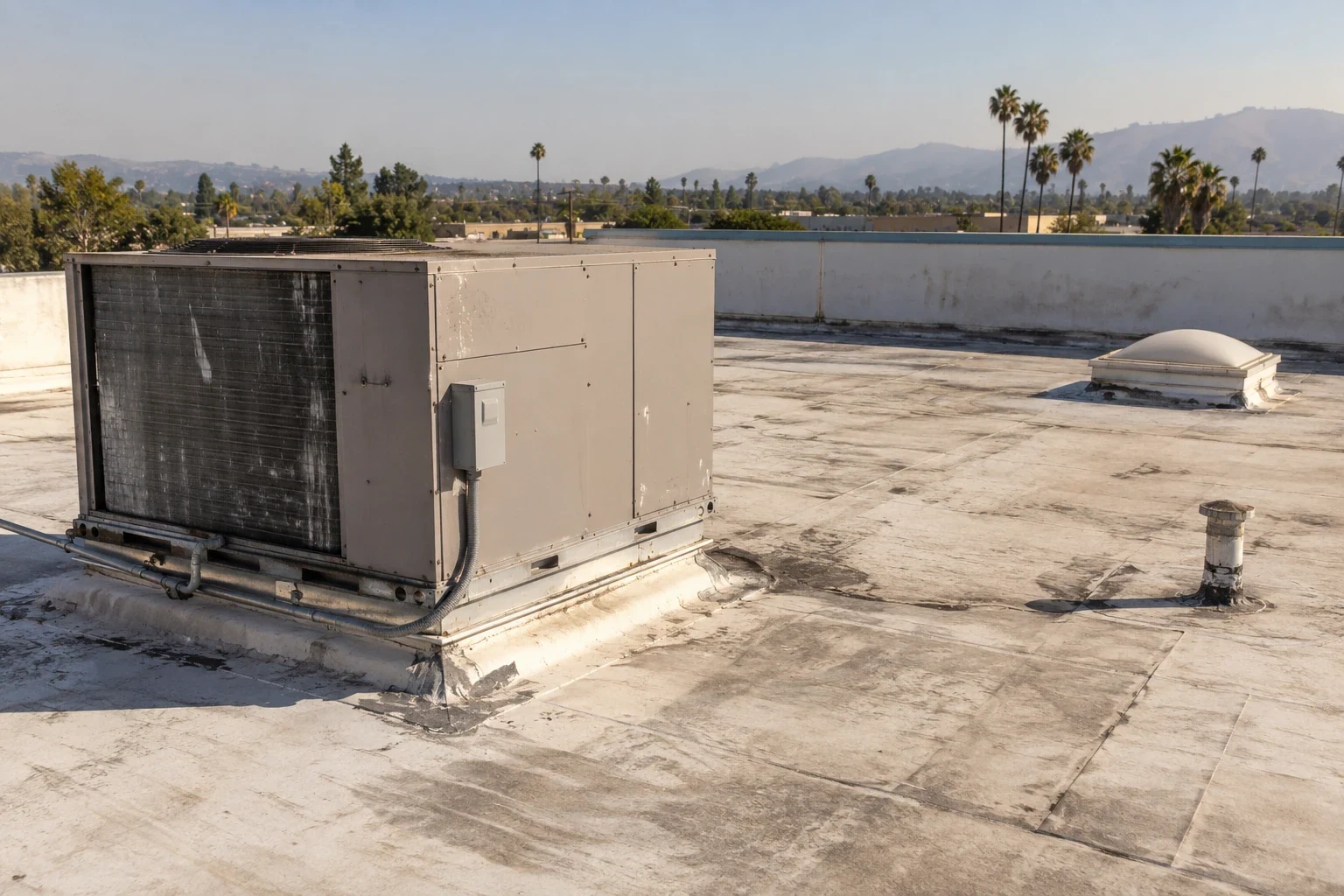
Commercial Roof Inspection
Scope, sequence and repair notes