
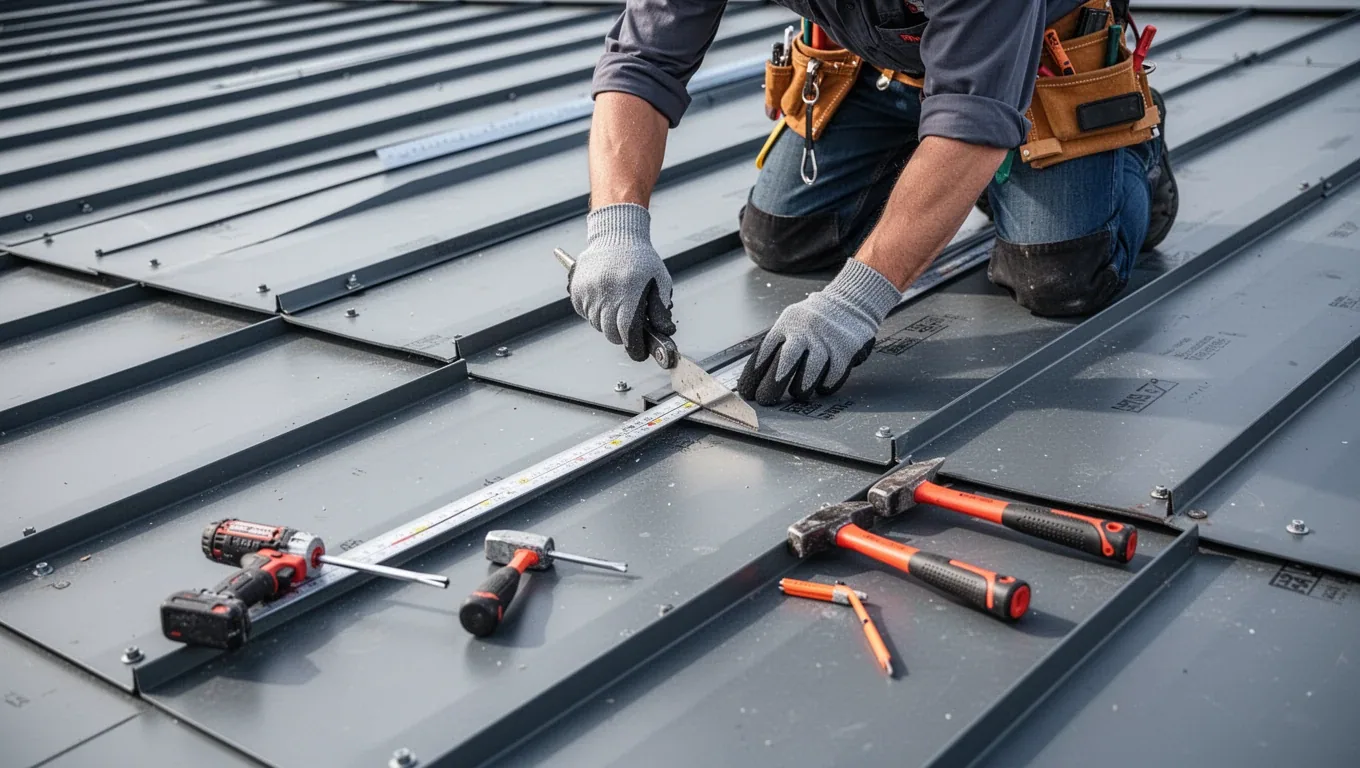
Edge Metal, Coping and Gutters in Clovis, CA
Commercial Roofing Services
A clicking cap above a storefront or a gutter pulling away during rainfall could be the first visible sign that a perimeter connection is no longer holding as intended. Edge metal, coping and gutter work in Clovis, CA begins with the attachment beneath the metal and the way the roof membrane reaches it. We examine loose components, the supporting substrate and the surrounding exposure before deciding whether a local correction can restore the detail or a larger section needs replacement.
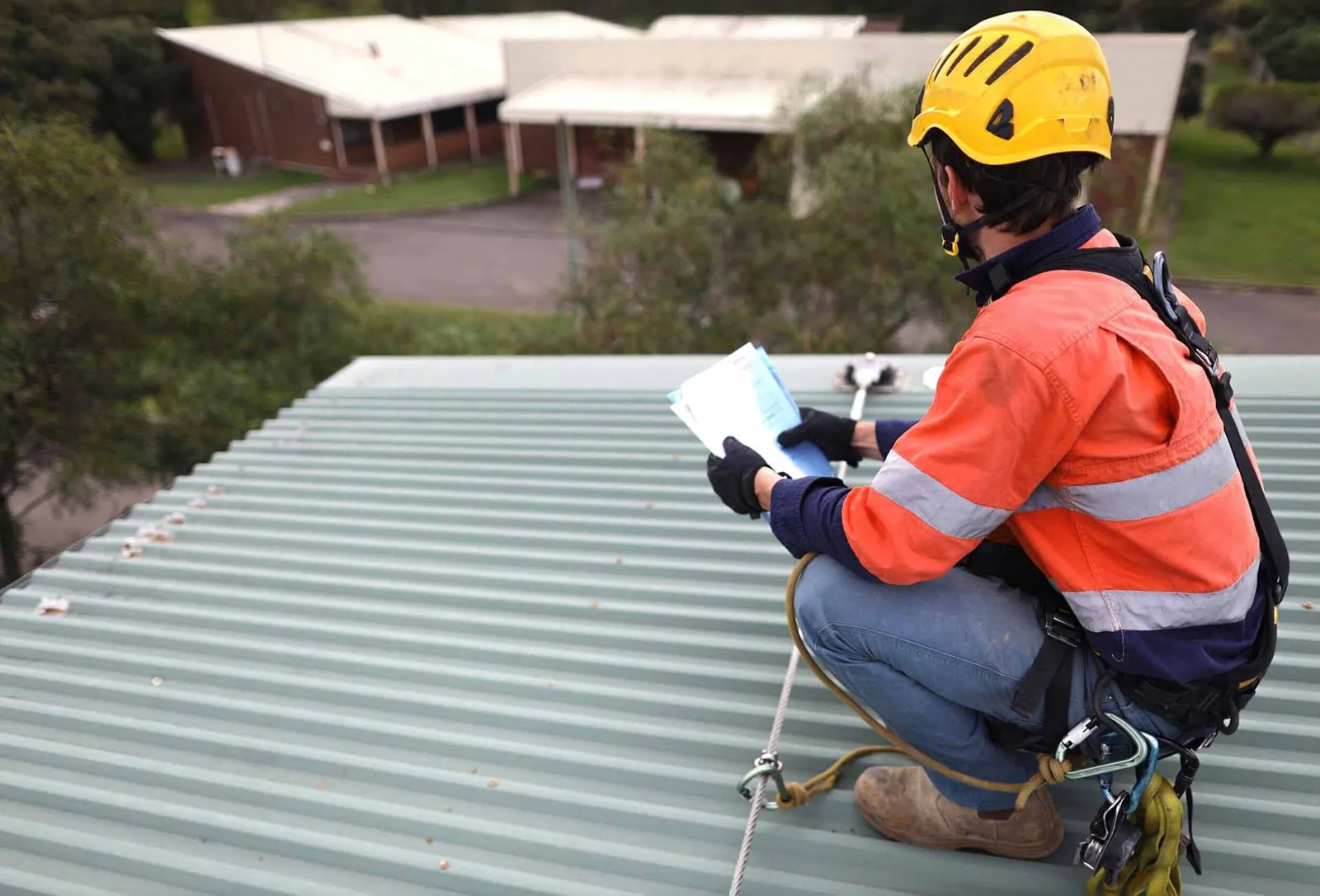
Loose perimeter material also creates an immediate concern for entrances and occupied areas below. We coordinate access with the operator and consider temporary protection where it can be installed safely. Urgent roof protection is available for assessment around the clock, with actual wind, access and component condition determining the work possible during a response. The owner should receive a distinction between a restrained loose part and a permanently reconstructed roof edge.
The cap above the wall
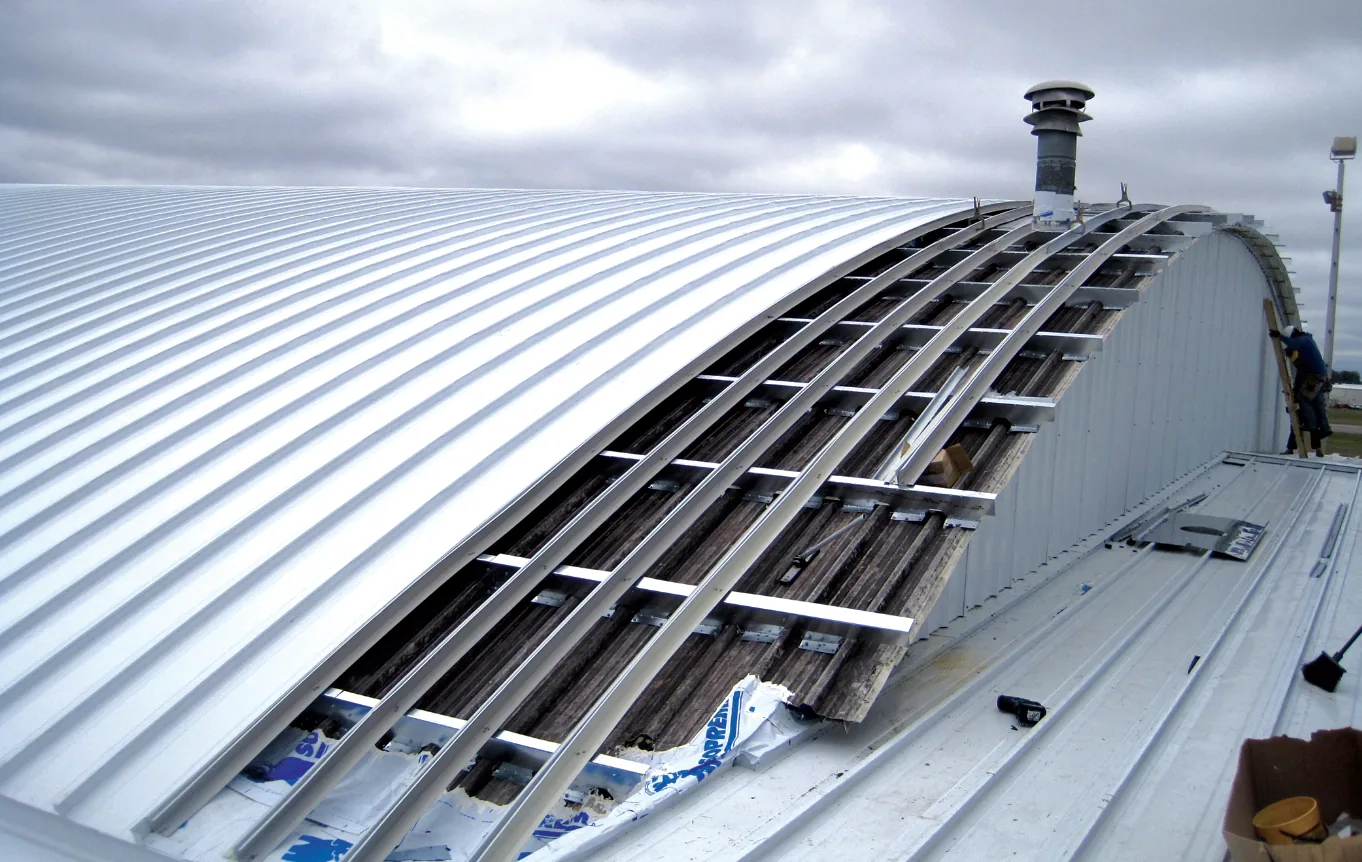
Coping sheds water from the top of a wall, but its joints, supports and attachment must accommodate movement while preserving the roof transition beneath it. A cap may appear intact from the ground while an open splice or failed cleat lets movement continue above the weather barrier. We examine the detail at close range, including the wall top and adjoining flashing where access permits. Sealant across a visible gap is not automatically an adequate correction for a support problem.
The record heat experienced in Fresno during July 2024 illustrates the regional summer exposure; thermal movement can expand and contract a metal component repeatedly. On an individual roof, the joint arrangement and observed condition govern the repair. We assess whether the wall flashing connection remains sound and define how the cap repair joins it. Deteriorated backing or moisture below the metal changes the scope, because replacement material needs a stable supporting surface rather than attachment into compromised construction.
The membrane termination at the edge
A roof edge connects the membrane to a perimeter detail that must remain secure under exposure. The visible metal face is only one part of that connection. We examine the termination, fastening, material compatibility and the substrate receiving the attachment, then identify what needs to be rebuilt. A local fastening correction may be suitable where the surrounding system is sound; widespread separation can require a longer removal boundary.
Repairs following wind-related perimeter damage should account for the connected assembly rather than replacing metal by appearance alone. The selected detail must be appropriate to the roof system and project requirements, with design input where the scope requires it. We explain which membrane areas will be exposed during removal and how each work area will be closed. A new edge component cannot resolve a weakened connection if the material immediately behind it is left damaged.
Gutter movement and the outlet route
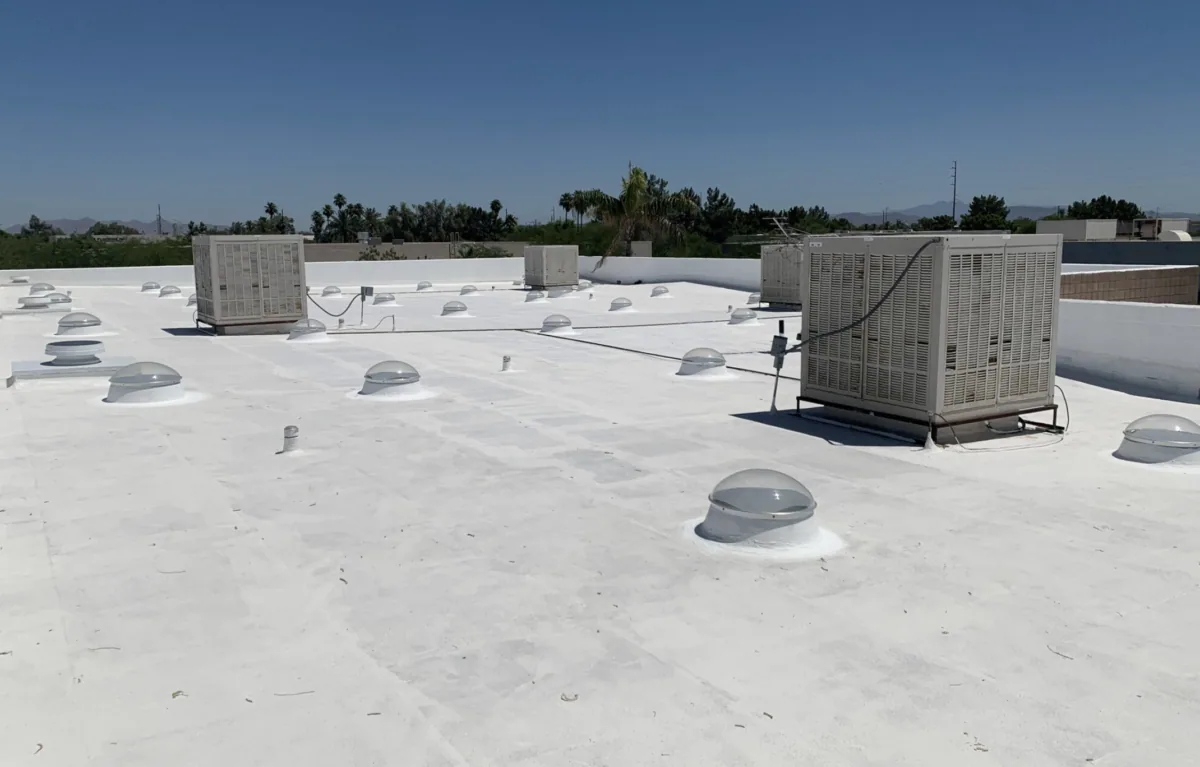
A sagging gutter can retain water, strain its supports and push discharge toward the building instead of carrying it to the intended outlet. We examine alignment, joints, supporting attachments and the downspout route, distinguishing the metal work from any concealed drainage restriction. Corrosion or a failed seam may justify replacement of a component; a support failure also requires correction of the attachment and the material receiving it.
The gutter needs to work with roof outlets and scuppers that feed it. We trace water through that connection and inspect the roof flashing at the discharge point, since a watertight gutter does not repair an open scupper corner. Changes to capacity or outlet arrangement require the appropriate evaluation before construction. The owner receives a scope that identifies the failing component, the connection repairs and the route for water leaving the building.
The working area above public access
Removing metal can expose sharp edges, loose pieces and an open roof transition, so the work area below matters before the first section is lifted. For shopping center roof work, we coordinate storefront access, material handling and the protection of pedestrian routes. The work sequence should define which perimeter sections are opened and closed during each period, rather than leaving a continuous exposed edge above an operating entrance.
Clovis Community Medical Center is on Herndon Avenue, a local reference for the need to preserve building circulation during exterior work. Requirements at each project come from the actual operator and the proposed access route. In Clovis perimeter repairs, we also examine whether a lift, roof access or another approach is appropriate for the affected elevation. That decision influences timing and cost as much as the length of the metal component, especially where the ground approach has occupied uses.
The complete transition after replacement
A completed perimeter detail should connect the roof field, vertical flashing, edge component and drainage route without leaving an unresolved joint between trades. We inspect those transitions after installation and identify any separate wall or building condition outside the roofing scope. If water entry involves the wall below the coping, the investigation may need to extend beyond the cap itself. The proposed roofing repair should state its boundary so the owner knows what remains to be addressed.
Central Valley tule fog can affect surface dryness during sealant or flashing work, so application conditions need direct checks. Later perimeter maintenance should then examine joints, loose attachment and gutter flow rather than relying on a ground view alone. The record of replacement materials and repaired locations helps later service work remain compatible. A quiet gutter or newly installed cap is a useful observation, but inspection of the connected roof detail is what establishes the completed correction.
Existing component dimensions and connections need to be established before fabrication. We examine the actual profile and how its joints meet adjoining materials, avoiding a replacement that fits the visible face but misses the concealed support. That preparation can influence lead time where a fabricated part is needed for the permanent repair.
A perimeter repair should follow the transition from roof field to edge instead of stopping at the visible metal face. We check how the existing assembly terminates, whether the supporting substrate is sound and how adjacent materials overlap. Fastener patterns and metal dimensions depend on the actual roof edge and design requirements; a cosmetic cover over a loose base does not establish a secure connection. Record corners, joints and changes in height as separate details when they call for different work. This lets the owner compare a local correction with broader perimeter replacement using defined conditions.
Commercial Roofing Questions
Can rattling coping be fixed by adding screws through its face?
The attachment design and backing condition determine a suitable correction. Adding fasteners without evaluating movement and the underlying support can create leaks or leave the original failure unresolved. We inspect the assembly before choosing where new attachment belongs.
Does replacing a gutter stop a leak along the wall?
The entry route must be identified first. Water may enter through wall flashing or the scupper connection while the gutter has a separate defect. We examine those transitions and explain whether the repair includes metal drainage, roofing or additional wall work.
Why would a short edge repair need work farther along the roof?
Sound attachment and membrane continuity define the removal boundary. Damage can extend behind adjoining pieces or below the visible separation. We open enough of the detail to connect the replacement to stable material and explain the reason for that extent.
Will perimeter work affect the entrance below it?
The access method and exposure govern the protection plan. We coordinate a working area and a usable route with the operator before removing components. Materials, sharp edges and open transitions require specific handling even where the roof field stays closed.
The loose edge and the area below it
Describe the sound or movement, the affected elevation and any nearby entrance or discharge route. We assess access and the connected roof detail, then explain temporary protection and the permanent perimeter correction.
Related Pages
Emergency Commercial Roof Repair
Read the full page
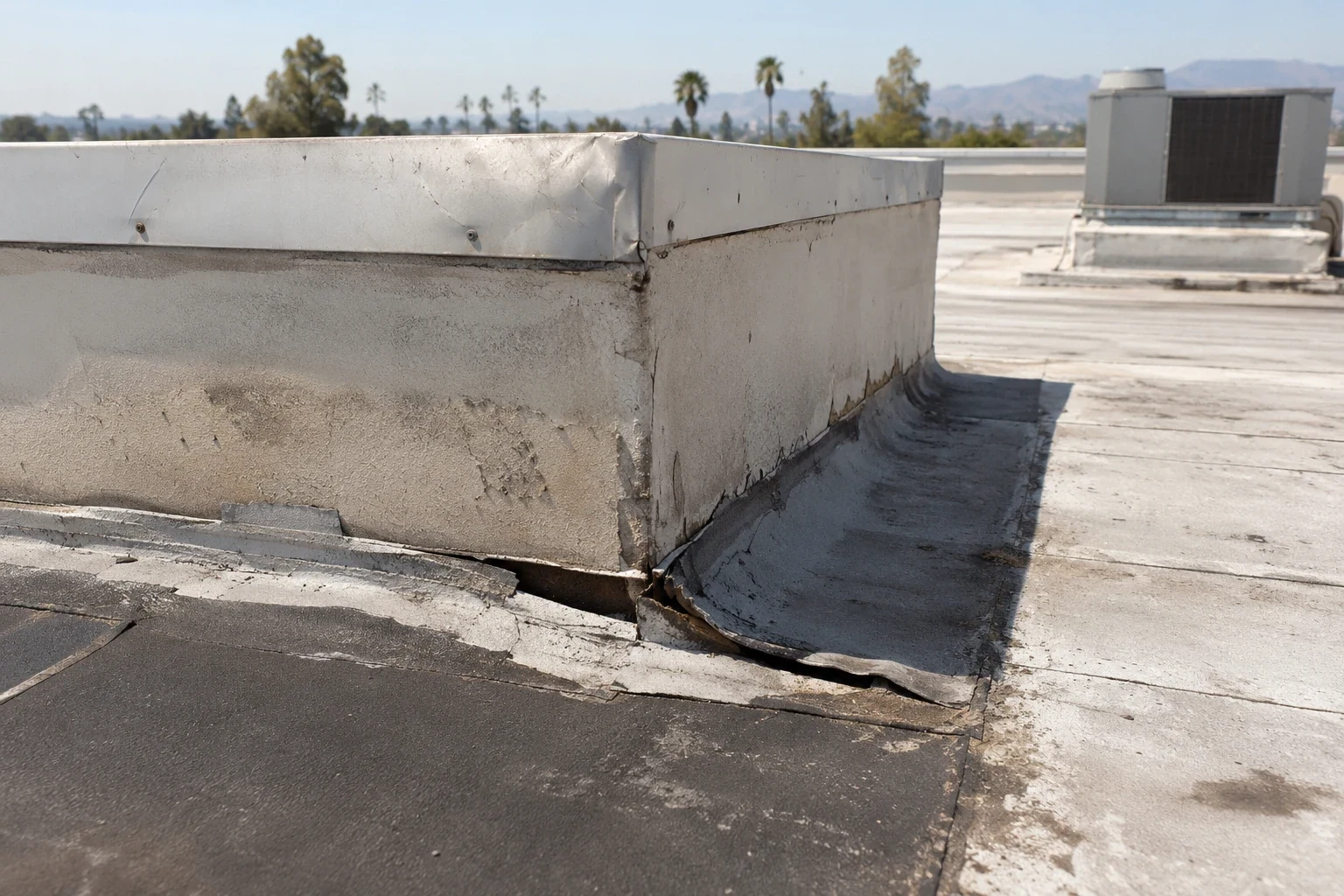
Flashing Failure Investigation in Clovis at Roof Transitions
See how we handle it
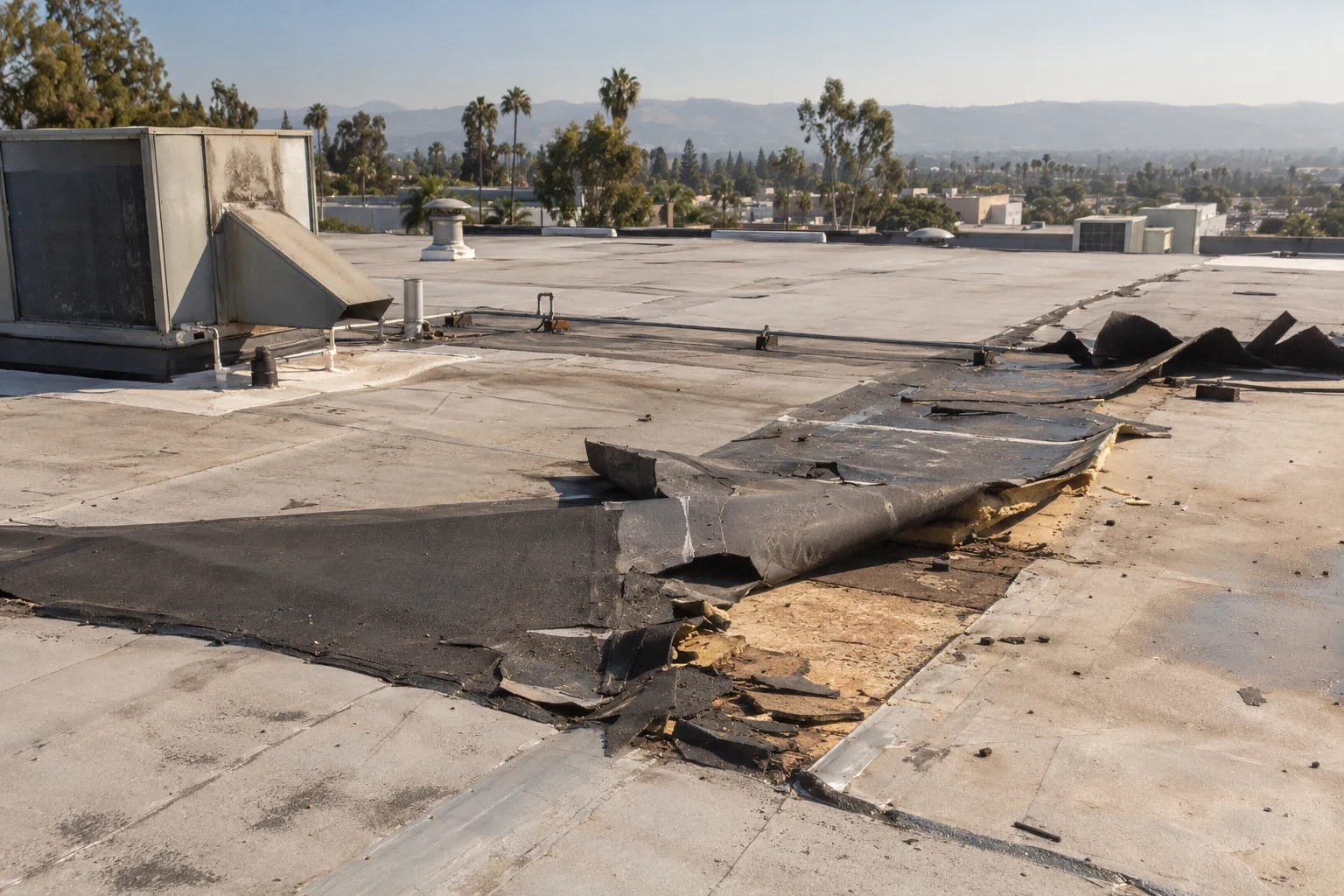
Wind Damage and Roof Edge Repairs
Scope, sequence and repair notes
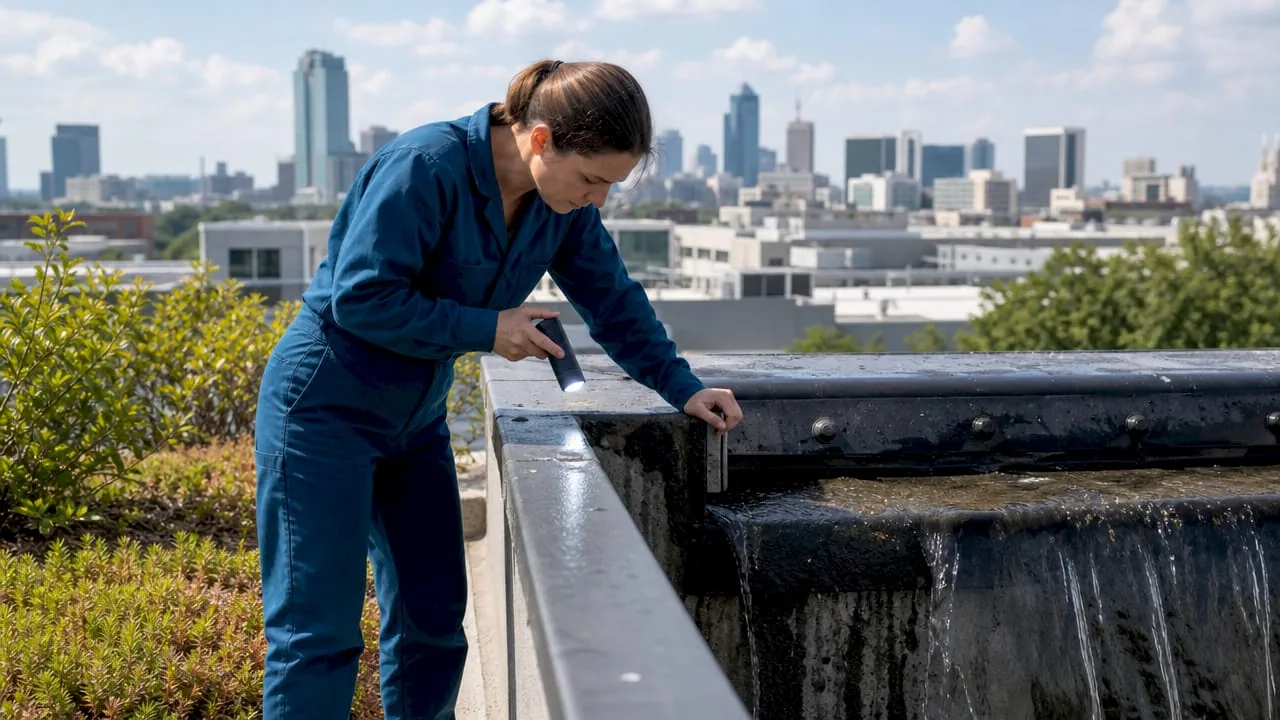
Roof Drains and Scuppers
Read the full page
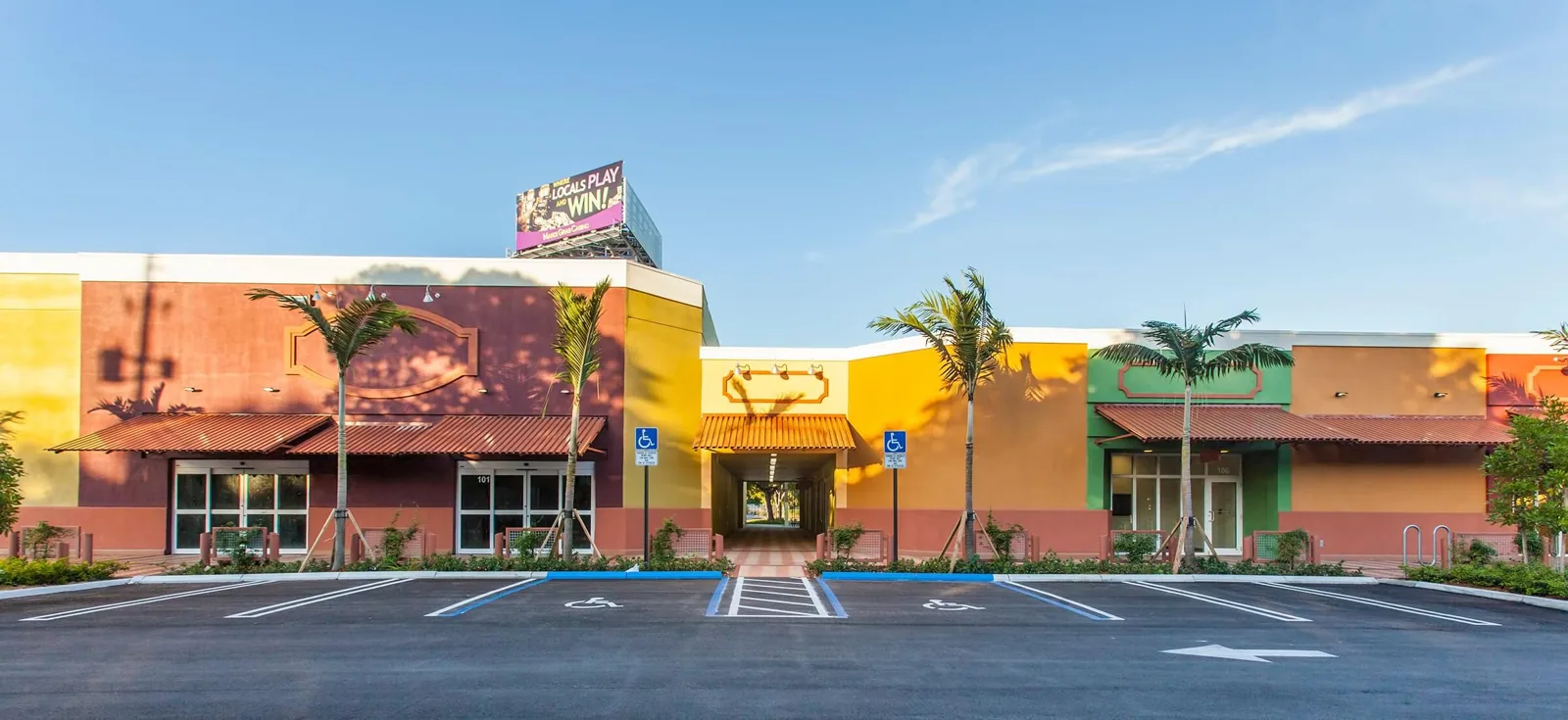
Shopping Center Roof Repairs Across Lease Boundaries
See how we handle it
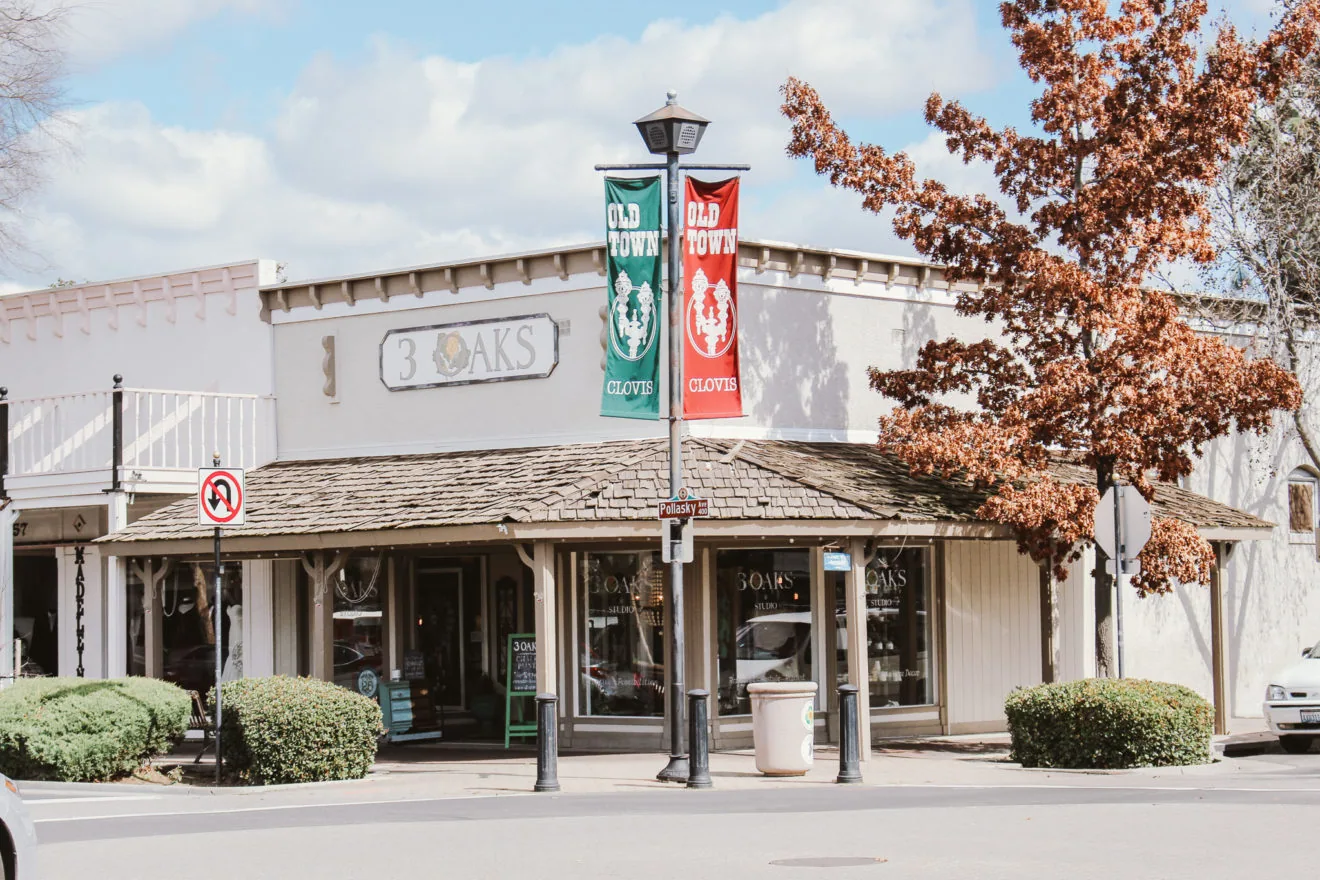
Clovis
Scope, sequence and repair notes