Commercial Roofing in Clovis Industrial Park, CA
Service Areas
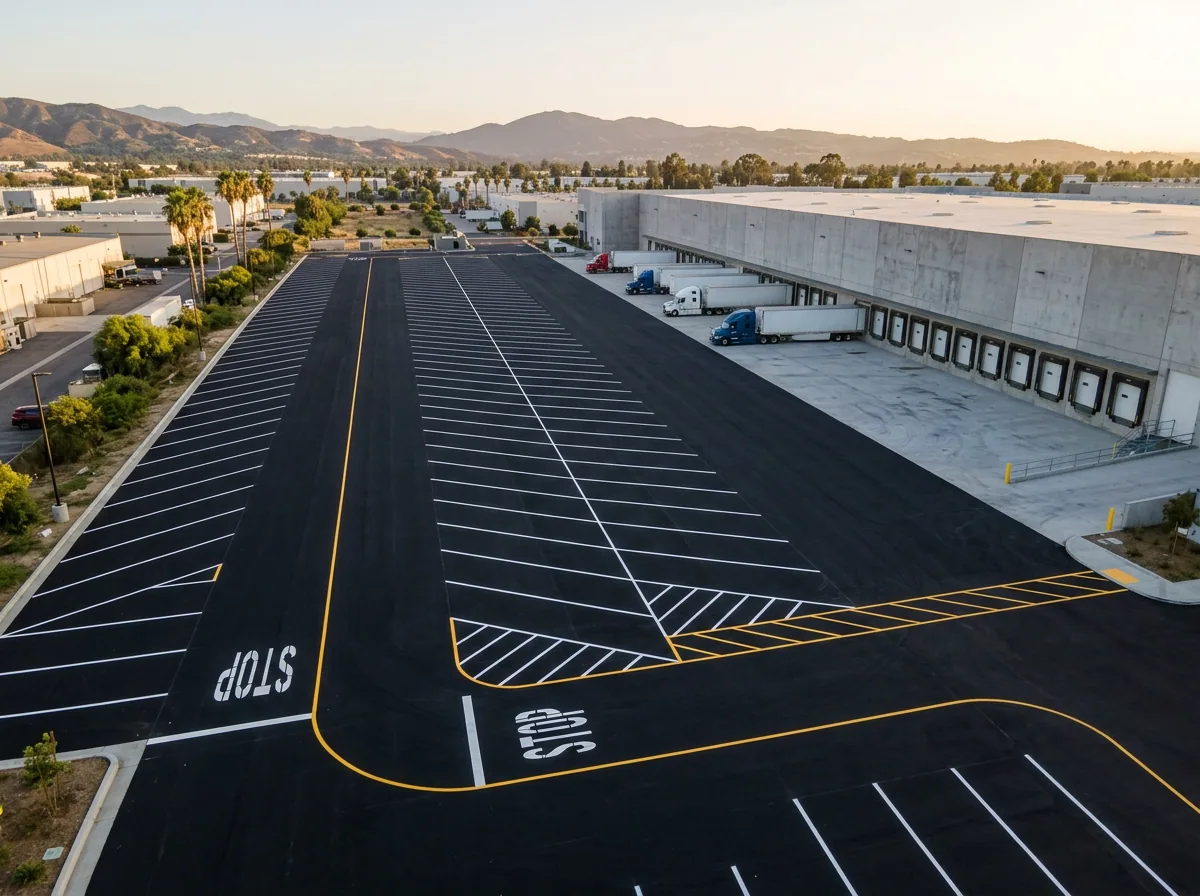
Industrial roofing in Clovis begins with the roof zone, loading activity and access rules of the assigned building. A facility manager may see water at a dock edge after winter rain while the suspected opening lies several bays away. We map the report to the roof, inspect drains, seams and equipment transitions, and state whether the visible defect explains the interior entry. Clovis has continuing industrial development, so a property may be expanding or changing how its space is used. The work plan identifies the roof section affected, protects the operation below and separates emergency dry-in from permanent repair.
the nearby airport is one of the region’s transportation hubs, while the commercial properties in its wider surroundings range from offices and service buildings to logistics operations. A nearby roof request is scheduled around the property’s own access rules, not airport operating permissions. The owner identifies the affected building, entry route, roof contact and any restrictions on deliveries or occupied areas. We inspect the reported location and adjacent roof details, including curbs, seams and drainage, then distinguish an observed opening from a moisture path that still requires testing. The written scope makes clear which work can proceed immediately and which access, shutdown or trade coordination must be arranged first. That approach keeps a local transportation landmark in context without treating it as the roof being assessed.
Commercial buildings in the wider area can have different security and delivery requirements even when they are outside an airport-controlled site. The property manager should identify where a truck can stop, whether a lift is allowed and who can authorize roof entry. We plan the inspection around those boundaries, protect the interior below active work and keep any necessary shutdown decision with the building’s authorized operator. If wind or heat limits the work window, the crew records where the task stopped and what protection remains in place. That creates a usable handoff rather than leaving the next shift to infer the roof’s condition.
The building assignment and access boundary
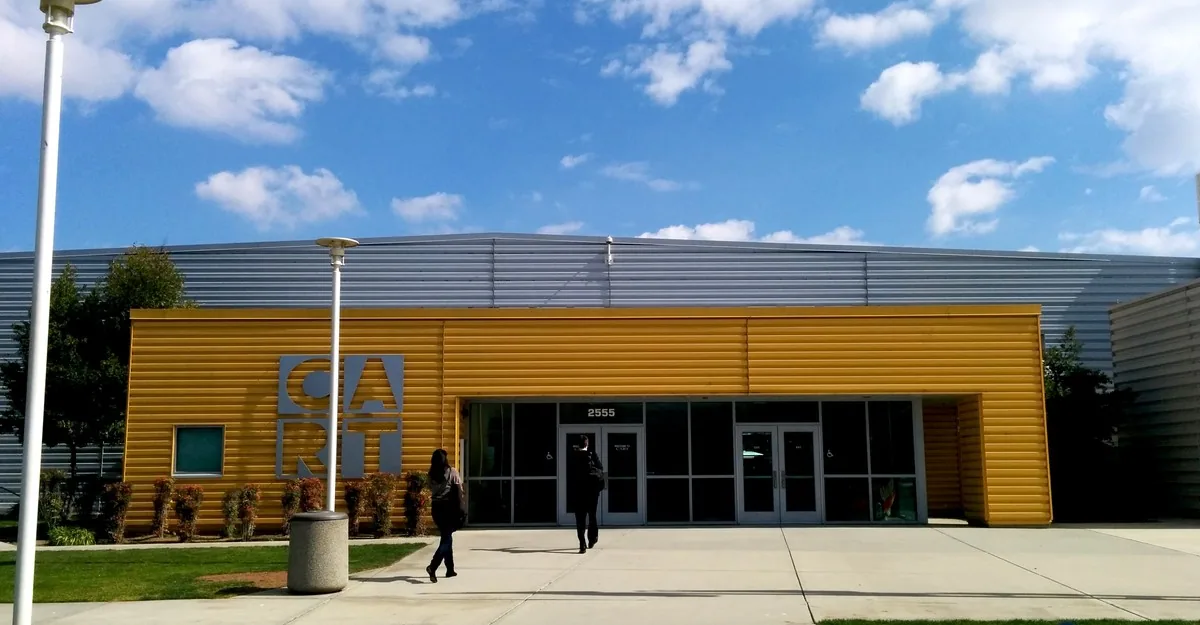
An equipment curb above a leaking room can be difficult to reach without crossing another roof zone. We examine the proposed route with the responsible manager before carrying materials or opening a connection, because an available gate or ladder does not establish permission for the entire property. Where site operations control the area, escort arrangements, material movement and the release of overhead work must be settled with the operator. We keep the intended roofing task separate from the access decision and describe the effect of either constraint on the repair sequence.
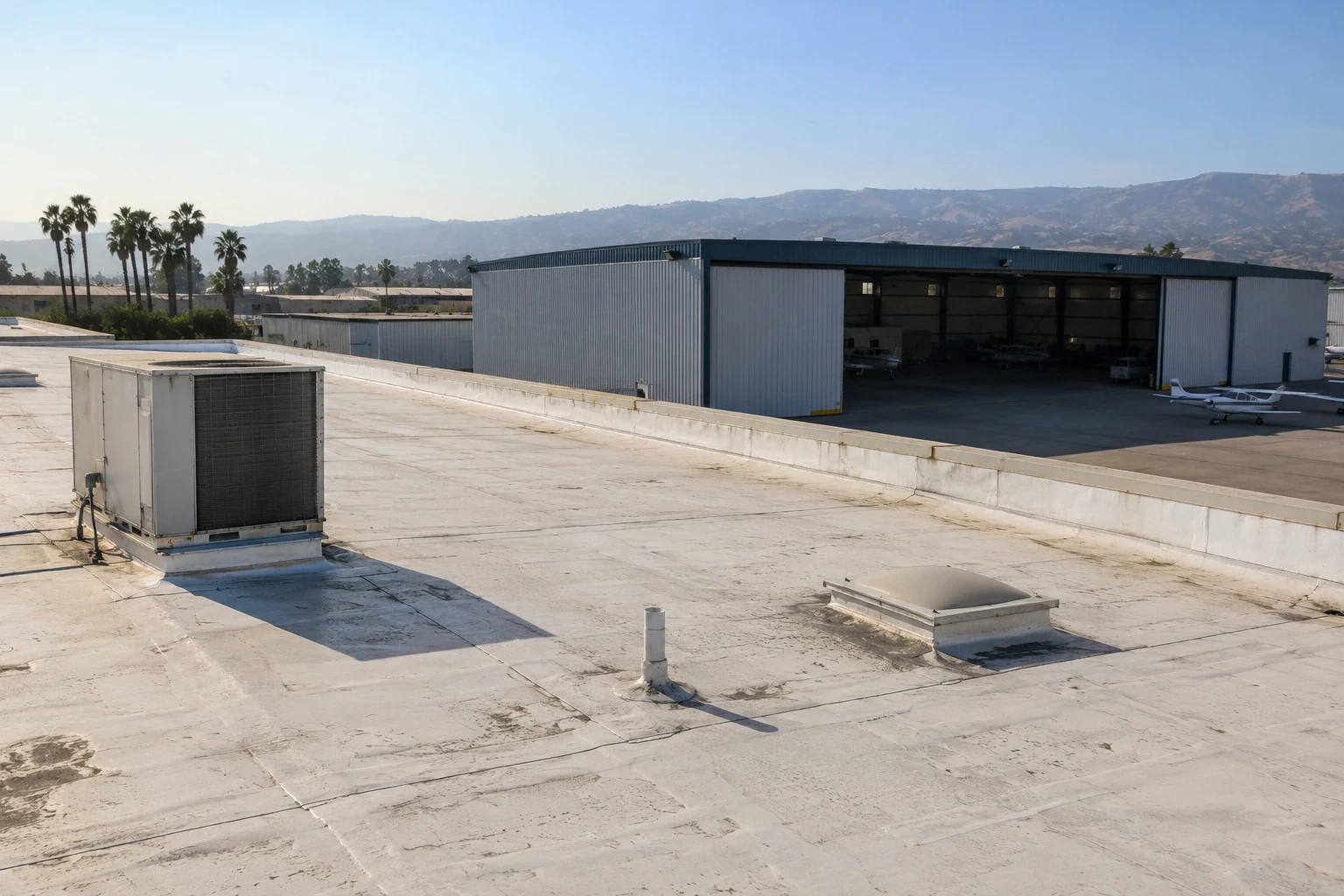
A request for roof work above an aircraft hangar needs its own interior protection and operational review. A broad door opening, tall wall or unusual access height may influence handling, but its dimensions and roof details need examination at that building. Work on a nearby office may instead involve desks, suspended ceilings and rooftop cooling equipment. We can compare those requirements without assigning a roof material to either use, and without treating the a nearby facility’s identity as evidence of an existing roof problem.
A drip beneath an equipment connection
A wet ceiling beside a cooling unit can come from failed flashing, a membrane opening or a mechanical condensate problem. We compare the complaint with the unit location and inspect accessible curb corners, seams and discharge paths. Water may move within the assembly before it appears inside, so covering the point directly above the stain can miss the entry. The first investigation records what is visible, what remains concealed and which trade needs to address equipment drainage. That distinction matters before another layer of sealant is added to the curb.
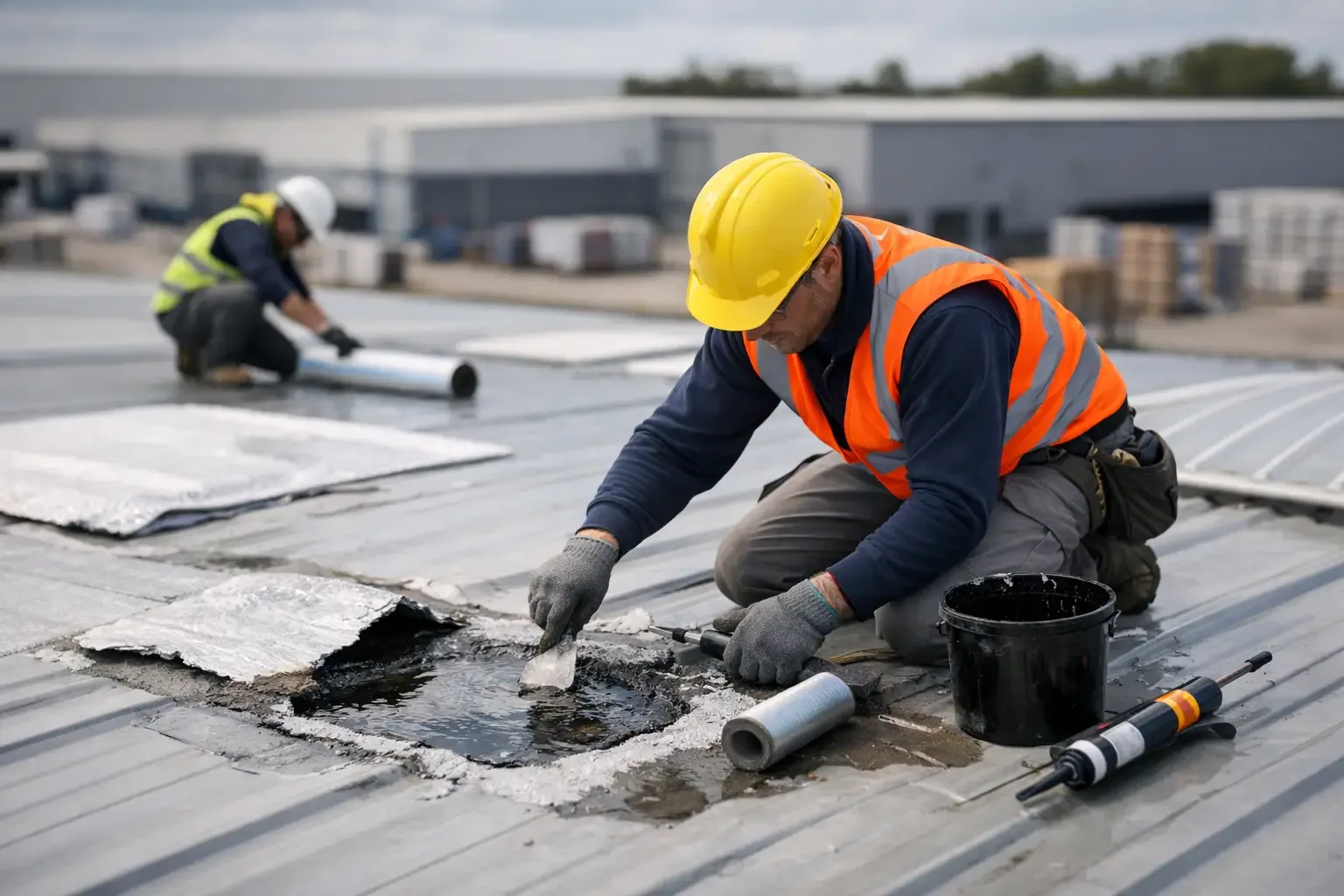
For a confirmed roof entry, a compatible leak repair needs dry, sound material at the connection. An interim closure may reduce exposure while further investigation or access arrangements continue, but loose flashing and wet insulation can require removal beyond the apparent opening. We explain that boundary before permanent work starts. Overnight, weekend and holiday emergencies can be reported to us, with response options established from the conditions and access information rather than a promise of arrival at an unexamined site.
Heat movement and concealed moisture
In the July 2024 Fresno record, 26 days reached triple-digit temperatures, and the month's mean was 90.0 F. That regional heat provides a reason to examine moving connections during a summer complaint, although temperature records cannot establish the condition of a particular roof. Membranes, metal edges and equipment connections can move differently as they heat and cool. We look for separation, stressed corners and damaged attachment rather than assuming a hot roof needs replacement. A cooling complaint alone also needs mechanical evaluation; roof work addresses the assembly condition we can establish.
Where the exposed surface looks serviceable but moisture beneath it remains possible, infrared moisture investigation can help define areas for confirmation. Survey timing and assembly construction affect the readings, and a suspected wet area needs a suitable check before it becomes a removal quantity. Owners with related properties in Fresno can provide earlier reports for comparison, while a separate assignment in Clovis requires its own roof findings. We do not carry a moisture conclusion from one address to another.
Closure details and the next release
A repair that reaches sound material may be practical where deterioration is limited to one connection. Repeated failure across several seams, saturated insulation or unreliable attachment can make a wider replacement zone necessary. We describe those alternatives with their boundaries, compatible materials and protection below, so the owner can compare what each scope actually corrects. Coating cannot restore damaged attachment or make trapped moisture disappear. An overlay likewise needs an acceptable supporting assembly and a drainage review before it becomes a workable option.
The daily closure deserves the same attention as the finished roof. We identify how an opened area will be tied back into the remaining system, where debris leaves the property and who can release the next work zone. Winter tule fog can leave the surface damp into the morning; actual surface and application conditions determine the start of adhesion work. A written record of the roof condition and remaining concerns helps the manager distinguish completed repair from deferred work. After permanent repair, we record the completed connections and any remaining roof concerns so the follow-up visit addresses unresolved items rather than repeating the temporary closure.
Commercial Roofing Questions
Can you assess a building inside a controlled airport area?
Operator authorization governs the visit. We need the assigned building, responsible contact and approved route before confirming access arrangements. A surrounding commercial property can have different requirements, so the terminal address alone does not define the roofing assignment.
Does a hangar drip mean the whole roof needs replacement?
The extent of failed material sets the scope. One open connection may allow a localized repair, while widespread wet insulation or attachment trouble can require a broader scope. We inspect the specific assembly before comparing those alternatives.
Could the unit above the stain be the actual problem?
Condensate routing is a deciding check. We examine roof flashing and visible discharge paths, then distinguish a roofing opening from a mechanical fault. The equipment operator needs to address a drain or unit problem that roofing materials cannot correct.
Can roof opening fit a short operational release?
A short release still needs enough time for a sound tie-in. Access setup, removal, replacement and daily closure all need working time. We discuss a smaller work zone when the available release cannot support the proposed opening.
Will an infrared reading determine the removal area?
Suspected moisture must be checked before marking that boundary. Infrared results help direct investigation but can be affected by construction and survey conditions. We use appropriate confirmation before describing a wet area as material that must be removed.
Identify the airport-area building
Tell us the exact address, room affected, time the drip began and who controls roof access. We will discuss the available response and the protection needed for the assigned work area.
Related Pages
Aircraft Hangar Roofing
Read the full page
Commercial Roof Leak Repair
See how we handle it
Infrared Roof Moisture Survey
Scope, sequence and repair notes
Fresno
Read the full page
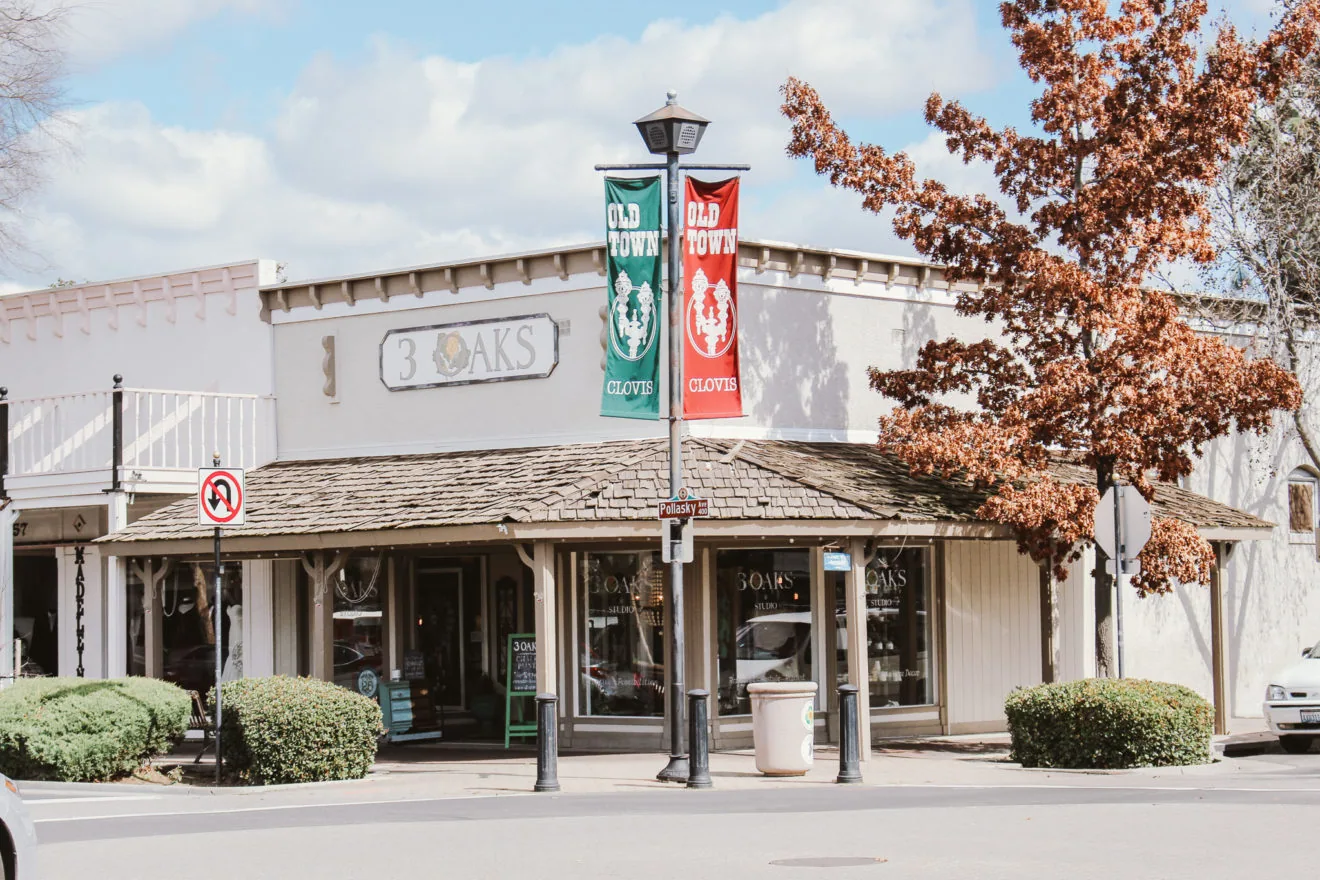
Clovis
See how we handle it
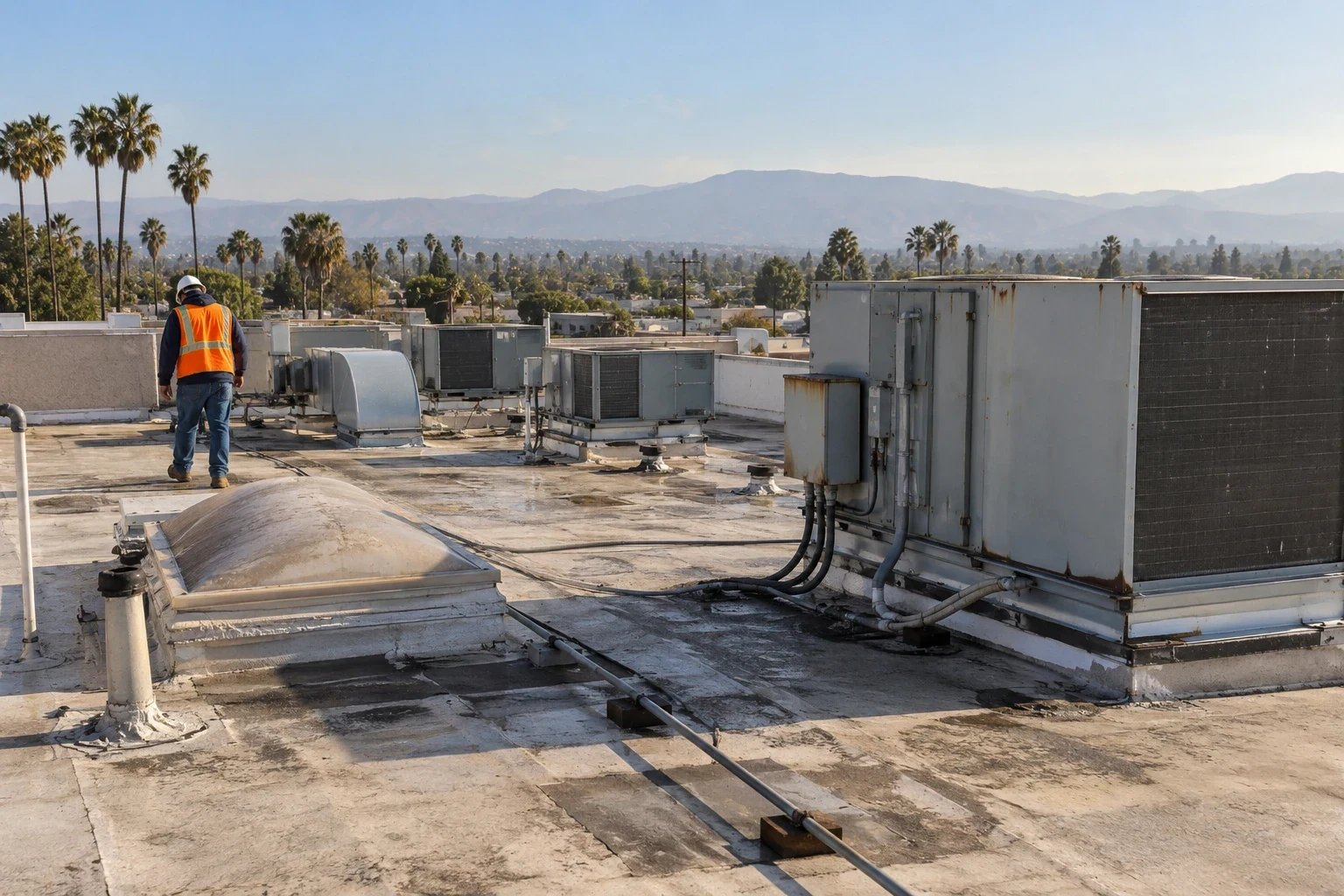
Roof Condition Records and Repair Planning
Scope, sequence and repair notes