
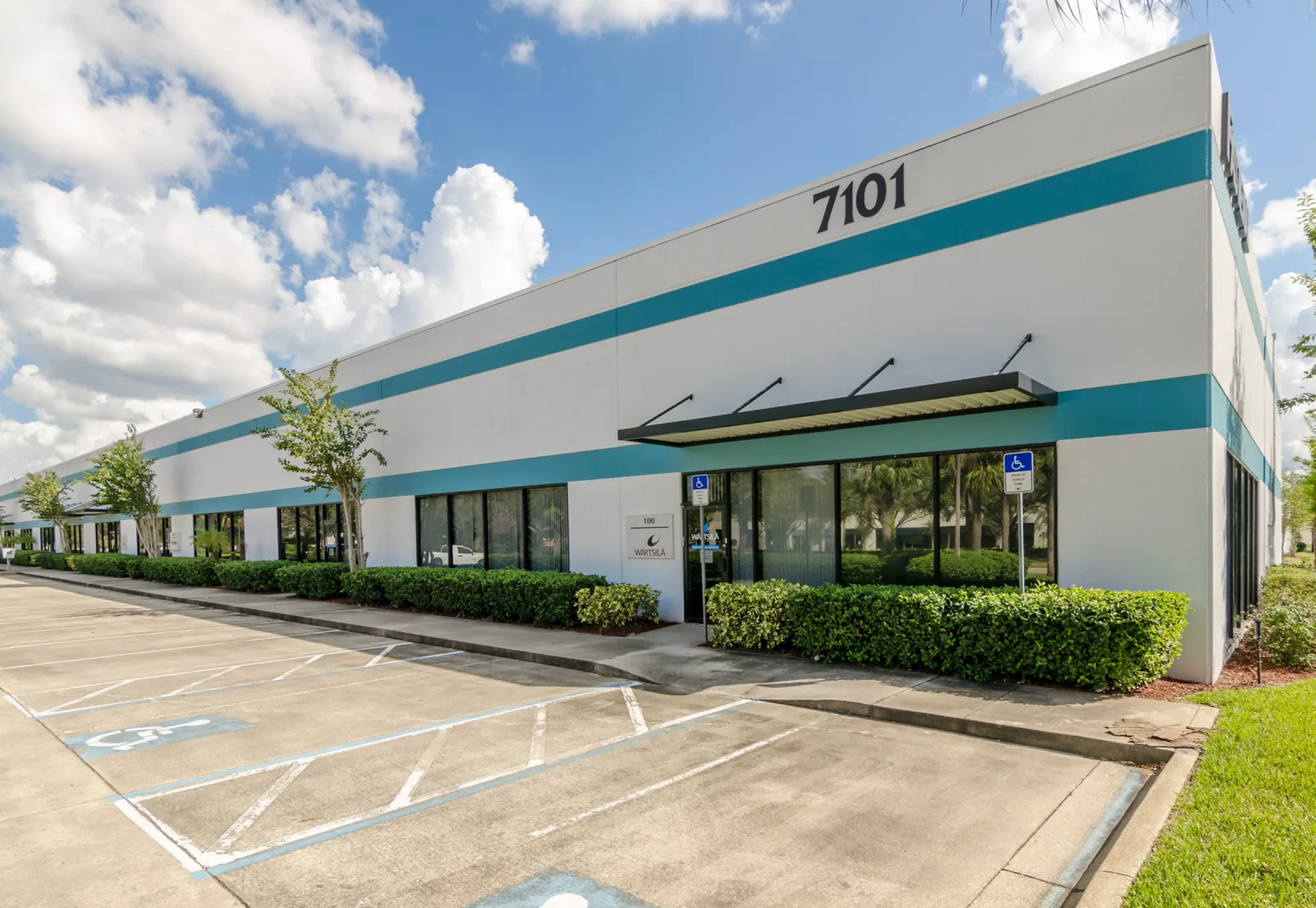
Fitness Center Roof Repair in Clovis, CA
Property Types We Roof
Rainwater reaching an exercise floor before a scheduled class can force a fitness center to close the affected area while the roof entry is investigated. Fitness center roof repair in Clovis, CA, begins with the room, the timing of the water and the access that management can release. We examine the supported roofing connection and propose suitable protection, while staff decide member circulation and equipment movement. A stopped drip does not by itself authorize reopening a room with wet finishes or electrical exposure.
Fitness operators in Clovis may share a commercial property with retailers and restaurants. Member entrances, class schedules, locker rooms, pools and exercise equipment create separate work-planning needs. Confirm which tenant area and roof section are affected before selecting a lift route or work window, and coordinate noise or odor controls with the operator. A shared roof does not mean each tenant has the same access authority.
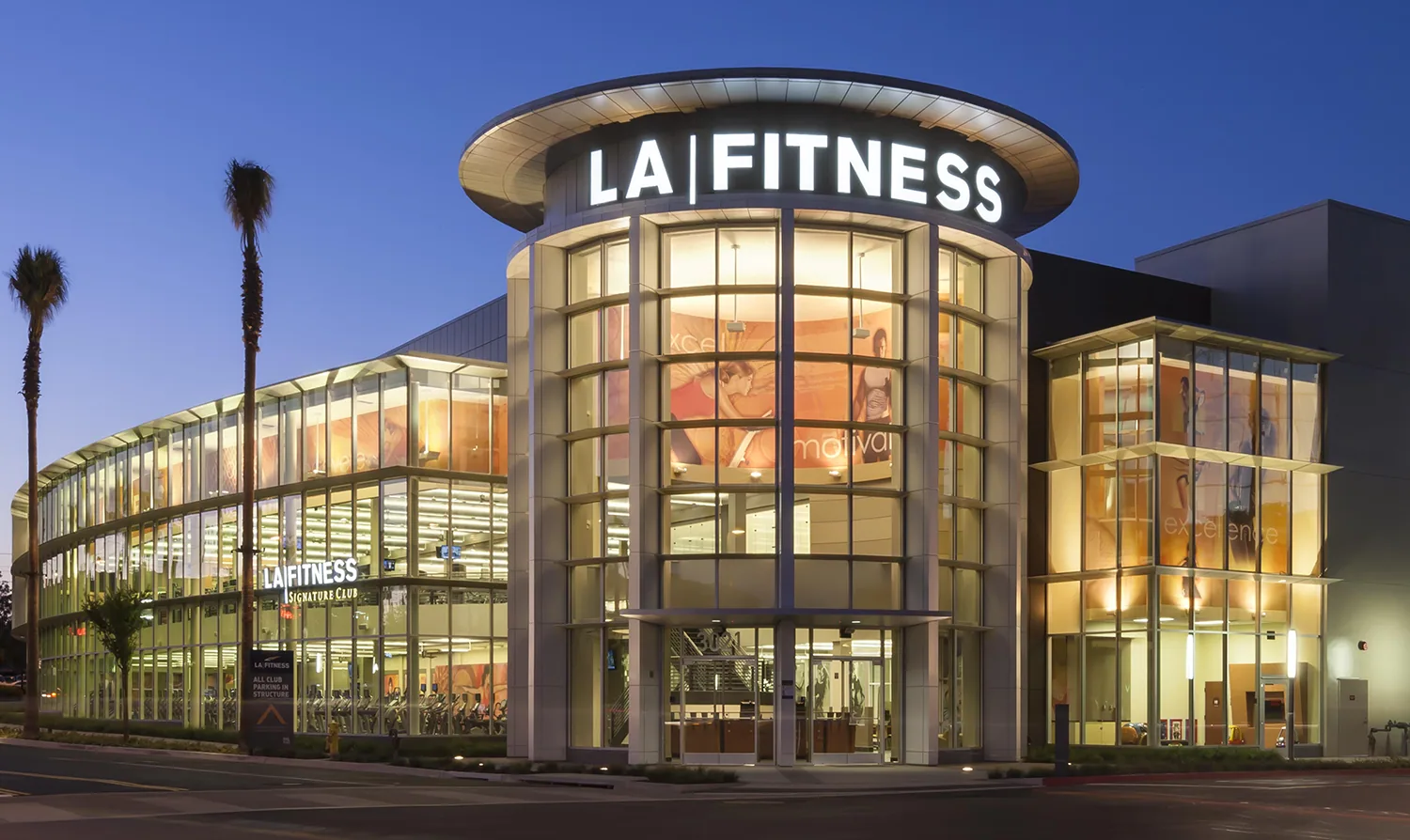
Exercise floors beneath the work area
A wet floor can remain an operational concern even after the roof entry has been temporarily reduced. Management controls barriers, classes and return to use, with appropriate assessment of interior materials and equipment. We describe overhead exposure, debris handling and the proposed closure method so those decisions address the real task. Ceiling grids and lighting may conceal damage, and roof personnel cannot establish that an affected electrical installation or exercise machine is ready for use.
Facilities containing treatment or medical office rooms may need separate releases from their exercise areas. A location within a shopping center may also have landlord-controlled roof access. We identify who can grant permission for examination and who approves construction. Those roles should be settled before equipment is staged, because a tenant request alone may not authorize opening the owner's roof or moving material through a shared entrance.
A fitness property in the Blackstone Avenue Commercial Corridor may need access coordinated around classes, locker areas and rooftop mechanical equipment. If the operator also manages a Clovis Avenue location, the facilities team should provide separate shutdown contacts and approved work windows for each roof.
Cooling equipment and competing water paths
Water near a rooftop unit can come from a roof detail or an equipment discharge problem. We compare the timing with rainfall, inspect the accessible curb and adjacent field, and identify mechanical conditions that need separate service. A cooling complaint during heat also deserves equipment assessment rather than an automatic roofing diagnosis. Closing a seam will not correct a blocked condensate line, and equipment service will not restore a deteriorated membrane connection.
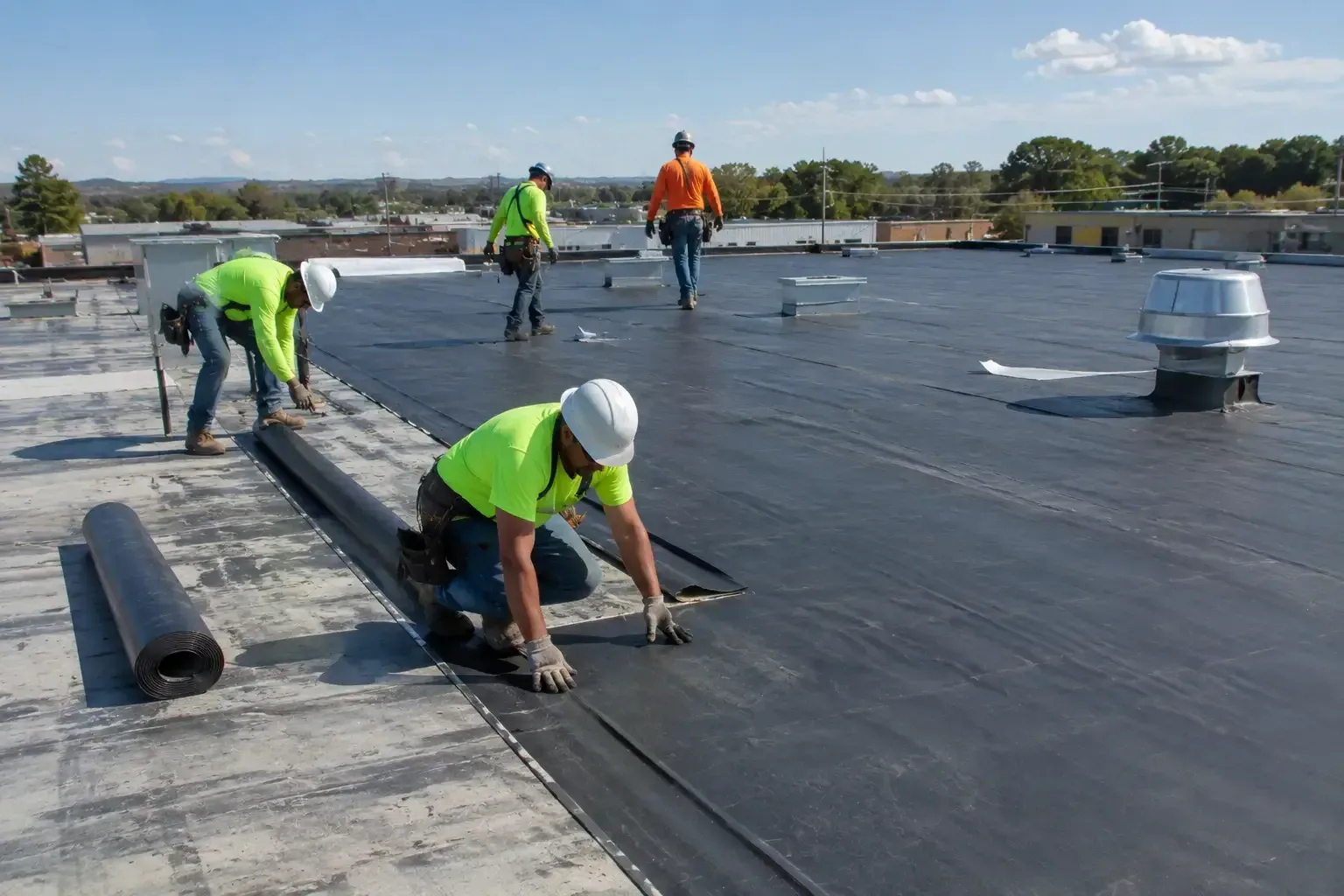
For curb flashing and equipment support work, the permanent connection needs compatible materials, secure termination and a sound base. Equipment movement or support alteration may require additional permission and review. We explain that coordination before removal starts. The owner receives the roofing observations and the limits of the proposed repair, letting mechanical personnel address their part without the roof task promising performance of the ventilation or cooling system.
Heat movement and damp morning surfaces
Twenty-six triple-digit days contributed to Fresno's July 2024 heat conditions, with a monthly mean temperature of 90 F. That regional history supports inspecting movement at roof joints, without proving damage to a particular fitness center. The Central Valley's tule fog can develop during the hours after sunset and reach peak thickness before dawn. During repair, we check the actual surface and application requirements rather than assume that warming air means a seam is dry enough to receive a lasting bond.
A permanent repair to an identified gym roof entry follows preparation and moisture confirmation. Temporary protection can be useful while conditions prevent the final connection, but its location and follow-up need to be stated. A fitness center in Clovis can then schedule against the actual construction status. We receive urgent requests after hours and during holidays, with response options communicated against safe access and the conditions at the building.
Class releases and daily construction limits
A gap between classes may allow examination without providing enough time for roof removal and closure. We compare the available period with setup, protection, material handling and the stopping detail. Management identifies classes or rooms that can be released, while the owner confirms roof construction permission. Sound and odor from a proposed method also need review before a class schedule is treated as compatible with the task.
During reroofing above active fitness spaces, the released work zone controls how much assembly can be opened. Repeated setup and temporary tie-ins may increase labor when releases are short or interrupted. We explain those costs before the owner compares schedules. A larger daily area should follow a larger workable release, not an assumption that people can use the affected space while roofing debris or incoming water remains an unresolved exposure.
Repair extent beyond the ceiling mark
A localized dry opening can support a focused repair, while wet insulation or weak attachment may require removal beyond the visible entry. We assess the assembly and identify the confirmation needed before recommending recover, restoration or replacement. A coating cannot establish a dry base or correct every failed curb connection. The owner needs the condition that changes the recommendation, together with the preparatory work required to make the selected method suitable.
At completion, the record identifies repaired details, the permanent materials and any work left temporary. Interior conditions require their own assessment, and management decides the return of the affected class or equipment area. Maintenance can then target outlets, equipment routes and vulnerable details actually present on the roof. Keeping those locations identifiable helps distinguish a later complaint from the repaired connection, instead of treating every new wet mark as proof that the entire roof needs replacement.
A relocated exercise machine may change the access available beneath an open roof zone. We confirm the protection boundary at the start of the released period and communicate any new conflict before proceeding. Management can then adjust the room use against the actual task, instead of assuming that the previous class release still describes the current space.
Before reopening an affected room, the operator confirms interior cleanup and equipment readiness while the roofing team verifies the permanent exterior detail. Record these responsibilities separately so the facility can resume classes without losing track of an unresolved roof observation.
A fitness center may need separate coordination for a weight room, pool, studio and locker area beneath the same roof section. Confirm whether ceiling access or equipment movement is necessary before setting the work boundary, and let the operator determine when members can return to the space. Chlorinated air or humidity can also affect nearby metal and sealant conditions, which should be inspected rather than presumed from the room use. Keep the permanent roof repair and any interior cleanup as distinct tasks, then provide a clear closure status the manager can use when planning classes.
Commercial Roofing Questions
Can classes resume as soon as the roof patch is installed?
The interior condition and management release decide that. A patch reports the status of an identified roof entry, not the suitability of wet flooring, ceilings or electrical equipment. We communicate the protection limits so the appropriate room assessment can proceed.
Does water near a cooling unit mean the curb is leaking?
Rain timing and the observed water route matter. We inspect the curb and adjacent membrane while identifying any equipment discharge concern for mechanical service. Proximity to the unit alone cannot assign the leak to one component.
Can a fitness tenant authorize roof removal?
The property authority and lease arrangements govern permission. We confirm who can release the roof and the affected interior before construction. A tenant can report a complaint without necessarily controlling the roof assembly or shared material route.
What changes the price of repair above a class studio?
Protection and release periods can change the labor even when the roof defect is small. Wet material removal, repeated setup and a temporary stopping detail add work. We describe those obligations so the owner compares equivalent repair boundaries.
Describe the room and class interruption
Call with the affected exercise area, water timing, equipment nearby and contact who can arrange roof access. We will explain the available investigation response and protection before permanent repair is scheduled.
Related Pages
Medical Office Roof Repairs With Room Protection
Read the full page
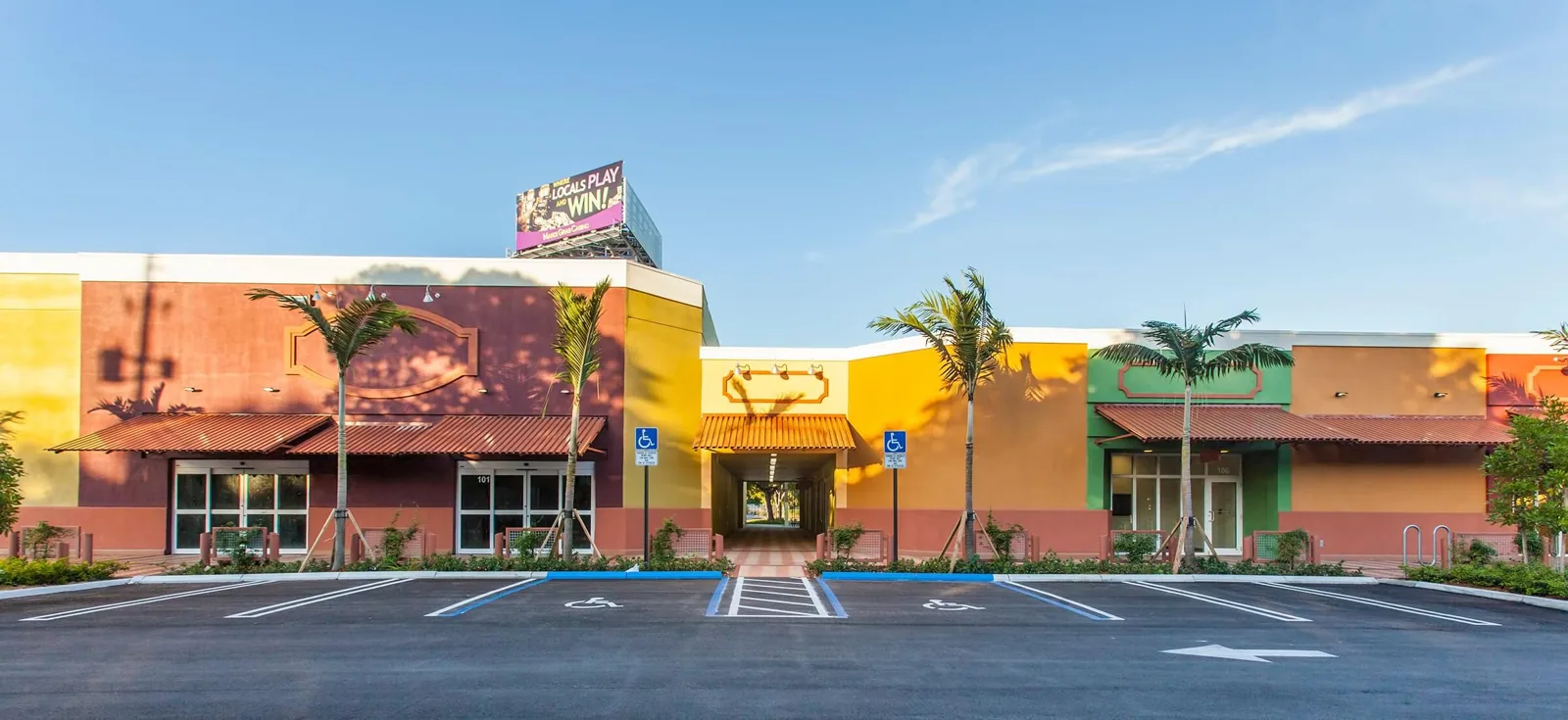
Shopping Center Roof Repairs Across Lease Boundaries
See how we handle it
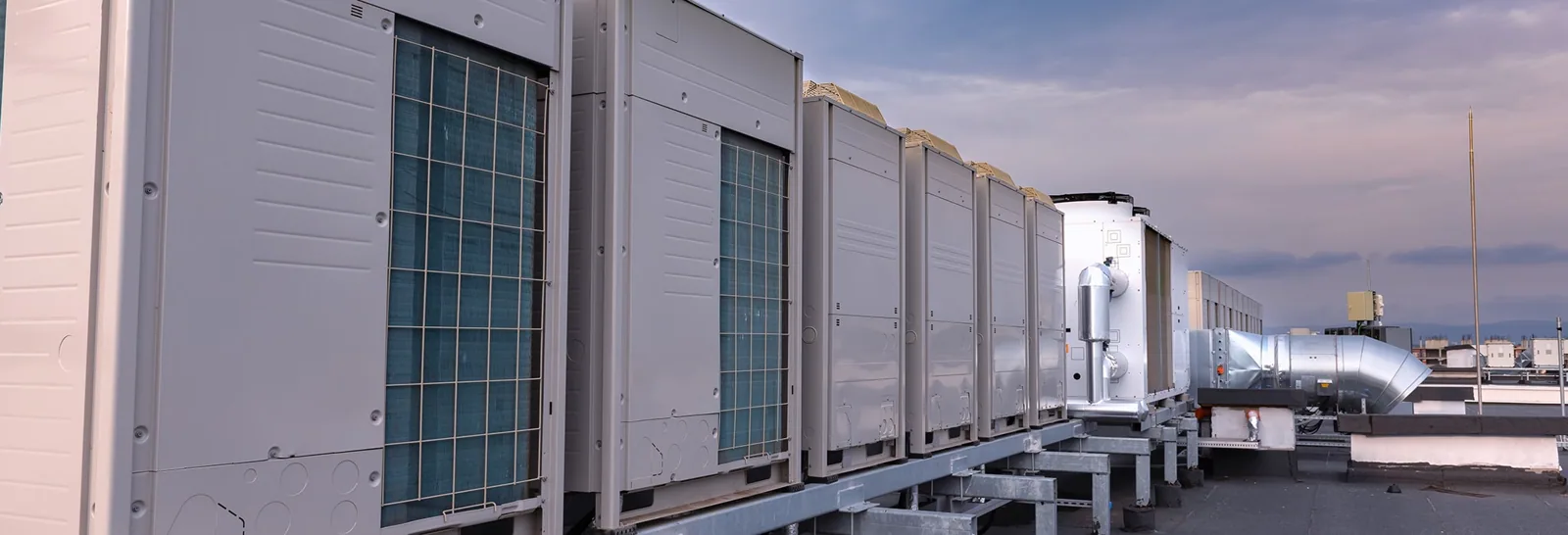
Rooftop Equipment Curbs and Supports
Scope, sequence and repair notes
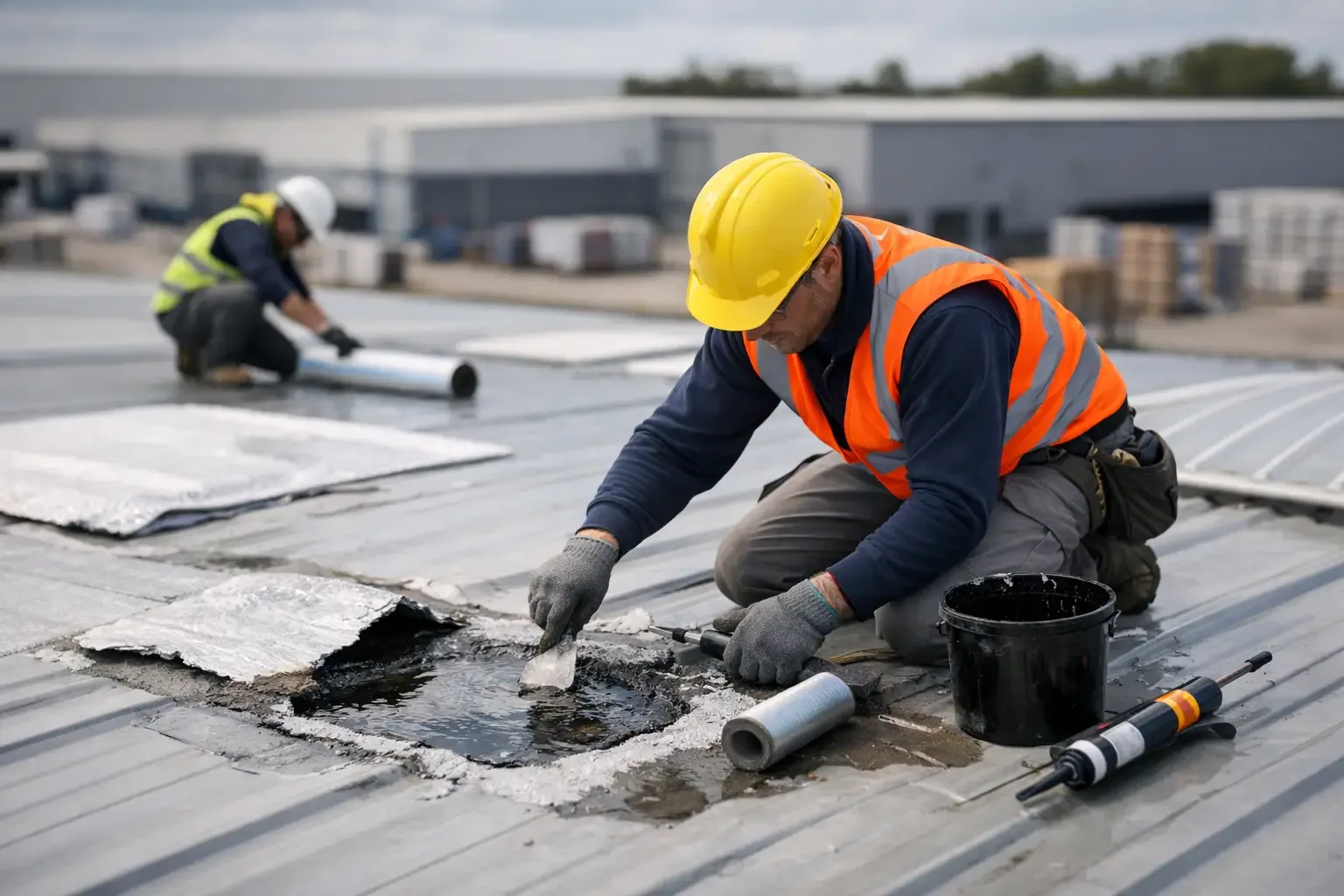
Commercial Roof Leak Repair
Read the full page
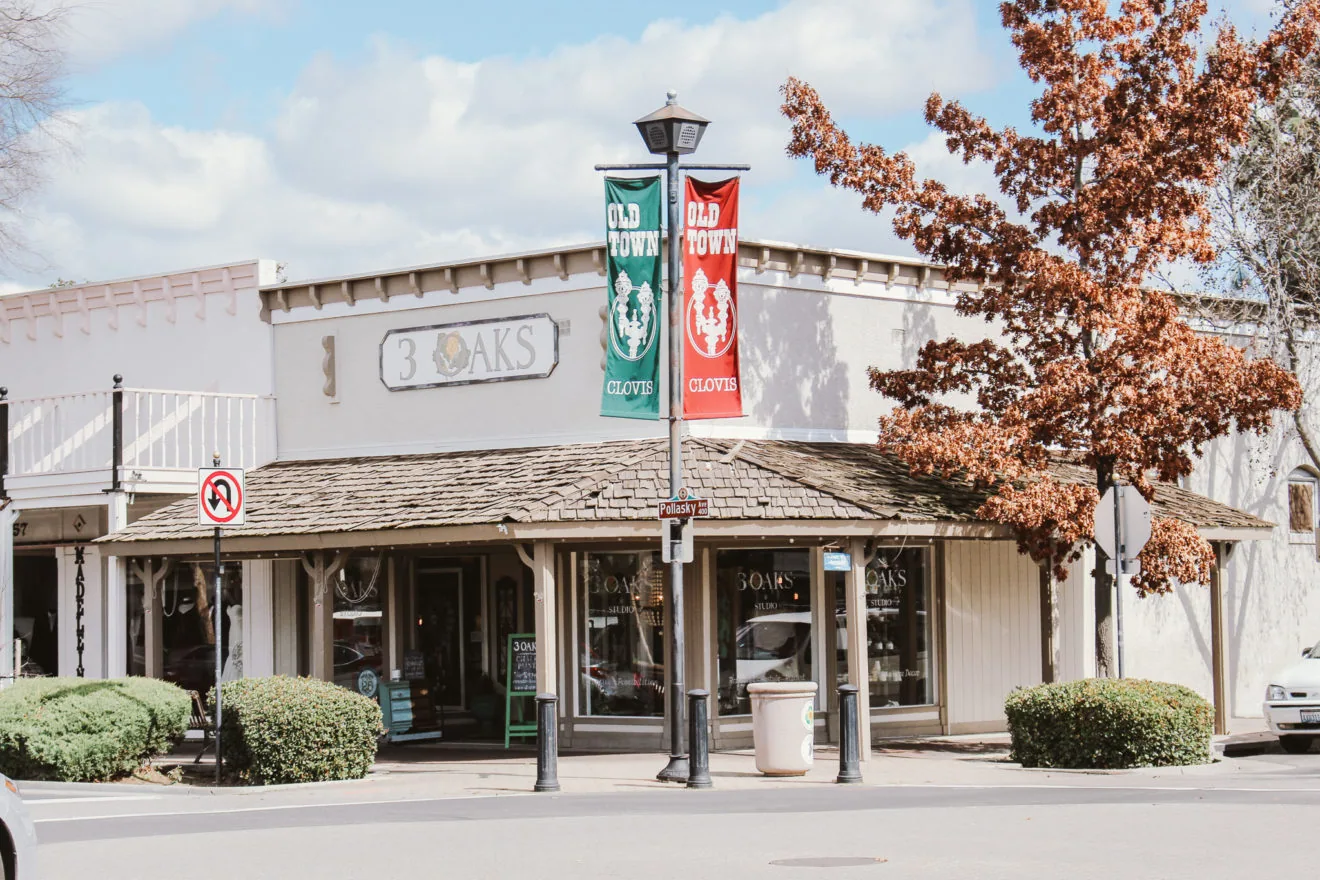
Clovis
See how we handle it
Occupied Building Reroofing
Scope, sequence and repair notes