
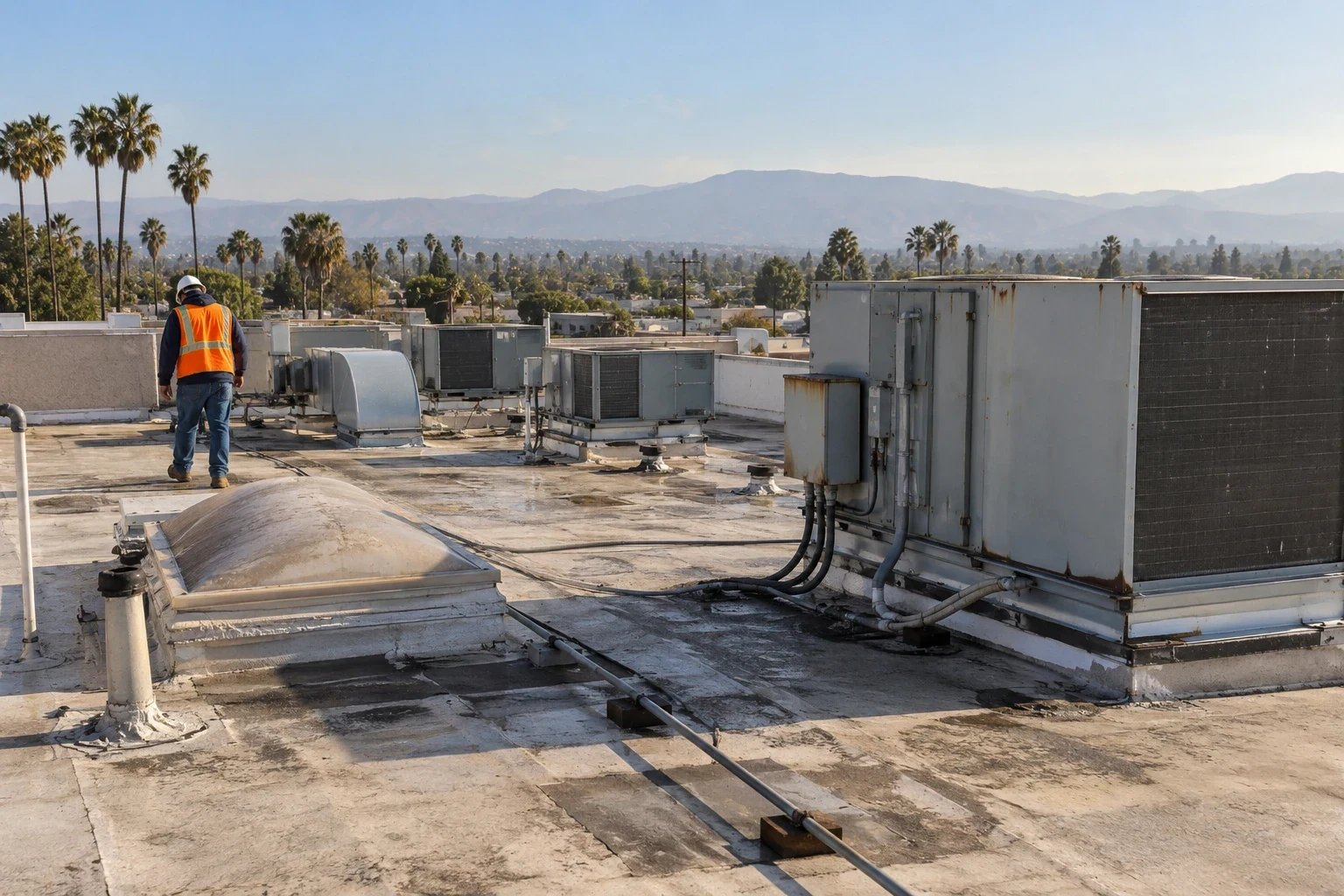
Roof Condition Records and Repair Planning in Clovis, CA
Roofing Capabilities
A ceiling mark that returns during winter rain can leave an owner unsure whether the earlier repair missed the entry point or whether another detail now needs attention. A useful condition report begins with that uncertainty and records what the roof examination can establish. We prepare commercial roof condition reports in Clovis, CA, connecting the reported loss to identified roof areas, examined details and the next work decision. The record should help the owner authorize a suitable correction without treating an incomplete view as a complete diagnosis.
Our examination starts with the building contact, safe access and the concern that prompted the visit. Where active entry needs a feasible temporary measure, we identify it separately from the permanent repair recommendation. The written findings retain the location, purpose and remaining investigation so a stopped drip does not erase an unresolved question beneath the covering.
The marked location
A photograph of a roof opening needs a location that another person can find later. We relate the detail to a roof drawing or a clear building reference, identifying the inspected area and the path used to reach it. A repaired curb, adjoining field membrane and nearby outlet should have separate identifiers where their conditions support separate decisions. That distinction matters when a later complaint appears in the same room but may involve a different roof connection.
The interior account also belongs with the roof findings. Record when water appeared, whether it continues and any known service work near the affected area, without assigning cause from timing alone. A hands-on examination of the roof details compares those observations with accessible construction. The report should preserve the difference between an owner-reported symptom and a condition found during the roof visit.
The examination coverage
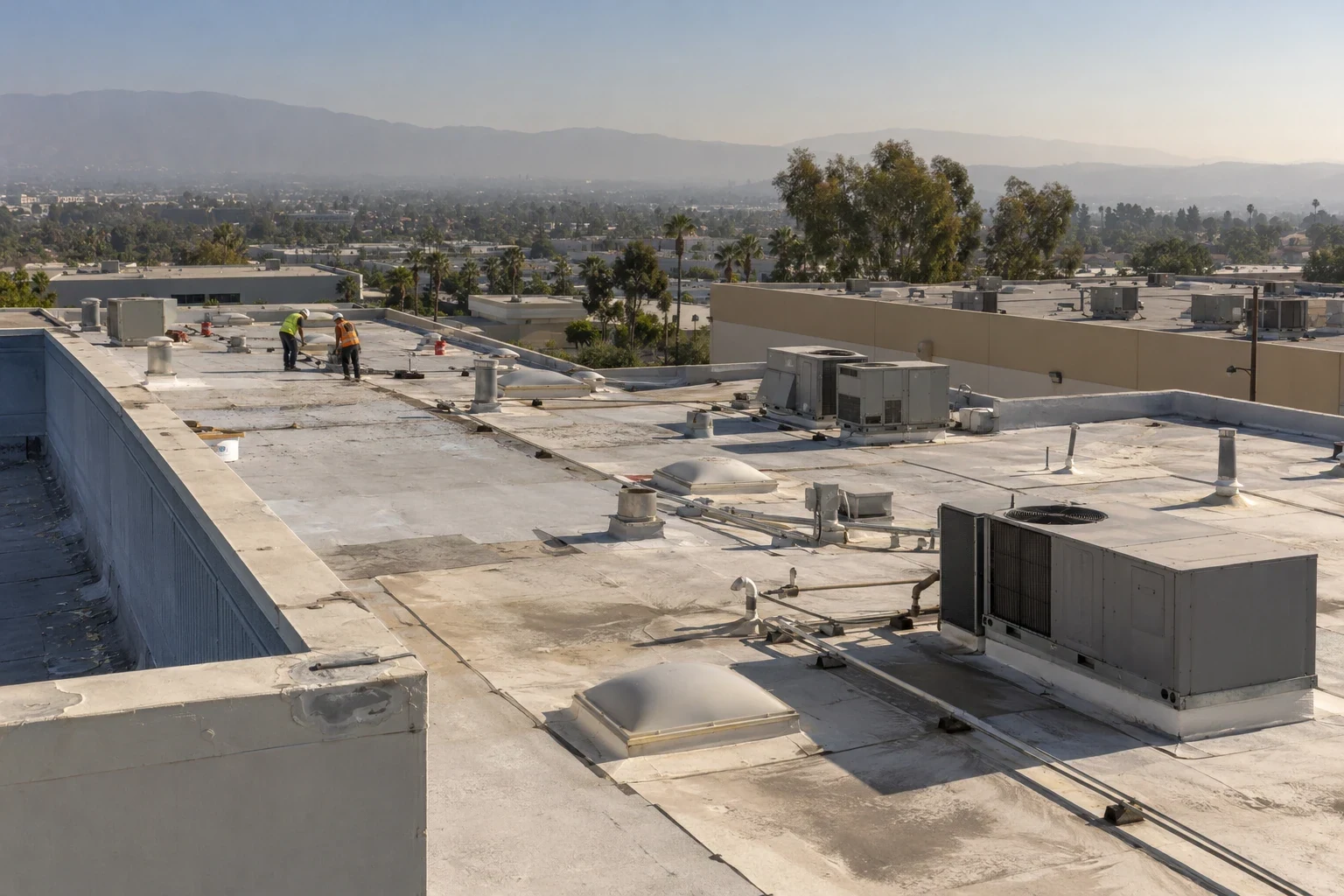
A locked entrance or unsuitable walking surface can leave part of the roof beyond the examination. We identify the limitation and explain which conclusion it affects, including the permissions or access method needed for a later visit. A visual observation can describe an exposed connection, but it cannot establish concealed insulation condition by itself. Where an authorized opening is needed, its location and the layers it establishes should remain with the record of its compatible closure.
Thermal screening for investigation areas can help choose where to examine further under suitable conditions. We retain the method and limitations alongside the confirmation that supports a material finding. An image should not become a whole-roof removal quantity without appropriate evidence. The report gives the owner the next investigation needed to reduce uncertainty before a broader repair or renewal is authorized.
The connection and its correction
An open seam requires more information than its visible length. We identify the membrane, surrounding receiving material and preparation needed for a compatible connection. A puncture above sound layers can support a local repair, while unsuitable material beneath the opening may change its boundary. For a curb or wall, the examination also needs the vertical flashing, termination and attachment considered together, rather than record only the surface finish at the base.
Our flashing correction recommendations describe the affected component and the construction that can receive the repair. Drain findings distinguish debris, a damaged connection and a downstream piping concern. Roofing and outside trade tasks should retain separate responsibilities. The written method must show why the proposed work addresses the examined defect, including further investigation where the condition remains concealed.
The authorized expenditure
A replacement recommendation needs evidence for the wider intervention, not just a collection of isolated defects. We connect the observed condition to the proposed preparation, removal and retained layers, identifying which findings support repair and which call for a broader assembly assessment. Planning the larger roof expenditure can then use the condition record without converting uncertain areas into fixed quantities.
An owner comparing proposals needs the same repair boundary, access assumptions and protection sequence reflected in each method. Concealed-condition allowances should identify the measurement and authorization process that will support a change. A lower total may reflect less preparation or different operating release limits. The report should make those differences understandable, so the next approval addresses the actual work rather than a number separated from the assembly findings.
The occupied work area
Clovis Community Medical Center on Herndon Avenue identifies a local healthcare setting where the space below the work affects the release decision. For an actual assignment there, its operator establishes required handling routes, room protection and coordination. Another commercial premises has its own requirements. We keep those operating instructions with the affected roof area instead of assuming that a common building use provides a common construction release.
A report supporting work above occupied space needs the proposed opening size and daily closure described. Lifting, waste handling and equipment service may also need separate permission or a responsible outside trade. We identify those dependencies before treating the repair recommendation as ready for mobilization. An examination for an ownership decision retains the same access limits, with the transaction timing added to the question the owner needs resolved.
The next exposure
The July 2024 count of triple-digit days reached 26 in Fresno. That nearby regional heat history supports attention to exposed movement details, while the actual roof examination establishes whether a particular connection needs correction. Central Valley winter tule fog can change visibility and surface dampness during a visit. We document relevant conditions where they affect access, testing or preparation instead of assigning a material finding from the season alone. Keep the visit date and relevant conditions with the photographs so a later examination can distinguish a changed detail from a different observation method.
The next visit should compare the same identified areas with completed repairs and outstanding tasks. Continuing roof work records retain that sequence across maintenance and renewal decisions. At completion, photographs and material information should identify the accepted correction separately from remaining investigation or outside work. Owners arranging a condition review in Clovis can use the report to approve the next task and later check whether that task addressed the documented concern.
A strong condition report states when and how the roof was examined, the areas accessible, the observed assembly and the limits of the investigation. Mark each finding to a recognizable location and pair it with a photograph that shows both detail and context. Separate active leakage, deferred maintenance and suspected concealed damage so the owner can assign the right next step. If a conclusion depends on opening a roof section, say so rather than infer what lies below. This record helps facilities staff coordinate repairs and compare future observations on a consistent basis.
Commercial Roofing Questions
Can a condition report describe an inaccessible roof area as sound?
Missing access remains a limitation. We identify the conclusions it affects and the entrance or method needed for further examination.
Does a thermal image establish the removal boundary?
Appropriate confirmation must support the affected-layer finding. Screening can direct investigation without measuring every concealed component.
What helps connect a later leak complaint to an earlier repair?
The same building and detail identifiers should stay with photographs and completed work. We examine other possible paths rather than assume the previous correction failed.
Should an unresolved pipe concern appear as roof work?
The responsible trade and investigation belong beside that concern. Roofing corrections remain distinct from downstream piping tasks.
What makes a repair recommendation ready for ownership?
Condition evidence, the proposed boundary and operating dependencies should support the method. Concealed quantities need an identified measurement and approval process.
Describe the concern and the decision it leaves open
Give us the address, affected space and available roof records. We will establish the examination and prepare findings that support the next authorized task.
Related Pages
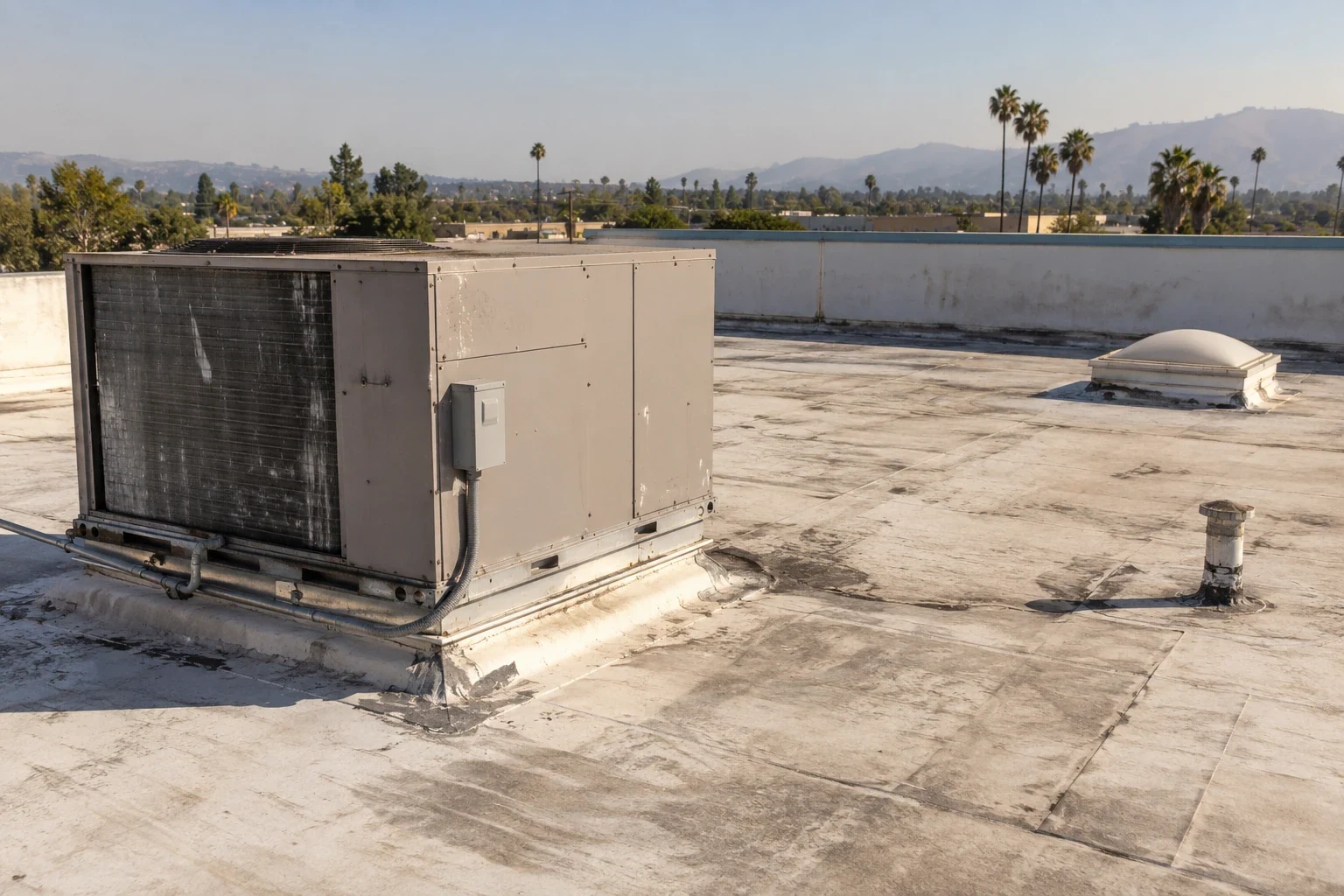
Commercial Roof Inspection
Read the full page
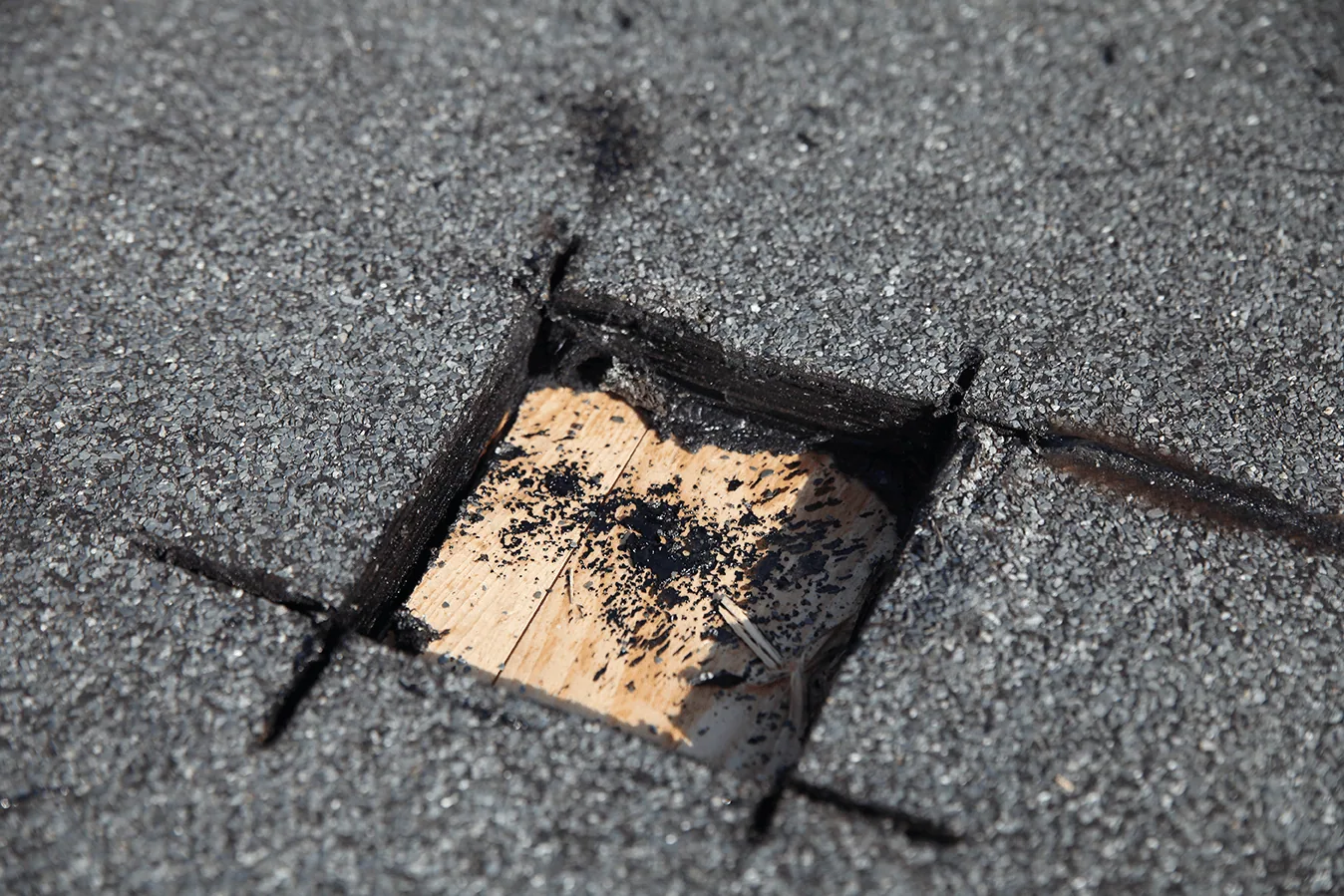
Infrared Roof Moisture Survey
See how we handle it
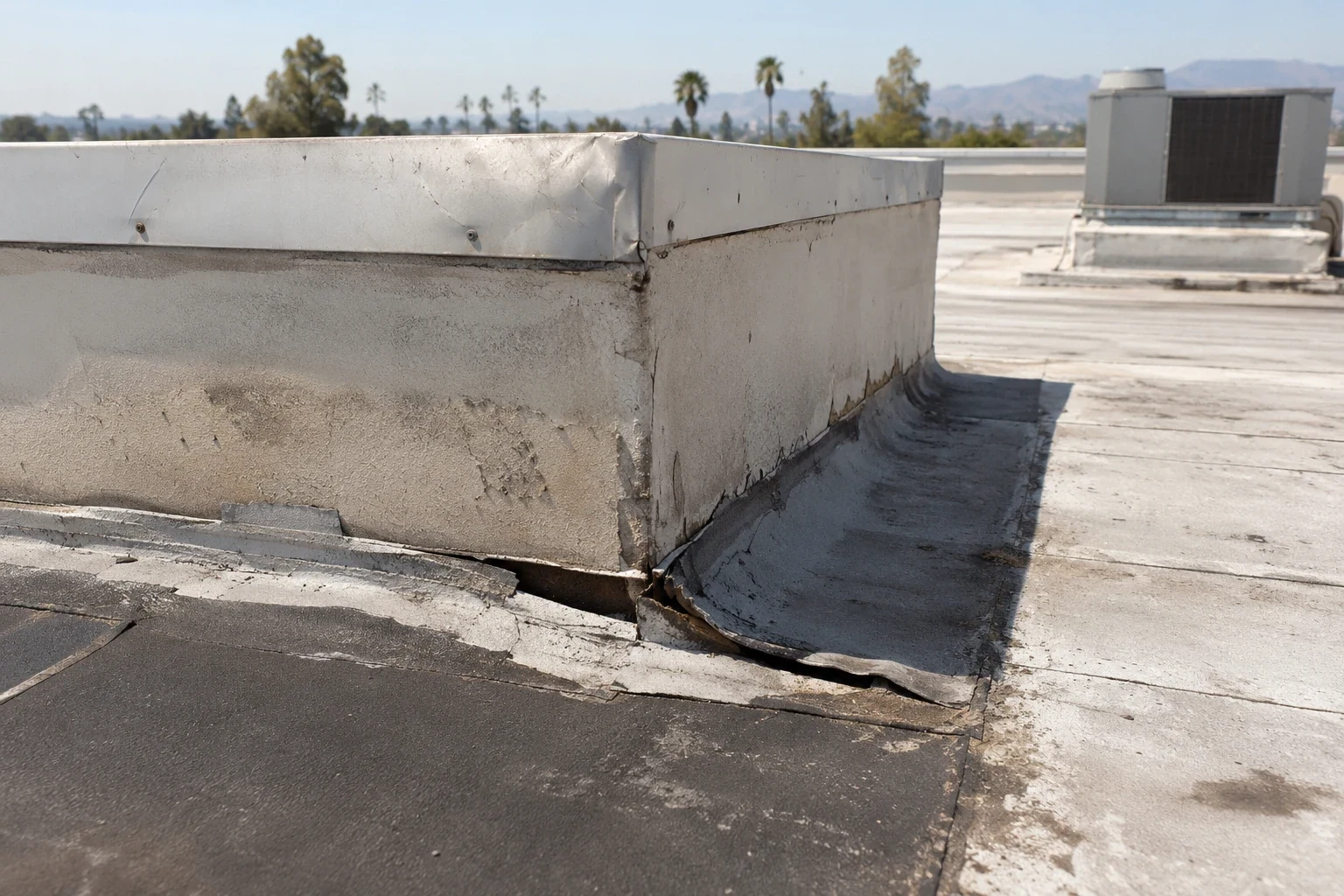
Flashing Failure Investigation in Clovis at Roof Transitions
Scope, sequence and repair notes
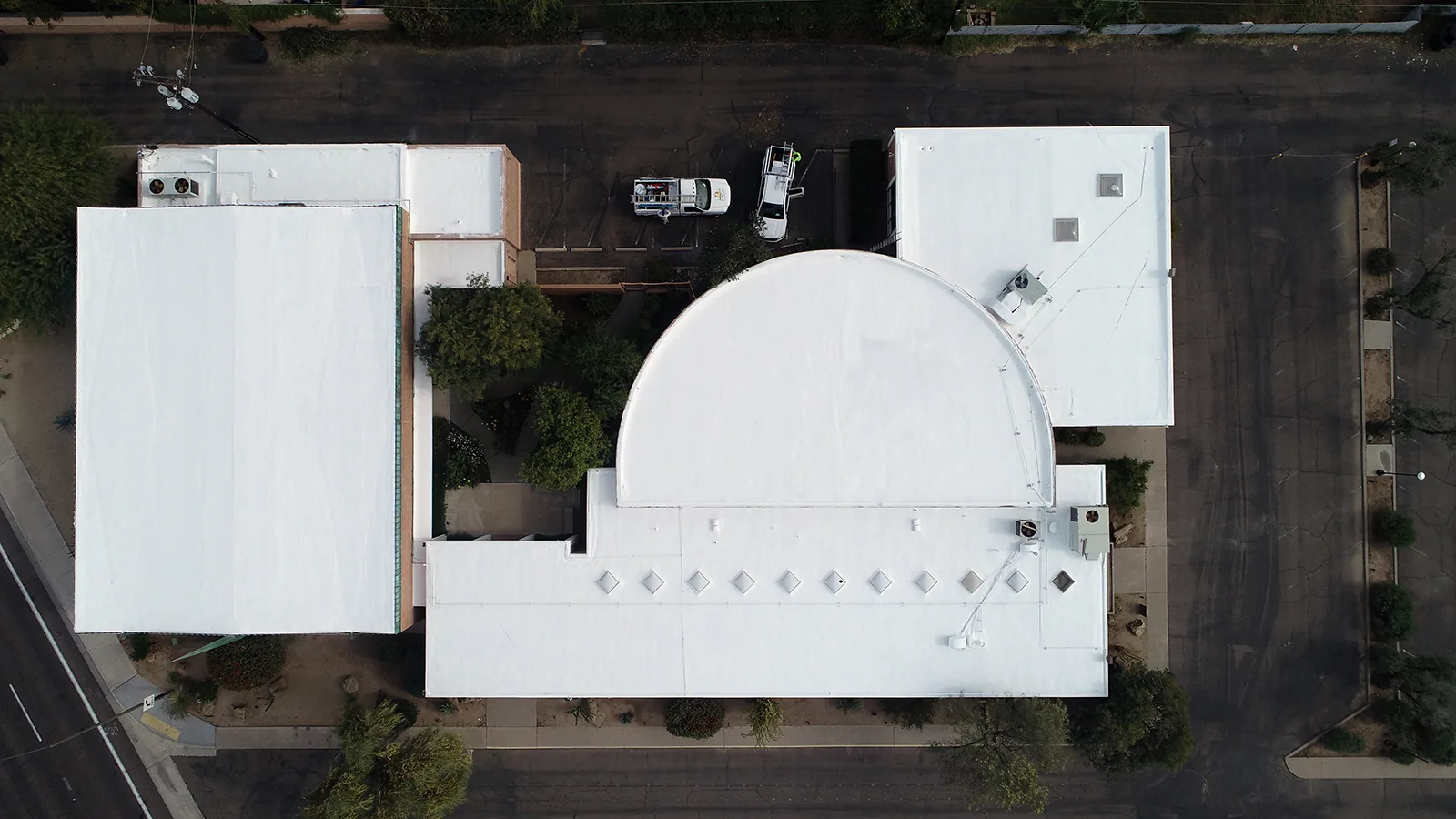
Roof Renewal Decisions and Work Planning
Read the full page
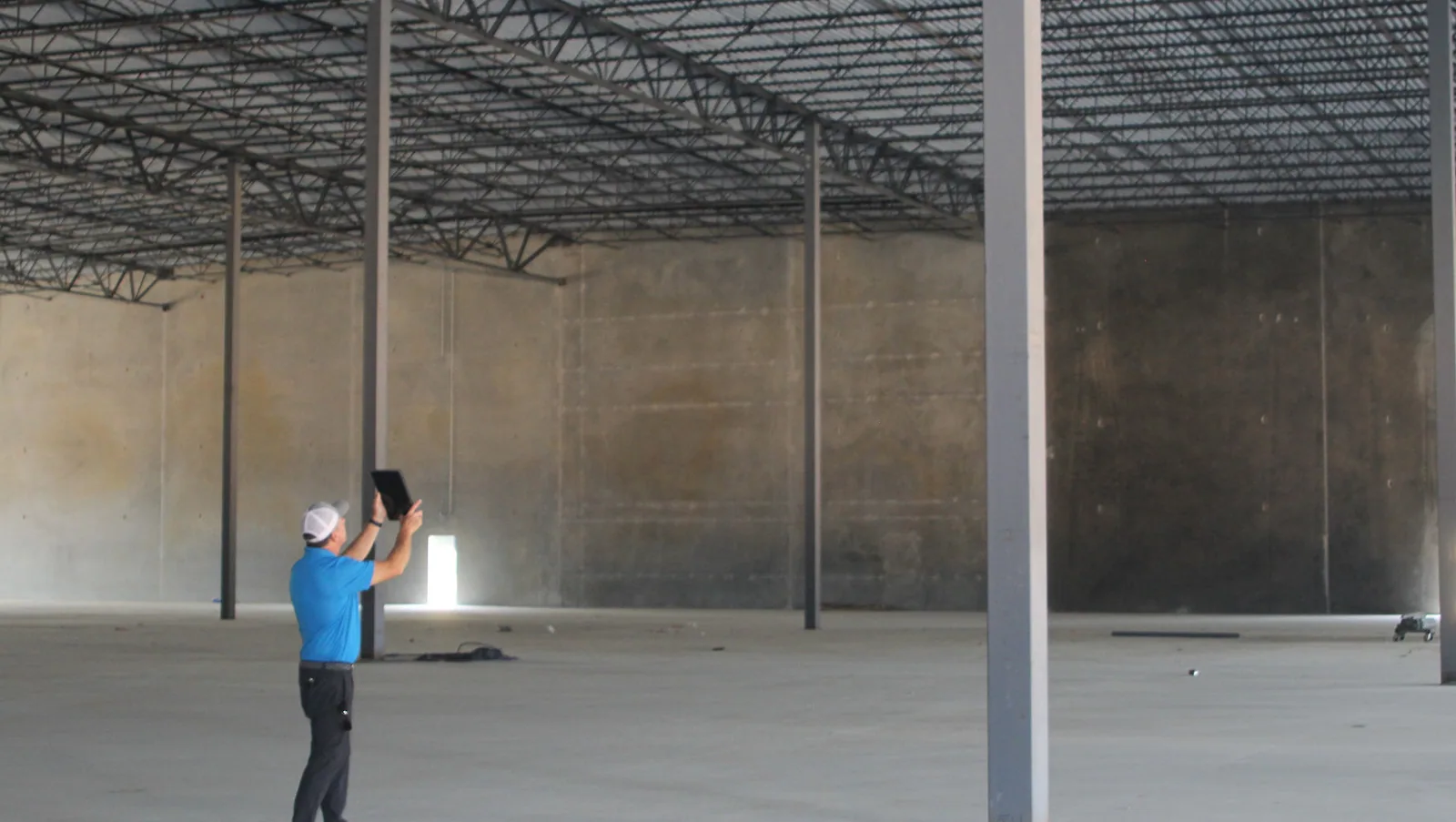
Roof Condition Assessment Before Purchase
See how we handle it
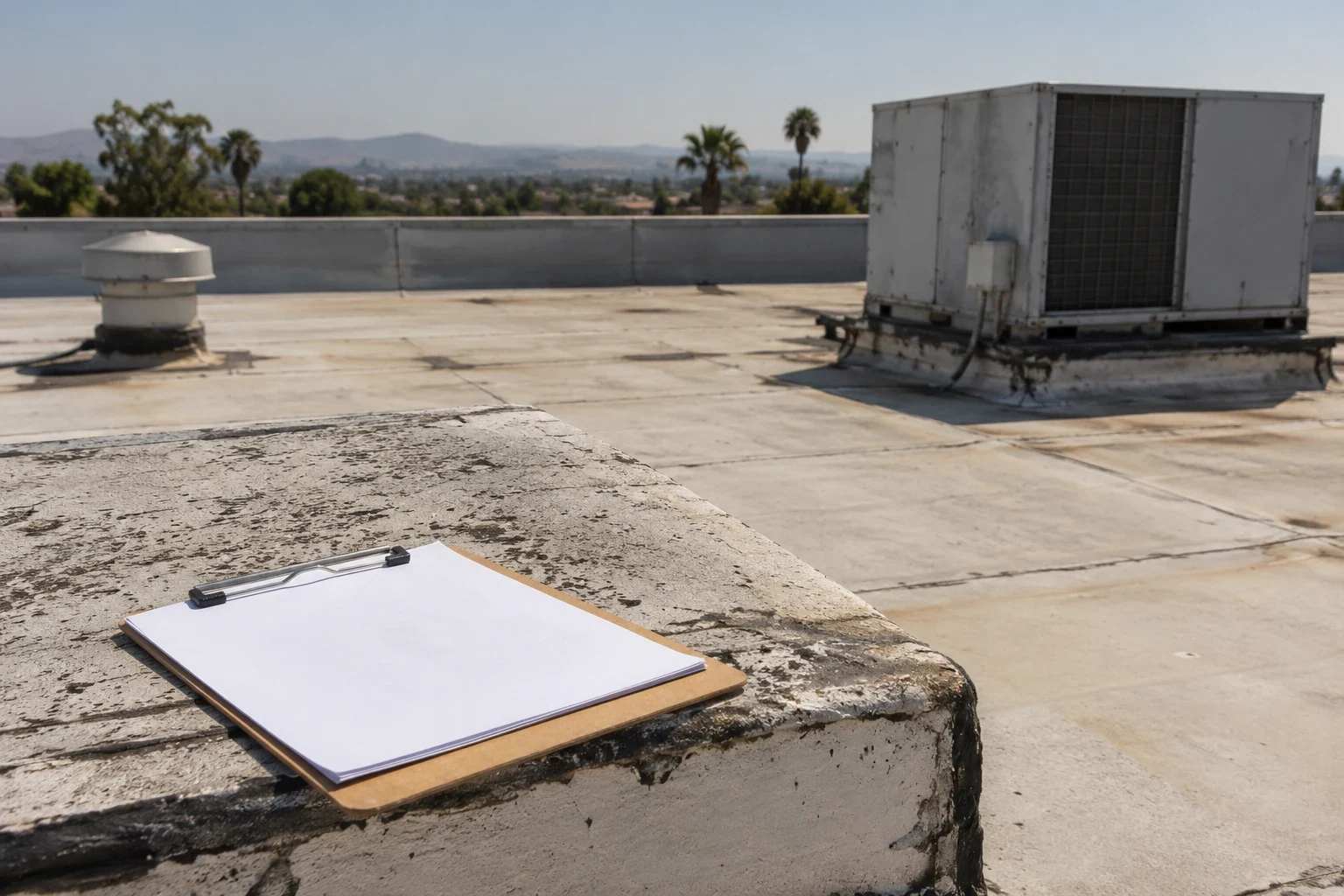
Continuing Roof Care and Repair Records
Scope, sequence and repair notes