Acrylic Roof Coating Decisions in Clovis Before Application
Roof Systems
A worn roof finish noticed during summer heat could make an owner consider acrylic recoating, but the surface condition and drainage need review before application is scheduled. We assess and install acrylic commercial roof coatings in Clovis, CA, identifying the existing substrate and the selected product's requirements before offering a restoration scope. A weathered appearance can direct an examination without proving that every underlying component is damaged or that a new finish alone will resolve water entry.
Fresno's July 2024 regional heat record gives context for exposed-roof review, while Central Valley winter tule fog can complicate preparation and curing conditions. Actual suitability must be assessed at the property instead of inferred from either season. Clovis Community Medical Center on Herndon Avenue establishes a local institution with its own construction authority. For the owner's building, our evaluation of the coating substrate connects observed condition, moisture questions and operating requirements to the proposed work, including the repairs that must precede the surface treatment.
The finish condition and preparation requirement
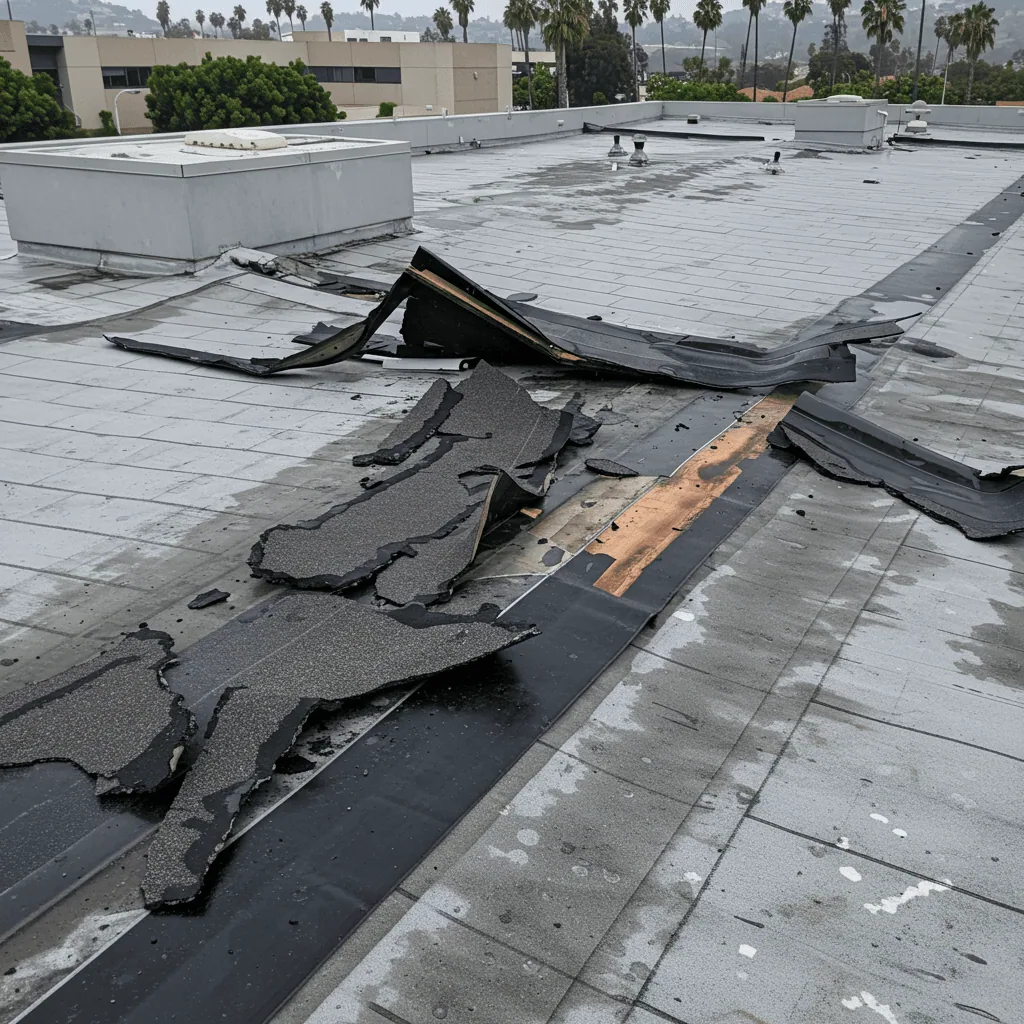
Acrylic coating systems have product-specific requirements for preparation, substrate compatibility and application. We examine the existing finish and identify prior treatment where records or appropriate investigation can establish it. Loose surface material and contamination can affect adhesion, while cracks or damaged details may need repair rather than additional film alone. The permanent scope should show those distinctions so the owner can compare actual preparation instead of an unexplained area of recoating.
Suitable test work uses the proposed sequence on the actual prepared substrate. The result helps assess adhesion in its tested location but does not certify every concealed condition beneath the roof. Where cleaning exposes an unsuitable surface, establish the necessary correction before broader application. A review of exposed material deterioration should rely on observed condition, not assign causation simply because Fresno experienced exceptional regional heat. The owner needs the preparation boundary, any required primer and the detail treatment included in the estimate. Removing a required preparation step to lower the total changes the installation rather than merely reducing a discretionary cost.
The reported entry and the separate temporary task
An active drip is a roofing investigation, not immediate proof that acrylic restoration is the required solution. We ask the owner where water appears and what sits below it, then establish access authority and any facility protection needed. Interior contents and electrical concerns belong with qualified responsible personnel. Roofing response is available during evenings, weekends and holidays, while safe conditions and the compatible method determine the action that can proceed.
Where temporary protection is appropriate, record its purpose, placement and permanent follow-up. Its material should not obstruct outlets or compromise the preparation needed for the later correction. Owners managing property in Clovis provide the actual operator contact and occupied-space restrictions for that building. The immediate action and the restoration decision may require different conditions, since a coating proposal depends on substrate suitability and curing requirements beyond locating one opening. Preserve the complaint and marked roof location so the permanent estimate follows the established findings rather than using urgency to bypass the examination needed for a broader surface project.
Drainage suitability and concealed moisture
The selected acrylic system's requirements govern its suitability for the actual water exposure and drainage arrangement. Inspect outlets, overflow paths and low areas rather than assigning the same coating to any roof with a puddle. Persistent standing water can involve geometry, obstruction or another condition needing separate correction. A finish cannot redesign the drainage route, and product acceptance should not be assumed without reviewing the actual requirements.
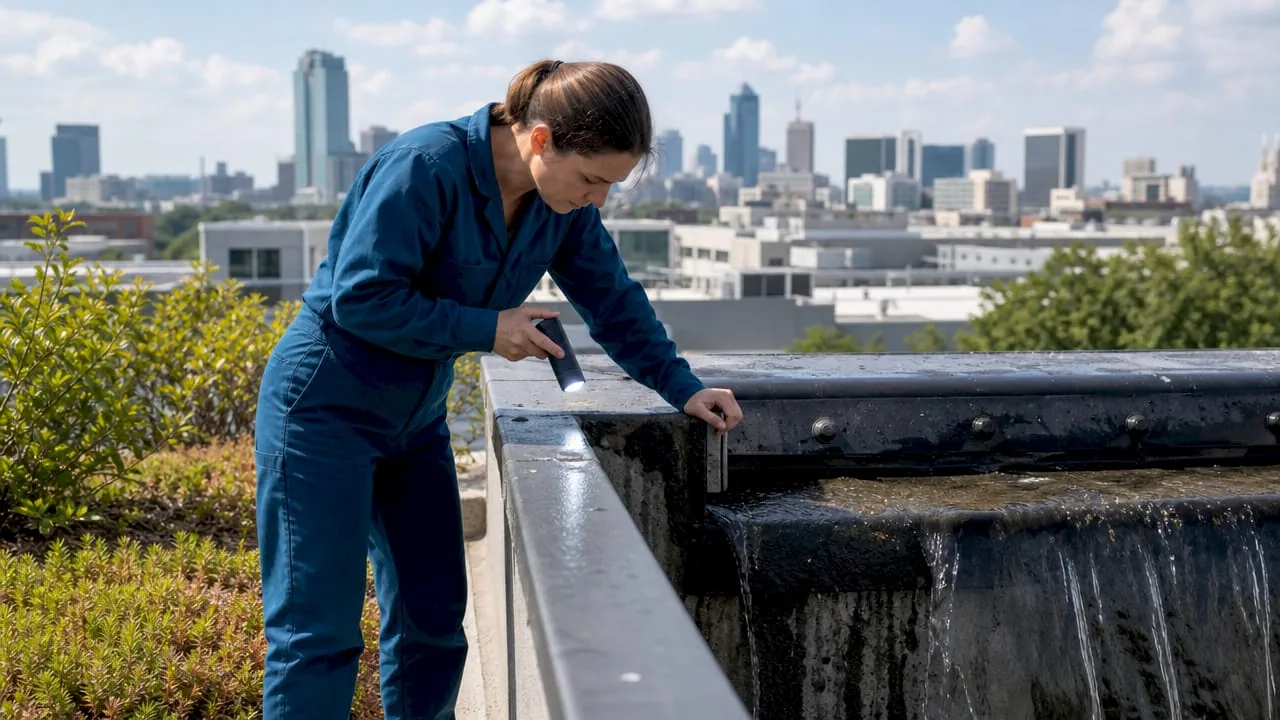
For drain and scupper corrections, show the roofing connection and the point where piping or design work belongs to another responsible party. Concealed moisture also requires its own investigation where justified by the findings. Appropriate confirmation establishes material condition and extent before a removal quantity is presented. Authorized openings need restoration included. A dry-looking surface cannot certify dry insulation. The owner should see each prerequisite beside the coating task, with known repair quantities separated from further testing and the procedure for approving concealed changes. That gives the restoration a supported substrate and water route rather than an unresolved condition hidden beneath a new finish.
The coating sequence and complete alternative scopes
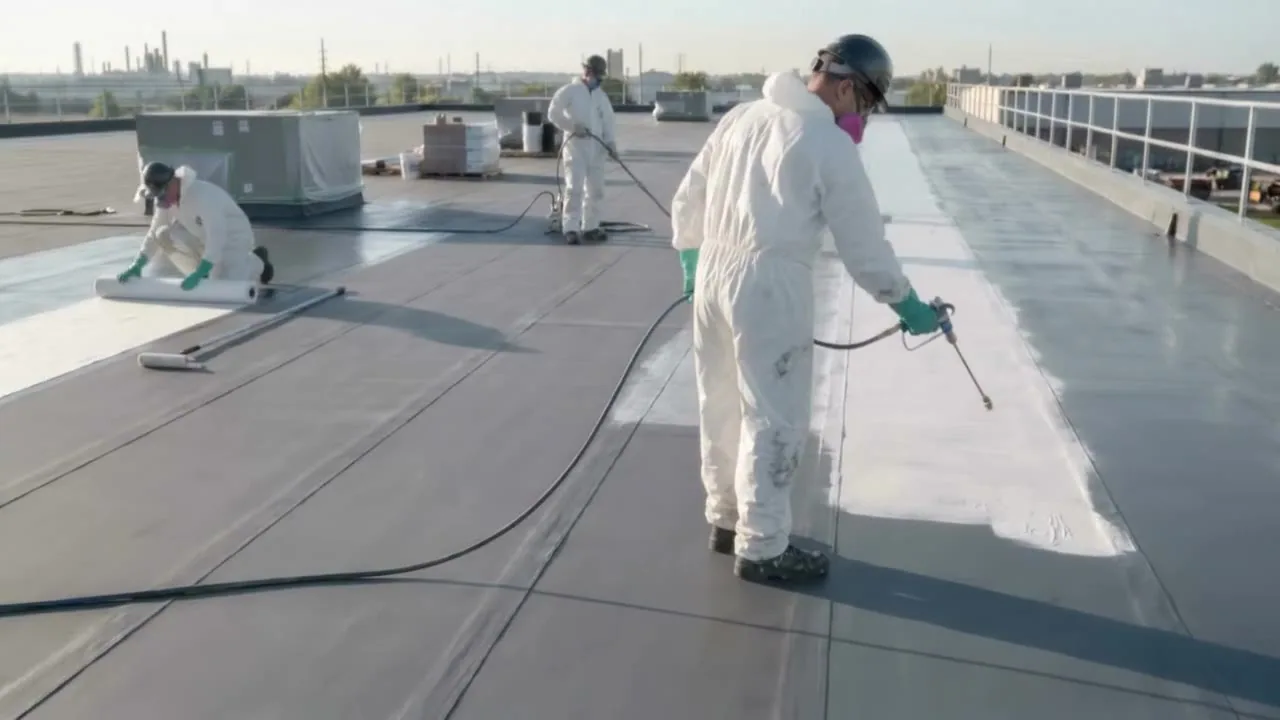
Application includes more than the field area. Detail repairs, reinforcement where required, primers and acceptance checks need the selected system's actual method. Define how coating thickness or coverage will be measured and recorded, along with the work area and exclusions. The operator establishes appropriate access and occupied-space controls for cleaning, material handling and application. Nearby surfaces and equipment need protection under the approved process.
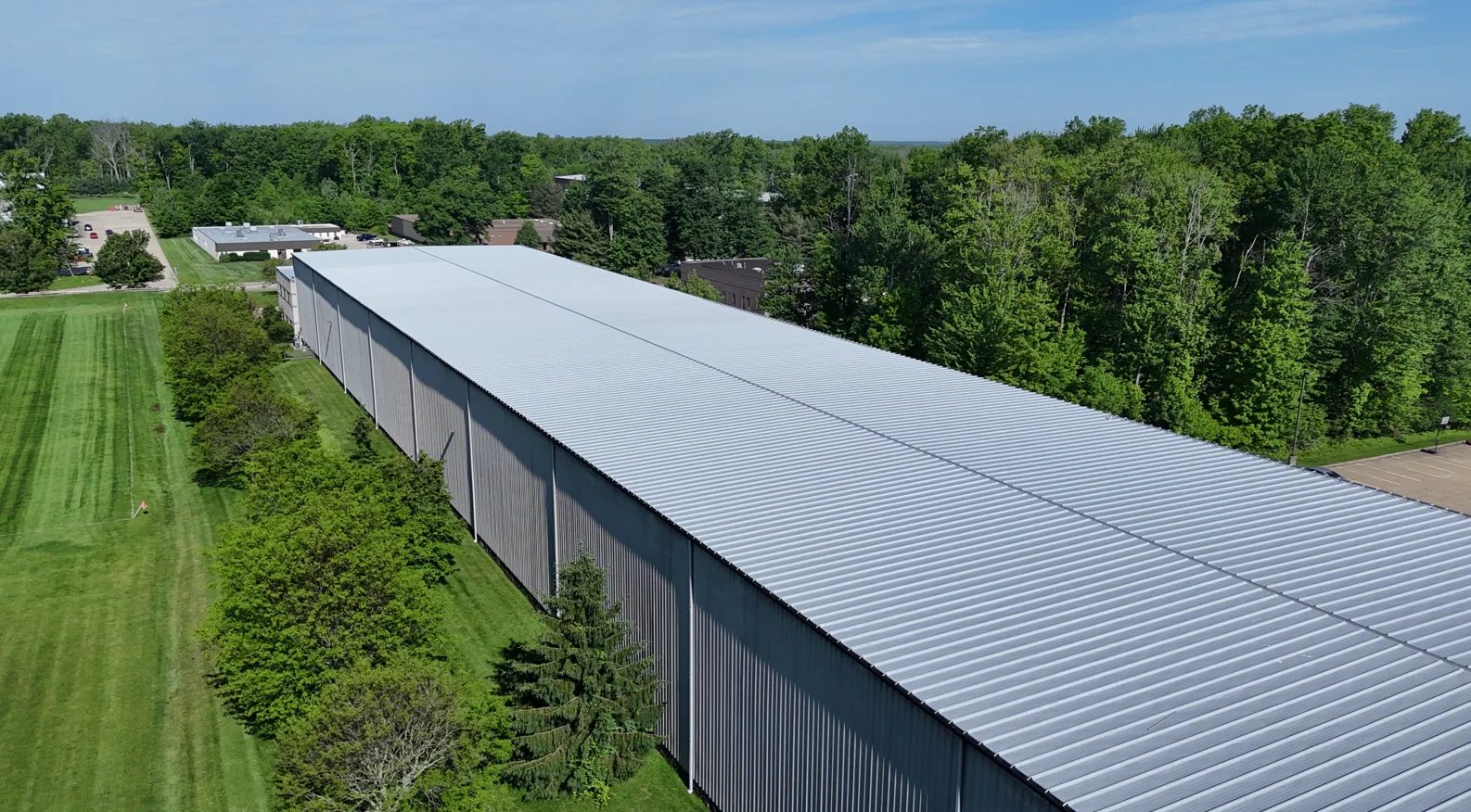
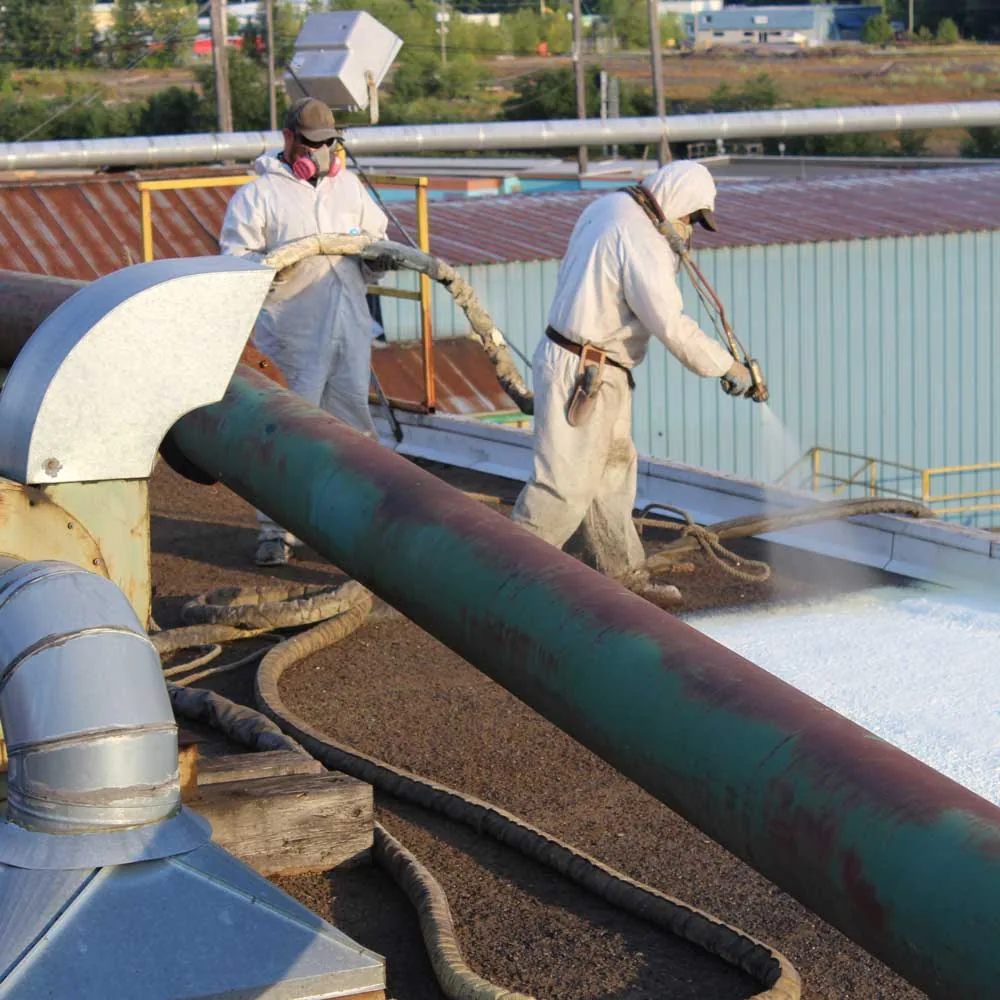
Alternatives involving silicone restoration or a protective finish over spray foam construction require different compatibility and application review. Compare them only where the examined assembly supports the option. A material preference does not settle concealed moisture or a damaged penetration. The owner's estimate should include disposal, preparation and repair quantities so the total represents a complete method. A lower coating price may describe less work beneath the finish, which matters when that omitted preparation is necessary for the selected system. Show those dependencies before scheduling or ordering the surface material.
The curing period and the finished maintenance file
Acrylic application needs conditions suitable for the product's curing and exposure requirements. Assess the actual substrate, temperature and expected conditions before release, rather than treating a warm afternoon as proof that the preceding damp period is irrelevant. Tule fog can create a moisture question even where rain is absent. Regional heat likewise affects safe work and handling without establishing how the material will cure under the actual conditions. Communicate postponement decisions and protect incomplete work appropriately.
The handoff should retain preparation records, repaired-detail photographs, material information and acceptance checks linked to the treated area. Review actual warranty and alteration requirements with the owner, avoiding a promised term unsupported by the project documents. Future roof access and equipment changes need appropriate protection and compatible details where they affect the restored surface. Another water complaint warrants examination using the completed record and other possible paths, not an automatic instruction to recoat. Keep interior restoration and separate trade tasks outside the roof acceptance until their responsible parties close them. The owner then has a defined finished scope and an assigned follow-up for any remaining limitation.
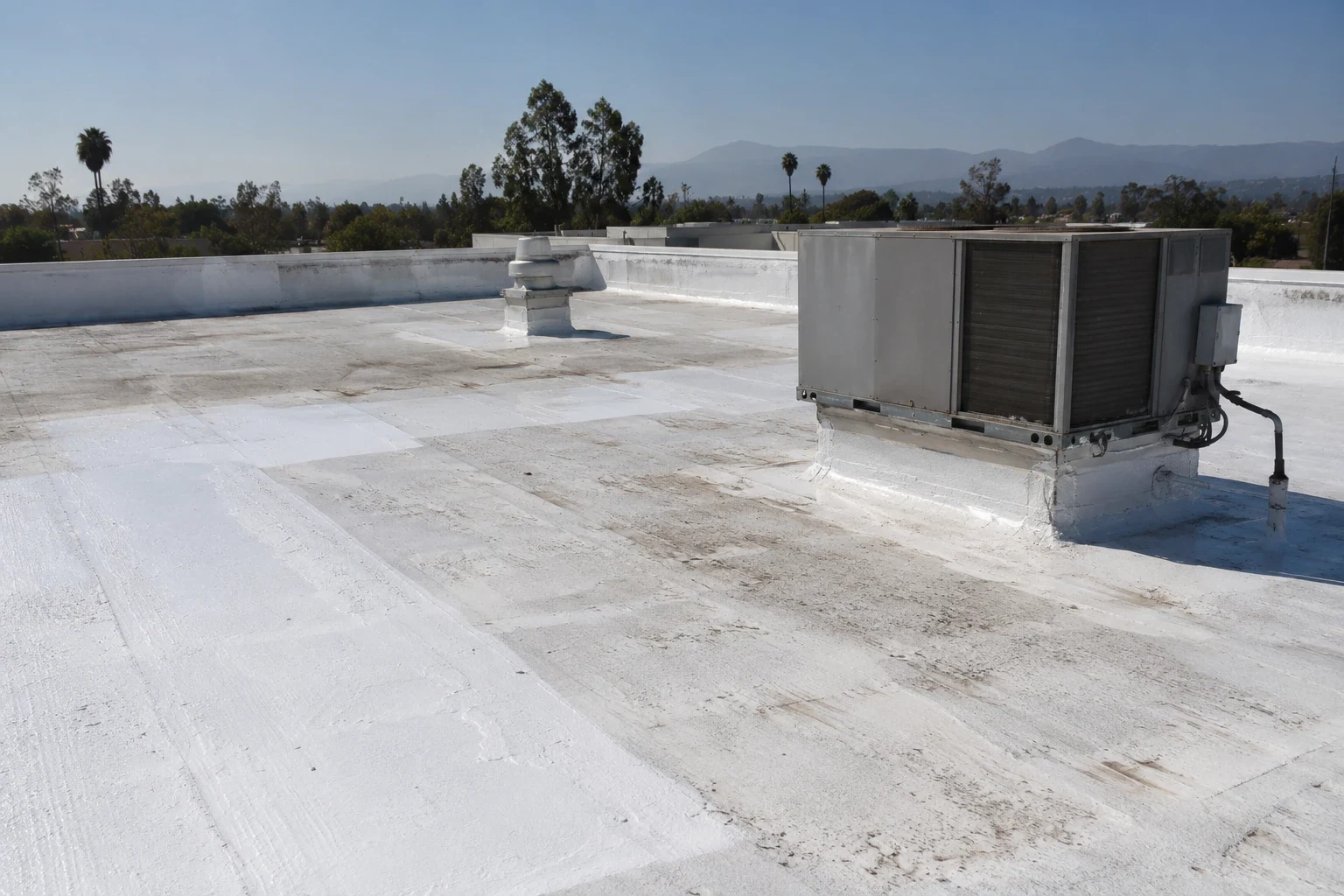
Acrylic coatings depend on a clean, dry surface and suitable conditions for the required cure. Before specifying restoration, identify ponding areas, prior coatings and details where water can remain after a rainfall. Confirm product compatibility and the preparation sequence in writing; applying over chalking, residue or a damp area can undermine adhesion. Plan work so each day’s application reaches a secure stopping point and drains remain open. At closeout, record the actual treated limits and any excluded areas that need drainage correction or a separate repair before coating can proceed.
Commercial Roofing Questions
Can any acrylic product tolerate persistent ponding?
The selected product's requirements and actual drainage condition control suitability. Review both before approving restoration.
Does warm afternoon weather settle curing conditions?
The substrate and full application requirements govern release. Overnight moisture and expected exposure can still affect the planned sequence.
What should be included beyond the coating area?
Required preparation, repairs, detail treatment and acceptance checks establish the complete task. Show exclusions clearly before comparison.
Will a new acrylic finish dry wet insulation?
Confirmed concealed moisture governs reconstruction. Surface application cannot restore compromised insulation or support.
Can a successful test patch approve all details?
The tested location defines its evidence. Other surfaces, transitions and unresolved prerequisites still need assessment.
Describe the finish, drainage and entry history
Tell us the existing treatment if known, reported water locations and access contact. We will assess initial action and the conditions required for an acrylic restoration.
Related Pages
Roof Coating Restoration
Read the full page
Heat and UV Roof Condition Review
See how we handle it
Clovis
Scope, sequence and repair notes
Roof Drains and Scuppers
Read the full page
Silicone Roof Restoration in Clovis After a Surface Concern
See how we handle it
Spray Foam Roof Corrections in Clovis at the Protective Finish
Scope, sequence and repair notes