Commercial Roofing in Dinuba, CA
Service Areas
Commercial roof work in Dinuba starts with the threatened interior and an examination of the system above it. A rain leak reaching boxed inventory could involve a puncture made during equipment work, a deteriorated seam or water retained beside an outlet. We establish the entry route before choosing a repair, and check the surrounding assembly so temporary protection does not become the only response to hidden damage. Our capabilities include membrane and metal repairs, surveys, coatings and replacement where condition warrants broader work.
Dinuba’s civic center and downtown services give the city a recognizable public core, while its commercial properties each require a building-specific roof assessment. An owner arranging work should share the location of the leak, the hours when the affected space is occupied and the person who can approve roof access. We compare that information with the visible membrane, drainage path and nearby wall or equipment details. A low point that holds water may need a different correction from an open seam or failed curb flashing, so we document the defect before choosing materials. Where moisture could extend beyond the visible stain, the report identifies the area that needs further review. That makes the immediate protection and the permanent construction decision clear to the property team.
The equipment service route
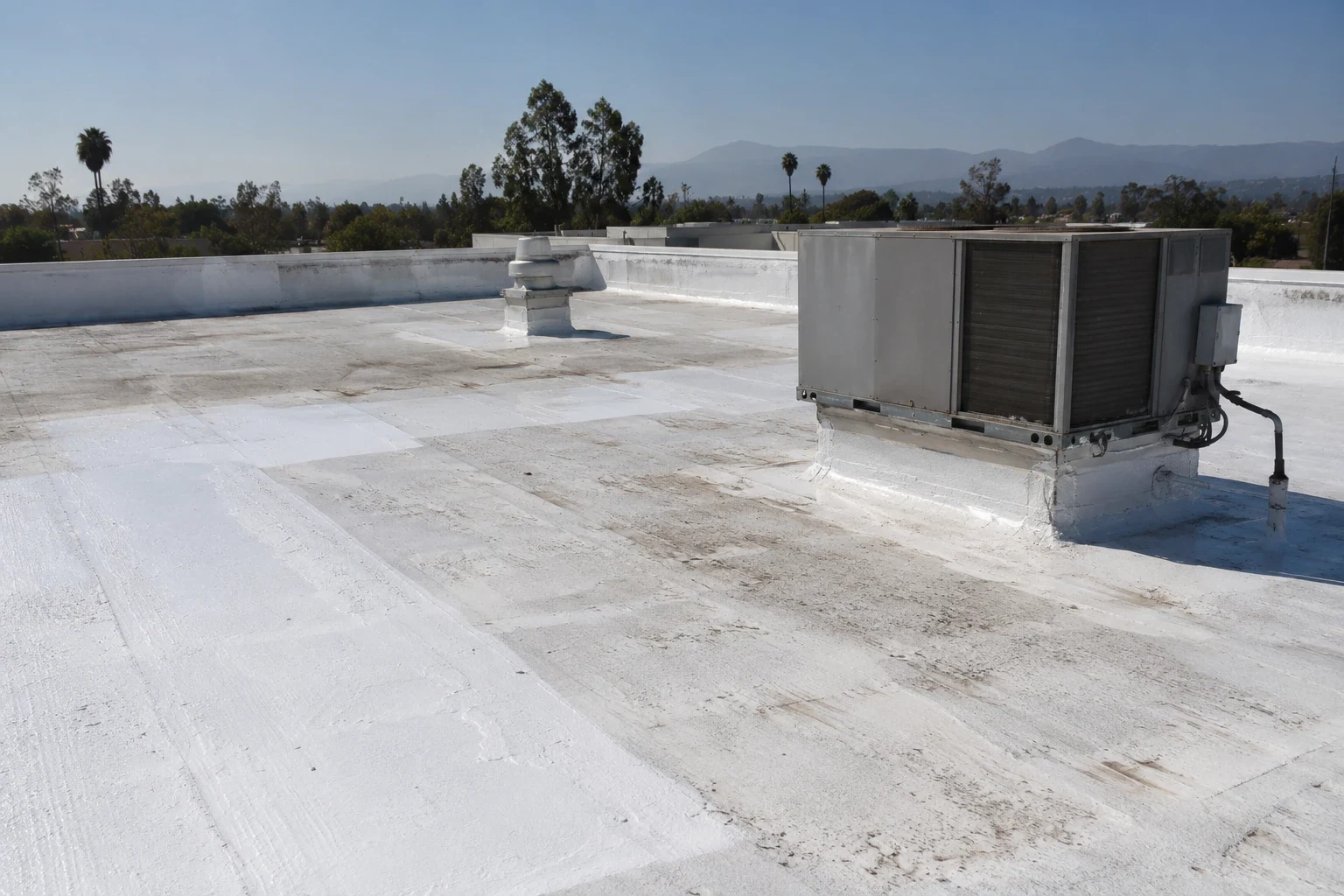
A small cut beside a rooftop unit can admit enough water to affect stock below, especially if it lies in a retained-water area. We inspect the service approach and the surrounding membrane for scuffs, punctures and stressed seams, then determine whether the observed damage explains the interior route. A mark from traffic is not automatically an open leak, and a repaired cut does not eliminate another nearby defect. The investigation connects the surface condition to the water path before removal starts.
Our repair of membrane punctures uses a connection appropriate to the existing material and the condition of its surface. We also discuss how future equipment visits will protect the repaired zone. A business arranging roof work in Reedley can provide similar service access information, but each property's membrane and handling route need independent assessment. The repair should remove the actual opening and reduce the chance that ordinary service traffic damages it again.
Inventory protection and temporary closure
Stock beneath a roof leak can require a wider protected area than the visible drip suggests. We identify the wet boundary with the operator and discuss relocation before opening a repair area above it. A damaged ceiling, wet electrical equipment or unstable stored material requires the appropriate building personnel to restrict access. With that protection arranged, we inspect the roof and select a temporary measure compatible with the surface and the immediate water exposure.
Our response to an urgent roof opening is available at night, on weekends and during holidays, with visit timing confirmed for the building and conditions. The owner receives an explanation of what the temporary closure addresses and what still requires investigation. That may include trapped moisture or a failed drain connection that cannot be corrected by the first patch. The follow-up scope then deals with those findings before the temporary repair is treated as finished work.
Water retained beside the repair
A puncture in a low area stays exposed longer when the outlet cannot clear water. We inspect the drainage route, sediment and flashing around the outlet, while noting whether roof slope or an obstruction contributes to retention. Clearing debris may be a necessary first step, but the permanent plan must also address damaged roofing components. A repair selected only for the hole can leave the same area under continued water exposure and conceal the next developing defect.
Through correction of roof water retention, we distinguish maintenance needs from changes that require reconstruction or another trade's piping work. Each option has different removal and access requirements. An owner with a second property in Selma should keep its drainage findings separate from the Dinuba report. Similar standing water can arise from different causes, and the reason for retention governs the useful repair rather than the appearance alone.
The moisture boundary before restoration
A cleaned surface does not reveal whether the insulation underneath remains dry. We investigate suspect areas and use moisture survey methods where the assembly permits meaningful interpretation. Observations need confirmation before they become removal dimensions, especially around equipment that creates thermal differences. The report explains which areas were inspected, what was found and what remains uncertain. This gives the owner a basis for considering restoration without assuming that a presentable field is a suitable coating substrate.
Our roof coating and restoration work follows correction of unsound details and any required removal of wet components. Adhesion, material compatibility and drainage remain part of the decision. Winter tule fog develops overnight in the Central Valley and can be thickest before dawn, so we check application surfaces directly rather than assuming rain-free conditions are enough. Permanent preparation follows the roof and product requirements, with temporary protection retained as appropriate during a necessary hold.
A repair boundary the operator can use
A practical roof scope describes the openings being corrected and the areas that remain in service. We explain why a patch can be limited to sound material or why removal must extend into damaged layers, then relate that boundary to stock handling and equipment access. The owner needs to know whether the roof can be closed at the end of each stage and where work below may need to pause. Those requirements affect the sequence even when the roofing material itself is readily available.
For larger projects, we coordinate access and deliveries with the person controlling the building, including the route used to remove old material. A planned repair should also leave room for inspection of drains and equipment connections after completion. If the findings support replacement, we describe the factors behind that recommendation, such as widespread moisture or poor attachment, rather than treating repeated leaks as a sufficient explanation on their own. The result is a permanent plan linked to the current exposure and the assembly that must carry the new work.
Commercial Roofing Questions
Can a small puncture account for damaged boxes below?
Water exposure and the path through the assembly matter more than hole size alone. Retained water can feed a small opening for a long period, and the interior drip may appear away from it. We compare the surface defect with drainage and interior observations before treating it as the complete cause.
Should equipment access be changed after a repair?
Traffic damage can justify a revised route or protective measures near the unit. We examine where technicians need to stand and carry tools, then discuss practical protection with the operator. The repair itself must remain accessible for inspection without requiring people to walk on a vulnerable connection.
Will clearing debris make the low area dry?
Drainage behavior after cleaning shows whether more work is needed. A clear outlet can still be limited by slope, damaged components or connected piping. We inspect the remaining retention and explain whether maintenance, roof reconstruction or coordination with another trade will address it.
Is restoration reasonable after an inventory leak?
The assembly beneath the coating area must be sound and suitable. We evaluate moisture, adhesion and the failed detail before recommending restoration. Localized repair may prepare a serviceable roof, while widespread damage can make a surface coating an incomplete response to the problem.
What information helps organize the first Dinuba visit?
The affected stock area, leak timing and roof access restrictions are the most useful starting details. Equipment activity near the leak can help direct investigation as well. We confirm visit timing, then establish interior protection and the roof checks needed to develop the permanent scope.
Roof help in Dinuba
Call with the Dinuba address, affected inventory area, leak timing and equipment access route. We will confirm response timing and identify the water entry before planning the permanent correction.
Related Pages
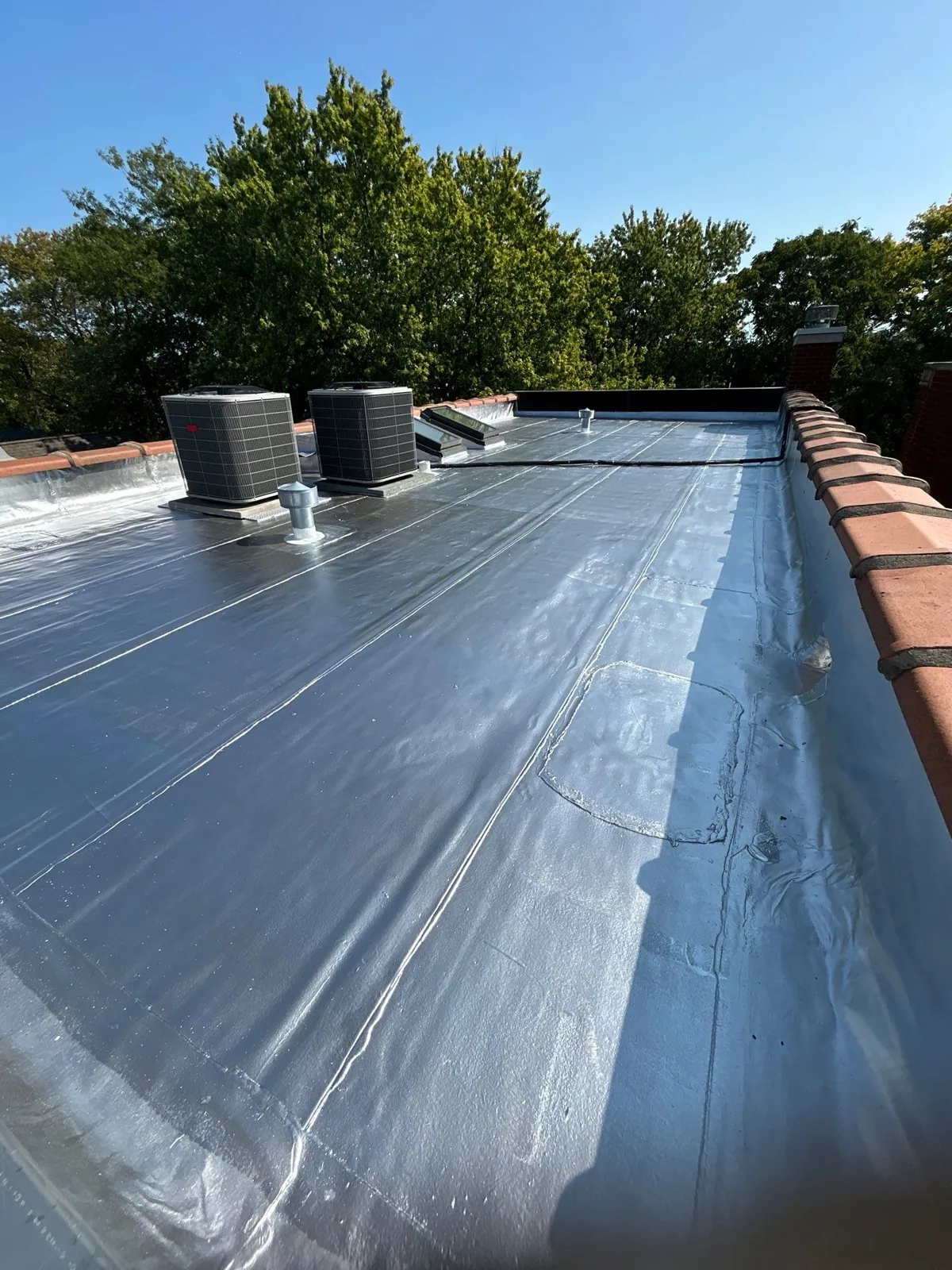
Membrane Puncture Investigation in Clovis Before Patching
Read the full page
Reedley
See how we handle it
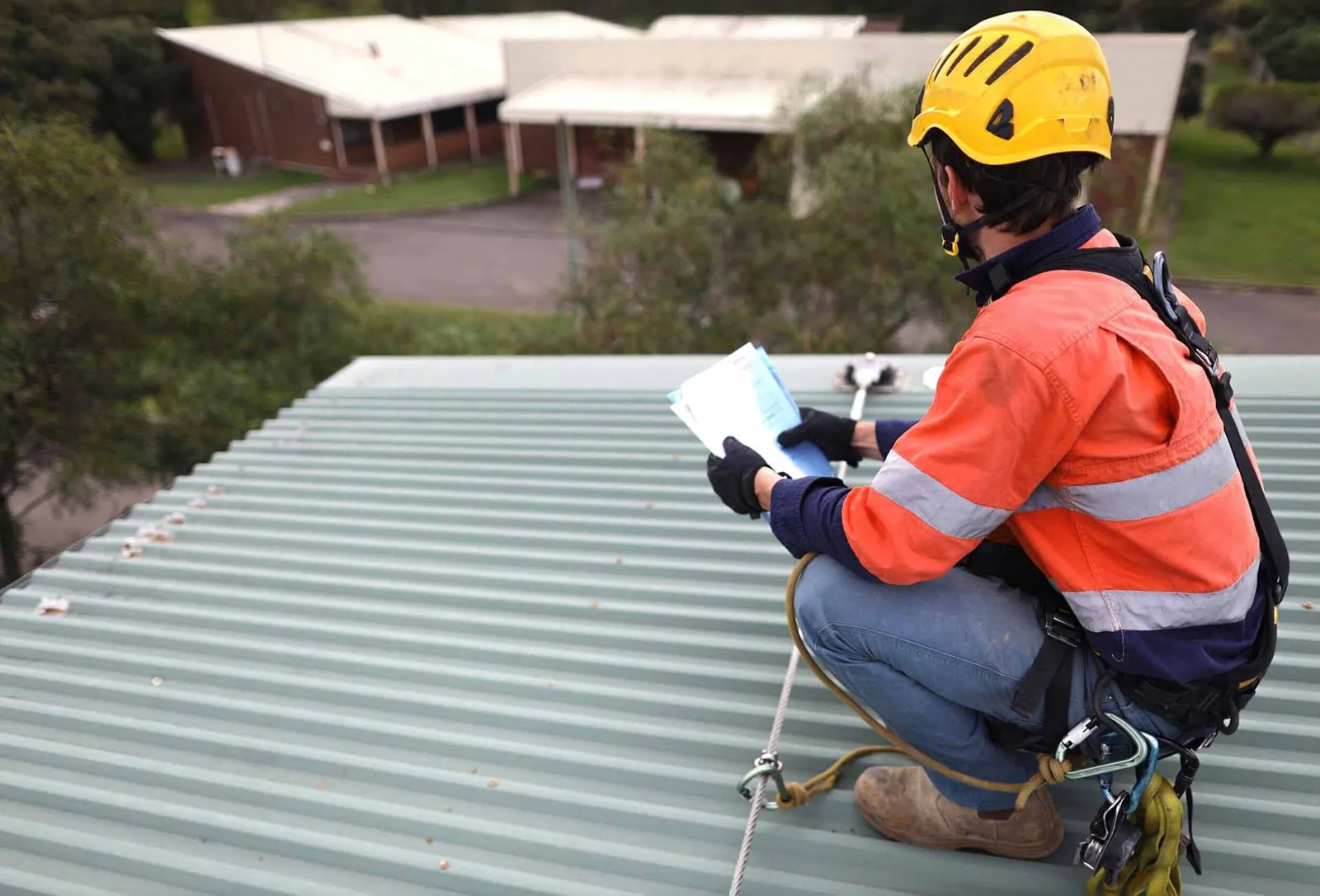
Emergency Commercial Roof Repair
Scope, sequence and repair notes
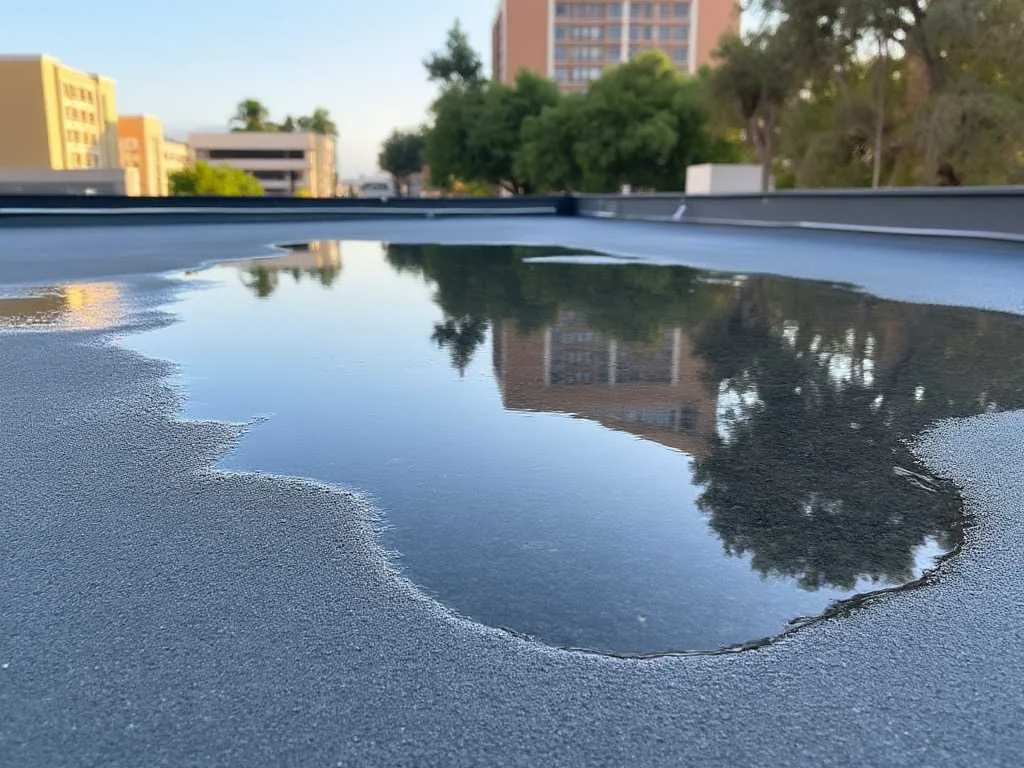
Ponding Water Review in Clovis Before Changing Drainage
Read the full page

Selma
See how we handle it
Roof Coating Restoration
Scope, sequence and repair notes