Commercial Roofing in Downtown Fresno, CA
Service Areas
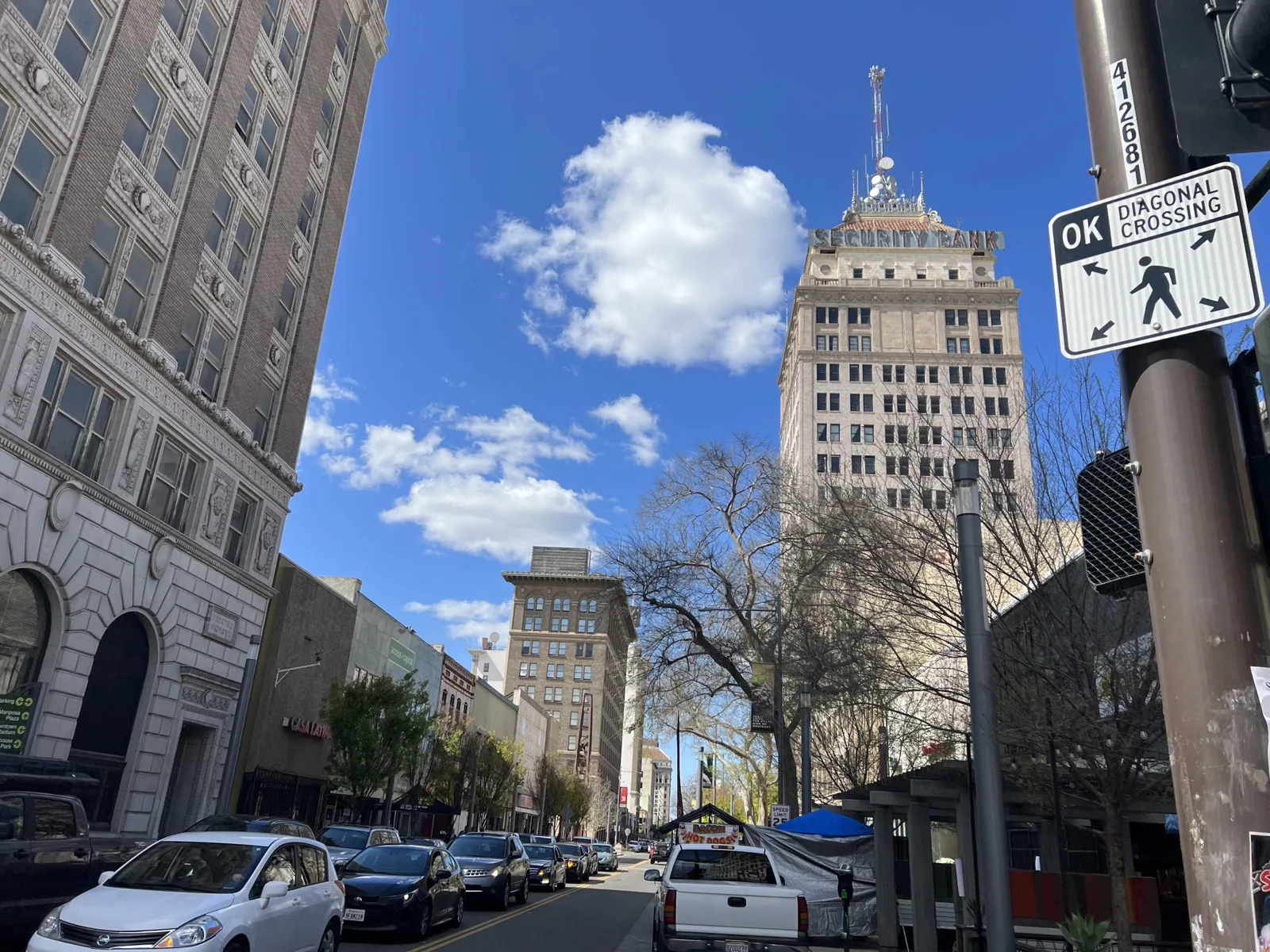
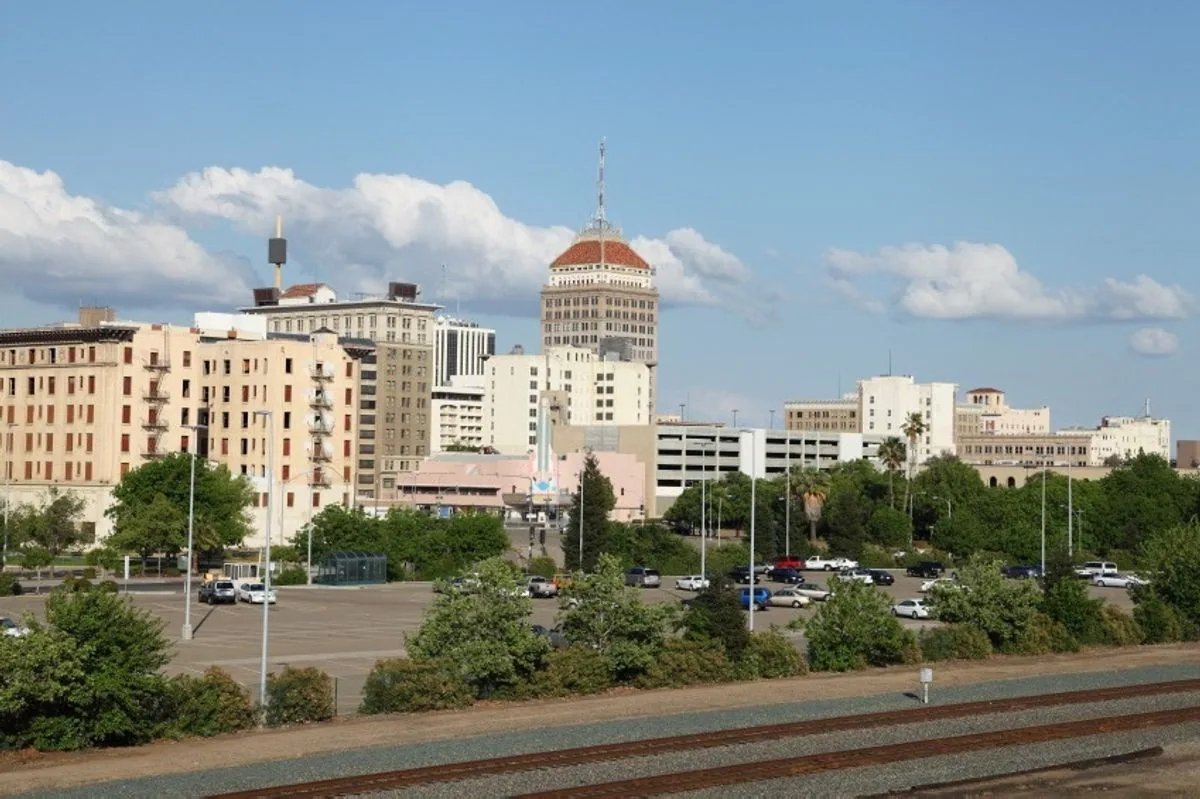
Downtown Fresno combines civic, cultural and commercial buildings within a compact central area. A roofing assignment there can involve occupied offices, public-facing space or a property with limited staging room, so access planning matters before material reaches the roof. The owner should identify the work entrance, roof route, interior protection needs and hours when noise or lifting must be limited. We document the assigned building separately from nearby landmarks, inspect the roof zones connected to the reported water and map any open transition or drain issue. If multiple buildings share a block, the scope still names the roof and detail under repair. This keeps approvals, photographs and closeout records tied to the correct property while allowing the crew to coordinate deliveries and pedestrian protection around downtown activity.
Downtown projects also need a realistic material path. The owner can identify loading windows, pedestrian routes and any shared service entries before the crew arrives. We plan containment below active work and keep roof materials inside the approved staging area. If the building has several tenant spaces, the report maps the repair to the elevation and interior zone supplied by the facilities contact. A phased sequence can separate a weather-tight first step from later improvements, provided each stage leaves the roof protected at the end of the shift. This makes the work easier to coordinate with the building’s normal public and commercial activity.
Roof access and the construction boundary
A roof entrance inside an occupied building can limit material movement even where the roof work itself is straightforward. We review stairs or hatch access, available staging and the paths that must remain open, then relate those arrangements to the proposed task. Roofing above office space should account for the people and equipment beneath the work zone. The assigned roof plan describes the area being opened and the closure method, so access convenience does not become the sole basis for construction sequencing.
The public identity of a library or civic building does not establish permission for roofing at that property. Where an institutional contact requests an assessment, we confirm the authorized route and any room restrictions with that contact. Exterior equipment placement can involve a separate ground-access discussion from the interior roof entrance. We identify both before scheduling a task that depends on them, including material delivery and perimeter work that may require a different method from field repairs.
The wet room and immediate containment
A ceiling drip may have crossed a structural bay or followed a service component before becoming visible, so we connect the interior observation with rooftop details rather than cutting directly over the stain. The building contact describes the timing, affected contents and any nearby equipment work. We inspect plausible water routes and identify the defect supporting the proposed localized leak correction. Where the entry cannot yet be fully traced, that uncertainty remains part of the work discussion.
Emergency requests are received during nighttime hours, weekends and holidays, with access and conditions governing the response plan. A temporary closure needs material compatibility and a sound position from which to connect to the existing roof. We explain what it protects and what still needs investigation, including damp layers hidden beneath the surface. The owner can approve containment without treating it as a conclusion about the remaining assembly or a commitment to replace roofing that has not been assessed.
Perimeter connections in prolonged heat
The July 2024 Fresno monthly report includes 26 triple-digit days and a 90 F mean temperature. Sustained heat exposure makes moving interfaces worth examining during a downtown assignment, including coping joints and membrane transitions to rigid walls. We inspect the fastening and termination behind visible metal where the work requires it. Heat history supplies an exposure context; the repair decision still depends on the assigned building's material condition and connection geometry.
A loose edge connection can require more than replacing the visible cap. We examine the support and adjoining waterproofing, then describe the removal needed to rebuild a sound transition. Work at the perimeter and gutters also checks the water route beyond the repaired joint. The installation should preserve useful movement and discharge arrangements, with surface sealant confined to details where it serves an appropriate purpose. That approach keeps the owner focused on the defective connection rather than a cosmetic cover over it.
Moisture assessment and capital scope
A roof surface that appears dry can cover damp insulation or damaged support, while an aged-looking finish can remain serviceable after specific repairs. We investigate the assembly where observations justify it and distinguish confirmed damage from areas inaccessible at the visit. The condition report for the assigned roof records those findings with photographs and explains what additional access or openings are needed before a rehabilitation decision is complete. This makes the removal allowance reviewable instead of attaching it to an impression of building age.
Where wet layers have a defined boundary, localized removal may be considered alongside a larger restoration or replacement plan. If moisture is extensive or attachment cannot support a reliable new connection, broader removal may be necessary. We describe why each option fits or fails the assessed condition. A coating should not be presented as a cure for damaged insulation, and recovery needs its own retained-layer evaluation. The owner can compare work that addresses the actual defects with the interruptions and access obligations each option brings.
Fog-season preparation and daily closure
Central Valley tule fog forms after sunset, is thickest before dawn and thins as daytime warmth develops. During that season, downtown roof work needs surface and substrate checks before bonded applications even when rain has passed. We match the proposed material requirements with the actual area, then sequence cleaning, investigation and installation accordingly. Some preparatory tasks may proceed before a coating or adhesive can be used, while temporary protection must remain suitable until the permanent detail can be completed.
An owner also responsible for an address in the wider Fresno area or Old Town Clovis can compare findings across the two buildings without assuming identical construction. Downtown staging and room restrictions belong to this assignment, just as each other address has its own access requirements. At completion, we explain the repaired boundary and any remaining concerns. A replacement project additionally needs the daily opening and closure sequence accepted by the building contact before work exposes occupied rooms.
Commercial Roofing Questions
Can a convenient interior roof entrance be used for deliveries?
The building contact must approve the material route, including protection for occupied paths and limits on loading or movement. An entrance suitable for inspection may be unsuitable for installation deliveries. We review that distinction before scheduling work that depends on lifting or carrying roofing materials.
Why inspect beneath an apparently dry surface?
Retained moisture and damaged support may be concealed by intact-looking waterproofing. Targeted openings can establish whether the layers are suitable for repair or retention. We select those locations from the observed condition and explain what finding the investigation is intended to resolve.
Could a perimeter repair require access outside the building?
The location and attachment of the detail can require exterior equipment even when the roof is reached indoors. We establish ground permission and occupied-path protection with the owner contact. Those arrangements belong in the proposed sequence before the repair date is committed.
What separates an urgent closure from completed rehabilitation?
An urgent closure addresses the immediate opening, while rehabilitation includes the permanent detail and any damaged layers within the agreed scope. We record unresolved conditions after containment and explain the next investigation. Completion then reflects the approved repair boundary rather than the absence of a drip during a dry interval.
A downtown roof access review
Tell us the affected floor or room, the roof entrance and any restrictions on material movement. We will review the immediate exposure and the assessment needed to define permanent roof work.
Related Pages
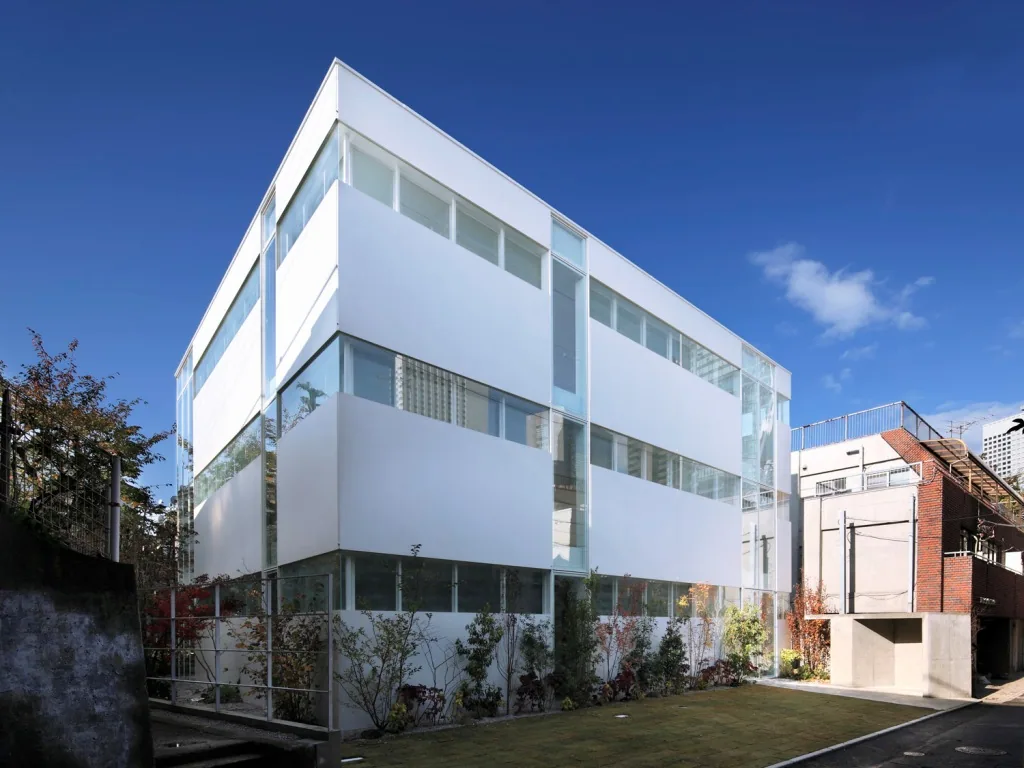
Office Roof Leaks and Tenant Protection
Read the full page
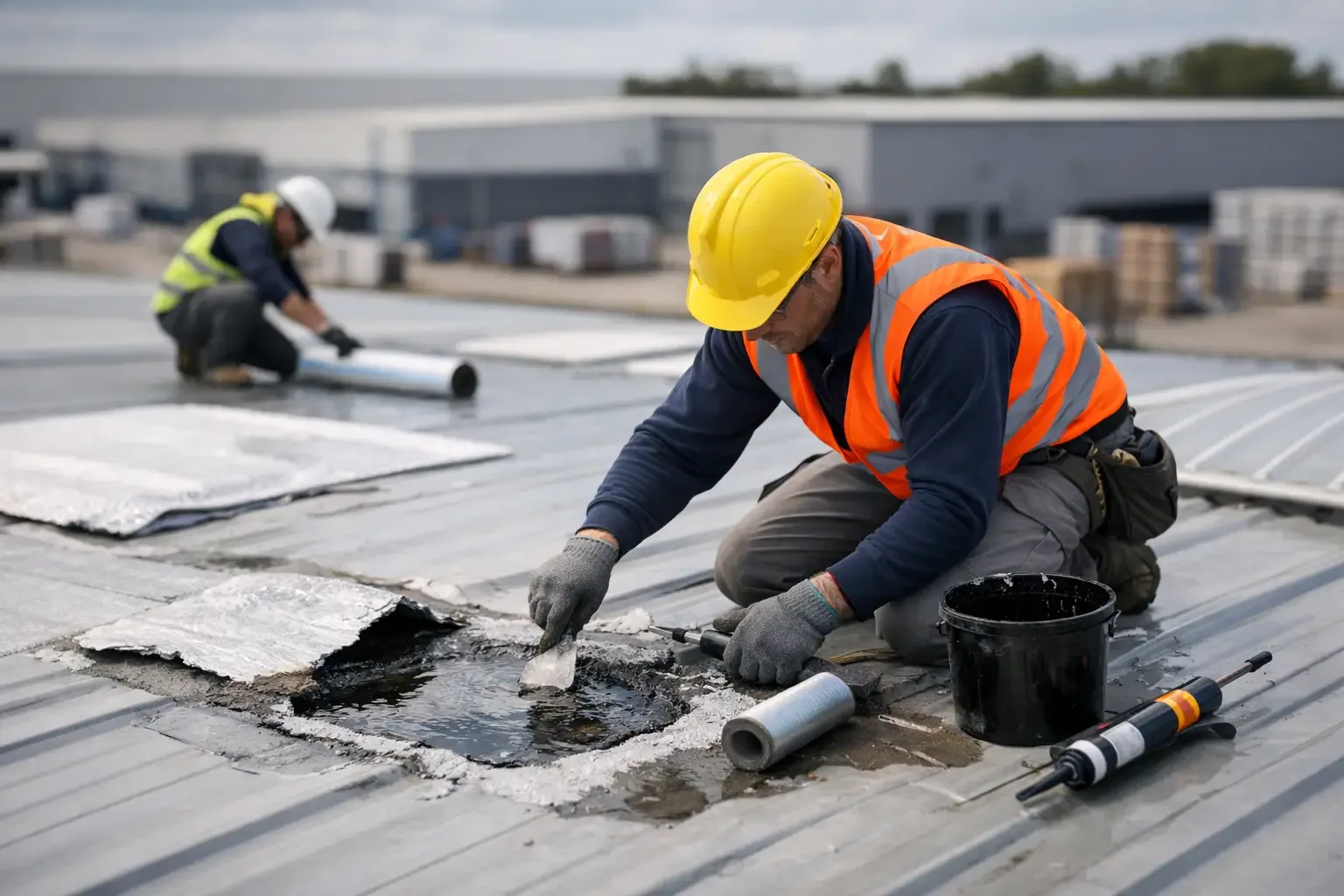
Commercial Roof Leak Repair
See how we handle it
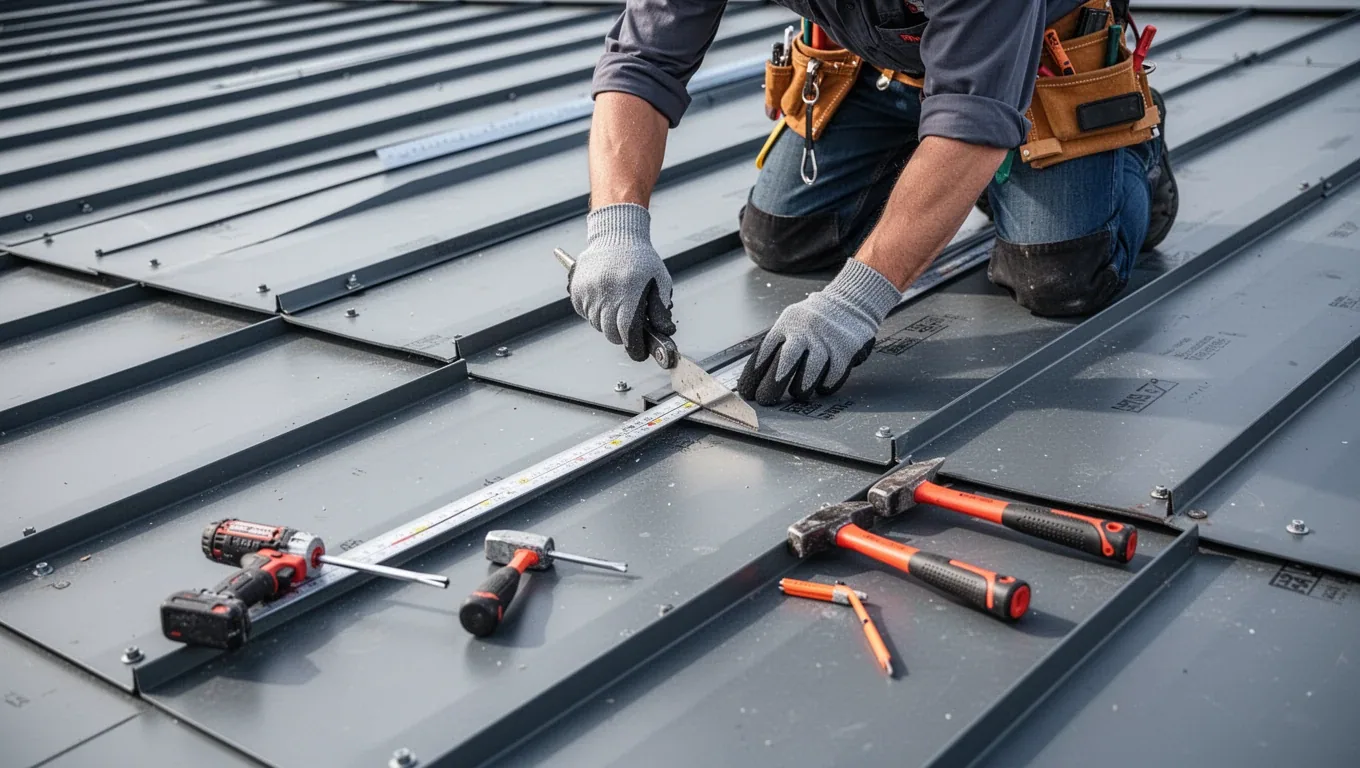
Edge Metal, Coping and Gutters
Scope, sequence and repair notes
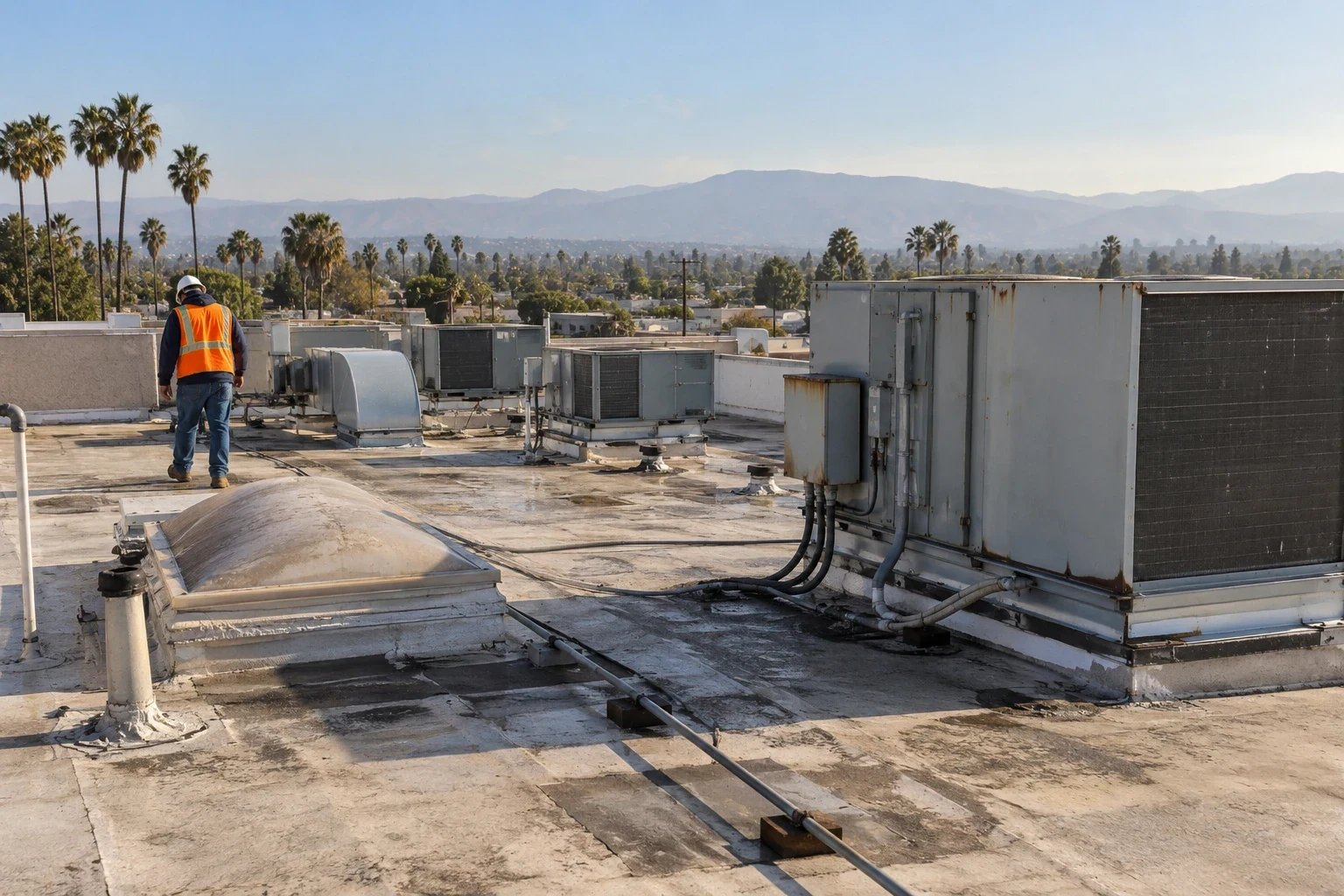
Roof Condition Records and Repair Planning
Read the full page
Fresno
See how we handle it
Old Town Clovis
Scope, sequence and repair notes