
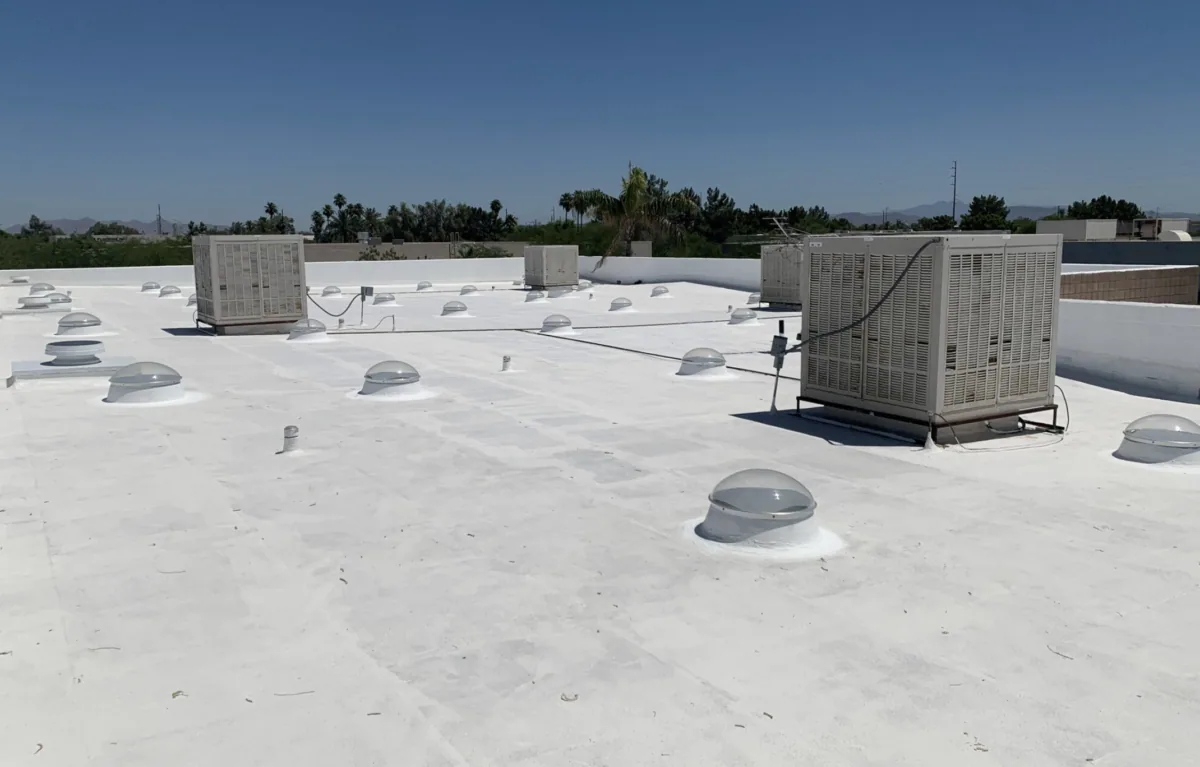
Skylight and Penetration Flashing in Clovis, CA
Commercial Roofing Services
A drip beside a skylight after winter rain could enter through the glazing assembly, the curb flashing or a nearby roof opening, and those paths require different repairs. Skylight and penetration flashing work in Clovis, CA begins by separating the components rather than sealing every visible joint. We inspect the roof connection, the raised curb and the opening itself, then explain which detail is allowing water entry and whether concealed moisture has changed the repair boundary.
The roof may have moved through summer heat while a penetration remained relatively fixed, placing stress at the transition between them. Fresno's record July heat in 2024 supplies regional exposure context, without establishing the condition of any individual flashing. We use targeted leak investigation to connect the reported interior symptom with the roof detail. Temporary protection is considered where active entry needs attention, while the permanent repair follows the material, movement and condition actually found.
The lens, the frame and the curb
A skylight has more than one weather connection. Glazing or lens damage, failed frame seals and the roof flashing at the curb can each admit water, while interior condensation can resemble a rain leak. We inspect the timing of the symptom and the accessible components before choosing a repair. A replacement lens does not reconnect a failing curb flashing, and a membrane patch does not correct a cracked glazing component.
The curb also needs examination for soundness and appropriate connection to the roof assembly. Where the curb flashing has separated, we identify the membrane type and the adjoining surfaces before preparing a compatible correction. If the curb construction or skylight unit needs specialized work, we coordinate that responsibility instead of concealing it beneath sealant. The owner receives a description of the affected component and the relationship between the roof repair and any replacement above it.
Small openings with moving services
A pipe, conduit or equipment connection can move differently from the membrane around it. Unsupported lines, a deteriorated boot or a failed seal at a penetration can create repeated leakage at a detail that appears small from the roof hatch. We examine the support and movement before choosing a replacement flashing, because the same opening can return if the service continues to strain the repaired joint.
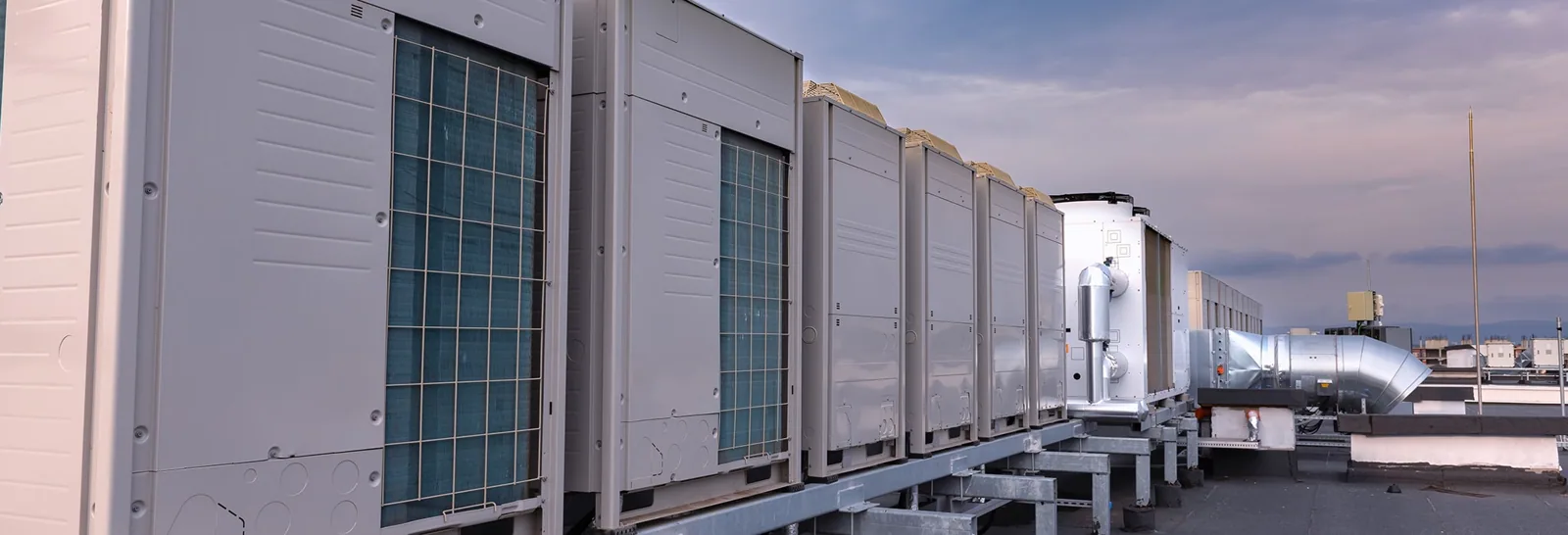
For equipment-related penetrations, curb and support corrections may be needed alongside flashing work. The roofing repair connects to a stable detail, while equipment or electrical changes remain with the qualified trade. We confirm the work sequence before removing old material so the opening is not left waiting on an unplanned adjustment. A compatible boot, fabricated transition or approved liquid detail is selected for the actual roof and penetration rather than for convenience alone.
Water below the surrounding membrane
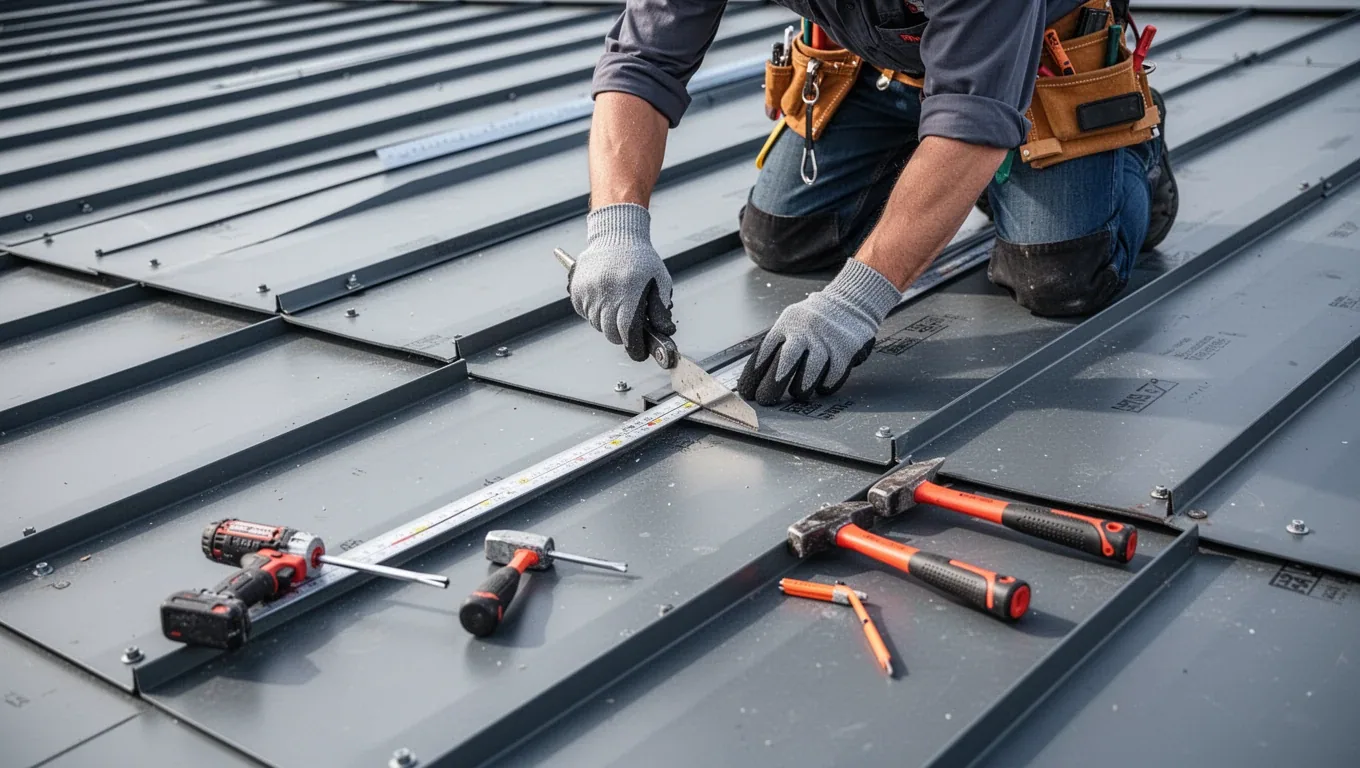
Moisture within insulation around a curb can extend beyond the visible joint, so repairing only the exposed edge may leave affected material in place. We investigate the assembly where moisture is suspected and define the area that needs removal. The permanent work should connect to dry, sound components, with the opening protected while the damaged material is removed. A surface inspection cannot establish that boundary in every assembly.
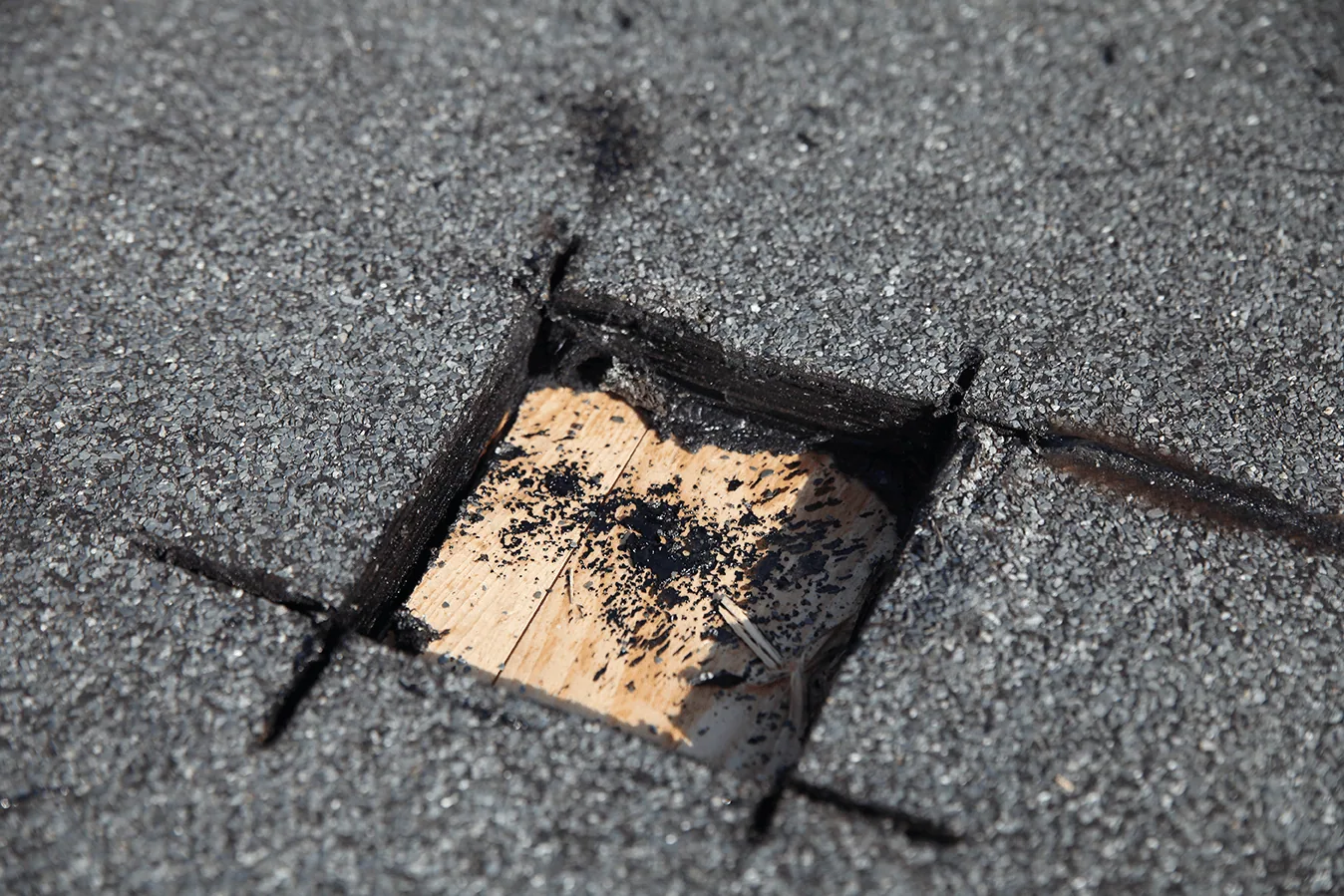
On a roof with suspected concealed moisture, thermal screening followed by confirmation can support the investigation where conditions and materials suit the method. Thermal differences require interpretation and physical checking before they become a removal decision. We explain what the examination establishes and where uncertainty remains. The scope then distinguishes replacing the flashing from replacing insulation or backing around it, allowing the owner to understand why a repair near a single opening may extend into the adjoining roof field.
The occupied room under the opening
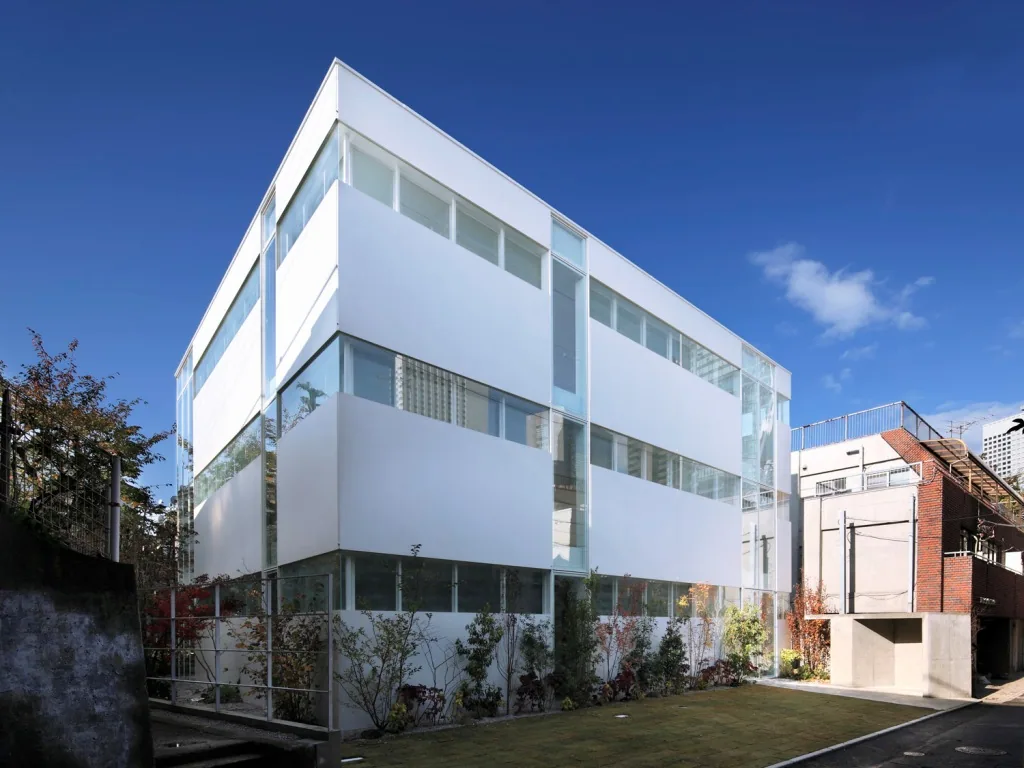
A skylight opening can expose an occupied room to debris or weather during repair, and the operator needs to understand that exposure before work begins. For office building repairs, we coordinate the space below, interior protection and the route for removing old components. A skylight is not a walking surface, and safe access planning must account for openings and fragile materials as well as the roof deck itself.
Clovis Community Medical Center is located on Herndon Avenue, providing a local reference for why overhead work and building continuity require coordination. At each property, we obtain room-use and access requirements from its operator rather than inferring them from the building name. In Clovis roof work, that information helps decide the size of each work area, the protection required and whether a component can be removed during the planned operating period.
The dry connection and the later check
Central Valley winter tule fog can leave a flashing surface damp during the morning. We check moisture and temperature at the actual repair location before bonding new material, with the selected product's preparation and cure requirements controlling the sequence. Cleaning an old curb and inspecting its substrate may be possible while application waits. A rushed bond to an unsuitable surface can leave the new detail vulnerable at the same place the owner called about.
After installation, we examine the transitions and use an appropriate controlled check where it can help without risking the occupied space. Ongoing attention to penetration details should include new service work, movement and surface condition. Cost follows the number and complexity of affected components, access, concealed damage and the need for another trade. The completed record identifies what was repaired at the roof connection and what, if anything, remains with the skylight or equipment assembly.
A later equipment installation can introduce a fresh opening beside a completed repair. We discuss coordination before that work occurs, including the material needed to connect the new detail to the retained membrane. Keeping the operation in sequence helps preserve the repaired connection and gives the operator a clear responsibility for the final roof closure.
A skylight leak investigation should separate water at the frame from water entering through nearby membrane or curb transitions. Note the interior drip point, inspect the roof-side details that can be reached, and avoid assuming that the point directly overhead is the opening. If a curb or frame must be opened, obtain authorization and plan protection for the room below before removal. A completed repair should identify which flashing layers were restored and whether glazing, frame seals or other components remain for a separate specialist. That distinction helps prevent a roof repair from implying work on the skylight itself.
Commercial Roofing Questions
Could condensation explain a drip below the skylight?
The symptom timing and component condition help distinguish condensation from rain entry. We compare the reported symptom with weather and inspect the lens, frame and flashing. The repair should follow the established mechanism rather than assuming that all moisture comes through the roof membrane.
Is a thick sealant layer enough around a moving pipe?
We examine pipe support together with the flashing design. A service that continues to move can strain a new sealant layer. We assess the movement and coordinate the support work needed before rebuilding the weather connection.
Why might a skylight repair involve removing adjacent insulation?
Confirmed moisture can extend beneath the membrane around the curb. Water can travel below the surface around a curb, leaving insulation unsuitable for retention. We explain the investigation and removal boundary before connecting the new flashing to the surrounding assembly.
Can the skylight unit stay while its curb flashing is rebuilt?
The unit attachment, curb condition and repair access govern that choice. Some work can proceed with the unit retained; other conditions require coordinated removal or replacement. We examine those connections before defining the work and protection needed beneath the opening.
A repair assigned to the right connection
Tell us where the drip appears, whether it follows rain and what work occurred near the opening. We examine the skylight or penetration, identify the failing connection and plan the roof and component repairs in sequence.
Related Pages
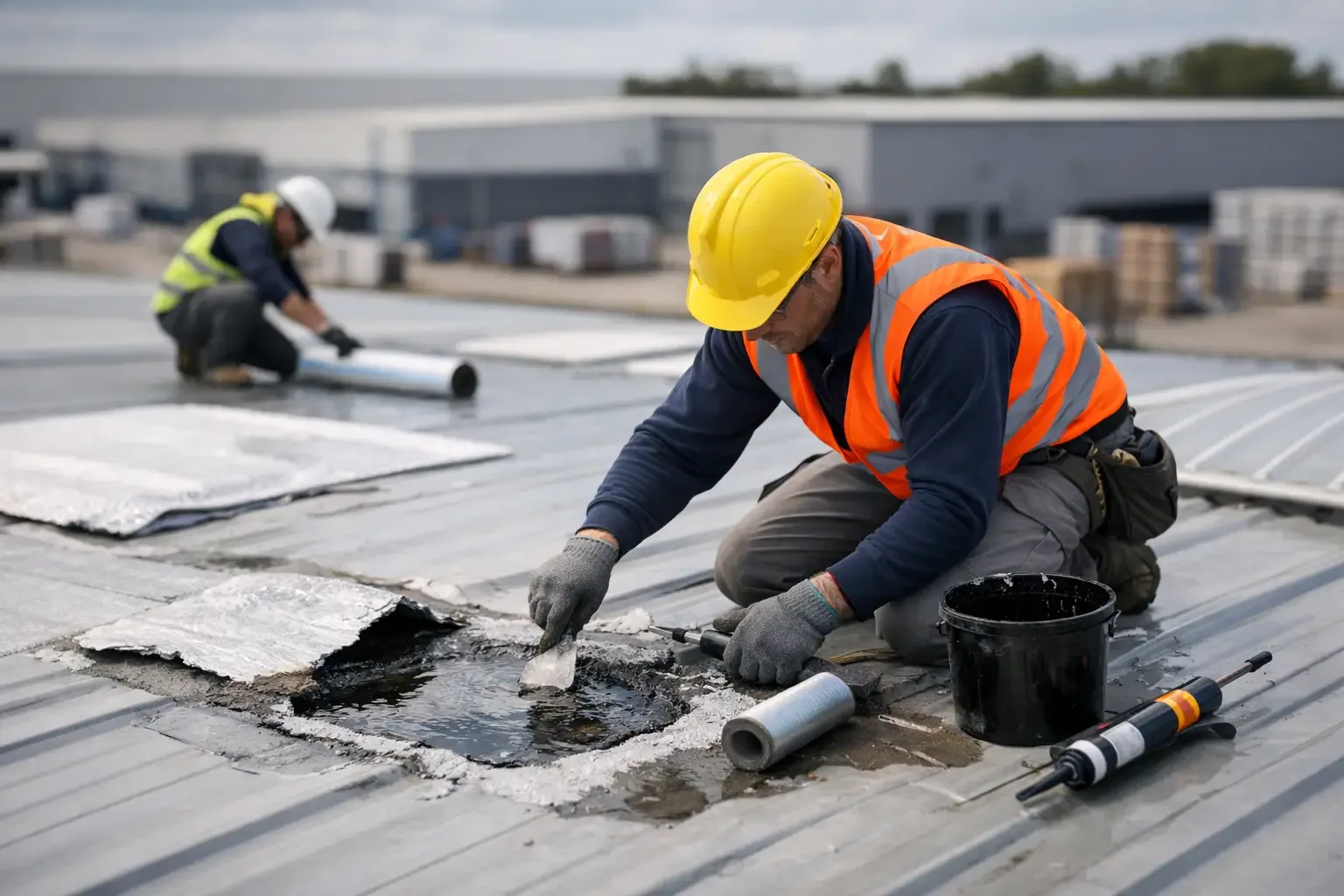
Commercial Roof Leak Repair
Read the full page
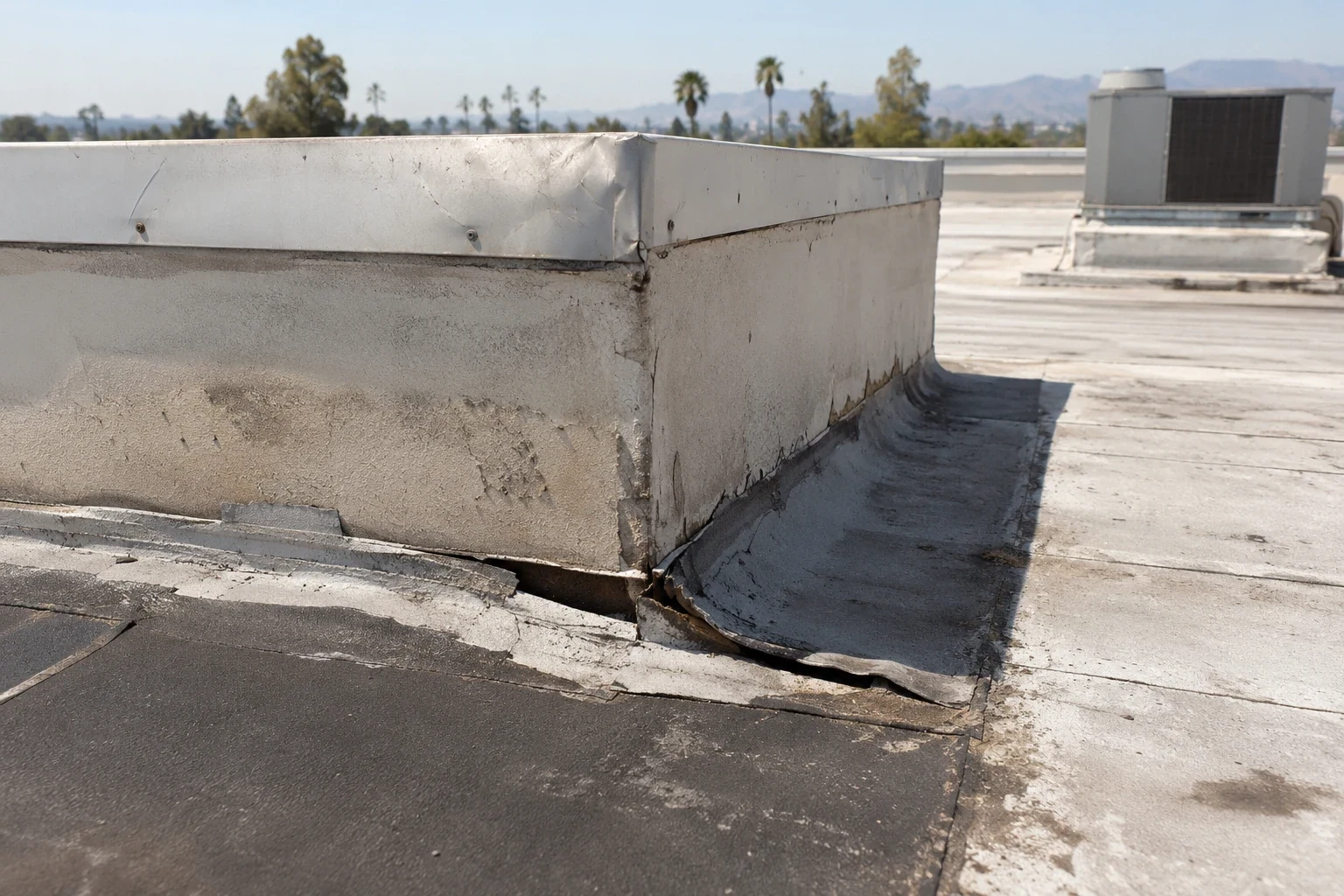
Flashing Failure Investigation in Clovis at Roof Transitions
See how we handle it
Rooftop Equipment Curbs and Supports
Scope, sequence and repair notes
Infrared Roof Moisture Survey
Read the full page
Office Roof Leaks and Tenant Protection
See how we handle it
Clovis
Scope, sequence and repair notes