
Commercial Roofing in Orange Cove, CA
Service Areas
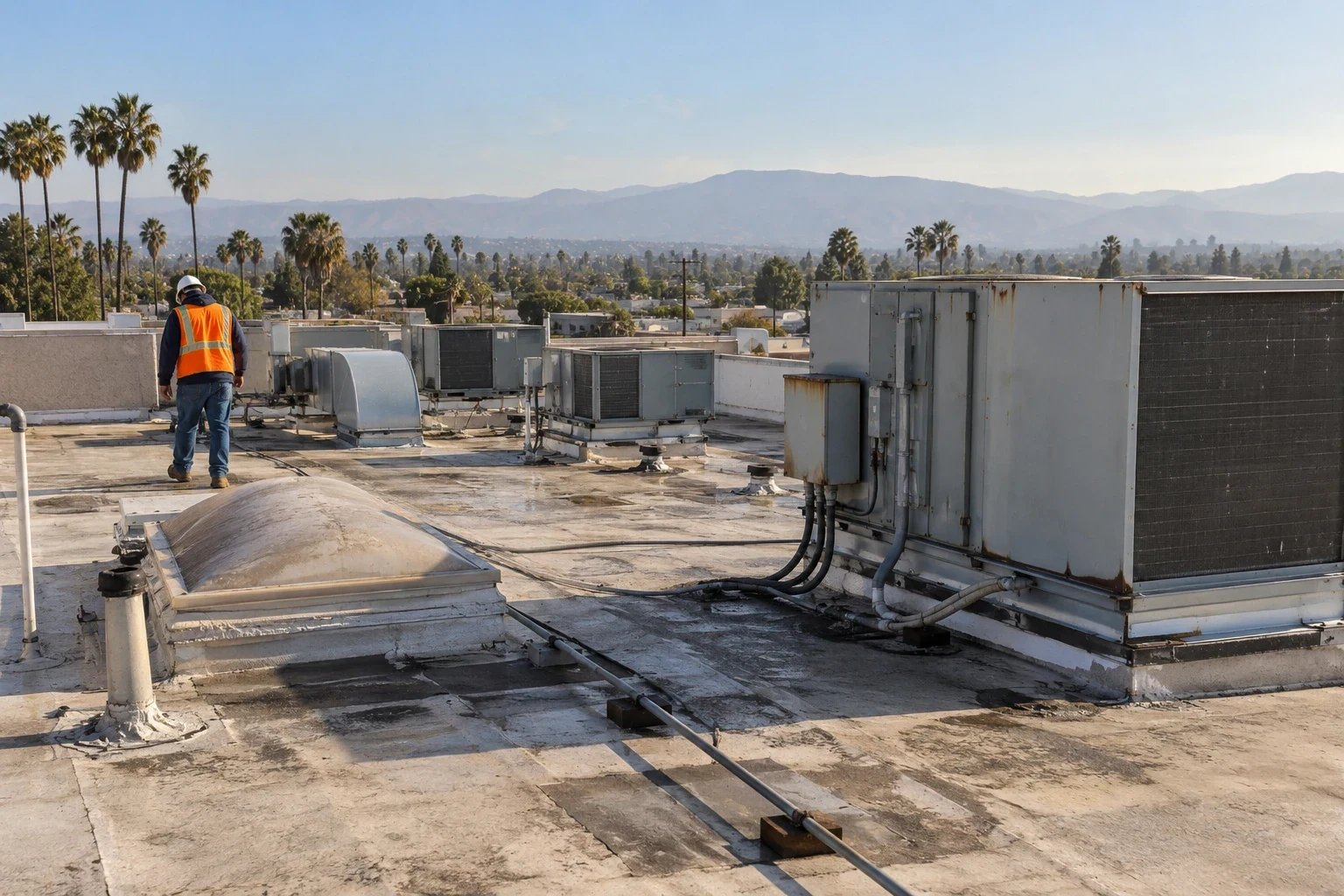
Commercial roofing at equipment curbs in Orange Cove, CA addresses drips beneath units that may still appear to be operating normally. We investigate leaks, repair membrane and metal assemblies and carry out replacement or restoration when the existing roof condition warrants it. The water may be entering at the curb, traveling through a failed pipe flashing or accumulating because equipment drainage is not reaching its intended outlet. Distinguishing those paths prevents a roof patch from hiding an unresolved equipment problem.
We start by asking whether the symptom tracks rainfall, cooling operation or both, and what sits beneath the wet area. Emergency assistance is available for calls day or night, on weekends and on holidays. During the initial response we discuss roof access and the protection needed for affected rooms. A temporary exterior repair may control a discovered opening, while a mechanical specialist handles unit drainage or equipment defects. Permanent roofing work then follows the condition of the curb, adjacent membrane and concealed materials.
A curb with several water paths
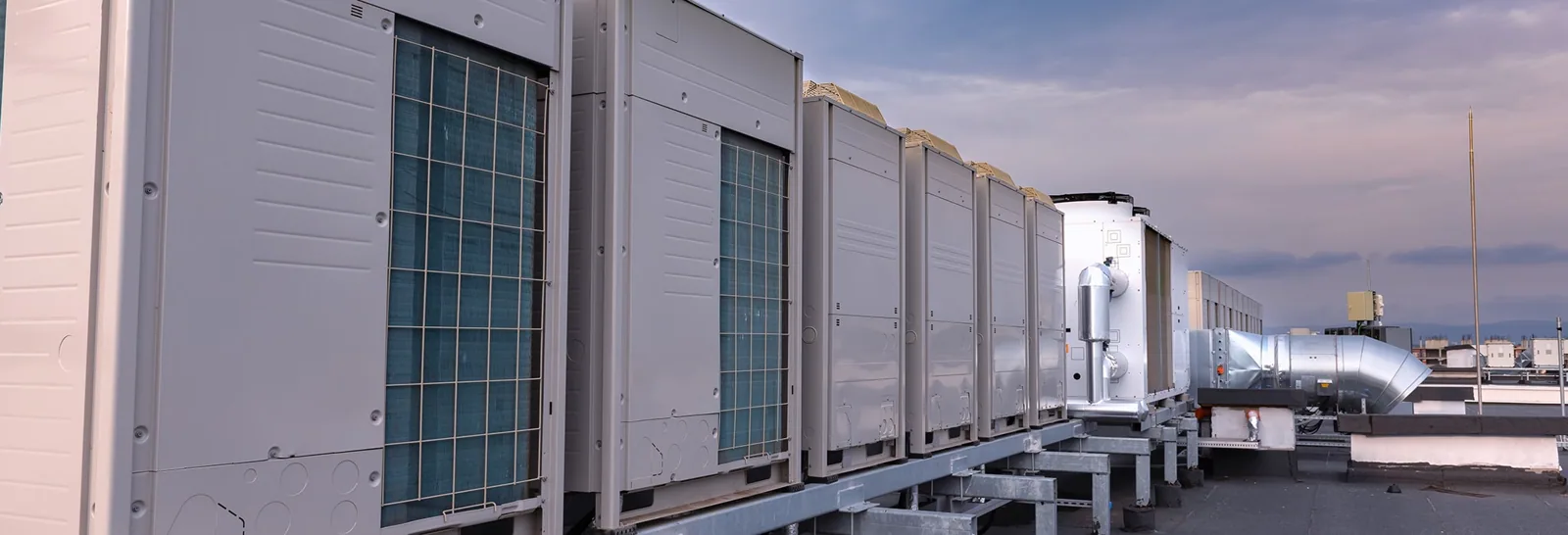
A rooftop curb joins a raised equipment support to the roof covering, and each corner or penetration can behave differently under movement. A loose covering at one face can admit rain while a cracked pipe boot elsewhere allows water during equipment operation. We examine the entire perimeter and the surrounding field rather than treating the interior drip as proof of the closest visible defect. Repairing the equipment interface requires a connection to sound material and clear responsibility for any mechanical work.
An inspection also considers traffic around the unit. Service activity can expose a membrane to abrasion or accidental puncture, especially where a worker needs repeated access to one side. Protection for that route should be compatible with the assembly and kept clear of drainage. We document whether the leak investigation found damaged roofing, an equipment issue or both. That distinction gives the owner a practical way to arrange the trades without allowing one repair to be mistaken for completion of the other.
Park Boulevard and the property visit
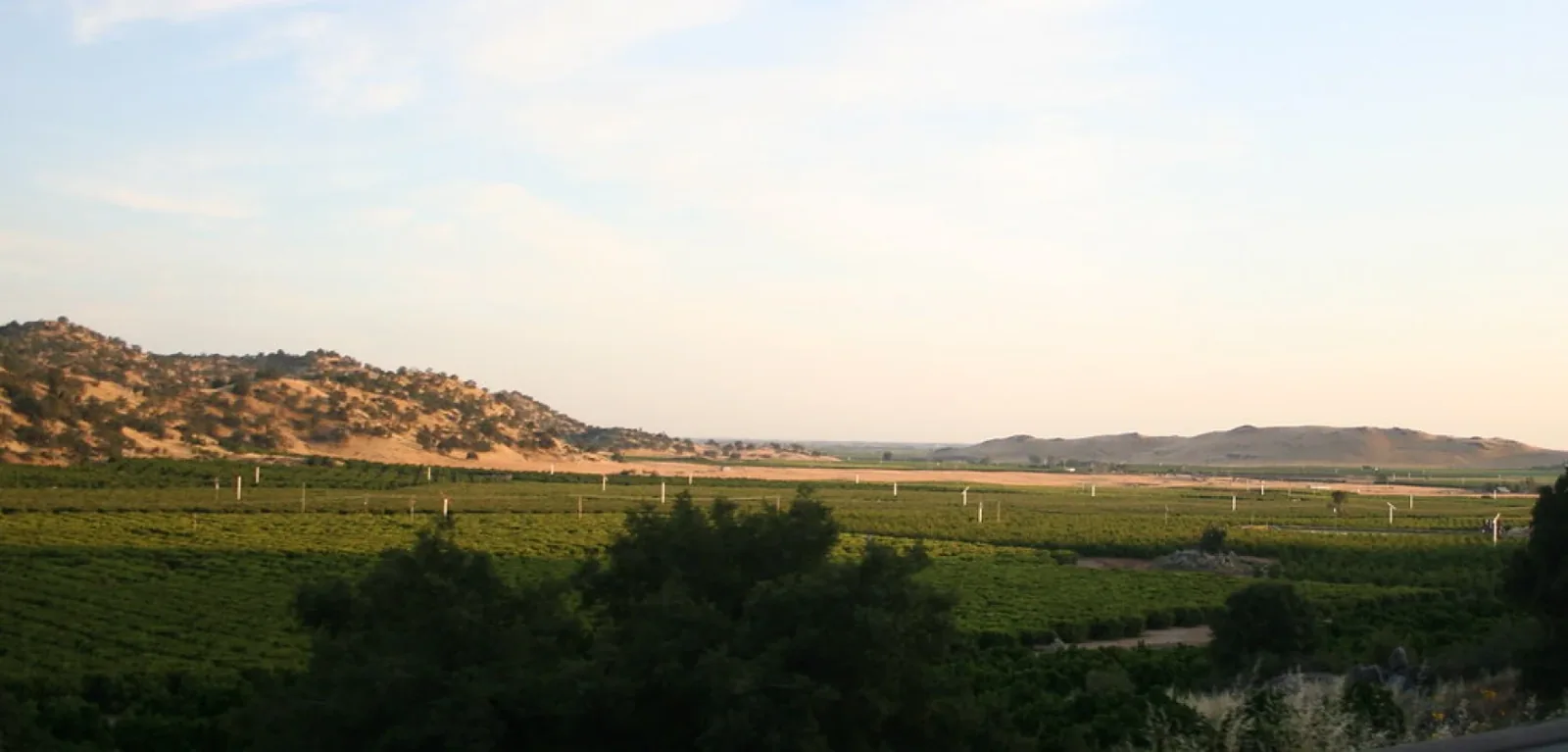
Orange Cove’s local commercial properties serve a close-knit community where owners often coordinate access directly with the people who use the building. A roofing visit starts by identifying that property’s roof route and the occupied space below the reported condition. We inspect the relevant seams, penetrations and drainage details, then determine whether the visible damage explains the interior water. If not, we identify the next observation or test needed before proposing a larger scope. The owner can plan around business hours, delivery traffic and any equipment shutdowns by agreeing on the work sequence in advance. Closeout notes record the completed correction and any area that should be watched through the next wet-weather cycle, giving the property team a practical reference for maintenance.
For businesses coordinating work in Parlier or Reedley, equipment access can change the repair sequence even where the buildings use similar membrane materials. A unit may need temporary shutdown, a service panel may have to remain reachable or a lift may be necessary to bring materials up safely. We identify those constraints before cutting into the flashing. The owner should receive a sequence that keeps essential activity in view while giving the roof detail the preparation and inspection it requires.
Interior exposure during diagnosis
A leak over packaging, office equipment or a busy passage needs an interior protection plan while the exterior examination proceeds. We ask the operator to identify what can be moved and what requires another specialist's attention. Where electrical components are involved, appropriate electrical assessment belongs alongside roofing work. The roof response focuses on reducing the entry of water and recording the defect, with the condition of interior materials addressed by the people responsible for that work.
A targeted membrane repair may be enough when the surrounding covering and substrate remain usable. The temporary measure should not obstruct an equipment drain or make a service panel inaccessible. We describe what it protects and the conditions that still need correction. Before permanent closure, photographs and locations preserve the discovered path, so the follow up work can address the mechanism that caused the interruption instead of simply covering the last place where water was visible.
Heat at exposed transitions
The July 2024 Fresno report recorded a mean temperature of 90.0 degrees Fahrenheit and 26 days with triple digit temperatures. That regional heat record belongs to Fresno, and informs the attention we give to exposed Orange Cove roof details without proving a specific local failure. A transition restrained at a curb may experience movement differently from the open field. We examine splits, adhesion and flexibility to determine whether repair material can connect to what remains.
For bonded or welded repairs, temperature and surface condition affect preparation and workmanship. Dirt, moisture or degraded exposed material can prevent a proper connection even when the correct repair product is chosen. Repairs to a TPO assembly require confirmation of the existing system and an appropriate preparation method. Other membranes need their own compatible materials. We explain why a detail may need more removal or cleaning than its visible opening suggests, then keep temporary protection in place until the permanent connection can be completed correctly.
Separate roof and mechanical decisions
The lasting scope should identify the new flashing boundary and any work that depends on equipment adjustment or lifting. A unit blocking access to the damaged curb can change both the labor and the sequence. Wet insulation beneath the surrounding roof may require a wider opening than the surface defect alone. We establish those conditions before finalizing the material plan and explain how they affect the duration of roof exposure.
Documented roof findings give the operator a useful record of the repaired interface and any unresolved equipment concern. We describe which items are roofing work, which need mechanical coordination and what remains suitable for observation. After the permanent repair, the maintenance trigger may be a loose termination, recurring condensate accumulation or damage along a service route. Recording those points helps the owner respond to the right condition the next time equipment is serviced, with a clear distinction between a new defect and the original repaired leak.
Commercial Roofing Questions
Does water under a unit mean the curb flashing failed?
Timing and exterior evidence separate those possibilities. Condensate, equipment leakage and rainfall can produce similar interior symptoms. We compare operation with weather and examine the curb so that mechanical water is not mistaken for a membrane failure.
Must the rooftop unit be lifted for a repair?
Usable flashing access controls the repair arrangement. Some details can be repaired with the equipment in place, while concealed damage may require coordinated lifting. We identify that dependency before the owner schedules permanent roofing work.
Can maintenance traffic damage a recently repaired membrane?
Repeated contact at an unprotected service route can create new damage. We inspect the approach to the equipment and consider compatible traffic protection without blocking outlets. The route should support maintenance access while keeping abrasive movement away from vulnerable flashing.
Why would a small boot repair include nearby insulation?
Moisture beneath the opening can extend past its visible edge. The repair needs a dry, usable supporting assembly, so we investigate the concealed condition when symptoms justify it. The resulting boundary follows the damage rather than the boot diameter alone.
What information helps separate a roof leak from condensate?
An account of unit operation provides the useful comparison. Record whether cooling was running, whether rainfall occurred and the time the interior water started. Those details help guide the roof examination and any mechanical coordination needed afterward.
Orange Cove equipment leak assessment
Call with the unit location, the affected room and whether water follows rain or equipment operation. We discuss immediate protection and coordinate access before examining the roof connection.
Related Pages
Rooftop Equipment Curbs and Supports
Read the full page
Parlier
See how we handle it

Reedley
Scope, sequence and repair notes
Commercial Roof Repair
Read the full page
TPO Roof Repair in Clovis After a New Drip
See how we handle it
Roof Condition Records and Repair Planning
Scope, sequence and repair notes