Commercial Roofing in South Fresno Highway 99 Corridor, CA
Service Areas
Roof repair for a commercial property along the South Fresno Highway 99 corridor begins with the operation affected, especially when a first-rain drip reaches a loading area or workroom. A supervisor might find cartons getting wet beside a wall while the roof opening remains out of view. We establish the affected space, active water entry and roof access, then investigate the connection above it. Commercial roofing service from Clovis, CA, includes localized repair and wider replacement when the examined assembly calls for it, with interior protection considered before roof removal.
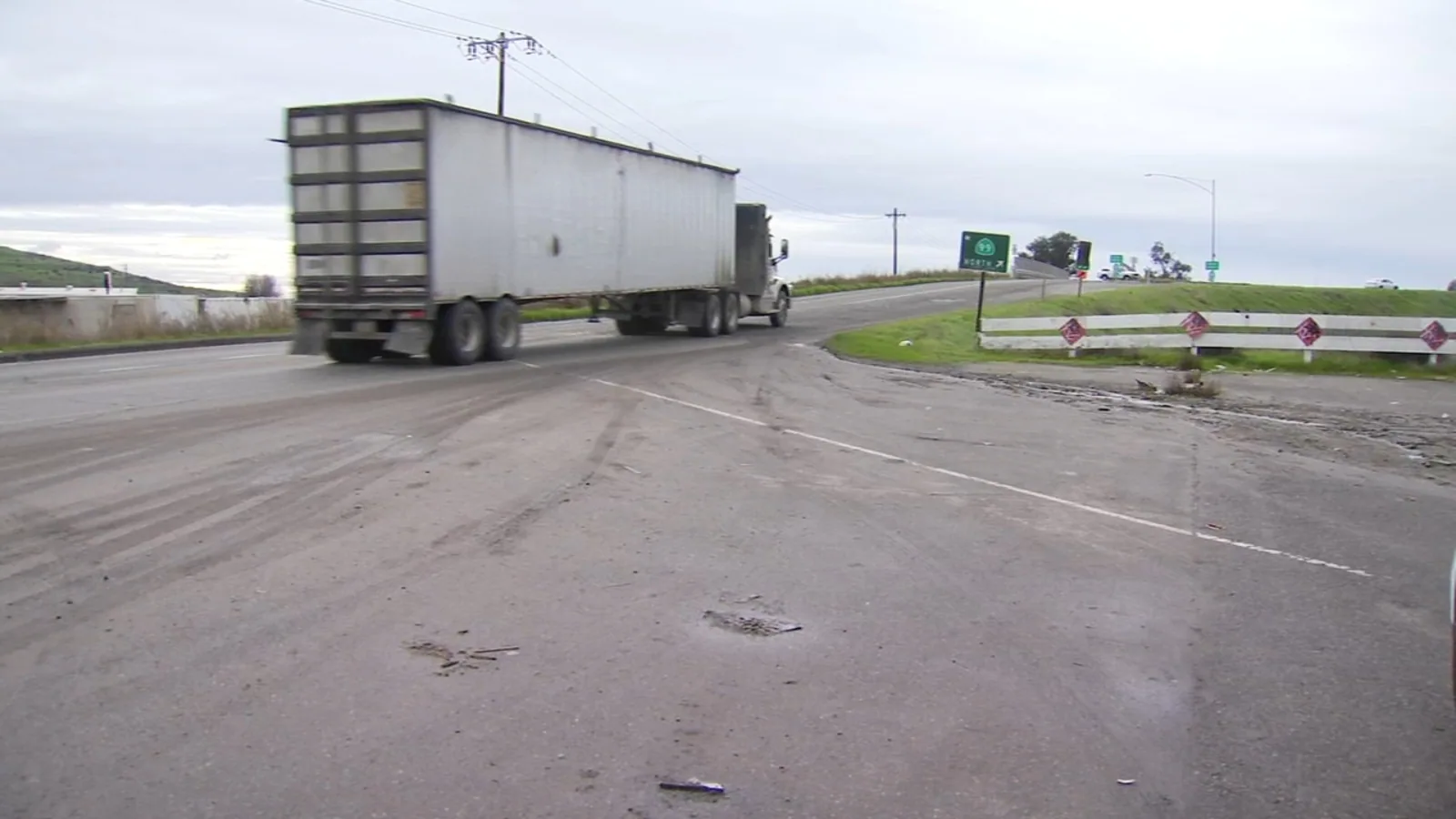
South Fresno’s Highway 99 corridor serves industrial, distribution and commercial properties, where truck circulation and roof access can affect the work sequence. Before mobilization, the owner identifies the assigned building, gate contact, delivery periods and safe staging location. We inspect the roof above the reported interior condition and map the drainage path, seams and equipment transitions that may contribute to it. A large low-slope area can contain separate repair zones, so the scope identifies where the crew will work and where operations continue. If the visible damage does not account for the full water path, we list the next test or trade coordination separately. This gives the facility manager a clear sequence for immediate protection, permanent correction and closeout.
Industrial work near a freight route benefits from staging that does not conflict with trailer turns or receiving schedules. The site contact can point out gate controls, active dock doors, roof ladders and areas where a lift would block operations. We inspect the relevant roof section, then map drains and seams that may affect water movement through the property. If more than one building is involved, the report lists separate zones and the evidence for each one. Temporary protection should leave access clear for the next operation, and permanent work should identify when the area can return to normal use. The manager receives those steps in a sequence that can be coordinated with shipping and production.
Loading activity below the work
A leak above a receiving lane can interrupt material handling before it has caused visible damage to the roof surface. We compare the interior complaint with roof seams, wall transitions and drainage, while the manager decides which receiving activity must move. The proposed debris route needs separation from goods entering the building. Where work would cross a delivery path, we discuss a release period rather than treating a quiet moment at the dock as permission to begin. Interior protection must remain workable as the roofing task changes from investigation to removal.
The roof plan for a distribution operation needs the assigned building’s actual access and handling limits. A warehouse repair area may have racks or stored goods immediately below an opening, which changes protection and the ability to inspect from inside. Those are questions to settle at the property, not characteristics we infer from its highway location. We record the released area and communicate proposed changes before moving the roof boundary beyond the space the manager has prepared.
Wall movement and drainage concentration
A stain following a wall can result from water entering at the flashing, but a drain restriction nearby can hold water against an otherwise separate connection. We examine termination attachment, corners, membrane laps and the path toward the outlet. Sealant over the visible crack can leave the moving joint or wet layer beneath it uncorrected. The permanent detail has to accommodate the actual assembly and reach sound material, so the repair boundary may be wider than the stain that triggered the request.
Water held beside a curb also deserves a drainage assessment before the membrane is blamed alone. Repair of drains and scuppers can include clearing an obstruction and examining the connection at the outlet, while changes to drainage geometry require a defined design scope. We identify which of those conditions is present. A roof coating is not a substitute for restoring a damaged drain connection, and a temporary patch should not block a flow path in an effort to stop one visible drip.
Heat stress and the remaining assembly
Fresno recorded 26 triple-digit days during July 2024, with a monthly mean temperature of 90.0 F. That regional record gives a useful heat context for examining seams and details, but a specific property’s damage still needs inspection. Repeated heating and cooling can stress a membrane connection whose movement is restricted at a wall or curb. We look for the actual separation and examine adjacent material before selecting a repair. Surface discoloration by itself does not establish wet insulation, failed attachment or the need for full removal.
A wider commercial roof replacement becomes a reasonable comparison when failure extends across the assembly or repairs cannot reach reliable supporting material. Removal quantities, insulation condition, equipment details and daily closure affect the scope. A manager arranging related work in Southwest Fresno or Fresno can share earlier roof reports, but each building needs its own condition findings. We distinguish a known defect from an unexamined area so budgeting does not turn an assumption into a replacement quantity.
The work zone and daily closure
An opened roof above stored goods needs a closure detail that fits the remaining roof. We describe the removal zone, replacement layers and tie-in before exposing that area, including what happens if concealed damage changes the planned boundary. Small phases can reduce the area open at one time but require repeated preparation and closure. Those repeated tasks can influence labor and schedule without changing the visible roof size. The owner needs that explanation to compare proposals with similar protection and repair endpoints.
During winter fog, a surface can remain damp after the air begins to warm. Application suitability must be checked at the roof for the selected material, rather than inferred from a sunny forecast. We keep access, surface preparation and permanent adhesion as separate decisions. Urgent leaks can be reported at night and during weekends or holidays; we establish available response options and interim protection from the conditions described. At completion, the manager receives the repair findings and remaining concerns so later maintenance follows the actual unresolved details. We also describe any access restriction that remains unresolved before the manager releases material handling beneath the next repair zone.
Commercial Roofing Questions
Should wet cartons be moved before the roof entry is found?
Interior exposure needs the manager’s immediate attention. Moving goods or restricting the affected lane can limit further damage while investigation continues. We identify the overhead work area, but the building operator controls material handling and the release of receiving activity.
Can the dock stay active beside the repair zone?
Separation of deliveries from overhead work is the practical test. A marked route may work for one repair, while removal above the lane may require a release period. We discuss the actual roof opening and debris movement before establishing that boundary.
Will clearing a drain be enough to stop the wall drip?
The outlet connection and wall detail both need examination. An obstruction may raise water against a weak flashing connection, so clearing it can reduce exposure without resolving the roof entry. We describe the remaining defect after drainage is restored.
Why can a small repair require more than one visit?
Concealed moisture, controlled access and material preparation can separate immediate protection from the permanent work. A temporary closure may be possible before the full assembly is known. The follow-up task needs the missing investigation and a suitable permanent tie-in.
Could an overlay reduce interruption at a storage building?
An acceptable existing assembly is required before an overlay is considered. Moisture, attachment, loading and drainage all influence feasibility. We compare that work with removal only after the supporting condition is established, including the protection needed below equipment details.
Describe the loading-area exposure
Give us the property address, affected lane or room, whether water is still entering and the contact controlling deliveries. We will establish the roof investigation and protection options.
Related Pages
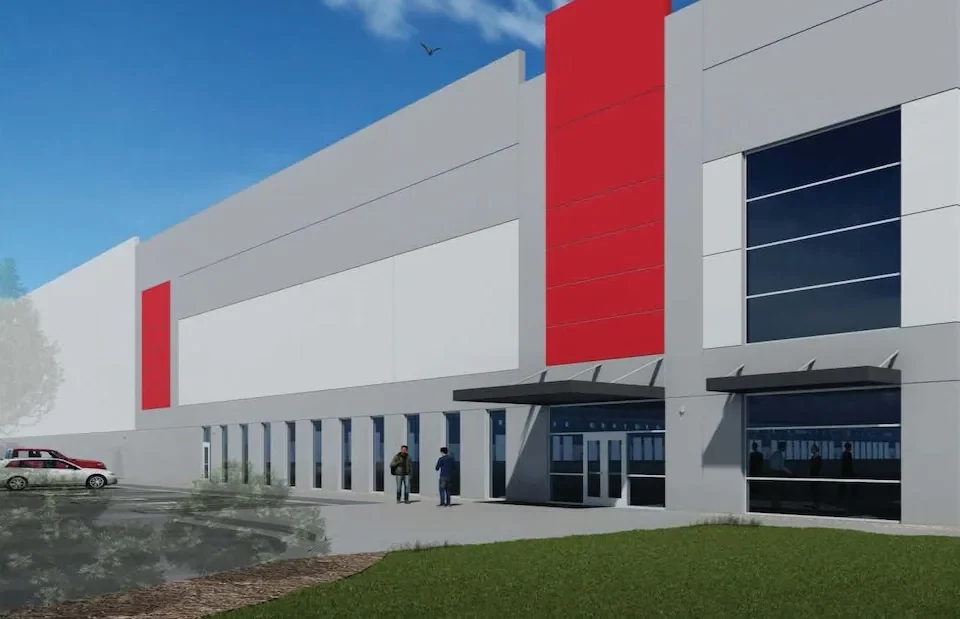
Distribution Roof Repairs Around Receiving Operations
Read the full page
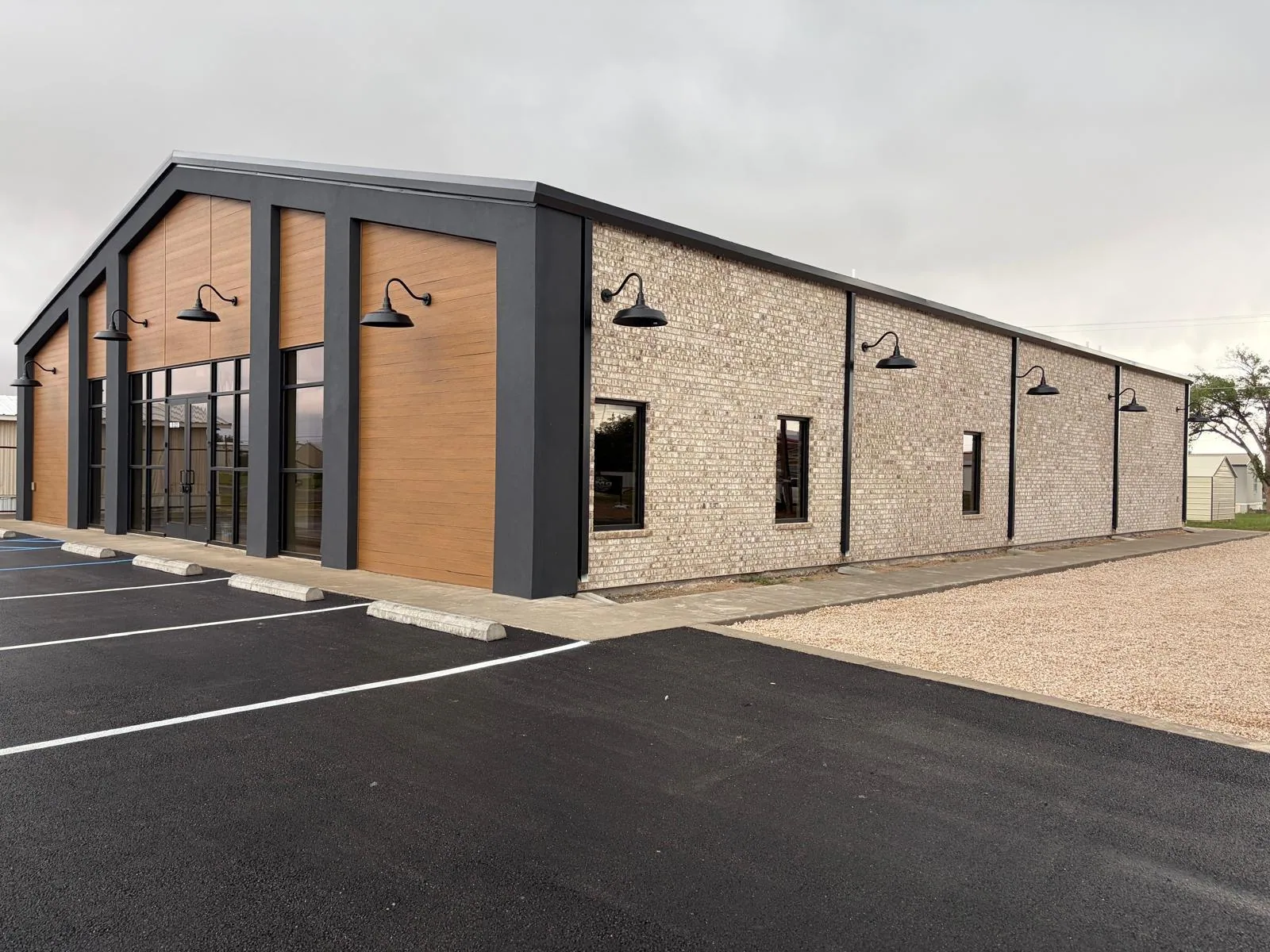
Warehouse Roof Leaks and Repair Sequencing
See how we handle it
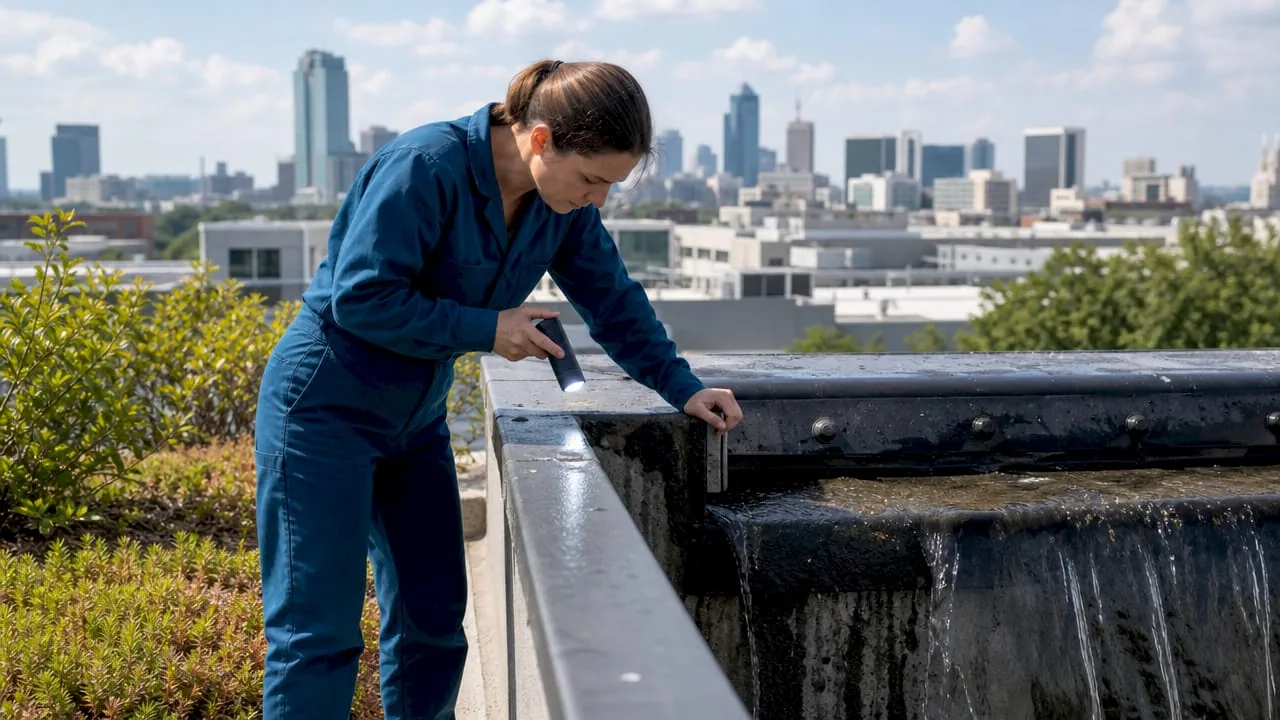
Roof Drains and Scuppers
Scope, sequence and repair notes
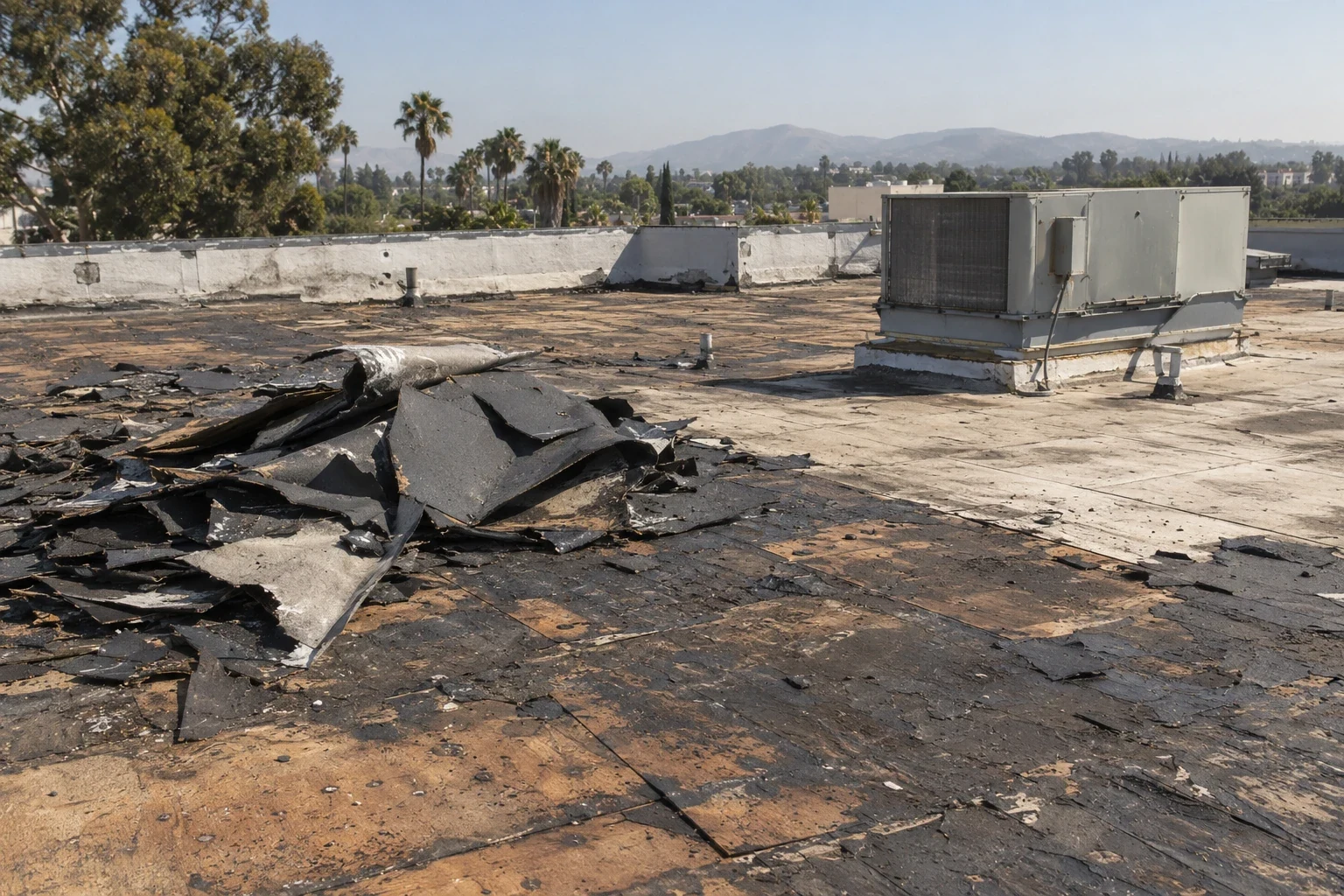
Commercial Roof Replacement
Read the full page
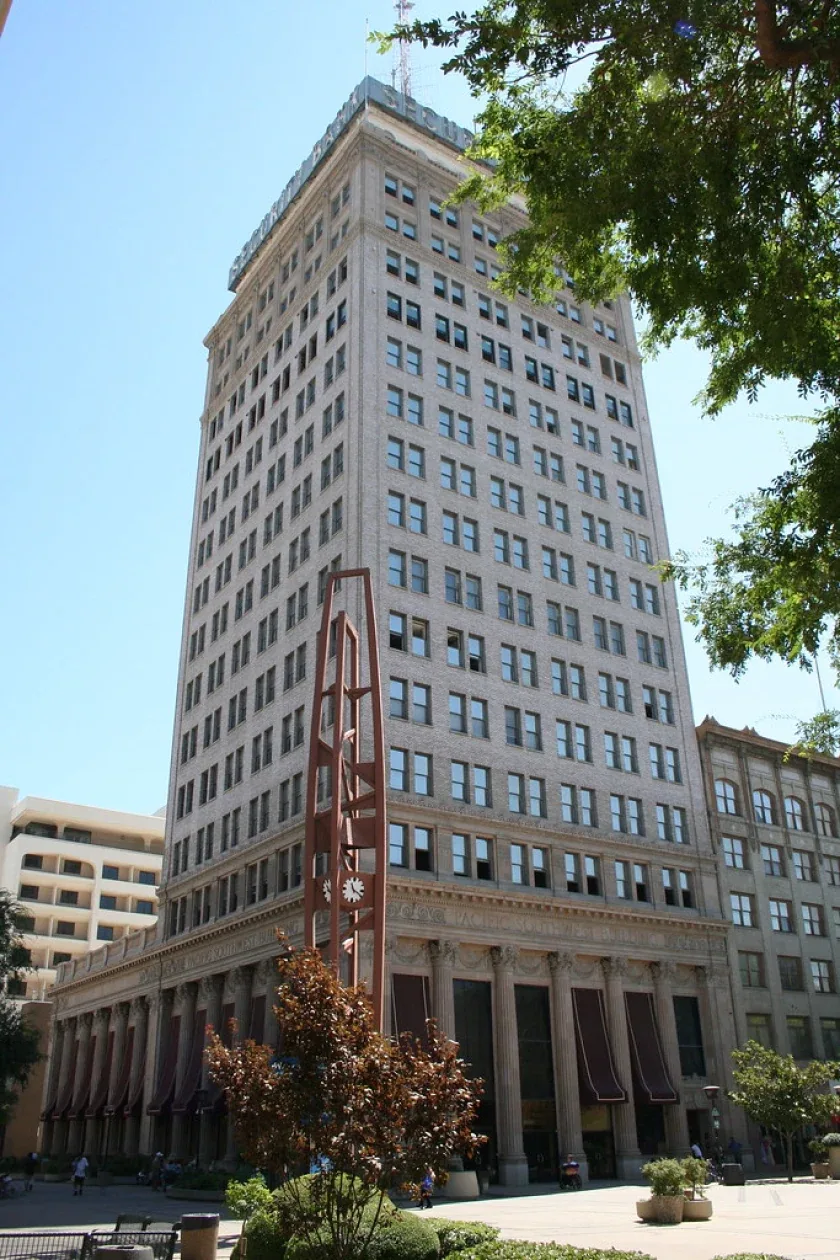
Southwest Fresno
See how we handle it
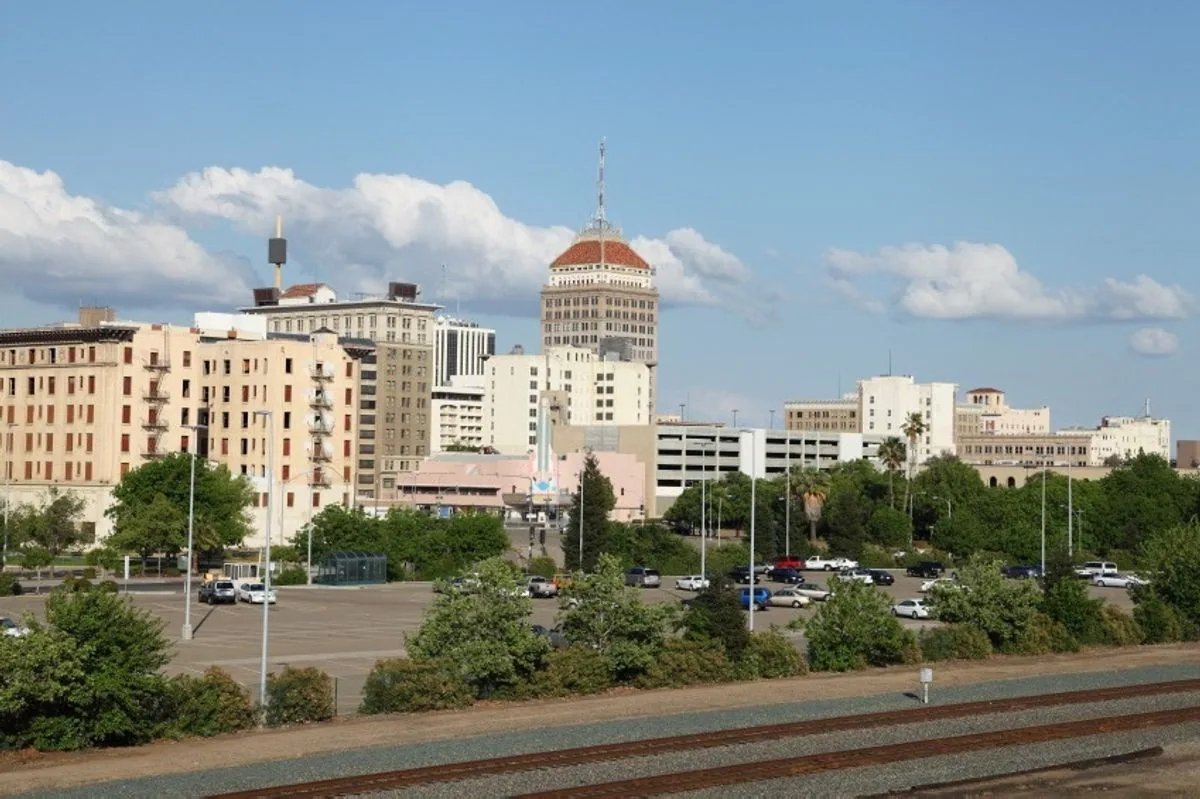
Fresno
Scope, sequence and repair notes