
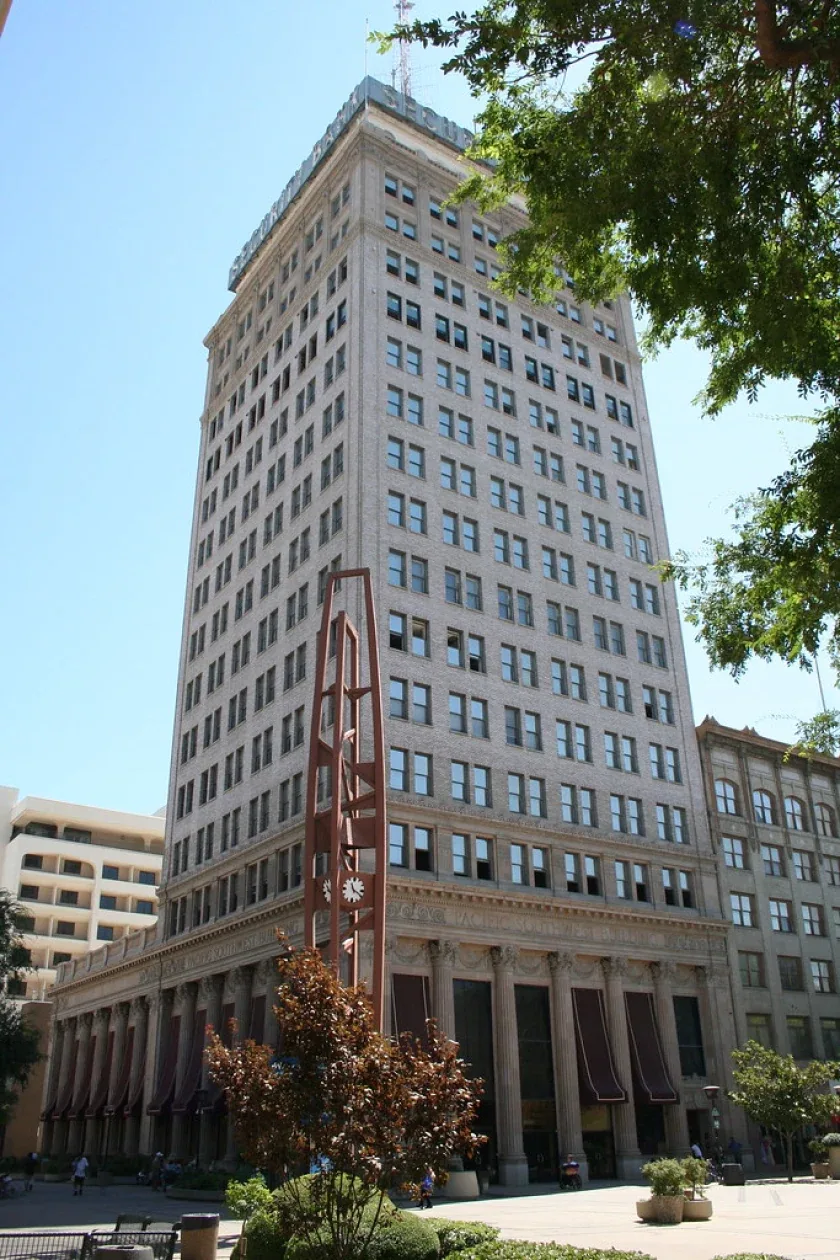
Commercial Roofing in Southwest Fresno, CA
Service Areas
Commercial roof repairs in Southwest Fresno need a defined affected room before a crew opens the assembly above it. An owner might see a new stain along an office partition during winter rain and discover damp material farther from the visible drip. We investigate the entry, consider what needs protection below and explain how a temporary closure differs from the permanent repair. Service from Clovis, CA, includes inspection, maintenance and roof replacement, with the roof condition and access requirements guiding the work rather than the size of the interior stain.
Southwest Fresno includes established neighborhoods and employment areas connected by major roads, so nearby landmarks alone do not define a roofing assignment. The property contact identifies the building entrance, roof access, affected rooms and operating windows before inspection. We then follow the evidence from the interior report to the relevant roof zone, checking drainage, membrane seams, penetrations and wall transitions. Where a repair sits beside rooftop equipment or active loading areas, the work plan defines protection and access limits before materials are moved. If the source remains uncertain, we explain what additional test would answer the question rather than extending the repair by assumption. The final record ties photographs and completed work to the exact property and lists any monitoring or return visit the owner should schedule.
When several roof areas are involved, the owner benefits from separating immediate water control from long-term asset planning. We document what the current inspection can establish, identify any section that was inaccessible and state what follow-up would close the gap. If the business needs to remain open, protection below the work zone and a clean return path are part of the plan. The maintenance contact can use the closeout record to track the repaired seam, outlet or flashing at the next inspection. That avoids repeating the same investigation and gives the owner a practical way to decide whether another phase should be scheduled.
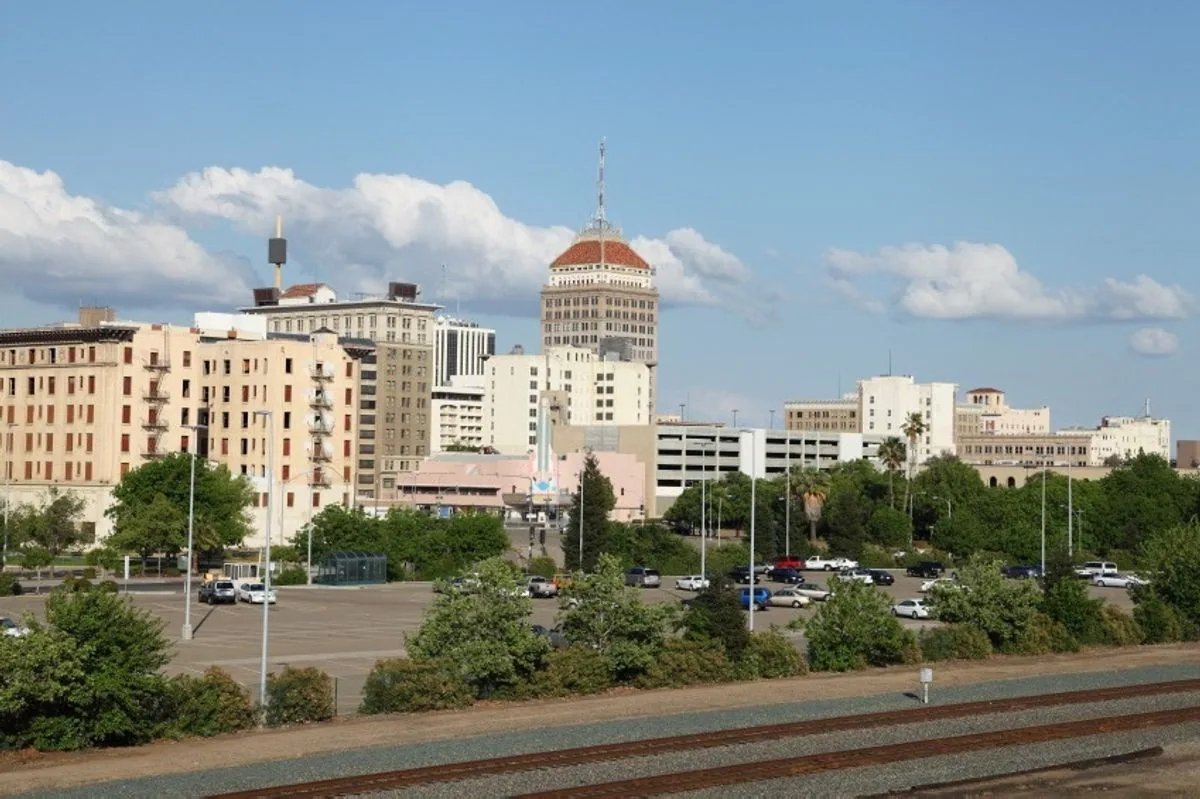
Interior tracks and hidden entry points
A stain spreading along a partition can reflect water moving on a deck, insulation layer or ceiling member. We compare that route with the roof’s accessible seams, penetrations and changes in level. The visible mark tells us where water has reached the occupied space, but it is only part of the investigation. Rain timing, equipment operation and prior repair locations can help narrow the roof search. We keep those clues distinct from confirmed openings so a convenient patch location does not replace a reasoned diagnosis.
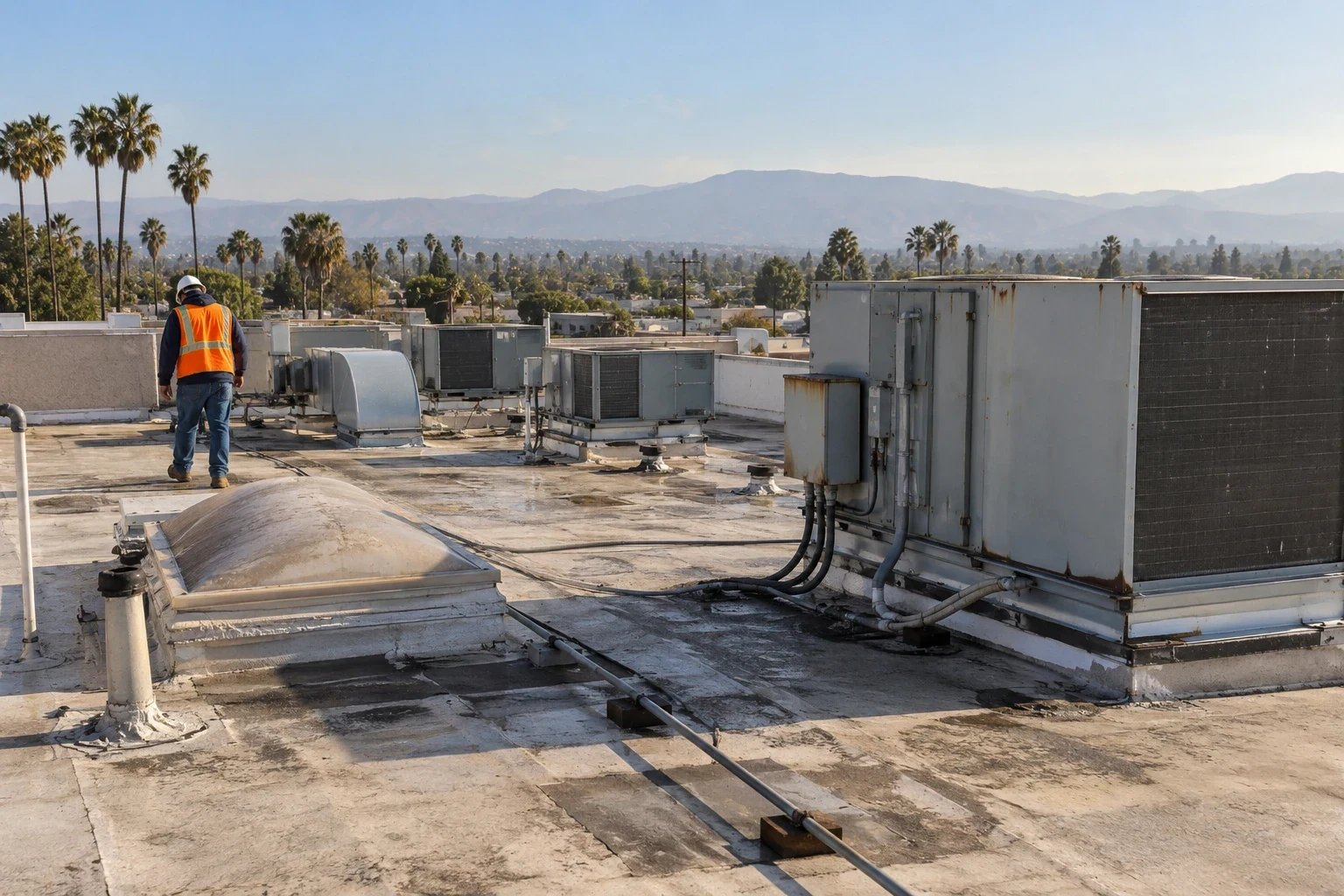
An owner arranging a hands-on commercial roof inspection should expect the findings to separate exposed damage from areas needing further access. We can record a split seam or failed termination directly; suspected moisture below an intact surface needs additional investigation. Limited opening may reveal whether insulation remains wet or supporting material is sound. We describe the location, protection and closure for that opening before proceeding, especially when the occupied room beneath it has equipment or finishes that cannot simply be covered in place.
Low roof connections beside taller walls
A lower roof meeting a tall wall can concentrate several different repair details in a small area. The membrane termination, wall flashing and nearby runoff path have to work together, and movement can loosen a connection without tearing the entire roof field. We examine the exposed attachment and the material available for a sound tie-in. Adding surface sealant across an unstable joint can conceal the opening briefly while leaving the movement unresolved. The permanent scope needs the actual cause and a connection suitable for the materials already present.
Where water gathers at the base of that wall, correction of persistent roof ponding starts with the drain route and surrounding elevations. An outlet obstruction differs from a low area caused by assembly geometry. We explain that difference because the work can range from restoring drainage to rebuilding a local roof zone. A manager with a second property in the South Fresno Highway 99 corridor needs that property’s drainage findings separately, even when the interior complaints sound similar.
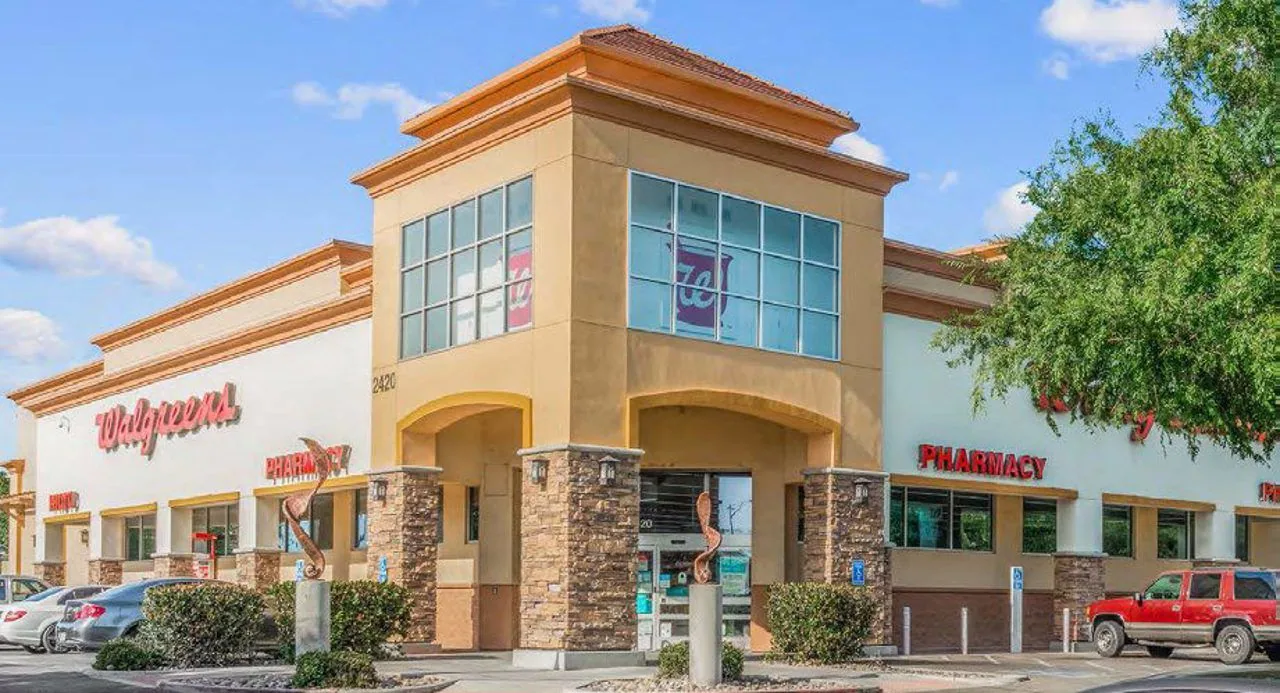
Summer movement and winter surface moisture
Fresno’s July 2024 monthly mean temperature was 90.0 F, and the report records 26 triple-digit days. Heat of that kind makes moving seams and curb corners relevant inspection points; it does not prove that a Southwest Fresno roof has failed. We examine visible stress and attachment at the assigned building. A darkened patch or blister can require closer investigation, but the surface alone does not establish the depth of moisture or the reliability of the remaining assembly. Repair selection follows what that investigation establishes.
Central Valley tule fog forms after sunset and can remain thickest before dawn. For adhesion work, the useful information is the roof’s actual dryness and temperature at application, not the neighborhood’s general forecast. We check those conditions against the selected material’s requirements and discuss any effect on the day’s opening. Property owners arranging related work in Clovis can coordinate contacts and records, while each roof still receives its own surface assessment. Preparation and curing requirements remain part of the repair even when the interior room urgently needs protection.
Removal limits and occupied rooms
Wet insulation changes a repair from surface closure to assembly work. We need to establish how far the moisture extends and whether adjacent layers can support the proposed connection. A localized removal may be workable when sound material surrounds the defect; several wet zones or failing attachment can call for a broader replacement comparison. We show those boundaries with the roof findings, including remaining uncertainty. That lets the owner distinguish the immediate water-entry task from a longer decision about the assembly above the occupied rooms.
For reroofing above occupied space, daily exposure and interior protection influence the sequence. Repeated setup and tie-ins can add work even when smaller phases are necessary. We identify who releases each room, where materials move and how the roof closes before the next work zone opens. A defined roof condition report preserves the findings for that decision. Urgent requests are accepted through nights, weekends and holidays, with the available response established after we review the reported exposure and practical access arrangements. That release should identify the person who can approve a changed work boundary if investigation finds wet material beyond the initial opening.
Commercial Roofing Questions
Why does the stain continue beyond the suspected roof opening?
Water can travel on concealed layers before reaching the ceiling. We compare the interior path with seams, wall details and roof drainage, then investigate the likely entry. The stain’s length does not by itself identify the removal area.
Can a wall flashing be repaired without reroofing the field?
Sound material beside the connection can allow that narrower scope. We need reliable attachment and compatible tie-in material at the repair boundary. Wet layers or failure extending into the field can change what must be removed.
Would coating the roof stop a recurring partition leak?
The entry detail and underlying condition matter before coating is considered. A coating cannot correct an unstable termination or remove wet insulation. We assess whether detail repair and preparation can produce a suitable assembly for restoration.
Can we release one office at a time for replacement?
Room boundaries need to match workable roof phases. The roof connection may cross more than one interior space, so a single room release is not automatically enough. We compare the daily opening with the protection and access available beneath it.
Does morning fog rule out a repair that day?
Measured surface conditions govern application. Some access and preparation tasks may remain possible while adhesion must wait for appropriate dryness and temperature. We discuss the selected repair material and any temporary protection needed during that separation.
Explain the room and the rain timing
Tell us the Southwest Fresno address, the affected room, where the stain begins and whether it changes with rain or equipment use. We will discuss access and the investigation needed to limit further exposure.
Related Pages
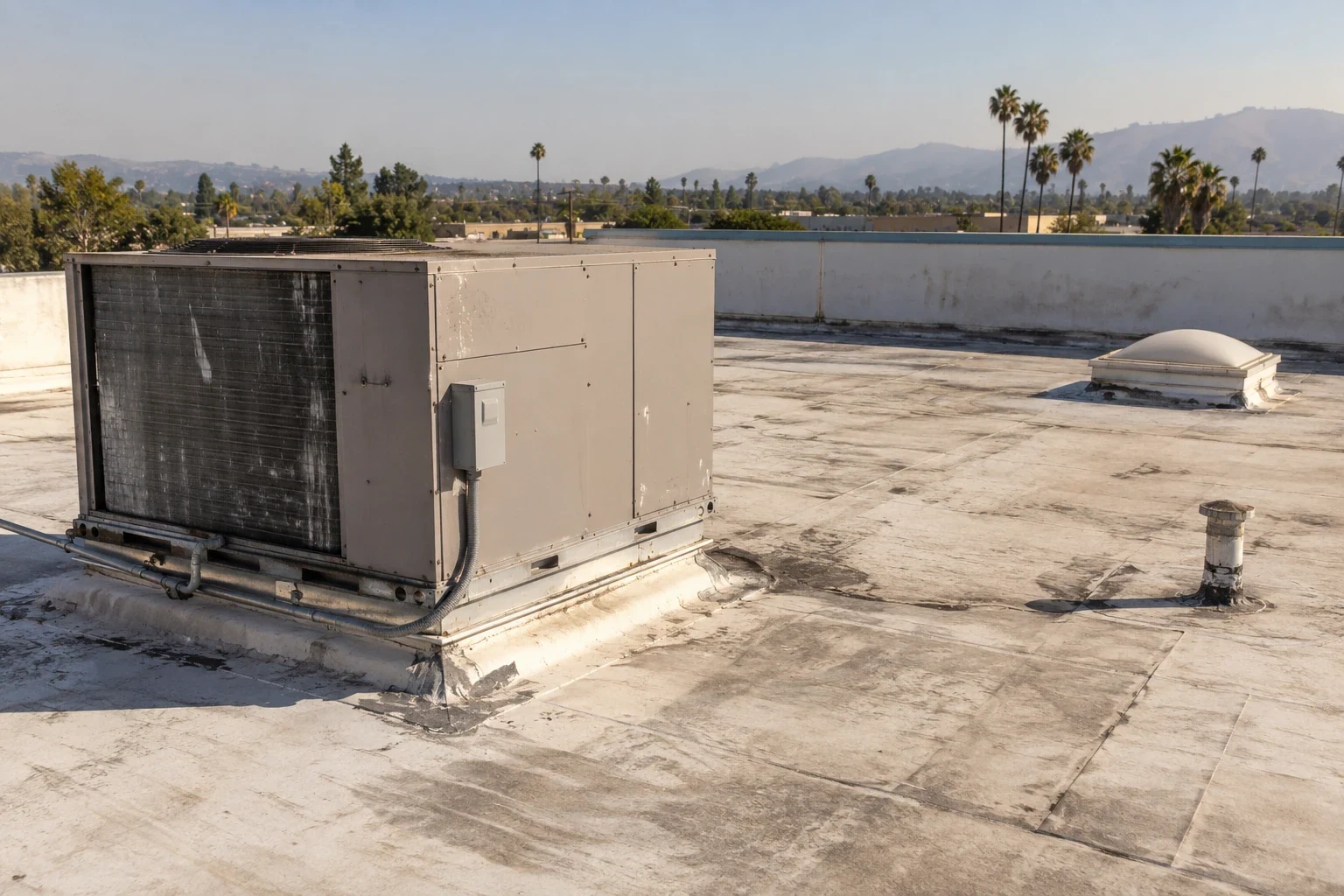
Commercial Roof Inspection
Read the full page
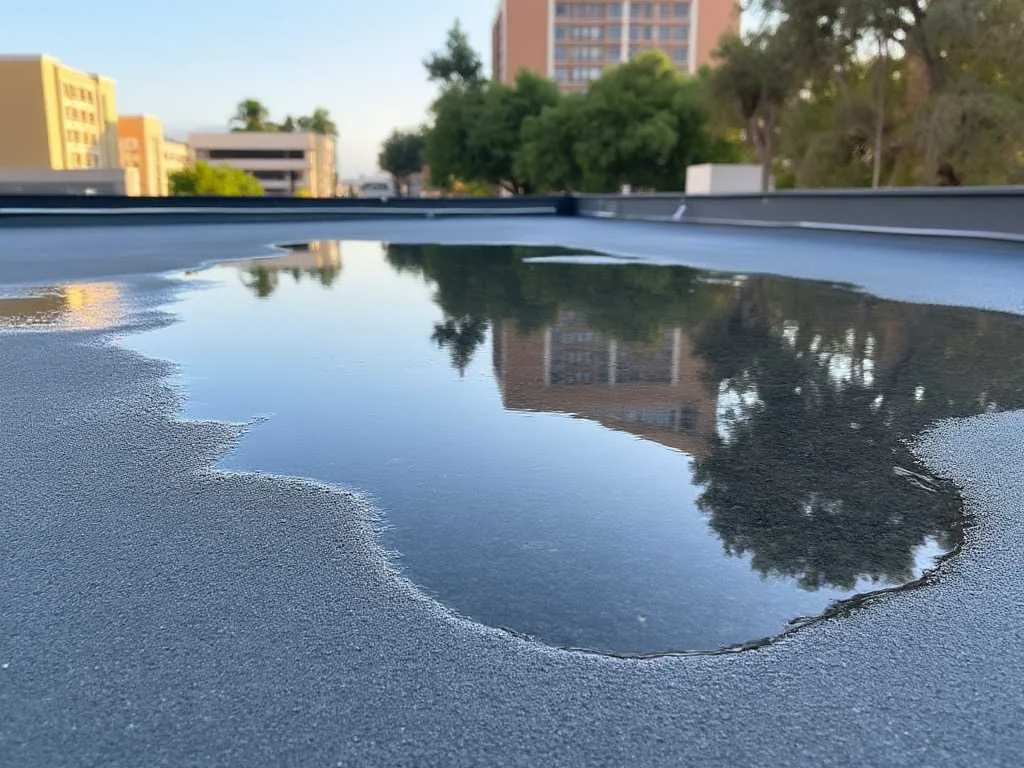
Ponding Water Review in Clovis Before Changing Drainage
See how we handle it
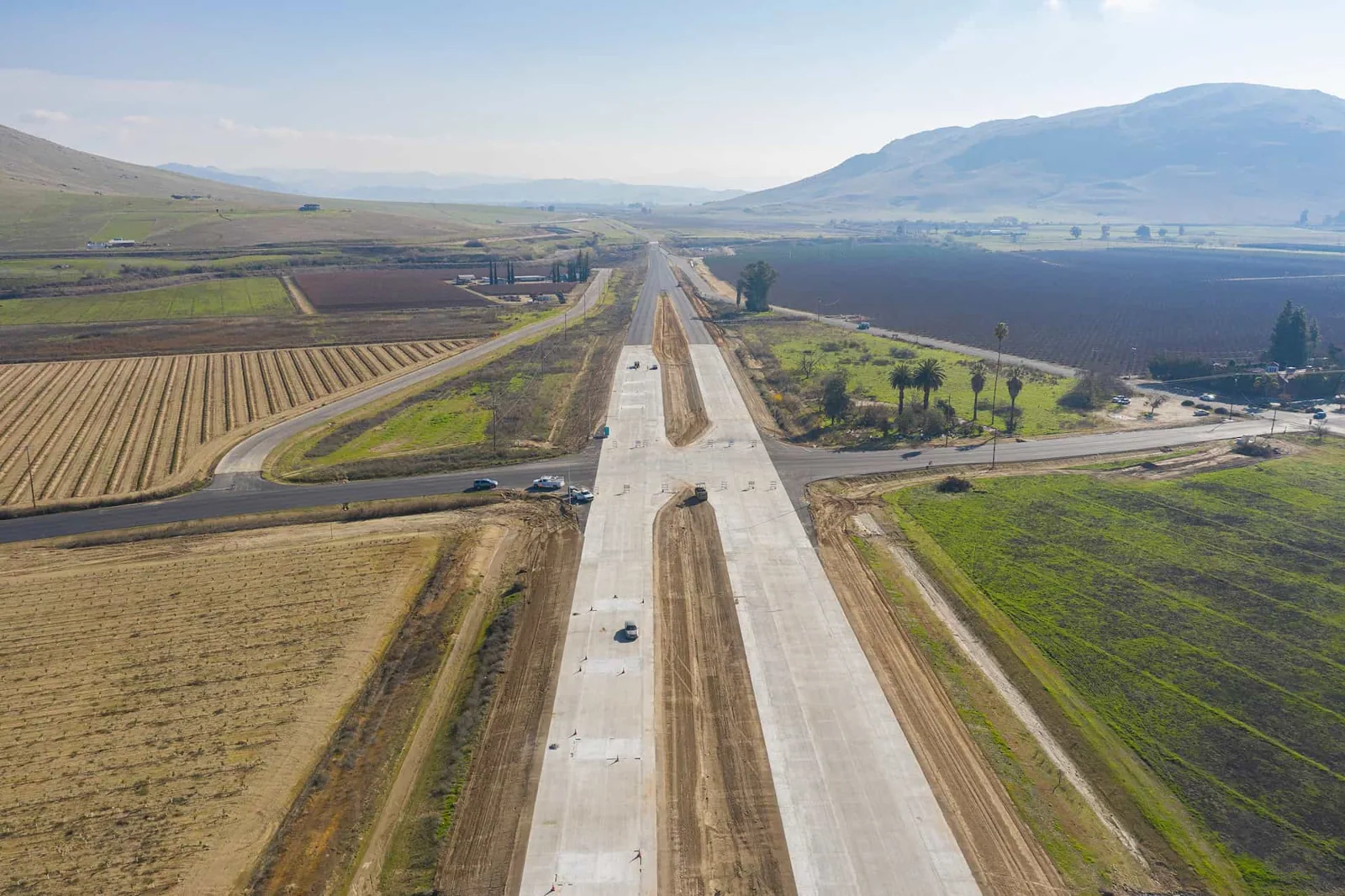
South Fresno Highway 99 Corridor
Scope, sequence and repair notes
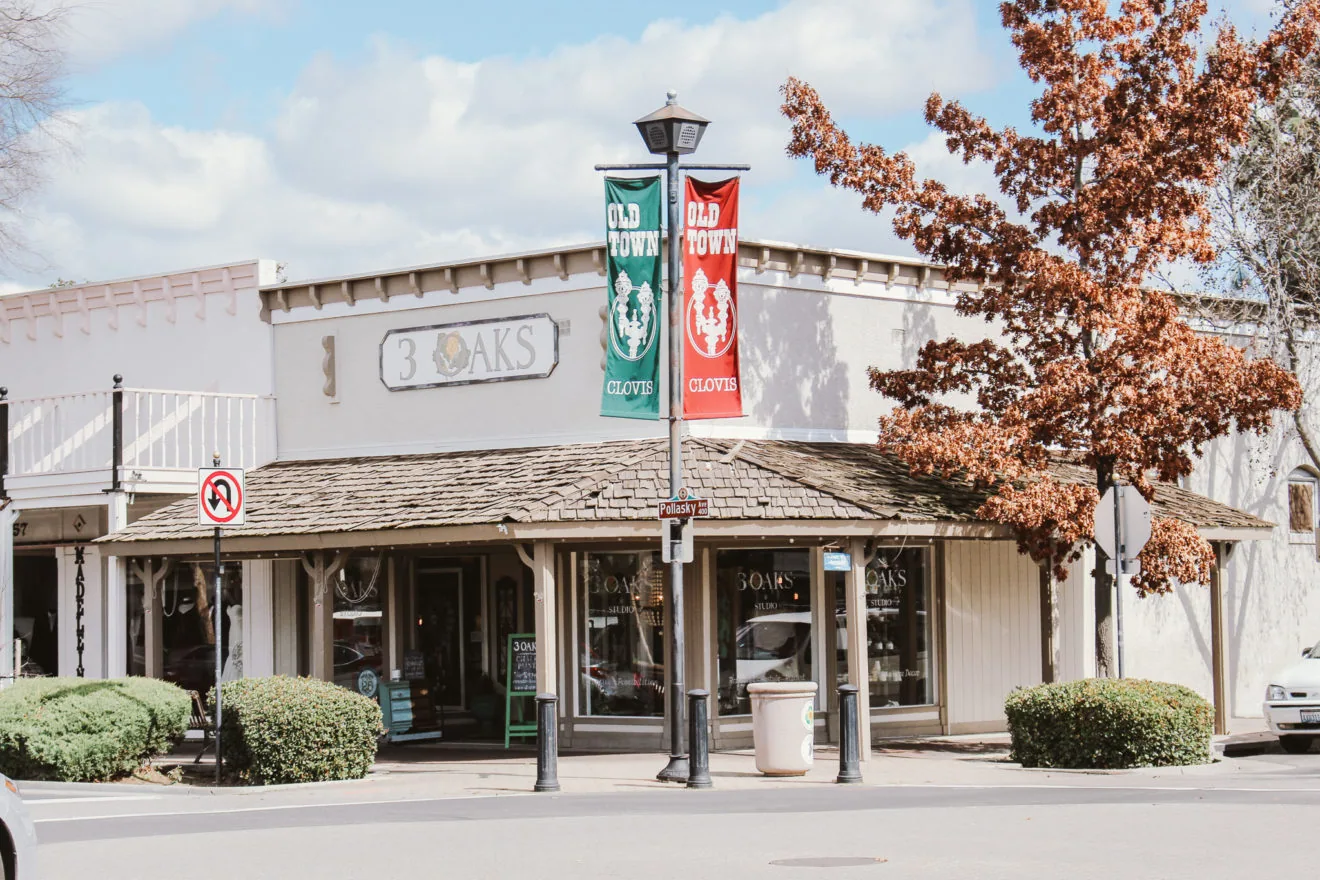
Clovis
Read the full page
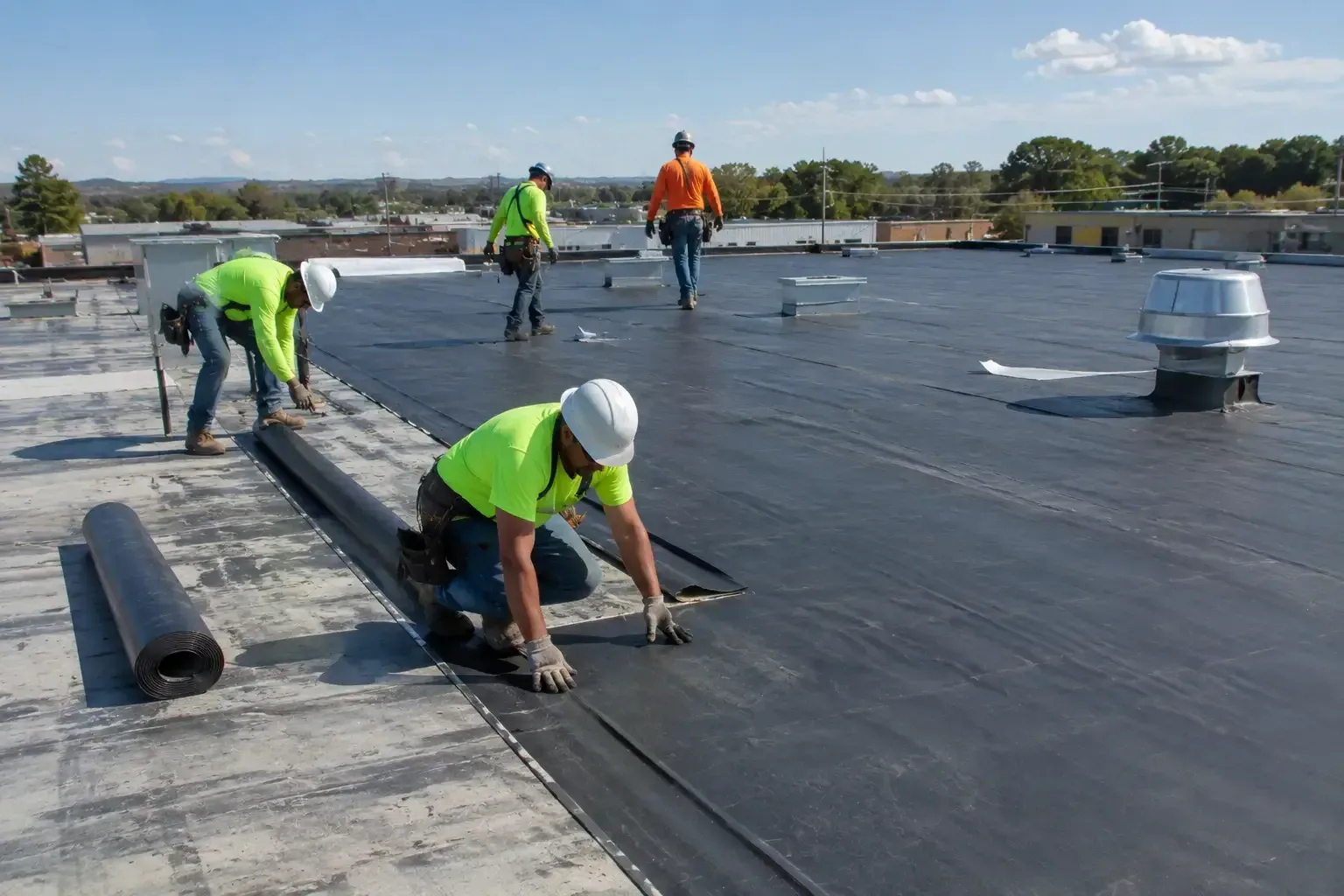
Occupied Building Reroofing
See how we handle it
Roof Condition Records and Repair Planning
Scope, sequence and repair notes