
Roof Insurance Claim Assistance in Clovis, CA
Commercial Roofing Services
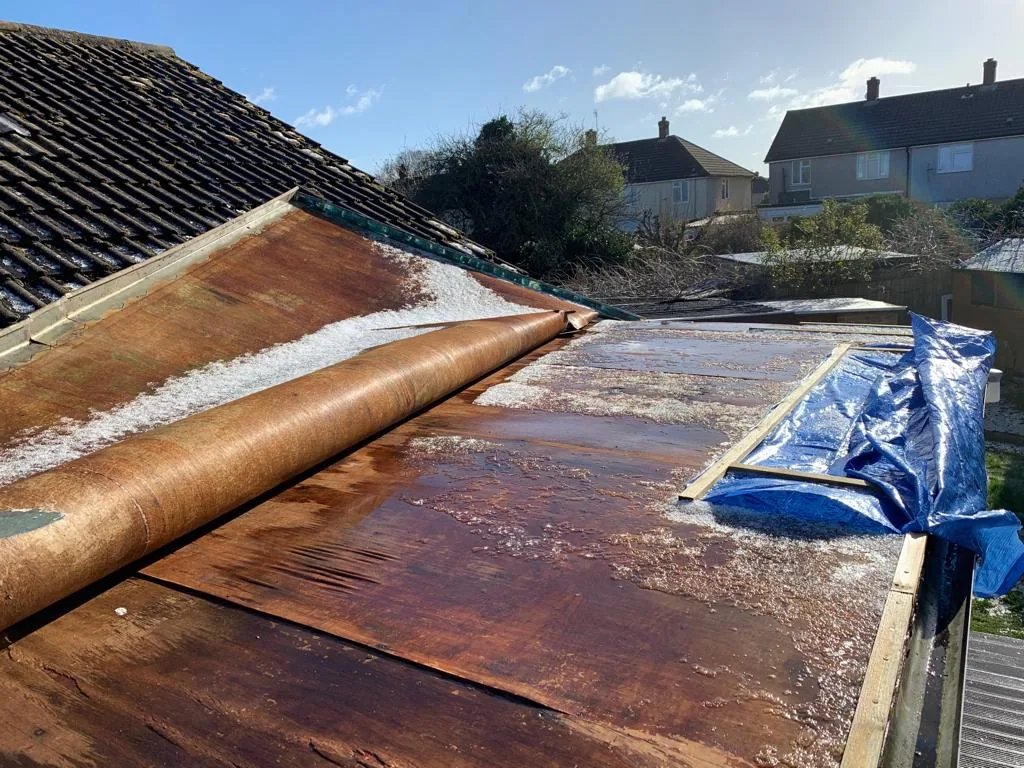
A new drip during a winter storm can leave an owner needing two decisions at once: how to limit the water inside and how to preserve a clear record of the roof condition. Roof insurance claim assistance in Clovis, CA begins with that separation. We assess the roofing problem, document what is visible and identify any temporary protection required before the permanent repair is agreed. The urgency of interior damage should not turn an uncertain cause into a confident statement about coverage.
An insurer evaluates the policy and claim; our role is the physical roof investigation and a clear description of the proposed work. Through direct examination of the roof, we distinguish observed damage from assumptions about its date or origin. Photographs, locations and assembly information give the owner a record that can be discussed with the insurer without promising approval. If safe access is delayed, we explain that limit and arrange the examination when the roof can be approached.
The condition before alteration
An exposed opening may need protection before a full investigation can take place, but the emergency action and the original condition should remain distinguishable. We record what can be examined safely, identify the work performed and retain a description of removed material where it is relevant and practical. An urgent repair can change the evidence at the defect. That makes a clear sequence useful for both the owner and anyone later evaluating the roof.
The record should show damage in relation to the building, not only a close view of a split. We mark the affected area, the adjacent construction and the rooms reported to have water entry. A written roof condition account can then explain which findings are confirmed, which require opening the assembly and which remain outside the inspection. Interior photographs supplied by the operator can inform the investigation, but an indoor stain alone does not establish the roof entry point or the cause.
Cause, timing and competing explanations
A loose edge after wind exposure may support a wind-related explanation, while deteriorated sealant or an old repair can introduce another mechanism. We evaluate the components involved and describe the reasoning behind the roofing recommendation. The report should not treat every visible defect as part of one event simply because the claim concerns that event. Existing inspection records, maintenance history and equipment work can help establish the condition before the reported loss.
Fresno experienced record July heat in 2024, but that regional fact cannot date a seam separation on a Clovis building. Likewise, winter rain can reveal a leak without proving that rain created the opening. Where a separated membrane seam needs correction, we explain the present failure and what the repair must accomplish. Causation beyond the available evidence remains qualified, while the owner still receives a workable recommendation for stopping water and restoring the roof detail.
The repair extent inside the assembly
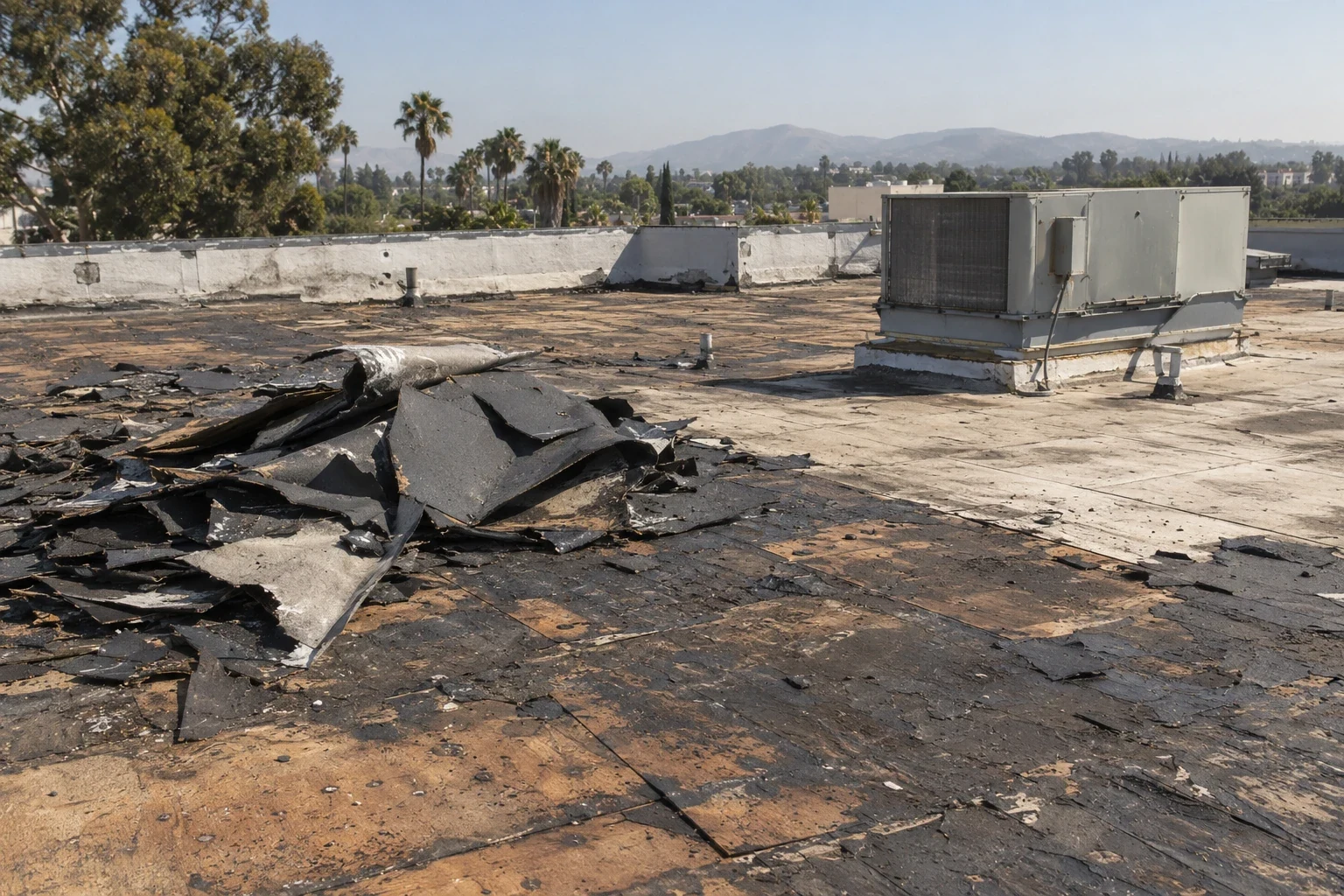
A damaged membrane may sit over wet insulation, and that concealed condition can affect how much material needs removal. We assess the assembly using appropriate examination, moisture screening and selected openings when needed. A visual inspection may establish the surface defect without defining all damage beneath it. The repair description should therefore explain the known boundary and the circumstances that could require an adjustment after the roof is opened.
For storm-related roofing repairs, the permanent scope can include insulation, cover board, attachment and adjoining flashing as well as the top surface. We identify those components instead of presenting the work as a single patch without explanation. Temporary protection is described separately, with its purpose and limits. An owner comparing an insurer's assessment with a roofing proposal can then see whether both descriptions address the same physical assembly and the same extent of removal.
Building operations during the investigation
An investigation above occupied rooms needs access and protection planning before test openings begin. We discuss where water has appeared, what activity takes place below the suspect area and whether any roof operation could affect air intakes or routine circulation. For retail property work, tenant coordination and customer access may influence how the examination and later repairs are divided. Those arrangements belong in the work plan rather than being left to the day the roof is opened.
Clovis Community Medical Center on Herndon Avenue is a local healthcare reference for the need to coordinate building continuity. We establish requirements with the actual operator of each property, without assigning construction or restrictions based on its name. In Clovis commercial buildings, the same practical approach applies to safeguarding reported contents and preserving routes for staff. The owner decides interior operations with the appropriate specialists while we define the roofing exposure and protection measures.
The questions left for the insurer
A roofing scope describes the work needed to correct the physical condition; it does not decide deductibles, exclusions, depreciation or the insurer's final payment. We provide the roof findings and clarify material or quantity descriptions within our work, while policy questions stay with the insurer and qualified representatives. The owner should also understand the agreed payment terms for roofing work rather than assuming that a claim decision removes responsibility for the contract.
Central Valley tule fog may leave surfaces damp during an inspection or application period. We record that condition if it limits examination or permanent work, and explain the next step needed to complete the roofing record. After repairs, the completion account should identify what was installed and whether any work remains. A clear file contains the original findings, temporary actions, agreed repair description and completed condition, allowing later questions to be answered from the actual sequence rather than a recollection of the storm.
A clear supporting record can include dated site observations, marked roof locations, photographs with a known orientation and a description of the assembly visible at each opening. Keep the measured repair scope separate from estimates for concealed work that has not yet been exposed. If the roof cannot be inspected safely, state that constraint instead of filling the gap with an assumed cause or quantity. The property owner can submit the roofing evidence for review while the insurer retains its independent coverage and settlement decisions.
Keep the date and context of each photograph with the corresponding roof mark so a reviewer can distinguish the reported interior symptom from the roofing condition that was actually observed.
Commercial Roofing Questions
Can you tell me whether the policy will pay for this roof?
The policy and insurer determine coverage. We can explain the roof condition, the repair needed and the evidence supporting our scope, but we cannot promise that the claim will be accepted or that a particular item will be paid.
Should active water entry wait for an adjuster to visit?
The immediate exposure and safe protection options need attention first. We document accessible conditions and discuss temporary measures to limit further water entry. The owner should coordinate claim requirements with the insurer while necessary roofing protection is evaluated.
What happens if opening the roof reveals more wet insulation?
The confirmed extent beneath the membrane governs the revised roofing work. We document the additional condition and explain why the removal boundary changes, so the owner can discuss the difference with the insurer before agreeing to expanded permanent repairs.
Will an old maintenance report help explain the new leak?
Its dates, locations and photographs can be useful evidence. We compare the earlier condition with present findings while checking for later equipment work or repairs. A record that lacks the affected detail may offer context without establishing when the opening developed.
A roof record that follows the actual work
Provide the reported event date, previous roof records and the rooms affected by water. We examine the condition, identify protection needs and prepare a roofing description that keeps observed damage separate from coverage decisions.
Related Pages
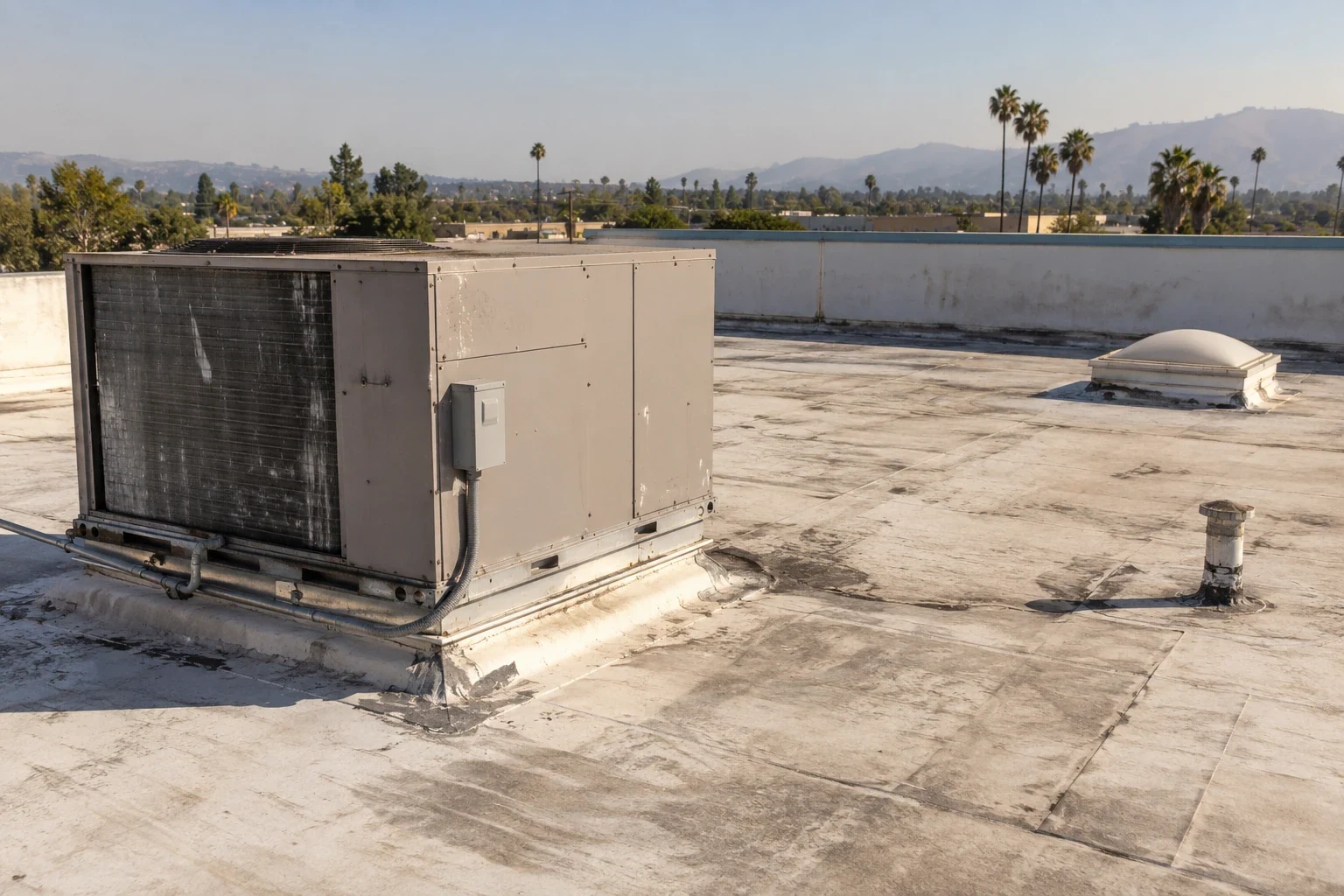
Commercial Roof Inspection
Read the full page
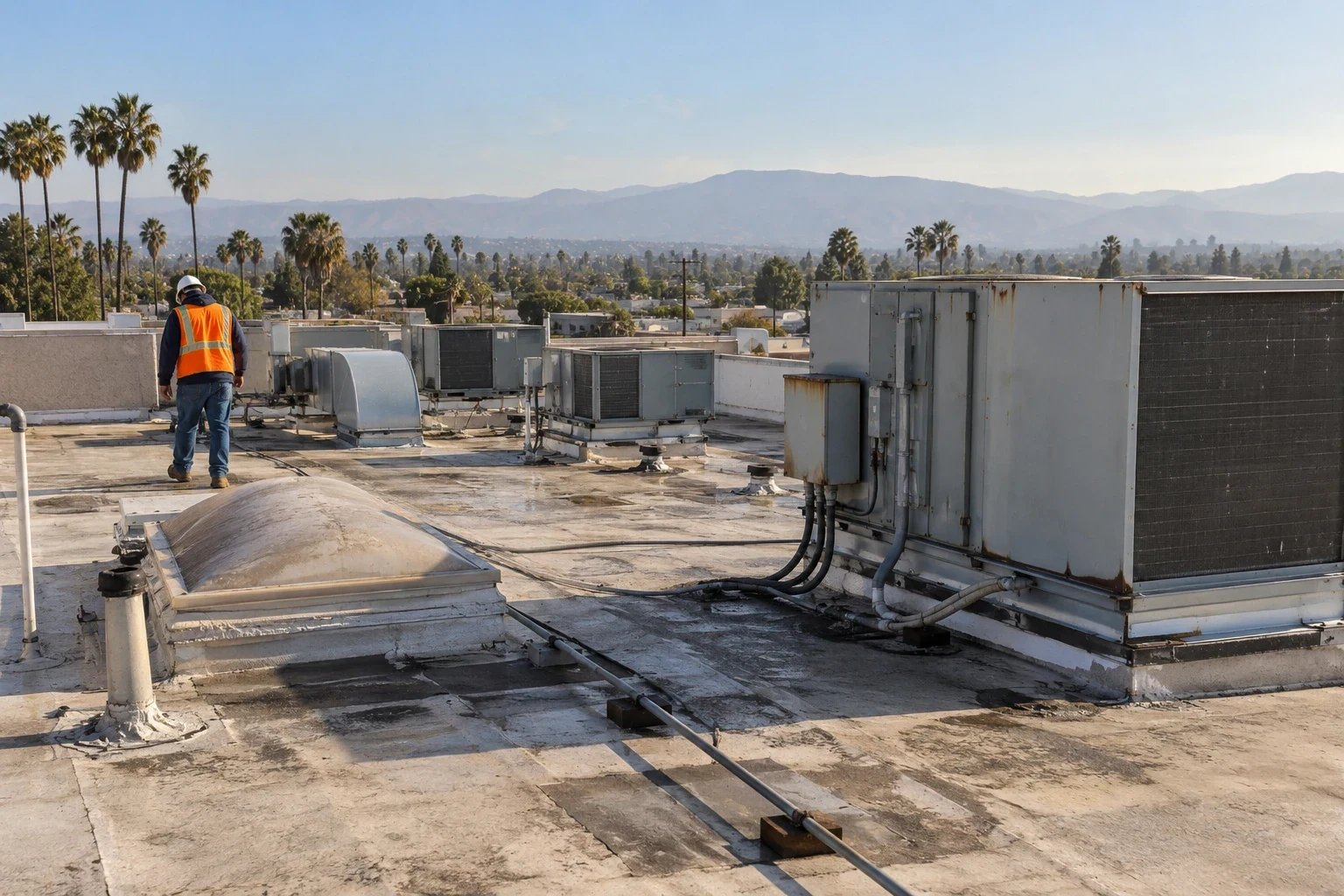
Roof Condition Records and Repair Planning
See how we handle it
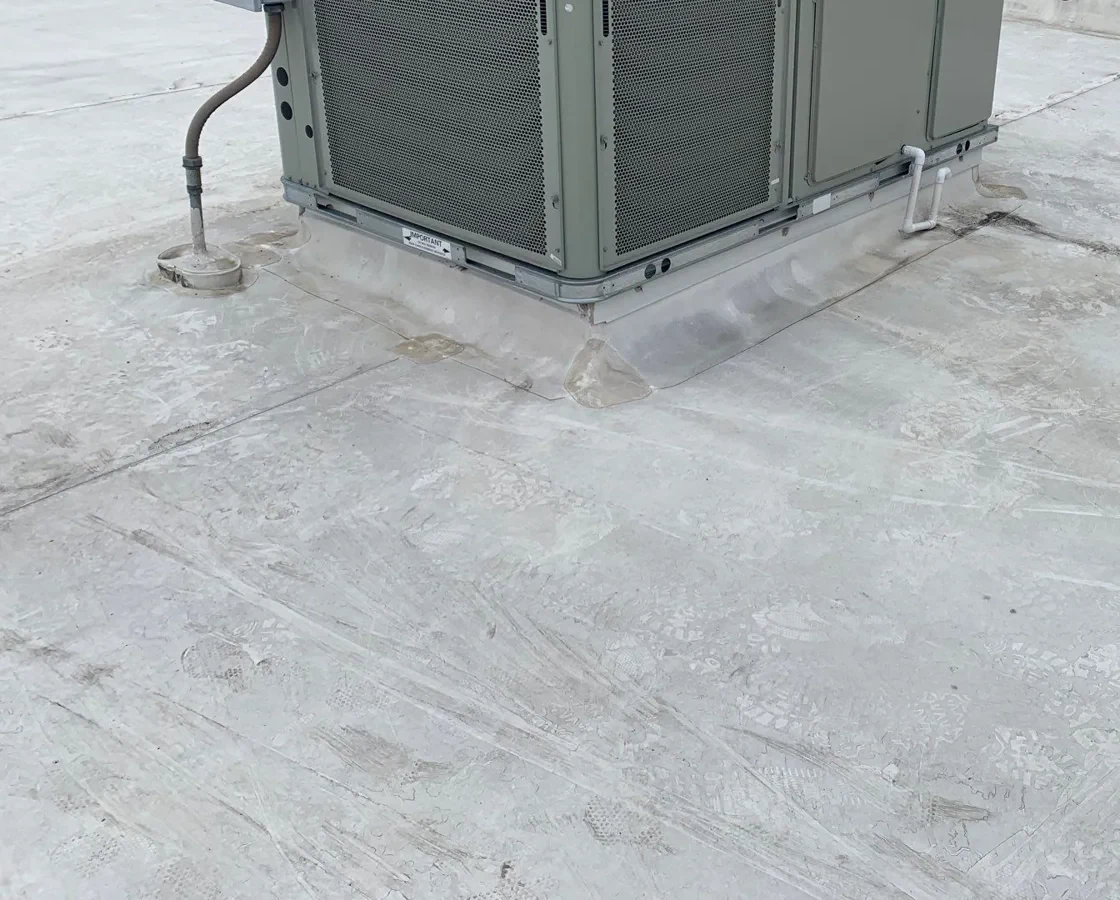
Commercial Roof Seam Corrections in Clovis After Entry
Scope, sequence and repair notes
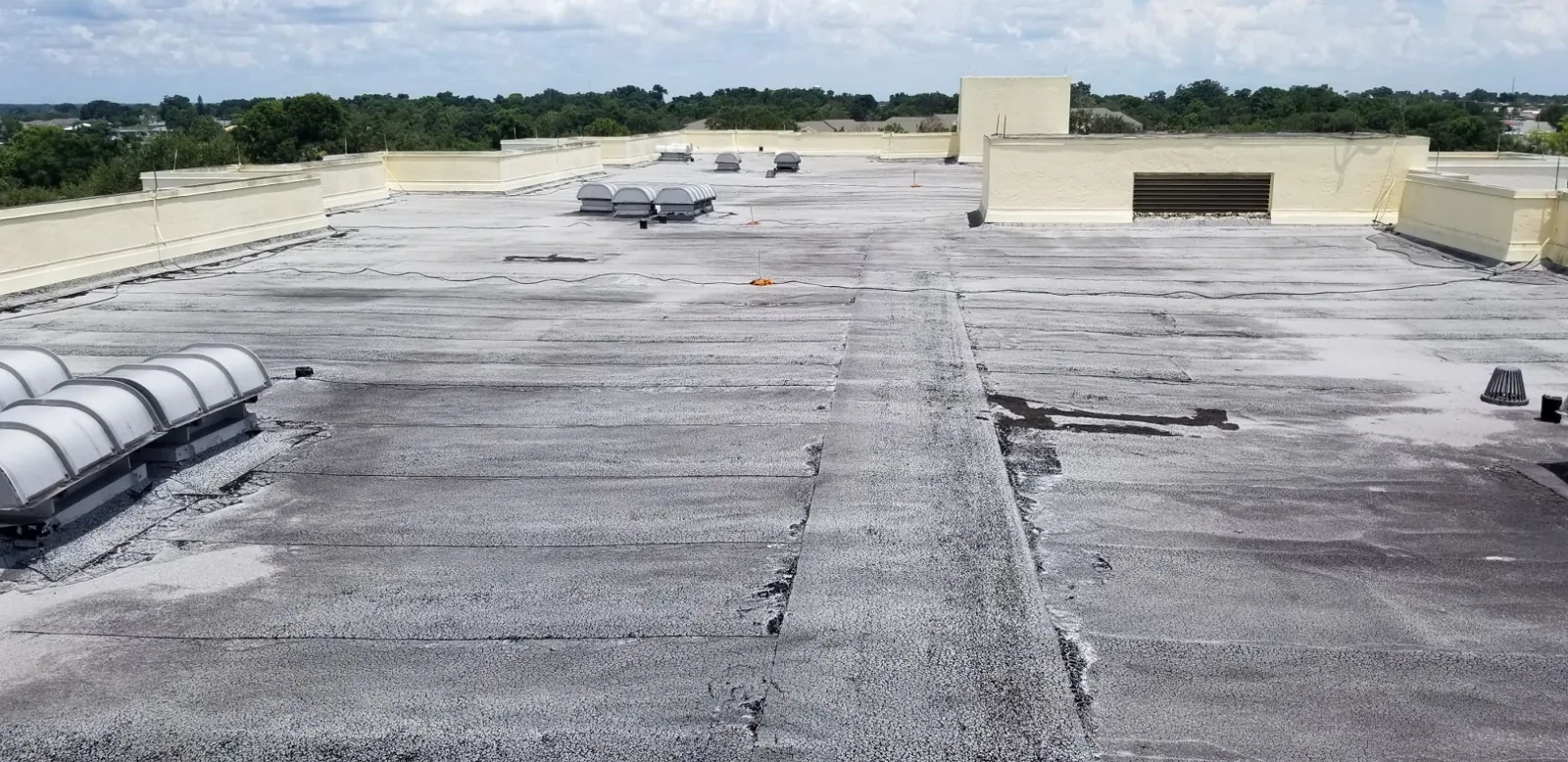
Storm Damage Roof Repair
Read the full page
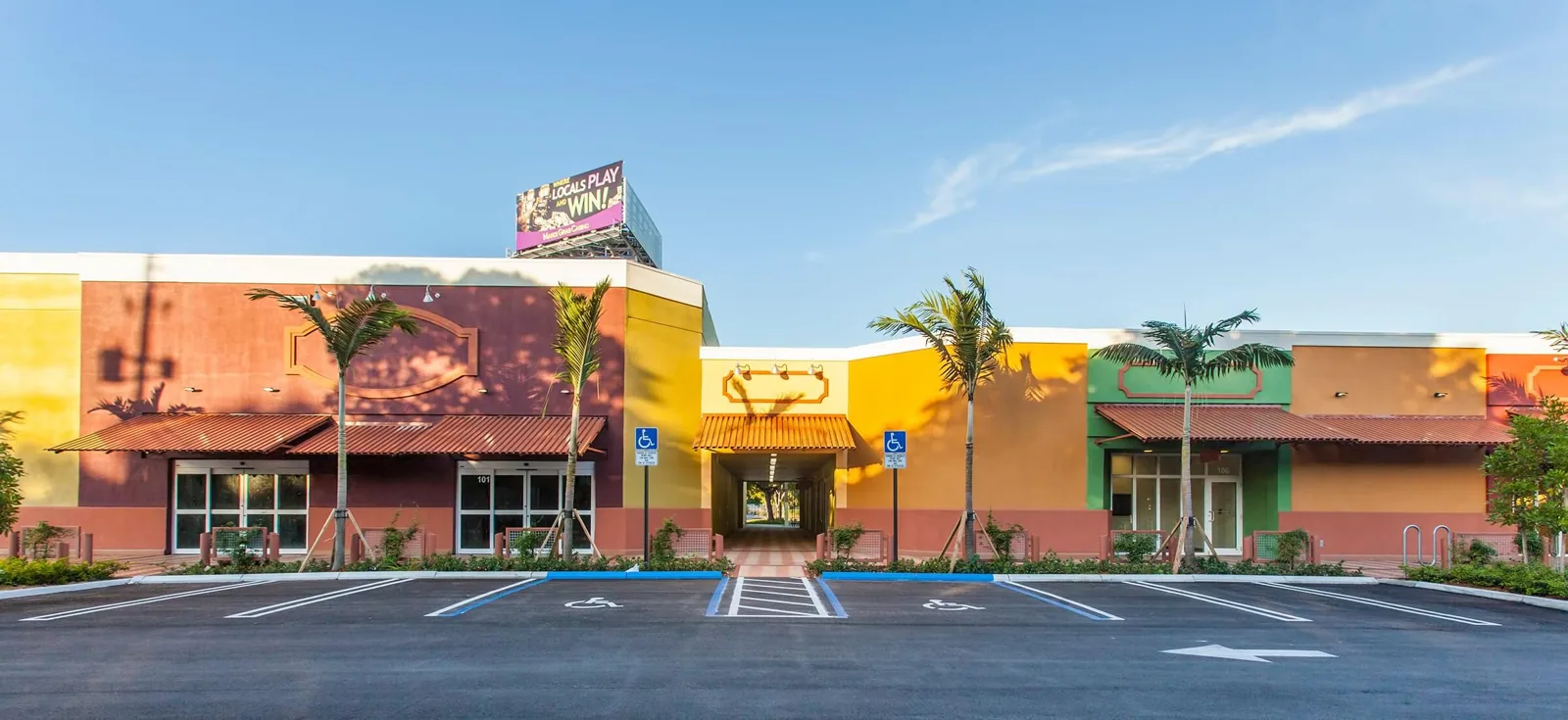
Shopping Center Roof Repairs Across Lease Boundaries
See how we handle it
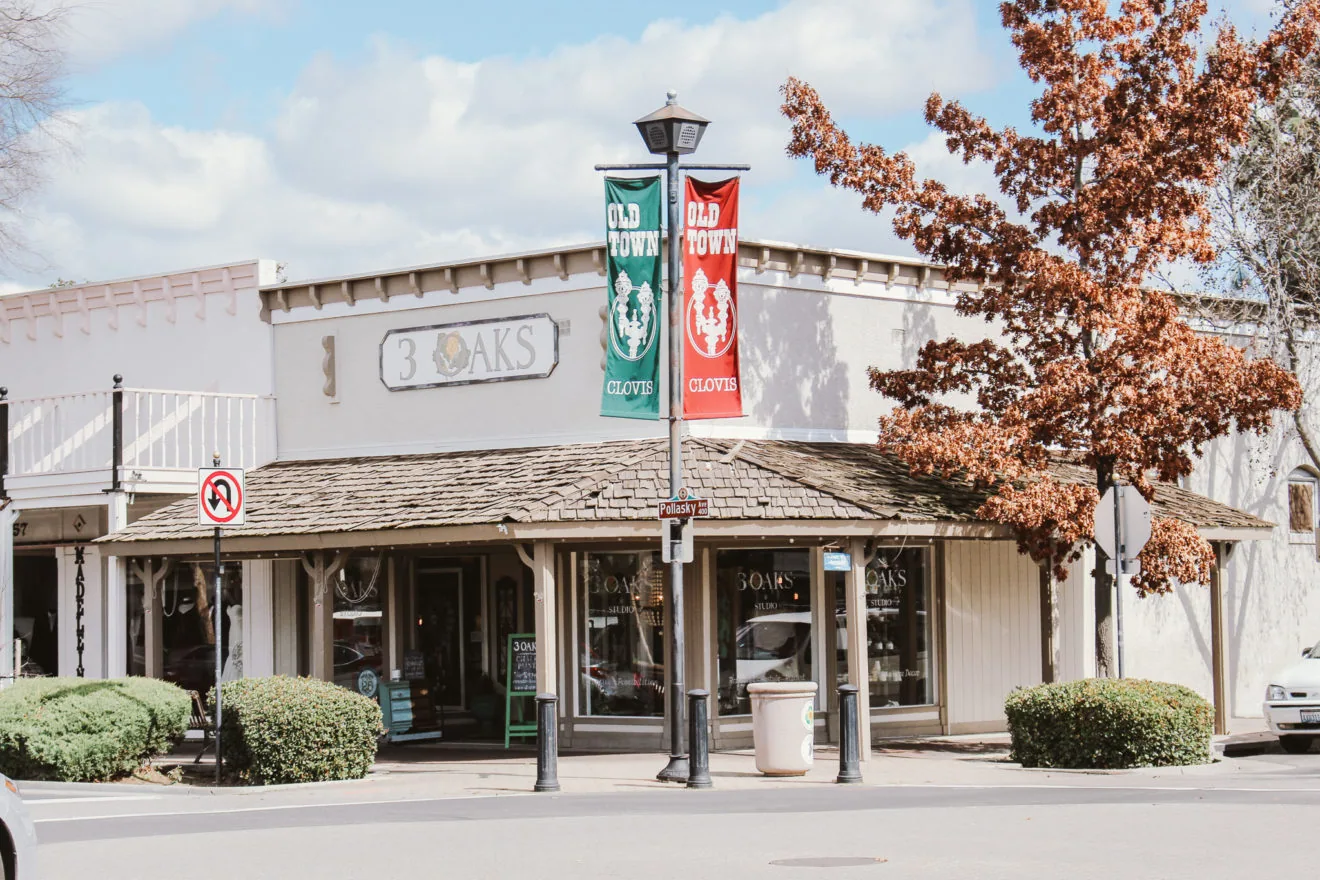
Clovis
Scope, sequence and repair notes