
Storm Damage Roof Repair in Clovis, CA
Commercial Roofing Services
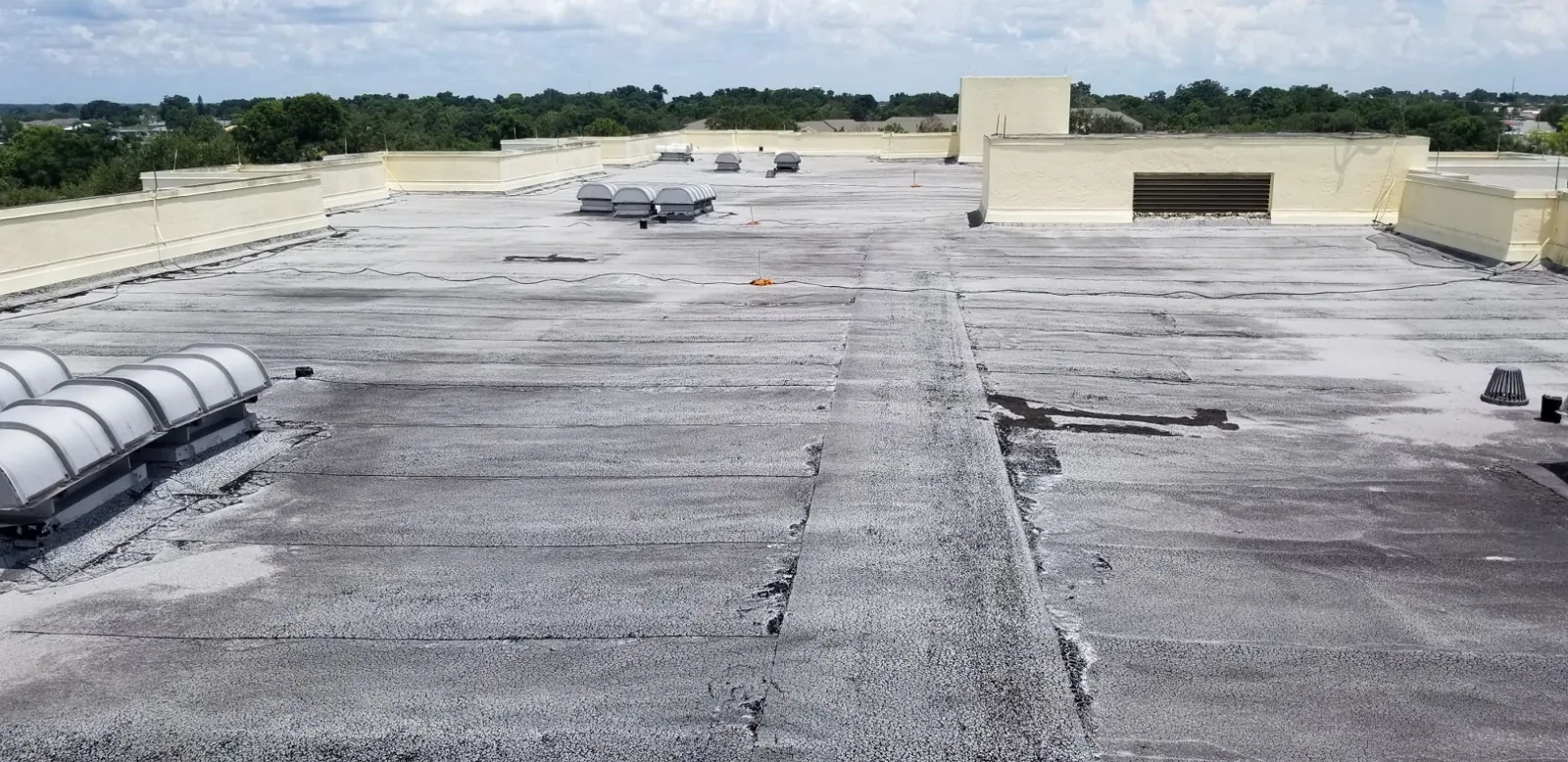
Water reaching a stockroom during the first winter storm could come from displaced flashing, a puncture left by debris or a drain that can no longer discharge. The urgency is the water inside, but the repair decision begins on the roof once access is safe. Storm damage roof repair in Clovis, CA separates immediate protection from the investigation needed to restore the assembly. We establish the active entry path, assess loose material and consider a temporary repair that fits the roof and the conditions at the time.
The storm date alone does not establish the cause of every defect. A weather event may expose an existing weakness as well as create new damage, and the distinction matters when selecting repairs and recording conditions. We offer roof emergency response at all hours, including nights and holidays, while access, weather and the available materials govern what can be completed during the response. The owner should know which measures are temporary and which areas still need examination.
Loose material and the safe approach
A lifted piece of coping or a detached panel can threaten areas beyond the leak location. We assess the approach to the roof, the condition of the deck and the exposure of entrances or equipment before assigning work. Active wind, lightning, unstable components or standing water near electrical equipment can prevent roof access. Interior protection and coordination with the building operator may have to begin while exterior repairs wait for conditions that allow them.
Once the roof can be approached, we examine attachment and surrounding components rather than tightening only the visible loose piece. Wind-related damage correction may involve perimeter materials, membrane attachment and the substrate beneath them. The repair must restore how those parts work together. A temporary restraint or weather covering is recorded with its limits, so the next crew does not mistake an emergency measure for the completed permanent assembly.
Water routes after debris impact
A puncture can be smaller than the debris that made it, and water may move beneath the membrane before appearing indoors. We examine the impact area, nearby seams and the condition below the surface to establish the repair boundary. Where insulation or the deck has been affected, closing the opening from above is only part of the work. The permanent correction includes the damaged components that can no longer perform their function.
Drainage needs attention during the same investigation. Debris may block an outlet while a separate cut allows water entry, creating two failures in one area. We coordinate drain and scupper corrections with membrane repairs rather than assuming that removal of debris resolves the leak. A controlled check may be useful after correction if it can be performed without risking additional interior damage. The method and extent follow the assembly, outlet arrangement and condition of what lies below.
The operational protection boundary
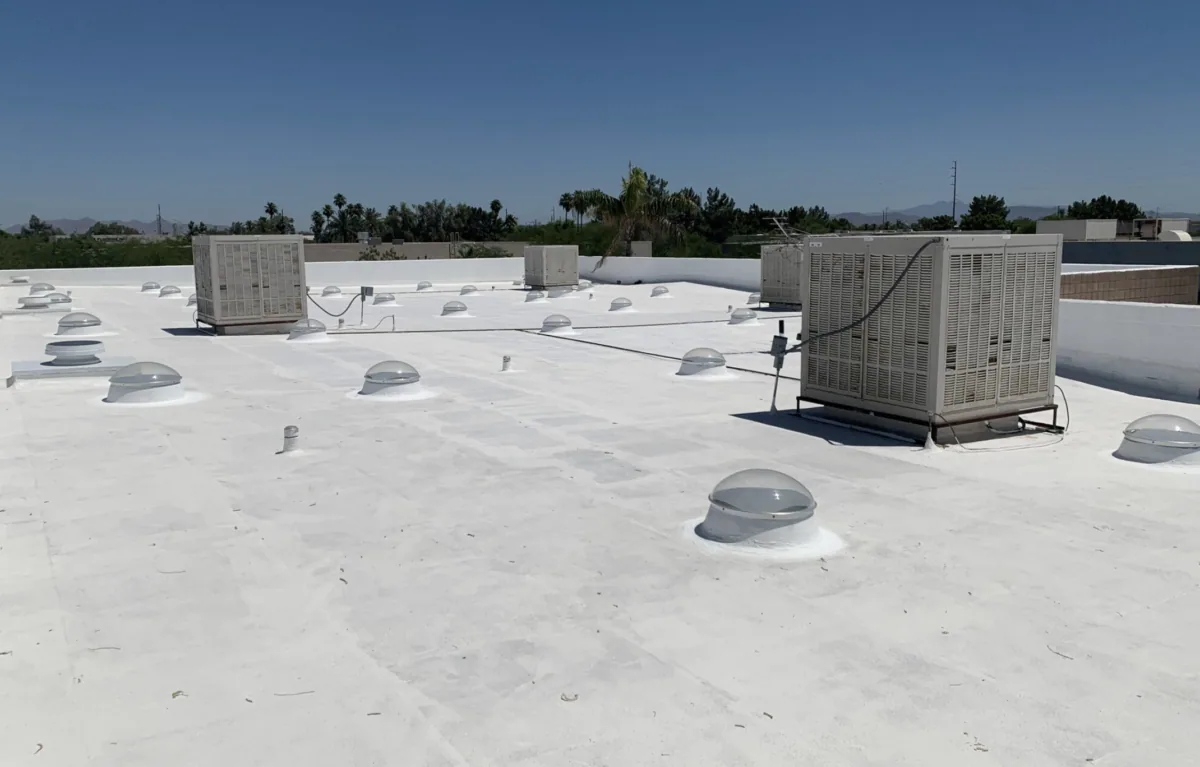
Water above inventory, production equipment or an electrical room has a different immediate consequence from water in an empty storage space. We obtain that information from the operator, identify the affected rooms and coordinate the roofing response with the people responsible for interior safety. For a warehouse receiving operation, the sequence may also need to preserve a delivery route while materials and damaged components are handled. Roofing work should not introduce a second interruption through unplanned access.
Clovis Community Medical Center stands on Herndon Avenue, and its local presence illustrates why water protection near healthcare operations demands coordination. At any property, the room use and restrictions must be established before opening the roof. We discuss dust control, intake locations and the extent of planned exposure, and explain when temporary protection must be rechecked. A building that remains occupied needs a clear contact for new leakage while the permanent work is being prepared.
Existing stress and the wet roof
Fresno's record July heat in 2024 demonstrates the regional thermal exposure a roof can experience before winter weather arrives. Heat-related movement may leave a seam or flashing vulnerable, but that does not establish damage on a particular building or prove a storm caused it. We document the observed condition, explain plausible mechanisms and distinguish those findings from any conclusion that requires additional evidence. The repair should answer the physical defect even where its date of origin remains uncertain.
Central Valley tule fog can slow surface drying after rainfall. Before bonding a patch or installing a liquid detail, we check the actual substrate and the permitted conditions for the material. In Fresno-area roof work, that may separate the investigation from the permanent application period. Leaving an opening protected while waiting for a suitable bond is a planned sequence; applying an incompatible material to a wet surface can create another failure at the repair itself.
The permanent assembly and the record
A damaged area needs a defined endpoint: sound substrate, dry retained components, compatible membrane and properly connected details. We explain the proposed removal boundary and the possibility that opening the roof may reveal damage beyond what was visible. Cost and timing follow that extent, material availability and operational access, rather than the stain alone. Inspection photographs and locations help the owner compare the recommended work with the condition found during the response.
Where an insurance matter is involved, roof condition documentation for the claim remains separate from an insurer's coverage decision. We record temporary actions, damaged materials and the basis for the roofing scope. The permanent repair is then checked at its seams, transitions and drainage connections, with the completed work distinguished from items left outside the agreed scope. The owner receives a clear account of what was corrected and what still needs attention.
After an urgent call, the first visit may be limited to safe access and immediate water control. The building contact should know which opening was covered, how that temporary measure is secured, and what weather or access condition could require another check. Once conditions allow a full examination, relate the observed damage to the affected assembly and separate newly visible conditions from items that cannot be dated from a roof inspection alone. This sequence protects the property while preserving a useful basis for permanent repair.
A written handoff should name the temporary measure, its inspection status and the person responsible for arranging permanent work. No temporary covering should be described as a lasting repair.
Commercial Roofing Questions
Can a temporary storm patch remain through the wet season?
A temporary patch needs an assessment of its attachment, material and exposure. We explain the intended duration and recheck requirements when the measure is installed. Continued leakage or movement calls for reassessment rather than relying on the original temporary repair.
Does a leak during a storm prove new storm damage?
Earlier records can help us compare the present damage with the condition before the storm. Water may reveal a pre-existing weakness or enter through a newly damaged area. We describe what we can establish from the roof and keep uncertain cause or timing separate from the repair recommendation.
Will debris removal be enough to stop the water?
An intact weather barrier and functioning drainage path are both necessary. Clearing a blockage can reduce standing water, but a puncture or separated outlet flashing still needs repair. We inspect the uncovered surface before treating cleaning as the completed response.
Why might the permanent repair need a later visit?
Safe access, drying and compatible materials can control the schedule. The emergency response may limit water entry while those conditions are resolved. We explain the outstanding work and protection checks so the owner can track the repair beyond the initial visit.
The active leak and the next safe step
Describe where water is entering, any loose roof material and the activity below it. We review the immediate protection needs and access conditions, then establish the response and permanent repair sequence.
Related Pages
Emergency Commercial Roof Repair
Read the full page
Wind Damage and Roof Edge Repairs
See how we handle it
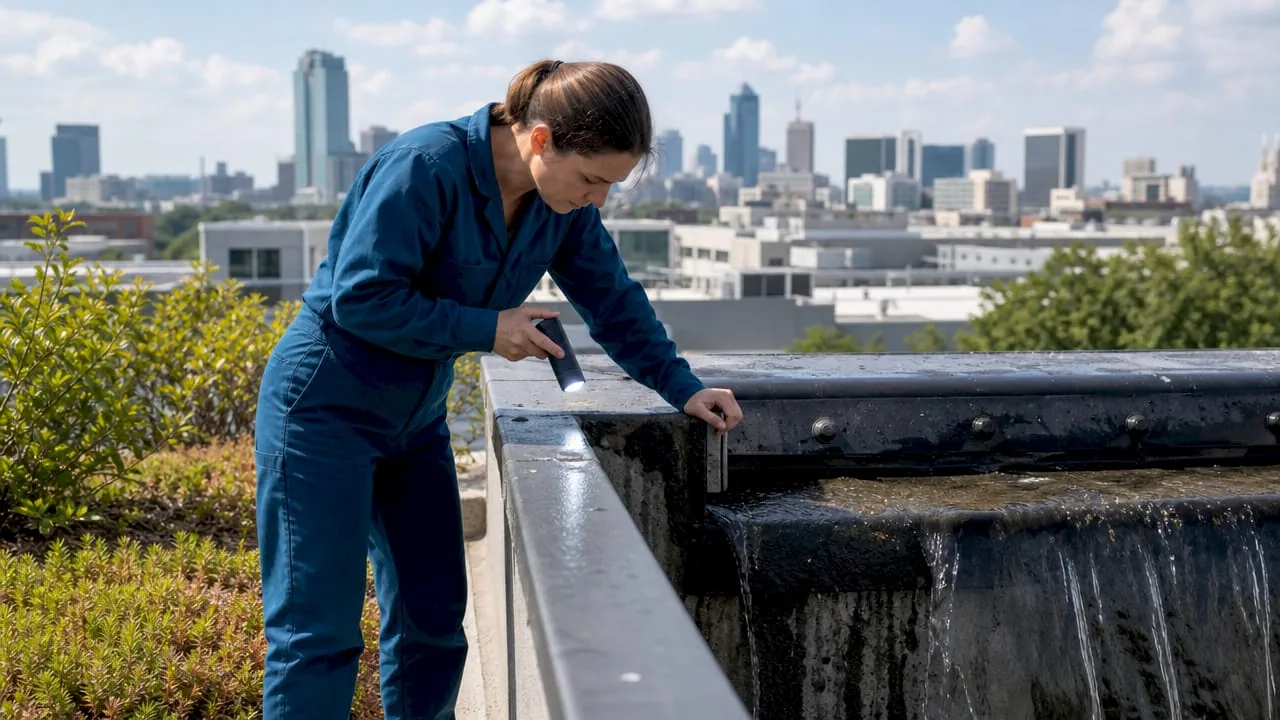
Roof Drains and Scuppers
Scope, sequence and repair notes
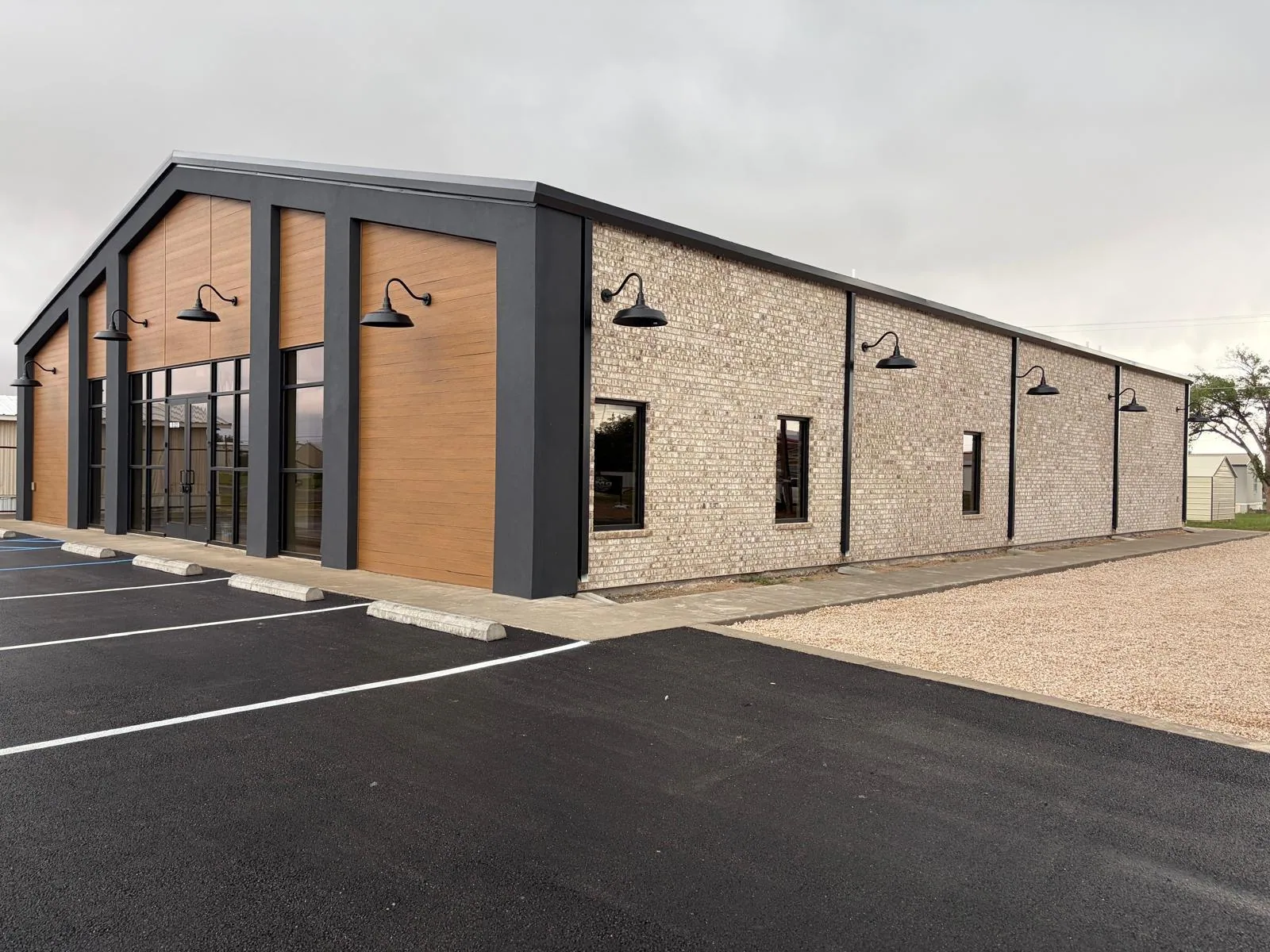
Warehouse Roof Leaks and Repair Sequencing
Read the full page
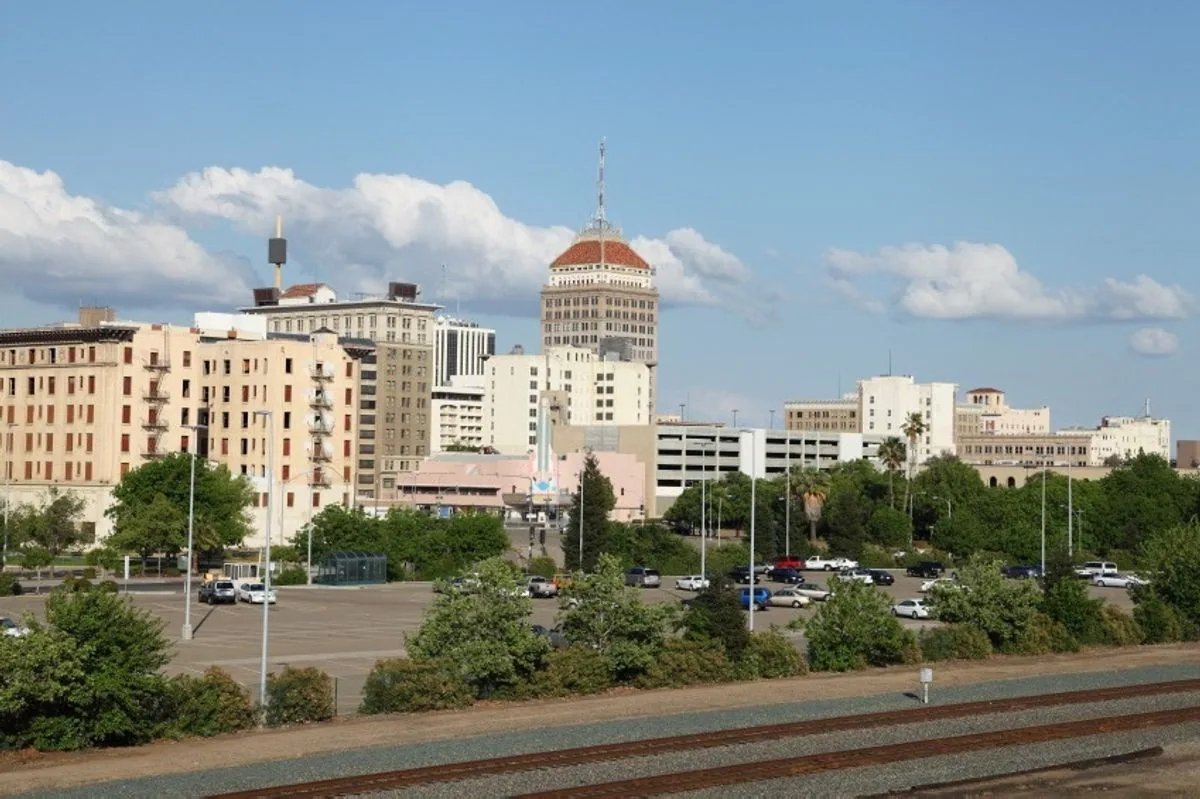
Fresno
See how we handle it
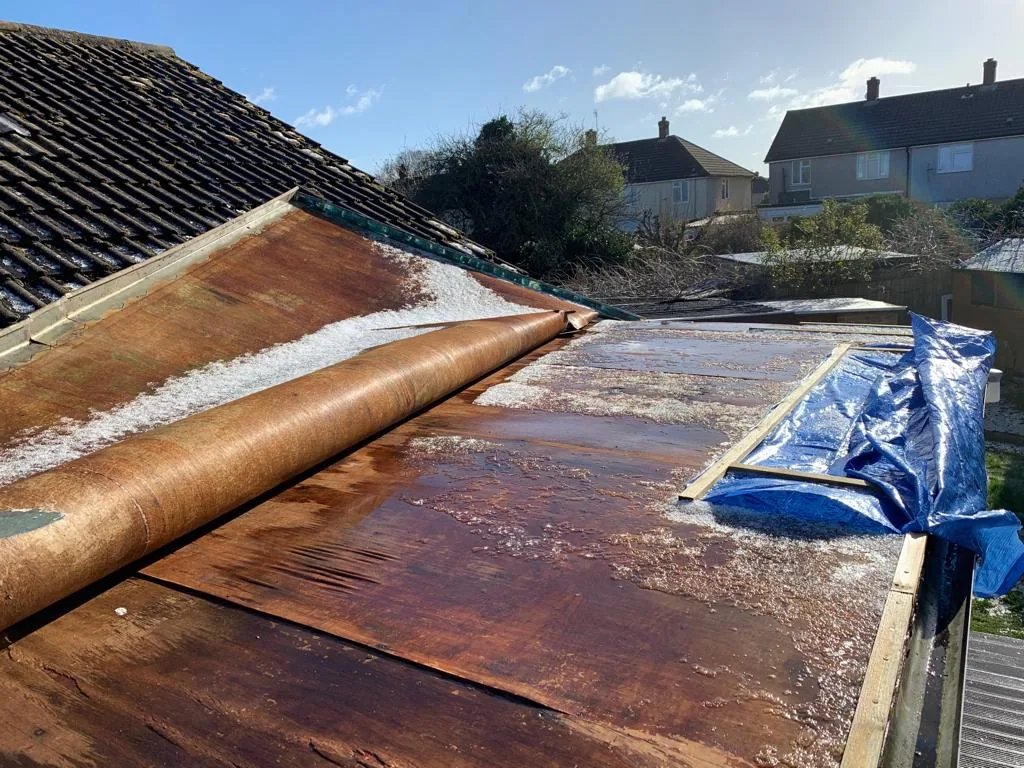
Roof Insurance Claim Assistance
Scope, sequence and repair notes