Commercial Roof Recover and Overlay in Clovis, CA
Commercial Roofing Services
A fresh split beside an old repair can prompt an owner to ask whether the building needs another covering instead of another patch, especially after a hot Clovis, CA summer has stressed exposed details. A roof recover can preserve suitable parts of the existing assembly, but that decision starts with what the proposed covering would conceal. We examine the active failure and arrange temporary control where safe and practical, then investigate moisture, support and attachment before recommending an overlay. The work should reduce the building's exposure without sealing unresolved damage beneath a surface that makes it harder to see.
The layers that would stay
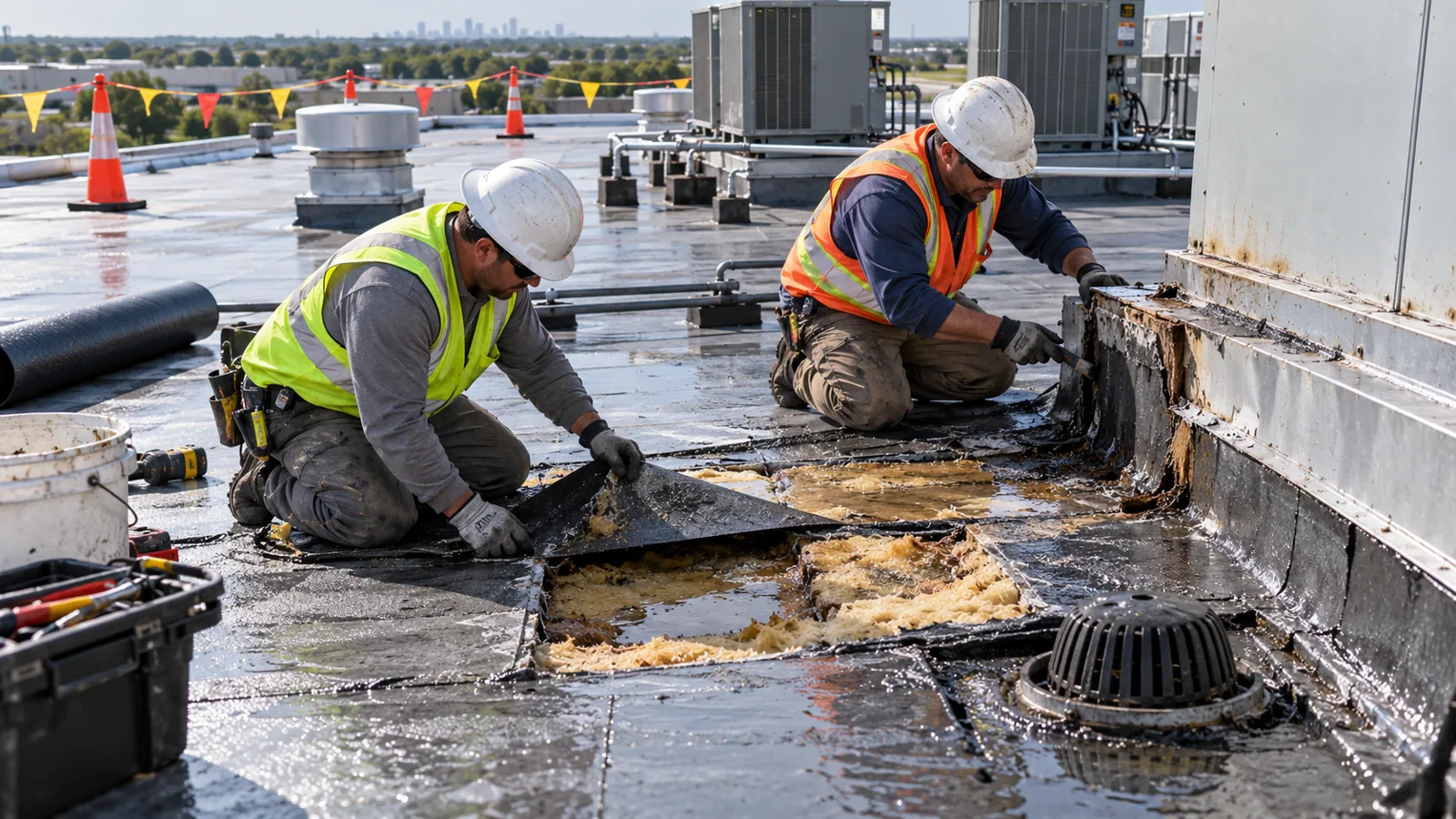
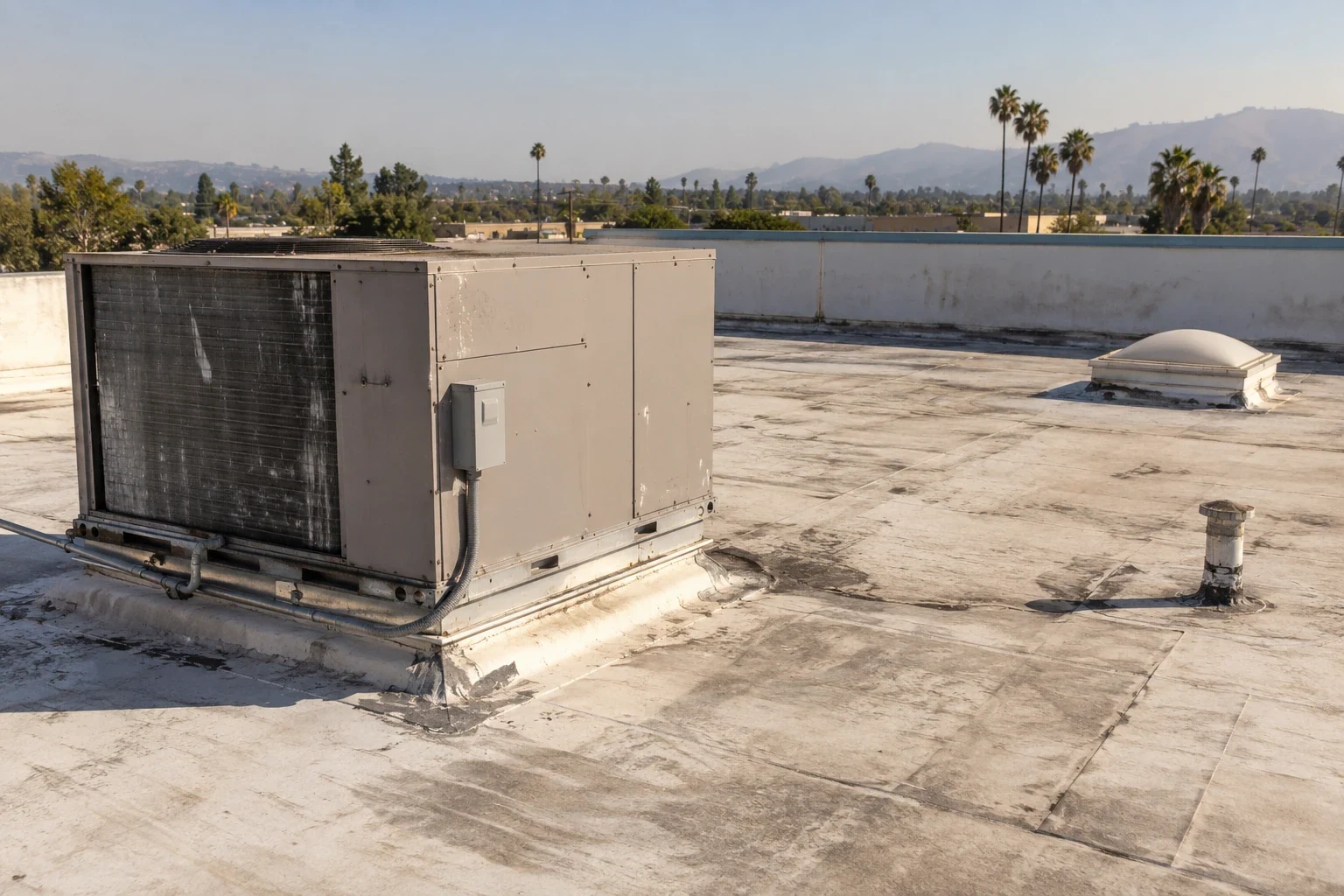
A firm surface near the access hatch does not establish the condition across the roof. Insulation can be wet below an apparently intact membrane, and an old cover board may be crushed along a service route even where the surrounding roof feels sound. We use available records, visual findings and authorized openings to identify the assembly and the condition of retained materials. An inspection of the existing roof establishes the investigation before design choices are made. The findings should distinguish confirmed conditions from areas still requiring access or sampling.
A recover is less suitable when the remaining layers cannot provide a dependable base or when the amount of concealed deterioration makes selective removal impractical. Moisture mapping may help define the question, but physical confirmation establishes what is actually in the assembly. We explain why a proposed retained layer is acceptable and where removal is necessary, so the owner is not asked to accept an entire roof on the strength of one dry opening. Replacement with removal of unsuitable layers remains an alternative when retention would compromise the work.
The outlet height and water path
An added assembly raises the finished surface. That change can reduce available flashing height at a wall or curb, interfere with a drain detail or create a new obstruction where water previously moved freely. We measure those relationships rather than assuming that a thin new covering has no effect on them. A low curb might need reconstruction, and a drain could need a compatible connection that preserves a clear opening at the finished elevation. Each change affects the cost and order of work beyond the membrane itself.
The recover also inherits the old roof's slope unless the work deliberately changes it. A depression that collects water should be assessed for a practical correction, including the route between it and the outlet. Correction of persistent roof ponding may require tapered materials or other drainage work before the new covering is placed. Simply cutting a path through insulation without a designed detail risks introducing a weak point rather than restoring drainage.
The load path through retained materials
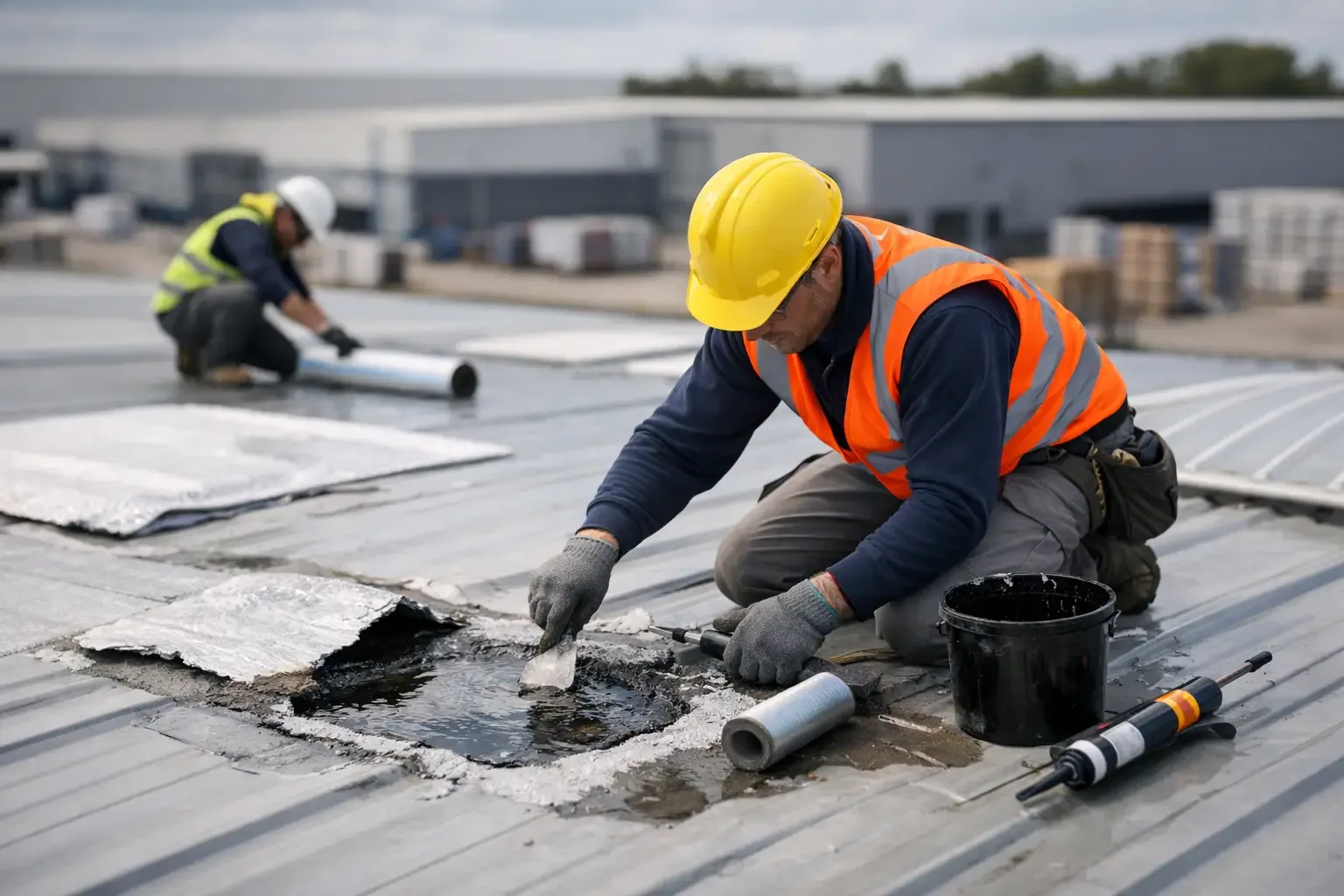
A new membrane can be attached to an assembly that has little remaining resistance if the fastening or bonding design ignores the layers beneath it. We examine the deck type, condition and proposed attachment method, using testing or design input where needed. Adhesive suitability includes the actual substrate condition, while mechanically attached work requires a fastening approach suited to the deck and the project. Added weight, available support and the requirements that apply to the building all belong in the recover assessment.
A PVC covering selected for the assembly still needs appropriate separation and detailing over retained materials. Compatibility cannot be inferred from the color of the old membrane, and a separator alone does not repair a soft base. We account for surface preparation, cover board and any localized removal in the work description. Those choices should follow the assembly findings rather than a preference to avoid debris handling at any cost.
The disturbance above occupied space
Reduced removal can reduce some disruption, but recover work still involves materials, rooftop movement, noise and changes at penetrations. We plan those activities against the rooms and entrances affected by the work, including any units that must remain accessible to mechanical service personnel. Roofing above occupied offices may require coordination around meeting rooms or air intakes. The actual use of the space determines the controls, and an overlay should not be described as an interruption-free project.
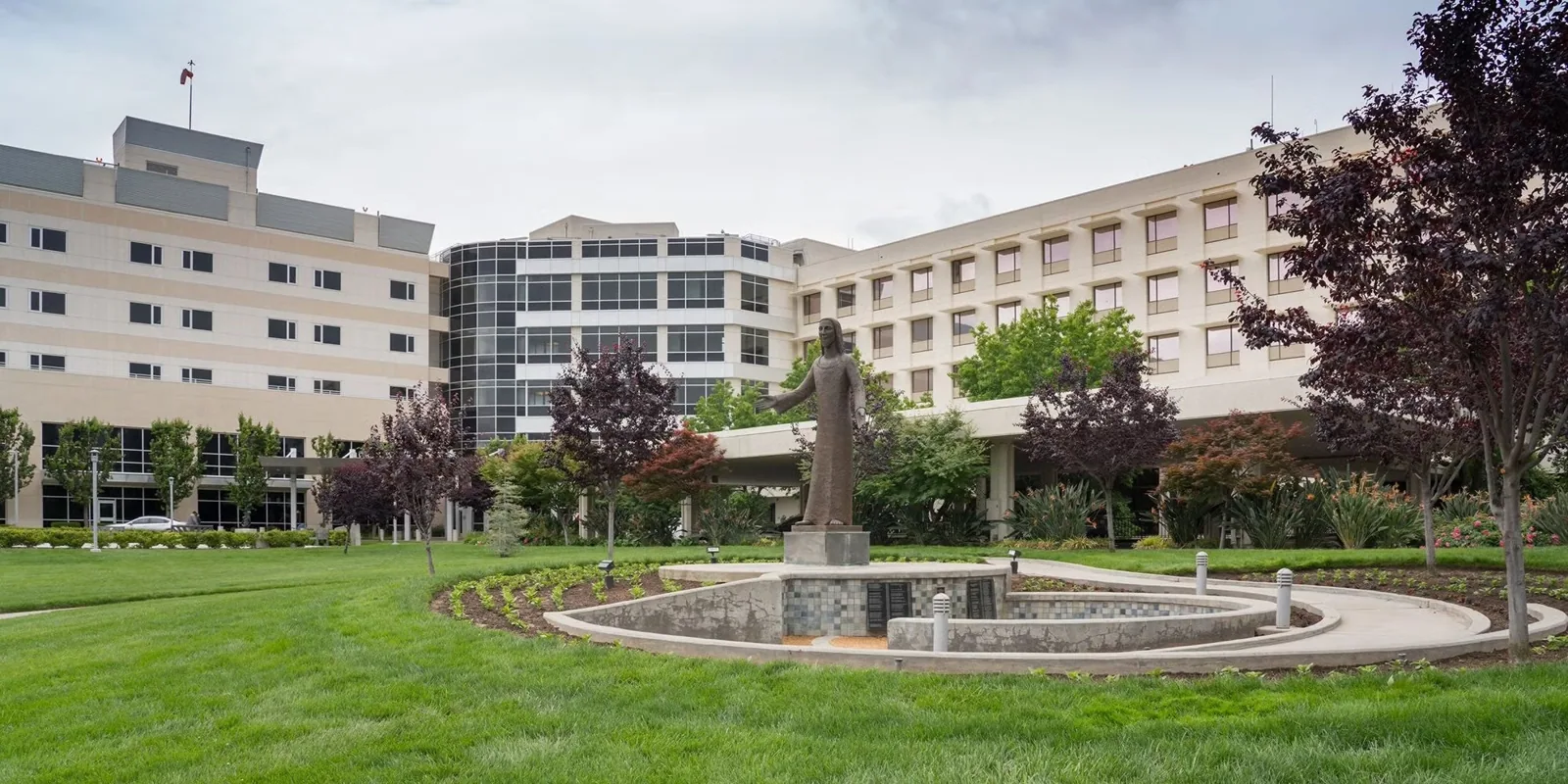
Clovis Community Medical Center is on Herndon Avenue, where healthcare identity reinforces the need to discuss what sits below before arranging roof access. No building use establishes its existing roof layers, so we obtain the construction information separately from the operating requirements. For work in the Herndon medical area, the roof investigation and facility coordination proceed together, with clear contacts for authorizing removal if an apparently retainable area proves unsuitable.
The substrate through seasonal changes
Fresno's July 2024 mean temperature of 90.0 F and 26 triple-digit days demonstrate a regional hot-weather planning constraint. Existing materials may move with temperature, and installation products have their own requirements for surface condition and handling. We check the roof being recovered rather than attributing an observed defect to a particular hot month. A recover design also needs adequate details for expected movement, because adding a covering over a stressed transition does not relieve the transition by itself.
Overnight tule fog in the Central Valley can reach its densest stage before dawn, then thin with daytime warmth. A retained roof can therefore need a moisture and surface-condition check before work proceeds, even on a morning without rainfall. Application conditions decide whether bonding or detail work is suitable that day. Temporary leak protection may be possible while permanent installation waits, but its material and placement must fit the remaining work. The owner receives a closure plan for interruptions rather than a promise that fog will have no effect.
The evidence behind the recommendation
An overlay recommendation should make the retained condition understandable. We describe the assembly found, the investigation limits, the repair needed before covering and the details that will change at drains, curbs and perimeters. A written account of roof condition connects those findings to the choice between recover and replacement. It also gives the owner a way to track areas that were opened and repaired, instead of losing that information beneath the new surface.
Commercial Roofing Questions
Can an overlay be installed over insulation that tests wet?
Confirmed moisture governs the removal decision. Wet or otherwise unsuitable materials should not be kept merely to simplify the overlay. We assess the affected extent, remove unsuitable areas where appropriate and reconsider recover if that work becomes too extensive.
Will the existing drain connections work after the surface is raised?
The finished elevation and drain configuration determine whether they can remain. We check the detail before specifying the new assembly, then identify changes needed to keep water entering the outlet without a lip or incompatible connection.
Does avoiding tear-off make recover the lowest-cost choice?
Required preparation can change that comparison. Local removal, new cover board, attachment work and reconstruction of low flashings may consume the expected savings. We compare complete scopes rather than treating disposal alone as the deciding cost.
How do existing layers affect approval of a recover?
The actual assembly and applicable project requirements must be established. Existing layers, loading and attachment conditions can limit retention. We review the building information and needed design or permitting input before calling the assembly suitable.
What should a future repair crew know about the retained roof?
A record of retained and replaced materials helps the next investigation. We identify repaired locations, assembly changes and important access limitations in the completion information, so a future leak response does not begin with an incorrect assumption about what lies beneath.
Describe the old covering and recent repairs
Tell us where the roof has opened, what is below it and which records are available. We will examine the failure and establish whether retained layers can support a recover or need a different approach.
Related Pages
Commercial Roof Inspection
Read the full page
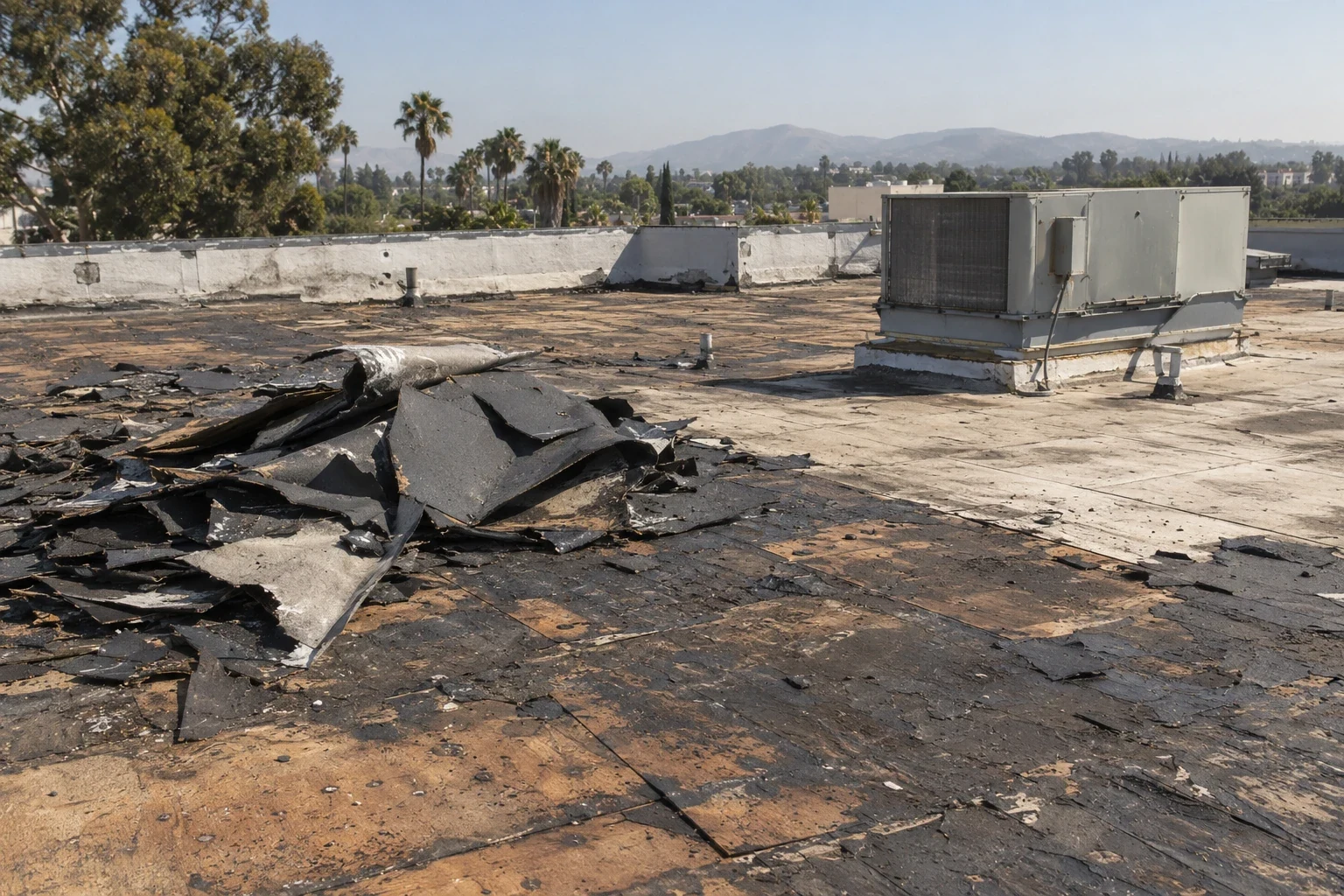
Commercial Roof Replacement
See how we handle it
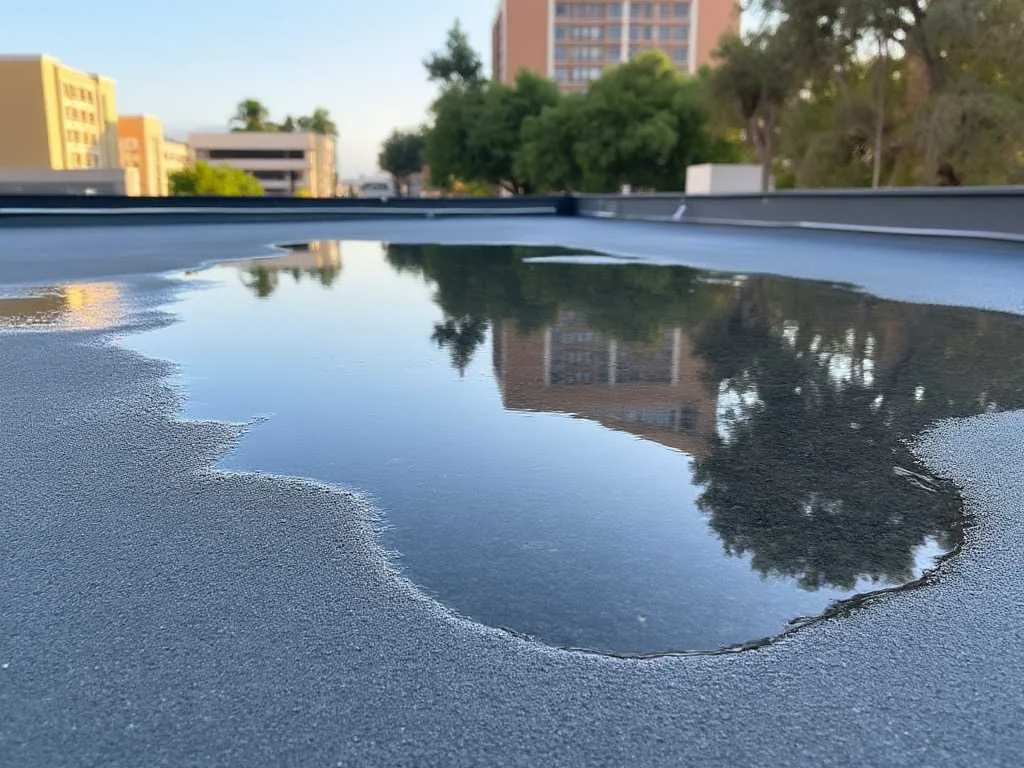
Ponding Water Review in Clovis Before Changing Drainage
Scope, sequence and repair notes
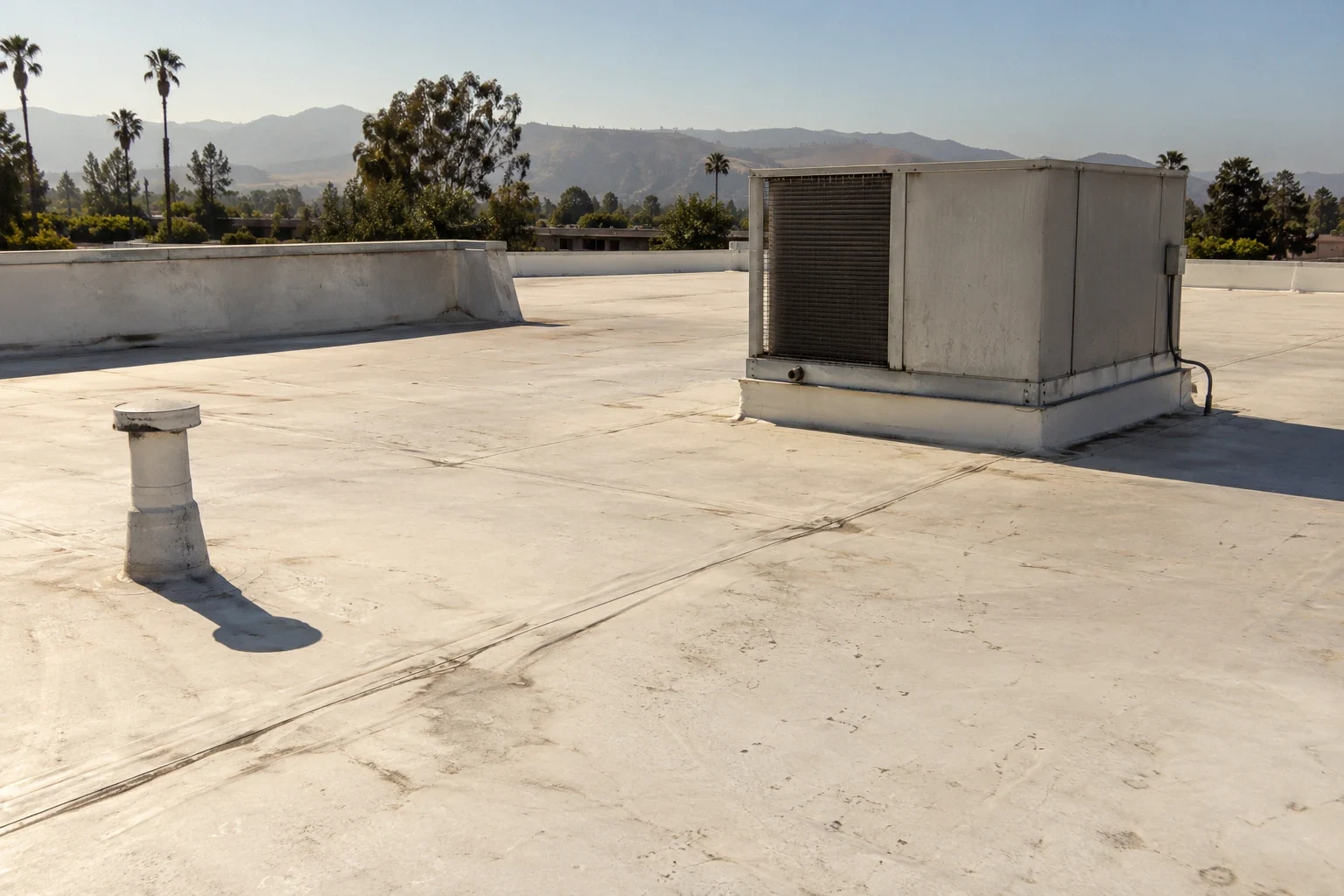
PVC Roof Corrections in Clovis at Seams and Curbs
Read the full page
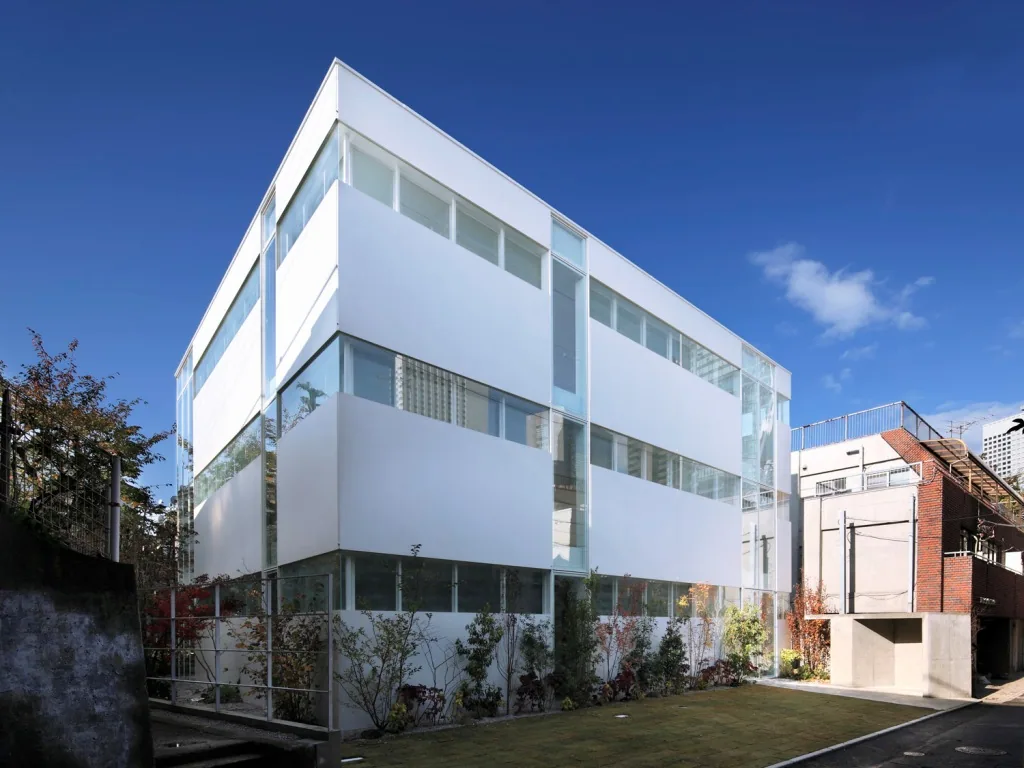
Office Roof Leaks and Tenant Protection
See how we handle it
Herndon Medical District
Scope, sequence and repair notes