
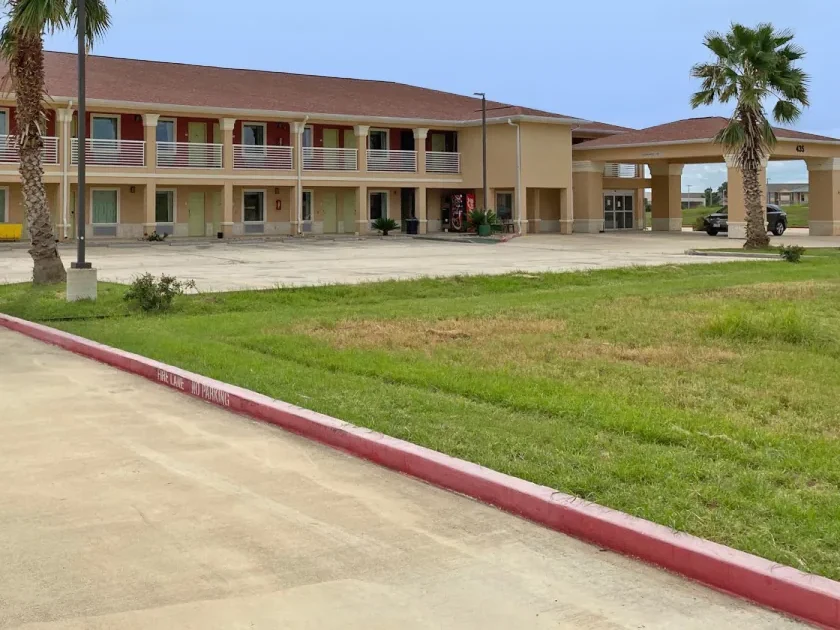
Hospitality Group Roofing in Clovis, CA
Industries We Serve
A guest reports water beside a bedside lamp during the first winter rain, and the hotel duty manager has to protect the room before a roof inspection can explain the entry point. For a hospitality group in Clovis, CA, an isolated room complaint can involve water traveling beyond the visible stain, so reopening the room should not depend only on whether the ceiling has stopped dripping. We discuss immediate interior exposure with the manager, confirm permitted roof access and examine the drainage and flashing connected to the affected area. Temporary protection may reduce further entry while concealed roof conditions are assessed. Permanent work then follows the moisture boundary and hotel operating controls, with room availability decided by the property team rather than presumed from the appearance of a surface patch.
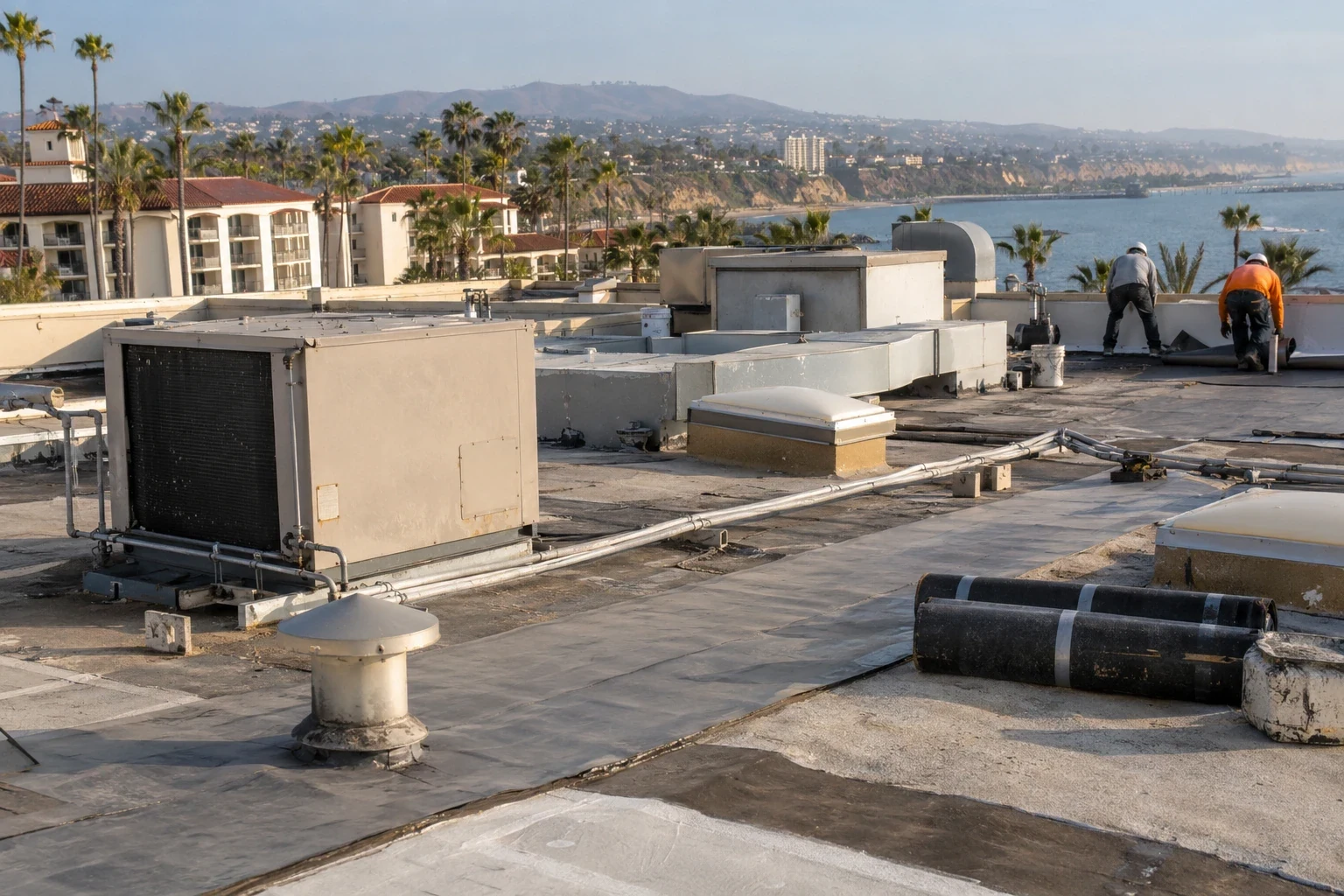
Guest-room water and electrical exposure
A leak near lighting or a power connection requires the hotel to involve the appropriate building trade, while our investigation addresses the weather barrier above. We compare the room location with roof penetrations and drainage, looking for a path that explains the entry rather than patching only the area directly overhead. Roof water-entry repairs need to account for wet insulation and substrate condition where those materials are affected. The duty manager receives an explanation of what has been controlled and what remains under investigation. Interior drying, finish repair and room release are separate hotel tasks. Keeping those decisions distinct prevents a temporary stop to roof water from being mistaken for confirmation that concealed room materials or electrical equipment are ready for guest use.
Occupied floors and construction disturbance
Removal above a guest-room floor can transmit noise through the structure, and an adhesive method near an intake can affect rooms beyond the directly repaired area. We discuss work methods, ventilation and daily activity with the property representative before selecting the construction sequence. Hotel roof construction needs controls that consider occupied rooms, reception, service corridors and the route used by housekeeping. A quiet period requested by the hotel must be matched to tasks that can actually stop without leaving an unprotected opening. Material delivery and debris movement should avoid guest arrival routes. If the repaired area changes during removal, we explain the new exposure so the hotel can revise room assignments and notices using the actual work, rather than the earlier inspection boundary.
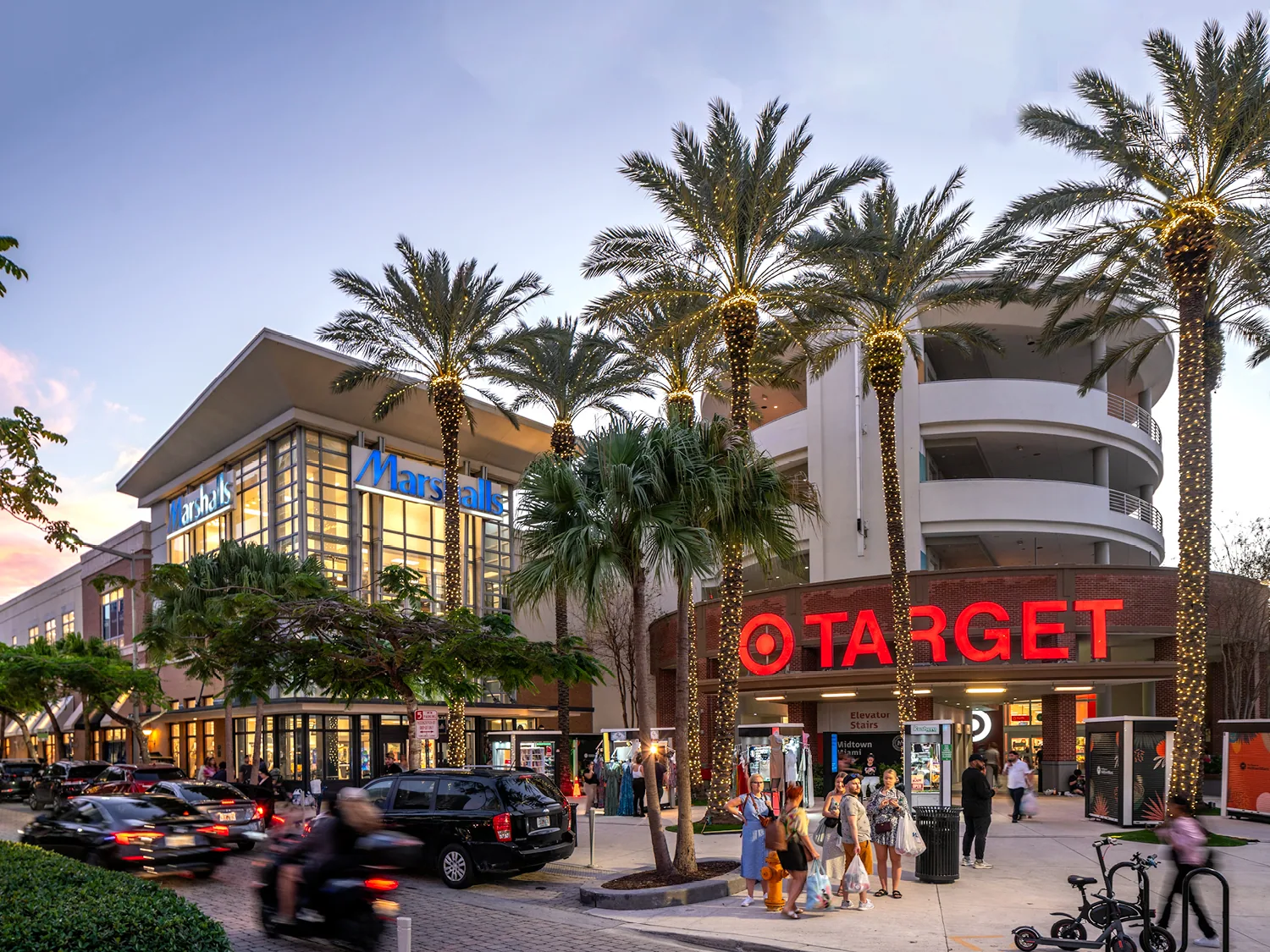
Local access and group assignments
Clovis and Fresno hospitality properties sit among active retail and travel corridors, where guest circulation, deliveries and room turnover shape a roof work window. A group-level authorization may not release a particular hotel roof or occupied room. Plan each assignment around the local operator, entrance route and areas beneath the repair, and keep any temporary closure status clear for staff. Retail or airport activity nearby can inform travel planning, but it does not establish hotel access.
Cooling equipment and repeated wetting
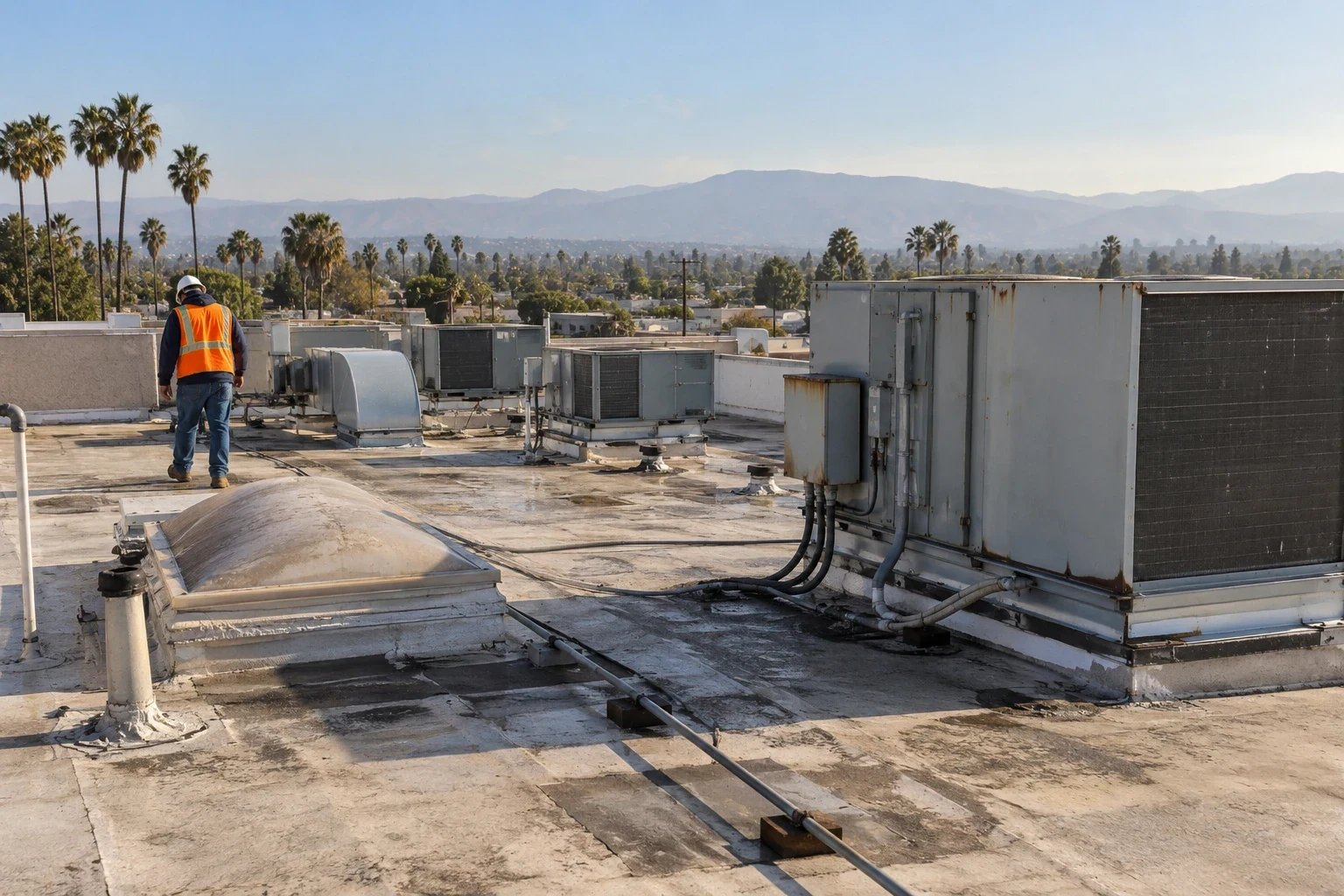
Condensate reaching the membrane beside a cooling unit can create dampness during dry weather, and a deteriorated curb may admit that water below. We inspect the discharge arrangement and flashing, then discuss the equipment correction with the mechanical trade. Rooftop equipment interface repairs should preserve drainage, flashing clearance and service access so a new patch is not damaged at the next visit. Shutting down a unit can affect several rooms, making its operating coverage part of the hotel coordination. We identify which portion of the roof can be repaired without disconnection and which requires an approved equipment interval. The roofing crew restores the water barrier, while the equipment technician is responsible for checking the restored unit and its condensate route before service resumes.
Regional heat and planned renewal
Summer construction may coincide with prolonged regional heat, even if guest demand makes that period convenient for roof access. Fresno had 26 triple-digit days in July 2024, an example that supports surface checks and careful work pacing rather than an assumption about damage at a particular hotel. We examine the existing assembly before proposing coating restoration, including dryness, adhesion and the details surrounding equipment. A coating cannot remove wet insulation or correct a poorly supported curb. A recover or replacement may be more suitable where those conditions are extensive. We explain the construction exposure of the technically viable choices, allowing the group to compare room disruption and permanent roof requirements after unsuitable options have been excluded.
Ownership approval and post-repair checks
A hotel operating under a separate property owner may need both operational consent and construction authorization. We identify the parties responsible for the roof and coordinate with real estate ownership representatives where a capital decision is involved. Roof condition findings distinguish the completed repair from adjacent deterioration, with photographs tied to positions the property team can recognize. Emergency service remains available outside daytime hours, throughout weekends and during holidays, with access and response arrangements confirmed for the incident. The follow-up visit can check repaired details and remaining tasks after the immediate exposure is controlled. A group work order should close only against the scope actually completed, preserving any unresolved equipment or wet-material work for the responsible contact.
Hospitality operators must coordinate roof work around guest arrivals, room turns, food service and scheduled events. For each property, confirm the work window and routes that can be restricted, then limit staging and debris movement to approved areas. A group-level standard can support consistent proposals, but room protection and access decisions belong with the local operator. The roofing plan should state when a section will be opened and how it will be closed each day, giving the hotel team a practical basis for guest and staff coordination.
Hotels along the Shaw Avenue Commercial Corridor serve an active Clovis retail area. Regional multi-property hospitality operators can benefit from a repeatable roof record that lists affected rooms, access restrictions and completed work for each property. For a site in Clovis, the local operator should confirm the guest route and protected areas. Related retail and restaurant roofing may involve different loading and kitchen requirements, so retain distinct work plans.
Commercial Roofing Questions
Can a room return to use after the roof patch is installed?
Room release requires the hotel assessment of the interior condition. We report the roof protection completed and any continuing investigation, while the property team assesses drying, electrical concerns and room finishes. A temporary roof repair does not establish that all concealed interior material is ready for occupancy.
How can noisy roof work fit guest quiet periods?
Quiet intervals should be matched to roofing tasks that can be paused safely. We discuss removal, fastening and material handling with the hotel, then identify activities that can be scheduled away from requested quiet intervals. An exposed roof area still needs secure closure, so its protection cannot be deferred simply to stop noise.
Who should receive findings during an overnight incident?
An accessible contact with authority to coordinate the property is the useful starting point. The duty manager can describe the affected rooms and access, while the group should identify who approves roof work or added expenditure. We discuss the immediate protection and any approval needed for permanent work.
Does a reflective coating resolve summer cooling complaints?
Roof suitability and the building cooling system both matter. A suitable reflective surface can affect solar heat absorption, but roof insulation, air leakage and equipment condition also influence indoor performance. We inspect the assembly and coordinate equipment concerns instead of treating a coating as proof that a guest comfort problem will disappear.
What should the group record across several hotel repairs?
Building-specific repair positions, materials and unresolved tasks give the records continuity. We keep temporary measures distinct from permanent construction and identify equipment responsibilities. Group reporting can remain consistent while room controls, roof assemblies and approval requirements are established separately for each hotel.
A roof leak reaching guest space
Describe the hotel, affected rooms, electrical or ventilation concerns and the contact available for access and approval. We will discuss immediate roof protection and the room-related controls needed for permanent work.
Related Pages
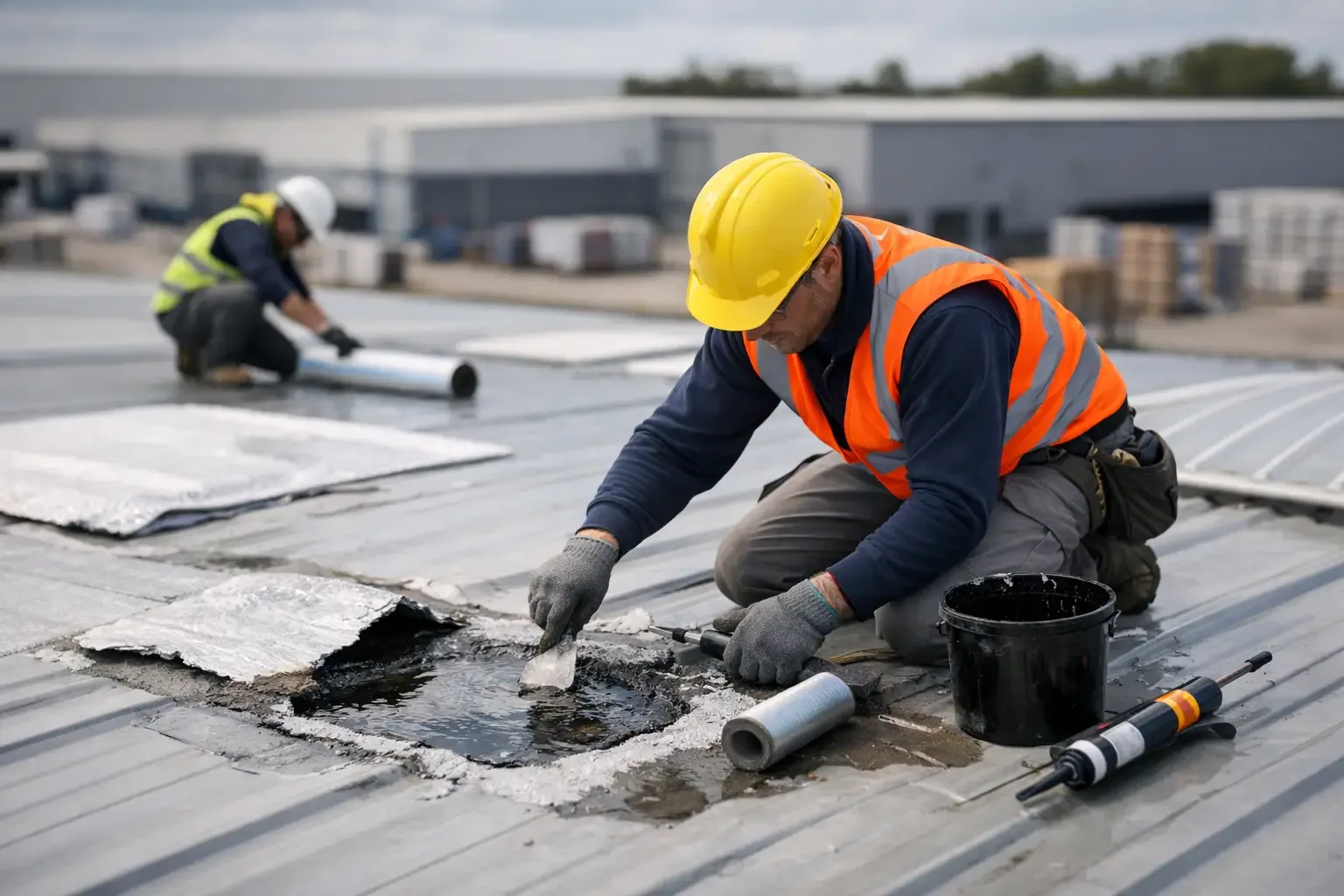
Commercial Roof Leak Repair
Read the full page
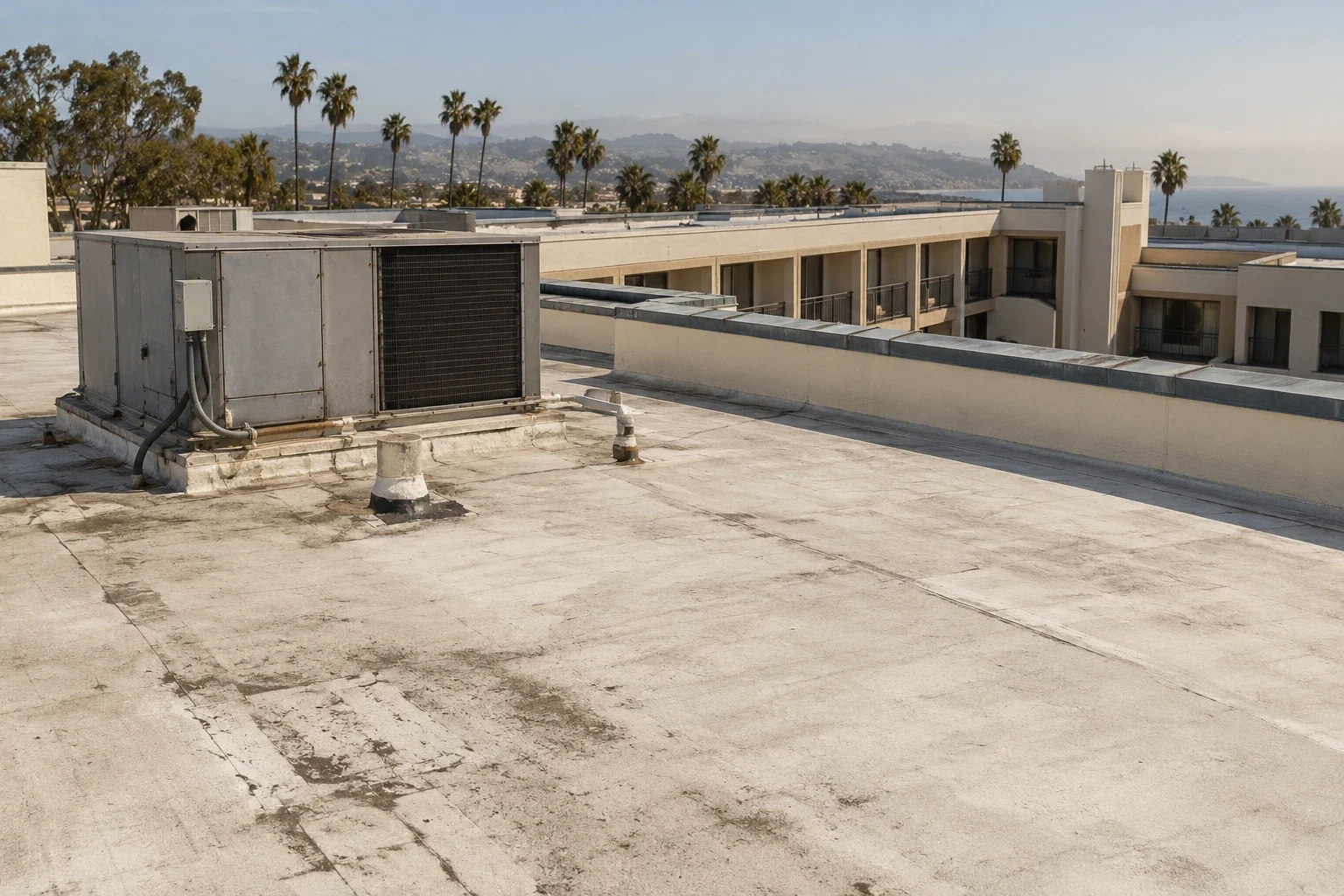
Hotel Roof Repairs With Room-Level Work Releases
See how we handle it
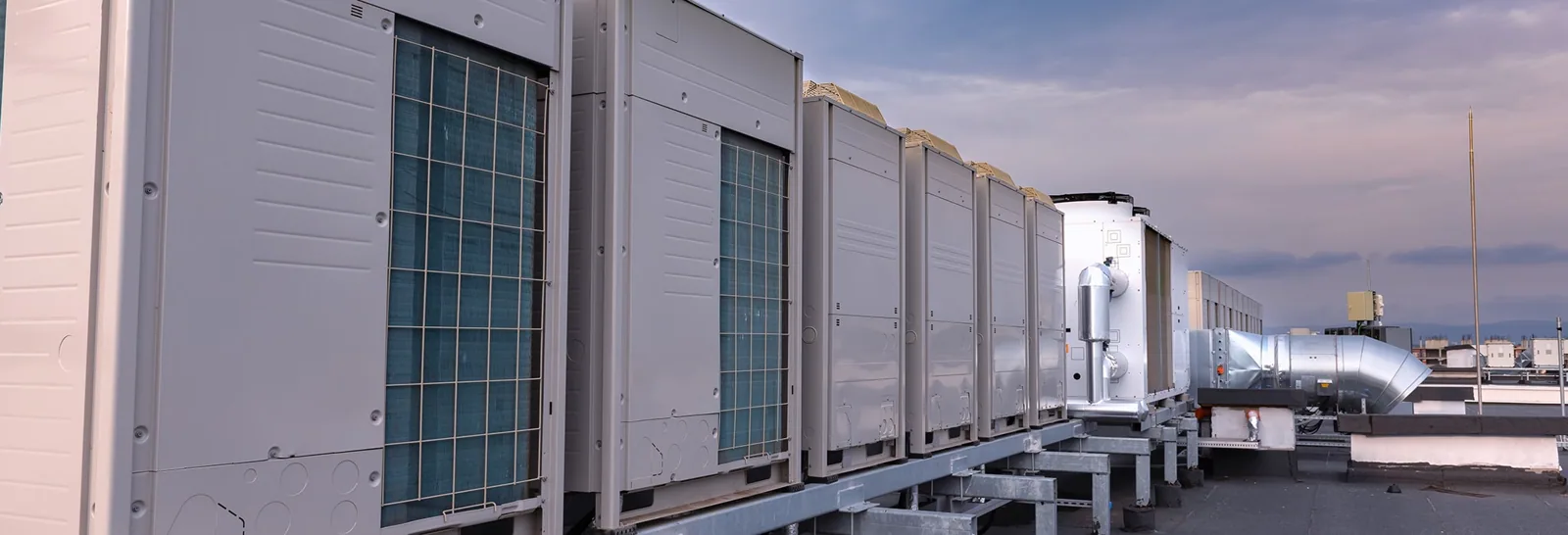
Rooftop Equipment Curbs and Supports
Scope, sequence and repair notes
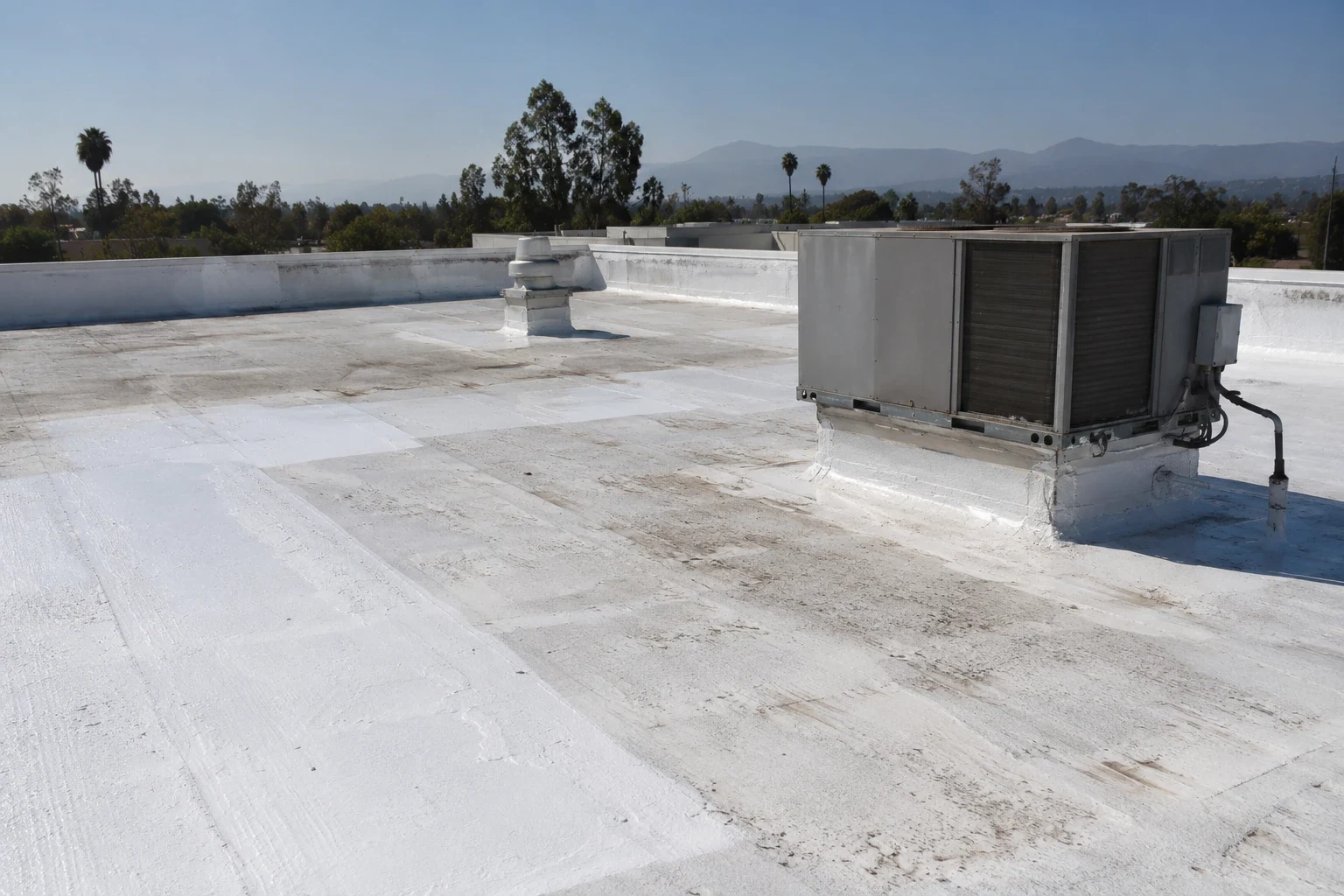
Roof Coating Restoration
Read the full page
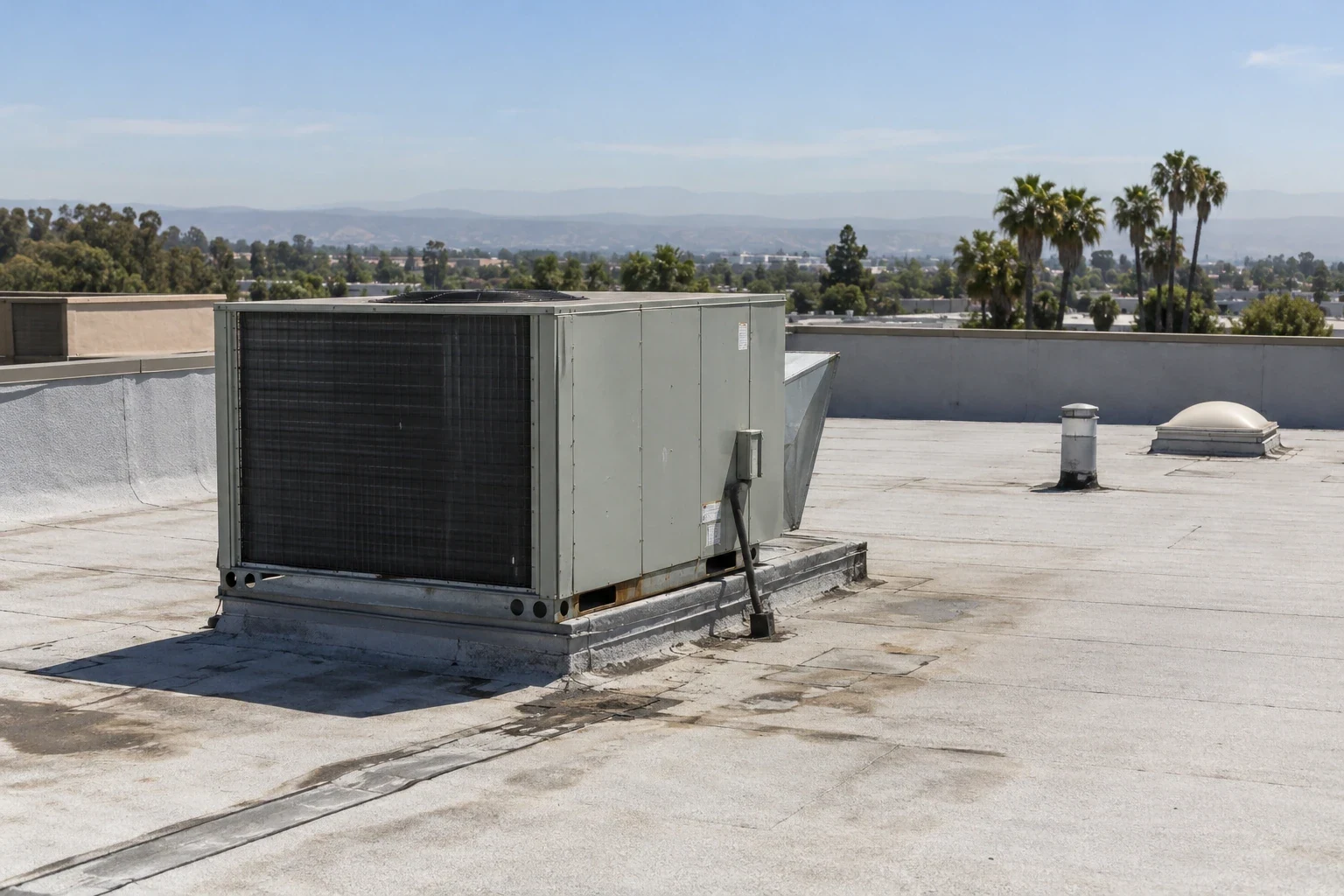
Investor and REIT Roofing
See how we handle it
Roof Condition Records and Repair Planning
Scope, sequence and repair notes