Public Agency Roofing in Clovis, CA
Industries We Serve
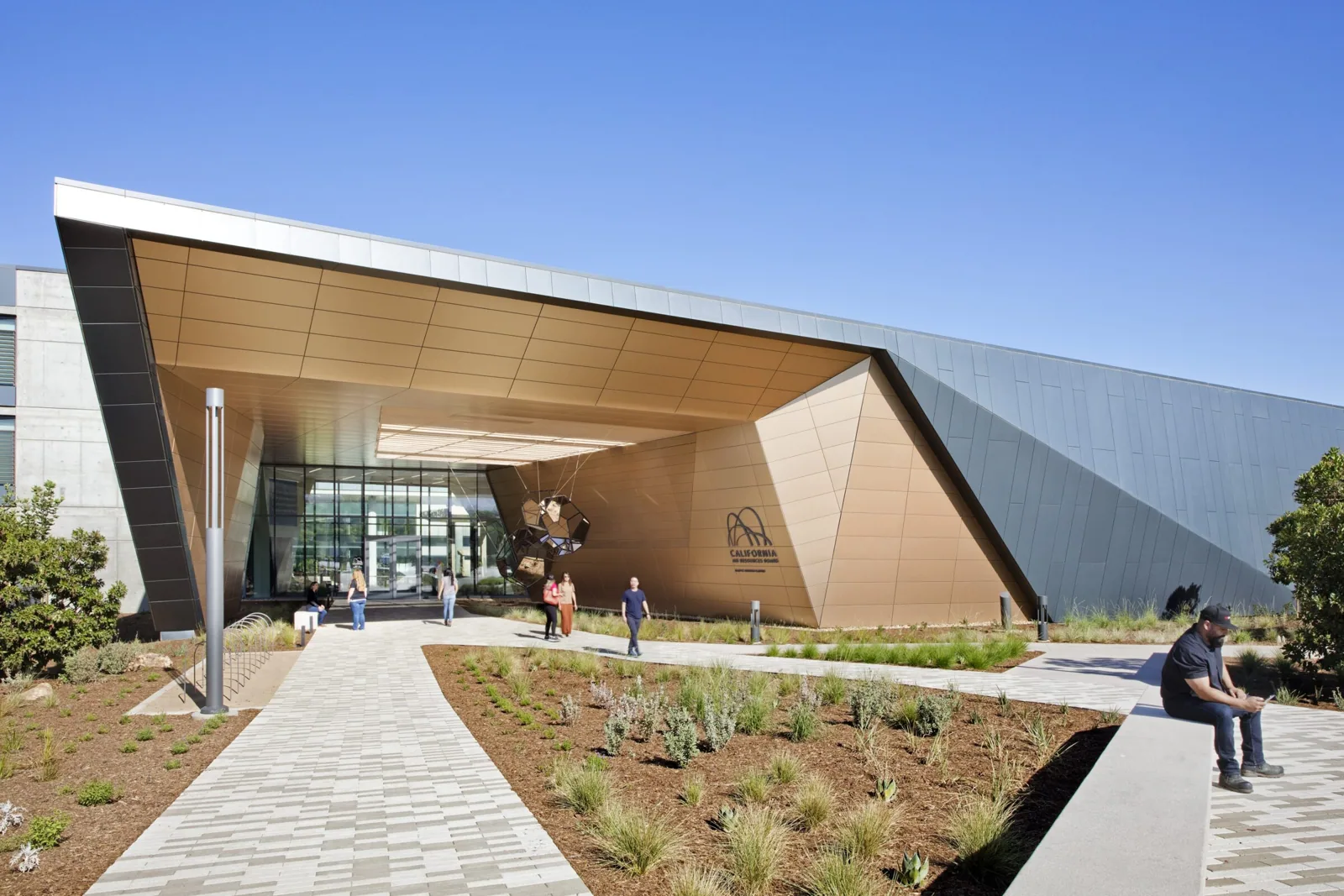
A service counter receives its first drip during winter rain, and the agency building manager must protect the public while determining who can authorize roof work. At a public facility in Clovis, CA, urgent water control and permanent construction can follow different approval routes, but both need an accurate description of the defect. We establish the occupied area, electrical concerns and roof access, then investigate the drainage and flashing connected to the leak. Temporary protection is considered against the conditions on the roof and the authority provided for immediate work. The permanent repair follows the assembly findings, required review and procurement process, with public access planned before materials or debris occupy an entrance used for essential services.
Public circulation and restricted work areas
A wet floor near the only accessible entrance can require immediate interior control even before the roof opening is located. We coordinate with the building representative on barriers, permitted entrances and a roof access route that stays separate from public circulation. Emergency roof assistance is available through nights, weekends and holidays, with the actual attendance and temporary work discussed during the call. Access to records rooms, electrical spaces or restricted departments requires agency permission. Where roofing removal will create dust or noise, the agency determines the service adjustments while we explain the construction exposure. That relationship keeps the roofer responsible for the work area and the agency responsible for decisions about its public services, instead of assuming one person can authorize every operational change.
Inspection findings and purchasing authority
A failed lap visible on the roof can be described immediately, but the extent of wet insulation may remain uncertain until investigation is authorized. We distinguish those findings in a roof condition report, including the access limits and the work needed to establish concealed damage. Procurement staff can then compare proposed tasks against a defined defect rather than an undifferentiated roof allowance. The agency must establish its purchasing and approval procedures, including any design-professional or permit review for the proposed work. We identify where additional approval could be required during removal and how those discoveries will be communicated. A temporary repair should remain documented as temporary, so an urgent expenditure does not accidentally close out a permanent repair obligation that still requires funding and review.
Local buildings and separate assignments
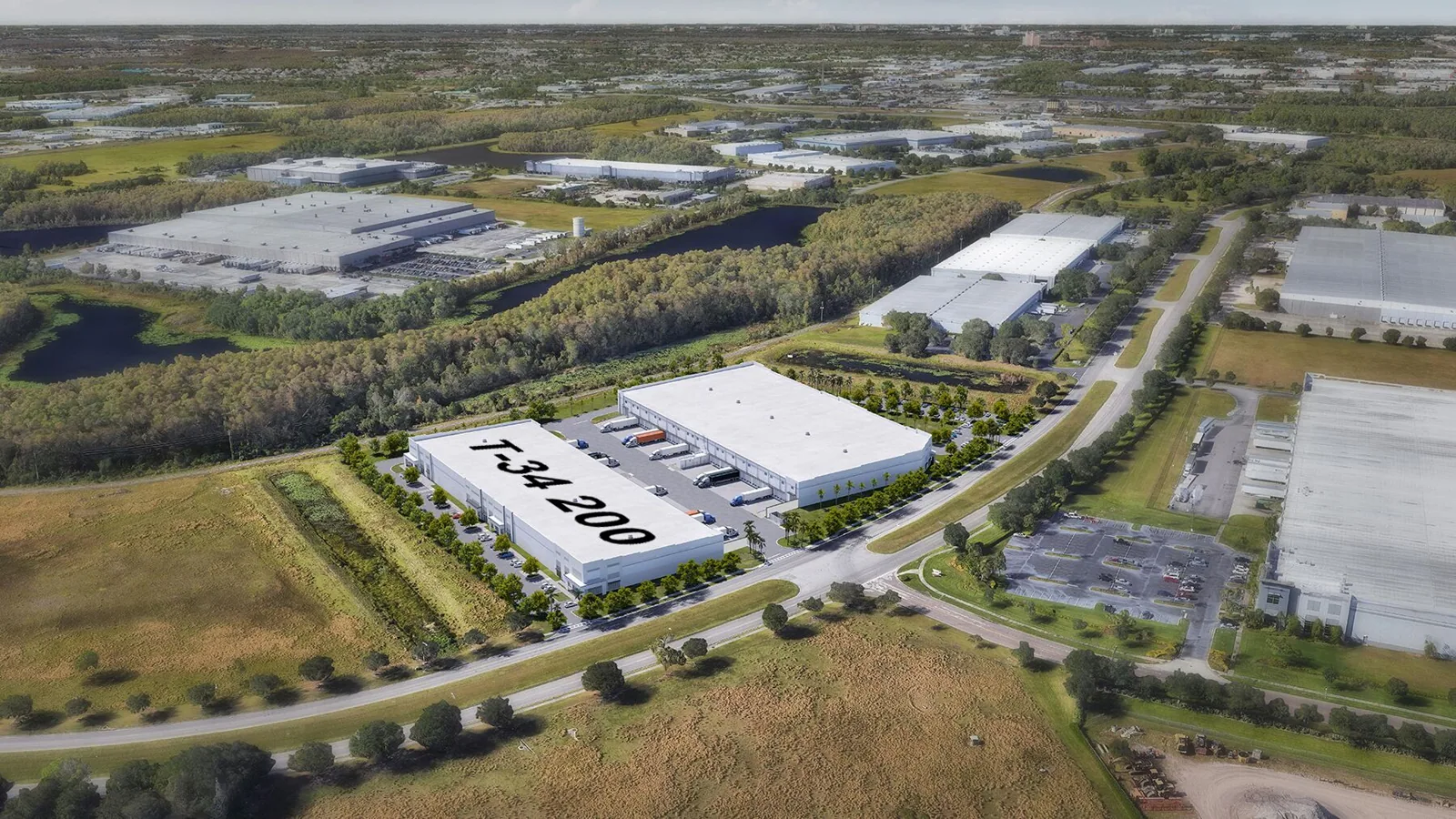
Public facilities in Clovis and Fowler may include libraries, branch offices, schools and community services with different hours and circulation requirements. Before roofing work, identify the official who can release the site and any procurement or design review needed for changed conditions. Keep public access routes clear and separate the roofing scope from interior services or agency operations. A marked roof finding and defined quantity make the repair easier to review through the appropriate public approval process.
Existing layers and permanent scope
Several repair coatings over an old flashing detail can hide a weak substrate, leaving the visible surface more complicated than the original defect. We examine attachment, layer compatibility and moisture condition before recommending another surface treatment. Roof coating restoration requires a suitable dry assembly and sound details; it does not replace wet insulation or repair deteriorated deck support beneath the membrane. Where removal is necessary, the proposed scope should explain the boundary and how concealed findings affect the authorization. Roof drainage and equipment interfaces also need to be included where they cause continuing exposure. The agency can then compare a limited repair, recover or replacement against actual suitability, rather than selecting the option with the least removal before the assembly has been examined.
Seasonal work and building service
Regional heat can affect summer installation even where the building can be closed for maintenance. Fresno recorded 26 triple-digit days in July 2024, context for checking roof temperature, worker exposure and material preparation during hot periods. We discuss daily removal limits and how occupied areas will be protected if work is interrupted. A government building roof project may also require coordination with scheduled hearings, public appointments or records handling, depending on the actual facility. Where another construction contract is active, general contractor coordination establishes responsibility for penetrations and roof closure. A calendar date approved through procurement does not resolve those interfaces by itself; the building representative and trades need an agreed sequence before the roof is opened.
Acceptance records and continuing maintenance
A permanent repair should leave enough information for the agency to identify what was replaced and which conditions remain outside the completed work. We provide the repaired locations and material descriptions, discuss equipment or drainage responsibilities and separate any unresolved issue from the acceptance record. Preventive roof maintenance can then check the actual repaired areas and keep drains clear without treating the entire building as renewed. Staff changes should not erase the distinction between temporary containment and completed permanent construction. Warranty documents also need to match the materials and scope actually installed, with the responsible party and applicable terms identified. Future purchasing decisions are easier when the agency can connect an expenditure to a physical repair location and the condition that justified it.
Public agencies often need a defensible scope that can move through facilities, procurement and budget review without losing the site facts behind it. Identify the official who can release roof access, the person who can approve change work and any documentation required before mobilization. Keep bid quantities tied to marked conditions, with alternates separated from necessary repairs. If work must pause for a public event, safety review or funding action, record the affected area and protection status. That creates a clear handoff between the facility team and contracting staff.
Agency roofing scopes should identify the public route that remains open, the area temporarily restricted and the official authorized to approve changes. Keep records of inspection, bid quantity and completed work together for public review, and list design or permit decisions that remain with the agency. For campus projects, see school district roofing programs; local projects can also use the Clovis service area for geography.
Commercial Roofing Questions
Can urgent water control use a different approval route?
Urgent work must follow the authorization available under the agency procurement rules. We separate immediate containment from permanent construction and describe what each task requires. The building representative must confirm the authorization available, including the person who can approve a change if the immediate conditions differ from the initial report.
What belongs in a roof repair request for procurement?
A defined defect, proposed repair boundary and investigation limits make the request useful. We describe the affected assembly and any coordination needed with other trades. Concealed damage should appear as an unresolved condition with an approval path, rather than a settled quantity that the inspection could not establish.
Can the public entrance remain open beside roofing work?
Keeping the entrance open requires separation from falling debris, equipment and material movement. We review alternate routes with the agency and establish barriers before work starts. If a safe route cannot be maintained, the agency needs to plan a temporary service adjustment or a different construction sequence.
Does an accepted emergency repair complete the roof project?
Acceptance covers the scope actually completed. Temporary protection may stop water entry without removing wet material or rebuilding the failed detail. We identify the follow-up tasks in the work record, so acceptance of urgent containment does not conceal a separate permanent repair requirement.
How can several facilities share a maintenance schedule?
Shared visits need compatible access arrangements and agency service requirements. We assess each building and identify tasks that can be combined, such as drainage cleaning, while keeping repair requirements separate. A common schedule should preserve building-specific approval and protection controls.
A public building with active water entry
Describe the facility, the public areas affected and the contact authorized to arrange roof access. We will discuss immediate protection and the findings needed for permanent repair approval by the agency.
Related Pages
Emergency Commercial Roof Repair
Read the full page
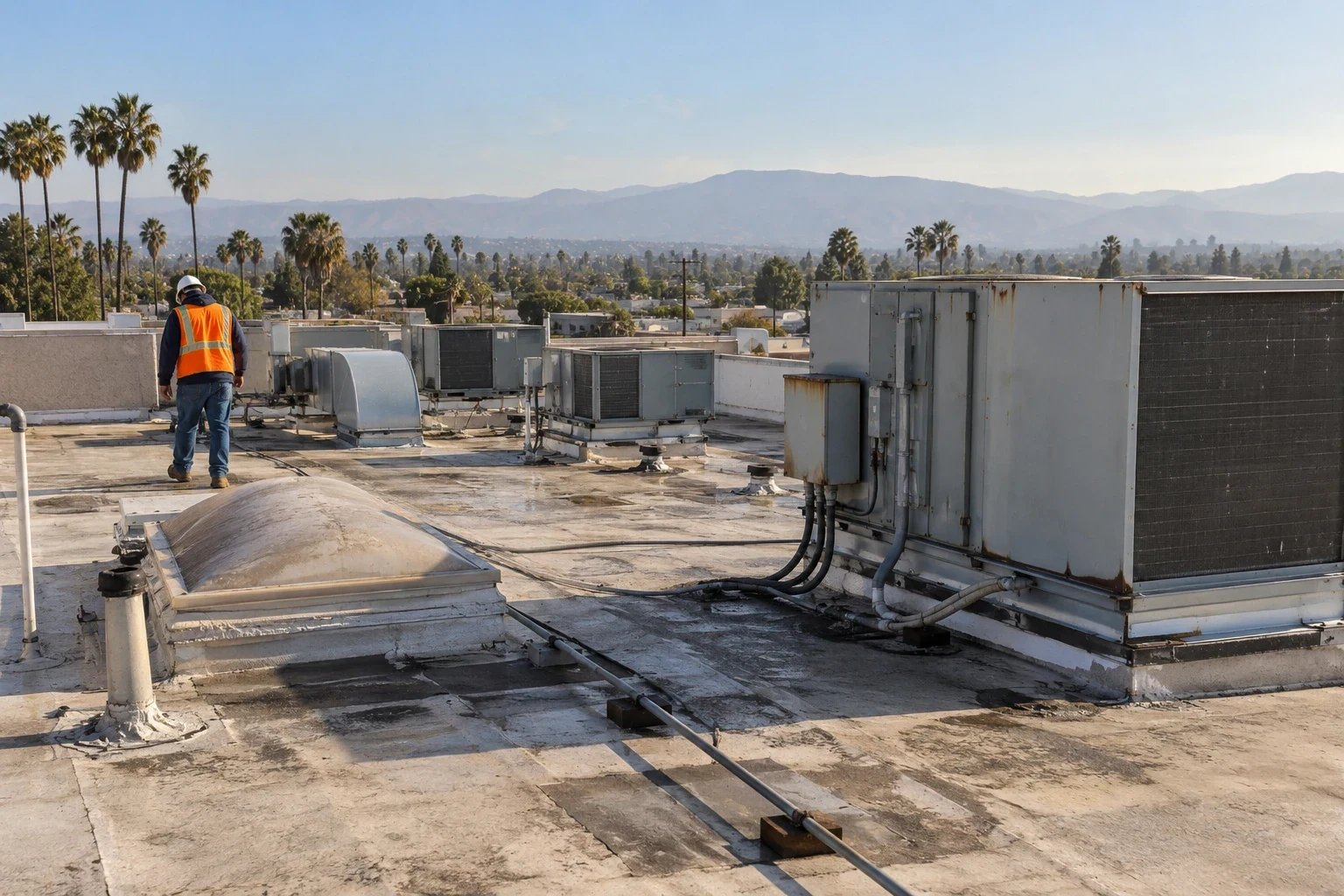
Roof Condition Records and Repair Planning
See how we handle it
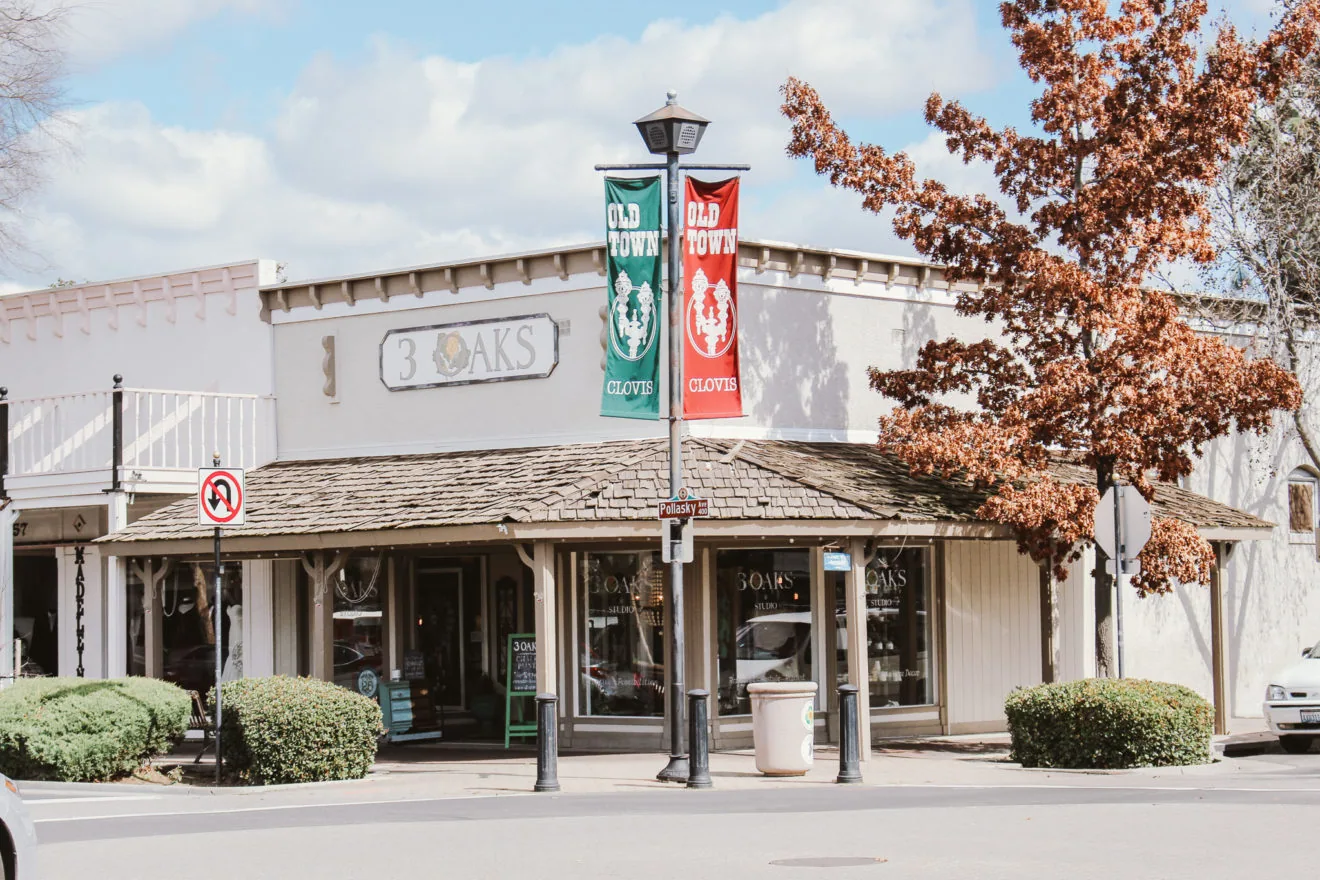
Clovis
Scope, sequence and repair notes
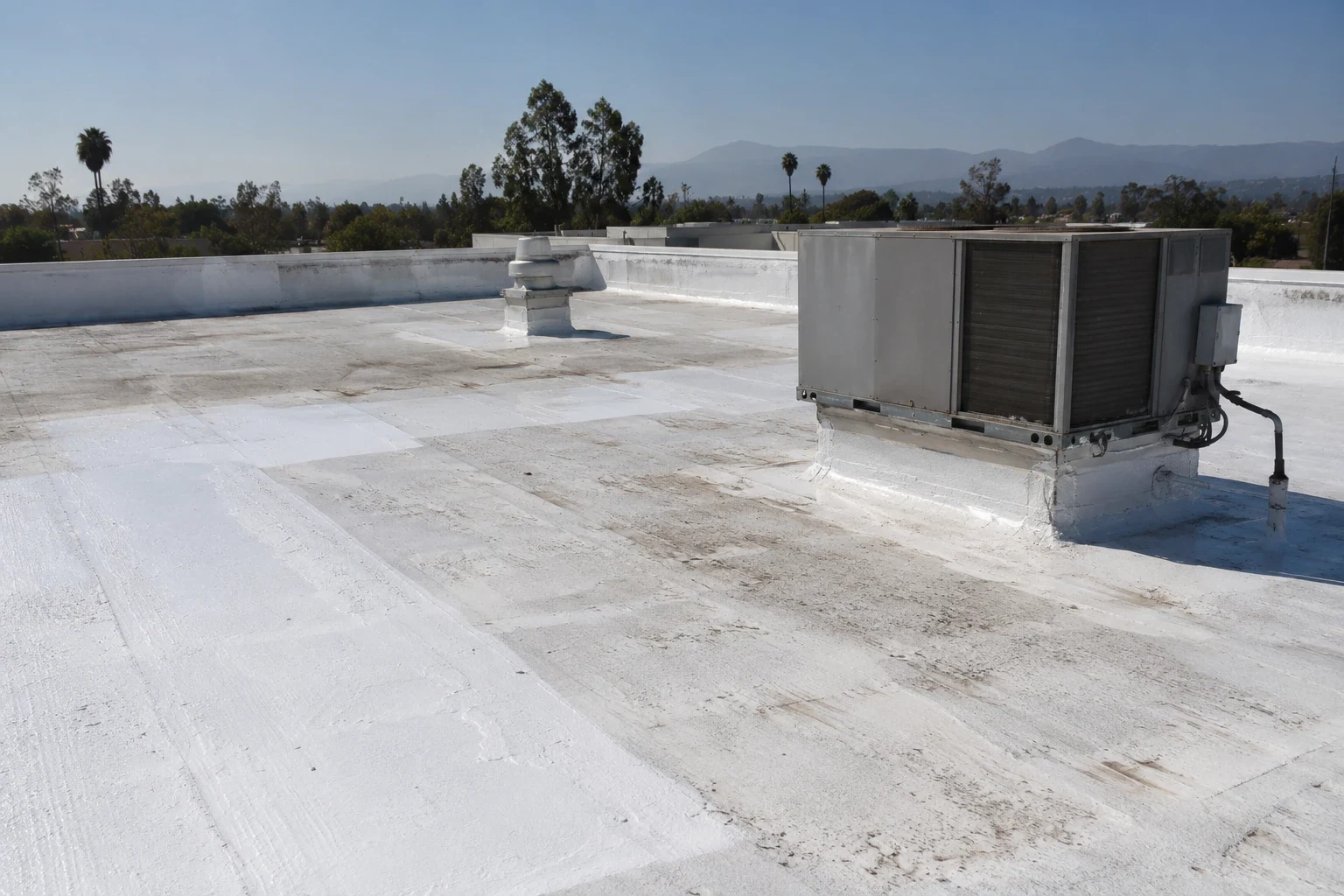
Roof Coating Restoration
Read the full page
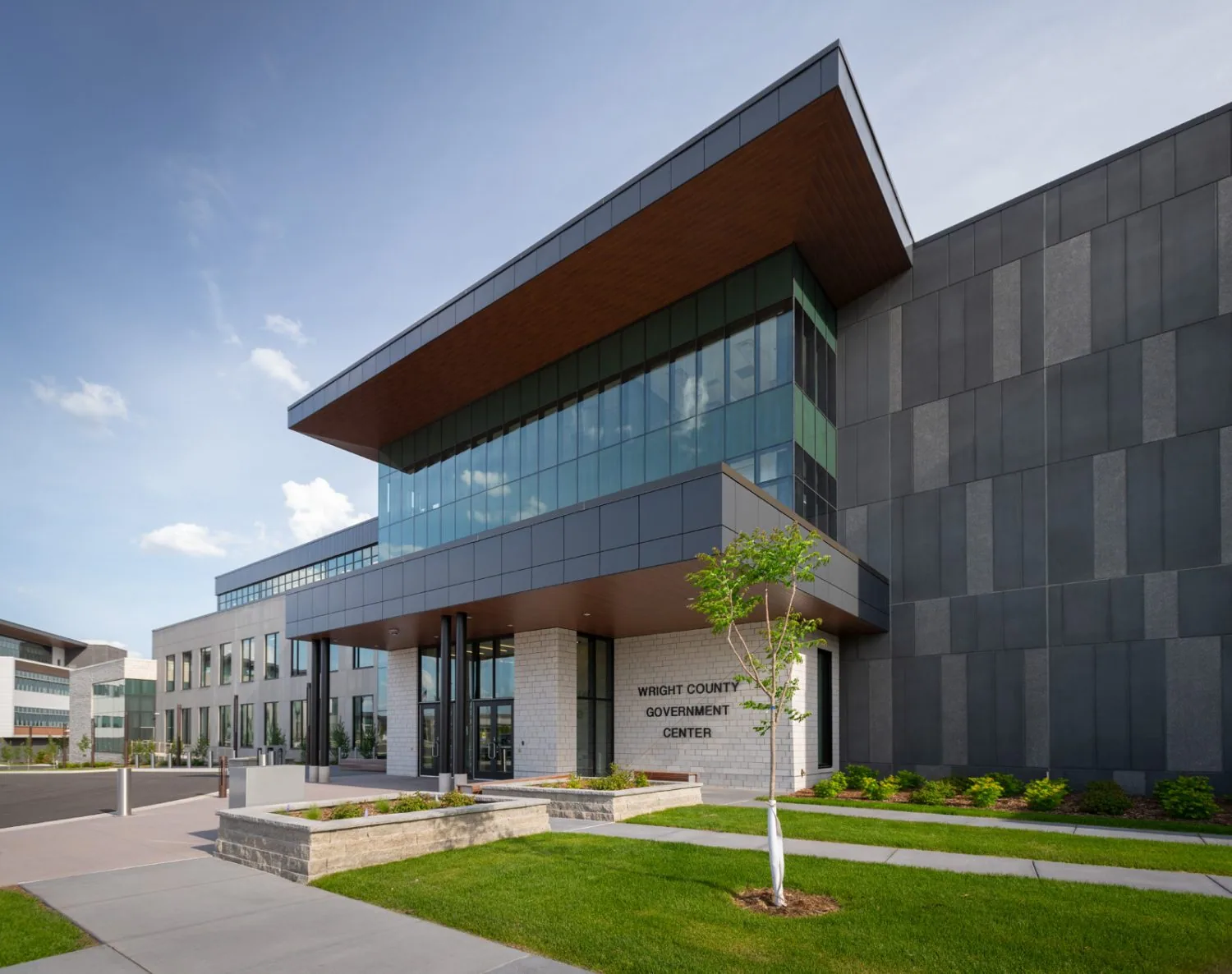
Government Building Roofing
See how we handle it
General Contractors
Scope, sequence and repair notes