
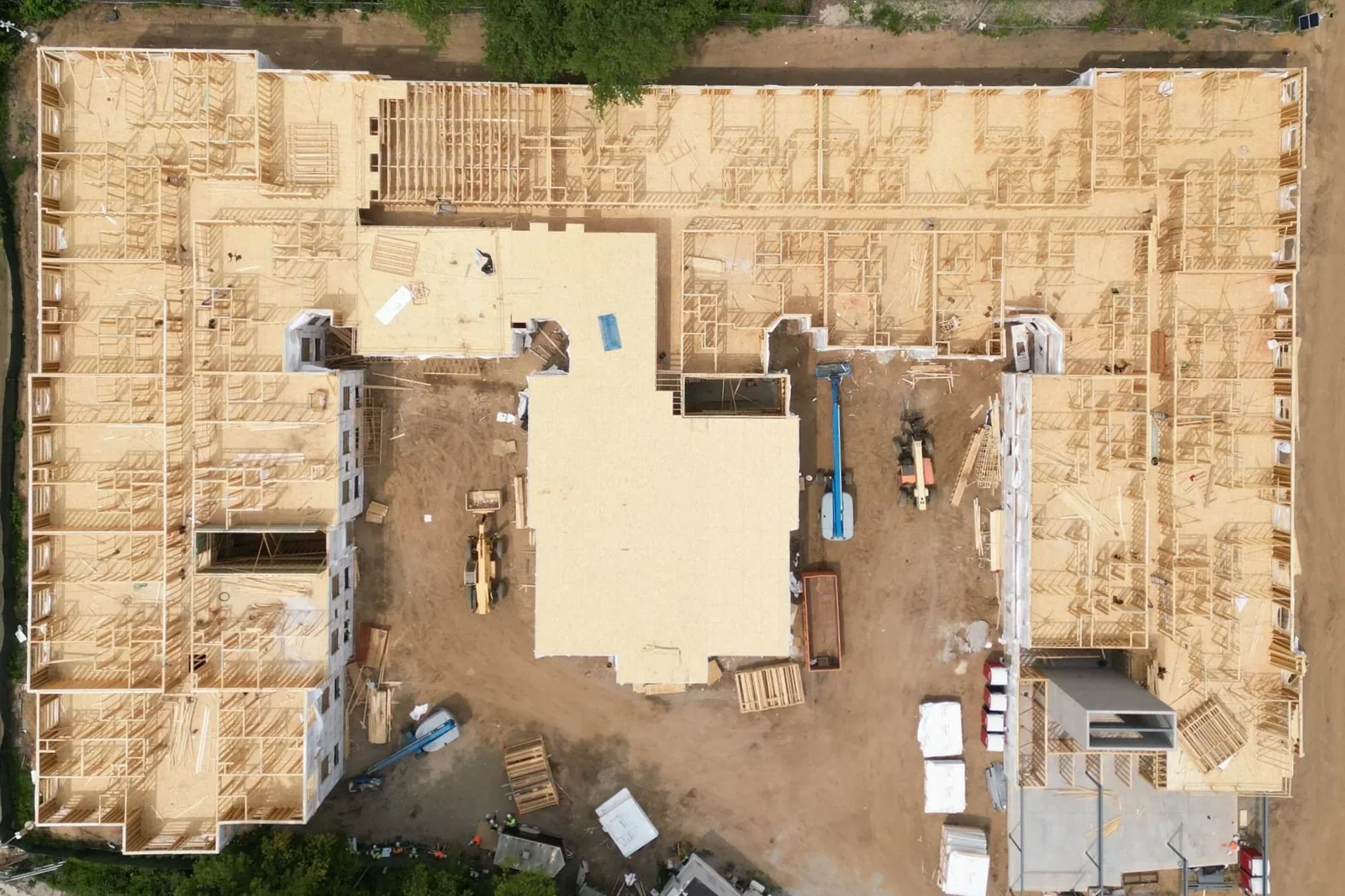
Roofing for General Contractors in Clovis, CA
Industries We Serve
A newly opened equipment area takes water during the first winter shower, and the general contractor needs to know whether the temporary closure, existing membrane or adjacent trade work failed. On a commercial project in Clovis, CA, that investigation must establish the current protection and the interface responsibility before another trade continues through the opening. We review the affected area and access with the project lead, then examine the temporary closure, curb and surrounding assembly. Immediate protection is chosen for the exposed conditions, while the permanent detail is checked against the equipment position and existing roof. The order of work should leave each completed interface recognizable, so a roofing repair does not disappear into a sequence of later cuts and unassigned closure tasks.
Existing conditions before demolition
A drawing may show a roof layer that differs from the material found at a test opening, particularly where earlier repairs or additions changed the assembly. We examine the existing membrane, insulation and substrate before defining the attachment and transition details for new work. Existing-roof inspection also identifies deterioration outside the construction footprint that could affect temporary drainage or the proposed tie-in. Testing needs authorization and an agreed closure method. The findings should distinguish the contractor work area from unrelated older defects, with photographs that can be matched to the project positions. That separation gives the owner and design team a basis for approving added work without allowing every pre-existing roof issue to become an assumed part of the new construction scope.
Curbs and trade handoffs
A curb set too close to a duct connection can leave insufficient clearance for continuous flashing, even if the equipment layout looks workable from above. We review the support, height and access with the responsible trades before the equipment is placed. Roof curb and support construction must provide a stable surface for the weather barrier and leave room for maintenance. The handoff identifies who installs the curb, who makes the structural connection, who disconnects services and who closes the roof around it. Those responsibilities remain distinct even when the general contractor coordinates all of them. A mechanical completion check does not establish roofing closure, and a finished flashing detail does not establish that electrical or process services have been reinstated correctly.
Local project context and permitted scope
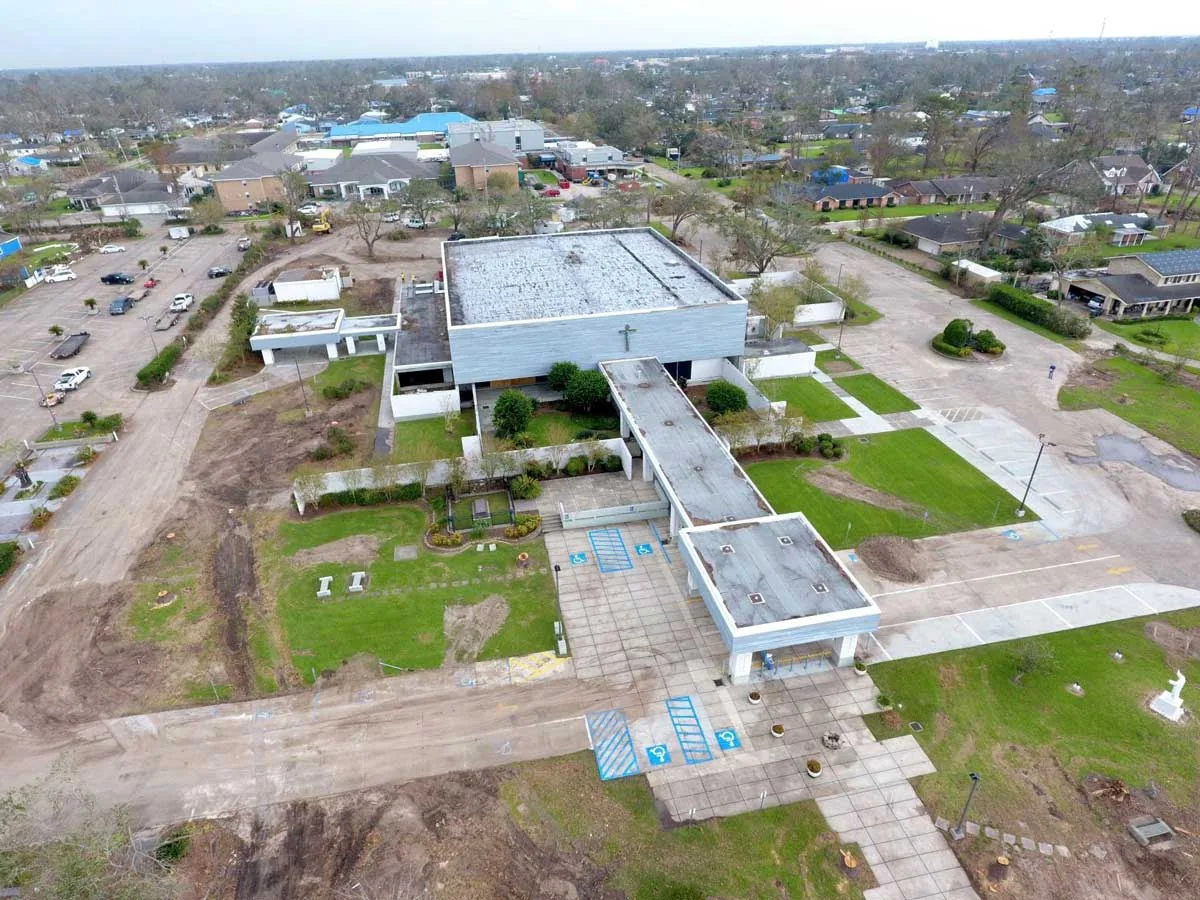
The Clovis Research and Technology Park area is planned for manufacturing, assembly, research and business-service uses near Temperance and Nees Avenues. Projects with those uses can bring process equipment, rooftop services and office space together, so each roof interface needs a defined trade handoff. Healthcare construction in the Herndon medical district adds another distinct operating environment. For either setting, keep equipment work, structural review and roofing approval assigned to the parties responsible for each scope.
Temporary closure and active drainage
A temporary membrane turned up around an unfinished opening can shed water while still leaving a low pocket beside it. We examine how the work changes drainage, including whether temporary materials or stored equipment obstruct a drain path. Drain and scupper coordination should preserve an outlet throughout the construction sequence, with plumbing involvement where piping changes are required. The daily closure arrangement identifies the openings that remain, their protection and who will inspect them if conditions change. A temporary detail is not a permanent flashing substitute and needs a defined follow-up task. We discuss its limitations with the project lead so overnight protection is based on the actual opening and exposure rather than a general statement that the building has been dried in.
Concealed deterioration and changed work
Wet insulation extending beyond a new penetration can change both the repair boundary and the construction schedule. We document the exposed condition, explain the roofing tasks it creates and identify whether deck review or another trade is needed before closure. Insulation and cover board work must leave a suitable substrate for the selected membrane, not bridge an unstable area to preserve an unchanged drawing. The owner approval route needs to be available during opening so unsuitable material is not hidden merely to avoid a delay. Projects for manufacturing owners may also require a revised shutdown arrangement where the wider repair reaches equipment. We distinguish necessary assembly correction from optional improvement, giving the project team a clear basis for a changed-work decision.
Summer handling and occupied construction
The 90.0 F monthly mean reported for Fresno in July 2024 illustrates regional summer exposure relevant to material handling and surface preparation on a construction project. The project schedule should account for preparation requirements and worker exposure rather than assume a permitted start date makes every installation hour suitable. Roofing over occupied construction areas also needs intake protection, noise planning and separation of debris from ongoing operations. We agree removal limits and closeout checks for each area, then report unfinished interfaces before other trades return. Emergency assistance is available at night, across weekends and on holidays, with access and incident conditions confirmed during the call. Permanent closure and final acceptance follow the actual completed details, including the tie-ins that connect new work to the existing roof.
A general contractor coordinating reroofing should define the handoff between roofing, mechanical, electrical and structural scopes before the roof is opened. Confirm who disconnects or relocates equipment, who reviews a changed deck condition and who can approve revised quantities. Trade sequencing matters at curbs, supports and parapets where multiple assemblies meet. Keep each party’s submittals and inspection responsibilities visible in the schedule, then record completed work by roof area. This reduces ambiguity without suggesting that the roofer controls equipment performance or other trades’ acceptance.
For work in Clovis Research and Technology Park, establish the site’s equipment access, work zone and approved design details before sequencing trades. Roofing at a manufacturing property often meets curbs, supports and service lines supplied by other contractors. Keep the roofing tie-in, mechanical work and structural review separate in the schedule, and use manufacturing facility roofing coordination as a related planning reference.
Commercial Roofing Questions
Who owns the temporary closure between trade visits?
Temporary closure needs an assigned construction responsibility between visits. We identify who installs, checks and removes the temporary protection and when the permanent roofing handoff occurs. The general contractor needs those assignments in the work sequence so an opening is not left between trades without a responsible party.
Can the final flashing be installed before equipment arrives?
Early completion is possible only where curb geometry and remaining connections permit it. Some details can be prepared early, while others need the equipment position or services established first. We review those interfaces before committing the sequence, including how unfinished portions will be protected.
What happens when roof layers differ from the drawings?
The exposed assembly controls the practical repair, with design review where required. We document the difference and explain its effect on attachment, transitions and moisture removal. The approval path should resolve the changed condition before unsuitable material is concealed beneath new roofing.
Does dry-in mean the roof is permanently complete?
Dry-in describes exposure protection; permanent completion requires the final materials and details. Temporary protection can control exposure while permanent curbs, drains or tie-ins remain unfinished. We identify the remaining tasks and limitations so the project team can schedule follow-up rather than accept a temporary closure as final construction.
How should rooftop work from several trades be checked?
Separate interface checks make the handoffs useful. Each responsible trade confirms its equipment or service work, while we check the weather barrier and roofing transitions. The general contractor coordinates the sequence and records outstanding items before a completed area is handed to the owner.
A roof opening or tie-in needing coordination
Tell us the project address, the exposed area, the trade interfaces and who can authorize changed work. We will discuss temporary closure, inspection access and the sequence needed to complete the permanent roof connection.
Related Pages
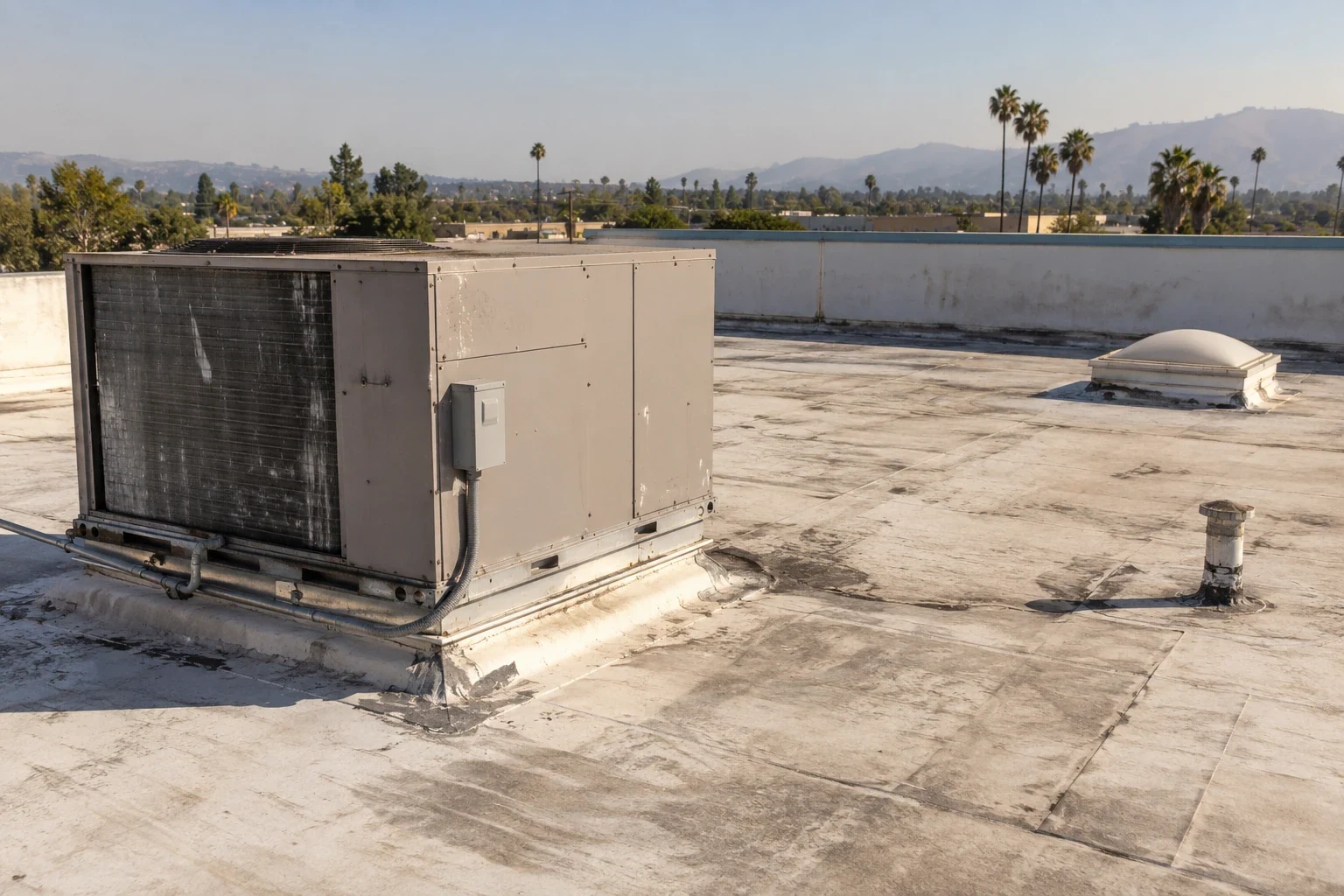
Commercial Roof Inspection
Read the full page
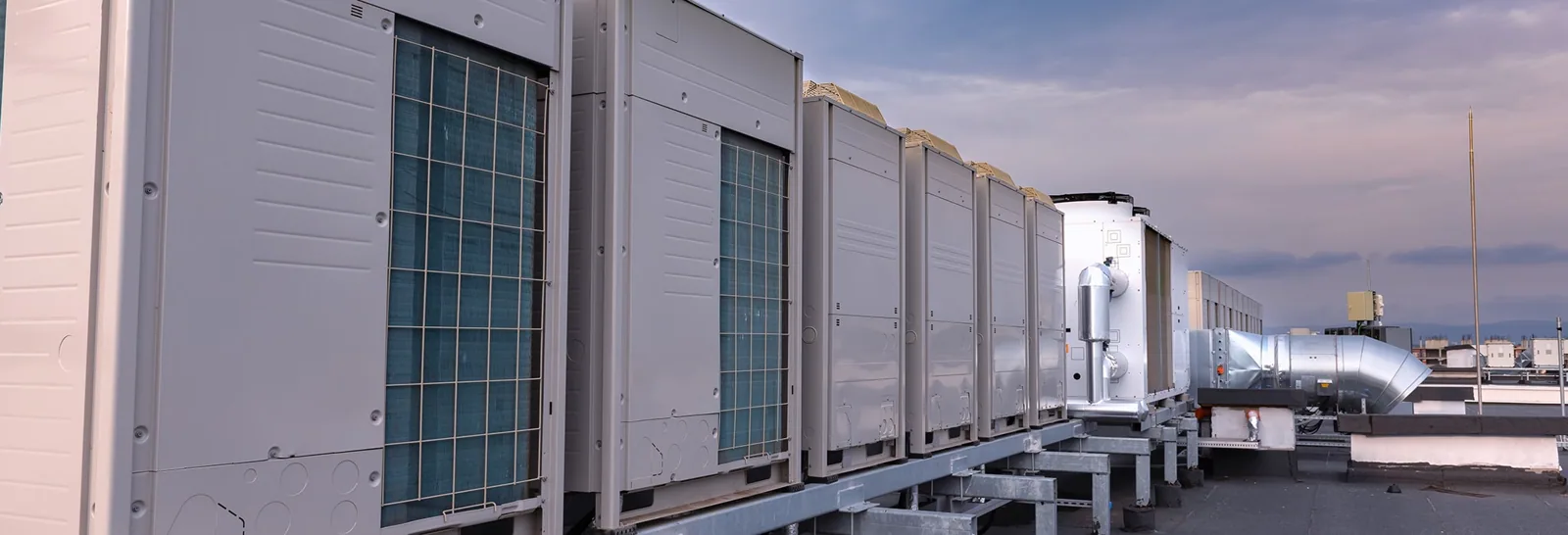
Rooftop Equipment Curbs and Supports
See how we handle it
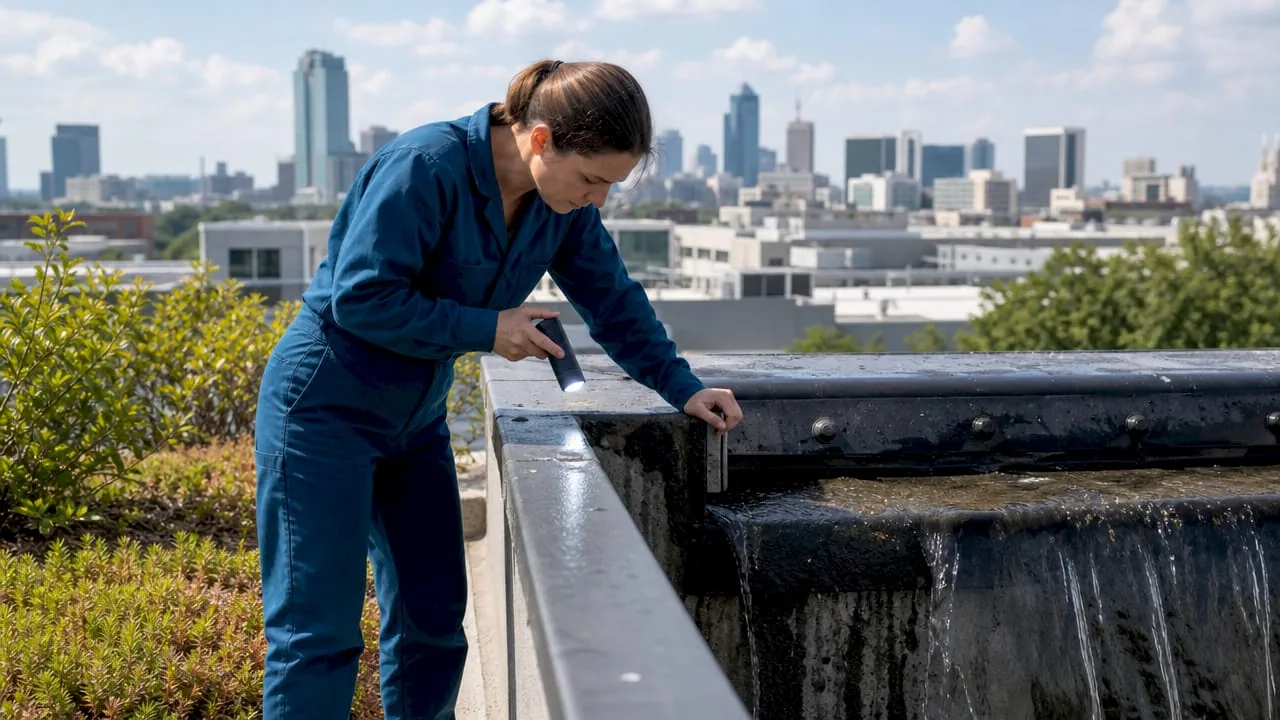
Roof Drains and Scuppers
Scope, sequence and repair notes
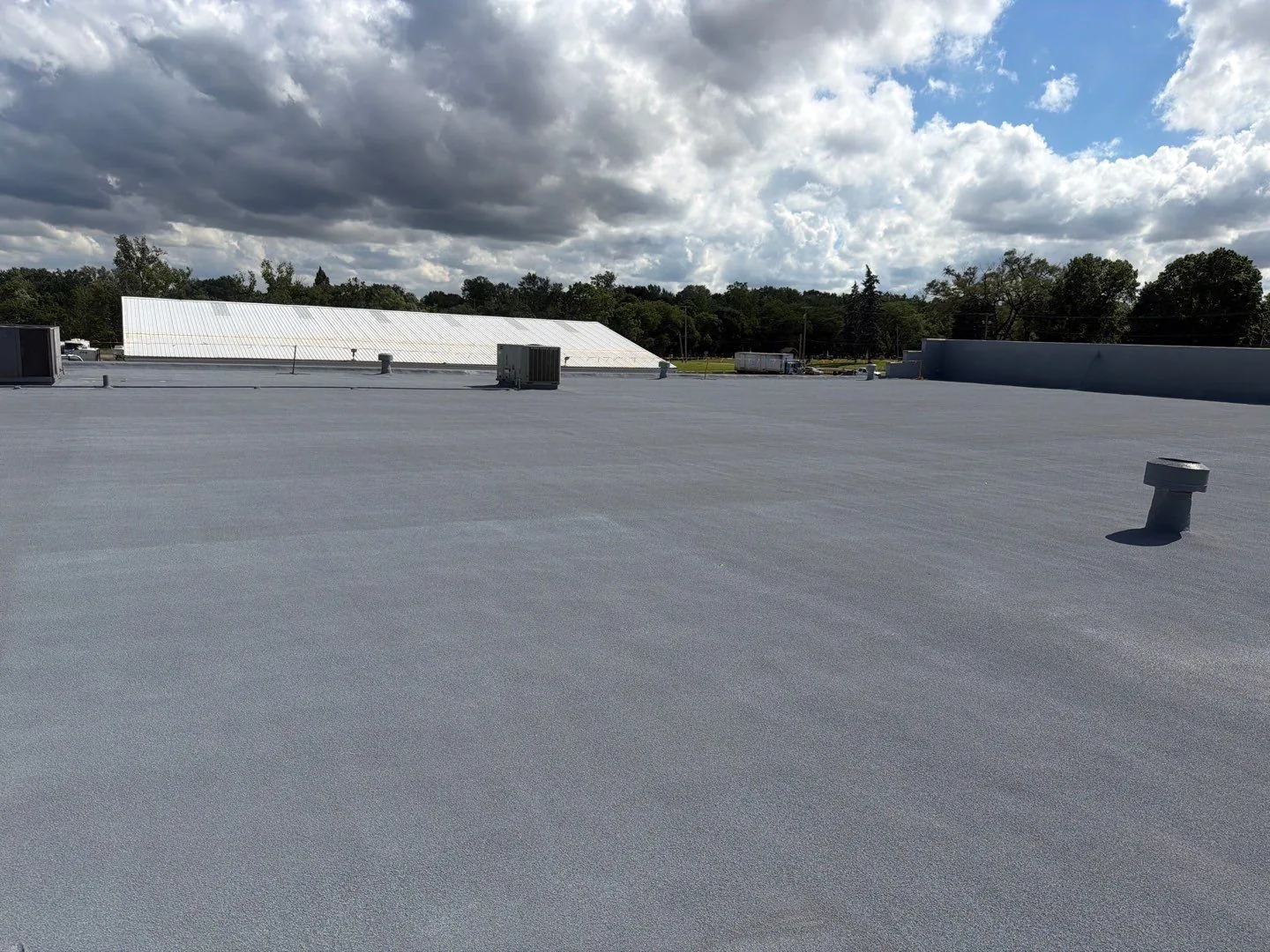
Roof Insulation and Cover Board
Read the full page
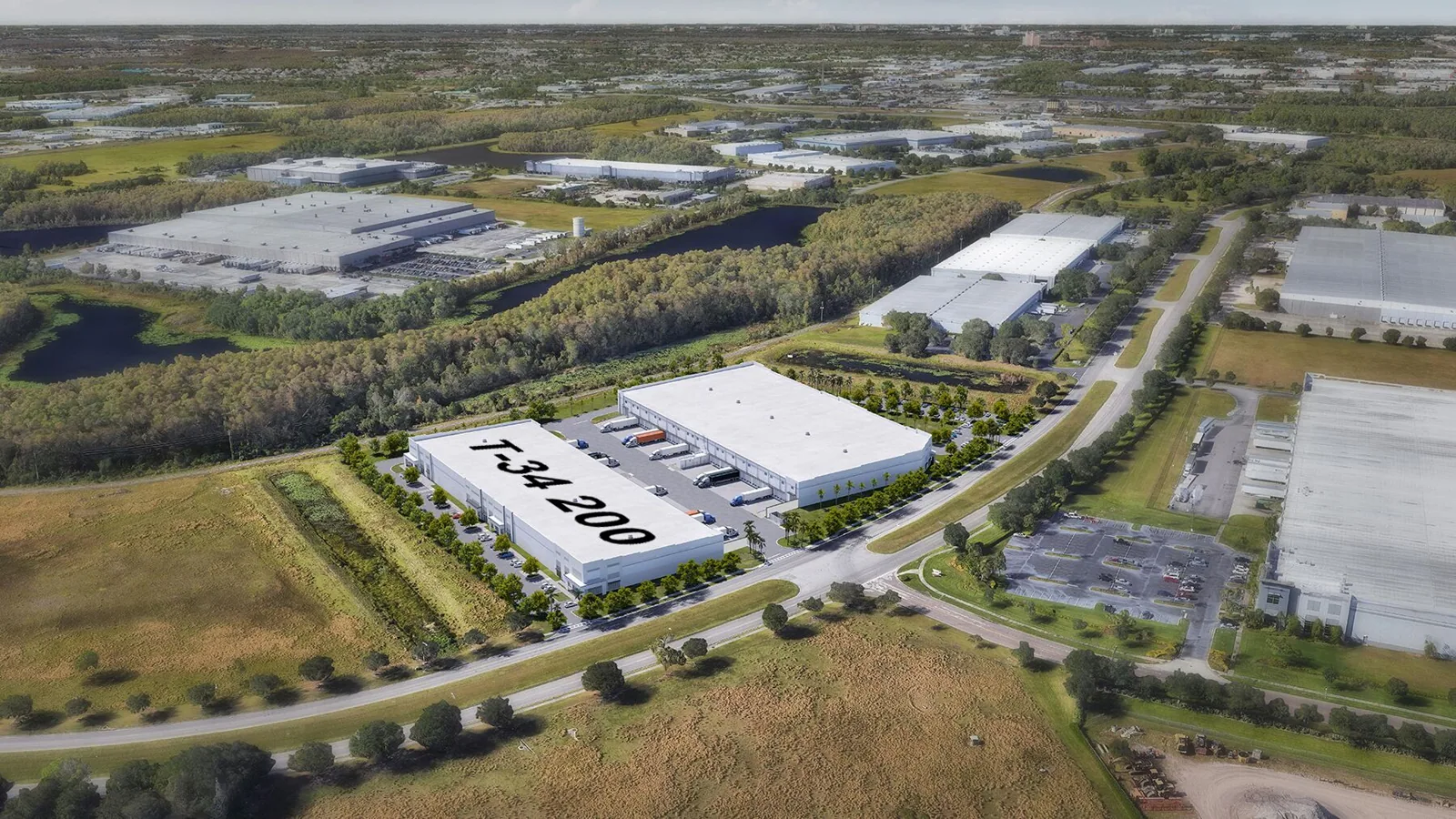
Manufacturers
See how we handle it
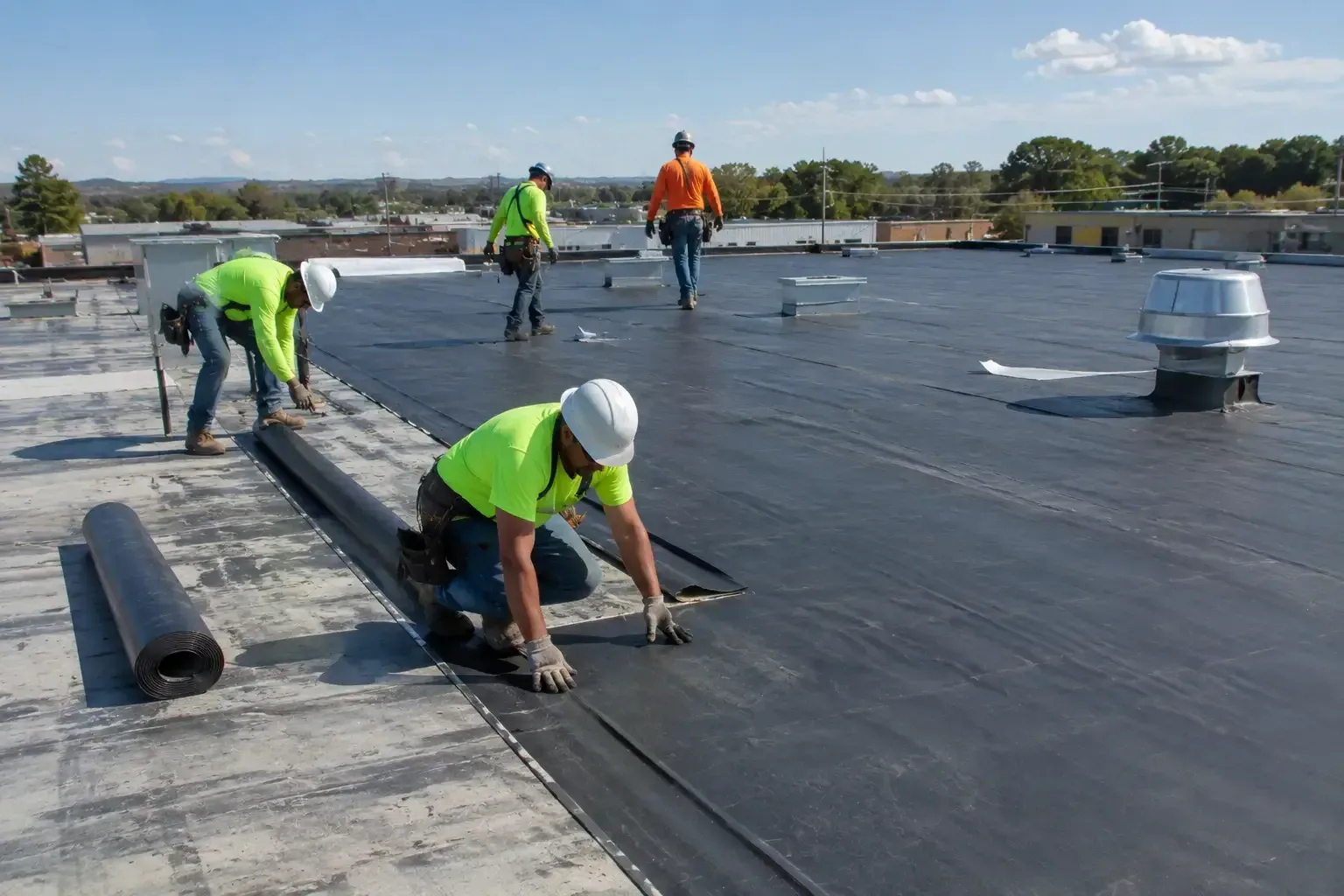
Occupied Building Reroofing
Scope, sequence and repair notes